Storia
Origins in the late 1960s
Rinaldini was founded in the late 1960s by Rinaldo Rinaldini. At the time, Rinaldo and his family operated a well-known restaurant where they made wine and cured meats and served traditional Emilian cooking. His growing attachment to the land, combined with an interest in and knowledge of Champagne production rituals, led the family into viticulture.
Rinaldo acquired an estate situated between Reggio Emilia and Parma, at the foot of the Matildic hills. The property included a small vineyard in which a few plants of the nearly forgotten Lambrusco Pjcol Ross survived among other vines. Rinaldo’s father—nicknamed “Moro,” meaning a dark-haired, dark-complexioned person—had been born close to the farm and encouraged the family to experiment with the variety.
Recovery of Pjcol Ross
Pjcol Ross, also called Peduncolo Rosso, was an old native variety of the Val d’Enza. Its vines had traditionally been trained onto elm branches, but its low productivity—approximately 50–60 quintals per hectare—made it poorly suited to the intensification and modernization of viticulture. Its cultivation progressively contracted until the variety was close to disappearing.
Trials with the surviving vines produced sufficiently promising results for the family to propagate the variety. New plants were obtained without grafting onto American rootstock, creating own-rooted plantings. The family subsequently expanded the area under Pjcol Ross until it could support a meaningful production. Over time, the winemaking was refined and a traditional-method sparkling interpretation was developed, with the declared aim of combining the variety’s traditional character with greater elegance and suppleness. Rinaldini identifies itself as the sole producer of this varietal wine.
Development of the winery
The winery occupies an 1884 farmhouse standing at the centre of the vineyards. As the business grew, separate working areas were added: a recently renewed machinery shed, a cellar for vinification and processing, and another space for bottling and packaging. Two underground cellars were excavated, together extending over 1,000 m². One became a barrel cellar equipped with French Allier oak and acacia vessels. The other was conceived as a fully underground sparkling-wine cave, where bottles mature and riddling is performed by hand. Bottle ageing before release also takes place underground.
The former vaulted cowshed, once used for cattle associated with Parmigiano-Reggiano production, was converted into a tasting and direct-sales area decorated with historic farming and winemaking equipment.
1996 and the memory of “Moro”
The first bottle of Vecchio Moro was produced in 1996, the centenary of the birth of Rinaldo’s father. Its name and neck label commemorate “Nonno Moro,” whose nickname also survives in the legal name of the agricultural business. The wine was conceived to recover the character associated with older styles of Lambrusco while using modern vinification and processing equipment.
Experimental wines and diversification
The family also undertook two separate decade-long experimental projects to demonstrate that Lambrusco grapes could produce substantial still wines. One led to Picchio, based on late-harvested Lambrusco Maestri and extended cellar ageing. The other led to Moro del Moro, inspired by the family’s interest in dried-grape wines and made after drying selected Lambrusco bunches. Both projects reached commercial production after approximately ten years of trials.
Rinaldo’s interest in balsamic condiments also became part of the estate’s activity. Riserva di Rinaldo continues this practice through cooked must matured in very small barrels of different woods in the acetaia’s hayloft, where successive hot summers and cold, foggy winters concentrate the product.
Present family management
The estate remains a family enterprise. Paola Rinaldini, Rinaldo’s daughter, manages the complete cycle from grapes to bottled wine with her husband, Marco Melegari, and their son Luca. Luca is additionally responsible for vineyard care.
Recent environmental investments
For more than ten years, the vineyards have progressively been equipped with sub-surface drip irrigation to reduce water use, while the rows have been grassed to support biodiversity. SQNPI integrated production guides vineyard protection, with particular attention to beneficial insects and the goal of zero crop-protection residues in the grapes at harvest.
In 2020, more efficient refrigeration systems were installed to reduce energy consumption. Since 2023, photovoltaic panels on the winery roof have generated electricity to support the energy requirements of the estate’s activities.
Terroir
The estate lies at Calerno, in the commune of Sant’Ilario d’Enza, approximately midway between Reggio Emilia and Parma and at the foot of the Matildic hills. Its vineyards surround the central 1884 farmhouse.
The soils are alluvial and contain mixed gravel. The estate associates this setting with a viticultural emphasis on relatively high planting density and low yields. Pjcol Ross is historically linked to the Val d’Enza and yields approximately 50–60 quintals per hectare, one reason the variety was largely abandoned when local viticulture became more intensive.
Vinificazione
All production originates in the estate’s 15 ha of vineyards, comprising approximately 60,000 vines. The vines are planted at relatively high density, trained to spurred cordon and managed for low production.
For more than ten years, the family has progressively converted the vineyards to sub-surface drip irrigation, reducing water use by delivering it below ground. Permanent or managed grassing between the rows is used to promote biodiversity.
Vineyard protection follows the SQNPI integrated-production system. The objectives are to protect beneficial insects and achieve zero residues of crop-protection products in the grapes at harvest. Modern application machinery is used to distribute very small quantities of environmentally compatible treatments.
Night or dawn harvesting is used for several cuvées to bring cool grapes into the winery. Selected lots for the estate’s dried-grape wine are picked by hand, with individual bunch selection before drying in a ventilated, temperature- and humidity-controlled room. Pjcol Ross remains particularly low yielding at approximately 50–60 quintals per hectare.
The winery is housed in an 1884 farmhouse at the centre of the vineyards and is divided into dedicated areas for vinification and processing, bottling and packaging, and the storage of agricultural machinery. Equipment has been modernized while the family continues techniques derived from its experience with traditional sparkling wines.
Two underground cellars cover a combined 1,000 m². One serves as the barrel cellar and contains French Allier oak and acacia vessels. The second is a fully underground sparkling-wine cave used for bottle maturation and manual riddling. The underground spaces also provide stable conditions for bottle ageing before release.
The cellar works with both tank and traditional-method sparkling production as well as still wines. Practices represented across production include cool grape reception following night harvests, gentle pressing, temperature-controlled fermentation, submerged-cap red fermentation, refermentation in pressure tanks, bottle refermentation, extended lees ageing, manual riddling and disgorgement. Selected still wines undergo late harvesting or post-harvest drying, long skin contact, ageing in barriques and larger wooden vessels, and extended bottle maturation.
The estate’s balsamic condiments are produced separately from cooked grape must. Vecchio Moro Balsamico ferments during winter, is acetified in large oak vessels and subsequently matures in small barrels made from different woods. Riserva di Rinaldo matures in very small mixed-wood barrels in the acetaia’s hayloft, using seasonal temperature changes to concentrate its structure and aromas.
Filosofia
Rinaldini’s approach combines family tradition with modern equipment and technical experimentation. Quality is pursued through complete family control of the cycle from estate-grown grapes to the finished bottle, relatively dense vineyards, restrained yields and careful cellar work.
The preservation of old local genetic material is central to the estate’s identity. The recovery of Pjcol Ross was motivated by a determination to retain a low-yielding Val d’Enza variety that had been pushed toward extinction by more intensive viticulture. Decade-long trials behind Picchio and Moro del Moro similarly reflect a willingness to challenge assumptions about Lambrusco and explore still and dried-grape expressions.
Environmental priorities include reduced water use, grassed vineyard rows, protection of beneficial insects, low-volume treatment applications, energy-efficient refrigeration and on-site photovoltaic generation. Tradition is treated as a working inheritance rather than a fixed formula: manual riddling, submerged-cap fermentation and long maturation coexist with temperature control, modern machinery and dedicated processing facilities.
Vini
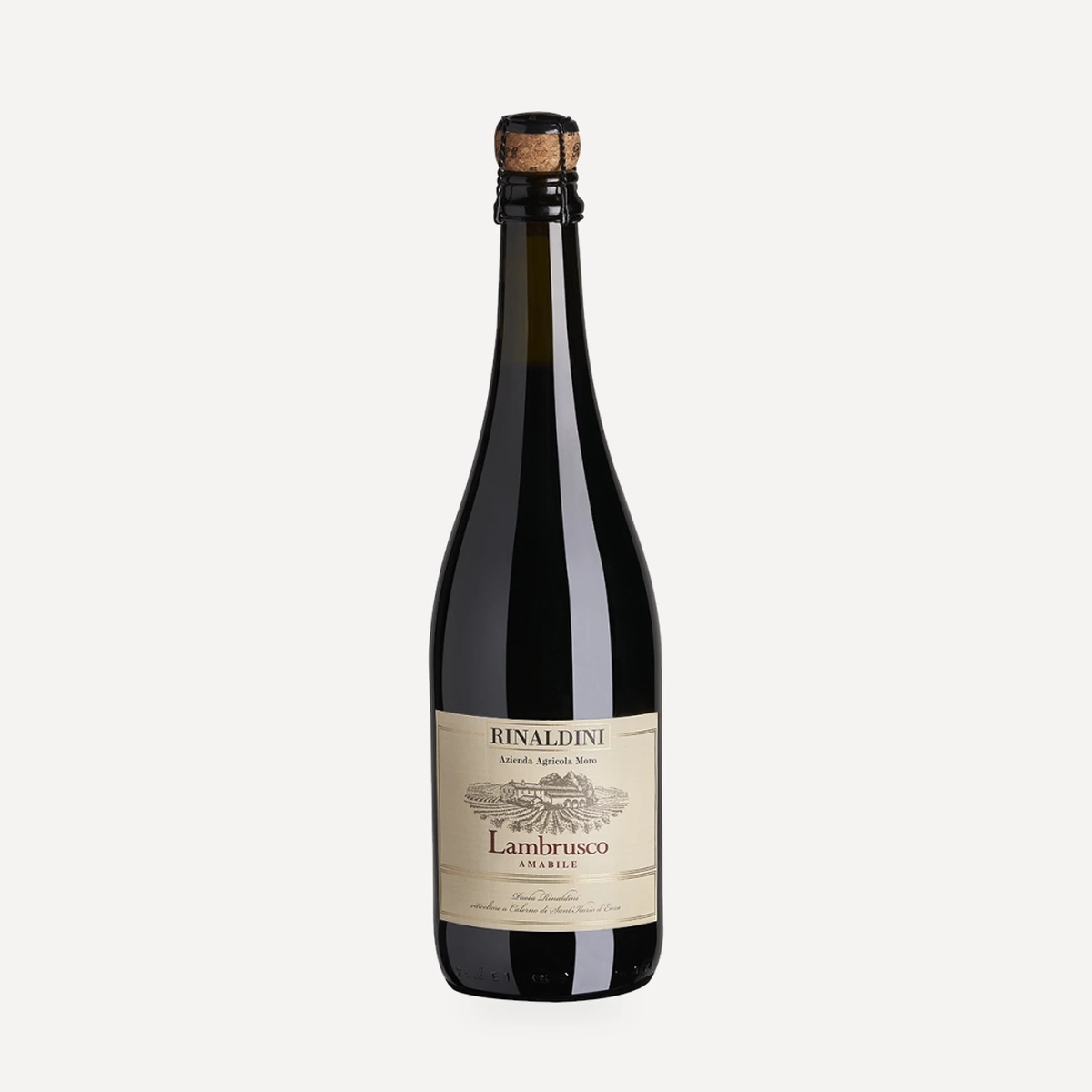
Amabile Lambrusco IGP
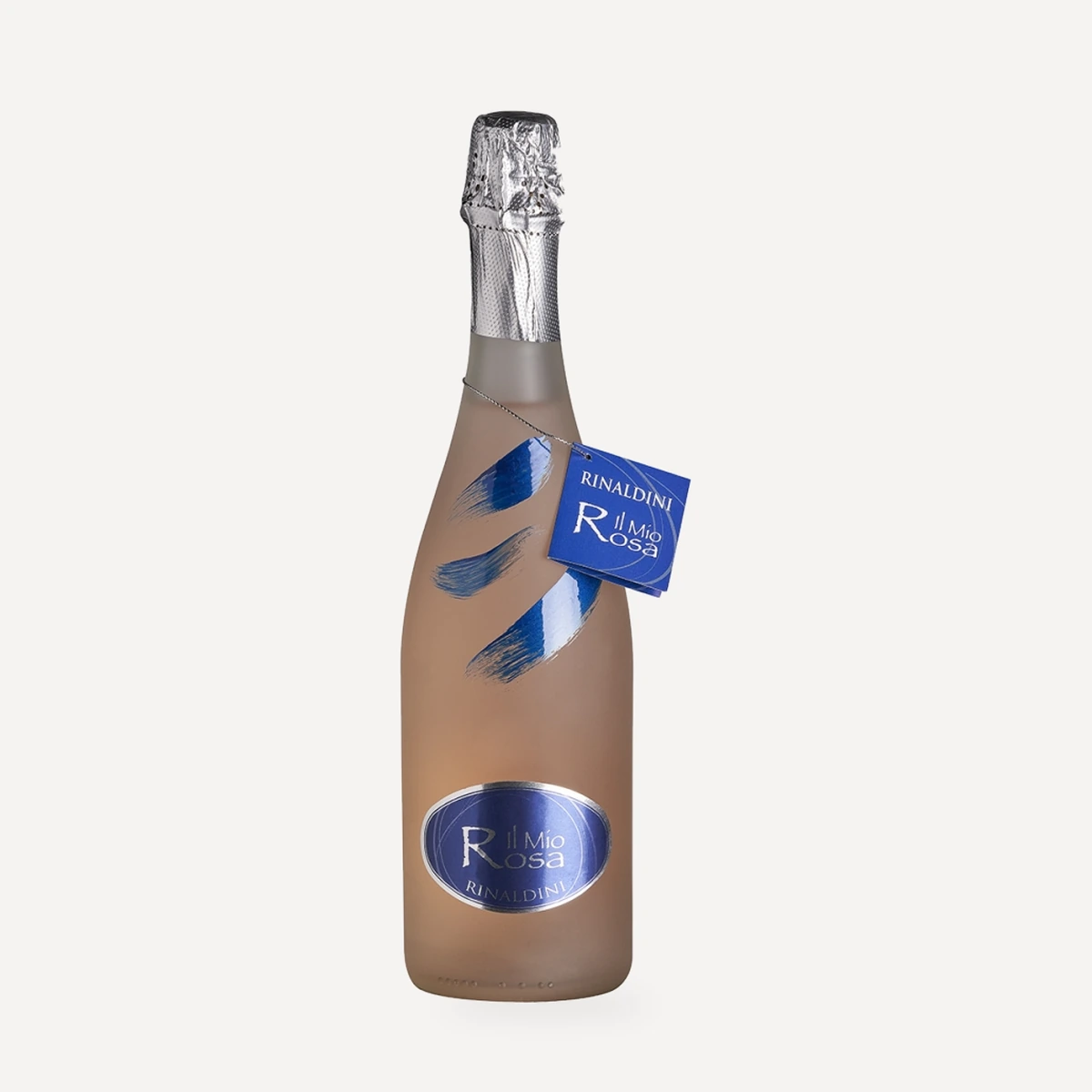
Il Mio Rosa
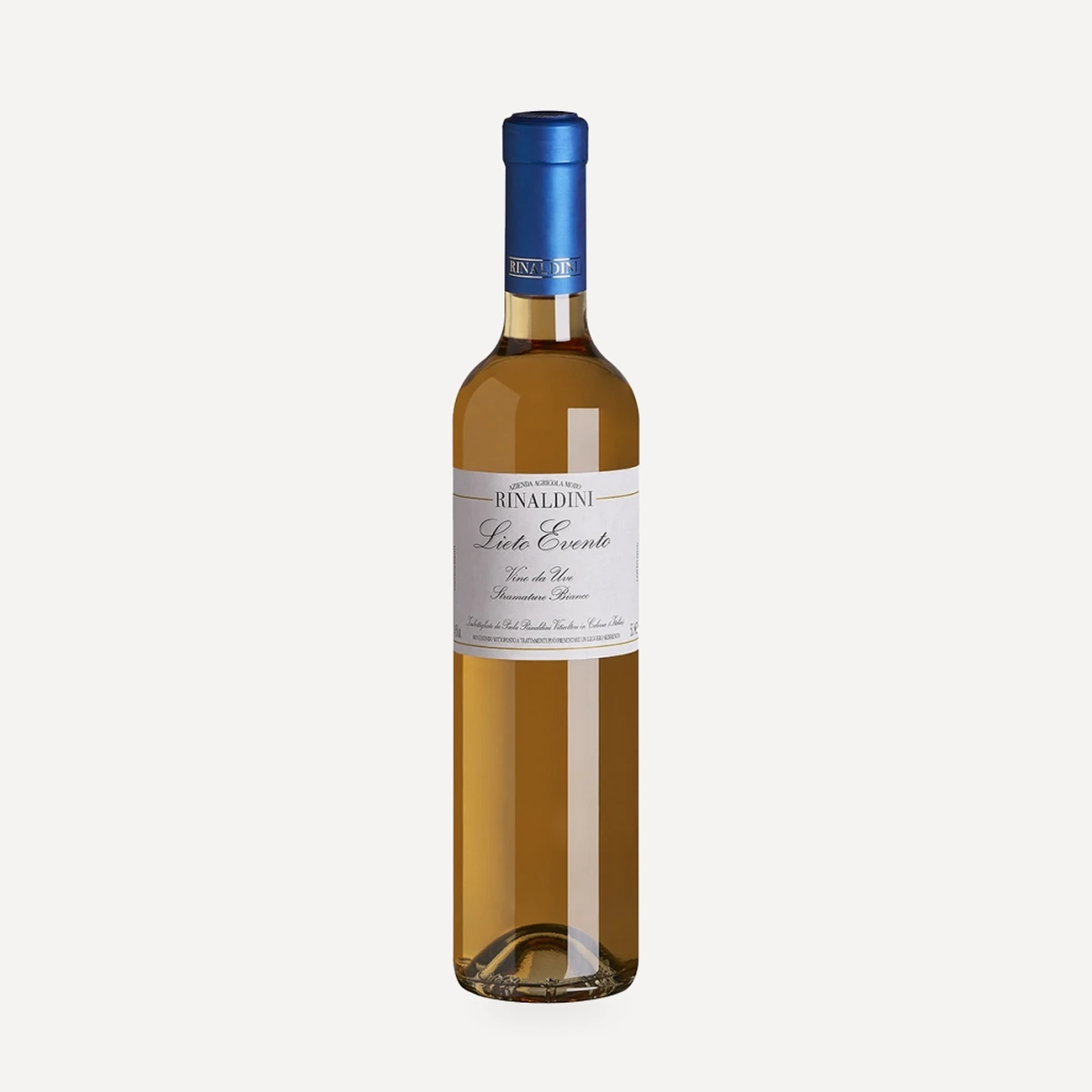
Lieto Evento
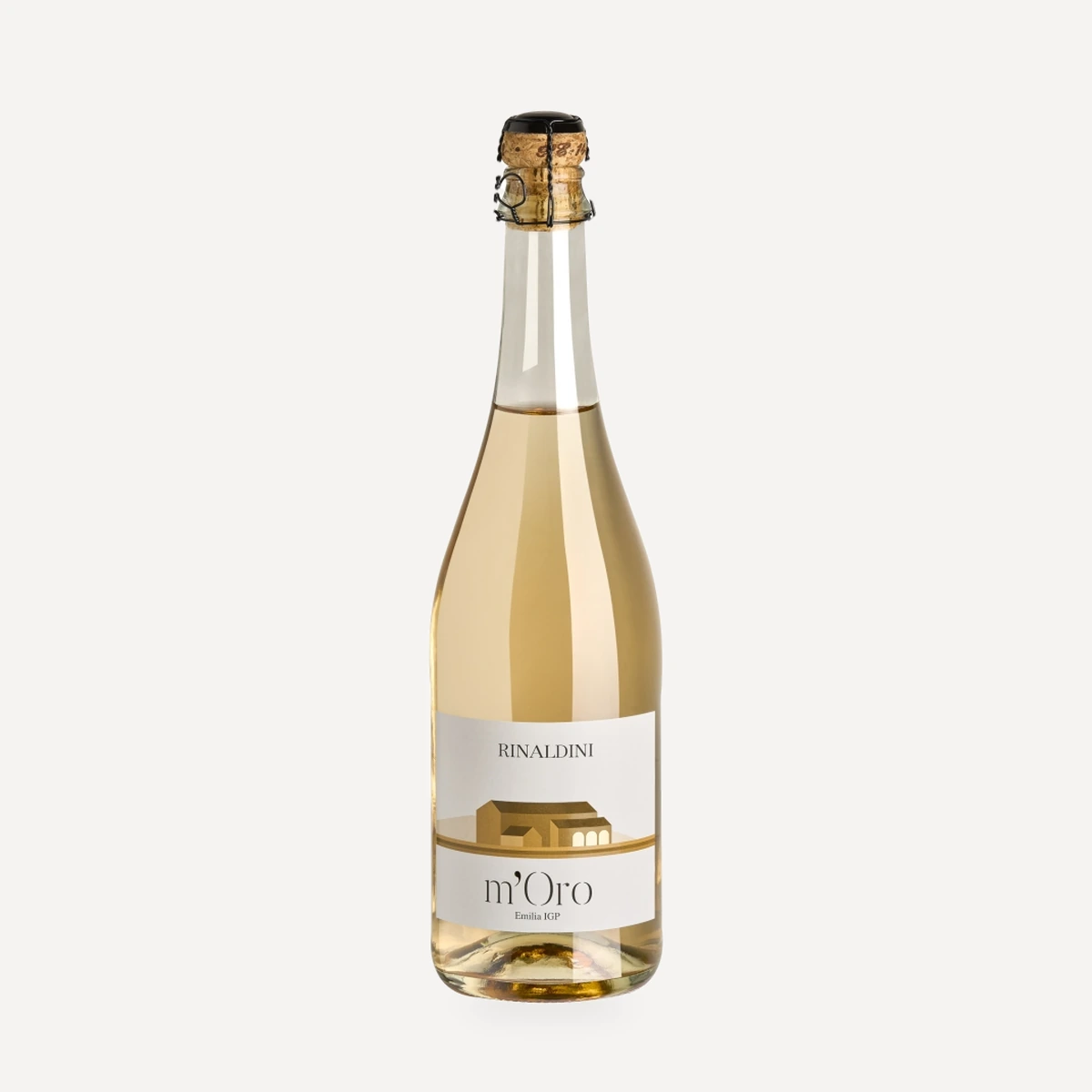
M'Oro
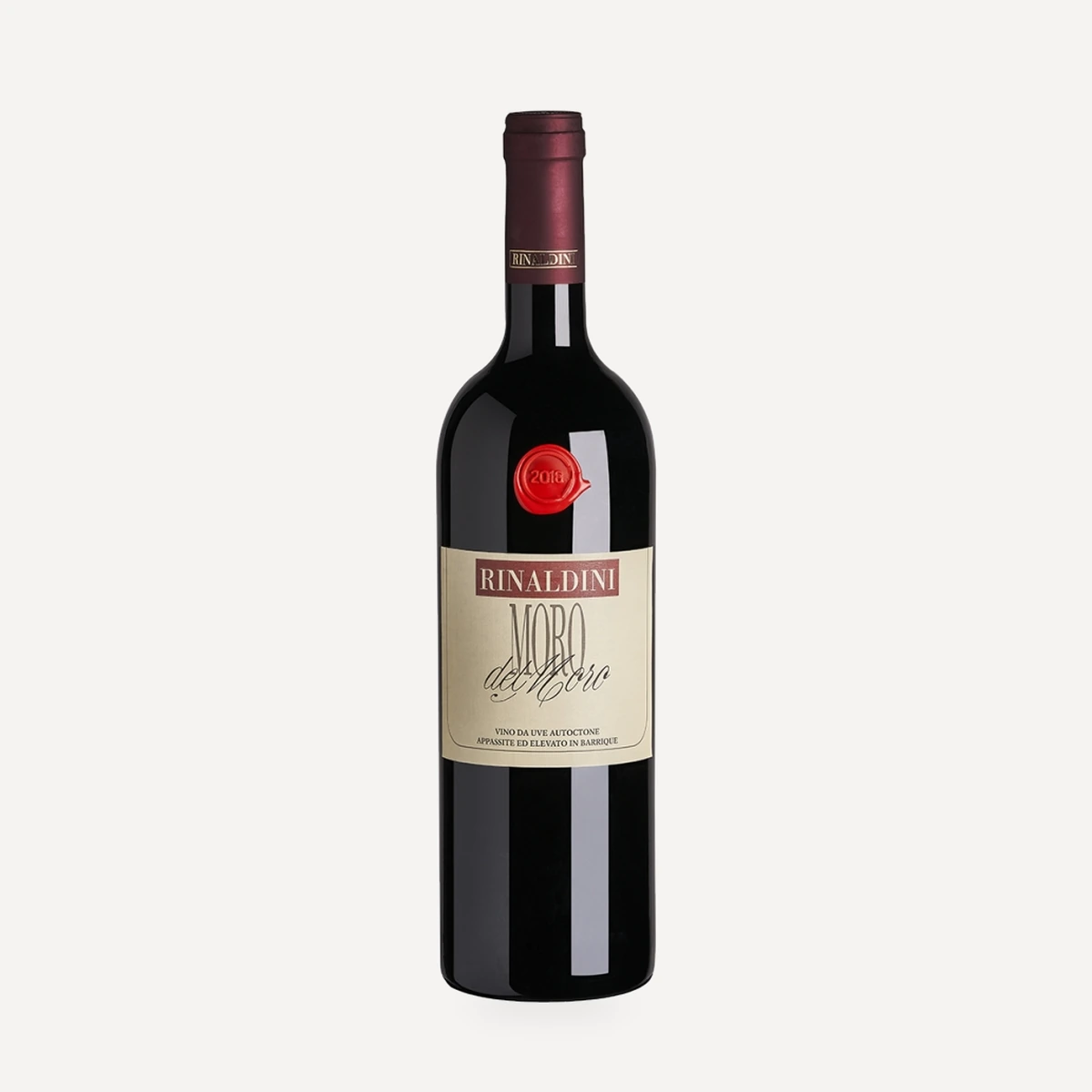
Moro del Moro IGT
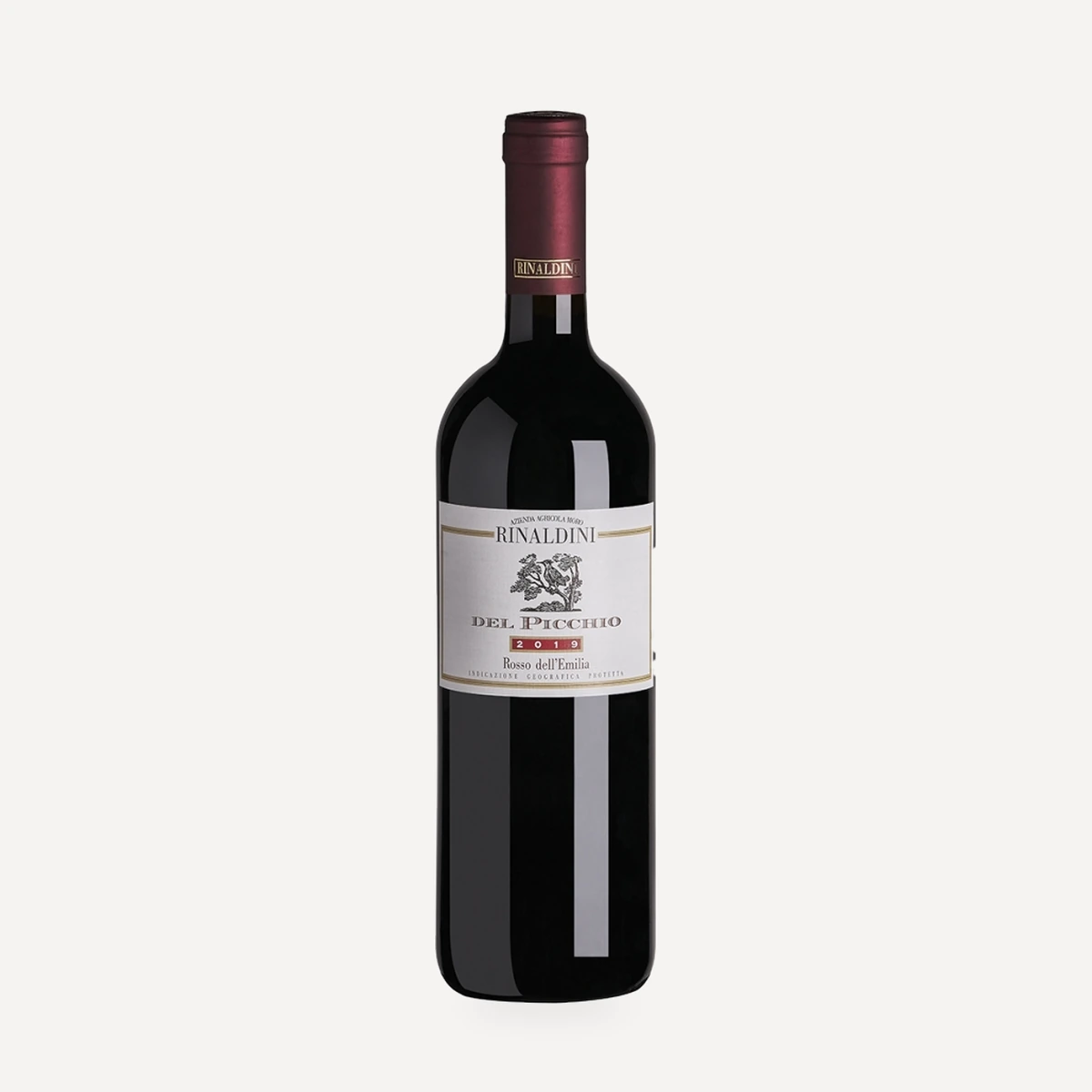
Picchio IGP
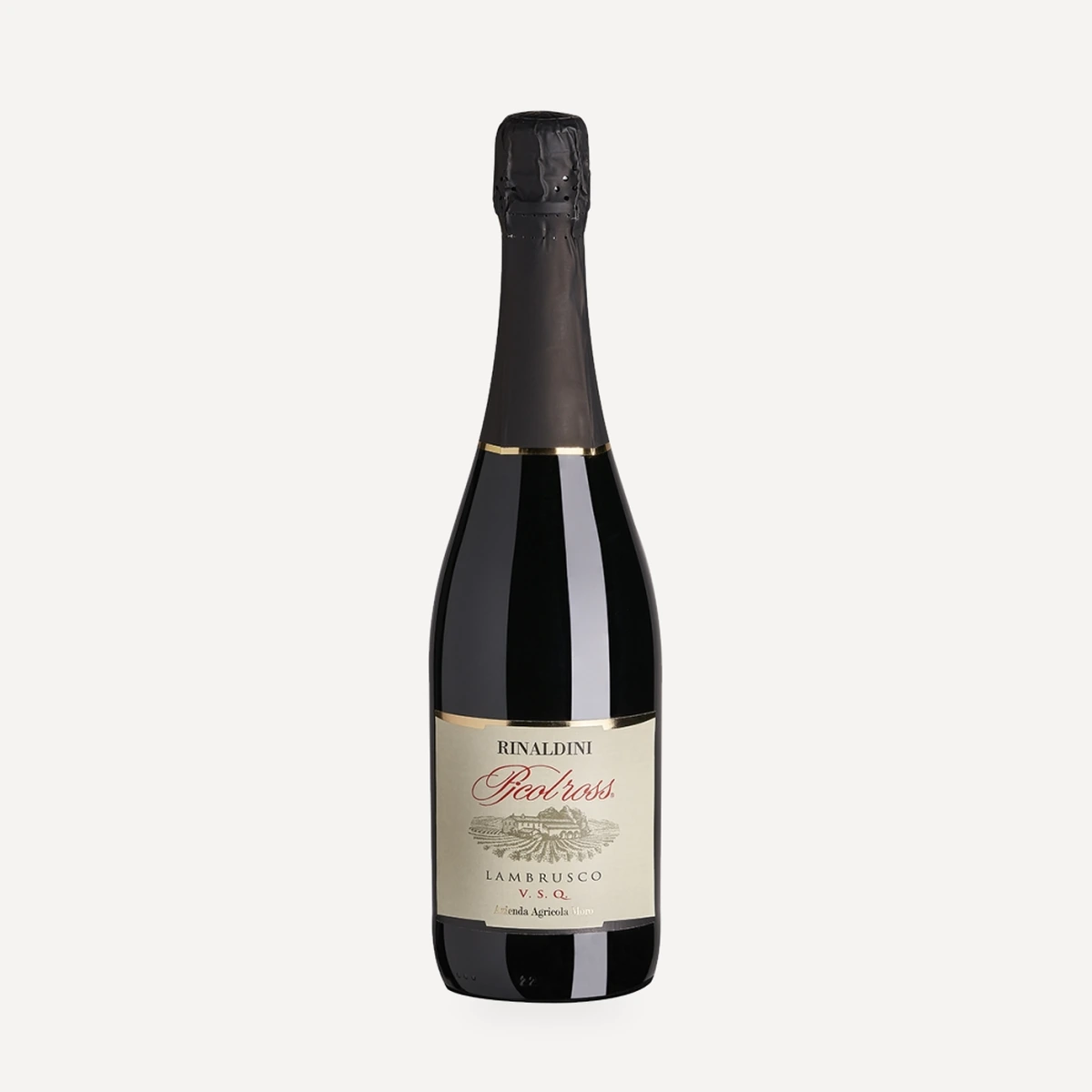
Pjcol Ross Lambrusco
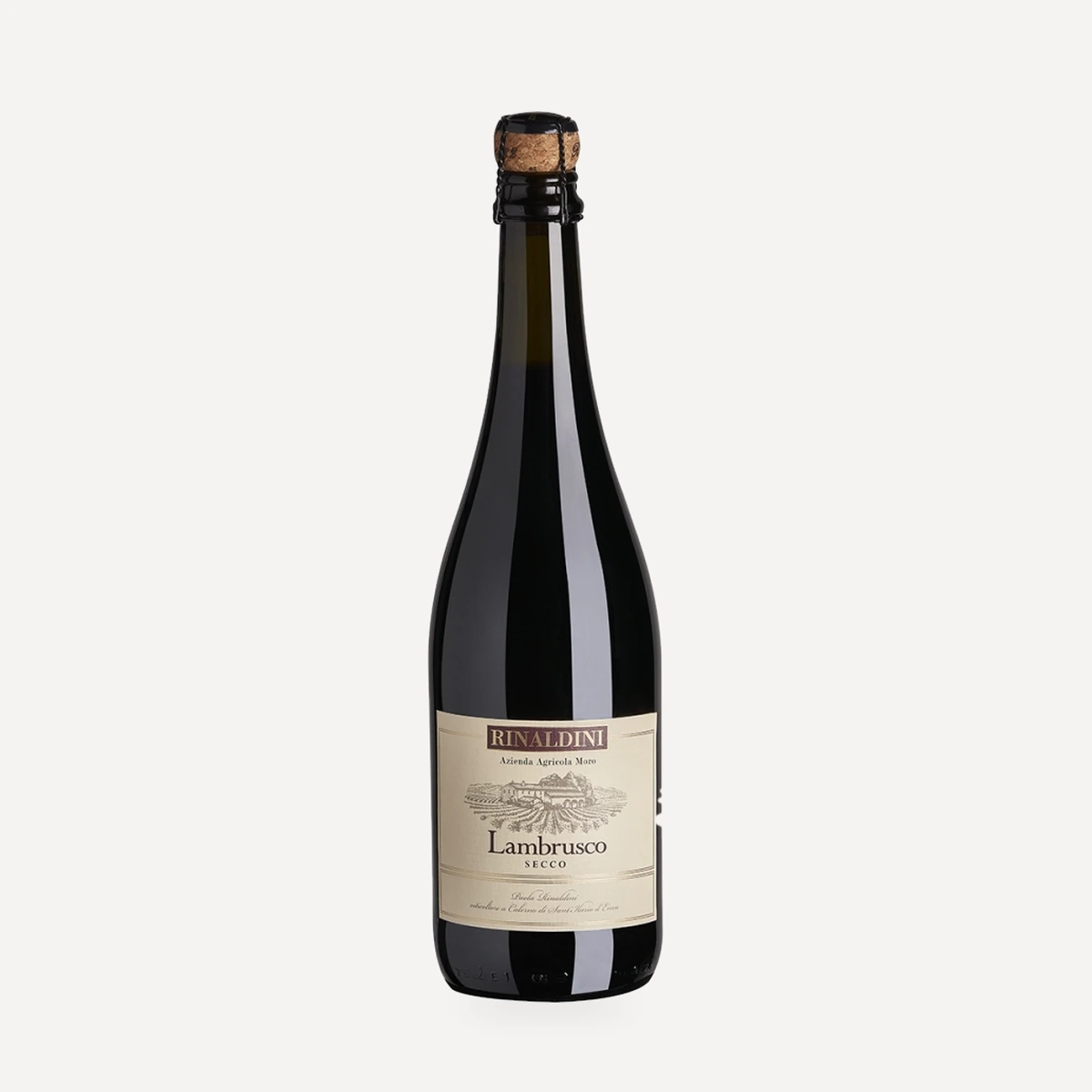
Reggiano Lambrusco Rosso DOP
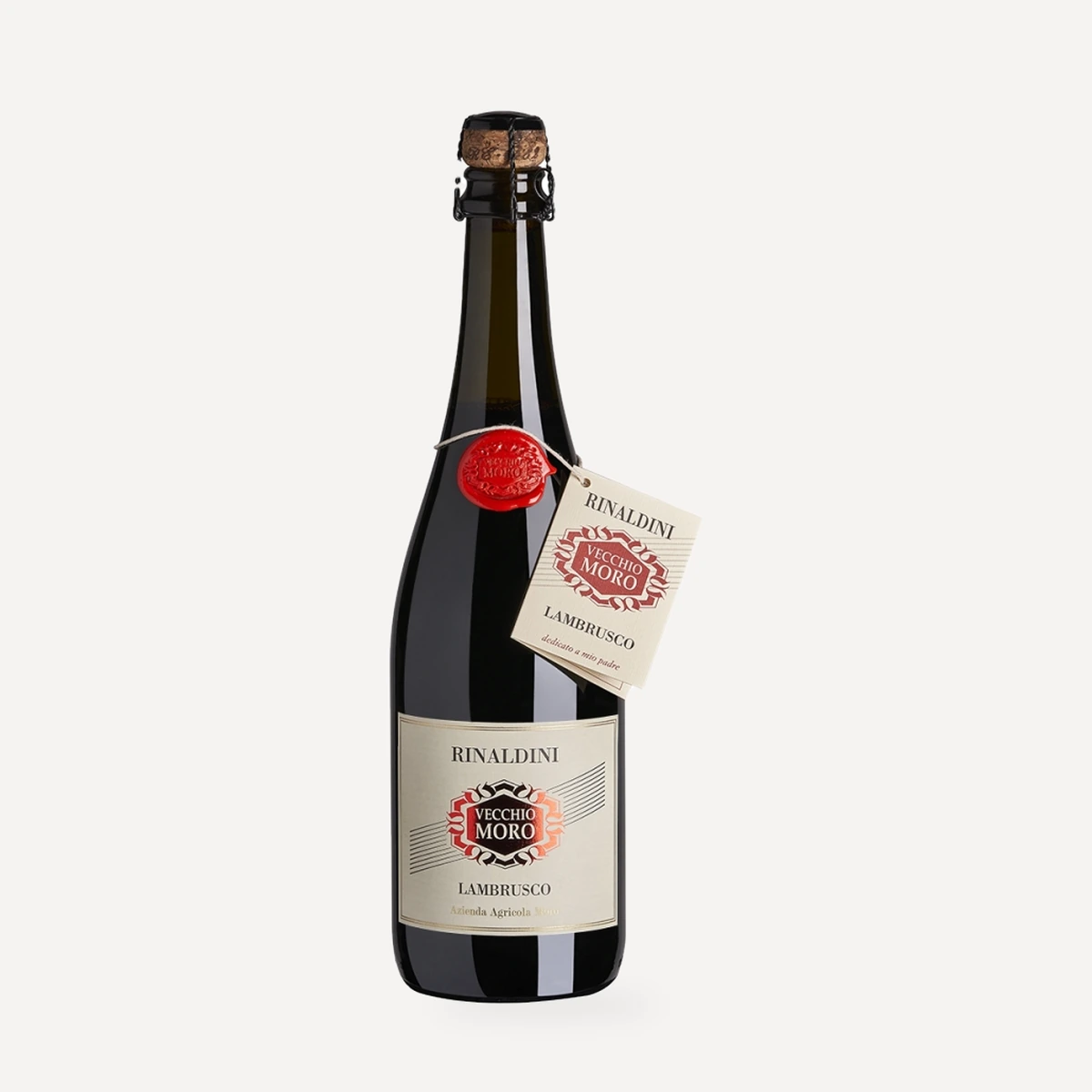
Vecchio Moro Lambrusco IGP
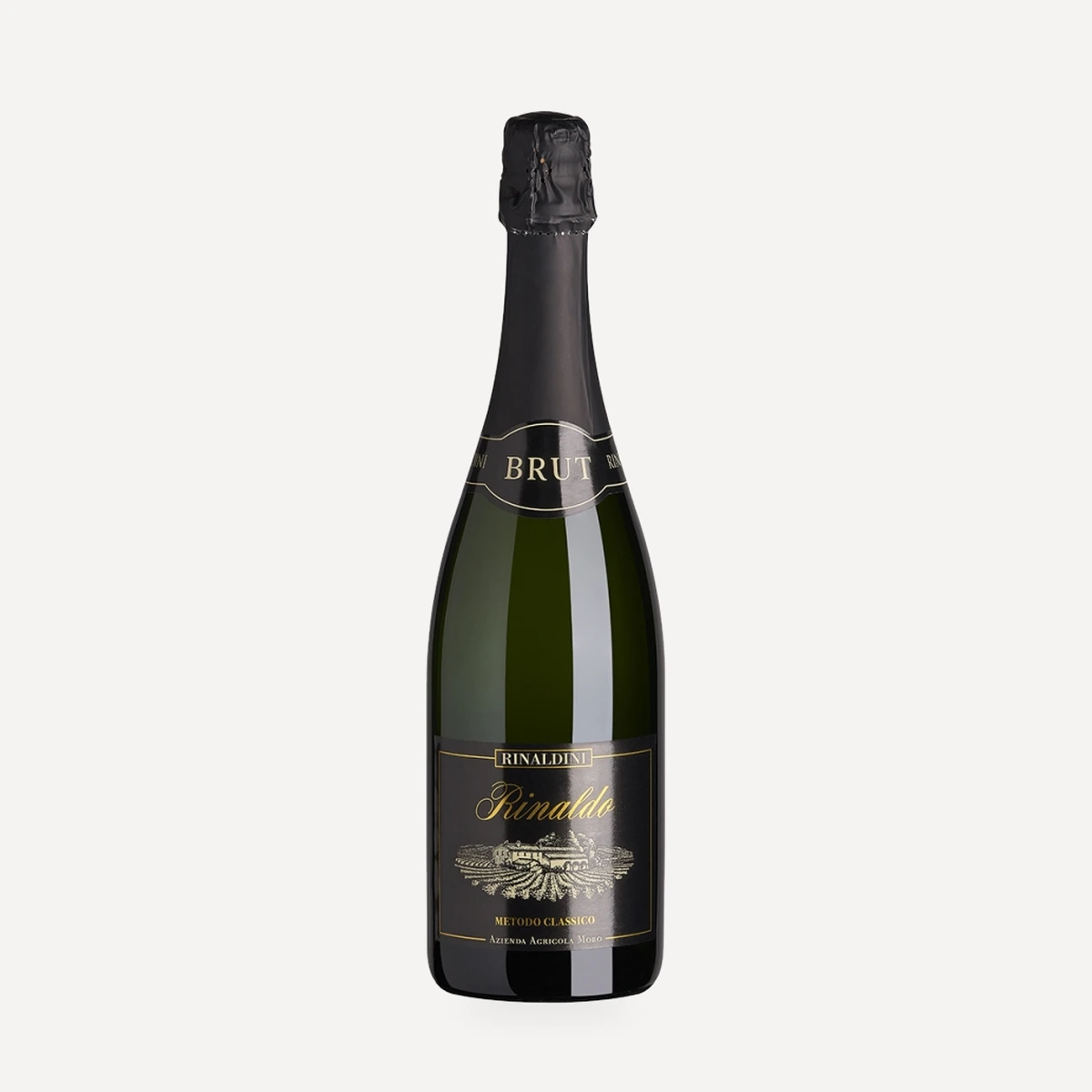
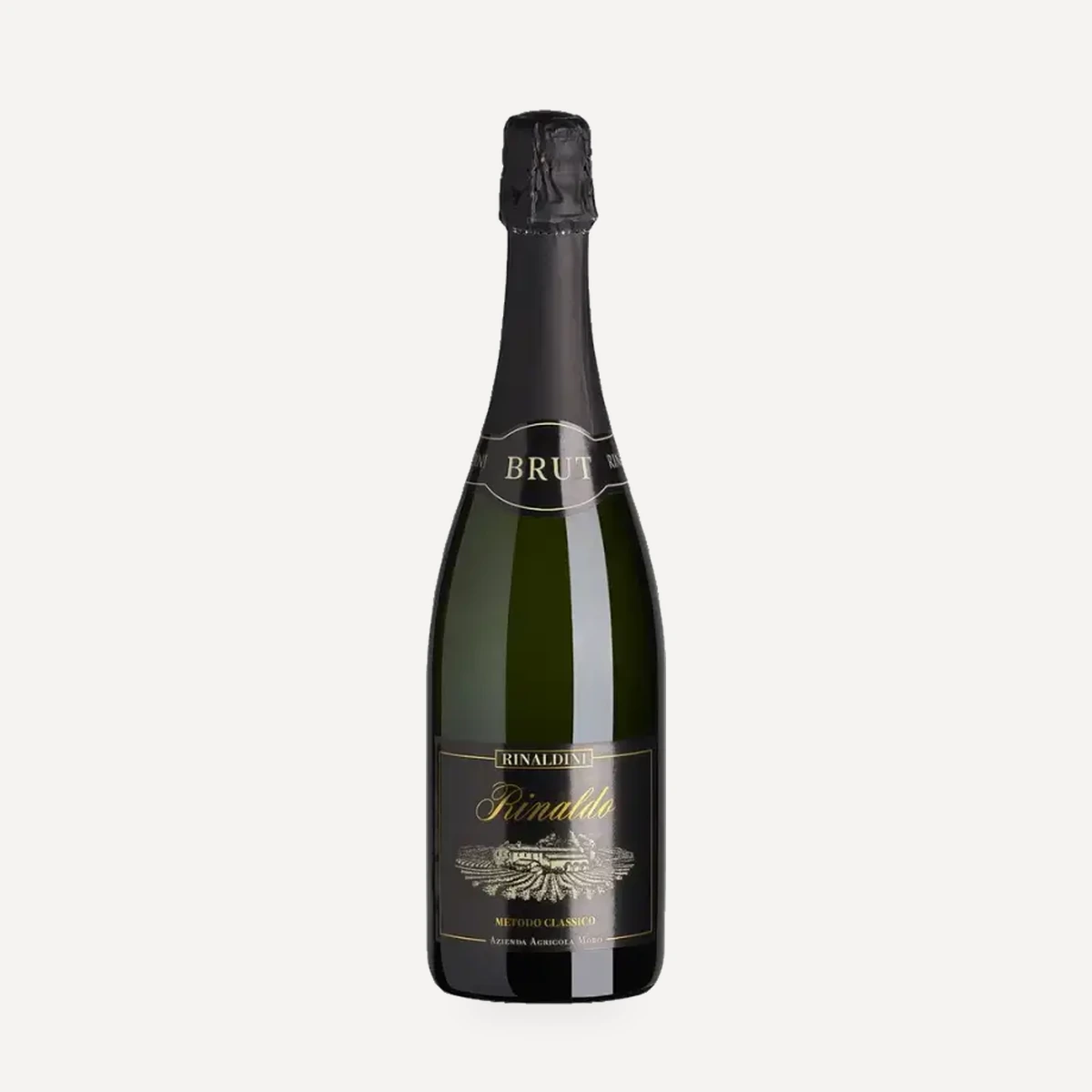
Rinaldo Brut
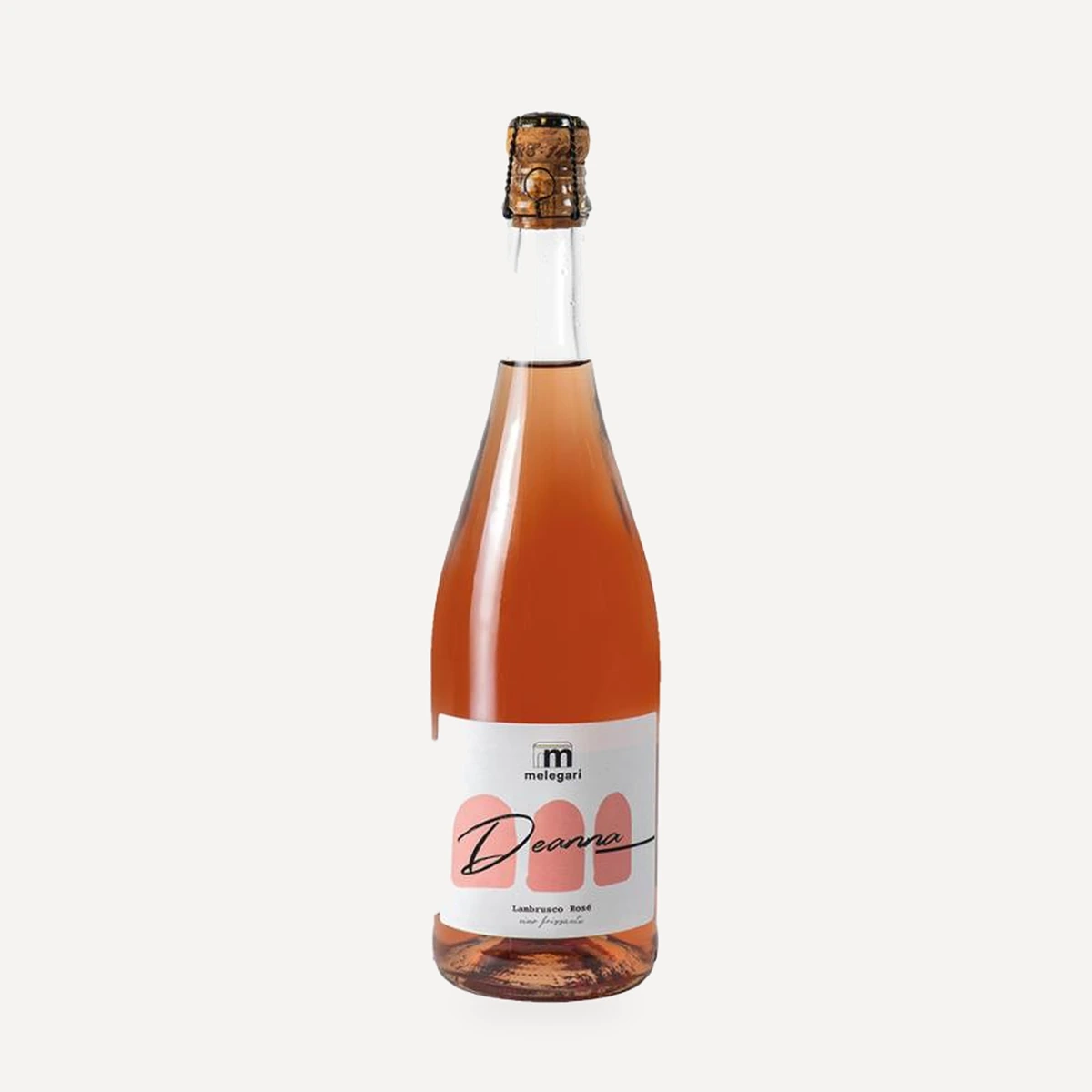
Deanna
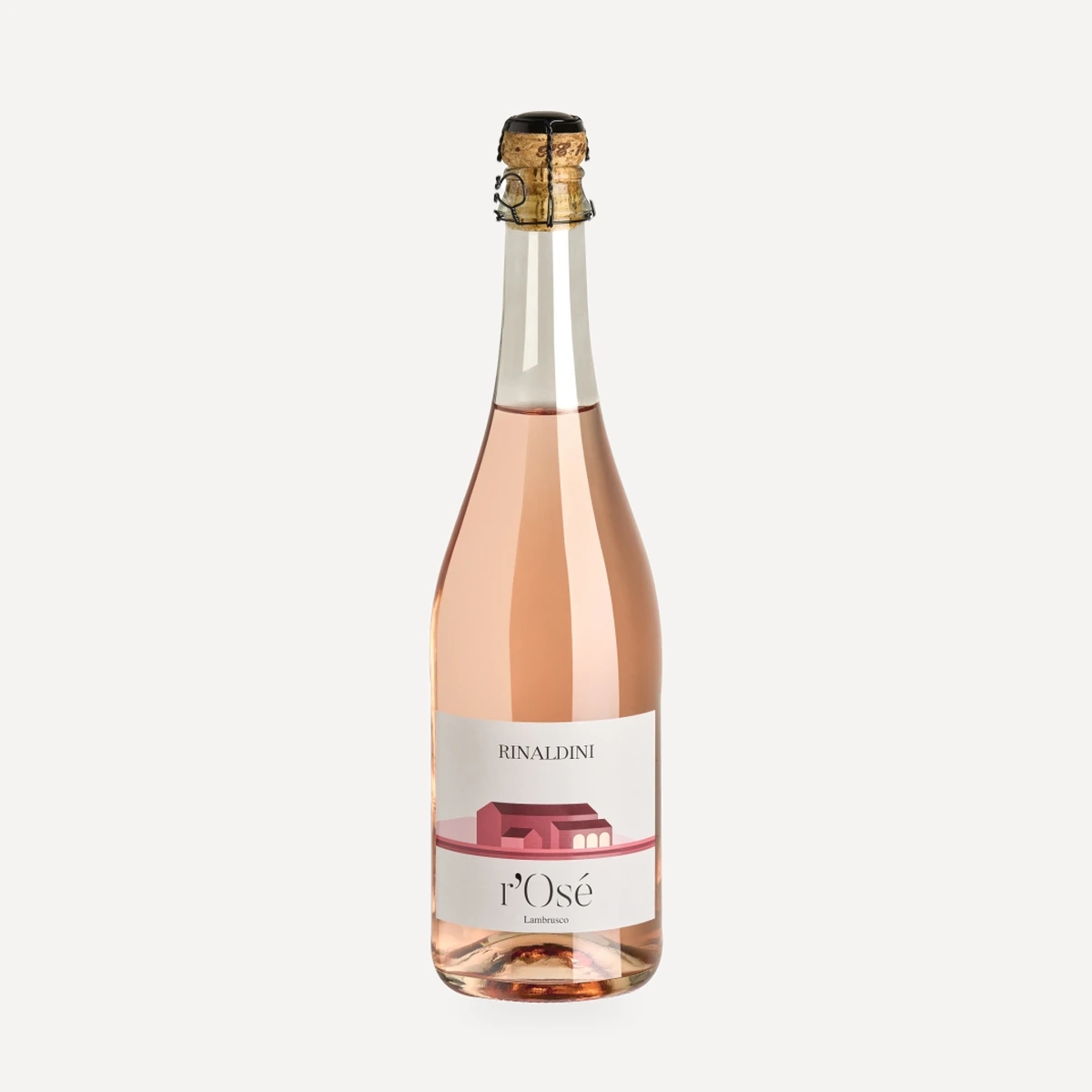
r'Osè Lambrusco IGP
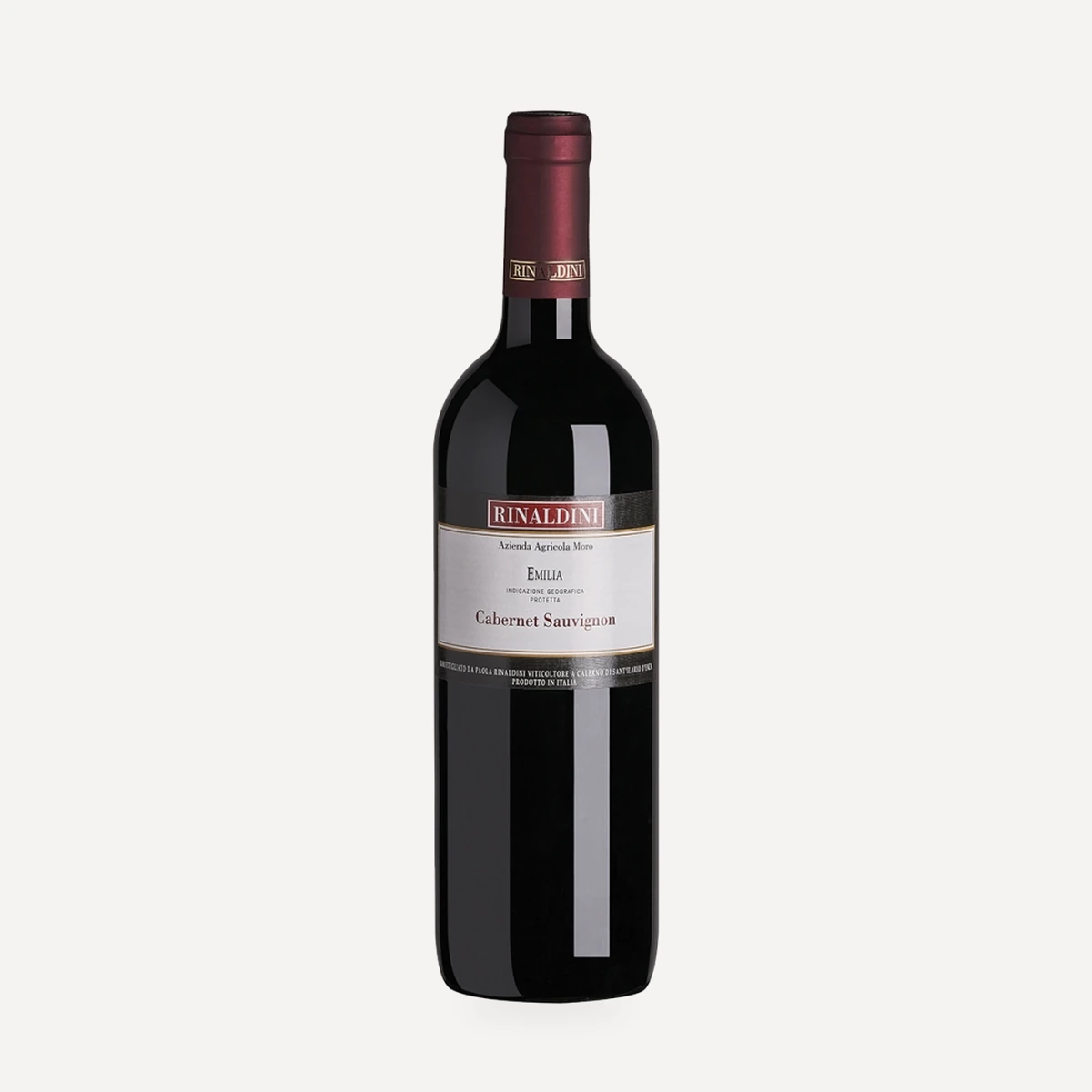
Cabernet Sauvignon dell'Emilia IGP
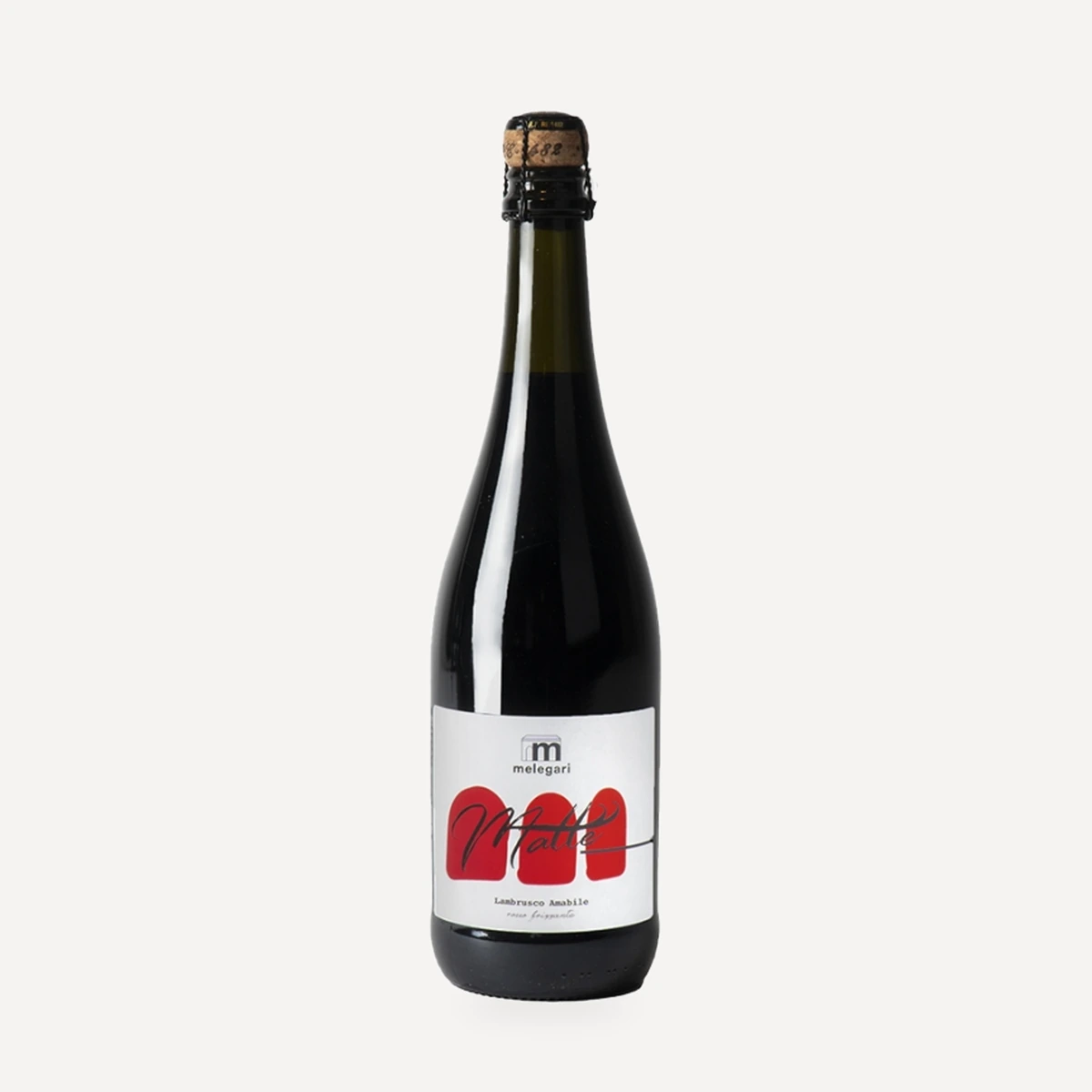
Matte