Storia
The nineteenth-century estate
The centre of Rizieri is a nineteenth-century farmhouse in Diano d’Alba. Its characteristic L-shaped plan follows the form of historic rural buildings in the Langhe. The farmhouse now stands alongside a modern, semi-underground winery designed to fit into the surrounding hillside.
Arturo Verrotti di Pianella and the creation of a full-time wine enterprise
Rizieri developed from Arturo Verrotti di Pianella’s personal passion rather than an inherited family wine tradition. He cultivated that interest for many years before making winegrowing and winemaking his full-time occupation in 2009. He manages the estate from Diano d’Alba, in the Langhe.
The property grew around vineyards owned directly by Rizieri. Approximately 6.5 ha form a contiguous block around the farmhouse and winery in Sorì del Ricchino, while approximately 1 ha of Nebbiolo for Barolo lies in the Silio MGA in La Morra. Together these holdings account for approximately 7.5 ha of vines within an agricultural property of about 14 ha.
A modern winery and environmental measures
A modern, eco-conscious cellar was constructed beside the historic farmhouse and integrated into the terrain as a semi-underground building. Its roof carries a photovoltaic installation that generates clean electricity, reducing environmental impact and energy consumption.
As the enterprise developed, vineyard management was aligned with environmental objectives. Herbicides were eliminated, cow manure and green manure became the basis of soil fertility, and natural grassing and canopy work were used to reduce fungal pressure and minimize plant-protection treatments. Anti-hail nets were installed in the Silio vineyard in response to increasingly frequent adverse weather events.
Terroir
Sorì del Ricchino, Diano d’Alba
The principal estate vineyards occupy a hillside position in Sorì del Ricchino at an average elevation of 350 m. The locality has a historic association with Dolcetto cultivation. The soils are calcareous and clay-rich, crossed by sandy veins. Exposures are predominantly toward midday; individual plantings range from south and south-west to west and south-west.
The vines are surrounded by deciduous and mixed woodland. During the hottest summer months, these woods function as a cooling buffer, moderating the air around the vineyards.
Silio, La Morra
Approximately 1 ha of Nebbiolo for Barolo is cultivated in the Silio MGA in the north-eastern part of La Morra. The vineyard lies at approximately 300 m with a south-east exposure. Its soil is clay-rich, only slightly calcareous and moderately sandy, with manganese and magnesium. Anti-hail nets protect the vines from increasingly frequent severe weather.
Vinificazione
Environmental care is integrated into vineyard management. Lean soils are fertilized with cow manure, while herbicides have been prohibited. Barley and legumes are sown between the rows: they compete with weeds and are incorporated as green manure to nourish the soil and vines. Natural grassing is maintained between rows, while hoeing and mowing are used beneath the vines.
Frequent green pruning improves canopy conditions and helps prevent fungal disease, allowing plant-protection treatments to be minimized. When treatments are required, sulfur and copper are preferred. The Silio vineyard is covered with anti-hail nets to protect its Nebbiolo from increasingly frequent severe weather.
Most vineyard operations are manual. Bunches are thinned in July through a green harvest, reducing yields and encouraging complete ripening. Excess leaves are removed in August to increase sunlight exposure and make the fruit less susceptible to mould.
Harvesting is exclusively manual, permitting selection of healthy, fully ripe bunches. Picking dates are established separately for each vineyard by considering sugar concentration, acidity, physiological ripeness and weather conditions. The fruit is placed in perforated 20 kg crates so that the berries remain intact until processing in the cellar.
The estate’s modern, semi-underground cellar was designed to integrate into the surrounding terrain. Production combines modern temperature control with an artisanal emphasis on detail and restrained intervention.
Fermentation takes place in temperature-controlled stainless-steel tanks. Maturation may use 25 hl Slavonian and French oak casks, 500 l tonneaux and a limited number of 225 l barriques. All of these vessels are lightly toasted. The objective is for oak to harmonize with and complete the wine rather than dominate its flavour.
Each wine is given the maturation and resting time considered necessary for full harmony. Before bottling, the wines receive a light filtration. Sulfite additions are kept to a minimum intended to preserve aroma, colour and flavour.
Filosofia
Rizieri’s philosophy centres on protecting and caring for what tradition and nature have entrusted to the estate. Wine is understood as the combined result of the vine, subsoil, seasonal cycle and human work. The best grapes are selected and vinified as single varieties so that the character of the fruit and terroir remains legible.
Intervention is deliberately limited in both vineyard and cellar, while close attention is paid to every production detail. Nature and time are treated as active contributors to balance: wines receive the maturation they require, and oak is intended to support rather than obscure their identity.
Environmental responsibility accompanies the estate’s development through the exclusion of herbicides, reduced plant-protection use, green manuring, natural grassing, manual vineyard work, photovoltaic electricity generation and a cellar integrated into the landscape. The stated goal is a continuing pursuit of quality while preserving winegrowing traditions and the natural setting.
Vini
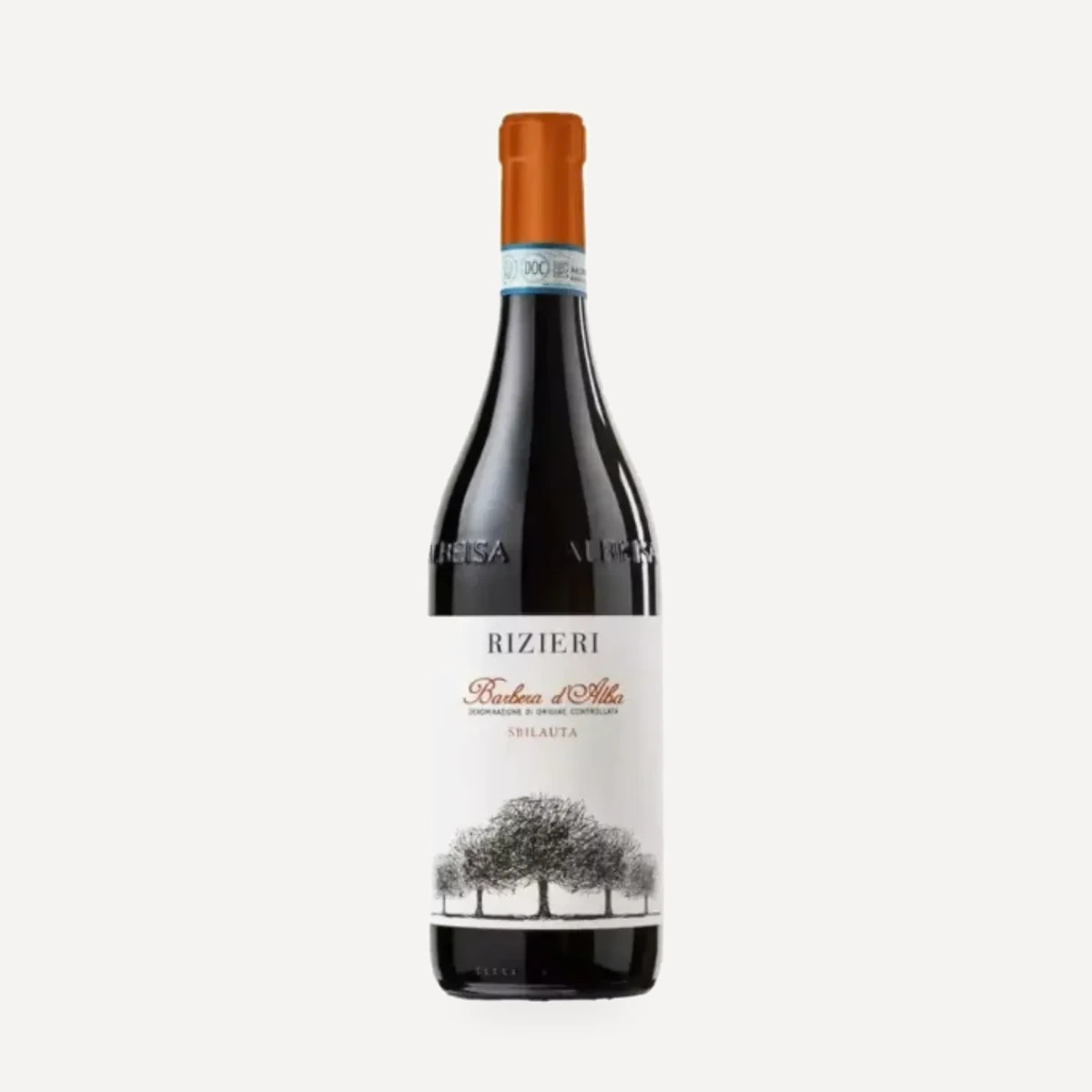
Barbera d’Alba Sbilauta
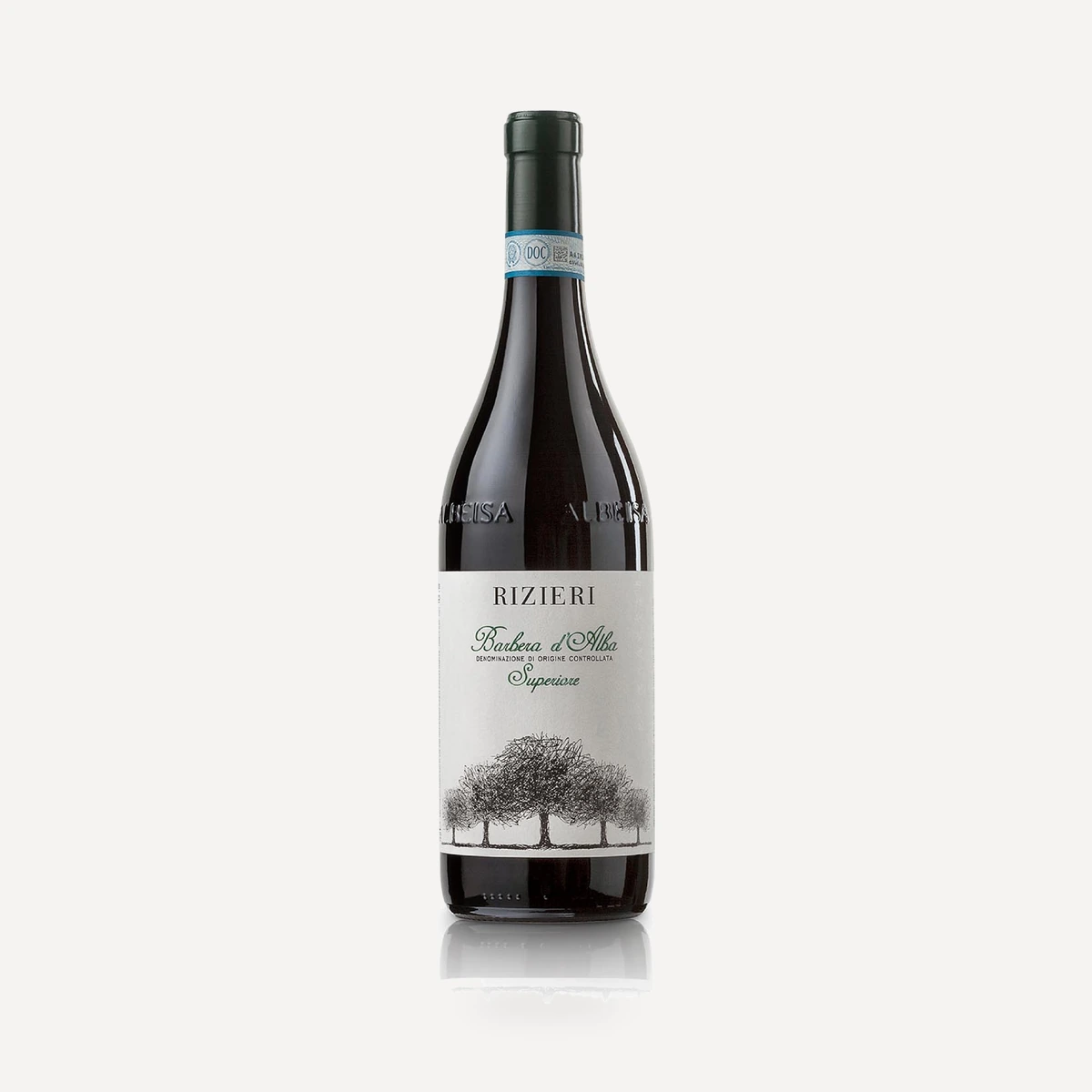
Barbera d’Alba Superiore
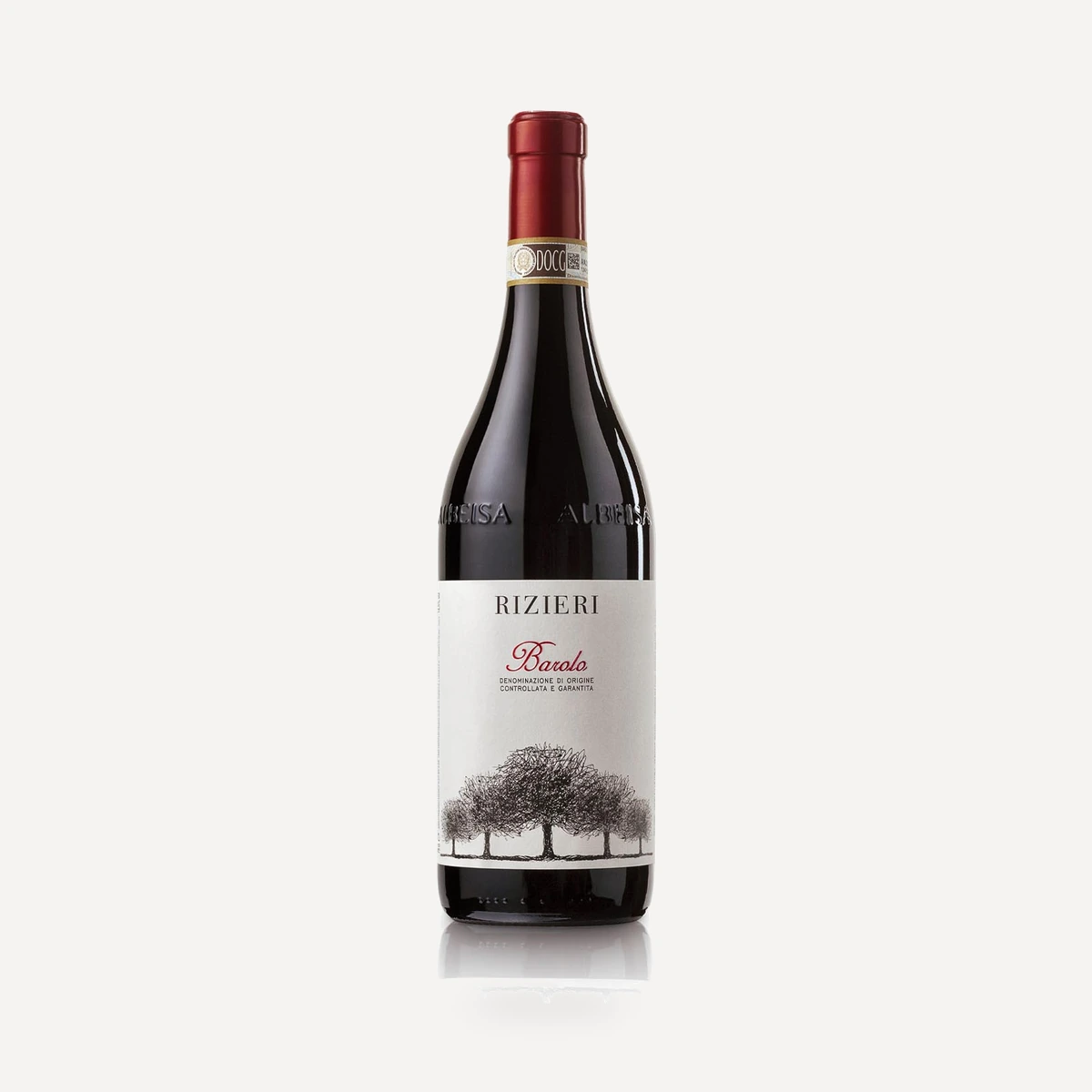
Barolo
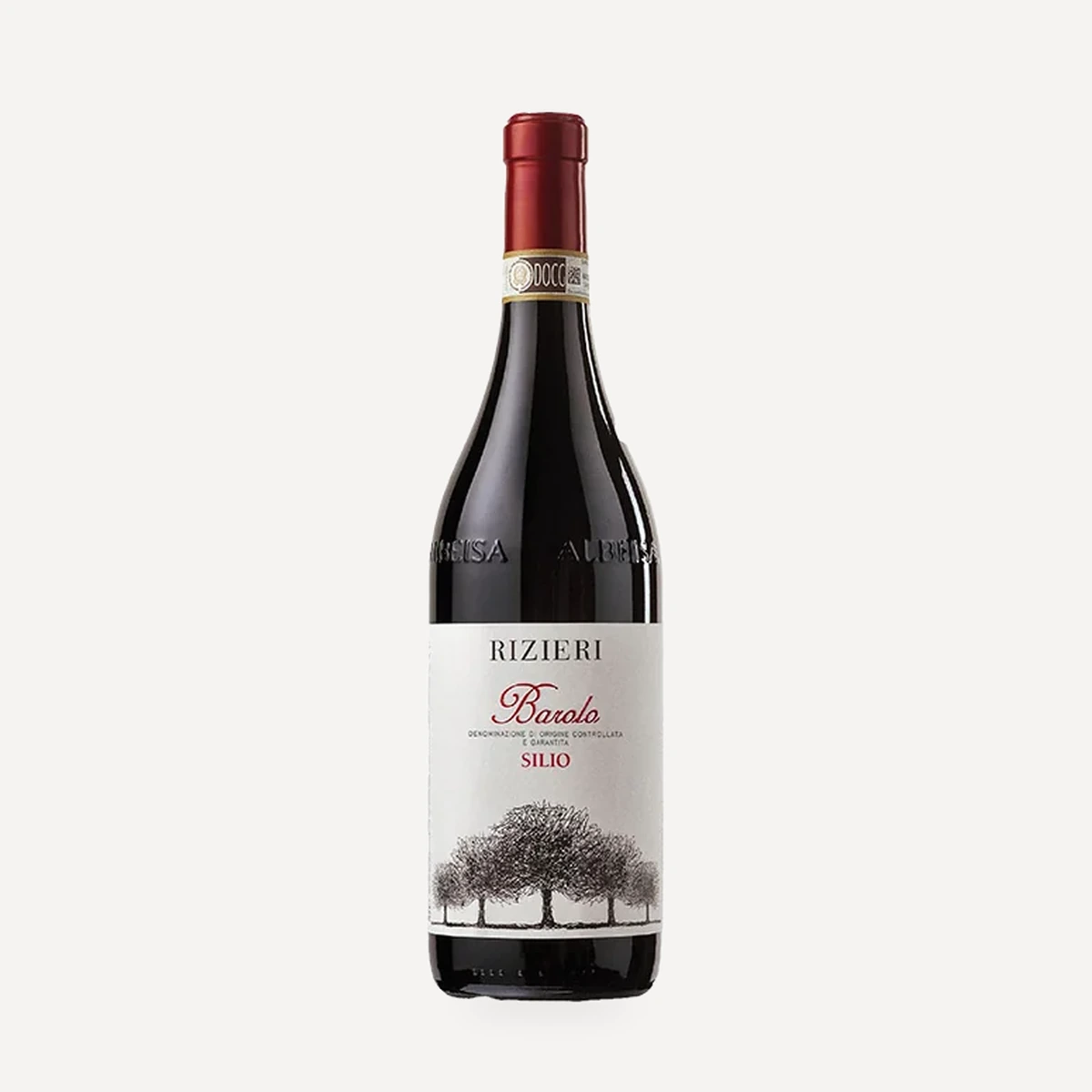
Barolo Silio
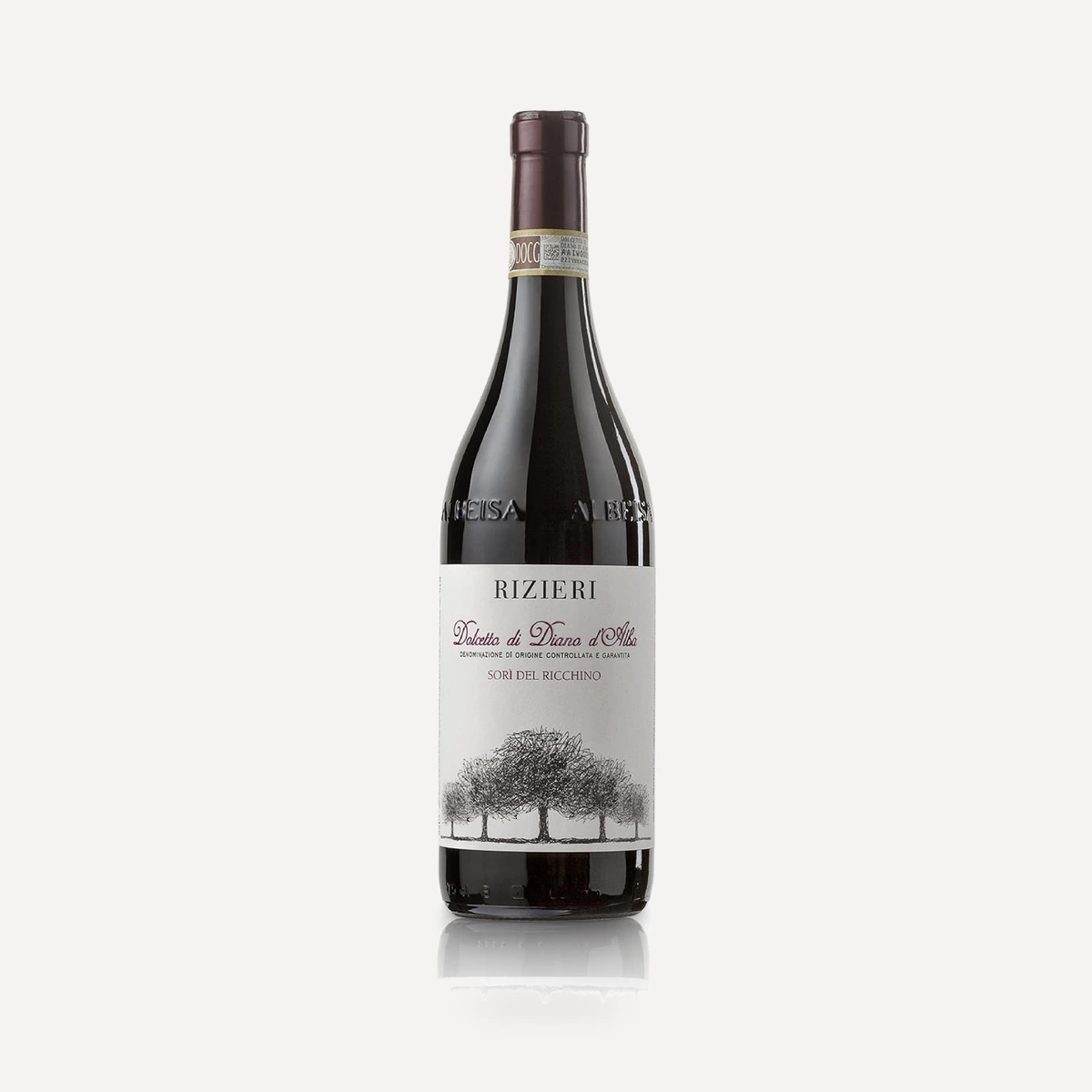
Dolcetto di Diano d’Alba
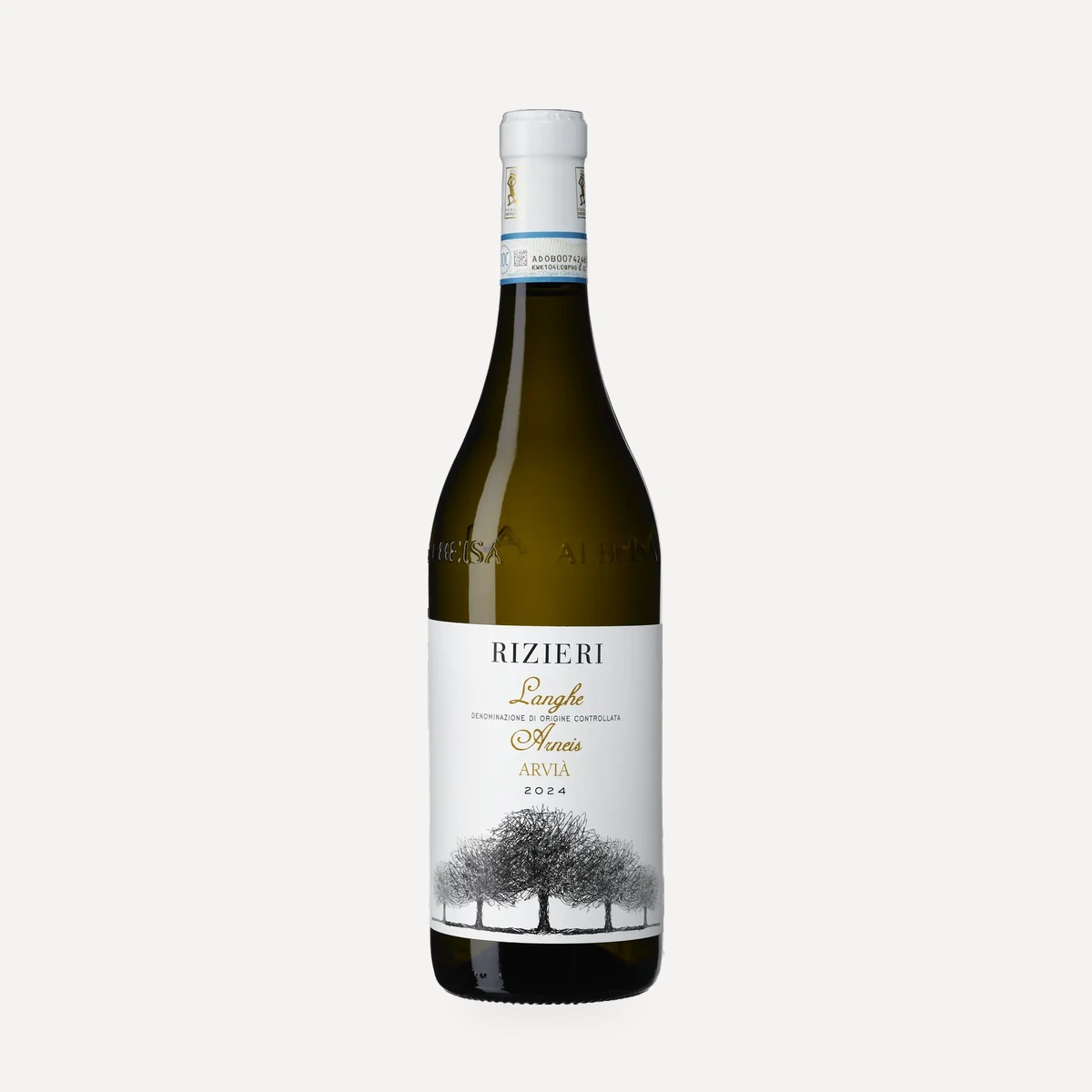
Langhe Arneis Arvià
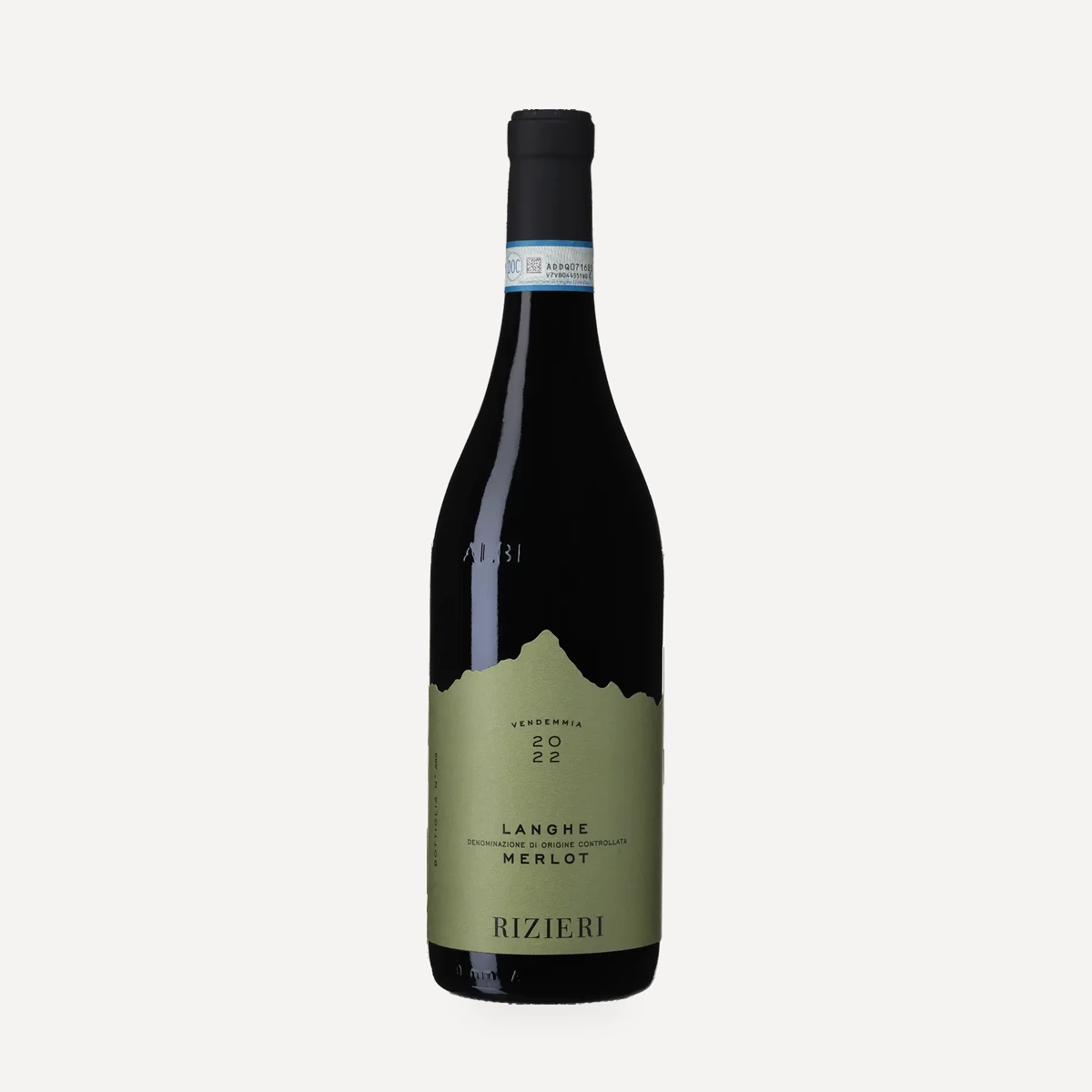
Langhe Merlot