Storia
Roberto Garbarino’s path to the Langhe
Roberto Garbarino graduated in viticulture and oenology from the Faculty of Agricultural Sciences in Turin. His professional preparation also included experience in New Zealand. In 2001 he moved to the Langhe, where he worked as an oenologist alongside leading local producers and learned from winemakers he regards as important mentors. The central lesson he drew from these experiences was that 80% of a wine’s quality is created in the vineyard through consistent daily work.
Founding the estate in 2010
Roberto founded the winery in 2010 to pursue the ambition of producing high-quality sparkling wine by the classic method in a territory strongly associated with important red wines. The estate’s first Pinot Nero vineyard, Sotto Casa, was planted that same year on the east-facing slope directly below the cellar.
The first Alta Langa vintage
The project began on a very small scale. Its first Alta Langa production comprised 2,000 bottles from the 2013 vintage, making Roberto Garbarino, in the estate’s own recollection, perhaps the smallest Alta Langa producer at the time.
Expansion from 2020
Beginning in 2020, the winery expanded its vineyard holdings by 4.5 hectares in the territory of Trezzo Tinella. The purpose of the expansion was to increase Alta Langa production. The new Pinot Nero and Chardonnay vineyards were established on east-facing slopes at approximately 500 metres above sea level, following the orientation of Sotto Casa.
New plantings in 2021
The vineyard base was further diversified in 2021 through the planting of 1.5 hectares of Riesling and 0.5 hectares of Rossese Bianco. These joined the Chardonnay, Moscato and Pinot Nero already cultivated by the estate.
Roberto and Beatrice
Beatrice now works alongside Roberto on the project. She brought more than 20 years of communications experience in Milan, following classical studies and a degree in archaeology. Together they frame the winery as a long-term undertaking grounded in the daily realities of the vineyards, with direct oversight extending from vineyard work to cellar production.
Terroir
The vineyards are concentrated principally in Neviglie, with additional holdings in Trezzo Tinella. Most of the Neviglie vines occupy a southwest-facing slope looking toward Treiso and Monviso at an average elevation of approximately 450 metres above sea level. Sotto Casa lies on an east-facing slope immediately below the cellar, while the newer Trezzo Tinella vineyards also face east and reach approximately 500 metres.
The terrain is steep, and the estate broadly characterizes its soils as clay-rich with sandy veins. Sites associated with the Alta Langa range are also described as having calcareous-marly soils, in some cases with a proportion of sand.
Despite the elevation, winters are described as relatively mild. Summers are cool, and the vineyards experience an overall cool, dry climate. This combination of elevation, exposure and climate underpins the estate’s objective of producing sparkling wines defined by elegance and a pronounced character.
Vinificazione
Vineyard work occupies the central place in Roberto Garbarino’s approach to quality. Roberto attributes 80% of a wine’s quality to work performed among the vines, built day by day through commitment and attention. The estate follows the entire production chain itself and aims to manage the land as respectfully as possible.
The vineyard strategy combines established Neviglie plantings with the east-facing expansion at Trezzo Tinella. Chardonnay and Pinot Nero support the Alta Langa project, while Moscato, Riesling and Rossese Bianco broaden the estate’s viticultural base. The 2021 Riesling and Rossese Bianco plantings represent the most recent dated additions.
Roberto Garbarino follows every phase of production from vineyard to cellar. The winery was created around the ambition to produce high-quality, vintage-dated sparkling wines by the classic method in the Langhe. Its first Alta Langa release was deliberately small, comprising 2,000 bottles from the 2013 vintage.
Production is guided by the objective of allowing each bottle to express the growing season, including the course of the seasons and climatic conditions. The intended stylistic qualities are elegance, balance and drinkability, pursued without forcing the raw material or following short-lived trends.
Filosofia
The estate regards wine as a record of its vintage: the seasons, the course of the climate and, above all, its connection to the land. Its stated aim is to obtain the best expression the land can provide without forcing it and without pursuing fashion.
Roberto’s philosophy is explicitly vineyard-led. Daily commitment and dedication among the vines are treated as the principal source of quality, while direct control from vineyard to cellar preserves continuity throughout production. Respect for the territory is paired with a stylistic search for elegance, balance and pleasantness.
The original ambition—to make high-quality sparkling wine in a land noted for important reds—continues to guide the project. Beatrice describes their work as combining a long-term outlook with a firmly grounded, practical approach.
Vini
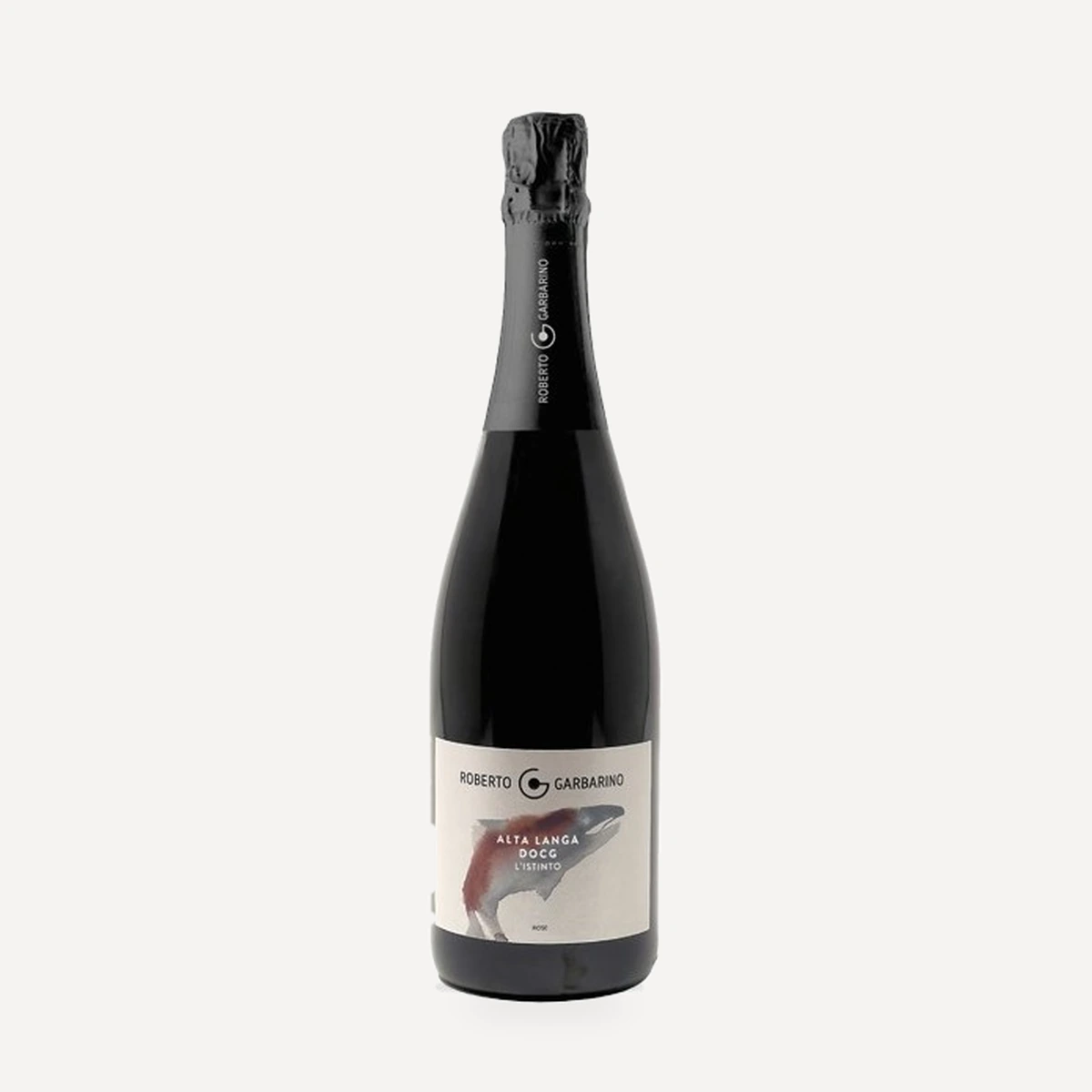
Alta Langa Rosé DOCG L’Istinto
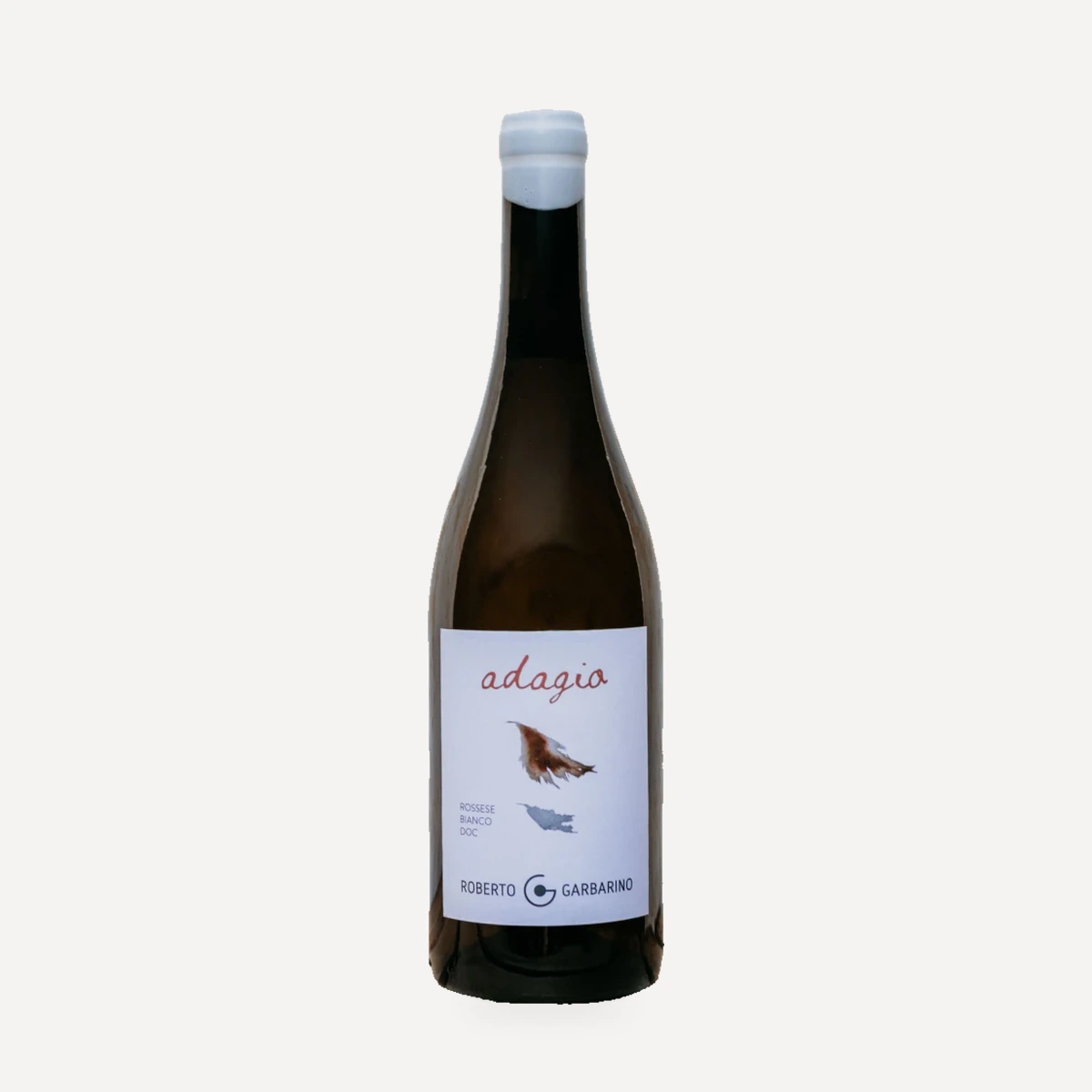
Langhe Rossese Bianco DOC Adagio
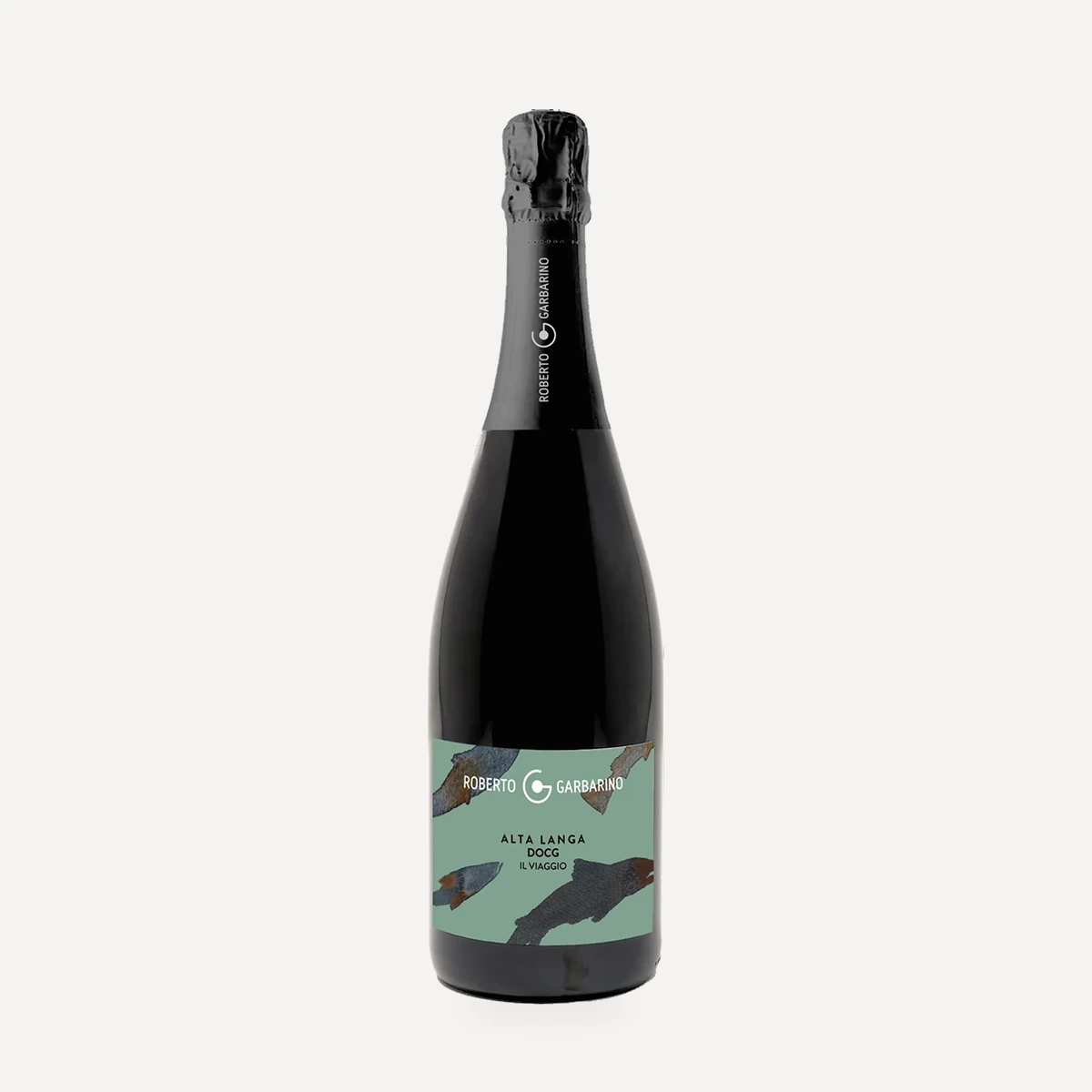
Alta Langa DOCG Il Viaggio
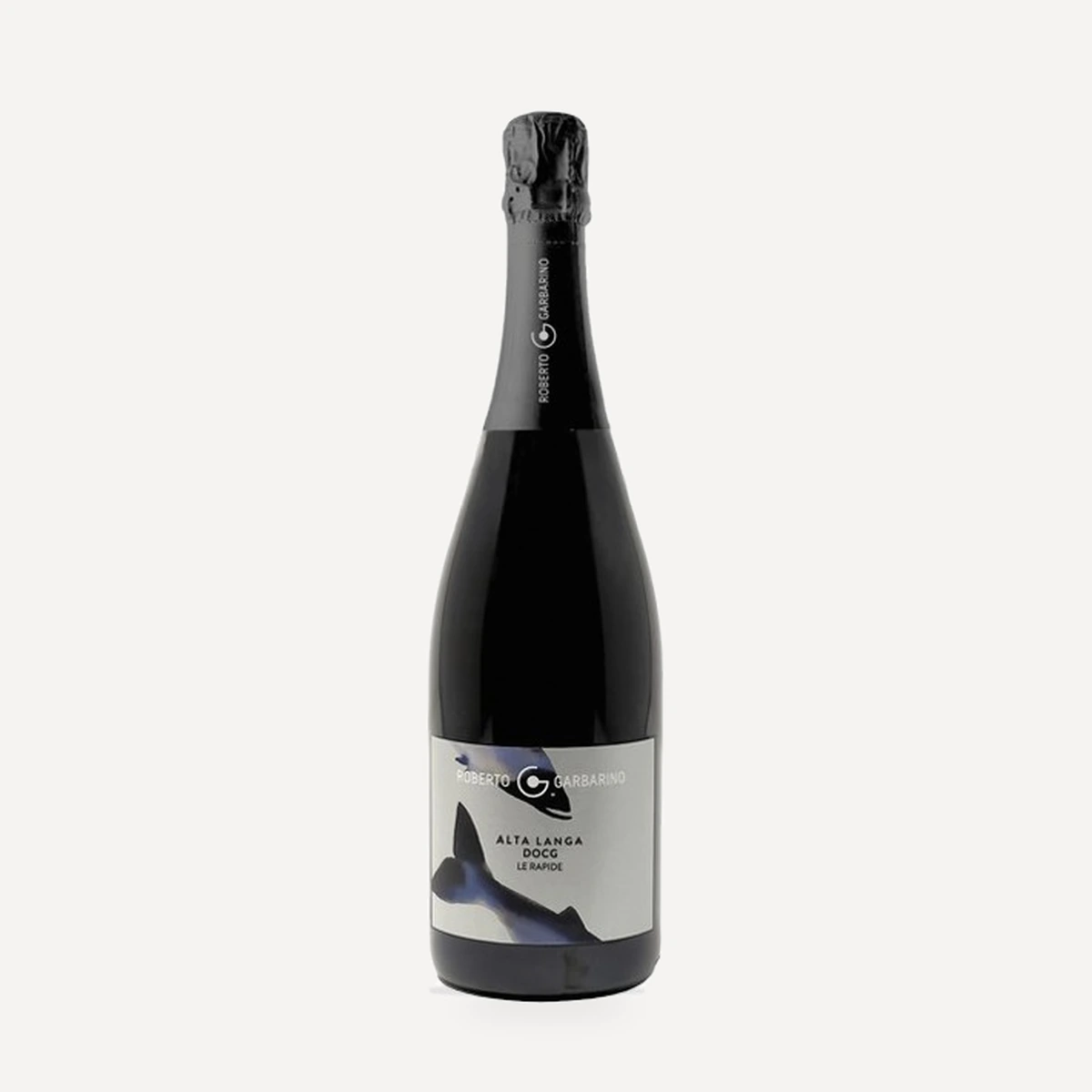
Alta Langa DOCG Le Rapide
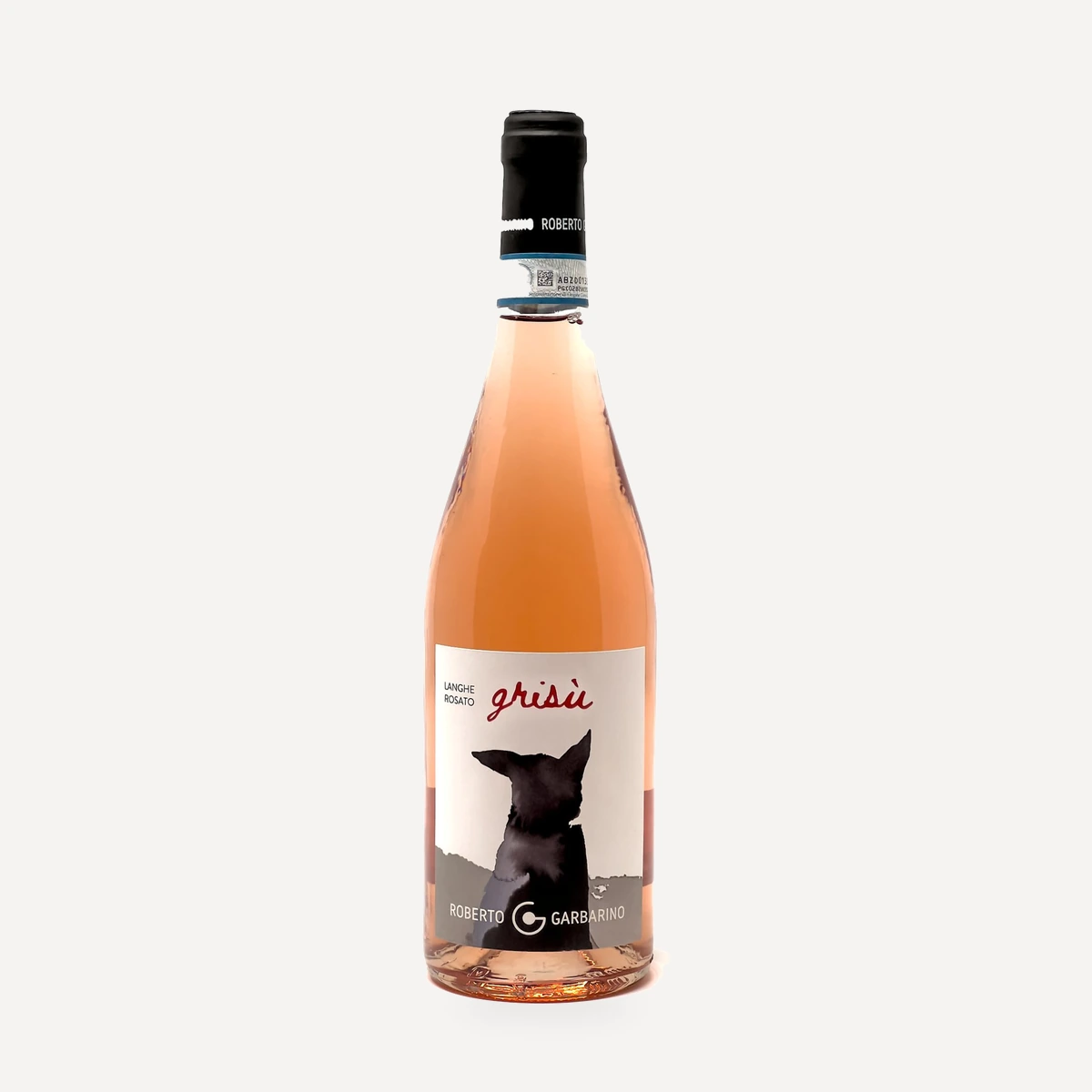
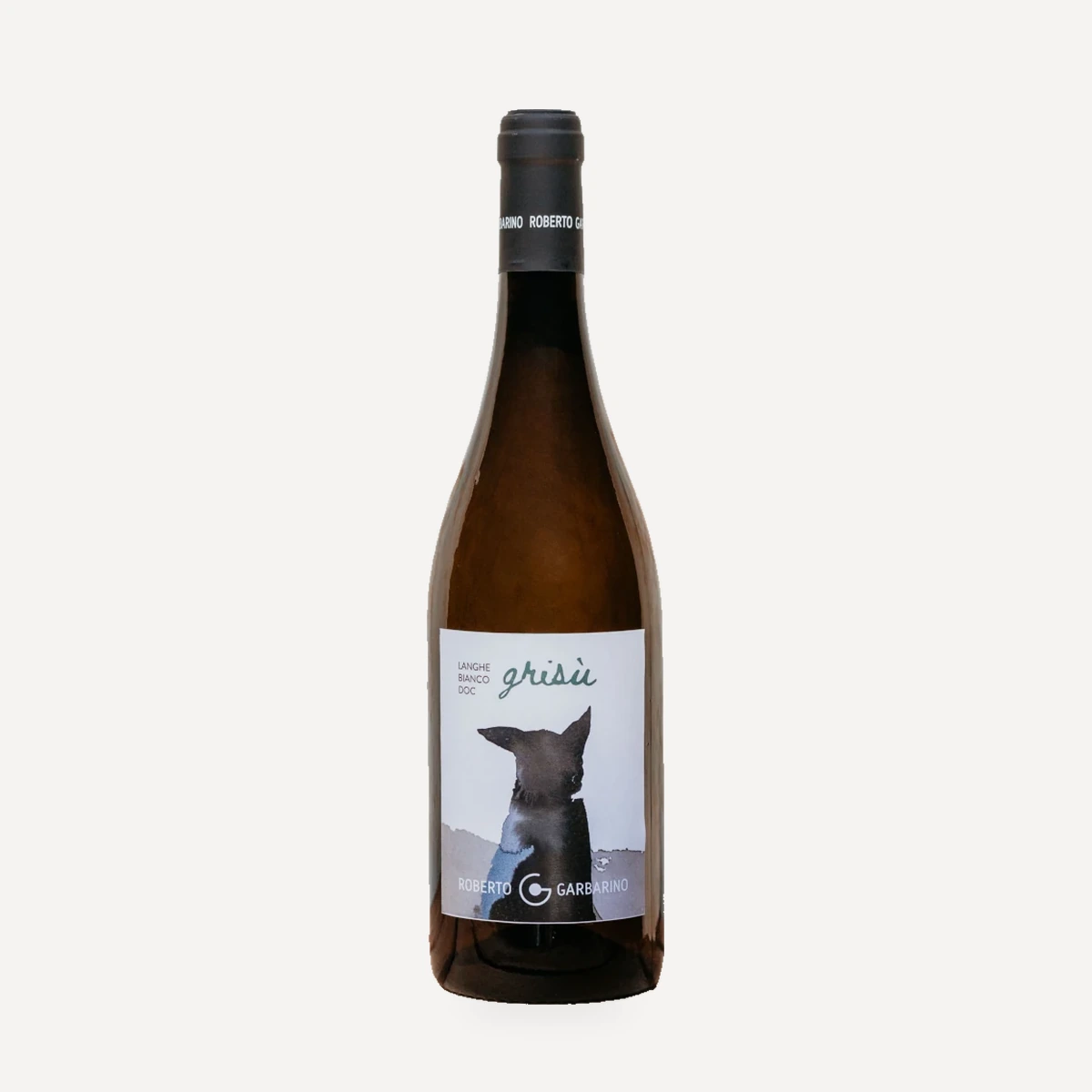
Langhe Rosato DOC Grisù
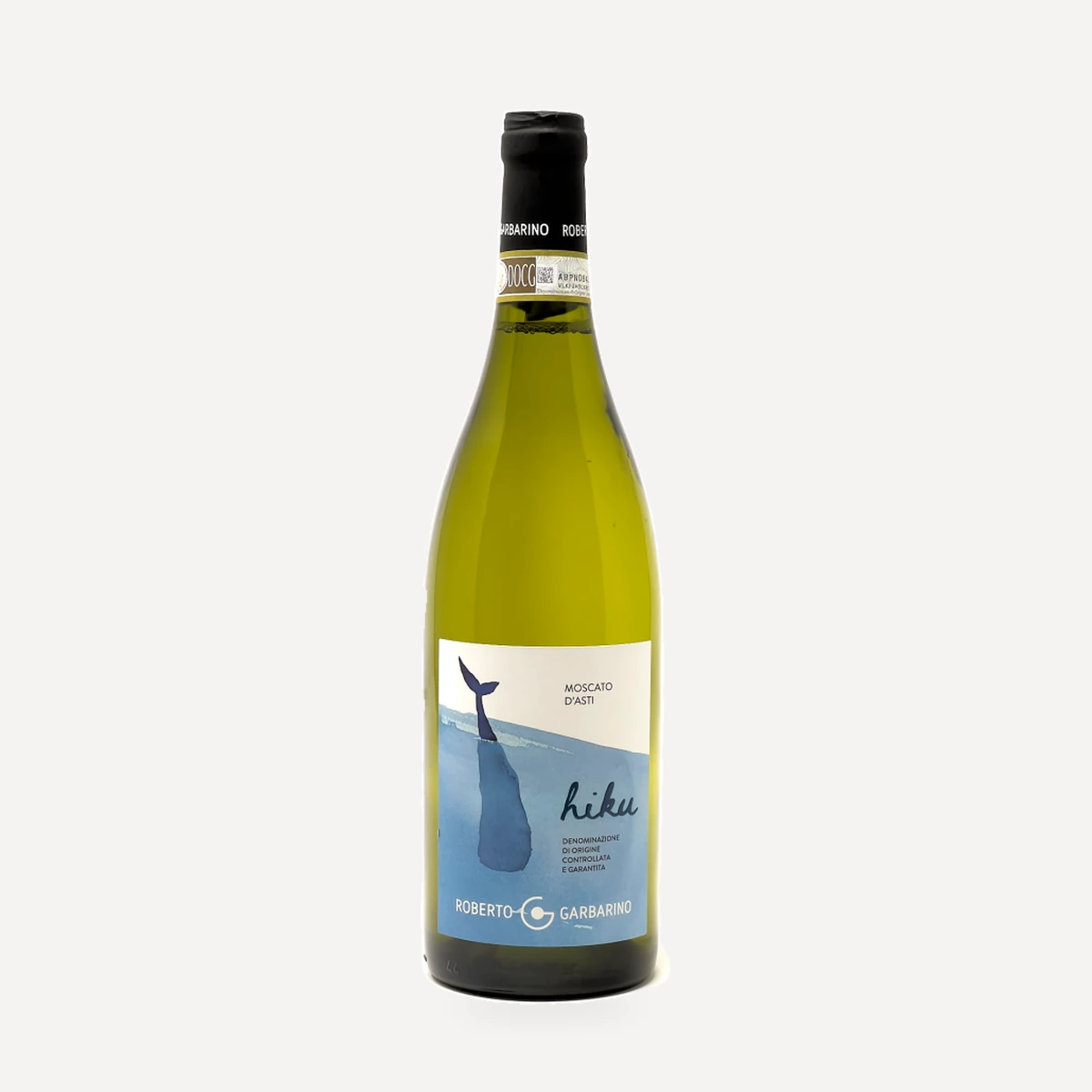
Moscato d’Asti DOCG Hiku