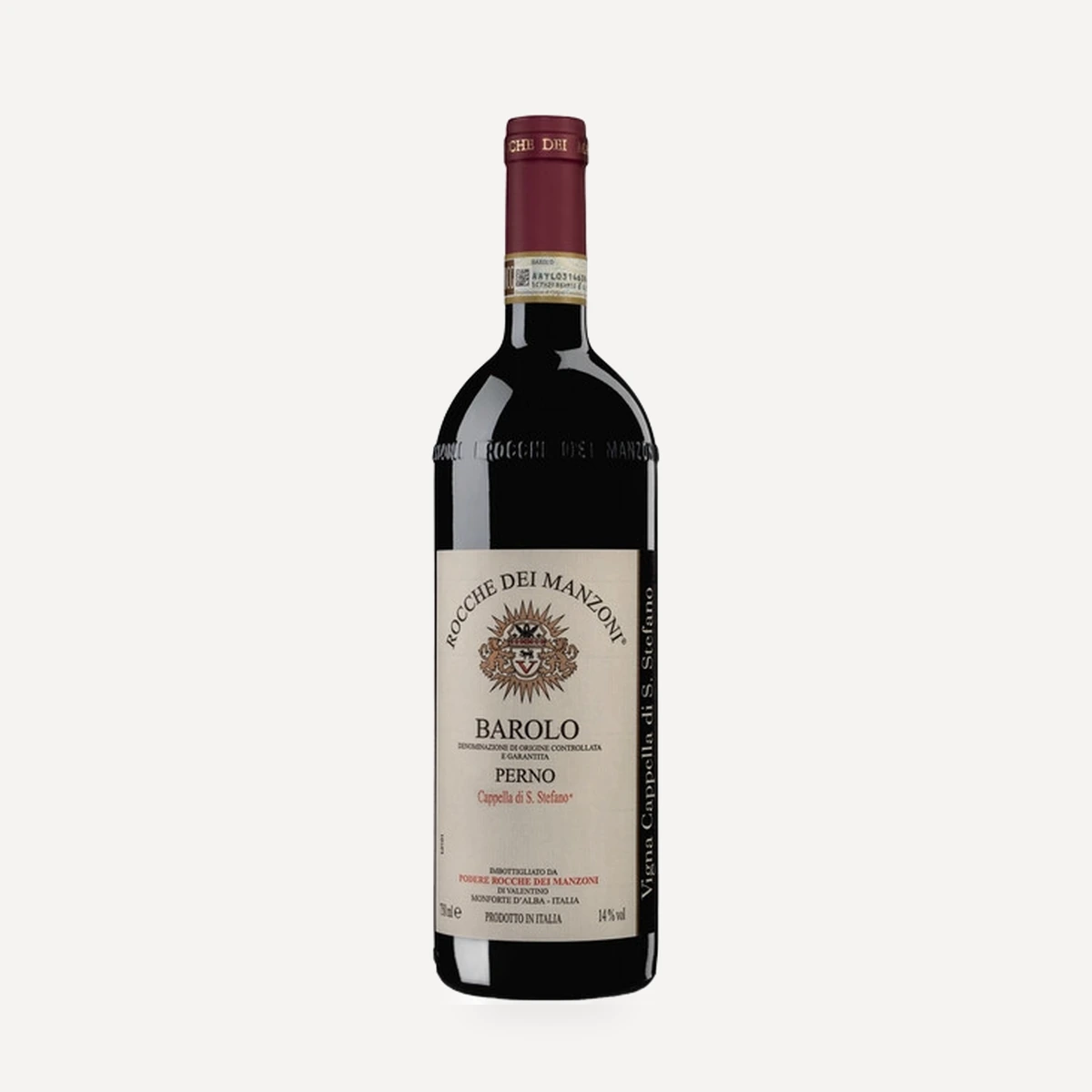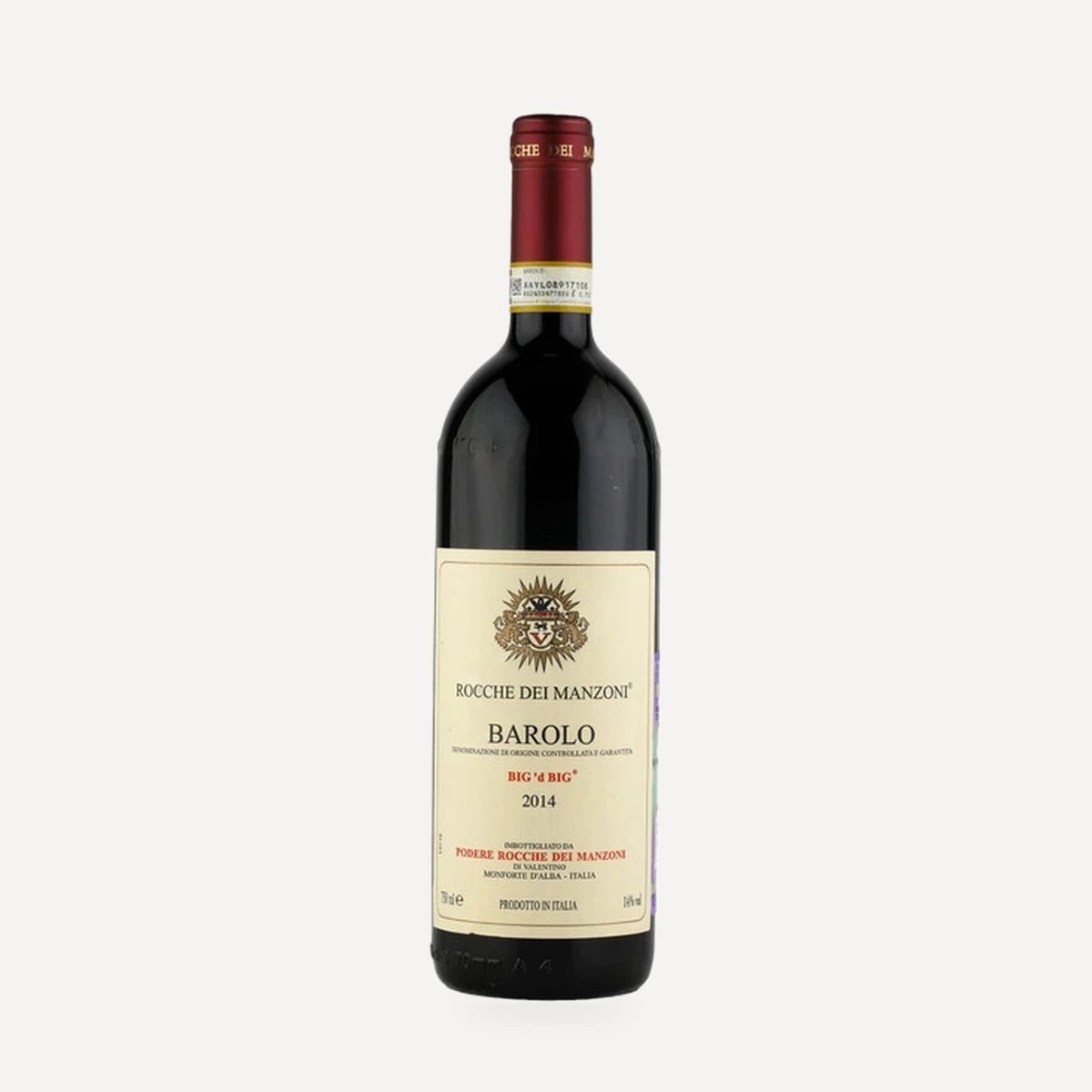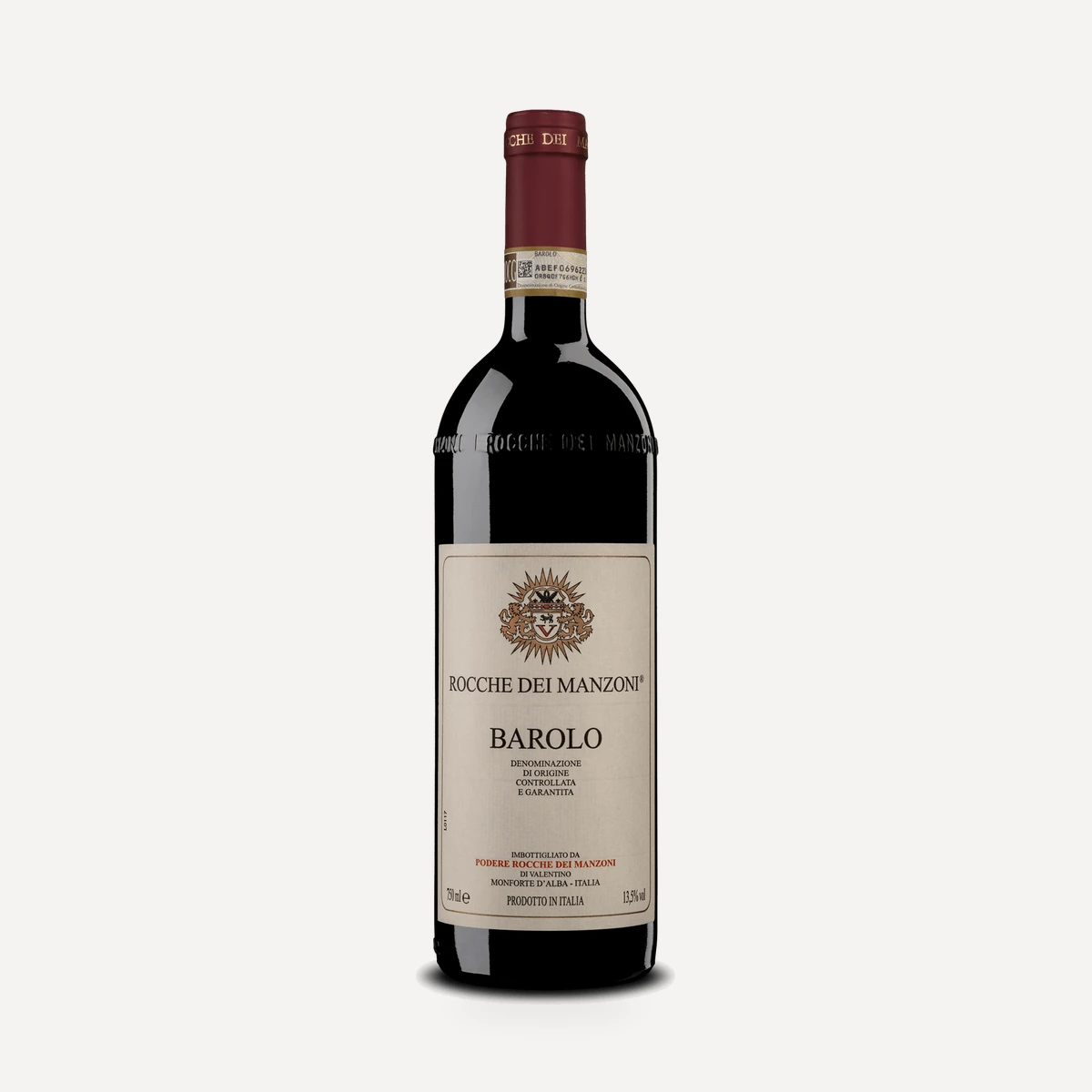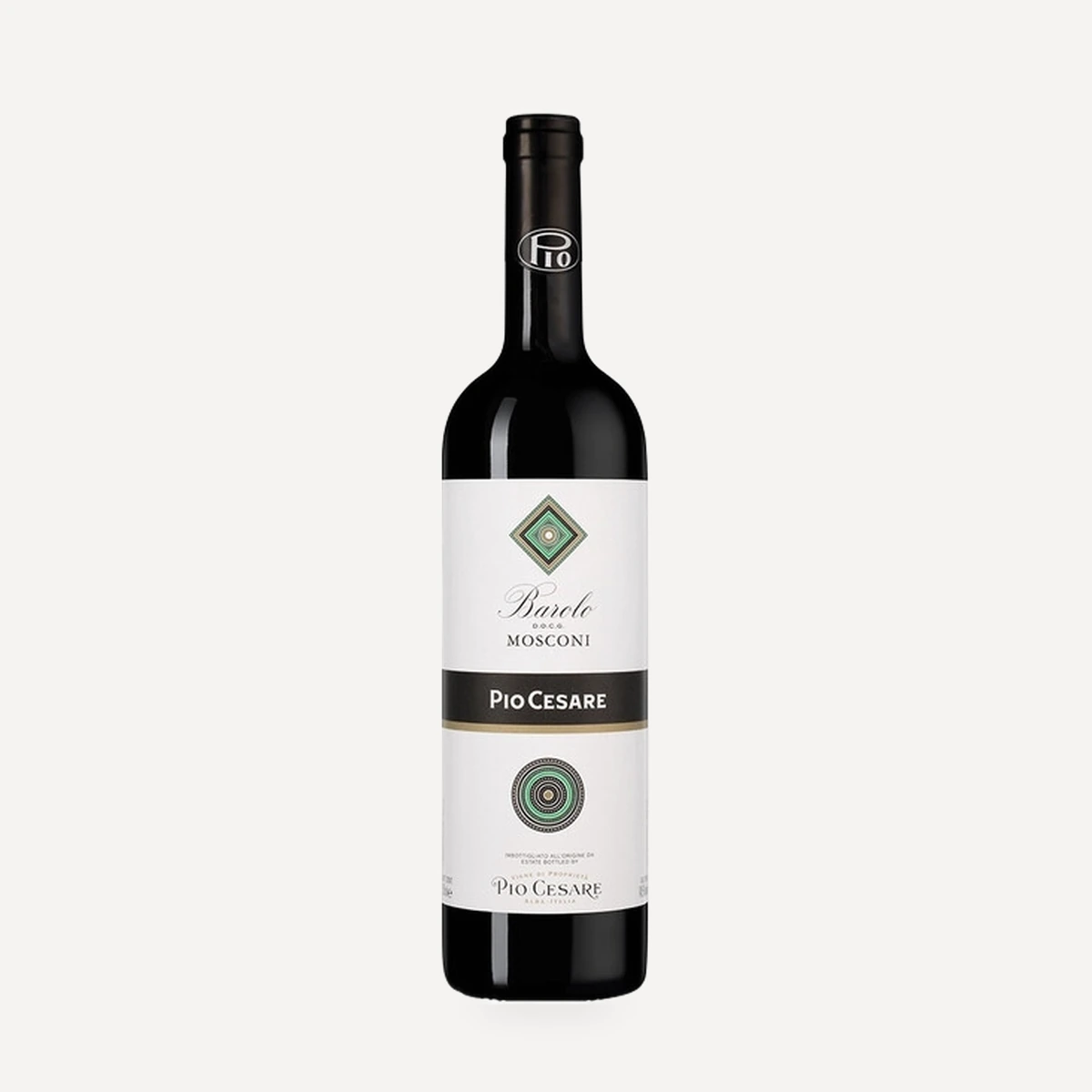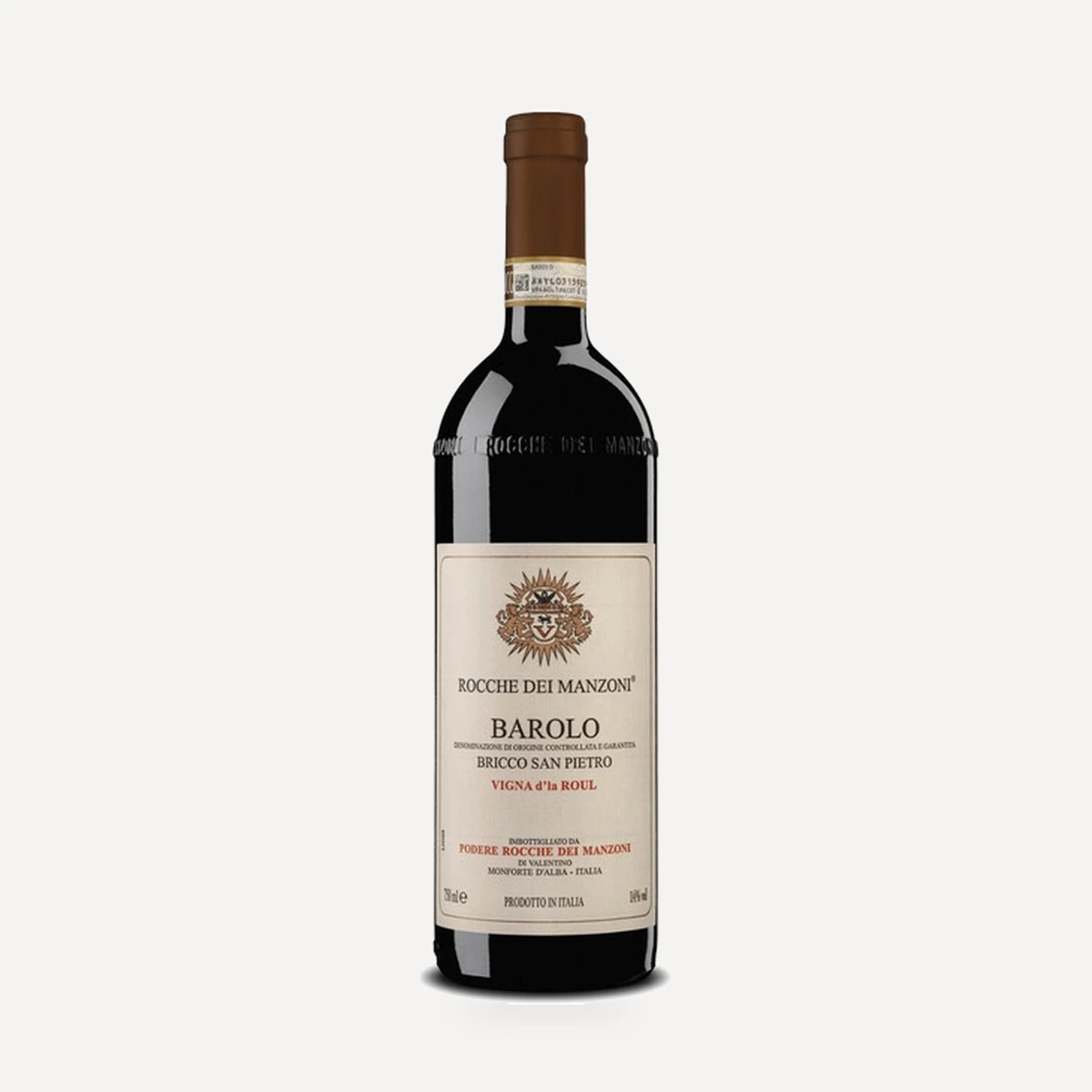
Questo vino
Vineyard and terroir
The grapes come from Vigna d’la Roul on Bricco San Pietro at Loc. Manzoni Soprani in Monforte d’Alba, province of Cuneo. The vineyard is farmed sustainably with the aim of reducing fungicide use. Its vines are Guyot-trained at a density of 4,000 plants per hectare, with yields of 45–50 quintals per hectare.
Grapes
100% Nebbiolo. The wine is vintage-dated.
Vinification
Fermentation takes place at controlled temperature in contact with the skins.
Ageing
The wine matures for approximately 30 months in wood, followed by about 12 months of bottle refinement before release.
Technical data
Available in 0.75 L and 1.5 L bottles. The technical figures describe an average across several years and may vary with the individual vintage.
Tasting profile
Deep ruby red tending toward garnet, with transparency that emphasizes the density and depth of its hue. Clearly defined tears and arches indicate substantial body, while the colour remains vivid and healthy.
The nose is rich and complex, weaving fruit together with delicate floral notes reminiscent of violet sweets. Its aromatic profile is austere, taut and vertical, with spice merging into earthy and undergrowth nuances.
The palate is full and firmly structured. The tannins are evident but neither excessive, astringent nor harsh. Pronounced freshness reinforces the wine’s vertical character and elegance. Its expression is restrained rather than forceful, revealing only part of its potential. The finish is long, while the wood remains discreet and well integrated within the overall balance.
Serving and pairing
With appropriate cellaring, the expected ageing potential exceeds 30 years.
Label / history
The first production year in the estate’s history was 1974.