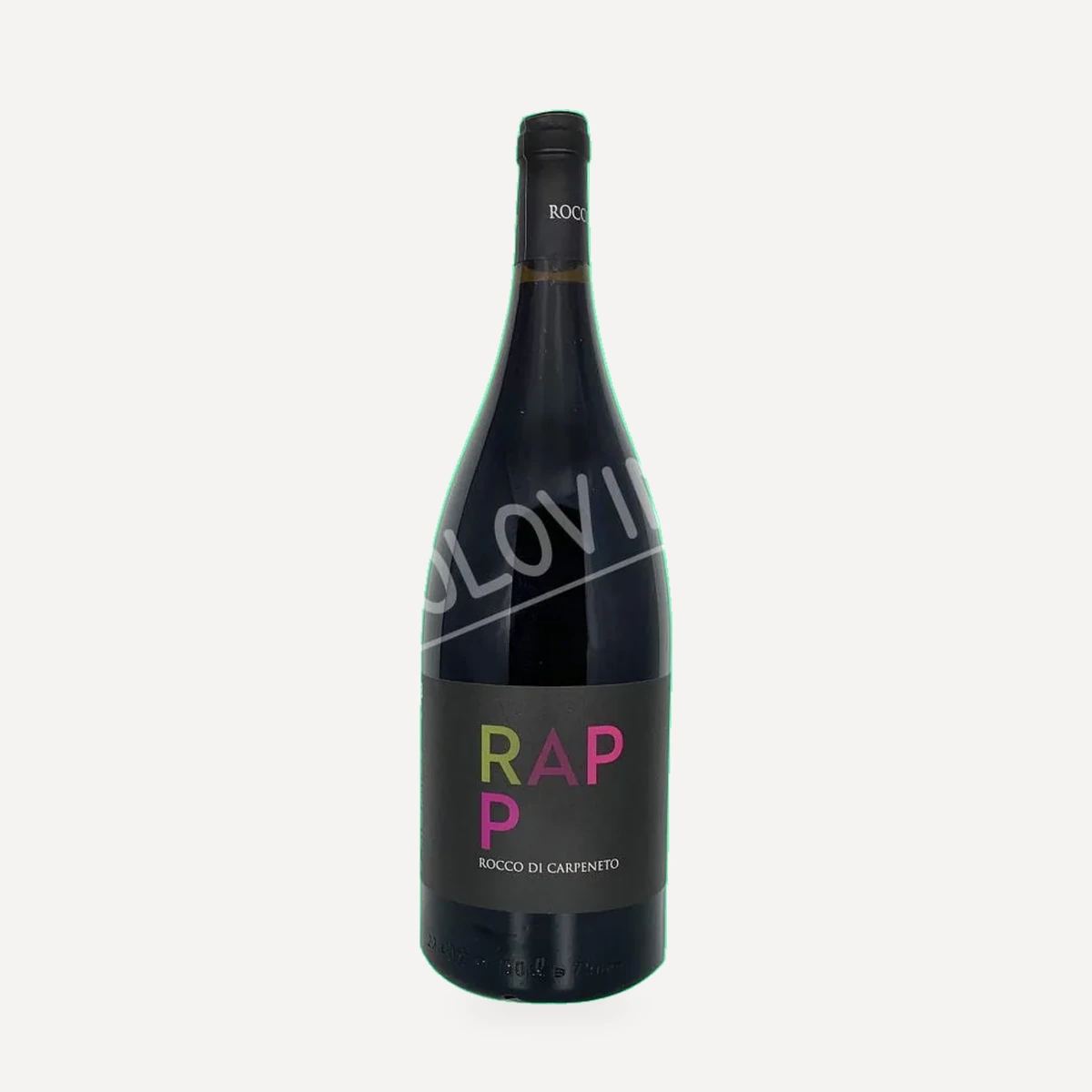
Storia
Historical roots of the place
The locality called Rocch was recorded in Carpeneto by 1458 and may predate the local cult of Saint Roch. Medieval municipal statutes referred to rucchis et spissis—rough, thorn-covered land—and a nineteenth-century glossary connected the name with words for thorn and thorn bush. The area later occupied by vineyards was described as an ancient thicket near the Alessandria boundary, with the name tentatively attributed to the otherwise little-known ancient Ligurian language.
In 1845, G. Casalisi described the Ovada countryside as extensively planted with vines. The land was considered naturally infertile and exposed to maritime winds, but capable of becoming productive through diligent cultivation. Grapes were identified as its principal crop, and carefully made, aged local wines were compared with fine French examples.
The inherited vineyard fabric
The present vineyard holdings preserve plantings from several periods. The oldest identified vines are Barbera planted in Vigna Rocco in 1955. Plantings made during the following decades include Dolcetto in Bardnej from 1965; Freisa and Dolcetto in Paradiso in 1968; Barbera and Dolcetto in Rocco and Gaggero from 1970; Barbera in Bastian from 1970 to 1975; Barbera and Cortese in Bardnej from 1975; Dolcetto and Barbera in Rocco A e B from 1980; Cortese in Paradiso in 1980; Cortese in Vicario in 1982; Cortese in Bastian and the mixed Ligurian vines of PTR in 1985. Most of the estate’s old-vine inheritance was planted between 1955 and 1986, although individual vineyards also contain later plantings extending through 2005.
Creation of Rocco di Carpeneto
Rocco di Carpeneto began in 2008–2009 when Lidia Carbonetti and Paolo Baretta left their shared employment and life in Milan. Lidia came from Rome, while Paolo came from Lake Garda and had family roots in Veneto. Their initial purpose was to reconnect with nature; winegrowing developed as part of that broader change rather than simply as a commercial wine project.
A purpose-built cellar followed in 2011–2012. It was conceived around minimal intervention and had never hosted commercial yeast cultures. Its interconnected levels separated grape reception and destemming-crushing, fermentation and pressing, bottling and storage, and underground fermentation and ageing. The cellar’s inauguration was documented on 8 June 2013.
The vineyard base also evolved in 2013: 0.3 ha of Albarossa was planted beside the old Barbera and Dolcetto of Vigna Rocco, while 0.4 ha of Nebbiolo was established in Vigna Vicario.
First releases and association membership
By 2014, Lidia had completed her training as an oenologist. That year marked the first substantial commercial release, initially in batches of approximately 500 bottles per wine, with another batch planned for September. The project concentrated particularly on Dolcetto and Barbera, organic growing, spontaneous fermentation and small yields. An Ovada DOCG cru designation had also recently been granted for wine from part of the property.
Rocco di Carpeneto joined VinNatur on 16 July 2014 after passing a tasting-commission assessment and laboratory testing that found no pesticide use. The winery’s own digital presence had been launched earlier that year, on 31 March.
Later vineyard development
A further 0.25 ha of Cortese was planted in Vigna Bastian in 2018. In the same year, Rocco A e B—two vineyards immediately east and northeast of the cellar, totaling about 1.40 ha—were purchased. Vigna Bardnej, approximately 3.45 ha in Rocca Grimalda, was acquired in 2020. These additions brought the vineyard area to slightly more than 12 ha while retaining the focus on native varieties, old vines, directly managed parcels and micro-cru vinification.
Terroir
The principal vineyards occupy an ancient fluvial plateau north of Carpeneto, straddling the municipal boundary with Rocca Grimalda. The plateau is gently articulated by shallow valleys and barely pronounced drainage hollows, at an average elevation of approximately 280 m above sea level. Carpeneto lies in Upper Monferrato Ovadese, between Ovada and Acqui Terme and in the part of Piedmont closest to the Mediterranean.
The main vineyard block has predominantly loamy, silt-and-clay-rich soils. Most rows run north–south, giving a balanced distribution of solar exposure. Historical descriptions characterize the wider Ovada terrain as low in natural fertility and exposed to maritime winds, while still capable of supporting productive vineyards through careful cultivation.
Vigna Paradiso lies about 10 km away near Castelletto d’Orba, on the opposite side of the Orba valley. Its soil is sandy, and the old Cortese occupies a steep, terraced slope with rows following the contour (a girapoggio).
The Ligurian parcels form a distinct coastal environment near the Cinque Terre area. Vigna PTR sits immediately above the sea at Bonassola on an extremely steep, non-terraced slope. Its rows follow the fall line (a rittochino), overlooking the bay. Other managed vines extend into the Bonassola and Carrodano area.
Vinificazione
The vineyards are managed organically and treated only with limited quantities of copper and sulphur. Soils carry permanent spontaneous vegetation rather than a temporary sown cover, reflecting the estate’s low-intervention, “do nothing farming” inspiration.
The main vineyards are trained to Guyot on vertical trellises, with average planting densities of approximately 4,500–6,000 vines per hectare. Pruning is directed toward young wood. The canopy is neither leaf-thinned nor topped, reducing intrusive green operations and allowing the vines’ vegetative cycle to proceed with minimal manipulation.
Harvesting is performed by hand, with grapes collected in small crates. Production is based almost entirely on fruit from owned vineyards or parcels managed directly by the team. The estate’s stated objective is not to pursue volume or fashion, but to work with old vineyards and small individual sites through close observation rather than a fixed agricultural doctrine.
Cellar design
The purpose-built cellar was constructed in 2011–2012 for minimal-intervention production and has never hosted commercial yeast cultures. It is arranged over three interconnected levels. The upper level handles grape reception, destemming and crushing. The partly underground main level contains stainless-steel and concrete tanks, terracotta amphorae, pressing equipment, bottling facilities and storage. The underground level houses fermentation and ageing in used oak and acacia vessels and terracotta amphorae.
River stones, epoxy resins, steel and cladding staves made from recycled wood-plastic composite were combined to create a functional, environmentally conscious structure. A phytodepuration installation treats cellar wastewater.
Fermentation and maceration
Fruit comes almost entirely from owned or directly managed vineyards, with vinification organized around individual micro-crus. Fermentations begin spontaneously with indigenous yeasts and may take place in exhausted oak or acacia casks, terracotta amphorae, stainless steel or concrete. No temperature control is used.
For macerated wines, skin contact normally continues throughout fermentation, generally for 15–60 days. Bottle-refermented wines are pressed immediately. White wines normally receive an initial 72 hours of skin contact at ambient temperature.
Additives and processing aids are excluded. Sulphur additions are avoided, and total sulphites are normally below 10 mg/L at bottling. The wines undergo no filtration, fining, clarification or stabilization; grapes are treated as the sole ingredient.
Ageing and bottling
Ageing takes place underground in used 15, 10 and 7 hl casks, tonneaux and barriques, together with terracotta amphorae and concrete tanks. Stainless steel plays only a residual role during maturation. Acacia is favored for white wines. Bottling takes place on the main cellar level without the intrusive clarification, stabilization or filtration stages used in conventional processing.
Filosofia
Rocco di Carpeneto defines winegrowing as an ethical life choice rooted in reconnecting with nature. The project rejects a dominant relationship between people and the natural world and does not pursue volume, fashion or the rhetoric associated with conventional wine production.
Its declared inspiration is “do nothing farming,” also expressed as “less is more.” This is not treated as a rigid doctrine: direct observation of the vineyard is considered more valuable than a prefabricated theory. In practice, the principle translates into permanent spontaneous vegetation, restrained copper and sulphur use, limited canopy intervention, hand harvesting and cellar work that avoids corrections and processing aids.
Old vineyards, native varieties and individual micro-crus are central to the approach. Vintage and site are allowed to express themselves through spontaneous fermentation, long maceration where appropriate, neutral or porous ageing vessels and the exclusion of filtration, clarification and stabilization. The aim is wine made from grapes alone, within the natural pace of Upper Monferrato.
Vini
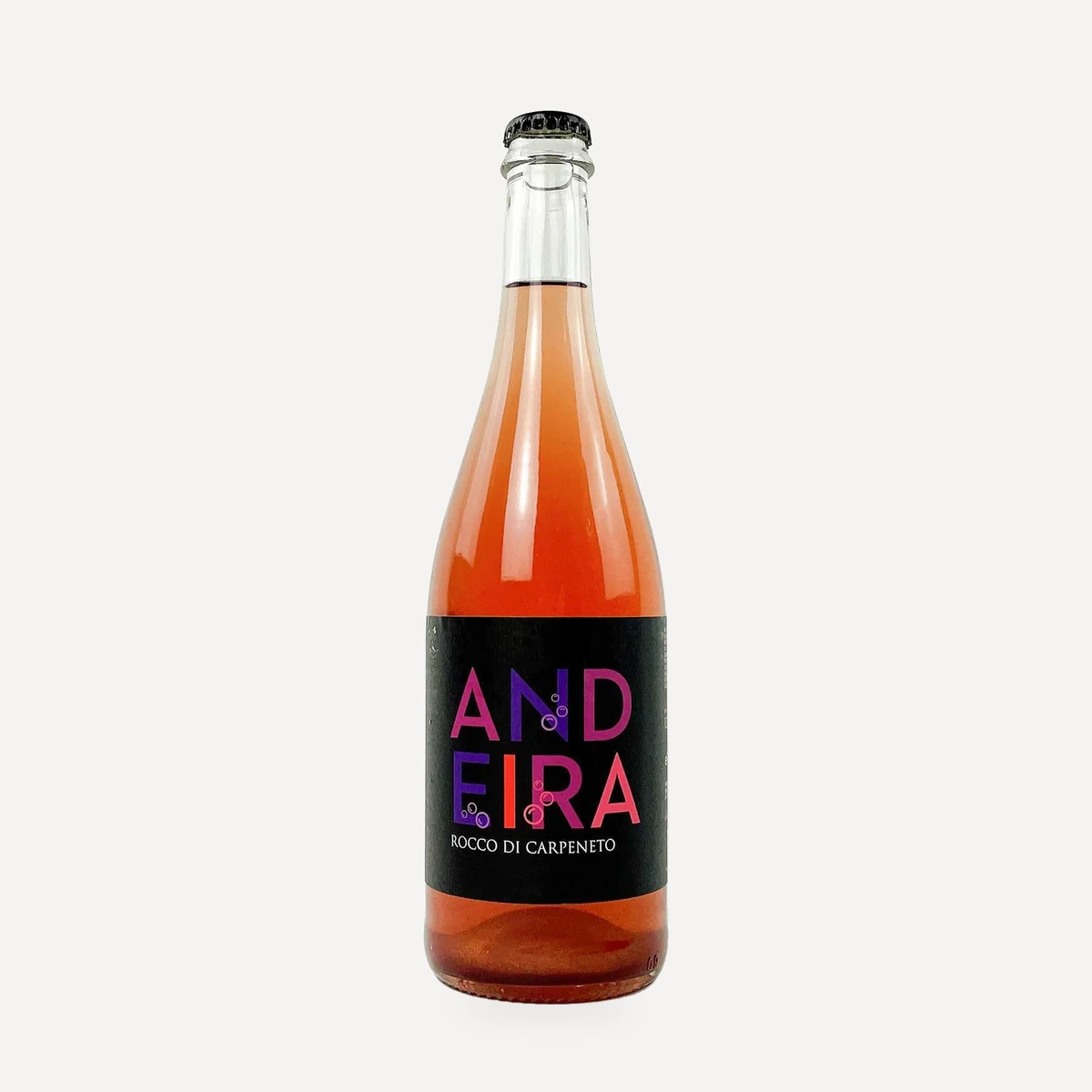
Andeira
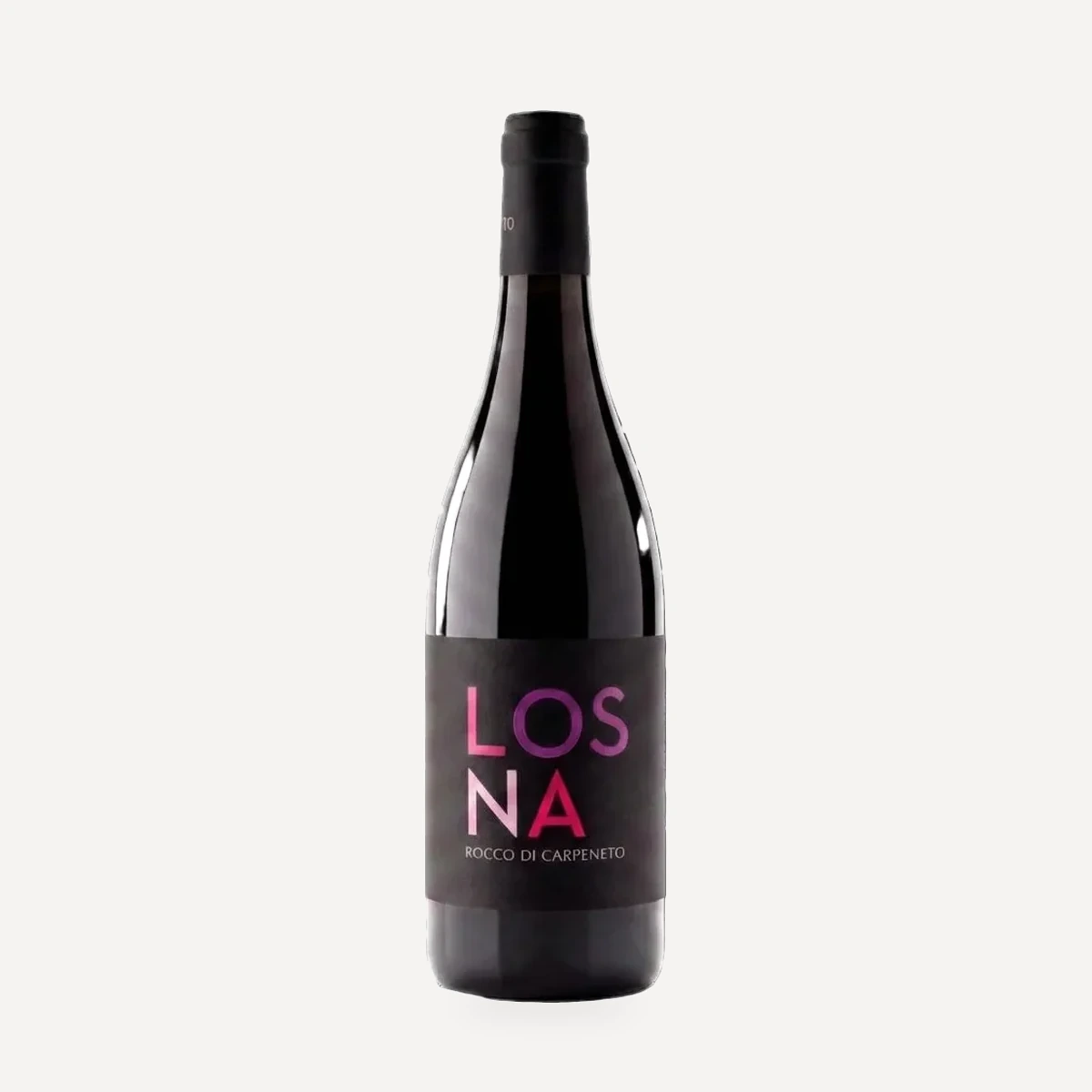
Losna
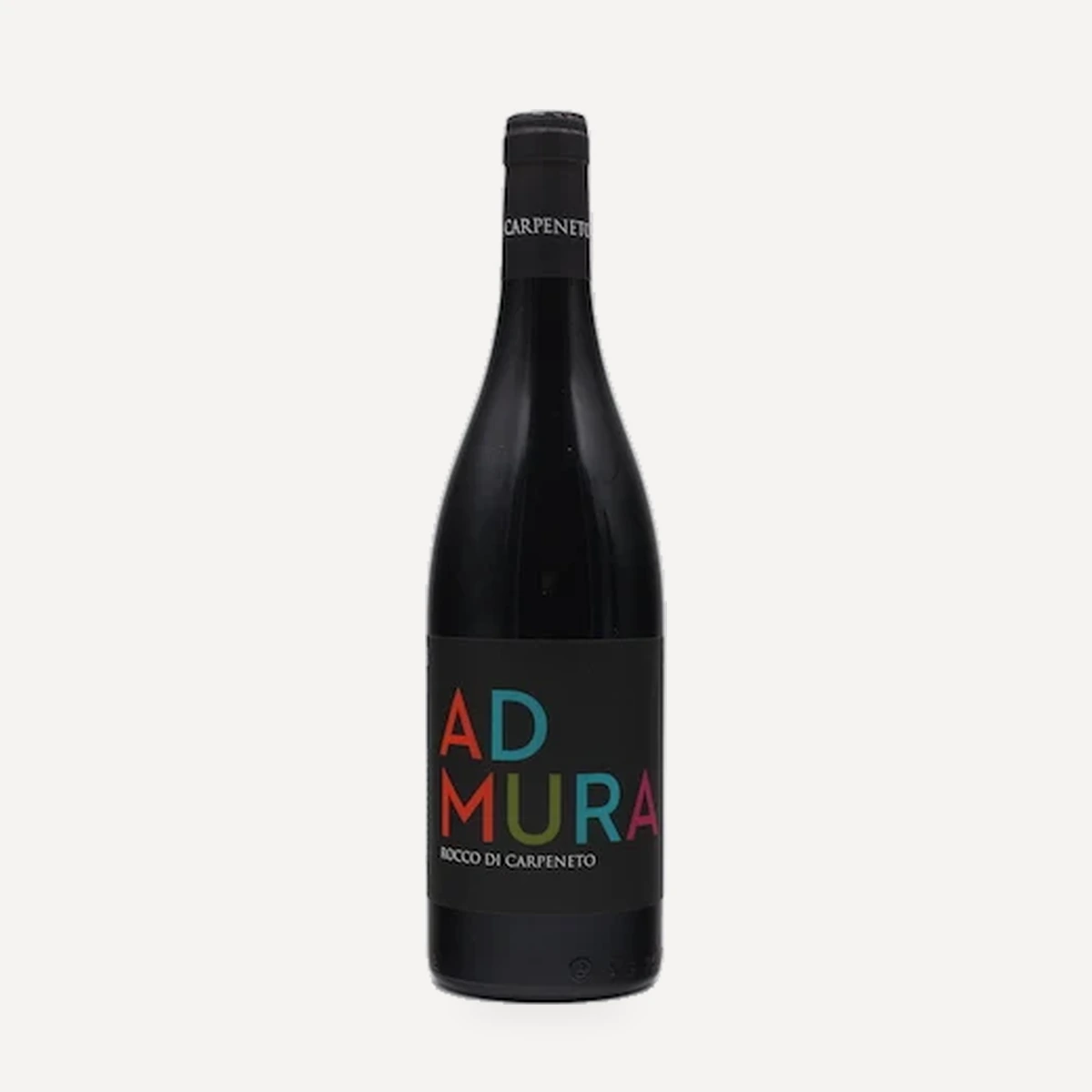
Admura
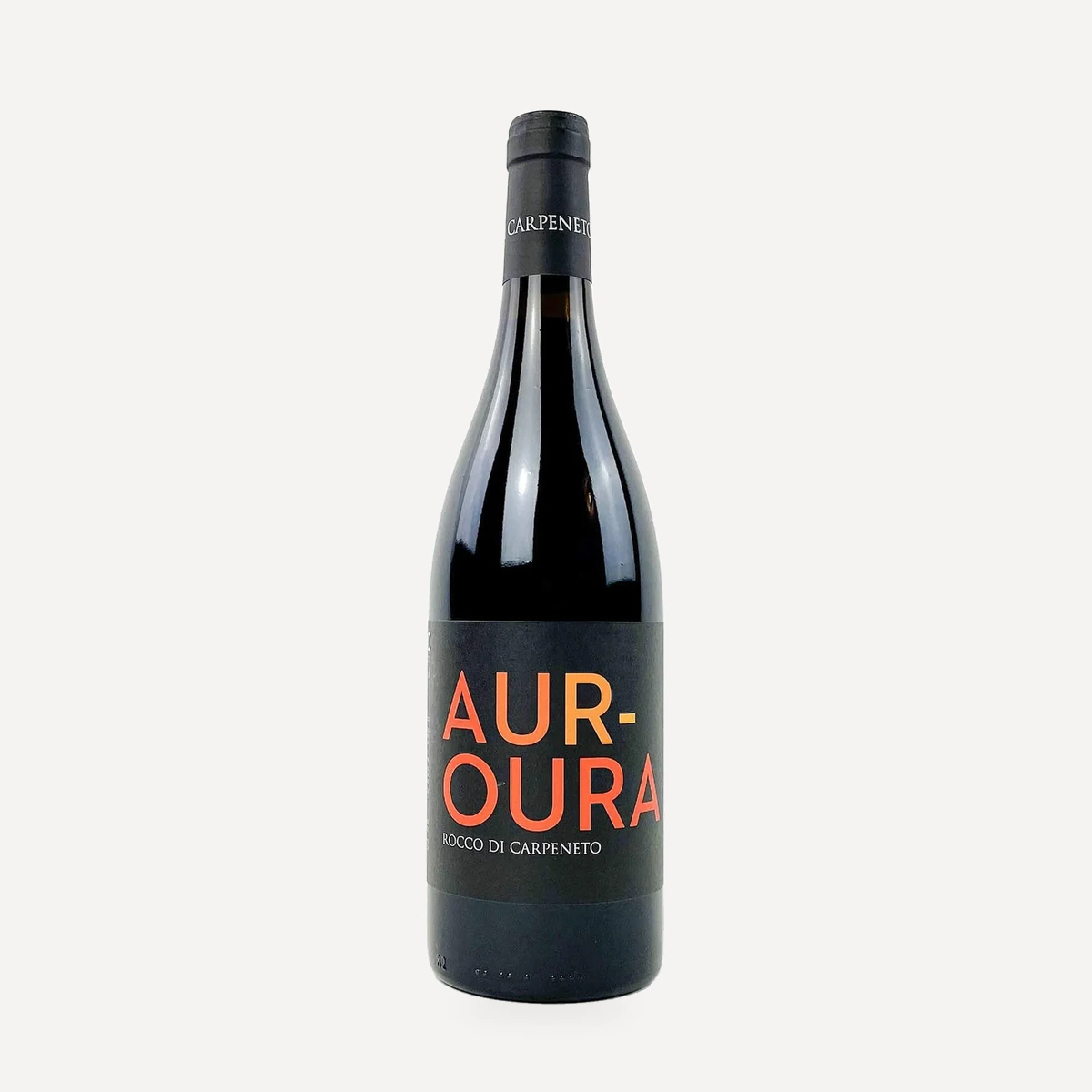
Aur-oura
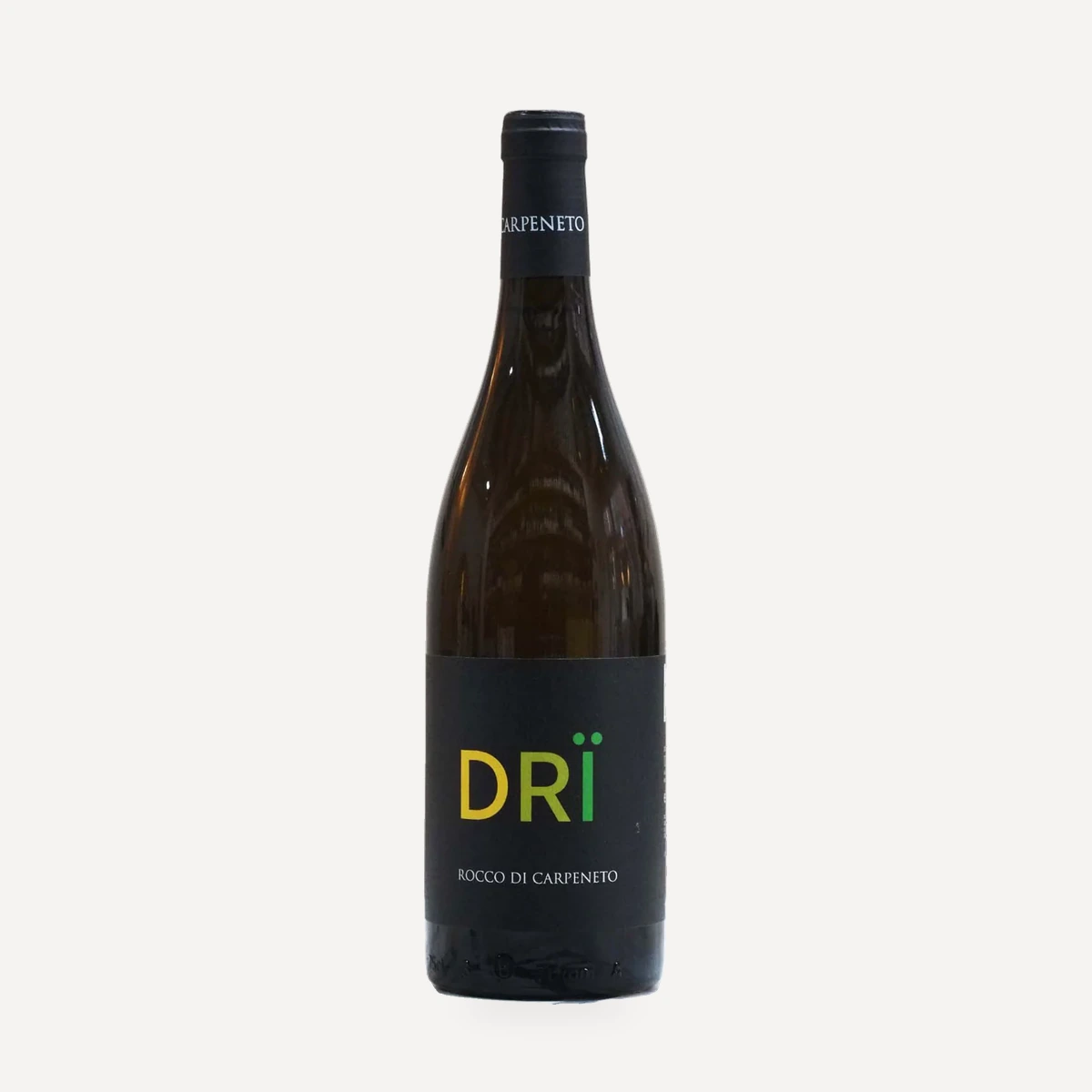
Drï
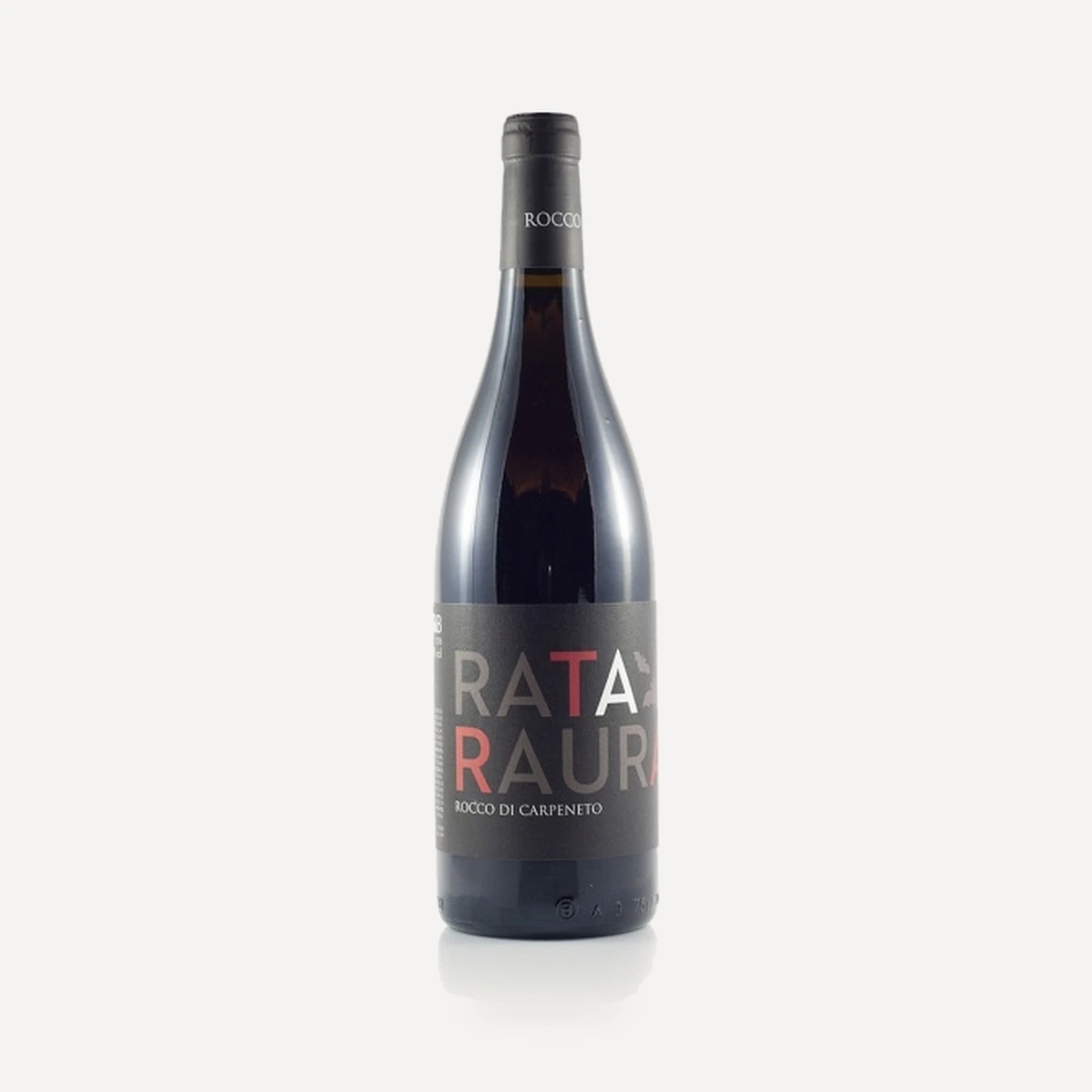
Rataraura
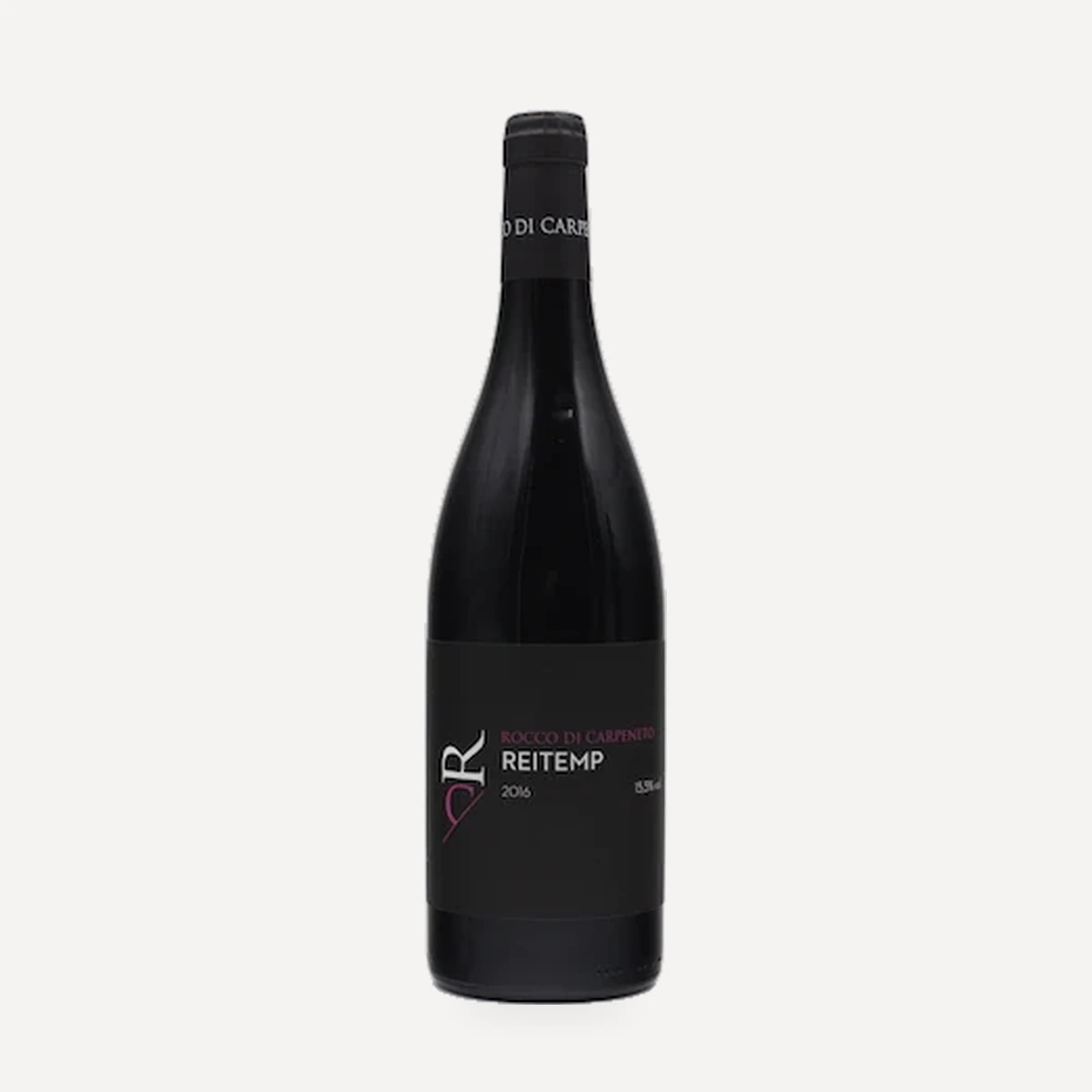
Reitemp
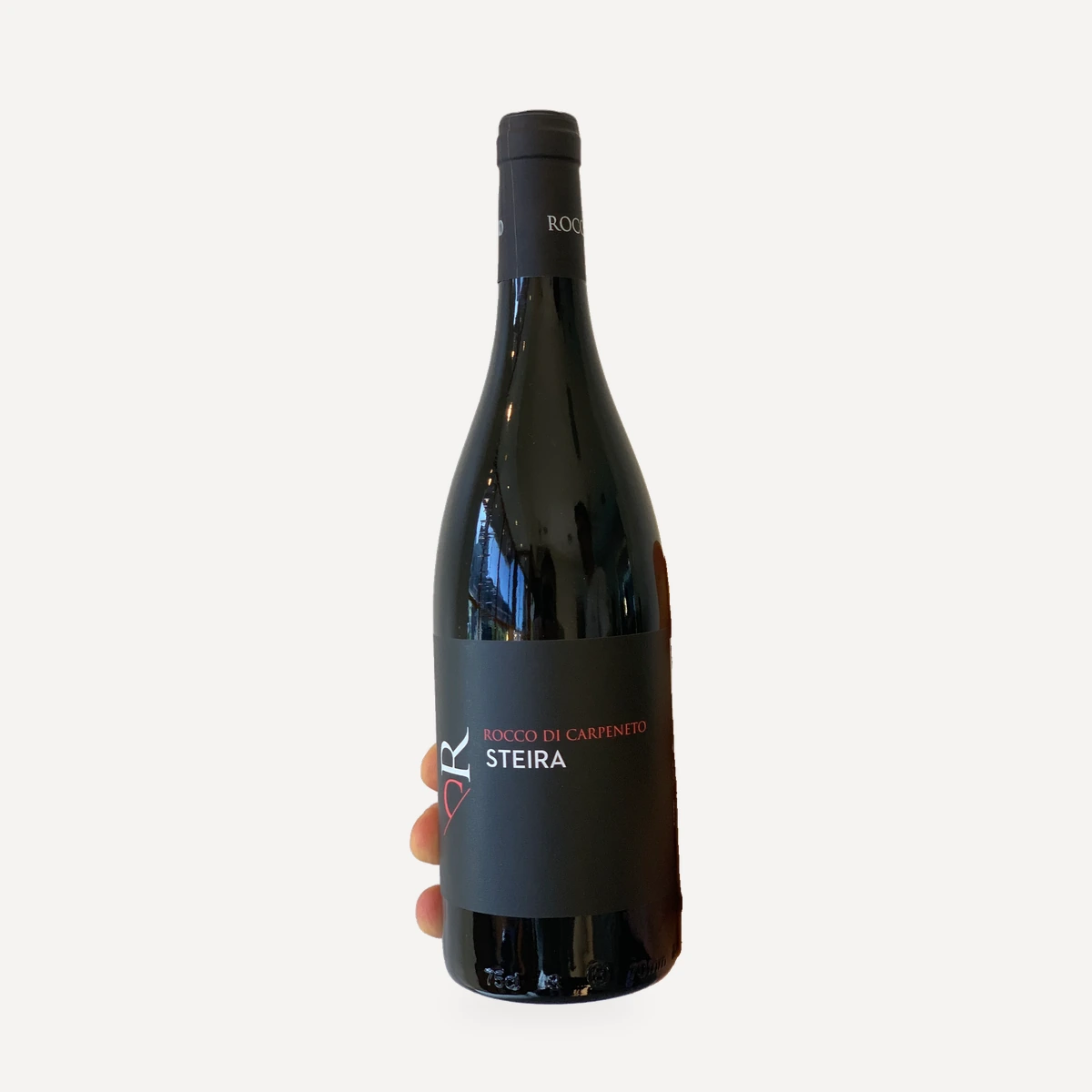
Steira
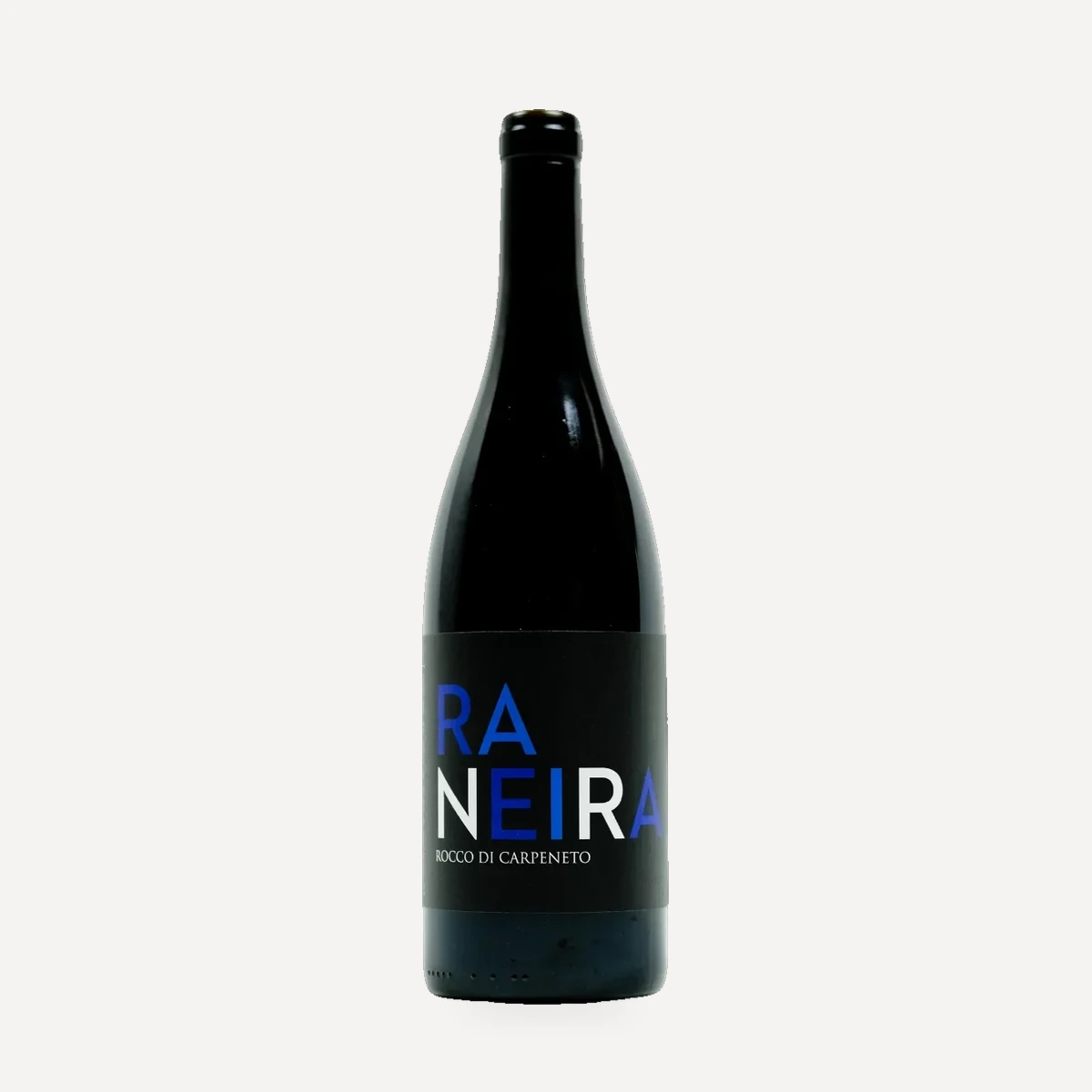
Ra Neira