Storia
Since 1996
Roccolo Grassi has operated in Mezzane di Sotto since 1996. Its vineyards are concentrated in Val di Mezzane, where the family has developed a project centred on interpreting the relationship between site, environment and grape variety.
The family project
Marco and Francesca run the project with their father, Bruno. Their shared objective is to grow high-quality grapes and make a deliberately limited quantity of wine. Production is not fixed: the number of bottles changes with the conditions and quality of each vintage.
The estate’s development is framed by a consistent aim rather than by volume growth. Vineyard work seeks balanced yields and complete ripeness, while cellar decisions are guided by the condition and character of the harvested grapes and the evolving wine. The intended result is a range with a recognisable Roccolo Grassi identity, a clear connection to its place of origin and the capacity to mature in bottle.
Terroir
Val di Mezzane
The estate’s vineyards are concentrated in Val di Mezzane at elevations between 200 and 300 metres above sea level. The property also contains 2 hectares of woodland, 1 hectare of olive groves and a variety of fruit trees. This mixture of vines, woodland, olives and fruit trees forms the agricultural ecosystem surrounding the vineyards.
Soils and named terroirs
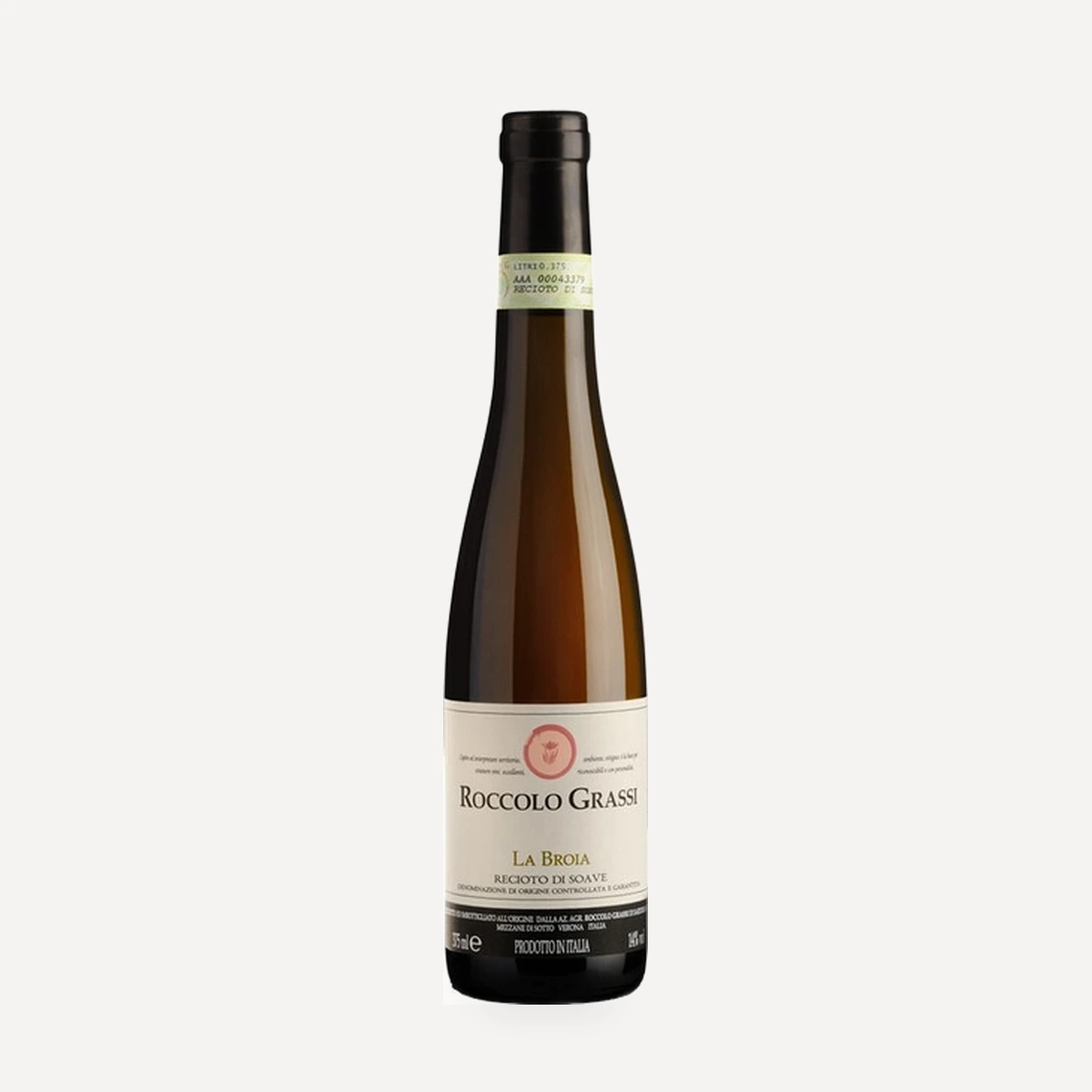
The Broia terroir combines calcareous and alluvial soils. Roccolo Grassi associates these soils with the mineral and saline dimension sought in its Soave.
Valfresca is characterised by limestone soil. The estate links this substrate with structural complexity, elegance and the ability of the resulting wine to develop over time.
Vinificazione
Work in the vineyards is organised around respecting natural timing and the ability of each vine to express itself. Pruning is approached plant by plant rather than as a uniform operation across the vineyard. Yields are deliberately contained, with complete grape ripeness as the objective.
Environmental and territorial considerations guide the viticultural approach. The vineyard is embedded in a broader agricultural ecosystem containing woodland, olive groves and fruit trees, which the family regards as conducive to growing healthy, high-quality grapes.
The cellar is treated as a transitional space in which grapes become wine, with the preservation of the harvested raw material as the primary concern. The approach is described as respectful and conservative toward the grape bunch.
Particular attention is given to cellar cleanliness, every stage of processing, the selection of wood and repeated tasting. Decisions are not imposed through an unchanging formula: the developing wine determines the work required. This responsive approach also extends to production volume, which varies according to the vintage rather than being held to a fixed number of bottles.
Filosofia
Roccolo Grassi’s stated ambition is to create wines with character and personality that can be identified both with their territory and with the estate’s own style. Longevity is part of that objective: the wines are intended to evolve and mature through bottle ageing.
Understanding and interpreting the territory, environment and grape variety form the basis of the estate’s quality concept. In the vineyard, this means respecting natural rhythms, allowing vines to express themselves, pruning with attention to individual plants, restricting yields and pursuing full ripeness.
The project is explicitly family-oriented. Marco, Francesca and Bruno prioritise the quality of the grapes and wine over a predetermined production target. They seek to make relatively few bottles at a high qualitative level, accepting that the final quantity must change from vintage to vintage.
In the cellar, the same principle leads to a conservative, responsive form of oenology. The harvested grapes are to be preserved rather than overwhelmed, while tasting the developing wine guides decisions about processing and wood. The cellar is conceived as one stage in a continuous journey linking the life of the vines and wine with that of the family.
Vini
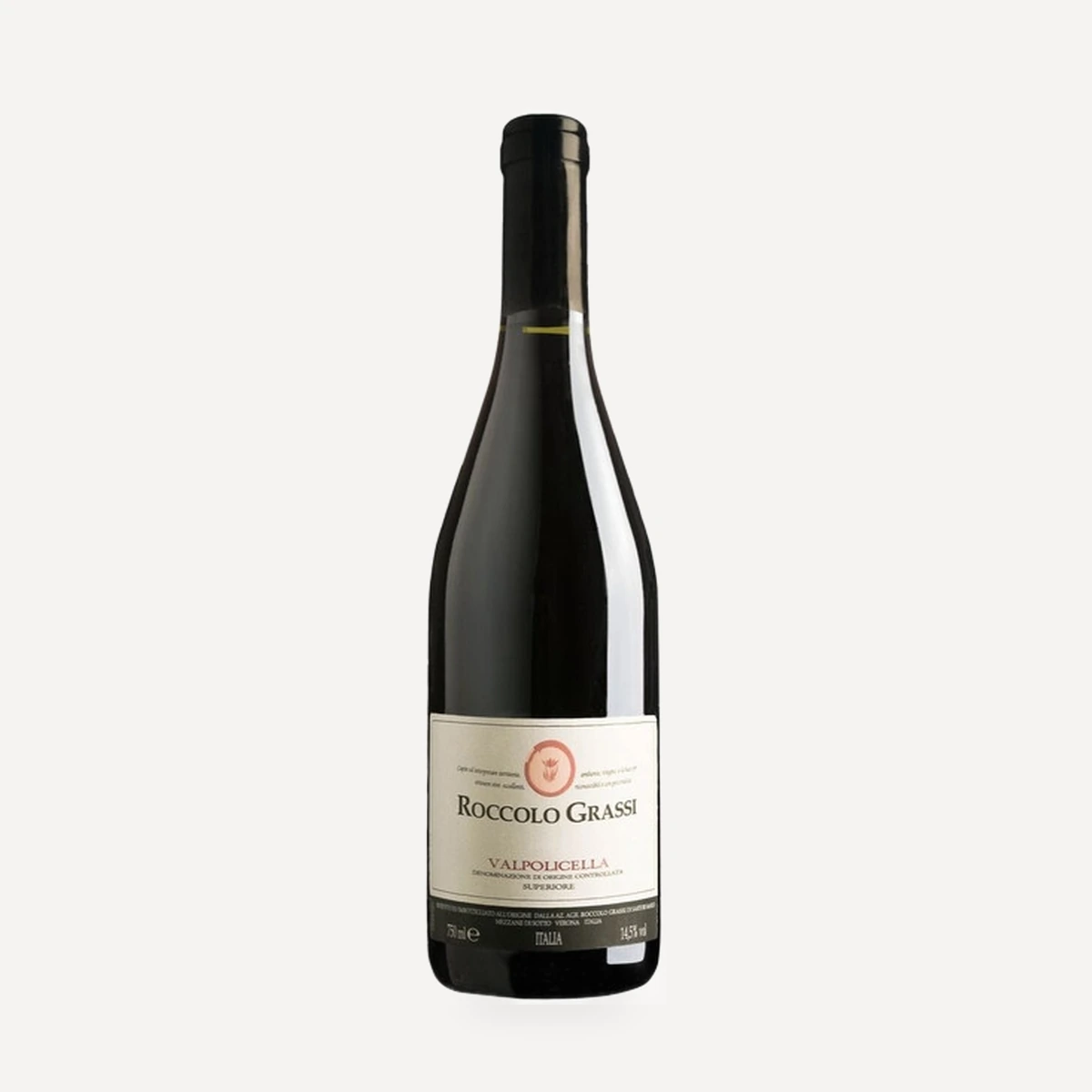
Valpolicella Superiore Roccolo Grassi
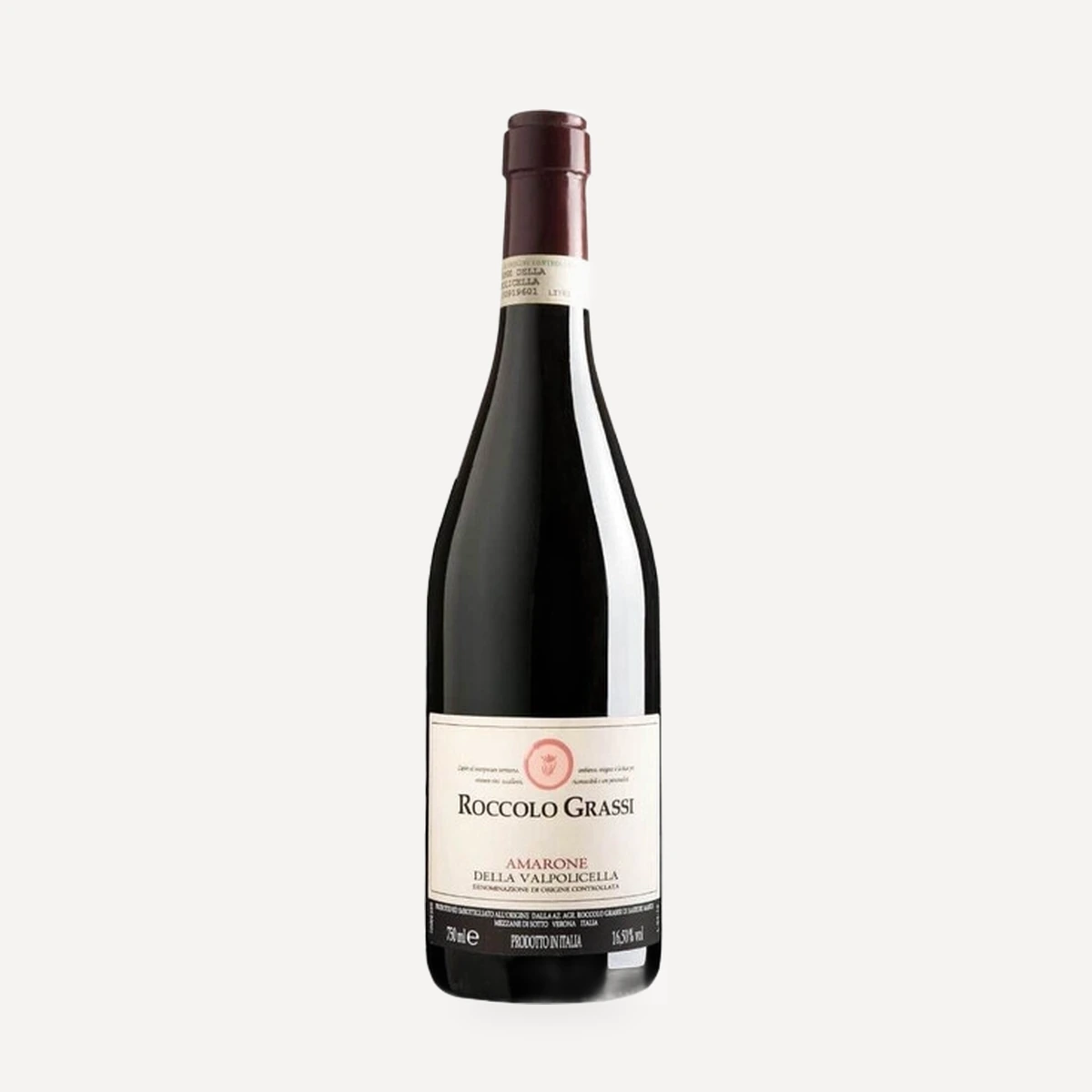
Amarone della Valpolicella Roccolo Grassi
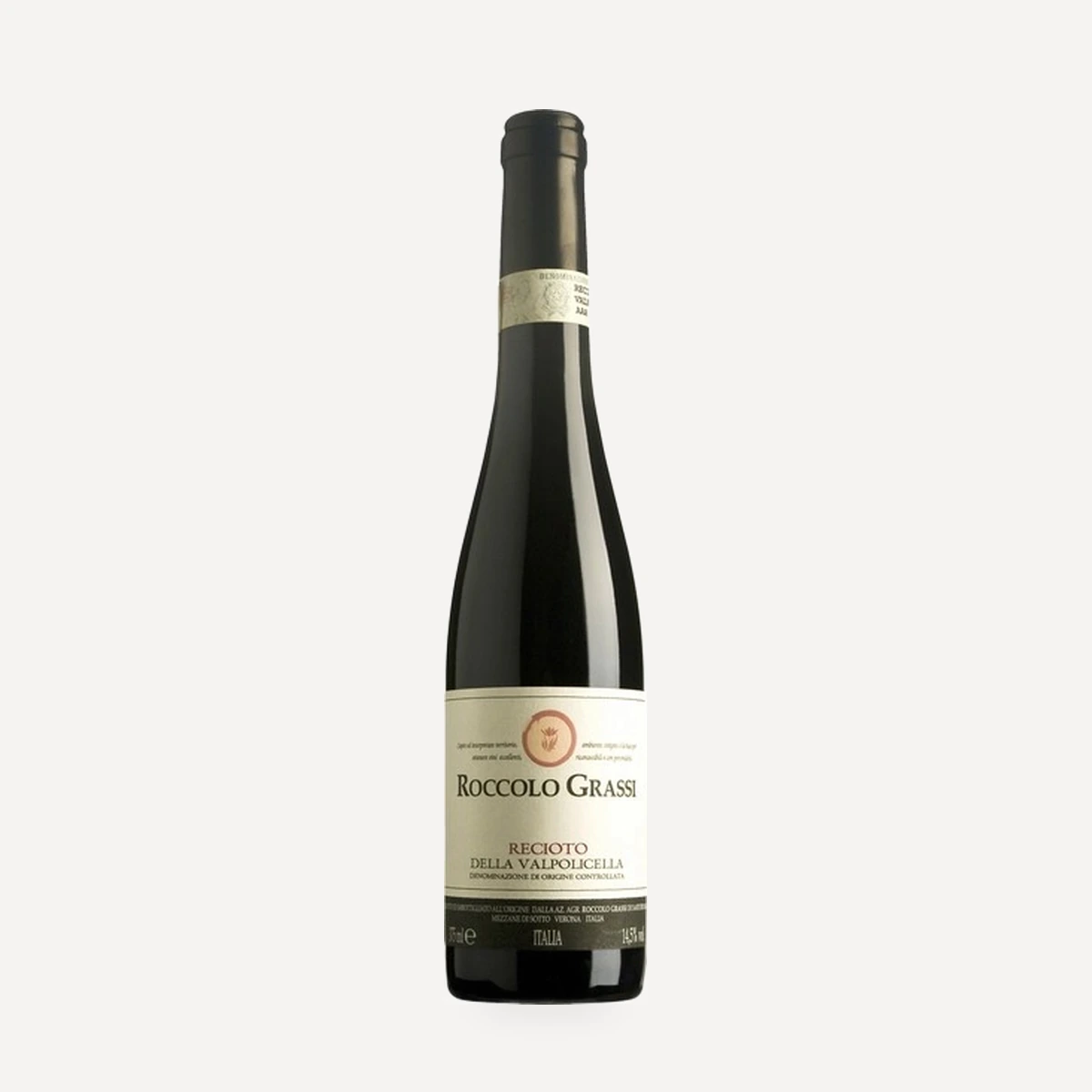
Recioto della Valpolicella Roccolo Grassi