Storia
2012 — Formation of the cooperative
Rupi del Nebbiolo was founded in 2012 as an agricultural cooperative in Valtellina. It brought together a small group of local vignerons—both younger and more experienced growers—along with other people devoted to vines and wine. The members cultivate their vineyards directly and share the objective of pursuing the highest possible quality while respecting the environment.
Development of a cooperative production chain
The cooperative organized a traceable production chain extending from Castione to Tirano. Vineyard work remained in the hands of the members, supported by agronomists with extensive knowledge of Valtellina vineyards. Carefully selected grapes were brought into the cooperative system for vinification, maturation in large casks and barriques, and bottling.
The project also established social and environmental objectives: securing a fair income for growers, creating a future for younger vignerons, and maintaining the terraced landscape supported by dry-stone walls.
Current identity
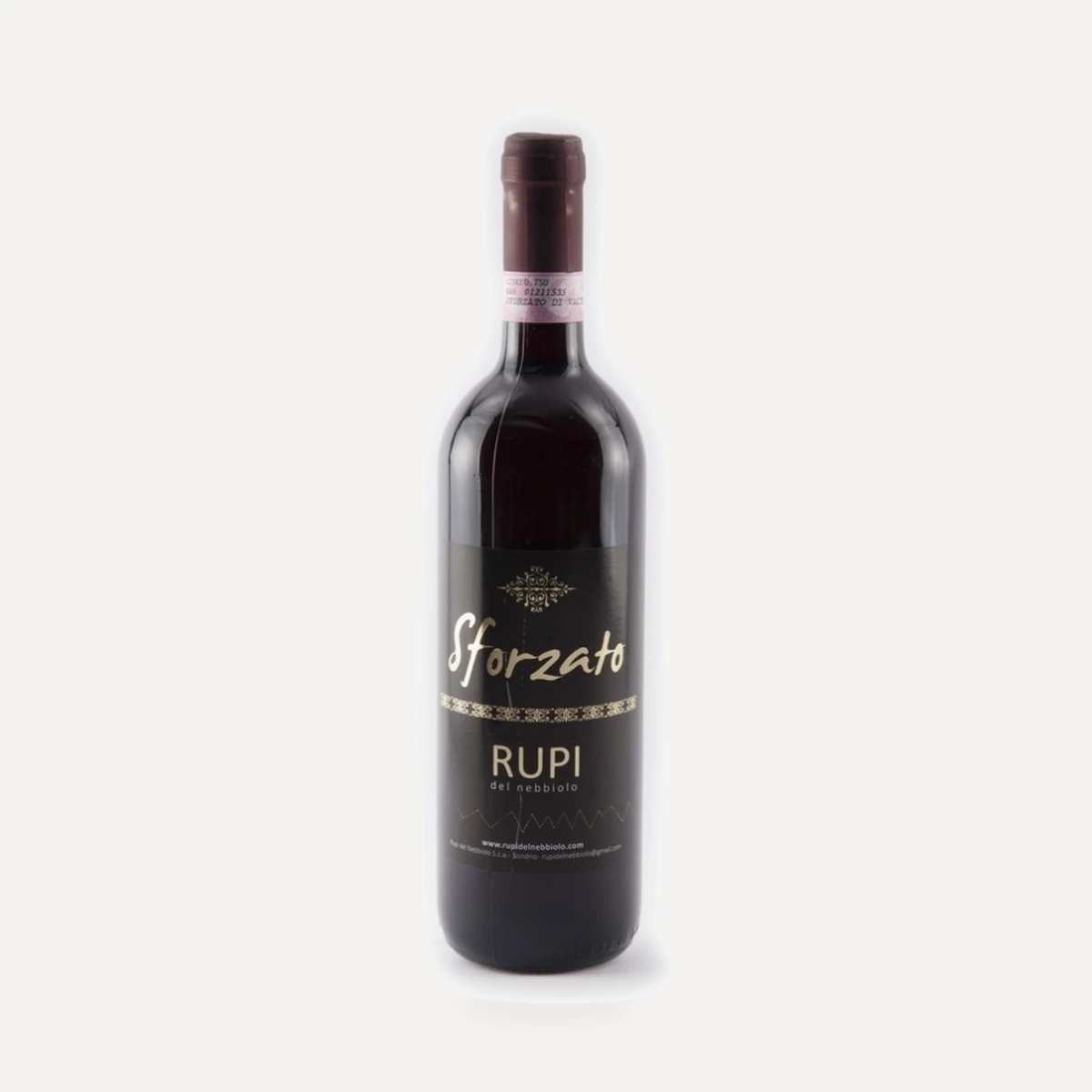
Rupi del Nebbiolo continues to operate as a small cooperative centered on mountain-grown Nebbiolo and the traditions and identity of Valtellina. Its production encompasses Valtellina Superiore DOCG wines, the Sassella, Inferno and Grumello subzones, and Sforzato di Valtellina DOCG. The cooperative remains open to new members who share its quality objectives.
Terroir
Rupi del Nebbiolo works with mountain vineyards distributed along the Valtellina production area from Castione to Tirano. The landscape is defined by terraces supported by dry-stone walls, structures that also retain and reflect solar warmth.
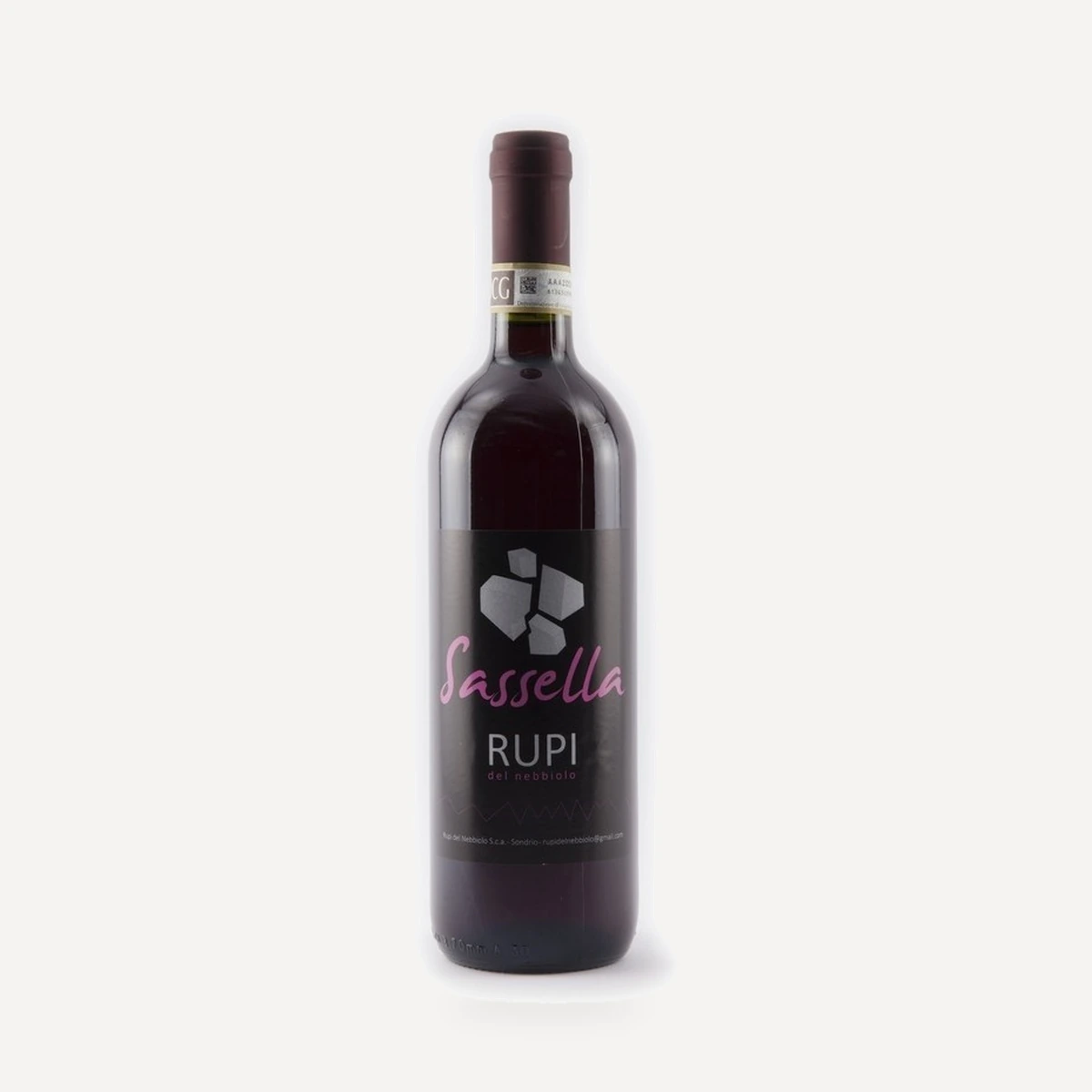
The vineyards associated with Sassella lie in the municipalities of Sondrio and Castione Andevenno. The subzone takes its name from the Santuario della Madonna della Sassella, situated on a rocky rise near Sondrio.
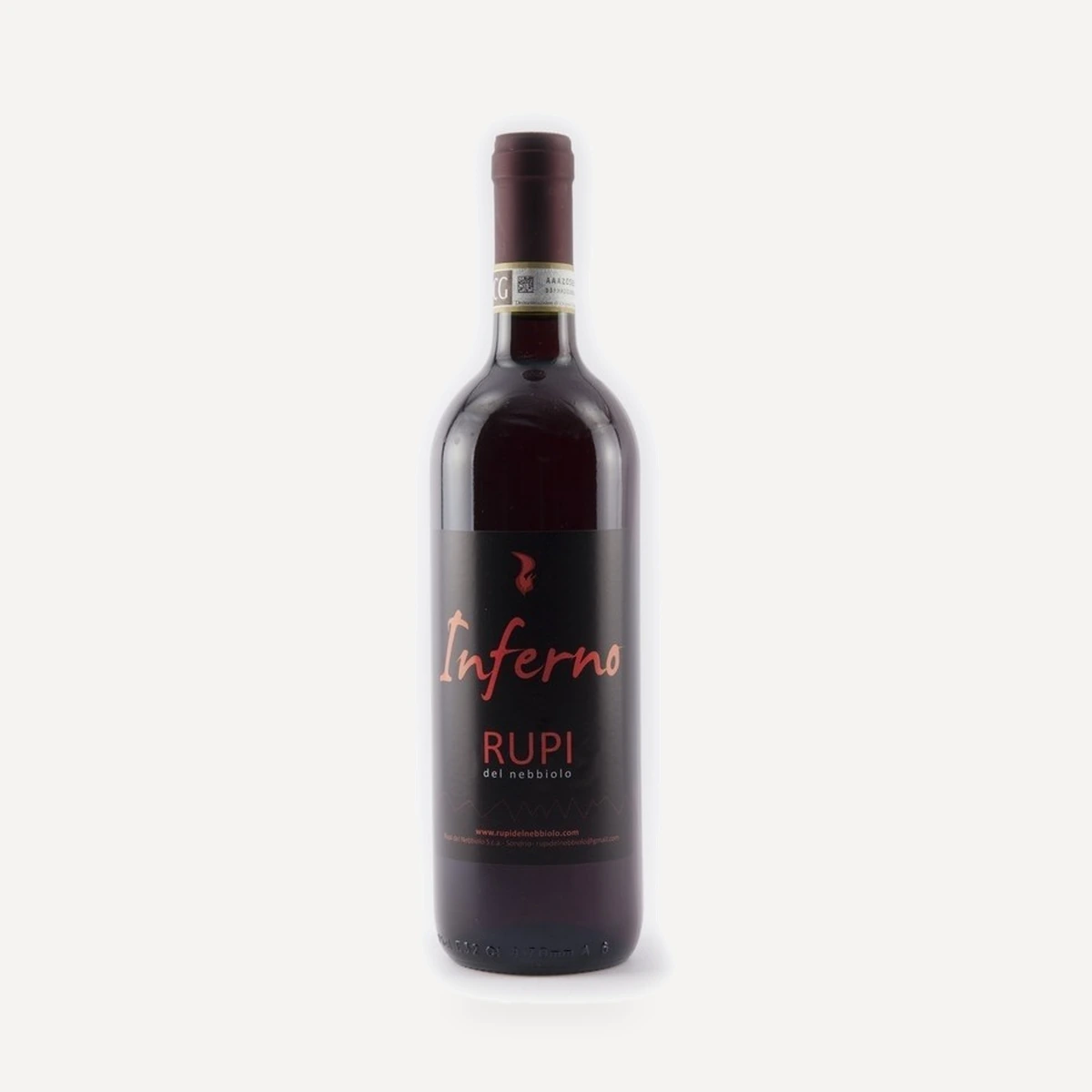
In Inferno, strong sunlight and heat reflected by the stone walls warm the terraces. These conditions allow Nebbiolo to develop concentrated aromas while retaining the freshness and mineral character associated with the alpine setting.
Nebbiolo used for Vino del Prevosto comes from south- and southeast-facing vineyards in Teglio, Bianzone and Villa di Tirano. Taken together, these sites demonstrate the cooperative’s geographical spread across several distinct sectors of Valtellina.
Vinificazione
Vineyards are cultivated directly by cooperative members, combining the practical experience of the vignerons with support from qualified agronomists familiar with Valtellina’s sites. The farming approach gives preference, wherever possible, to organic products.
Preservation of the terraced landscape and its dry-stone retaining walls is a central objective. The cooperative connects this work with environmental stewardship, continuity of cultivation and the future of younger growers.
The annual vineyard cycle encompasses planting rooted young vines, shoot and bunch development, pruning, antifungal treatments and harvest. Grapes are picked by hand. Selection is emphasized at intake, and some lots are delivered unpressed in small containers. Grapes intended for Sforzato are harvested into 4 kg crates before drying.
The cooperative controls the chain from member-managed vineyard cultivation and grape delivery through vinification, maturation, bottling and direct sale.
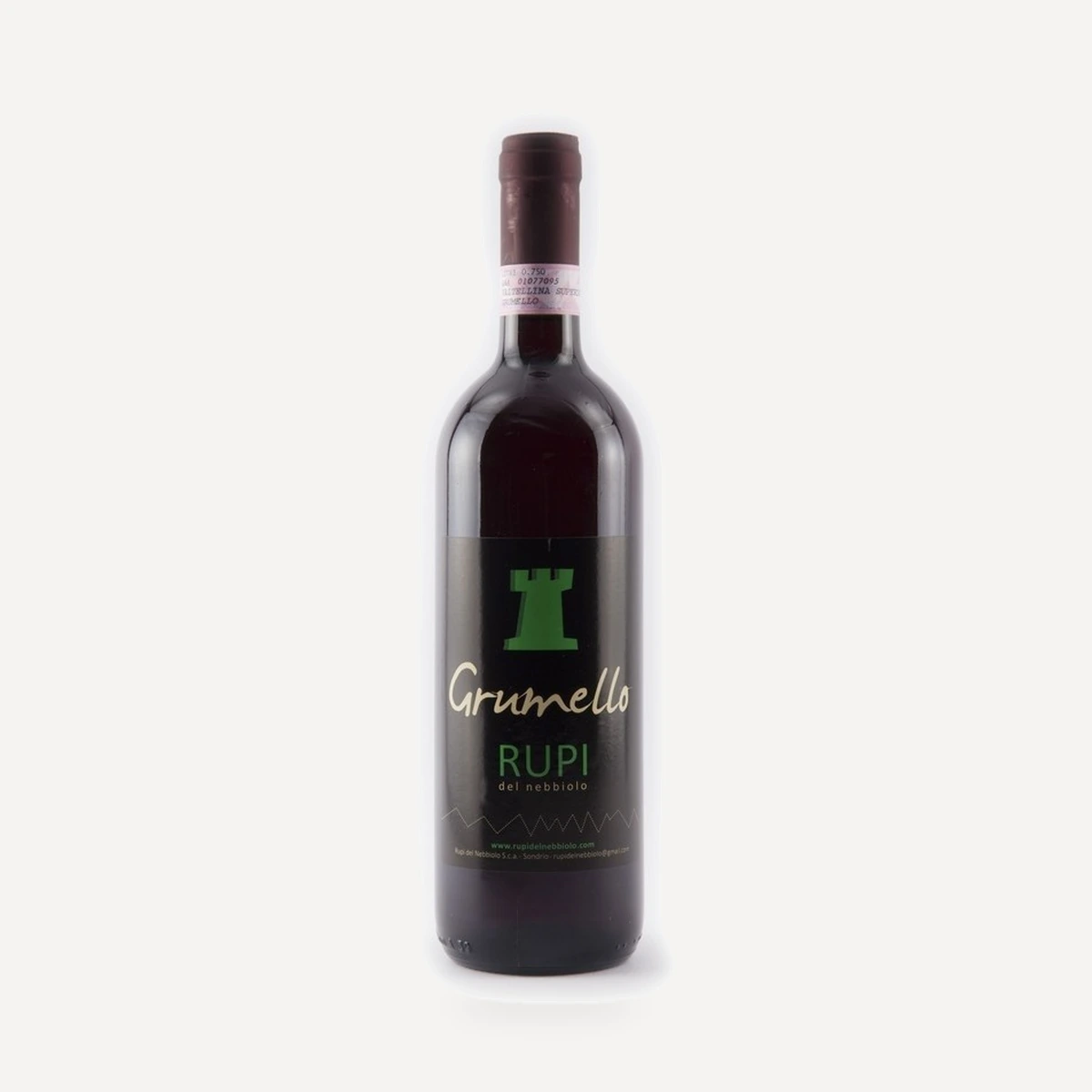
Grapes are carefully selected, hand harvested and destemmed on the day they arrive. Some lots are transported unpressed in small containers. Red-wine fermentations involve maceration, with the published examples ranging from approximately 8 to 15 days. Temperature-controlled fermentation is used for Grumello.
Maturation takes place in both large wooden casks and barriques. The recurring Valtellina Superiore regime comprises two years of maturation, including one year in oak. Grumello also follows a regime described as roughly 18 months in French and Slavonian oak casks followed by further bottle maturation.
For Sforzato di Valtellina DOCG, selected Nebbiolo is hand harvested into 4 kg crates and dried on dedicated racks until January. The dried grapes are then destemmed, fermented with approximately 10 days of maceration and matured for two years, including one year in oak. Bottling forms the final stage of the cooperative production chain.
Filosofia
Rupi del Nebbiolo defines its purpose through quality, environmental responsibility and cooperative continuity. Its members aim to make the best wine possible while cultivating their own vineyards and favoring organic products wherever practical.
The cooperative model also has a social purpose: providing growers with a fair income and creating a viable future for younger vignerons. Maintaining the terraced landscape and its dry-stone walls is treated as part of the same responsibility.
Its concise production maxim—“Poco ma buono… come natura crea, Rupi trasforma”—expresses a preference for limited, carefully handled production and for transforming what the vineyard provides. Experience, professional agronomic support, local tradition and the identity of Valtellina are presented as complementary foundations of the wines.
Vini
Grumello
Inferno
Sassella