Storia
A longstanding viticultural landscape
The hills around Diolo have been planted with vines for centuries. Earlier generations of the family made wine for their own consumption, while the grandparents were also recognized for the quality of their table grapes.
Continuity and specialization
The Saccomani family has remained rooted in this quiet ridge among the first Piacenza hills for several generations. A small part of the traditional table-grape cultivation survives, but the farm has progressively specialized in wine, particularly naturally bottle-refermented styles.
Family knowledge remains central to production. The contemporary range follows the inherited practice of using indigenous yeasts and natural refermentation in bottle. At the same time, Luca conducts trials during every harvest, exploring different vinification methods, developing new wines and testing small changes that may eventually become new labels or styles alongside the classic bottle-refermented range.
The family today
The family group presented at the estate comprises Claudia, Luca and Giuseppe, together with Luca’s children, Beatrice and Riccardo. Luca leads the continuing work of vinification and experimentation; Luca and Claudia handle tasting reservations and direct cellar sales, while Giuseppe is the contact for wine sold in demijohns.
Terroir
The estate lies at Diolo, a hamlet of Lugagnano val d’Arda, on a quiet ridge among the first Piacenza hills. The highest part of its land falls within the geological nature reserve of the Piacenziano.
The terrain is characterized by subdued colors, sandy material and an abundance of fossils dating to the Mediterranean Pliocene. Soils represented across the vineyards also include rocky Piacenziano sand, clay, red clay and silt, occurring alone or in combinations such as clay and silt, clay and rocky sand, or rocky sand and silt.
The family associates this terrain with wines of relatively light color and floral aroma, without excessive tannin or acidity.
Vinificazione
The vineyards are managed according to principles of biological pest control. The family’s stated priority is to safeguard the ecosystem so that the land can be preserved and handed on in the condition in which it was received.
Bees are treated as valued members of this ecosystem. The family also keeps donkeys whose manure supplies fertilizer required by the vineyards. This approach places animals, vines and the surrounding natural environment within the same agricultural cycle.
Work is deliberately slow, continuous and precise rather than driven by the pursuit of greater output. Each element is given its own function and time. A clean working environment and a sound beginning to the harvest are treated as essential conditions for minimizing sulfur dioxide during vinification.
Production centers primarily on vintage wines that undergo natural refermentation in bottle, using only indigenous yeasts in continuity with family practice. Experience is passed down within the family but is not treated as static: Luca tests different vinification methods at each harvest, studies new wines and makes small experimental changes from which new labels and styles may emerge.
For the principal bottle-refermented wines, the must first completes alcoholic fermentation in cask. In spring, natural refermentation takes place in the bottle and creates the wines’ effervescence.
Cellar cleanliness and a sound start to the harvest are regarded as essential to limiting sulfur dioxide. Sulfur is used only when the grapes arrive at the cellar and at quantities described as substantially below statutory limits.
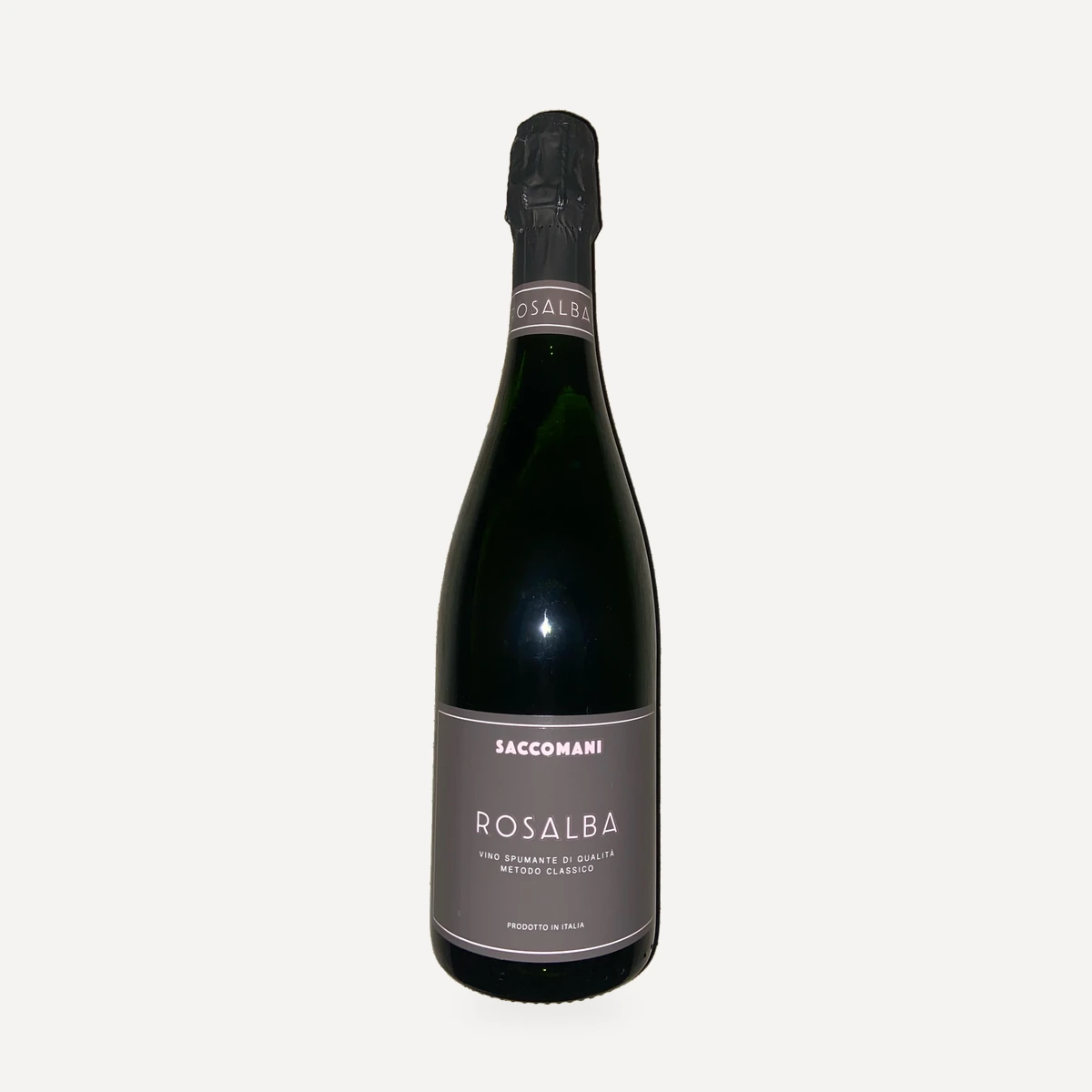
The broader cellar repertoire also includes fermentation and maturation in oak casks, cement vats and regenerated French-oak barriques, as well as maturation on fine or total lees and unfiltered bottling. A special dried-grape process involves harvesting bunches in September, drying them in wooden crates until January, pressing them in a vertical wooden press, carrying out a long fermentation, transferring the wine to oak barriques and bottling it by hand without added sulfites. Traditional-method rosé production employs gentle pressing of red grapes, maturation on fine lees until the following spring, bottle ageing, disgorgement and no dosage.
Filosofia
Saccomani’s philosophy is grounded in patience rather than the pursuit of production volume. Work is conceived as slow, continuous and precise, requiring both attention and waiting. Every person, animal and natural element has a distinct place, role and appropriate time.
The family considers protection of the ecosystem essential to preserving the land for future generations. Biological pest-control principles, respect for bees and the return of manure from the farm’s donkeys to the vineyards express this relationship in practical terms.
In the cellar, continuity and experimentation coexist. Indigenous yeasts and natural bottle refermentation preserve knowledge passed through the family, while Luca’s harvest-by-harvest trials allow new methods, labels and styles to emerge from direct experience. Each vinification is understood as an opportunity to learn something new.
Vini
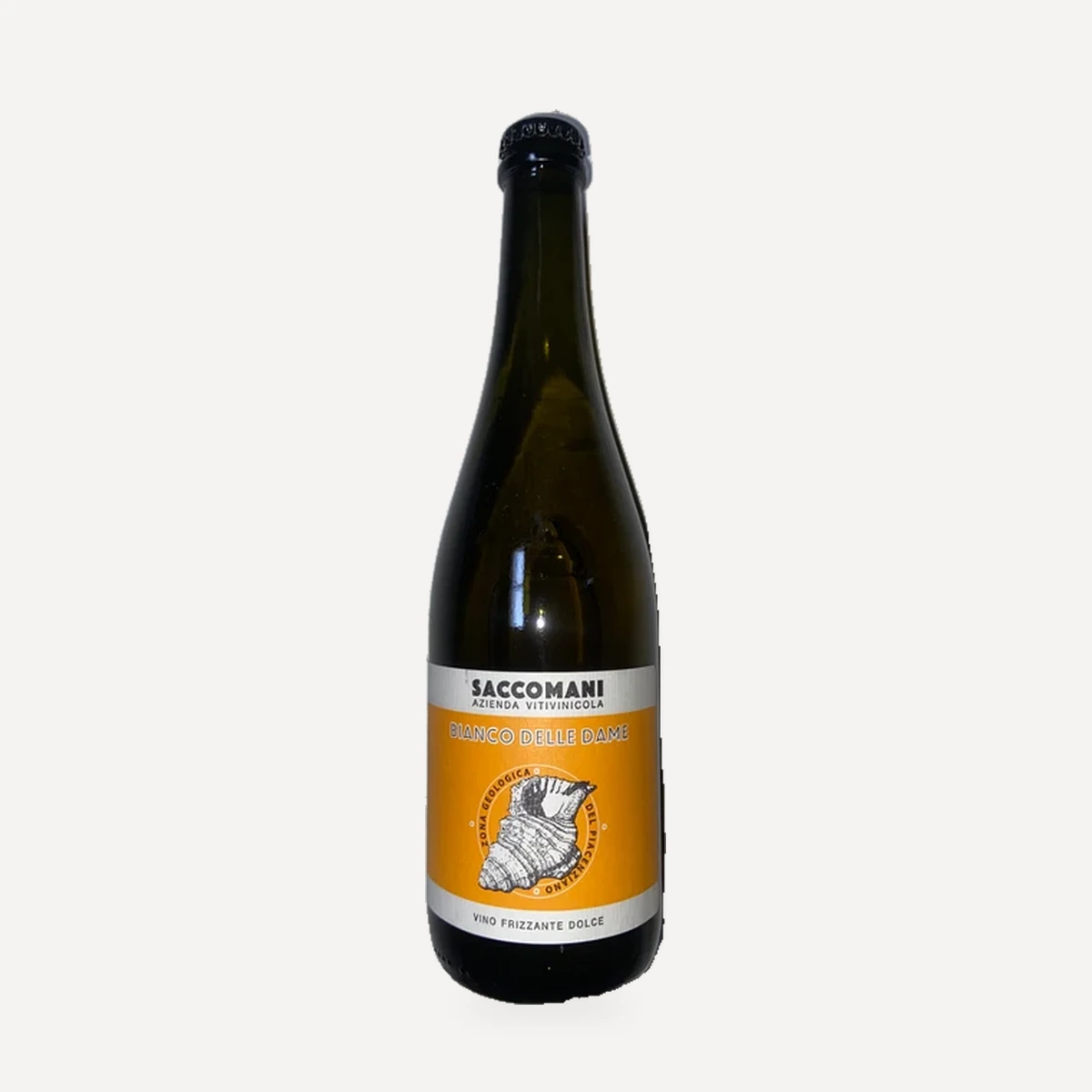
Bianco delle Dame
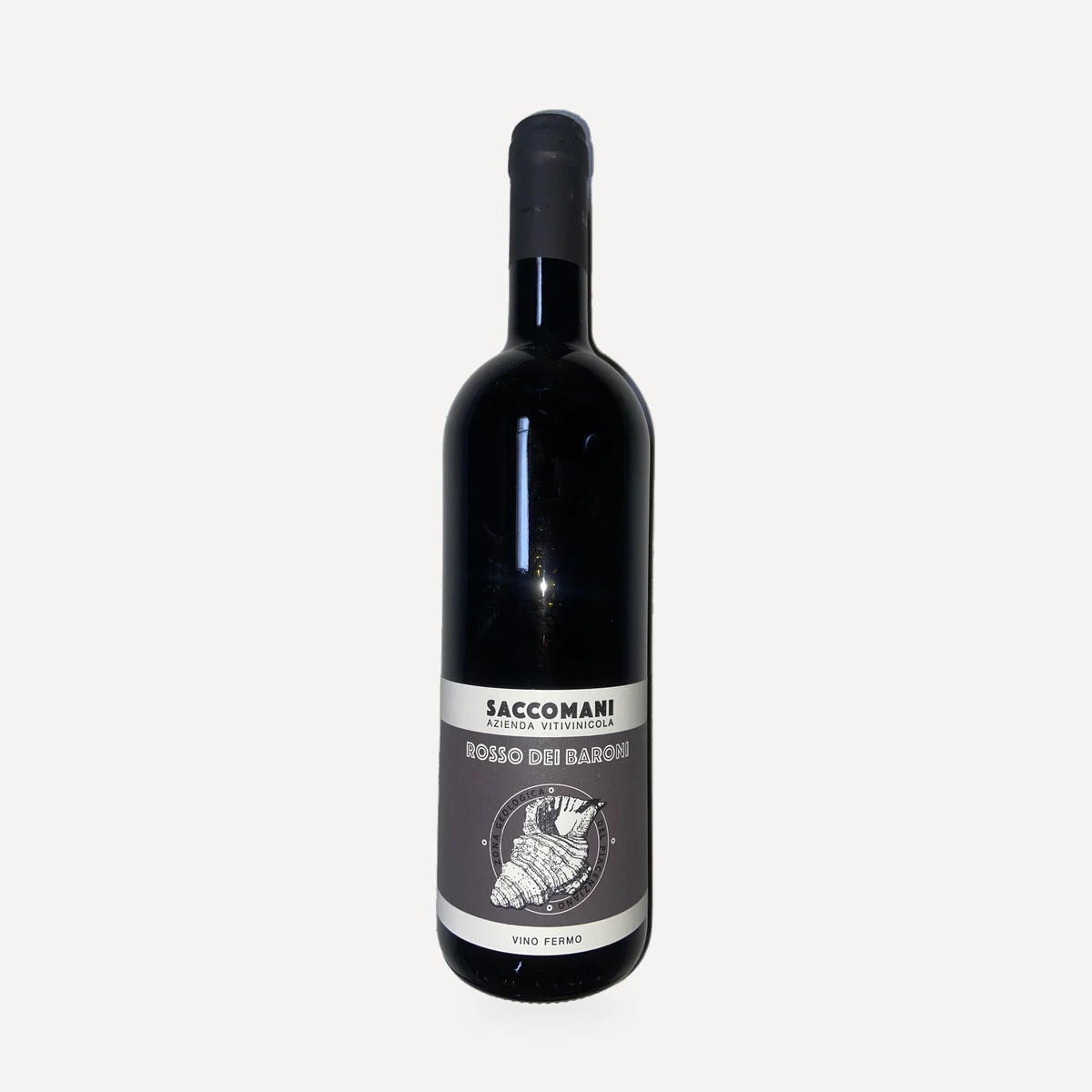
Rosso dei Baroni
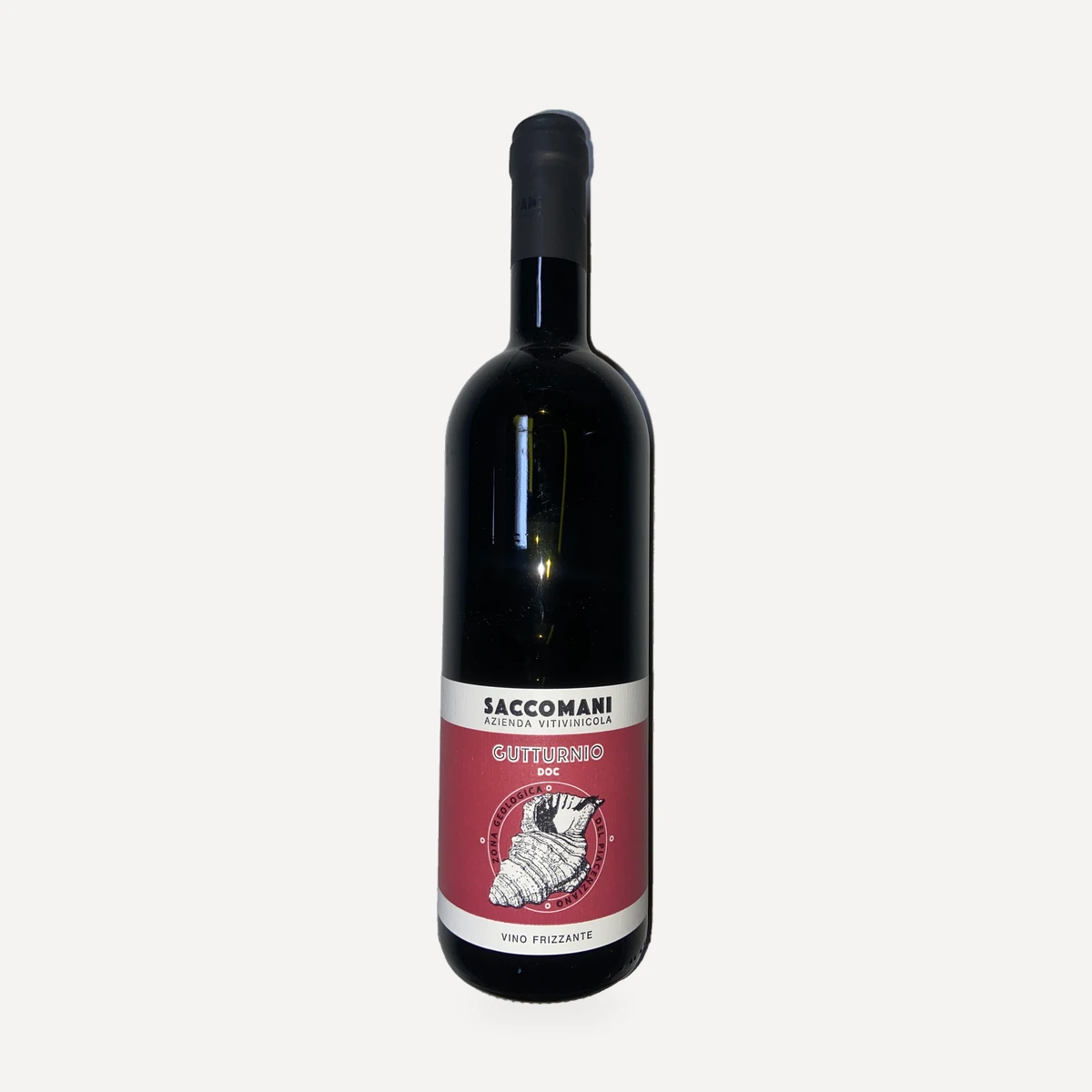
Gutturnio
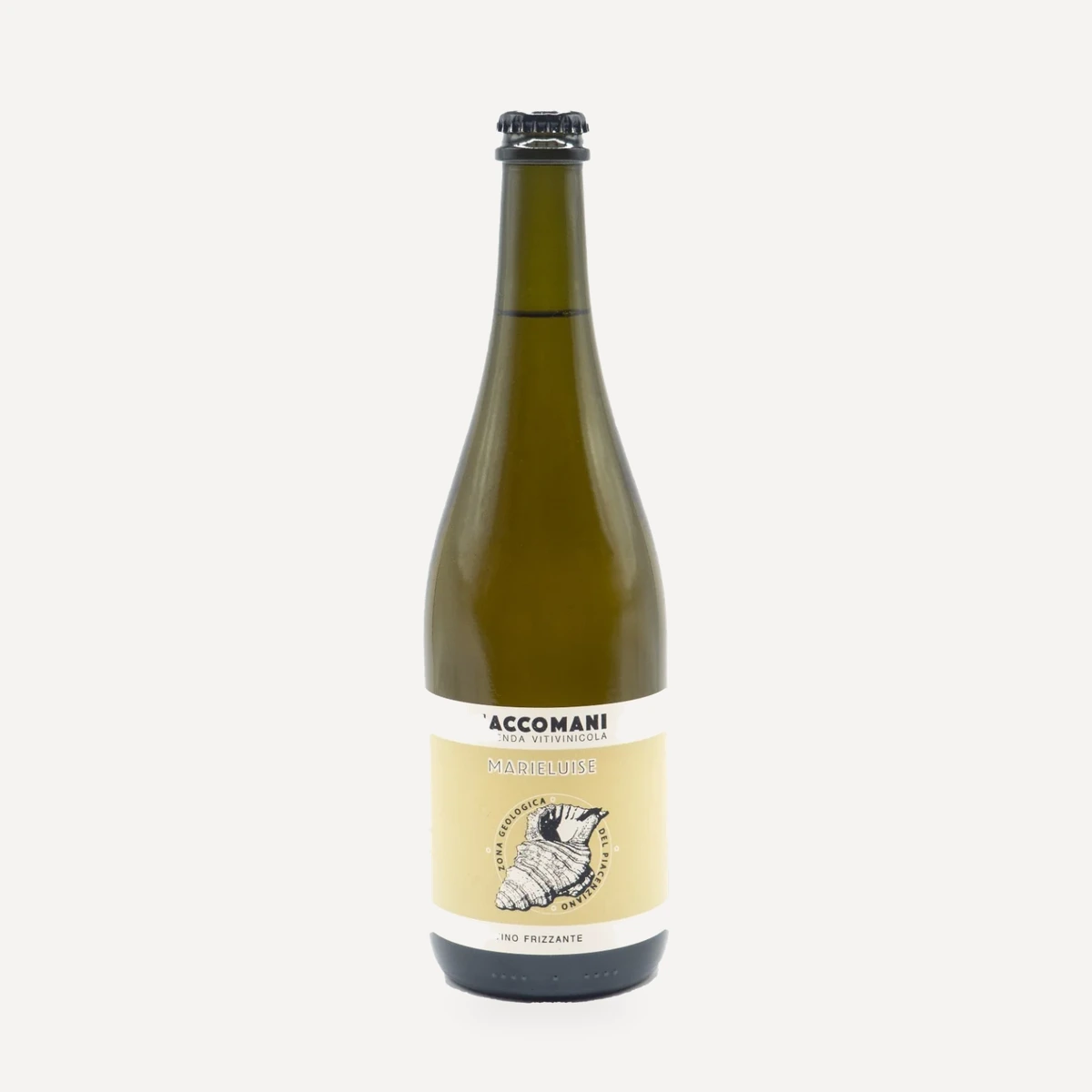
Marieluise
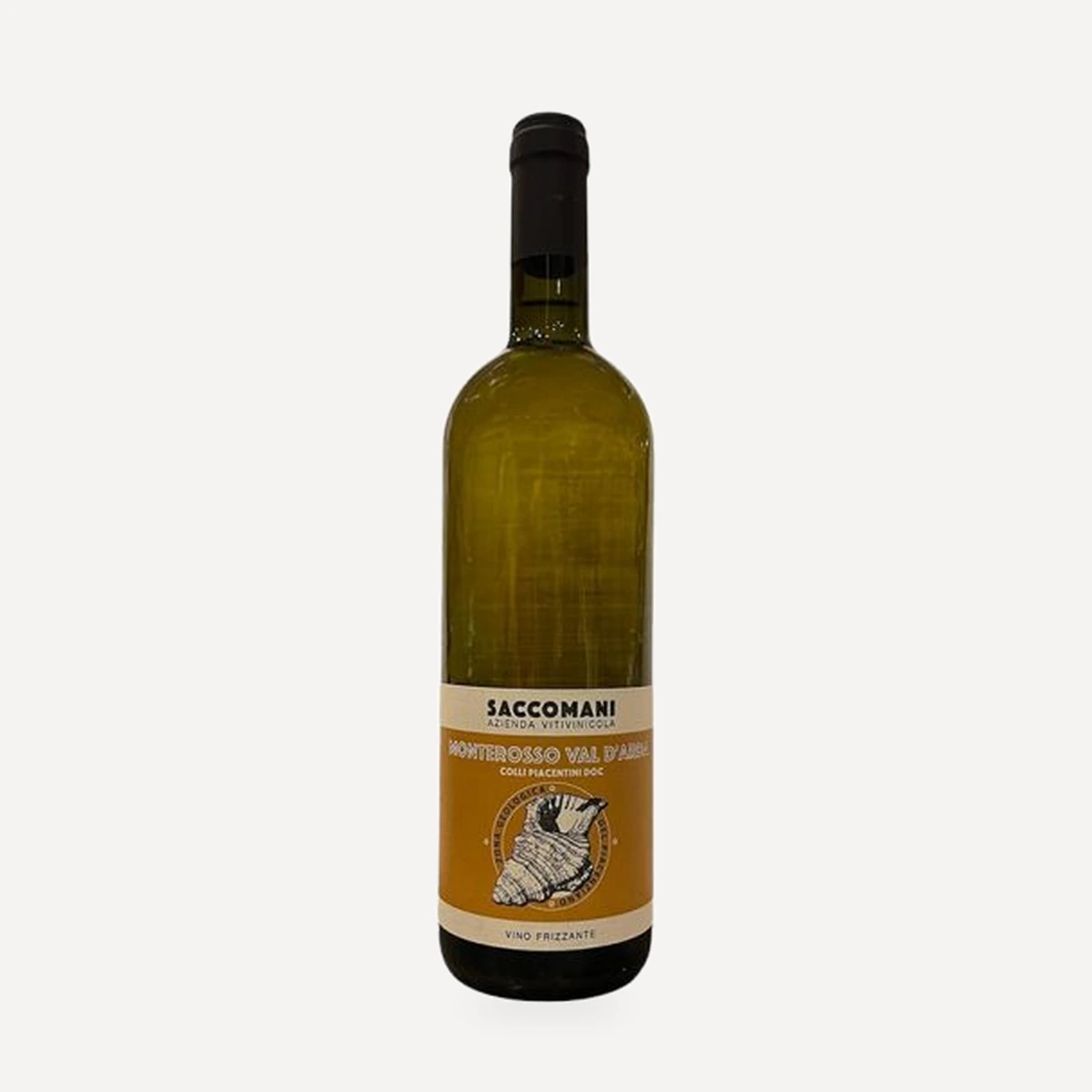
Monterosso Val d’Arda
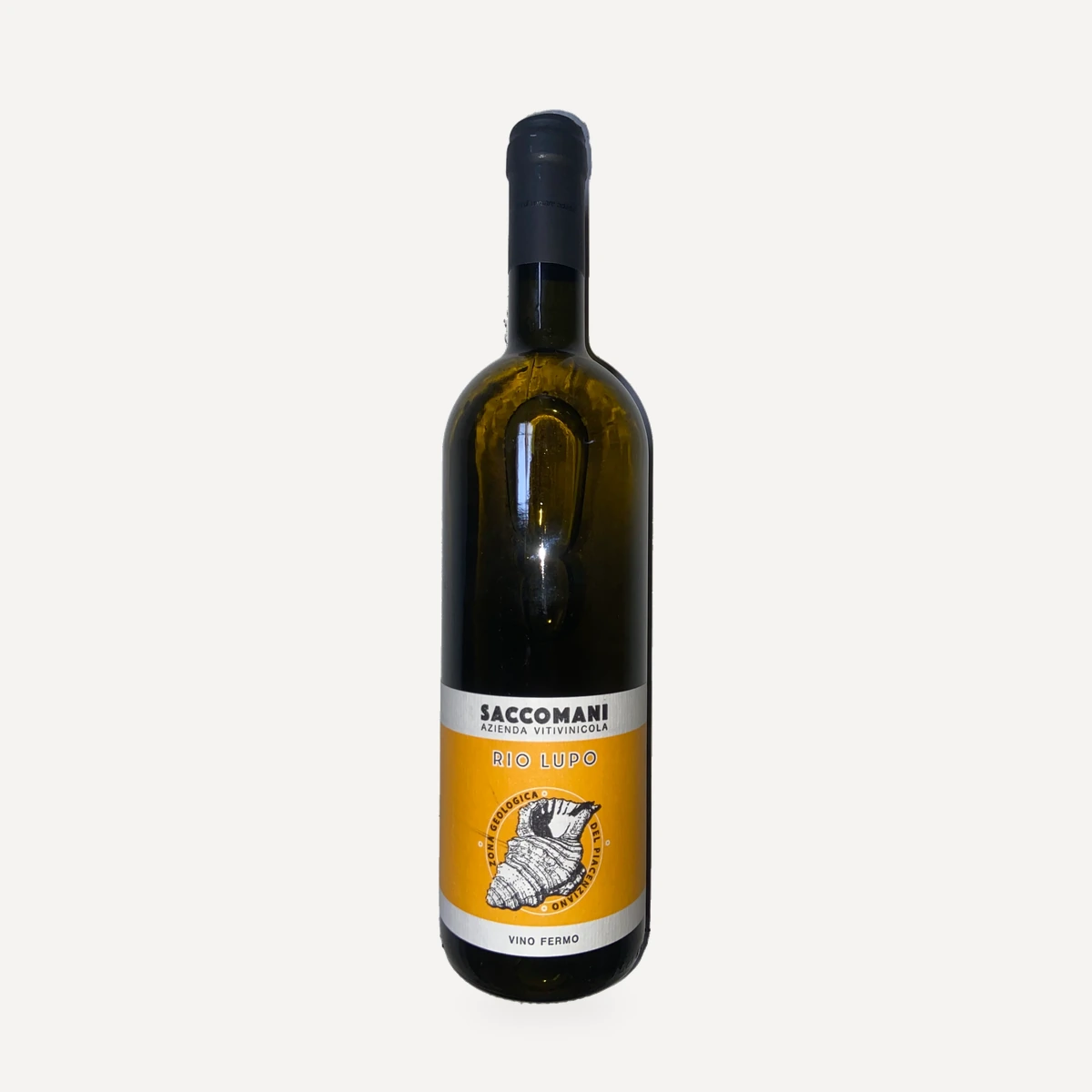
Rio Lupo
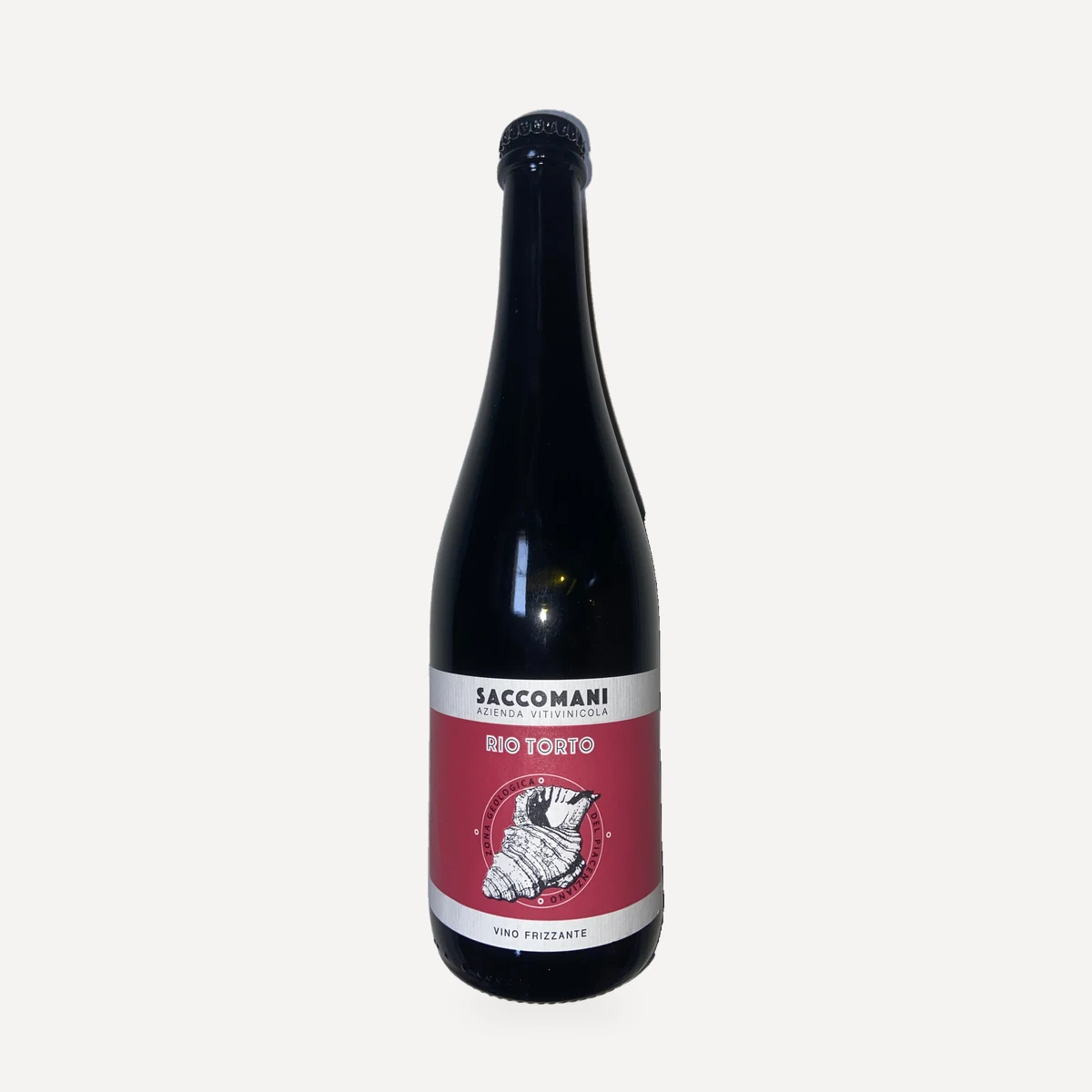
Rio Torto