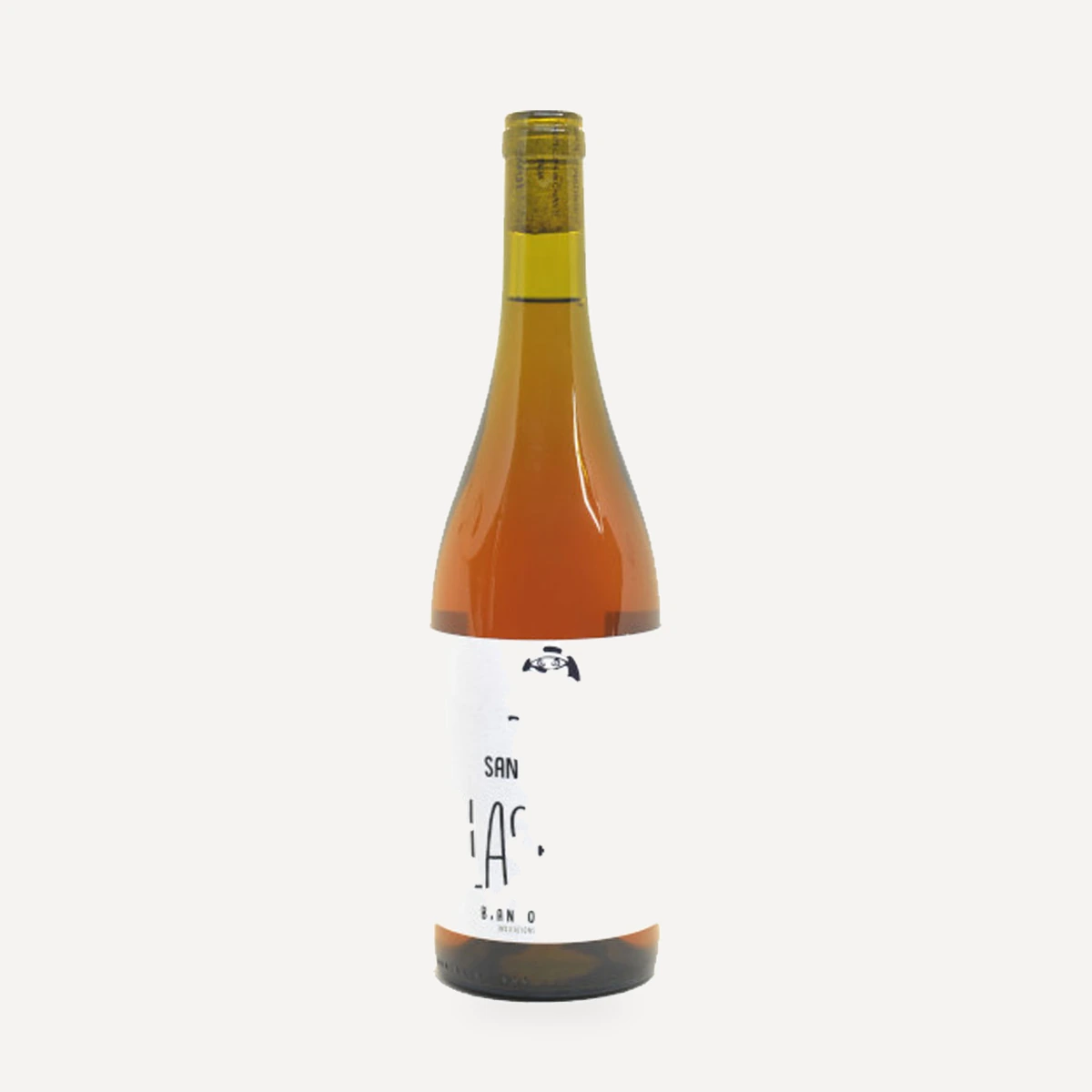
Storia
1969–1971: Léo Ferré and the family’s arrival in Tuscany
French singer and poet Léo Ferré moved to Tuscany in 1969. In 1971, Ferré and his wife, Maria Cristina Diaz, purchased the San Donatino property and settled there with their family. Maria Cristina and their children continued to live at the estate.
Restoring the property
The family’s first work was to restore the vineyards and approximately 5,000 olive trees and return them to production. San Donatino developed as a hands-on family farm, with the estate’s activities followed directly by family members.
Early 1990s: the transition from bulk wine to estate bottling
The first harvests were sold in bulk. This continued until the early 1990s, when the family decided to bottle the wines and market them independently. During the same decade San Donatino began experimenting with skin-macerated white wine, becoming an early producer of orange wine in Castellina in Chianti through Diaccio.
The cellar’s technical succession
The cellar was guided by Giulio Gambelli until the final period of his life. Federico Staderini succeeded him, followed by Giovanni Stella, who joined San Donatino as oenologist in 2019. Across these changes, the cellar retained a traditional direction centred on the identity of the territory and the differences between vintages rather than stylistic standardisation.
2012: organic conversion
Conversion of the vineyards to certified-organic farming began in 2012. Organic production subsequently became a defining element of the estate’s identity.
The second generation
The current team includes several members of the Ferré family. Mathieu Ferrè is an owner, Nicolas Ferrè works as cellarman, and Manola Ferrè Tozzi manages hospitality. Nicolas is identified as the estate’s second generation and initiated Halley, conceived as a separately vinified San Donatino cru and released as a single lot of 2,500 bottles.
Terroir
San Donatino lies at Località San Donatino in Castellina in Chianti, overlooking the Val d’Elsa toward the south-west. The winery is at 420 metres above sea level, while the three principal vineyard areas are described collectively as mid-slope sites at approximately 450 metres.
The vineyards are distributed among three distinct zones: San Donatino, Poggio ai Mori and Campolungo. Their separation creates different combinations of exposure, geology and ripening conditions.
San Donatino
The San Donatino vineyards immediately surround the winery and face south. Their direct solar exposure supports grape ripening and is associated with wines of greater structure and depth.
Poggio ai Mori
Poggio ai Mori is the hill adjacent to San Donatino. It has a rounded, ridge-like or “donkey’s-back” form, with vineyards extending across slopes whose exposures range from south-east to north-west. The hill overlooks the Valdelsa and is surrounded by oak woodland.
Its soils belong to the Sillano Formation, a sequence of marls formed approximately 100 million years ago. More detailed descriptions distinguish clay-loam soils with a generous limestone or alberese component on the north-western side and a less pronounced limestone presence, balanced by shale or galestro, on the south-eastern side. These clay-limestone soils are particularly associated with Sangiovese.
Campolungo
Campolungo is at San Donato in Poggio, in the westernmost part of Chianti Classico. Its exposures also range from south-east to north-west. The zone is distinctly cooler than the other sites, producing different levels of grape ripeness and supporting lighter, fresher red wines as well as white and rosé production.
Campolungo rests on a younger limestone sequence formed approximately 60 million years ago. Alberese is present, while individual vineyard descriptions also identify clay-sandy soils with marl and, in some places, shale. The estate associates this geology and cooler setting with freshness.
Vinificazione
Conversion to certified-organic viticulture began in 2012. The estate connects this approach with respect for its environment, the conservation of natural resources and the expression of differences among its three vineyard zones.
Harvesting is manual. Bunches are selected in the vineyard, while certain cuvées use fruit chosen from the most productive vines. Cabernet Sauvignon is the final variety to reach the cellar and is often harvested in late October.
Winemaking residues are returned to the agricultural cycle: after gentle pressing, pomace and stems are reused in the fields. The wider farm also includes approximately 5,000 olive trees, which the Ferré family restored to productivity alongside the vineyards after acquiring San Donatino.
San Donatino follows a traditional, non-standardising approach in which territorial character and the differences between vintages take precedence over reproducing a fixed style.
Alcoholic fermentations occur spontaneously without inoculated yeast. Red grapes are generally fully destemmed and crushed, while maceration is adjusted to the material and intended result: examples across the range extend from a few hours or several days to approximately one week, two weeks, three to four weeks, or as long as 30 days. The pomace is pressed gently after maceration. Malolactic fermentation is likewise spontaneous, normally occurring during the following weeks but occasionally not completing until the next spring.
The wines may remain on their lees for several months. Stainless steel and concrete are the principal vessels for fermentation and maturation of the base wines. Cellar ageing in these vessels ranges from about six or nine months for earlier-release wines to roughly 30 months for longer-aged examples. Some lots receive very few rackings, and unfiltered bottling is used for at least part of the production.
Wood is reserved for selected wines. The range includes very mature French oak barriques and 30-hectolitre Slavonian oak casks. Pinot Grigio must may be transferred with its finest lees into mature barriques for spontaneous fermentation and approximately nine months of maturation.
A separately handled Sangiovese cru was fermented without temperature control in a 20-hectolitre stainless-steel tank after 25 days of maceration and very gentle pressing. It then remained in the same 20-hectolitre tank for three years without racking, followed by six months in bottle.
The estate also produces bottle-refermented sparkling wine. A base wine with potential alcohol below 12% and acidity around 7 is fermented first, while a portion of unfermented juice is frozen. Around April, the thawed juice is reincorporated into the base immediately before bottling; fermentation in bottle traps the resulting carbon dioxide. The base matures for six months in fibreglass, followed by approximately two months in bottle for secondary fermentation.
Filosofia
San Donatino’s stated objective is to allow territory and vintage variation to remain more important than stylistic standardisation. Its traditional cellar practice combines spontaneous fermentation, prolonged maceration, extended contact with the lees and restrained use of wood.
The family presents direct personal involvement as central to the estate. This extends from vineyard and cellar work to commercial activity and hospitality.
Organic farming and the use of natural winemaking methods are framed as ways to respect the environment, preserve local resources and express the contrasts among San Donatino, Poggio ai Mori and Campolungo. Experimentation also forms part of the approach: alongside the principal wines, a quarter of production is devoted to new vinification trials and different grape varieties. The estate traces its skin-macerated white-wine work to the 1990s.
Vini
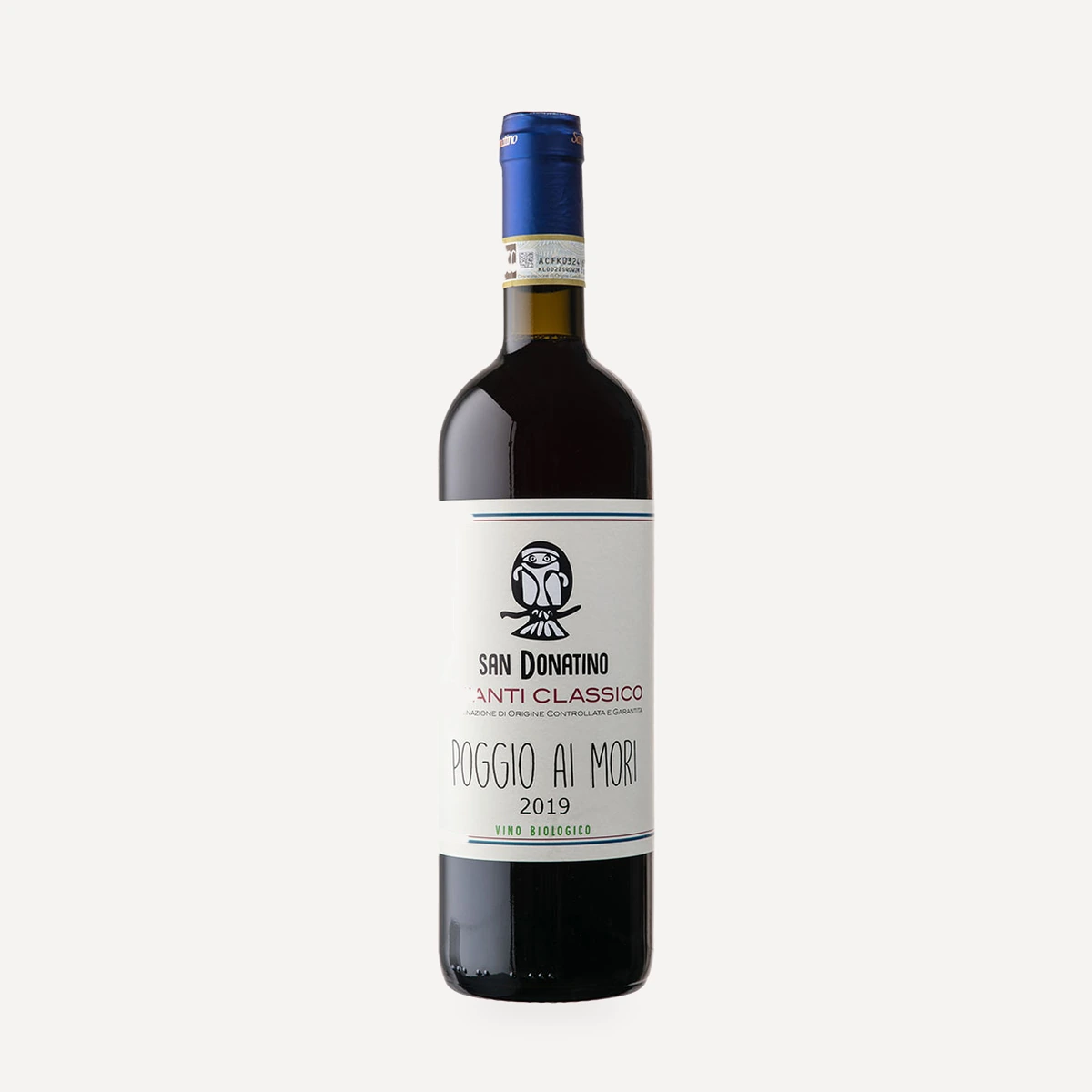
Chianti Classico DOCG “Poggio ai Mori”
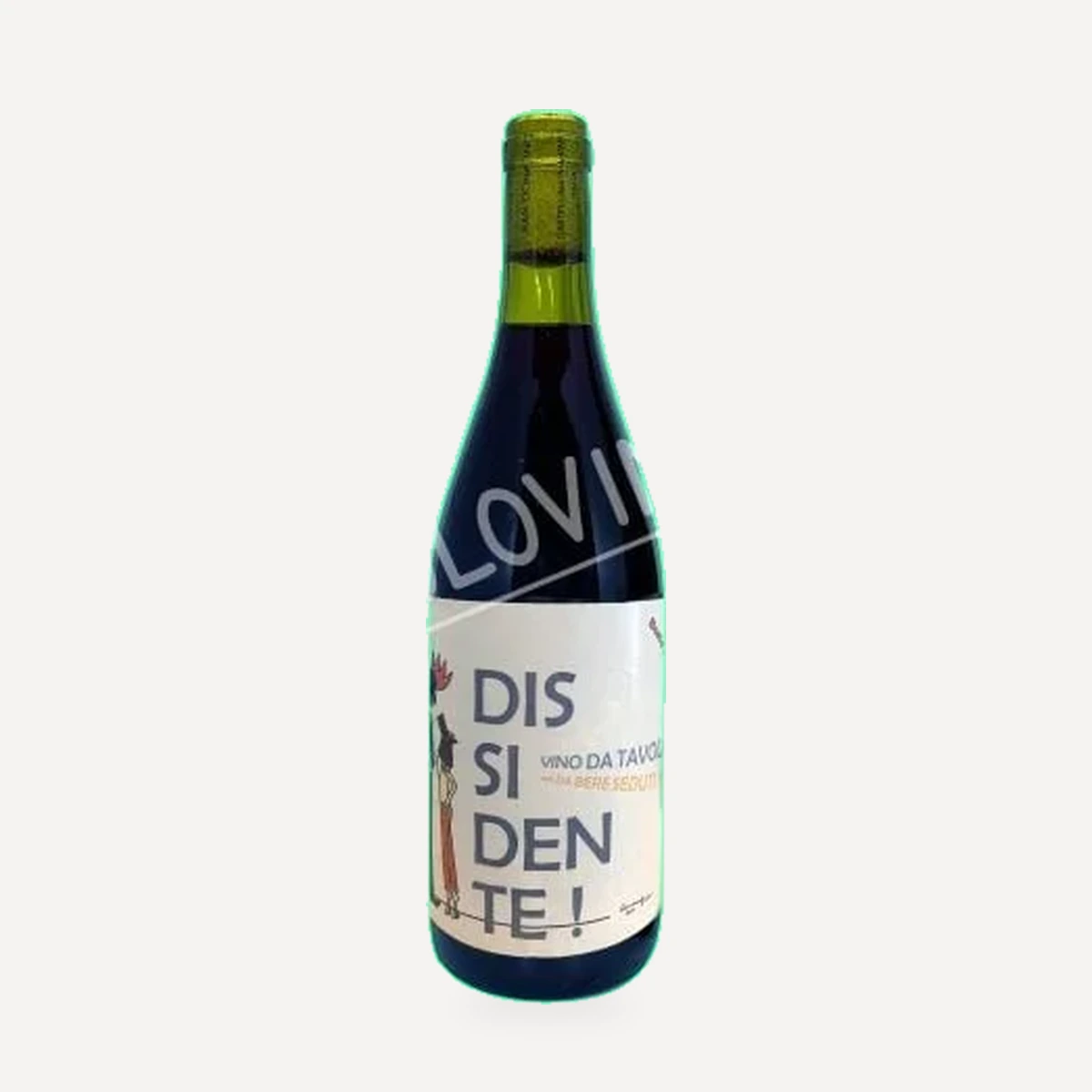
Dissidente Vino Rosso Biologico
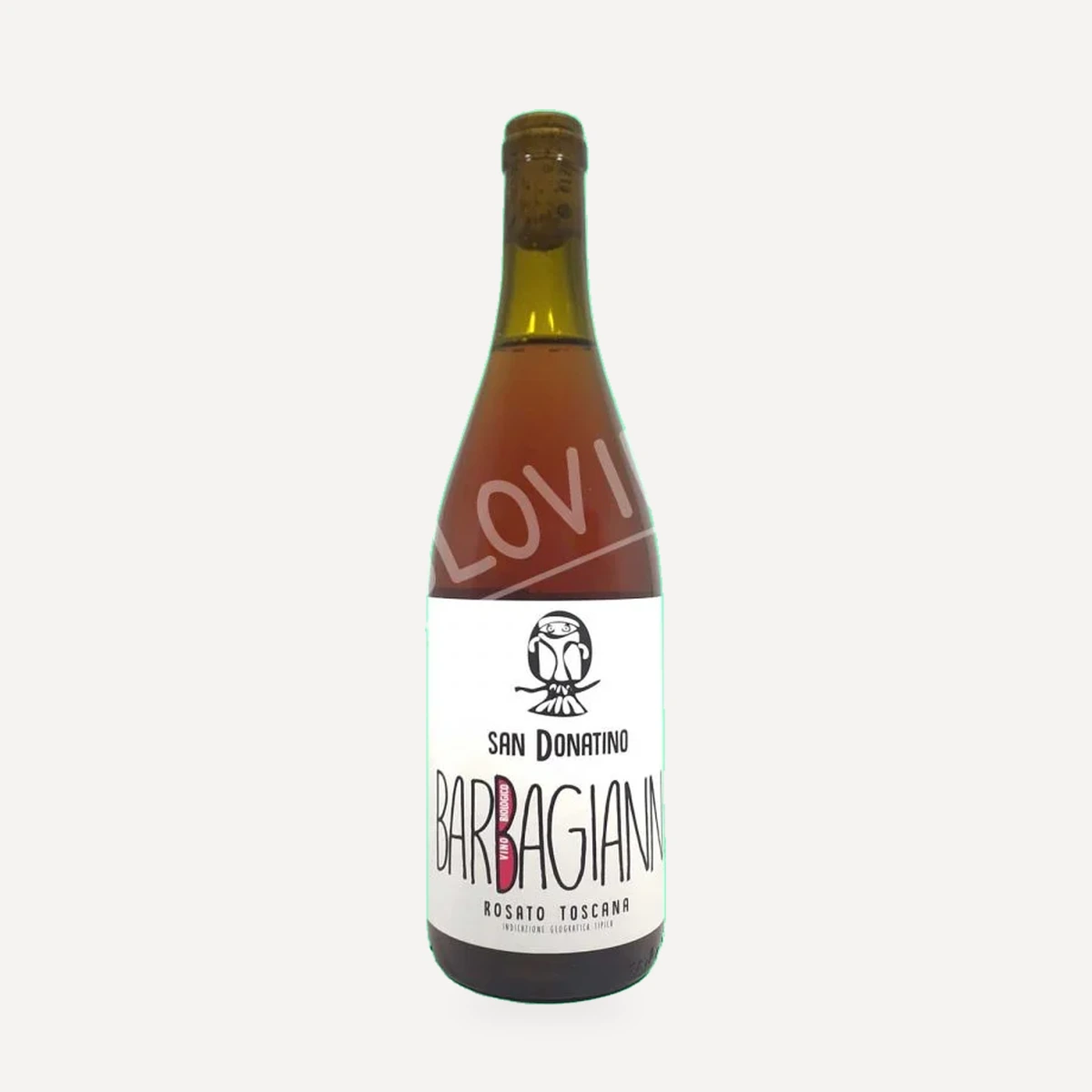
IGT “Barbagianni” Bio
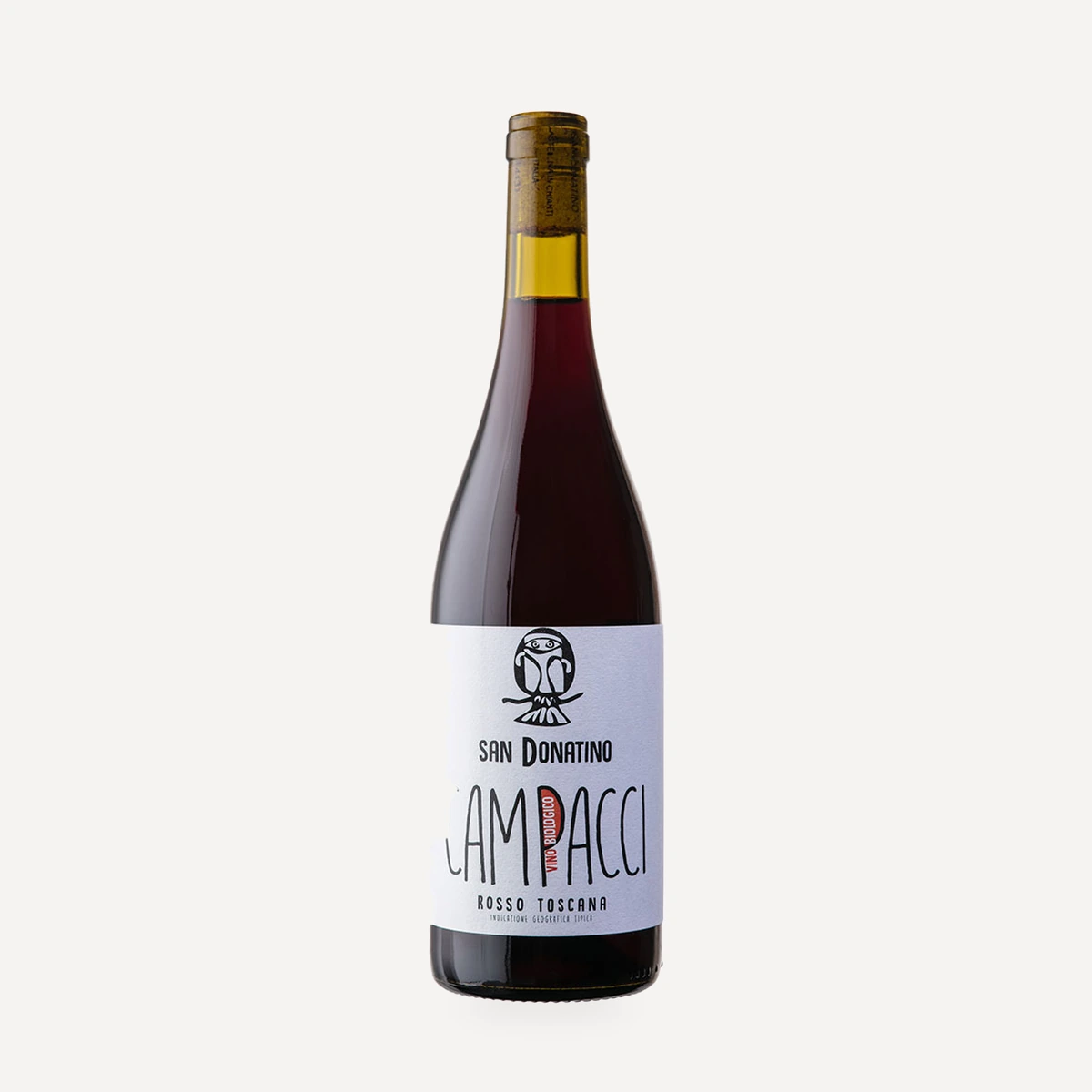
IGT “Campacci”
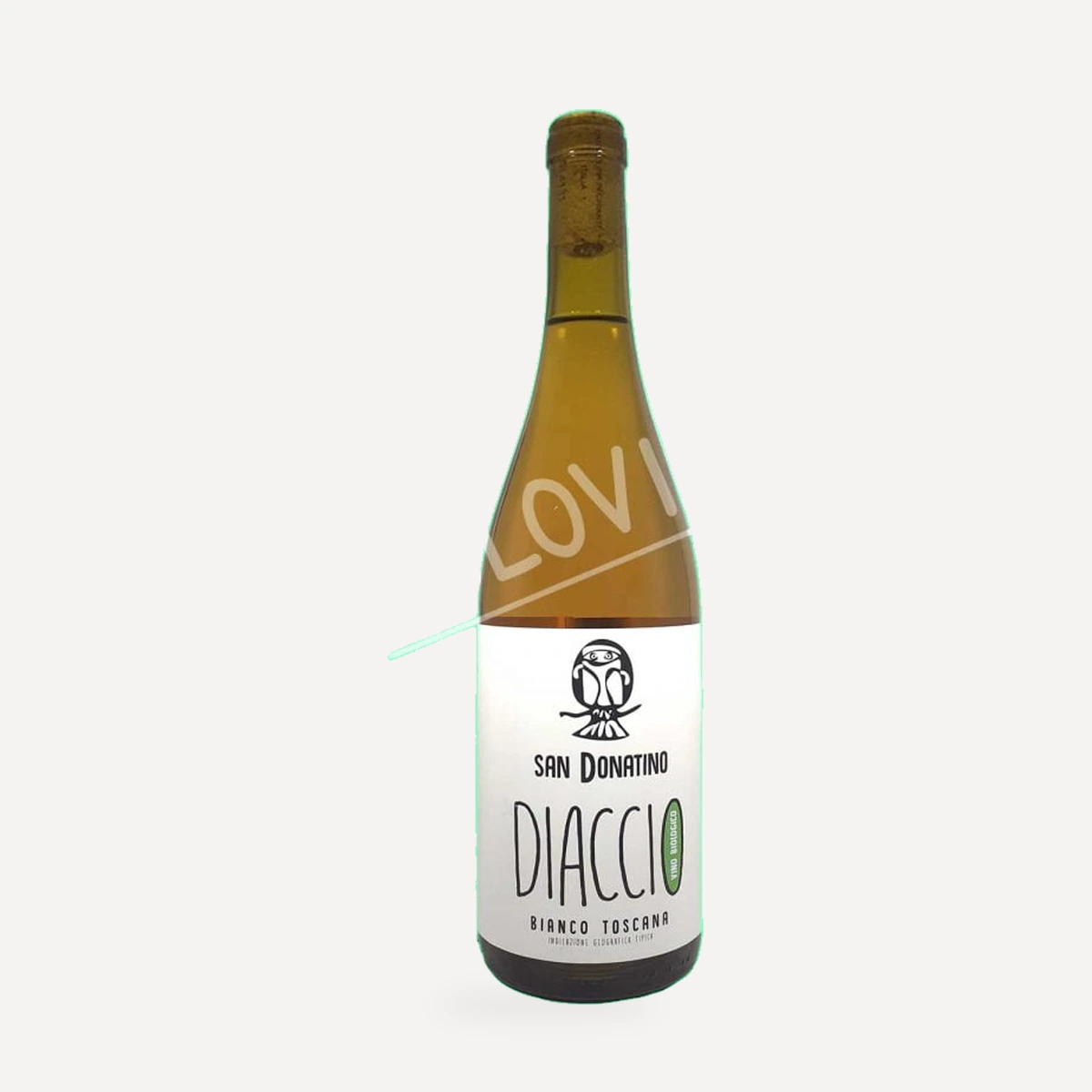
IGT “Diaccio” Bio