Storia
Beginnings in 1978
San Patrignano’s wine story began in 1978 alongside the foundation of the Community. The first resources were modest: a farm, one Sangiovese vineyard harvested by hand, grapes crushed underfoot, a press and five wooden casks. Winegrowing was conceived both as productive work and as a practical setting in which residents could rebuild confidence, discipline and professional skills.
The Community initially occupied 23 ha in the locality of San Patrignano, in the municipality of Coriano. The property, owned by founder Vincenzo Muccioli, included a rural building and three poultry sheds. As the need for accommodation and vocational activities grew, further land was acquired and new agricultural, livestock and workshop buildings were constructed.
Legal structure and expansion
On 31 October 1979, San Patrignano’s founders established San Patrignano Società Cooperativa a r.l., a production-and-work cooperative created to provide a legal framework for the Community and to support the social and occupational reintegration of people affected by addiction and marginalisation.
The original vineyard plantings were progressively enlarged. The regional Sangiovese and Trebbiano were joined by international varieties, and the vineyard eventually exceeded 100 ha. By the middle of the 2010s, the winery was associated with approximately 500,000 bottles a year. The 2016 social report recorded 800,000 kg of grapes and 500,000 litres of wine, with 62 residents engaged in the winery.
Mario Monaco, who arrived from Rome in the early 1980s, was among the young residents who chose the cellar as their working sector and took part in the formative years of its winemaking activity.
Reorganisation in 1995
In 1995 the cooperative became a Type-B social cooperative and obtained agricultural-company status. Its health and rehabilitation services were transferred to the newly created Associazione Comunità San Patrignano, while the agricultural cooperative continued to manage farming and related processing activities. These activities remained closely integrated with vocational preparation and reintegration into employment.
Development of the wine project
Riccardo Cotarella later advised the winery and shared his experience with its residents. Agronomist Roberto Dragoni also worked with the cellar team. During this period San Patrignano pursued both native and international varieties: Sangiovese remained central, while Bordeaux varieties and other grapes broadened the range.
In 2009 the Ora label was introduced as a new expression of Sangiovese. In 2013 the winery launched Start, then made from Sangiovese vinified as a white wine and matured for six months by the long Charmat method. The same period also saw Avi presented as a tribute to Vincenzo Muccioli and to the growers who had passed down the cultivation of Sangiovese.
In 2014 San Patrignano and Gruppo Cevico agreed to combine skills, relationships and resources in support of Rimini-area winegrowing. The initiative also created training and work-placement opportunities for Community residents within Cevico’s production network. That year San Patrignano had more than 104 ha under vine and reported annual production of about 500,000 bottles.
The 2015 harvest again reached the objective of 500,000 bottles. A sweet wine was also made for internal consumption by Community residents. The season combined spring rain with a sunny, warm summer; ventilation, day–night temperature variation and the area’s clay soils supported ripening and sugar accumulation.
Luca D’Attoma and the contemporary range
Luca D’Attoma began working with the winery in 2019, following production from vineyard to bottling with the cellar team. His project placed renewed emphasis on native varieties, long-lived wines and the potential of Romagna, while also revisiting the estate’s Sangiovese and Bordeaux-inspired wines. The first five labels presented publicly under his direction in January 2022 were Vie 2020, Montepirolo 2020, Avi Riserva 2020, 1978 Cabernet Franc 2020 and Noi 2020.
In 2020 and 2021 the cellar also vinified grapes for Carlo and Rosa Cracco’s Vistamare estate. San Patrignano handled grape control, vinification, maturation and bottling for the project, with D’Attoma advising a team of approximately 70 residents.
Recent vineyard and production changes
In 2020 the winery processed 583,100 kg of grapes after sending 65,900 kg to Cantina dei Colli Romagnoli Terre Cevico and reserving 13,000 kg for balsamic condiment. It produced 4,200 hl of unfinished wine: 1,000 hl DOC, 100 hl sparkling wine, 2,550 hl red IGT and 550 hl white IGT. Bottle sales reached 513,894, compared with 652,851 in 2019.
The 2023 crop fell by 10% because of downy mildew, declining from 860,000 kg in 2022 to 780,000 kg. Of this total, 400,000 kg were vinified at San Patrignano and 380,000 kg were delivered to a cooperative winery. The cellar obtained approximately 2,400 hl of wine. That vintage also introduced co-inoculation with lactic bacteria: malolactic fermentation was completed in four days rather than the previous 30–40 days, without heating the wines to 24°C.
A substantial restructuring followed in 2024. San Patrignano removed 25.06 ha of vines and leased out another 20.53 ha, while replanting 3.12 ha with Pignoletto for Rimini DOC Rebola Secco. Directly cultivated vineyard area consequently became 63.05 ha. Despite another dry summer, the 2024 crop improved over 2023: yield rose from 7.1 to 8.4 tonnes per hectare and total grape production reached 501,600 kg. The winery selected 401,200 kg for its own production and delivered 100,400 kg elsewhere. Finished production was 2,545 hl—800 hl DOC, 1,280 hl red IGT and 465 hl white IGT—essentially matching the preceding year.
Terroir
San Patrignano’s principal vineyards form part of the cooperative’s continuous Coriano property in the hills of the Province of Rimini. The vines face the Rimini coast, approximately 5 km away in a straight line.
The terrain has a clay matrix and includes marked slopes. The coastal setting brings ventilation, while day–night temperature variation contributes to grape development. In 2015, spring rain followed by a sunny, warm summer supported strong ripening and sugar accumulation. More recently, recurring dry summers have become a defining seasonal challenge; the 2024 vintage nevertheless achieved higher yield and quality than 2023.
The vineyards are divided into parcels with differing characteristics. This variation is used in composing wines such as the estate’s multi-parcel Sangiovese blend. The combination of soil, climate, seasonal timing and sustained vineyard care is treated as an interconnected system rather than as isolated factors.
Vinificazione
Vineyard work is organised around the annual agricultural cycle and functions as both production and vocational training. Winter pruning is followed by cane bending in March, shoot selection and the positioning and management of vegetation. Residents take part in cultivation, harvest and the subsequent transformation of the grapes.
San Patrignano works under SQNPI-certified integrated production. Pest and disease treatments are based on monitoring rather than an automatic calendar. Traps are increasingly used to measure pest pressure before deciding whether intervention is necessary. Vineyard measures include mating disruption, biological antagonists and dispensers, together with biologically derived materials such as orange essential oils and propolis. Fungal-disease control follows integrated-production rules and increasingly employs natural substances and mycorrhizae, although conventional chemical products have not been eliminated entirely.
The cooperative identifies environmental protection, care of the territory, biodiversity and animal welfare as the four principles governing its agricultural work. Its stated direction is regenerative agriculture, with progressive reductions in resource consumption and chemical inputs.
Irrigation water for agricultural crops is supplied from a reservoir that collects rainwater and has a capacity of approximately 36,000 m³. During recent drought periods, especially in 2024, overhead irrigation was reduced in favour of drip lines. Fertility management follows crop-specific plans. Livestock manure is returned to parts of the agricultural property as an amendment, and distributed nitrogen is normally kept within 200 kg/ha.
The 2023 harvest was reduced by downy mildew, producing 780,000 kg of grapes, 10% below 2022. In 2024, despite a dry summer, average yield recovered from 7.1 to 8.4 tonnes per hectare and total grape production reached 501,600 kg. Grapes are sorted before the portion intended for estate vinification is separated from that delivered to a cooperative cellar.
The cellar is simultaneously a production facility and a laboratory for vocational development, experimentation and personal growth. Residents participate throughout the chain, from processing the harvested grapes to maturation, bottling and warehouse work.
The cellar’s guiding approach is to facilitate the transformations that grapes undergo naturally. Its work has encompassed grape reception and control, vinification, wood maturation, bottle maturation, bottling and final warehousing. Both large oak casks and approximately 230-litre barriques have been used, while stainless steel is employed for white-wine production. Sparkling-wine work includes both the Martinotti/Charmat method and traditional-method production.
During the 2023 vintage, the cellar adopted co-inoculation with lactic bacteria to encourage malolactic fermentation. This reduced the process to four days, compared with 30–40 days in earlier vintages, and removed the need to heat the wines to 24°C. The change was introduced as part of an effort to lower the energy demand of cellar operations.
In 2024, 401,200 kg of estate-grown grapes were selected for in-house vinification, while 100,400 kg were delivered to another cooperative cellar. Finished production totalled 2,545 hl: 800 hl DOC, 1,280 hl red IGT and 465 hl white IGT. This broadly repeated the 2023 volume.
Filosofia
San Patrignano treats winegrowing as inseparable from its social purpose. Vineyard and cellar work are intended to restore continuity, responsibility, technical competence and the ability to collaborate. The finished wine therefore represents both its place of origin and the people who produced it.
The cellar’s stated ambition is to restore Sangiovese to a leading role and express it at the highest possible quality. Vinification is directed toward assisting the natural behaviour of the grapes, with attention to raw material, long ageing and the relationship between wine and terroir.
Luca D’Attoma frames viticulture as a pathway toward wellbeing and sees the project as a means of revealing the potential of Romagna through native grapes and age-worthy wines. The agricultural cooperative connects this pursuit of quality with environmental stewardship, biodiversity, sustainable resource use and the gradual development of regenerative practices.
Honesty, commitment, respect for oneself and others, solidarity and the capacity to form relationships underpin the wider cooperative mission. Agricultural work is managed in harmony with the territory’s natural characteristics and is used to prepare residents for lasting social and professional reintegration.
Vini
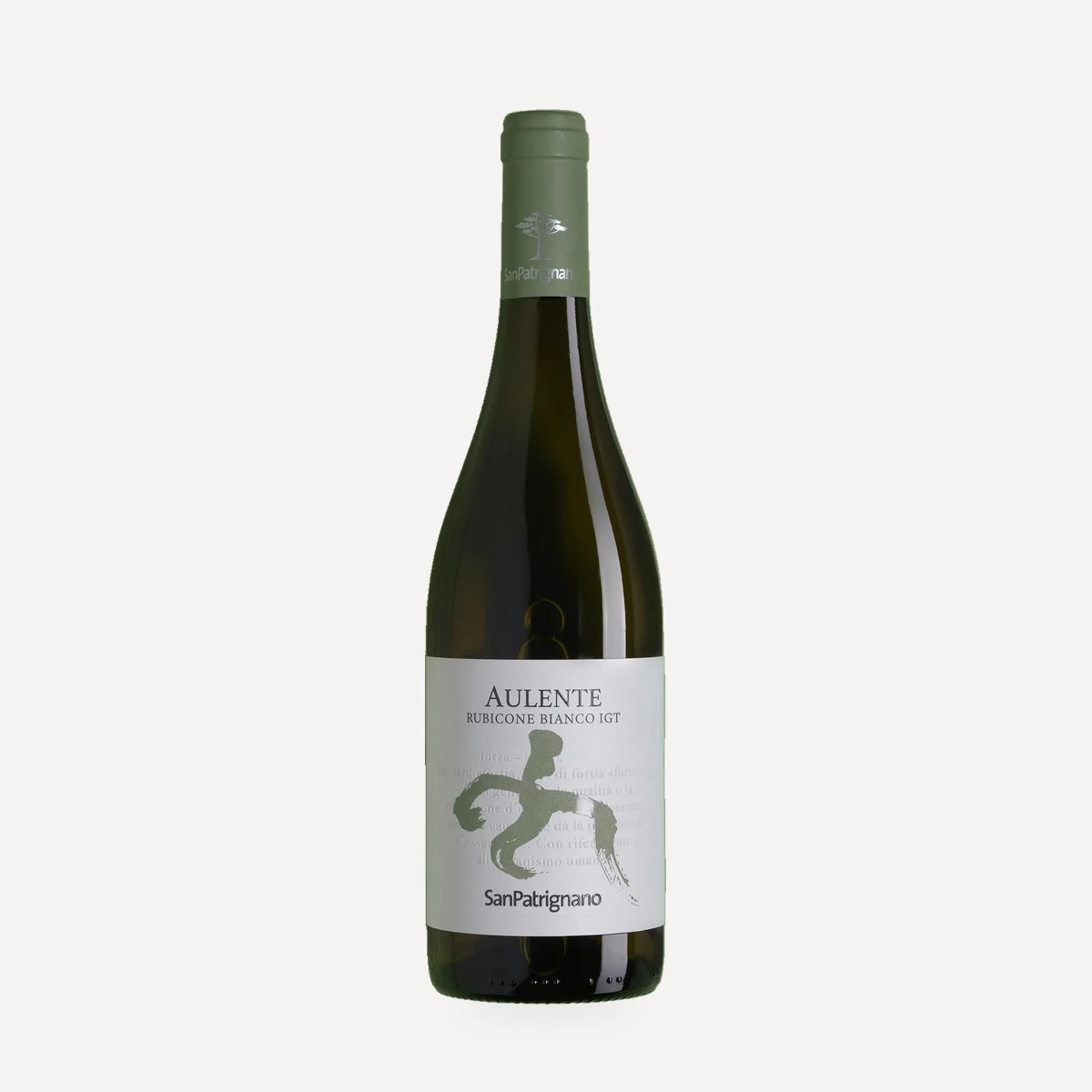
Aulente Bianco
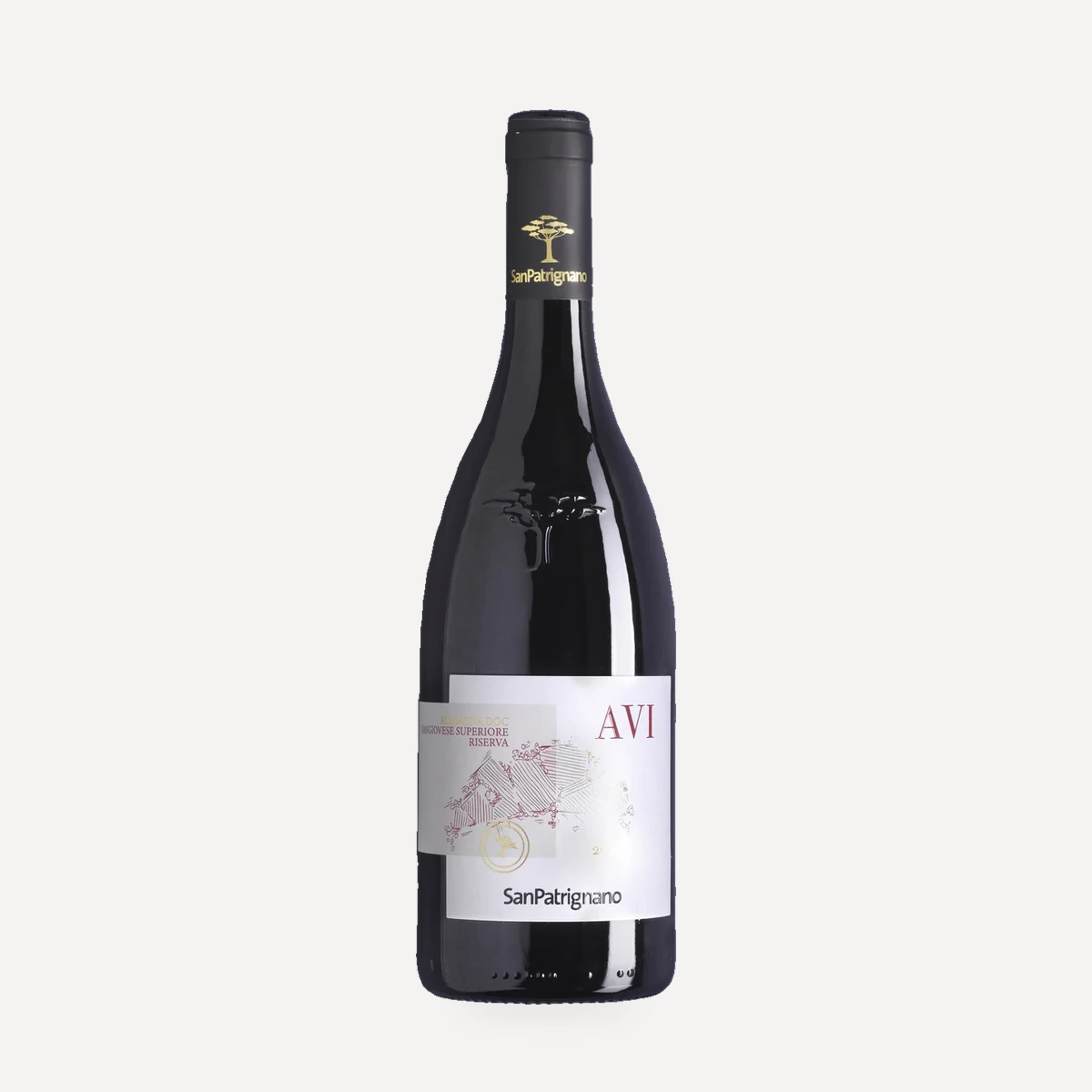
Avi
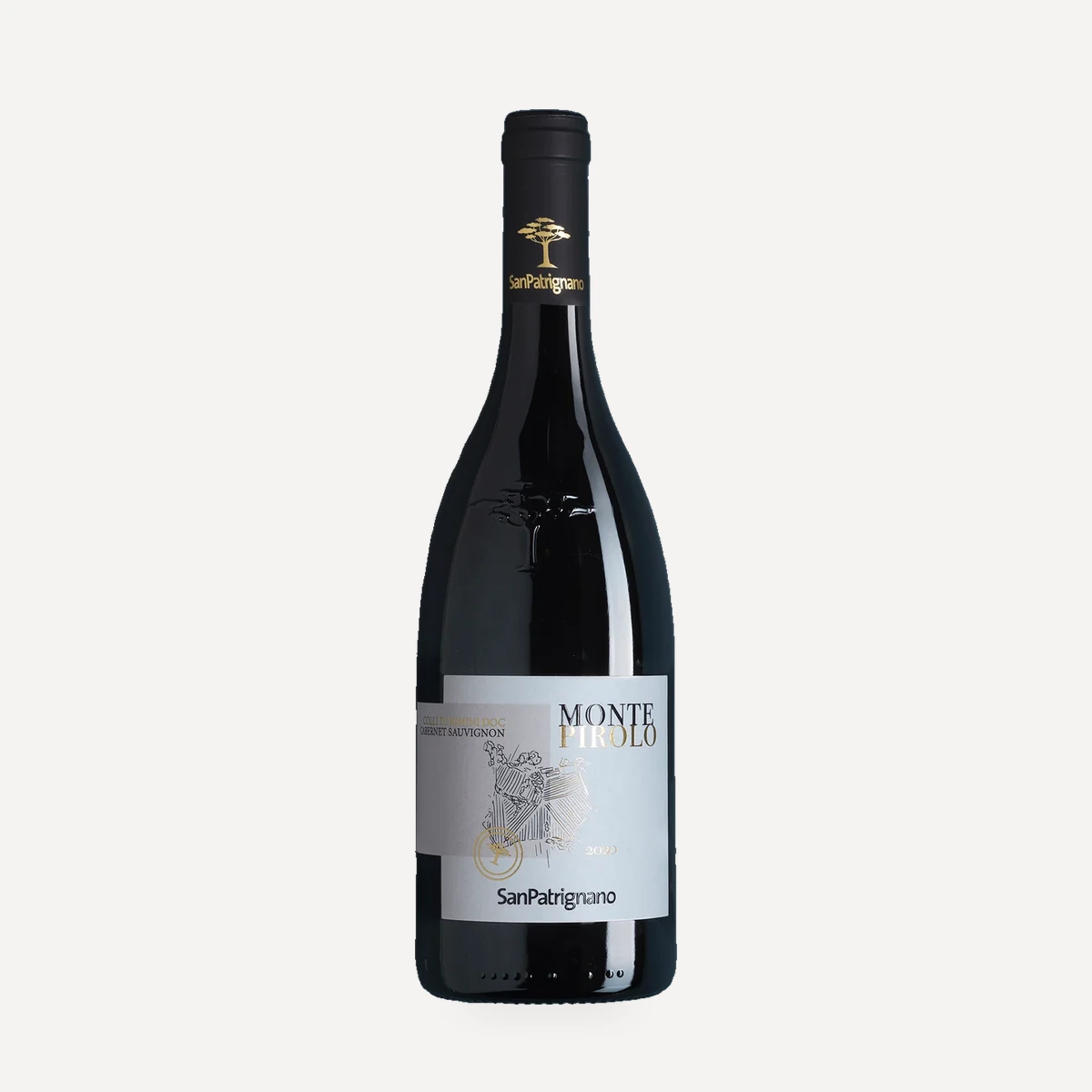
Montepirolo
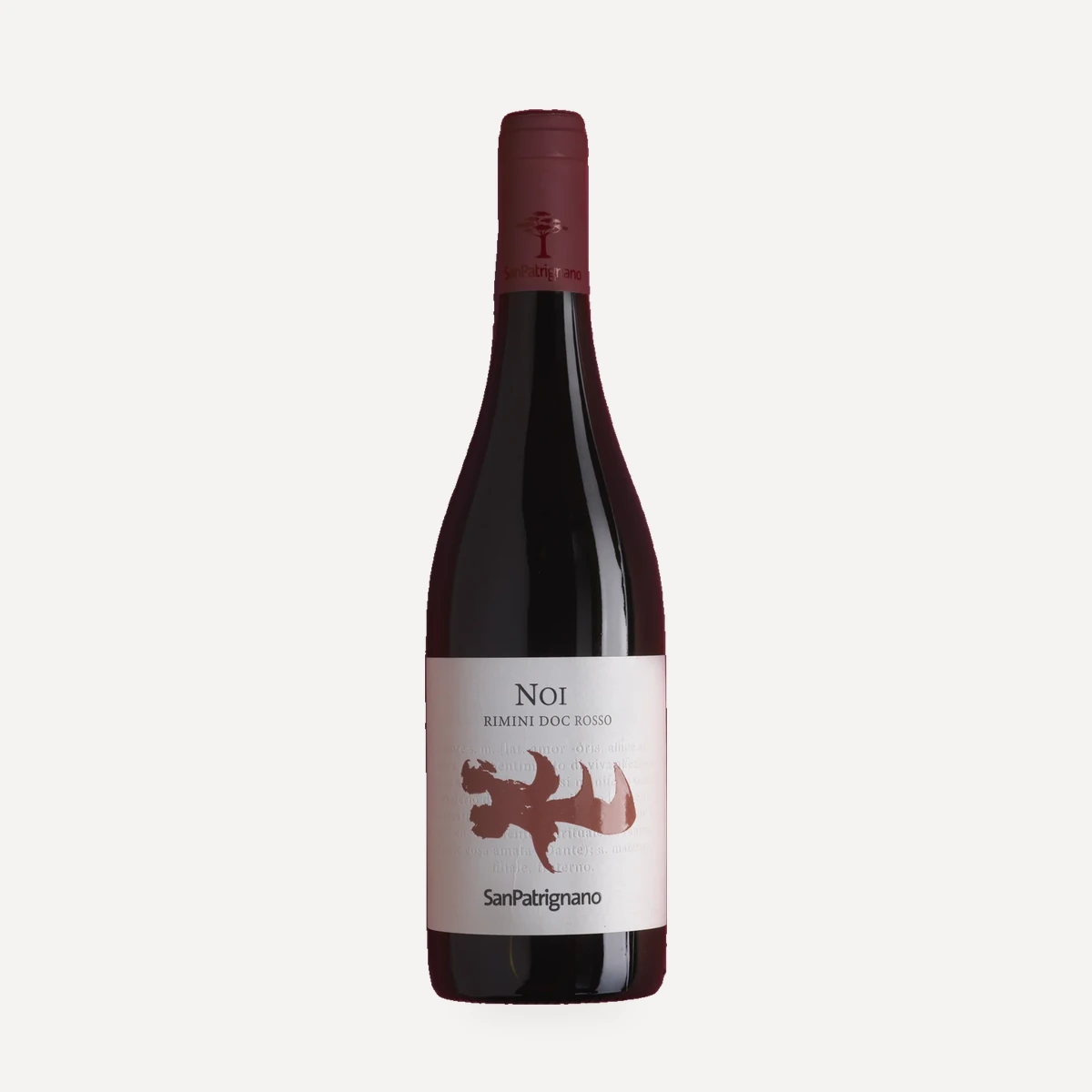
Noi
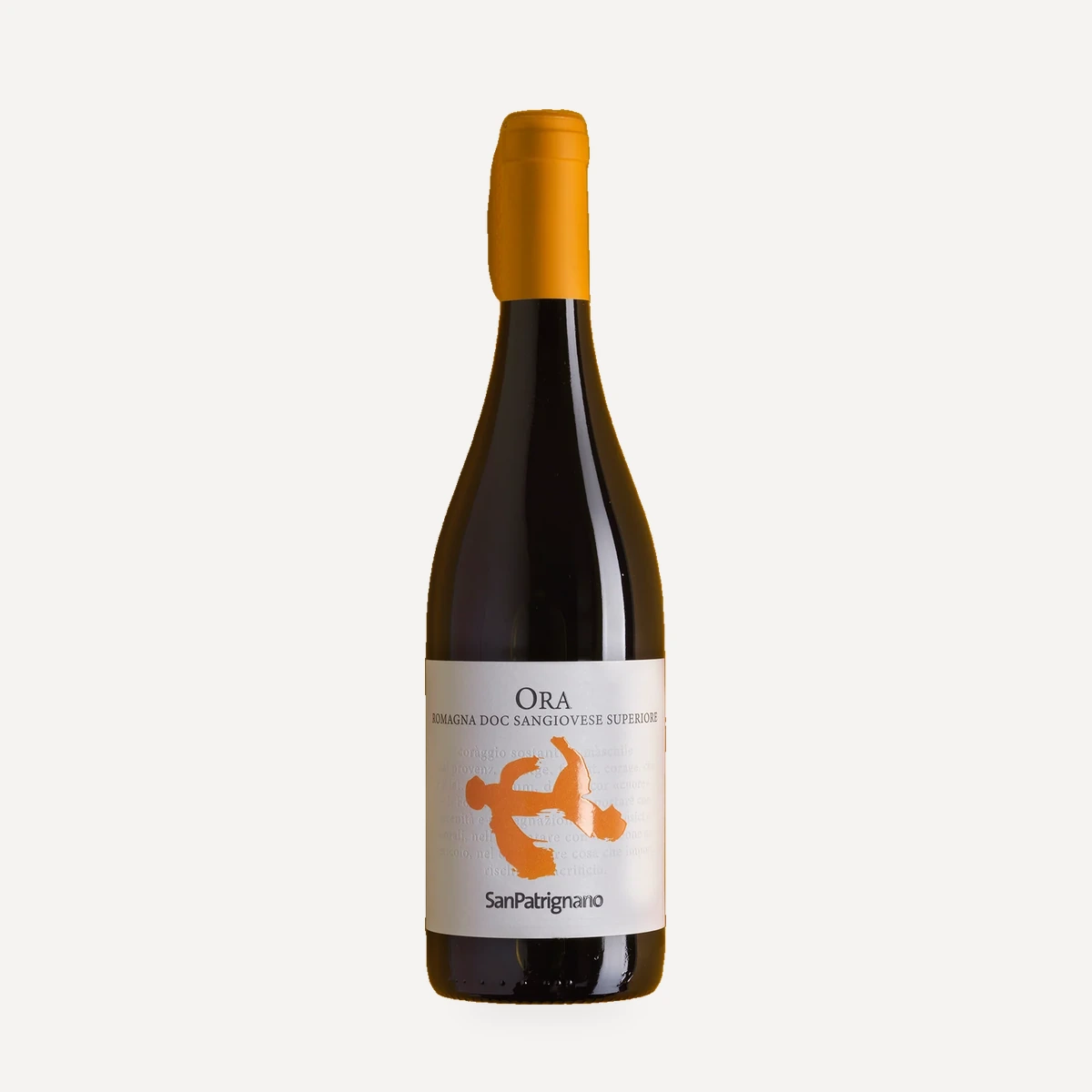
Ora
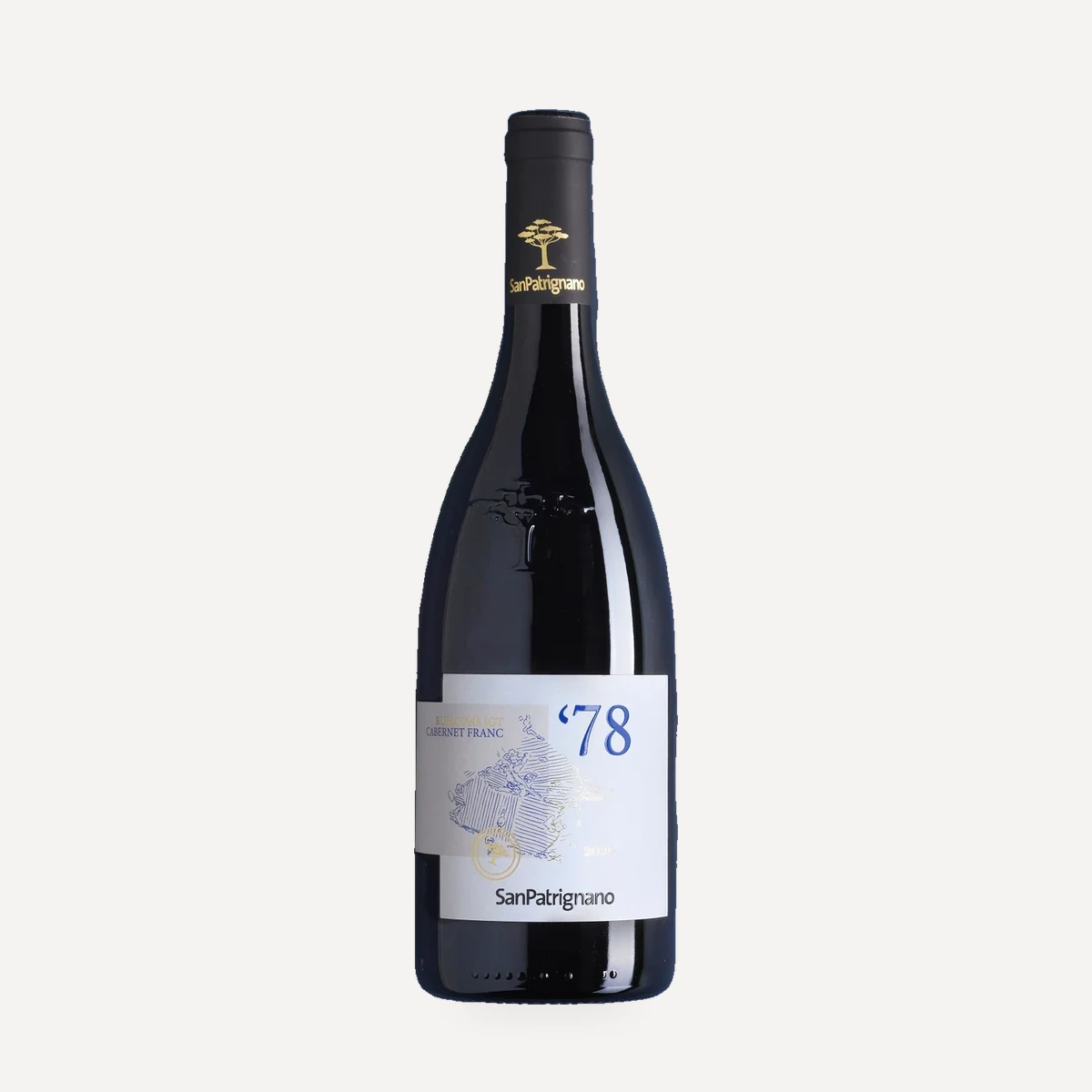
78
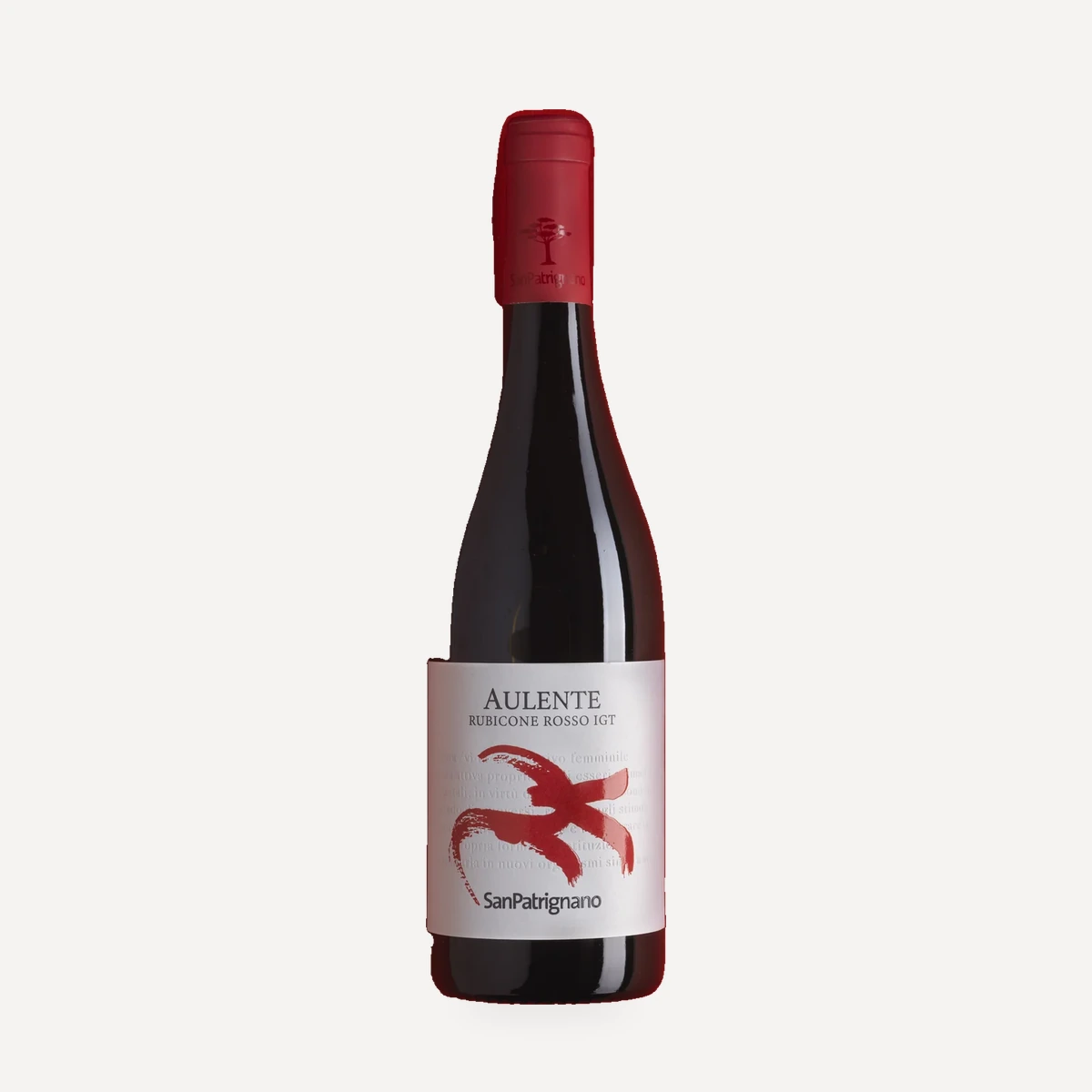
Aulente Rosso
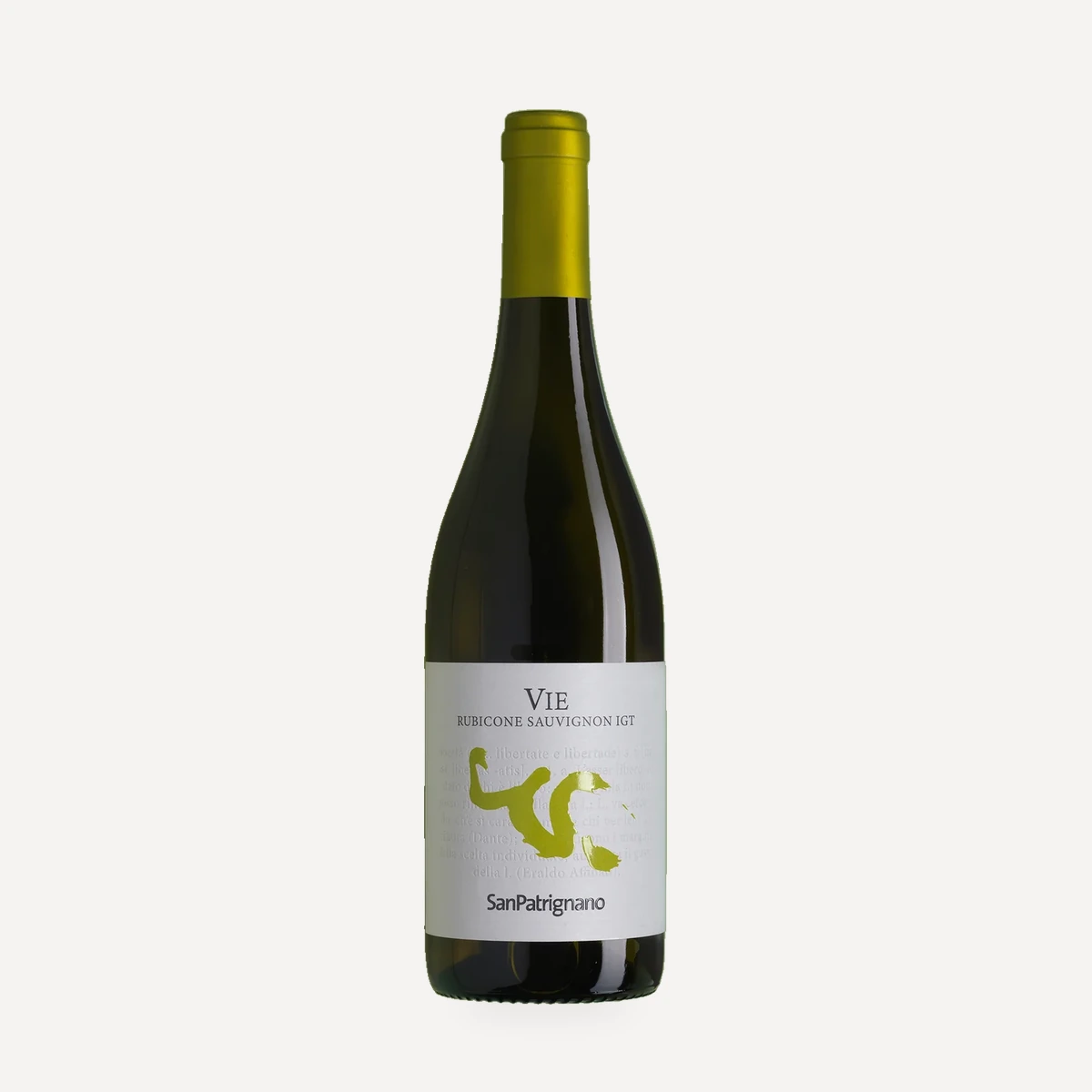
Vie
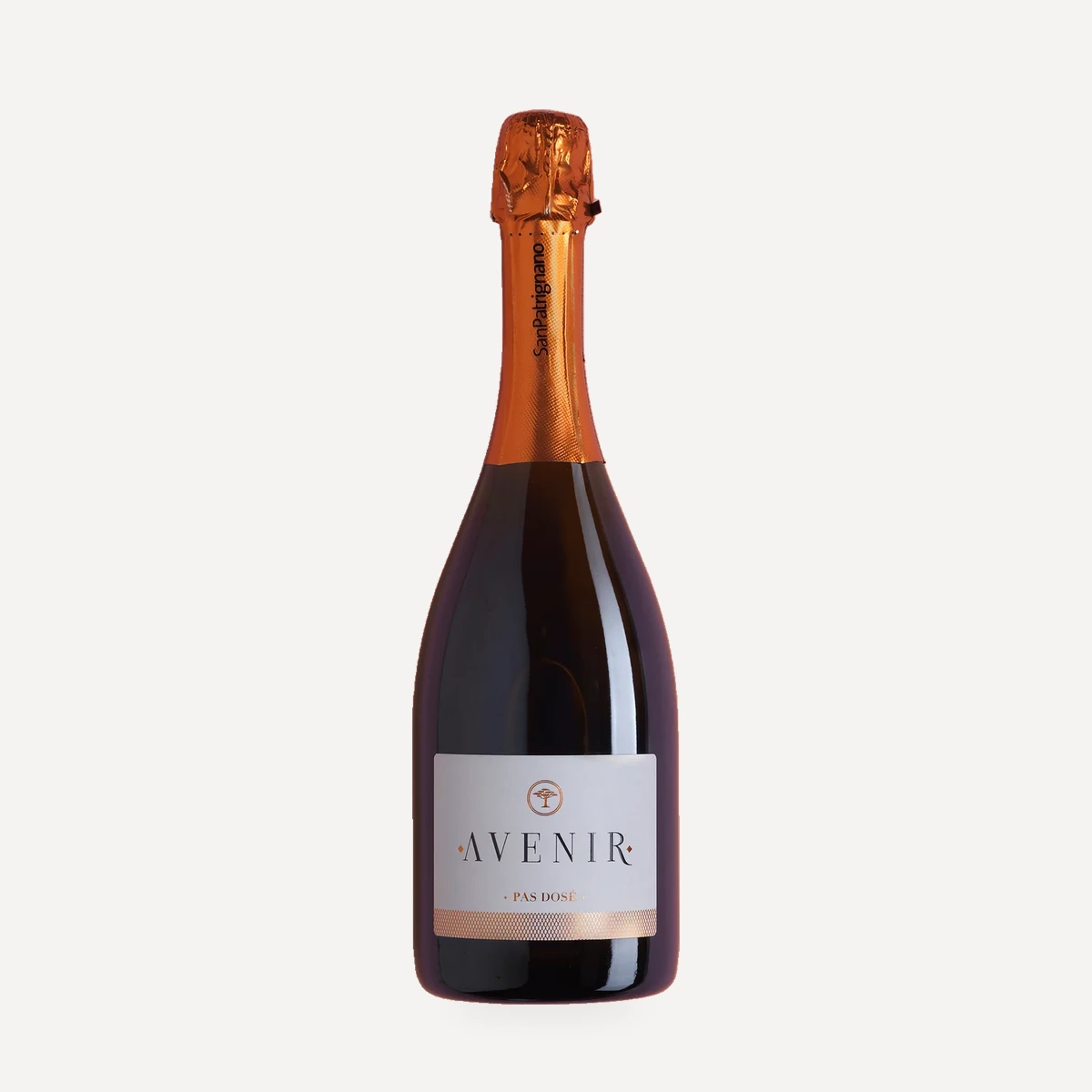
Avenir
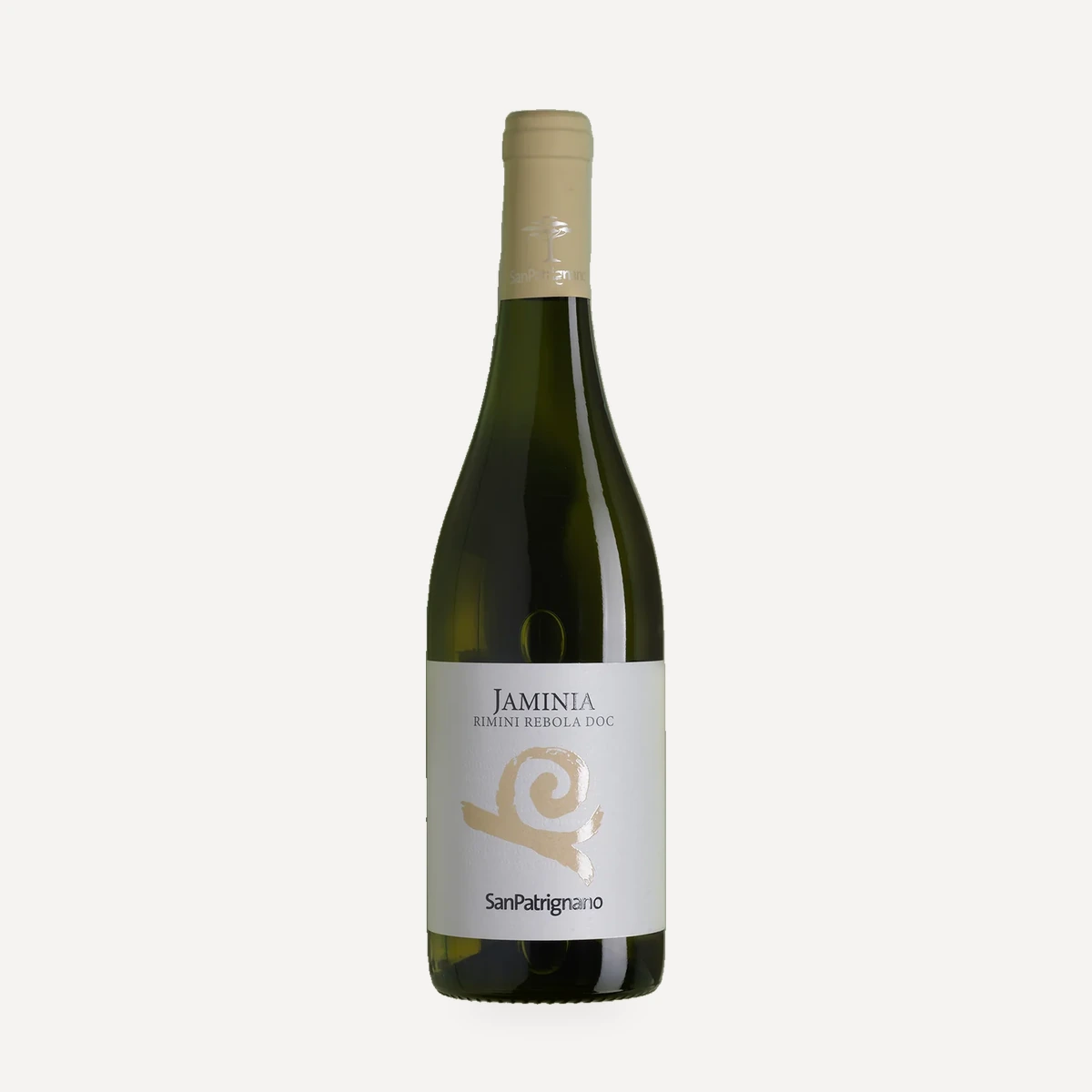
Jaminia