Storia
Roots between Pantelleria and Tunisia
The Pandolfo family's winegrowing story began in the middle of the nineteenth century and developed between Pantelleria and Tunisia. These two places shaped the family's viticultural identity: Zibibbo vineyards on Pantelleria were followed by agricultural activity at Khanguet Gare in Tunisia.
Andrea I and the first commercial production
In 1880, Andrea I began a family wine-production enterprise in Tunisia. Working with his son Giovanni, he developed production that also reached the French market. The Sant'Andrea name commemorates Andrea I and his legacy.
Phylloxera and reconstruction
In 1938, the family's vineyards were devastated by phylloxera. Andrea II was only sixteen when he confronted the crisis. The family replanted the damaged land with resistant young vines and restored the vineyards.
Expropriation and return to Italy
The family's Tunisian property was expropriated in 1964. The Pandolfos returned to Italy and started again from a small farm near Terracina.
The 1968 winery
The 1968 harvest marked the birth of the new Italian winery. From its base at Borgo Vodice, the family subsequently established viticultural activity in and around Terracina, Sabaudia, Campo Soriano and Aprilia.
The present generation
Sant'Andrea is now led by Gabriele Pandolfo together with Enza and Andrea III. The family continues to identify itself first as growers and producers. A rule introduced by the great-grandfather Andrea also survives: the day's work is recorded every evening in a journal, creating a working record for study, reflection and future generations.
Terroir
Sant'Andrea works across several contrasting environments in the province of Latina.
Terracina and Sabaudia coastal plain
Vineyards around Terracina and Sabaudia commonly lie 7–12 km from the sea. Their soils are predominantly sandy, including the sands of the Pianura Pontina. The climate is warm, coastal and ventilated, with the maritime conditions associated with the Circeo area. A newer Vermentino site in the municipality of Sabaudia lies approximately 2.5 km from the sea on sandy, mineral-bearing soil under a Mediterranean coastal climate.
Terracina hills
The hills around Terracina have medium-textured soils in which red clay predominates. Their mild climate is strongly influenced by proximity to the sea and a persistent marine breeze.
Campo Soriano
The vineyards in the Parco Monumentale di Campo Soriano occupy a karst landscape at 350–450 metres above sea level. The soils contain red clay whose colour derives from iron oxides. The sites face south to south-west and receive sea breezes channelled inland through the Terracina valley.
Vinificazione
Sant'Andrea uses several training systems adapted to its different sites and varieties: Guyot-trained rows, other row systems, pergola and tendone. Published planting densities range from approximately 2,200 to 7,000 vines per hectare. Campo Soriano contains 40–60-year-old Moscato di Terracina vines at about 7,000 plants per hectare.
Harvesting extends from early September into October. The timing is adjusted to variety, site and intended style: some grapes are picked early to retain acidity and freshness, others at full maturity, and selected lots after additional ripening on the vine. At Campo Soriano, Moscato may be harvested in three stages—approximately 25% in mid-September, 50% near the end of September and the remaining 25% around 10–15 October—to combine freshness, full ripeness and later-picked fruit.
Much of the harvest is carried out manually. Selective picking may use small 10–15 kg boxes or baskets to preserve intact berries. Fruit destined for passito production is selected on the vine, allowed to overripen and then dried in small boxes. Mechanical harvesting is also used for at least one early-picked Merlot production. Depending on vineyard and intended wine, disclosed yields range from approximately 70 to 130 quintals per hectare.
The cellar employs different processes for still, sparkling, sweet and passito wines rather than a single standard protocol.
White and rosé production can involve gentle destemming, immediate cooling, soft pressing and slow fermentation at a controlled 16–18°C. Some lots receive a short cold maceration of several hours or 24–36 hours. One Campo Soriano Moscato process extends cold skin contact to 6–8 days and begins fermentation with indigenous yeasts. Work under reductive conditions is used to limit oxidation. Stainless-steel tanks, including temperature-controlled vessels, are central to fermentation and resting. Selected wines mature for several months on fine lees with periodic bâtonnage.
Red-wine macerations take place in dedicated fermenters designed for selective extraction. Depending on the intended structure and fruit quality, they range from approximately 6–8 days to 20–25 days, generally at 24–28°C. Wines may rest for about three months in small stainless-steel tanks. Natural malolactic fermentation is used for structured red production. Oak maturation ranges from second-use small barrels to new small oak barrels, with disclosed periods extending from six to eighteen months, followed where appropriate by bottle ageing.
Sparkling wines are produced by the Charmat method. After creation and a short rest of the base wine in temperature-controlled steel, it is transferred to small autoclaves and supplemented with fresh must. Secondary fermentation generally lasts 30–45 days before prompt bottling.
For sweet Moscato, fermentation may be stopped at the required residual-sugar level by refrigeration, followed by filtration and rest in small temperature-controlled steel tanks. Passito production begins with grapes over-ripened on the vine and further dried in small boxes; delicate destemming and pressing are followed by slow fermentation in small temperature-controlled vessels. Bottle maturation ranges from about one to six months for the disclosed table and sparkling wines, with longer periods used for selected structured wines.
Filosofia
Sant'Andrea presents family as the centre of its work: a shared commitment that connects generations and gives continuity to the wines. Tradition is understood as inherited knowledge, respect for manual work and the preservation of working habits such as the family's nightly journal.
Innovation and experimentation are treated as complementary to tradition. The family's stated aim is to keep seeking new solutions while applying close scrutiny to its own wines before accepting outside recognition as a measure of quality.
Territory and nature form the other principal axis of the estate's outlook. Sant'Andrea links quality to the protection of the places it farms, careful choices throughout production and a balance between environmental respect, accumulated experience and technical development. Continuous improvement is presented as an ongoing obligation rather than a completed achievement.
Vini
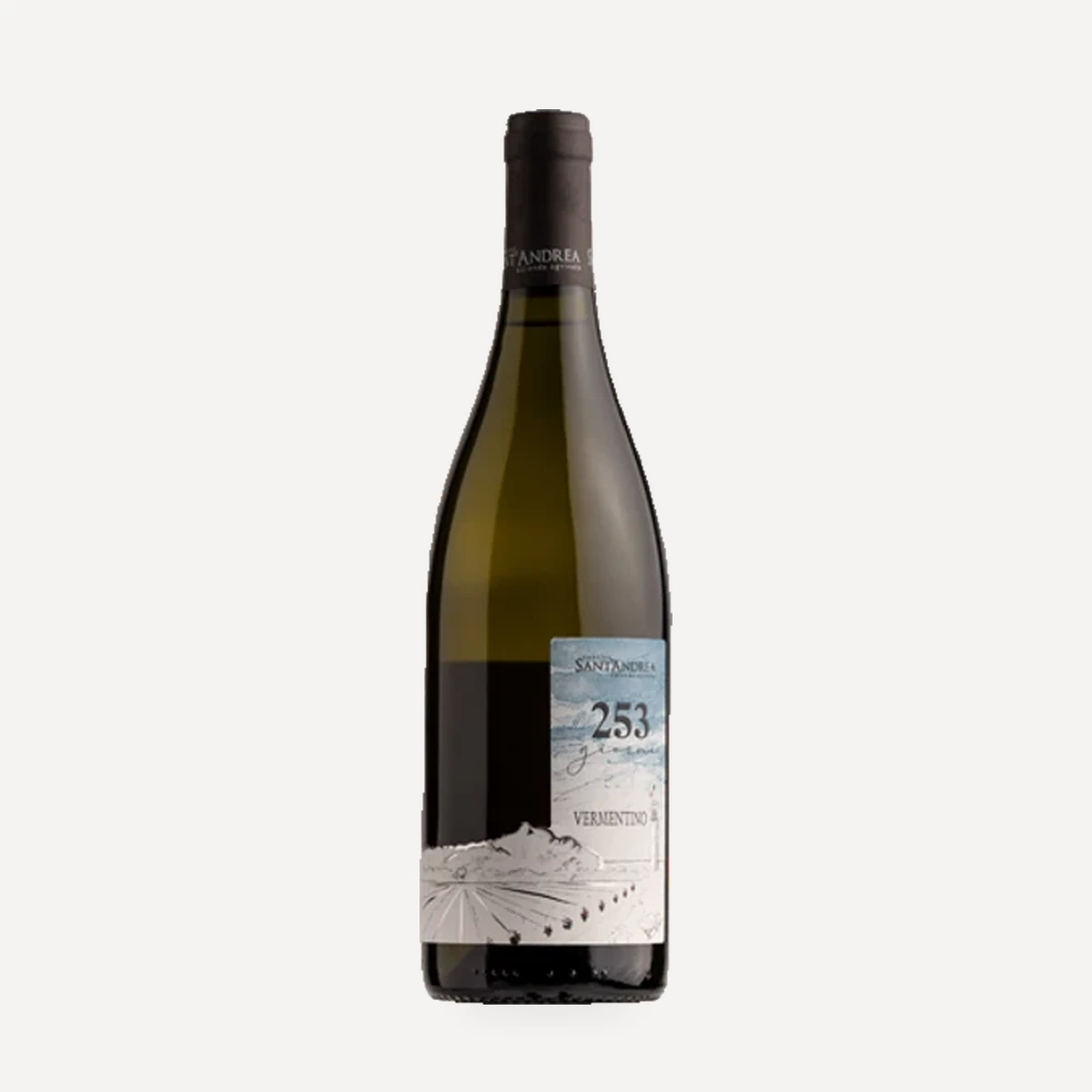
253 Giorni
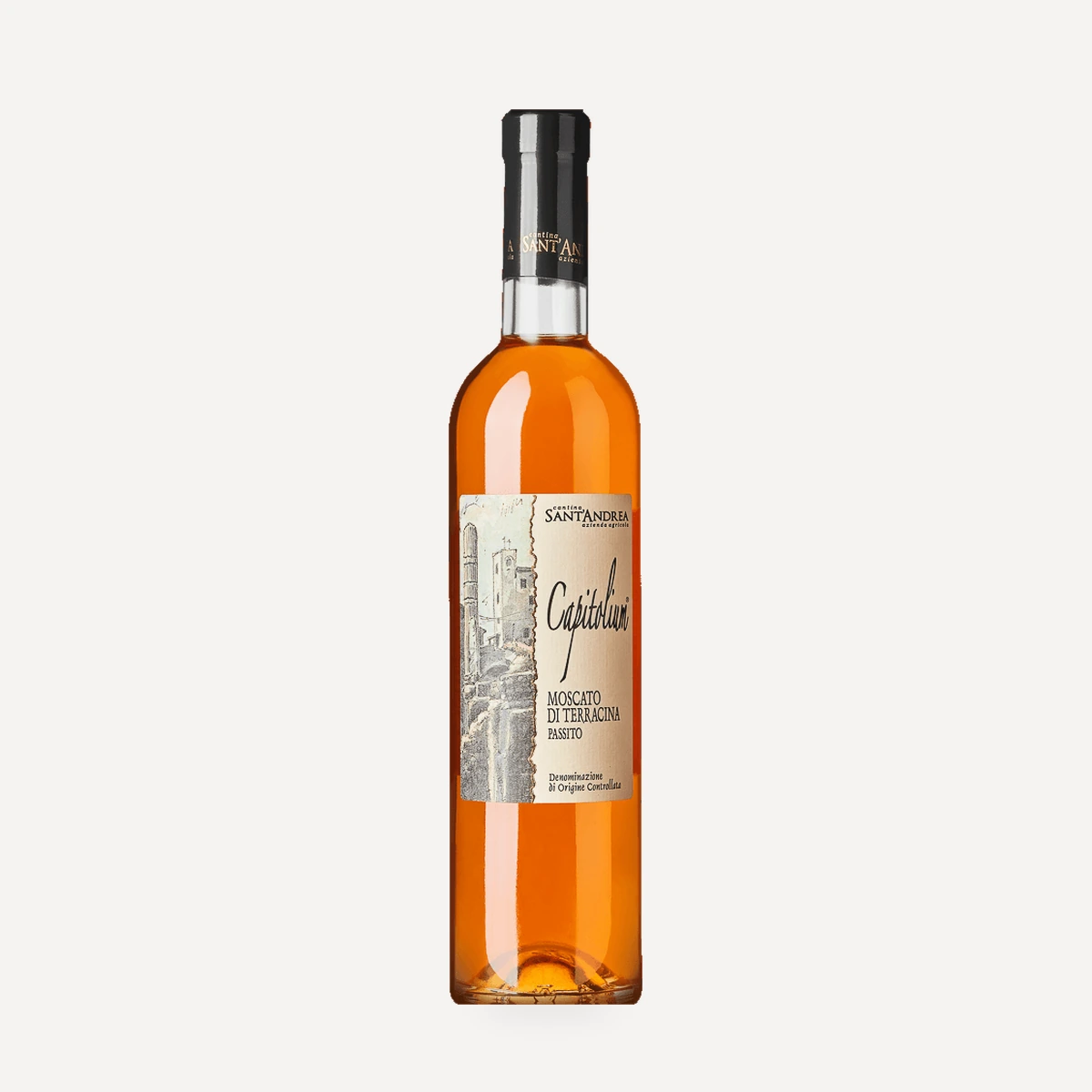
Capitolium
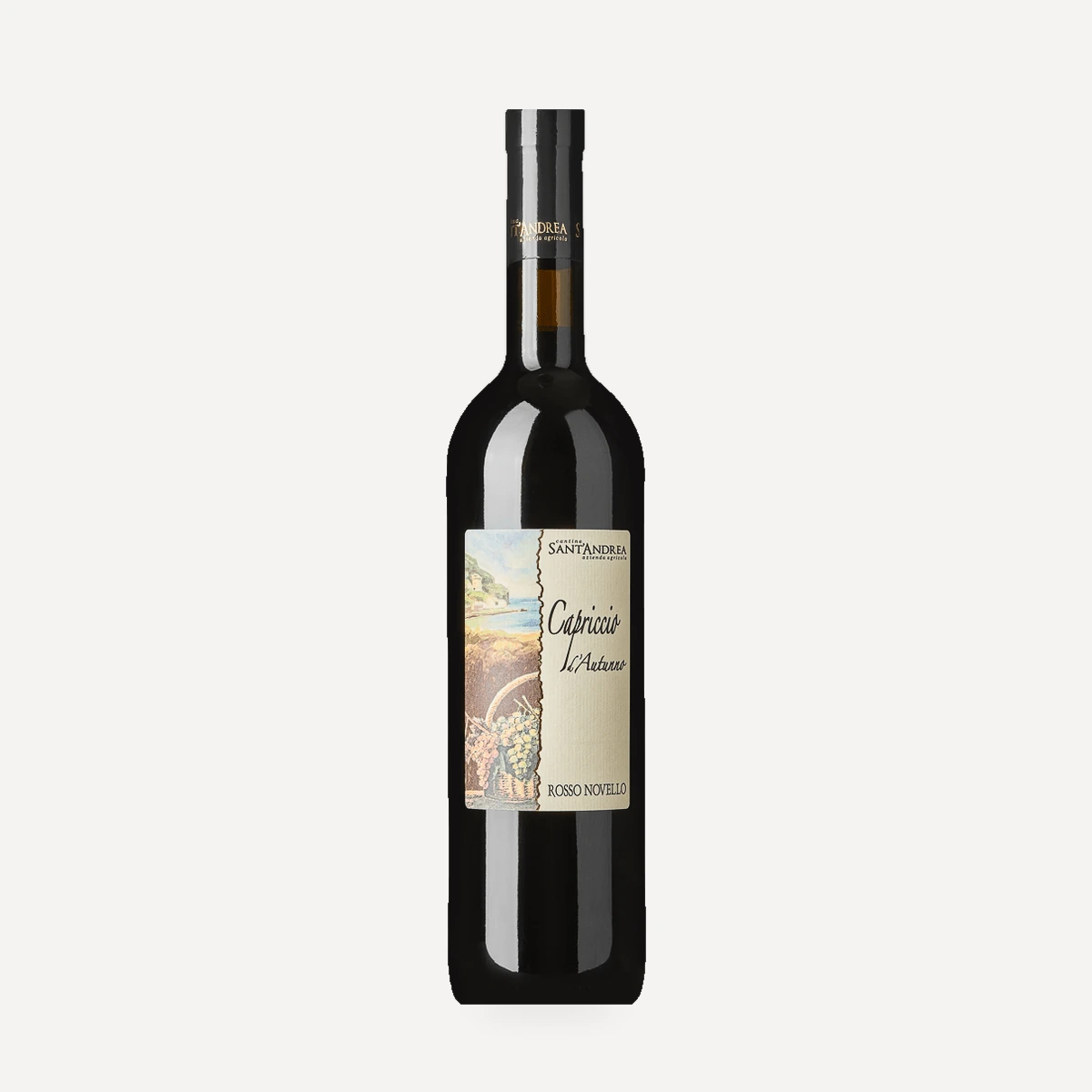
Capriccio d’Autunno
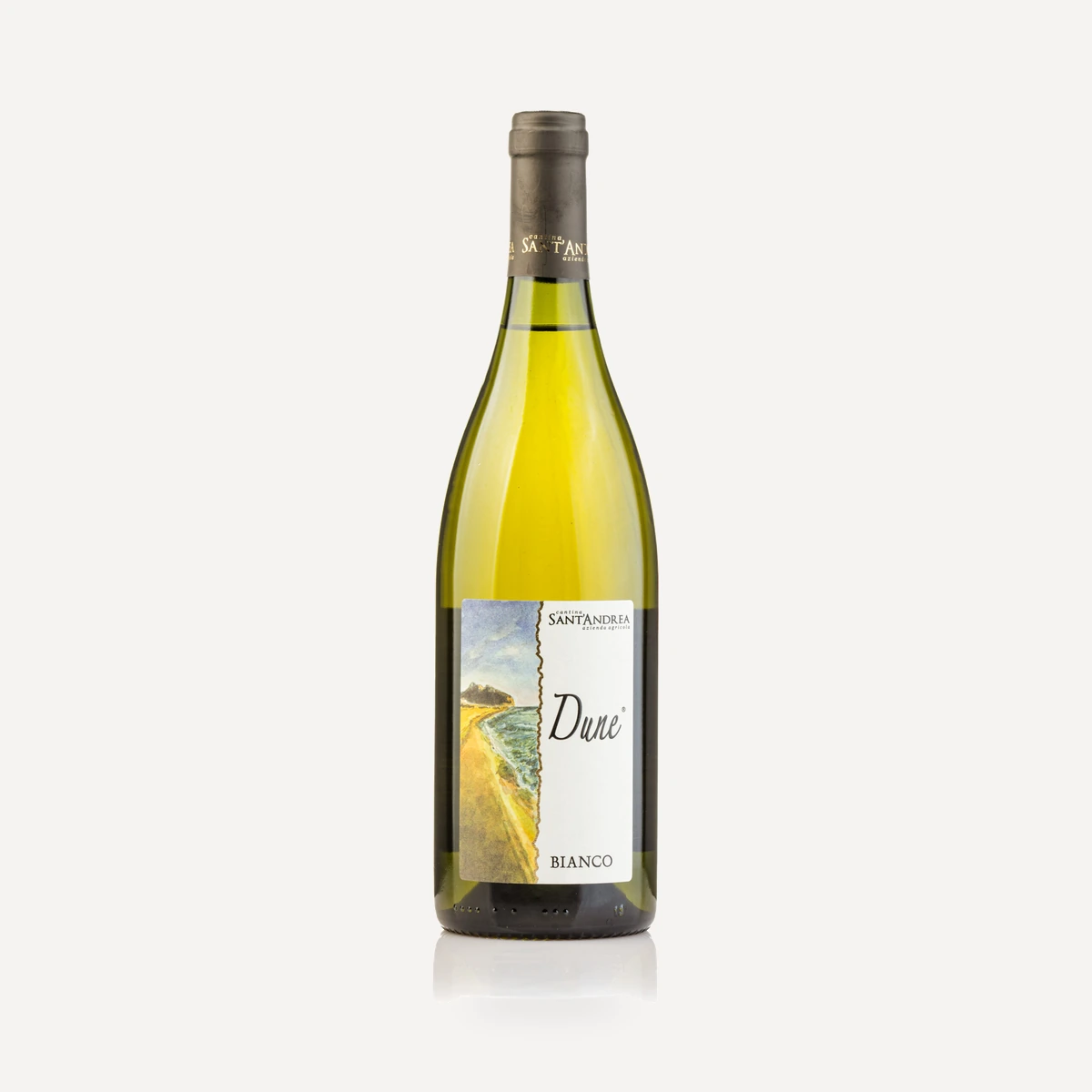
Dune
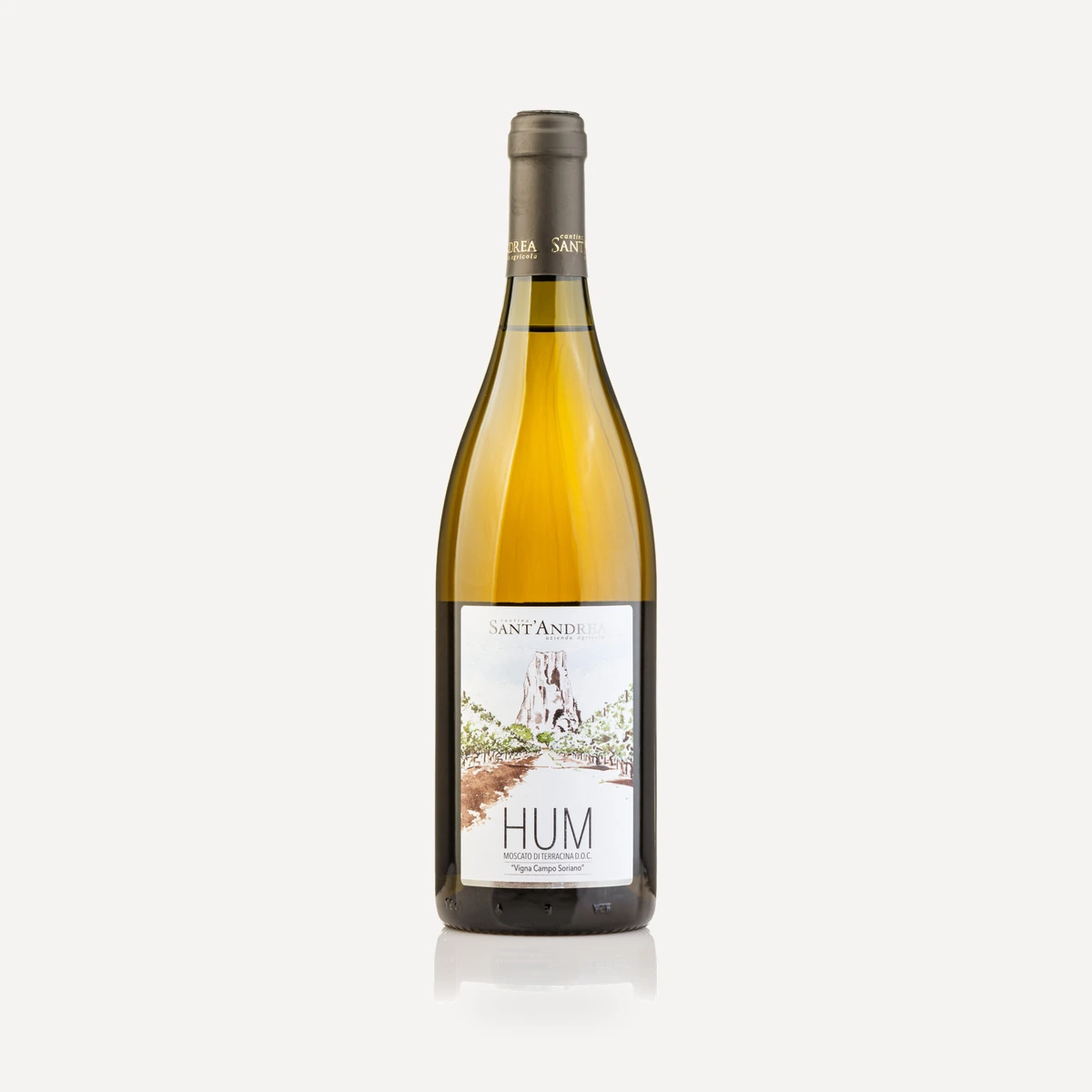
Hum
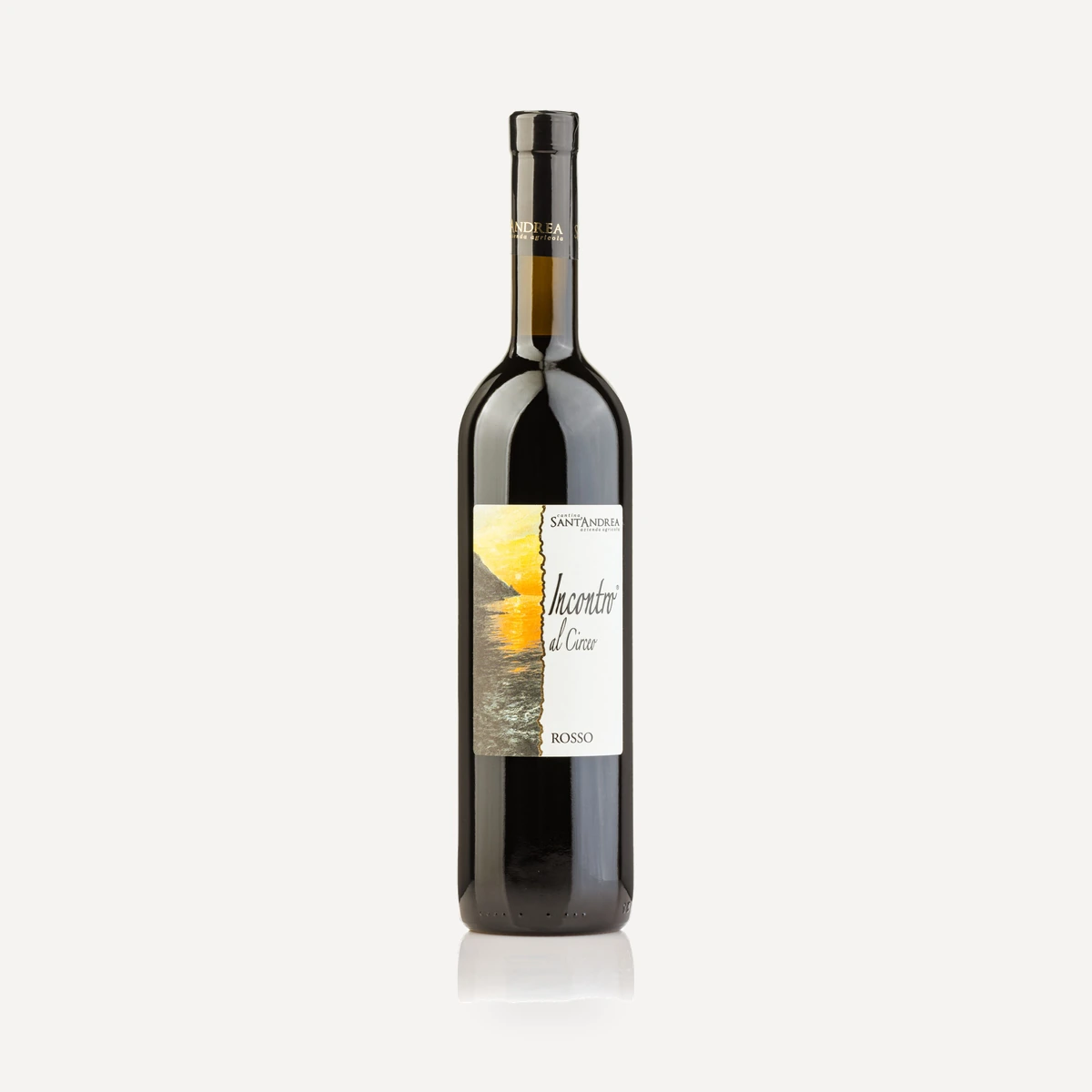
Incontro al Circeo
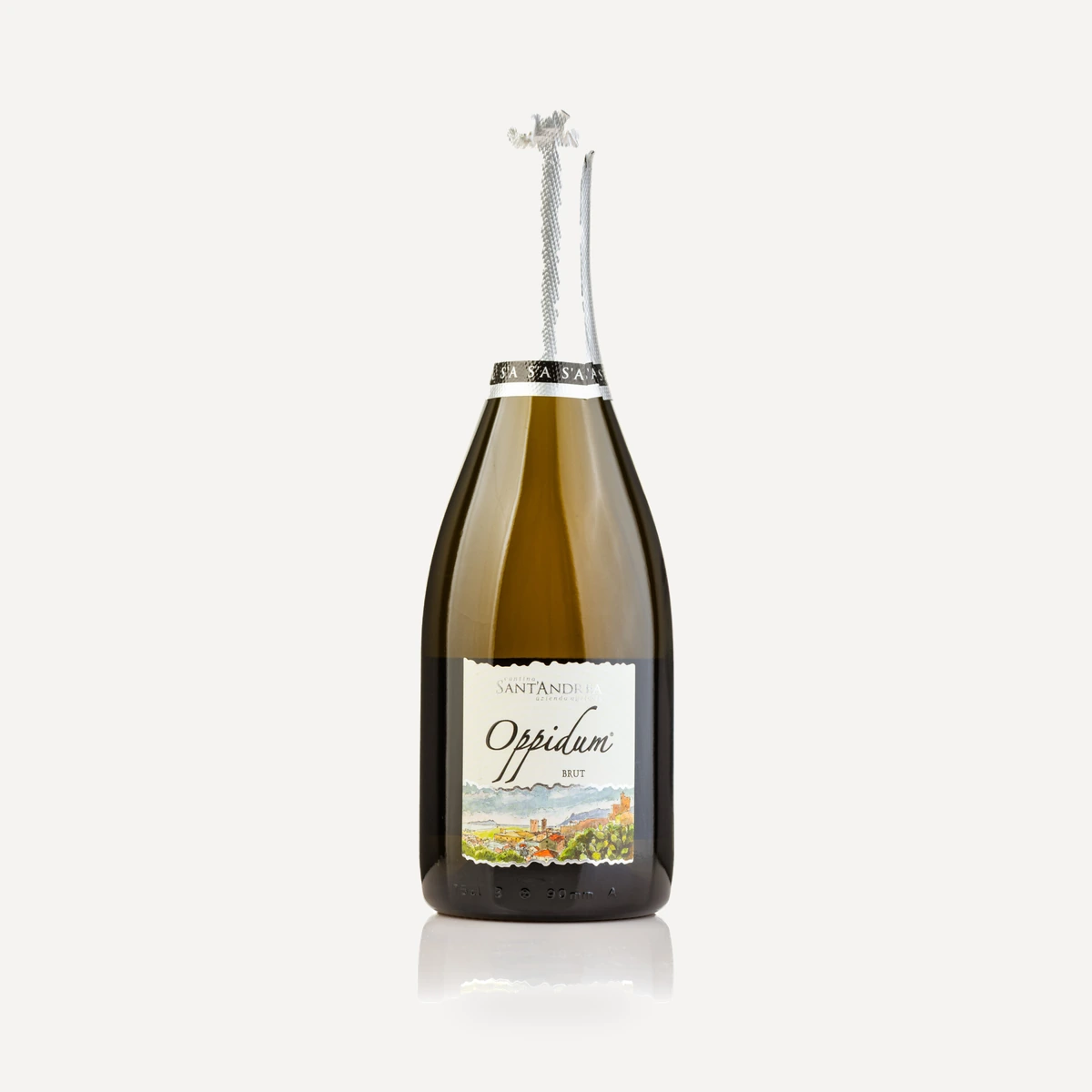
Oppidum Brut
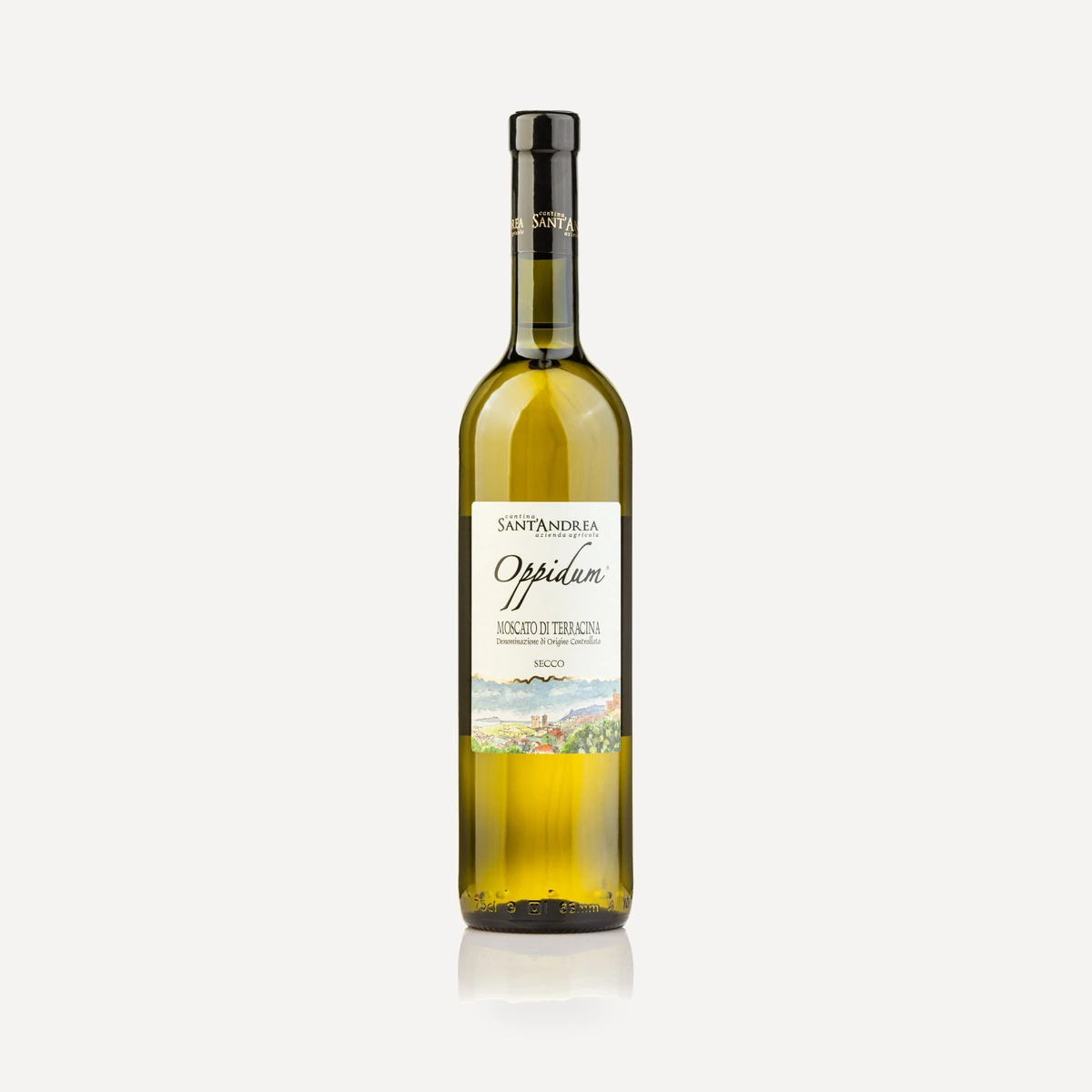
Oppidum Secco
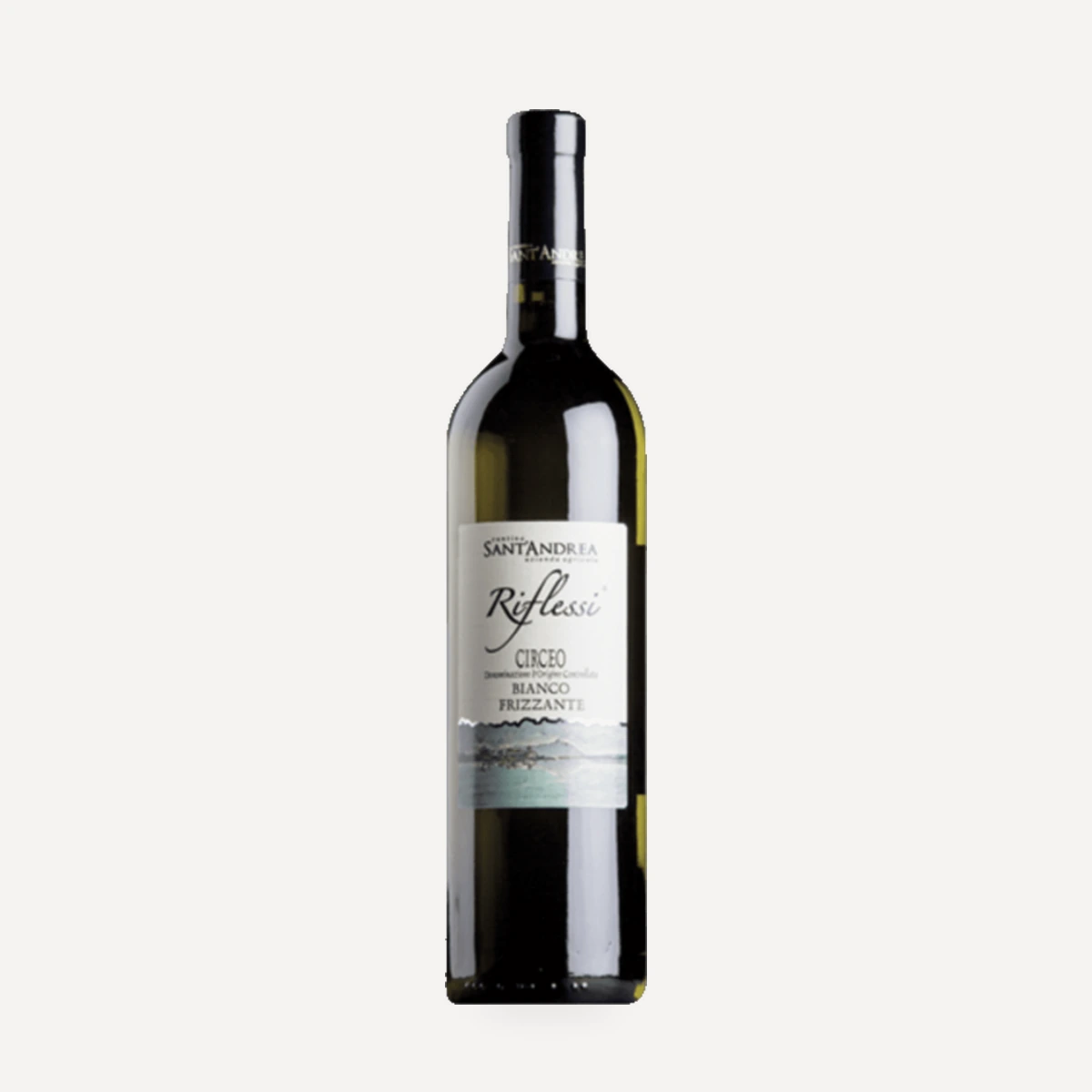
Riflessi Frizzante
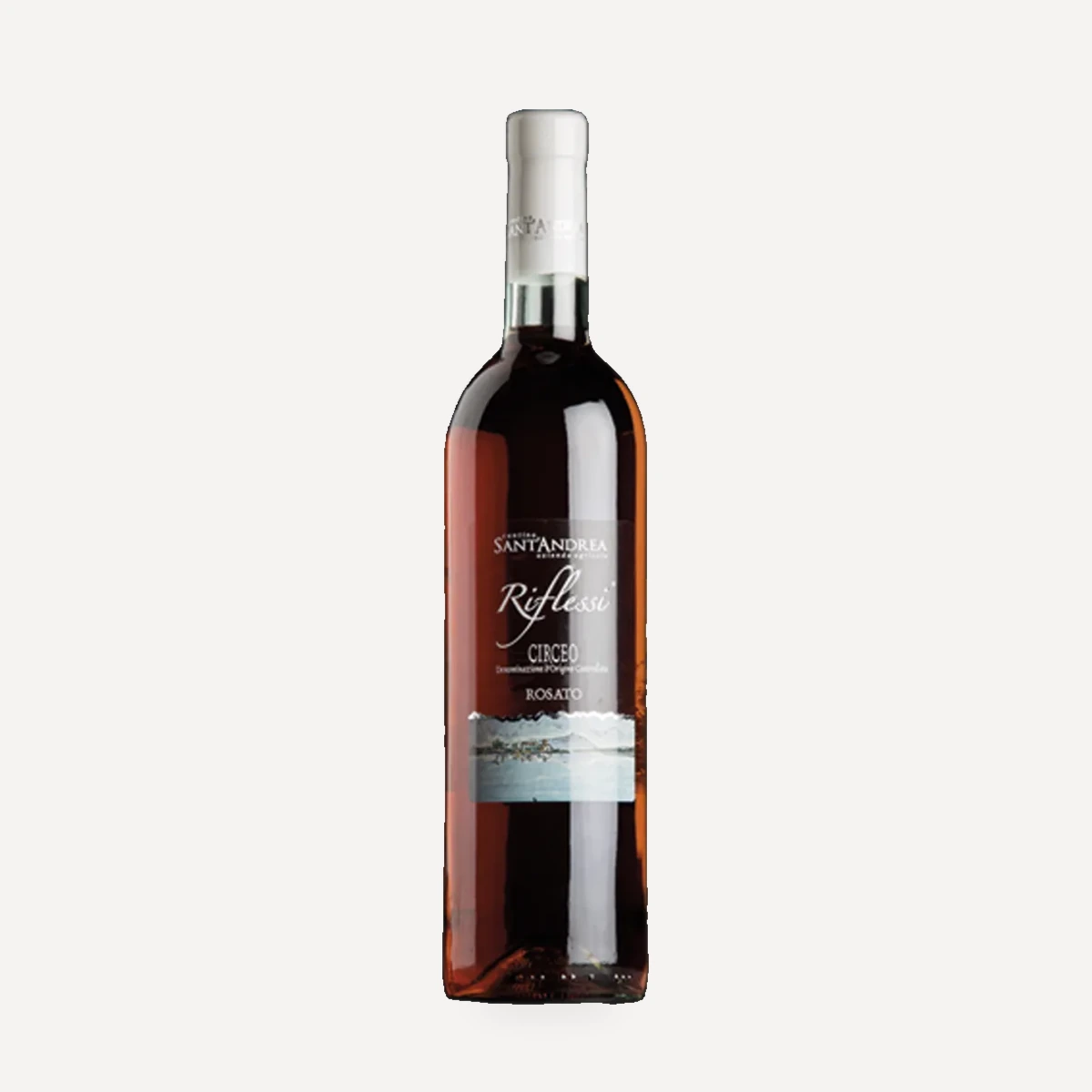
Riflessi Rosato Circeo
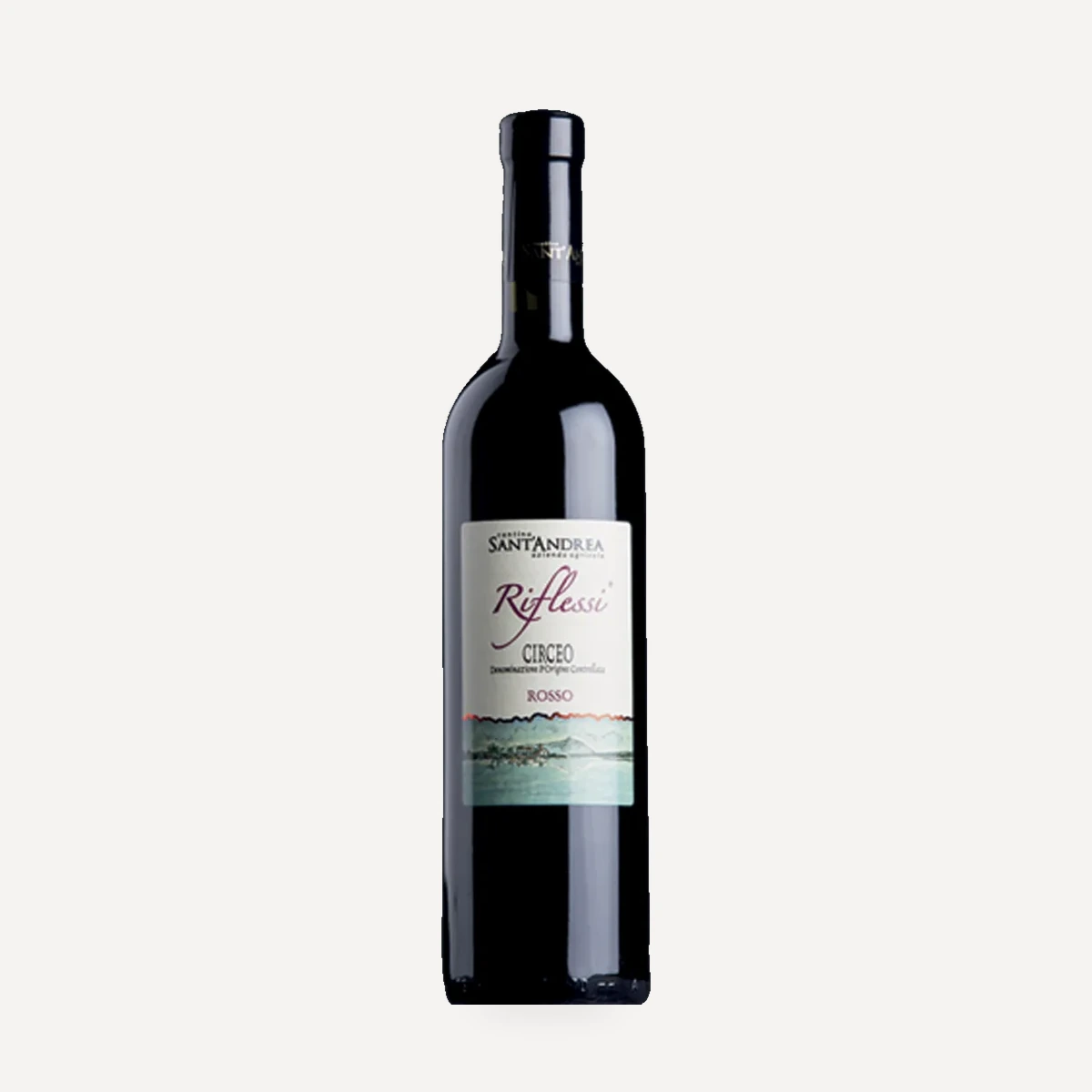
Riflessi Rosso
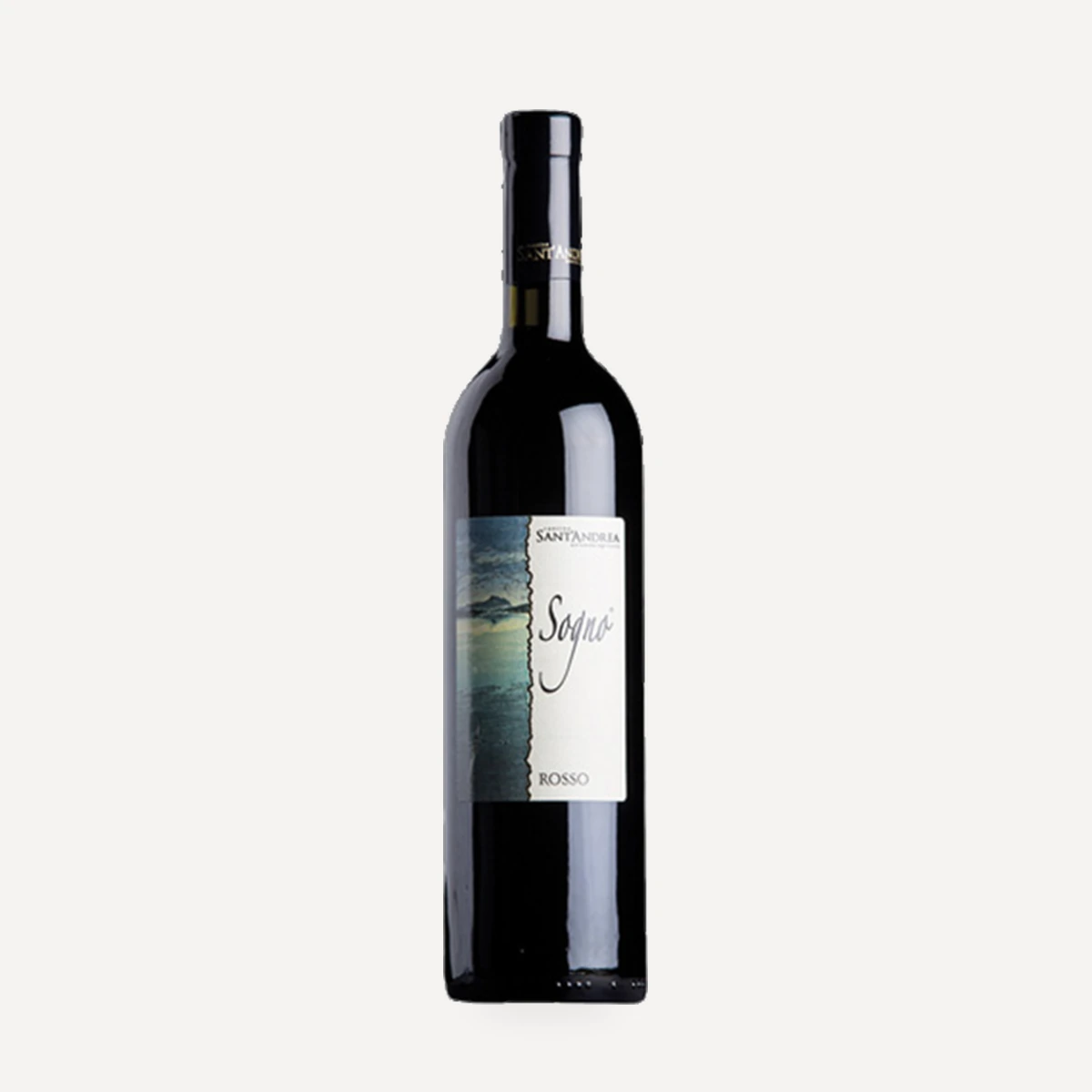
Sogno Rosso
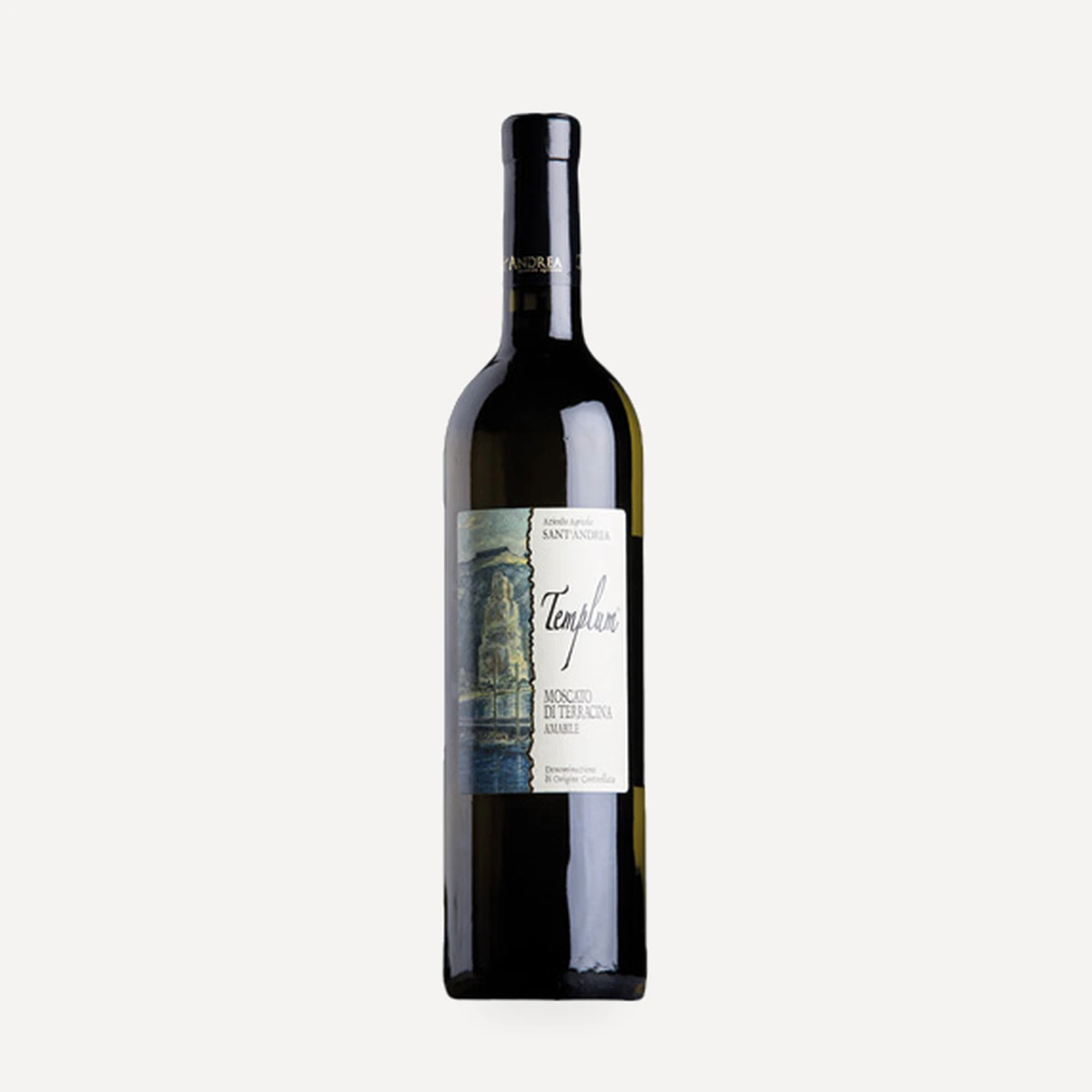
Templum Amabile
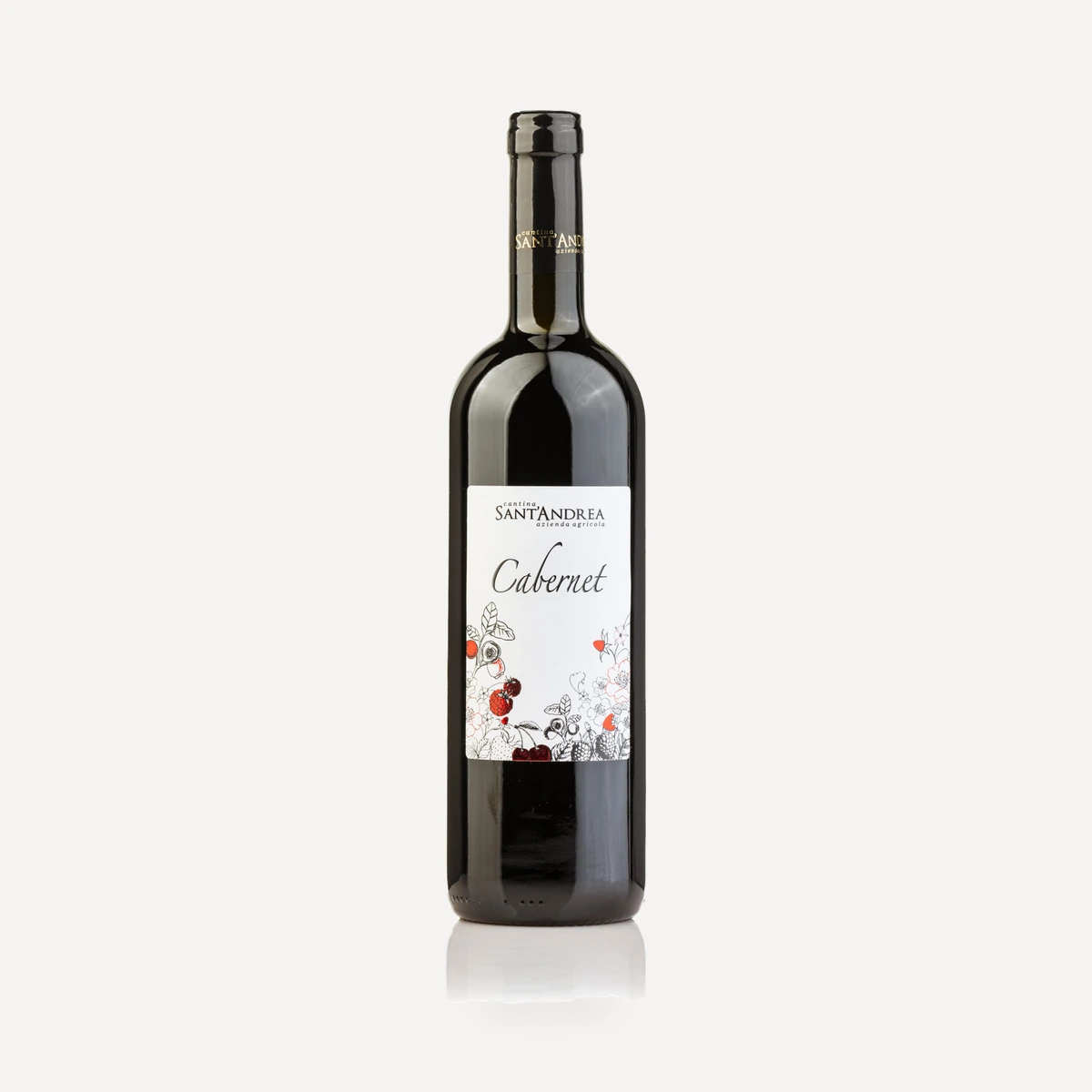
Cabernet Sauvignon
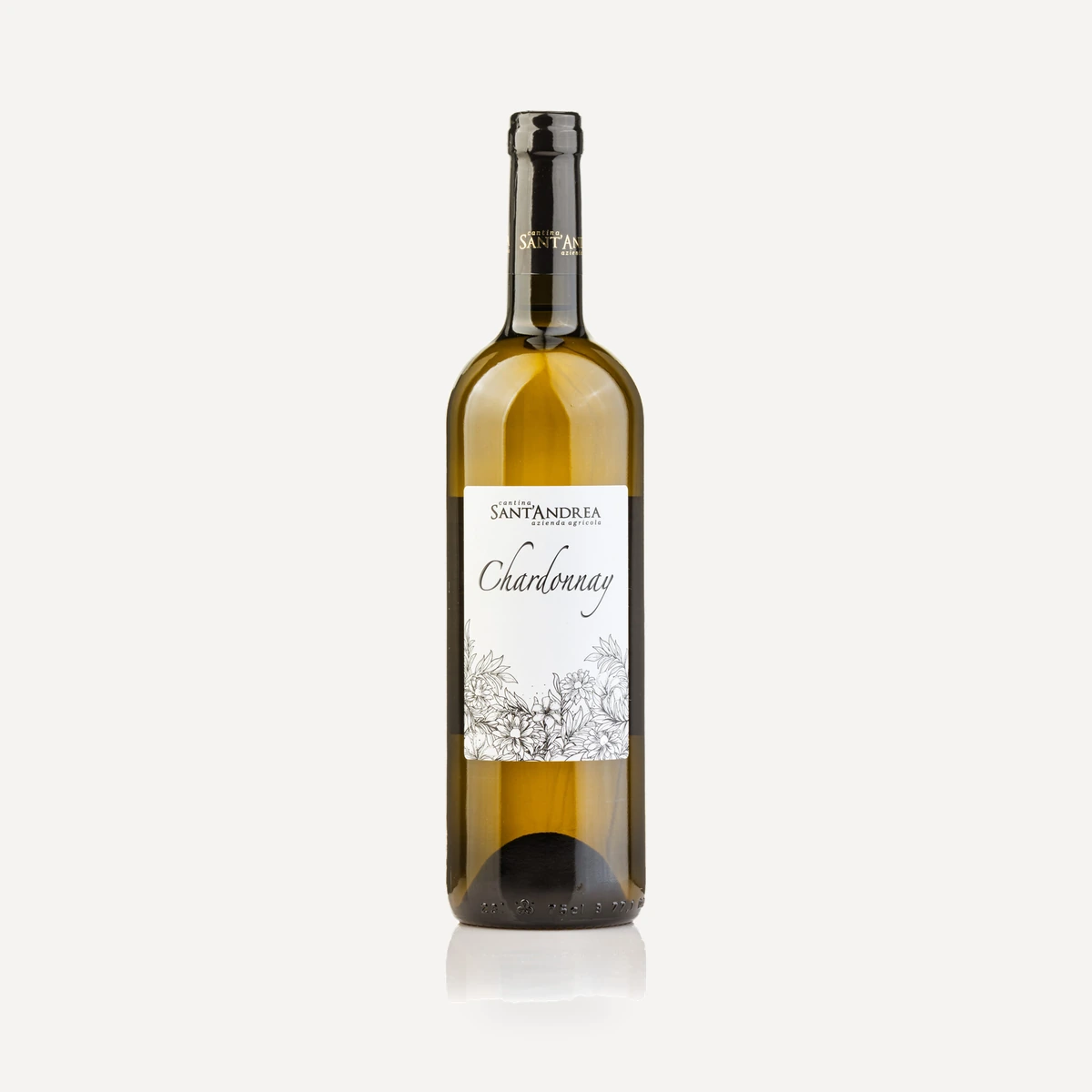
Chardonnay
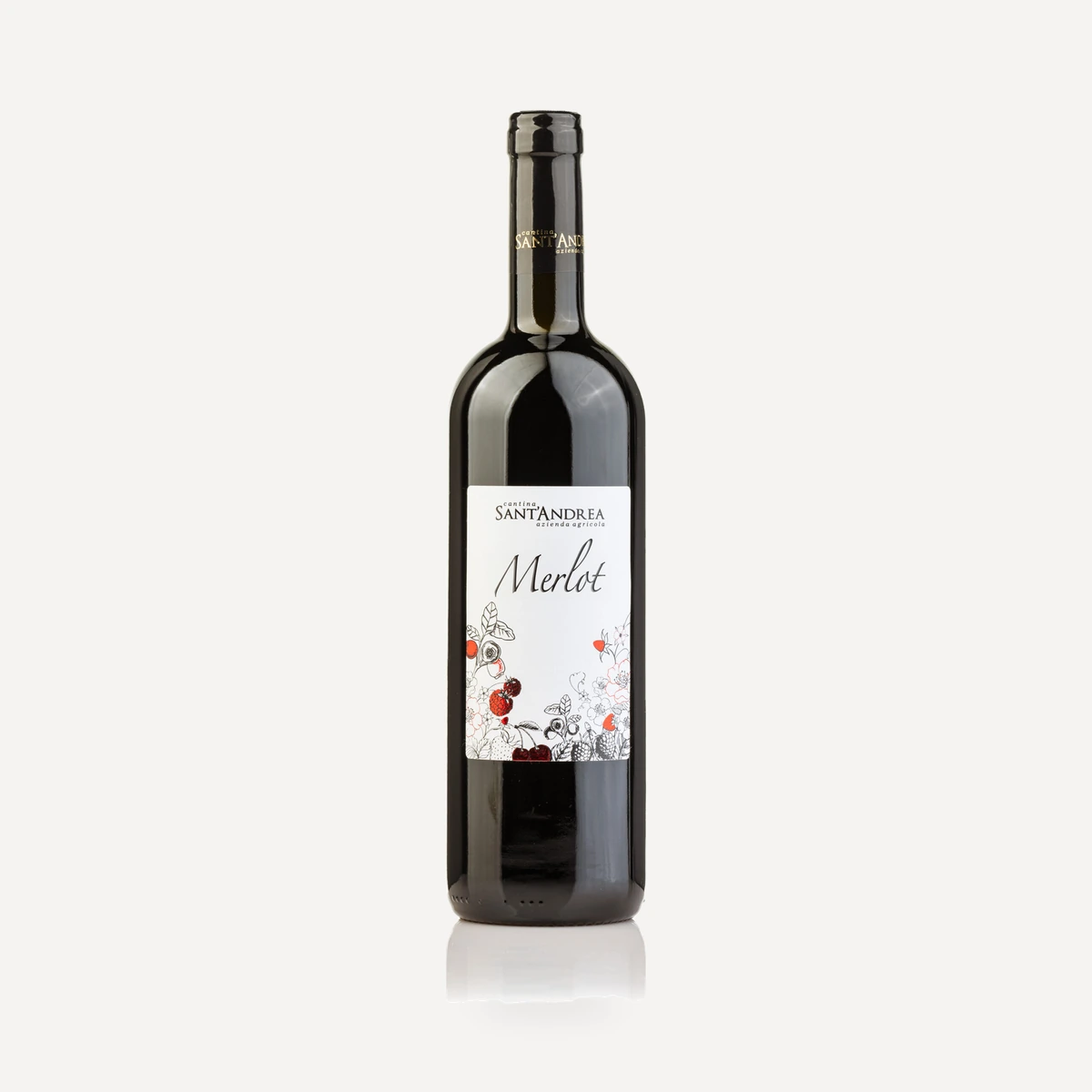
Merlot
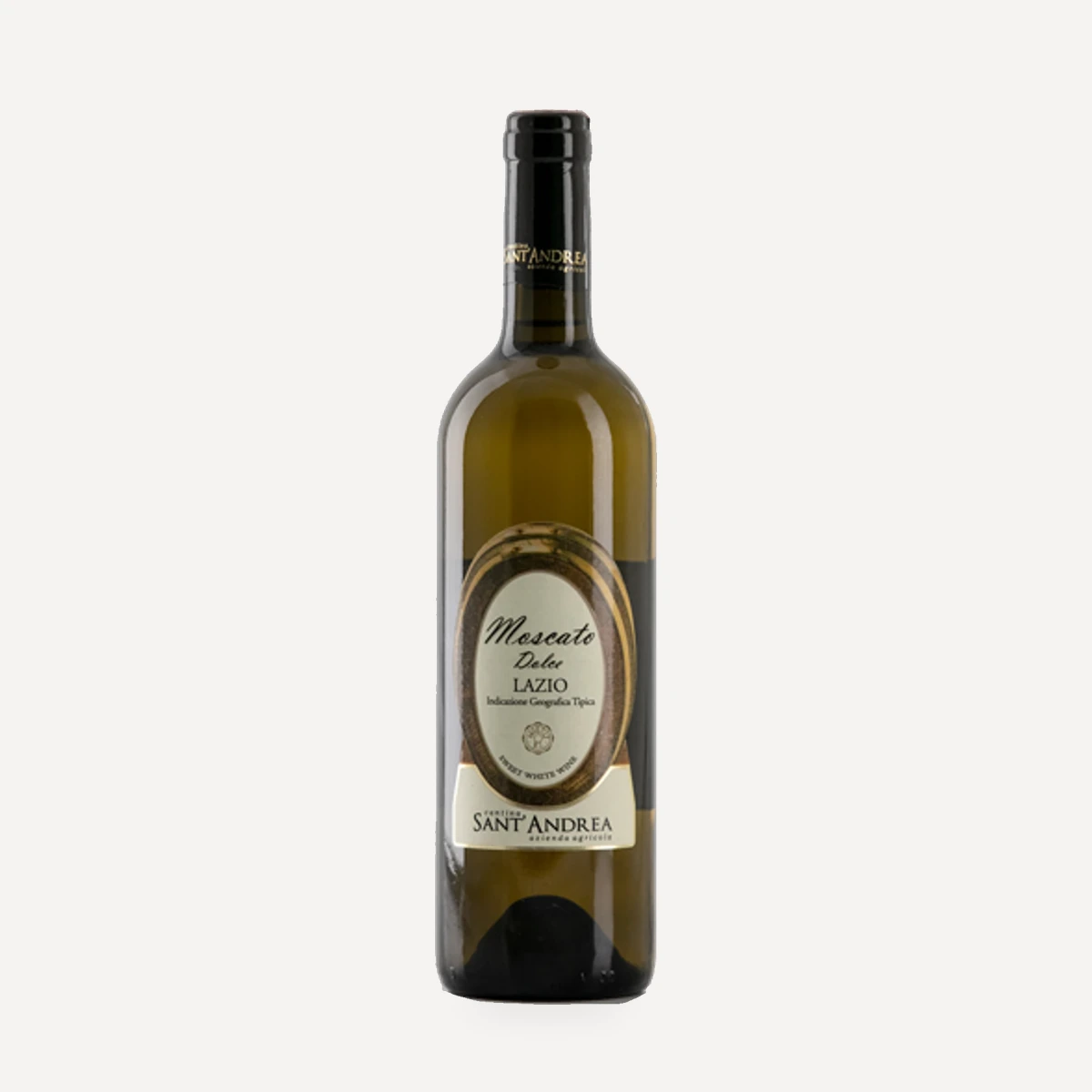
Moscato Dolce
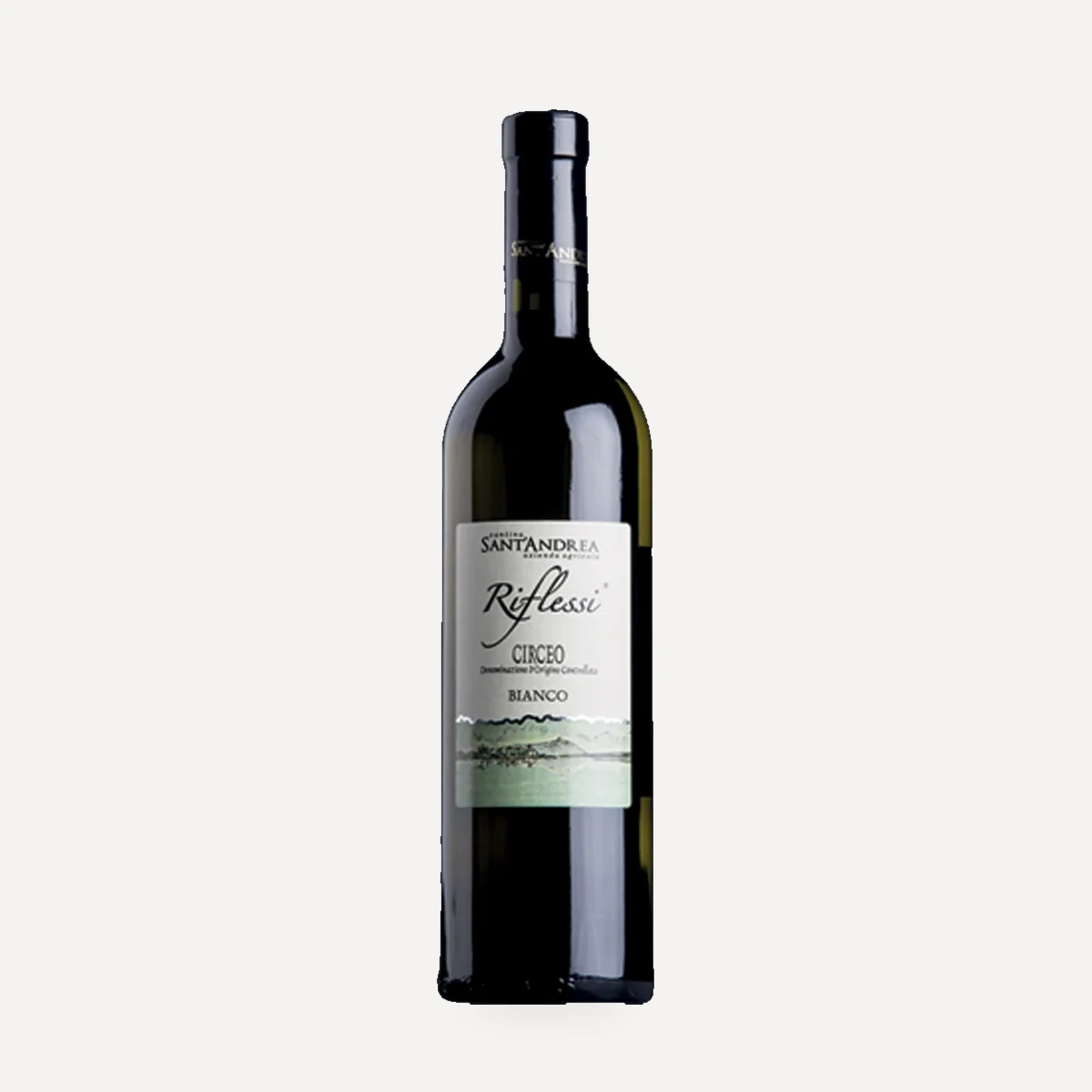
Riflessi Bianco
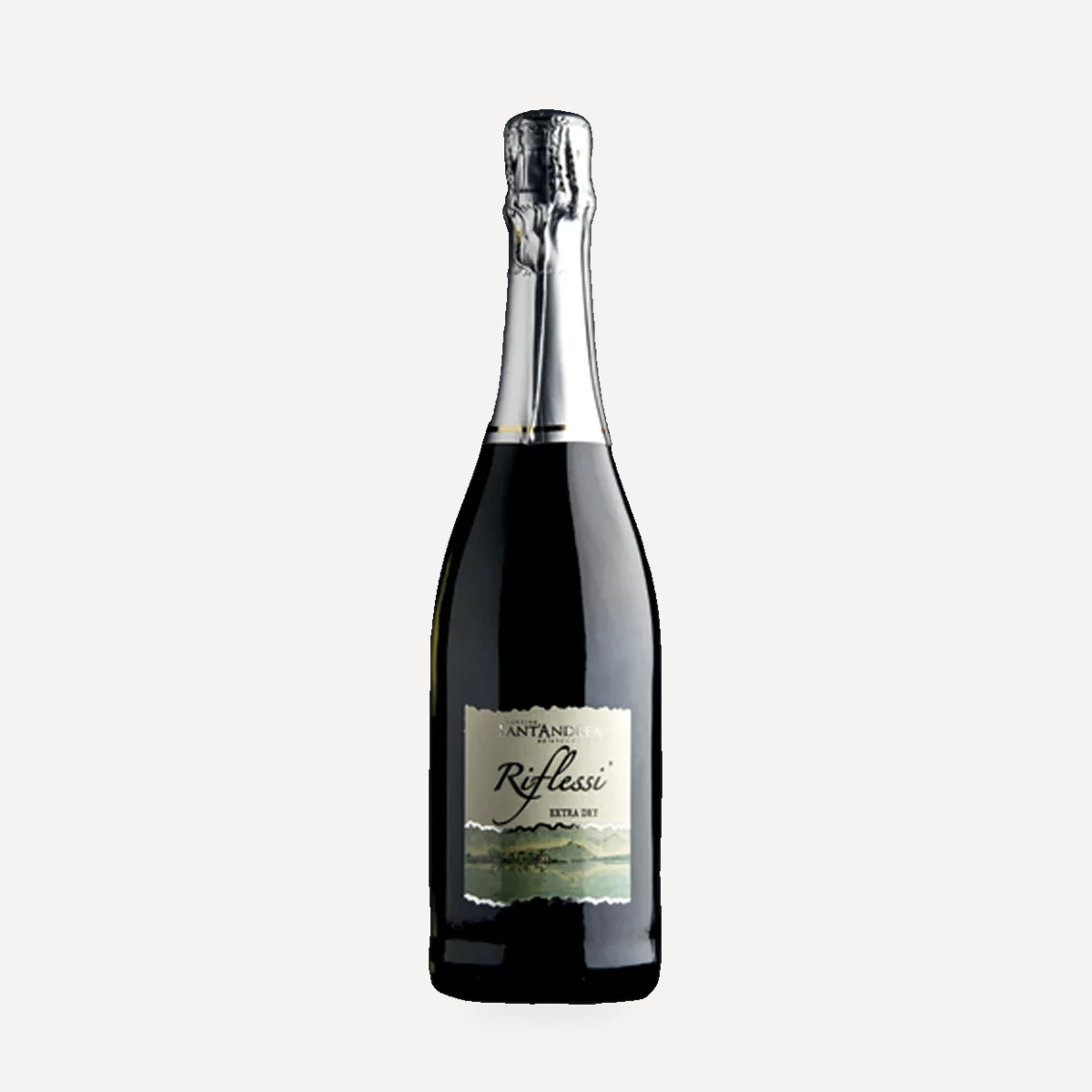
Riflessi Bianco Spumante
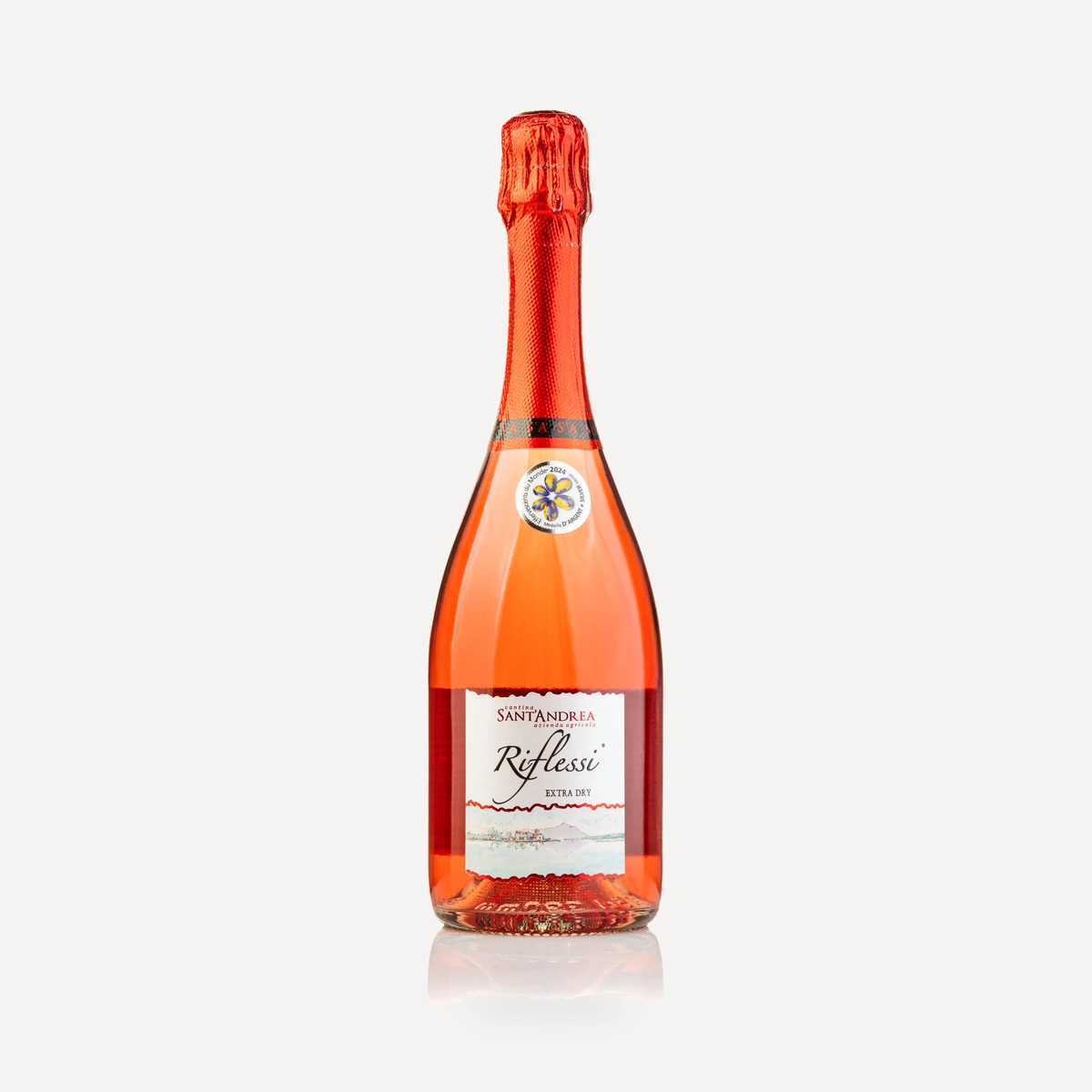
Riflessi Rosato Spumante
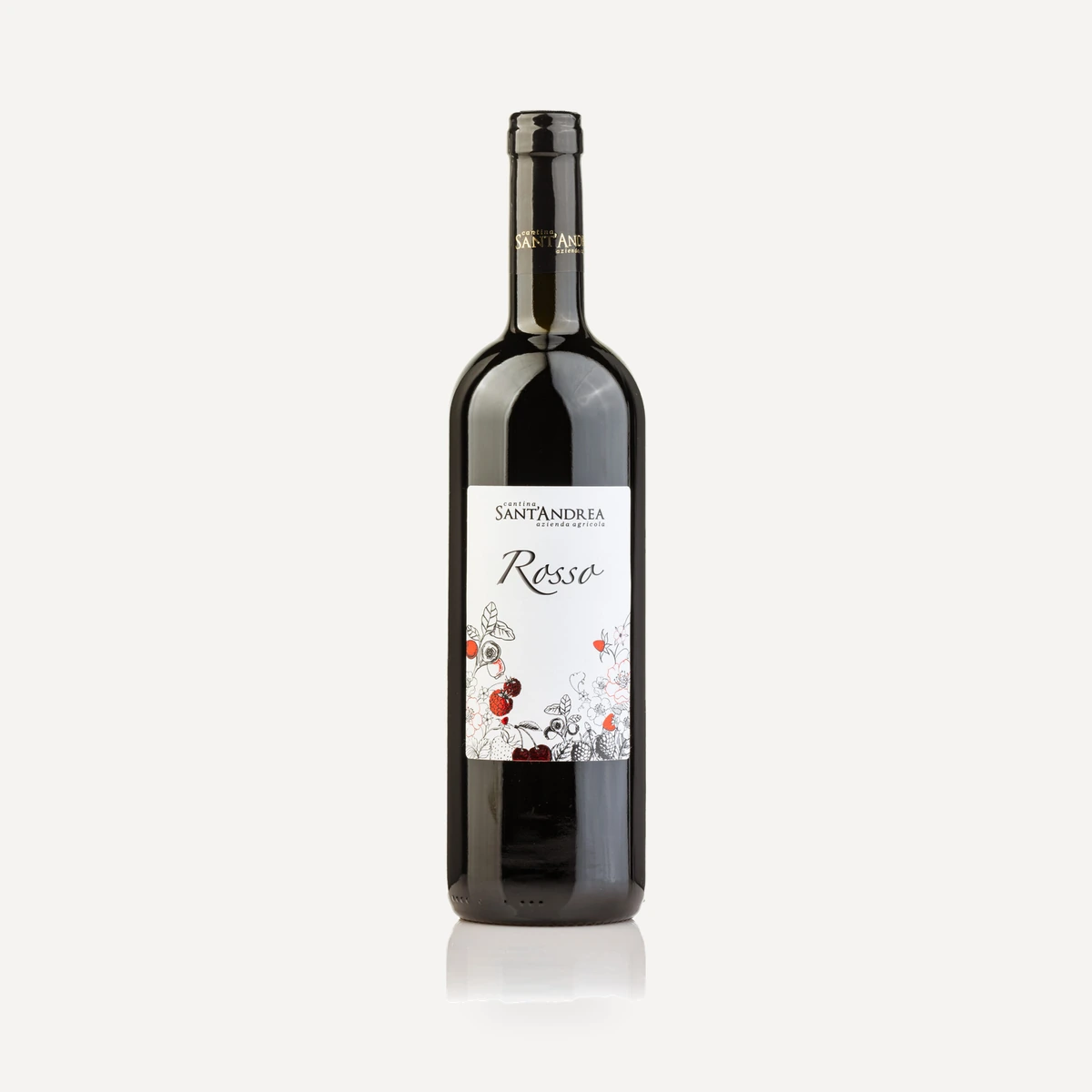
Rosso Sangiovese
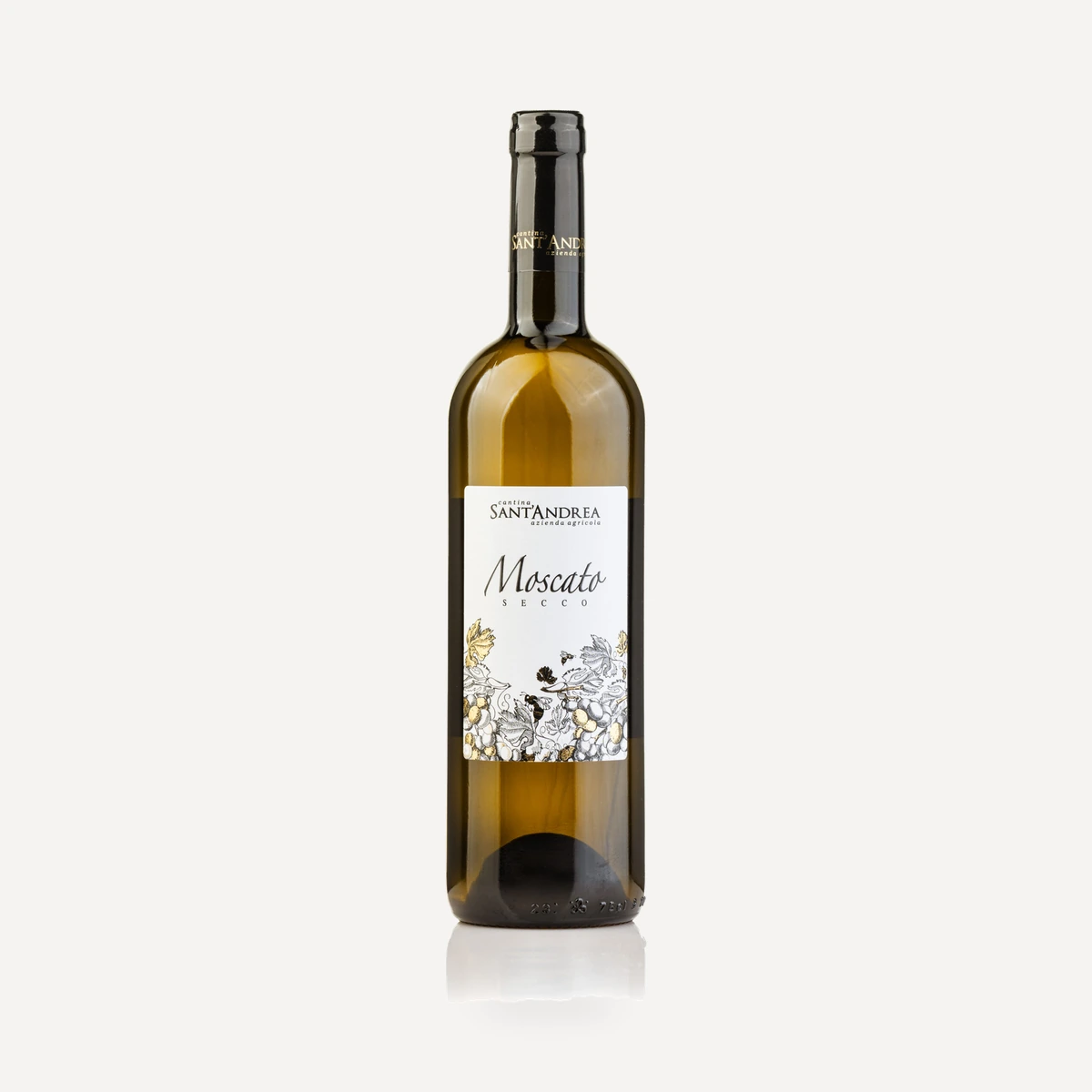
Moscato Secco
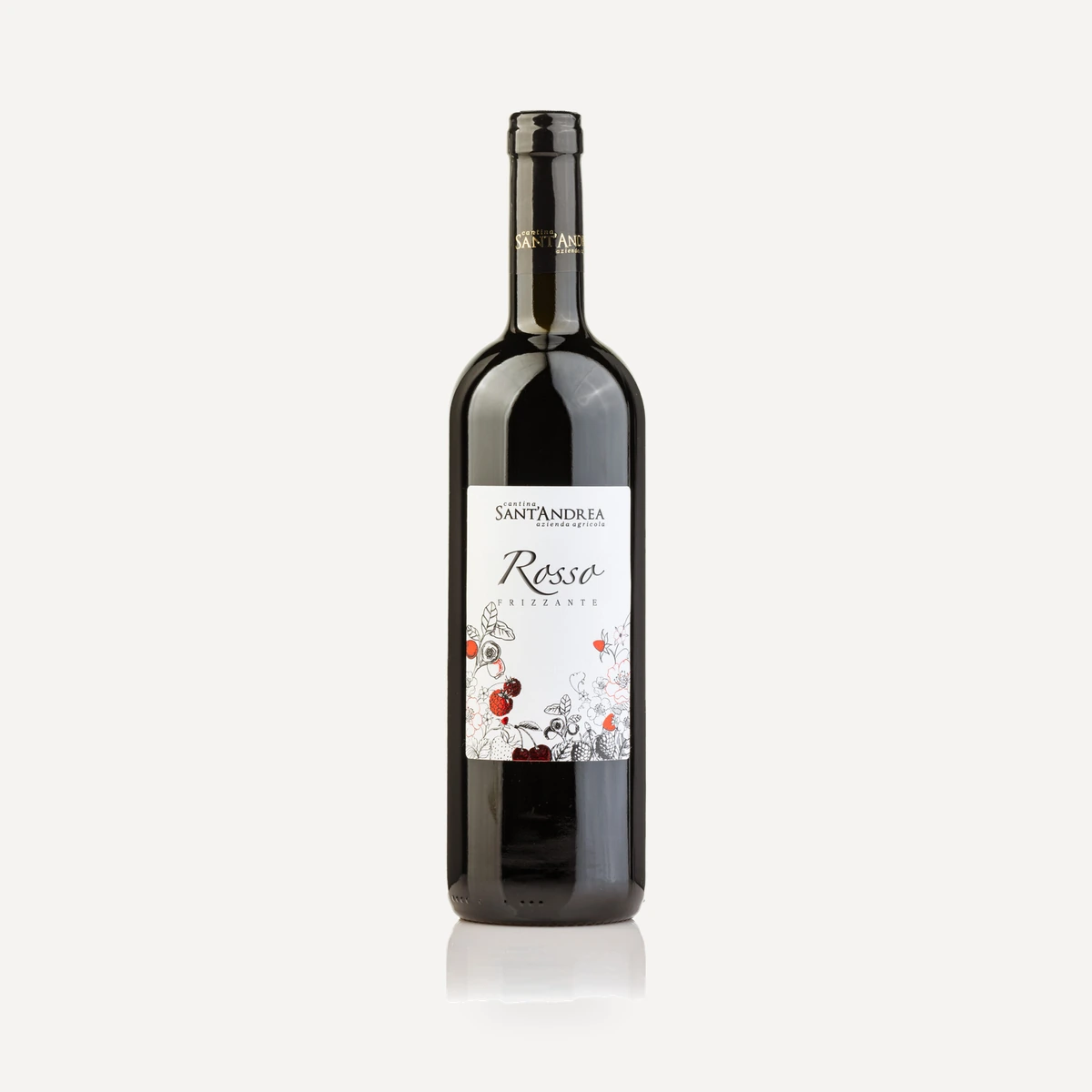
Rosso Frizzante
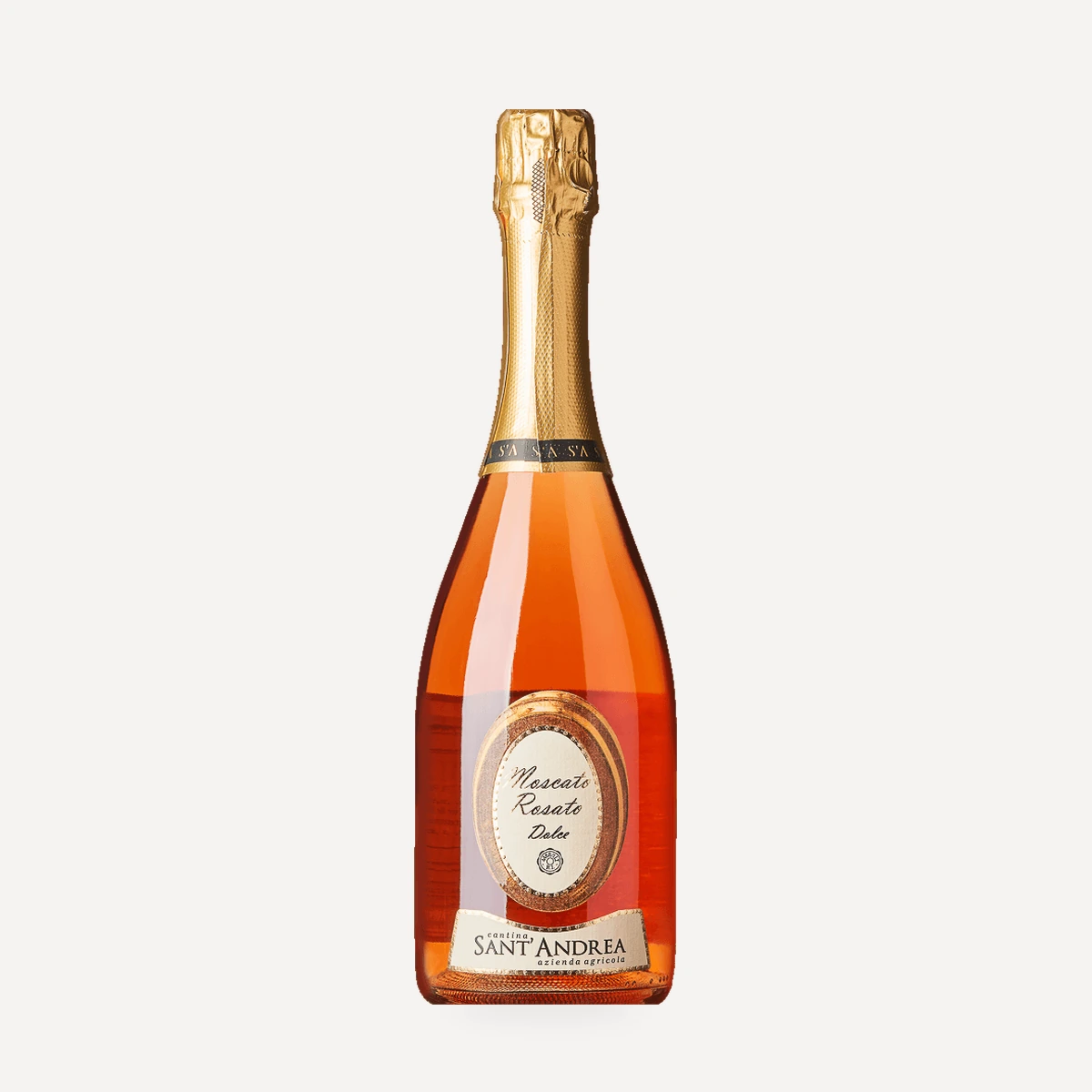
Spumante Moscato Rosato
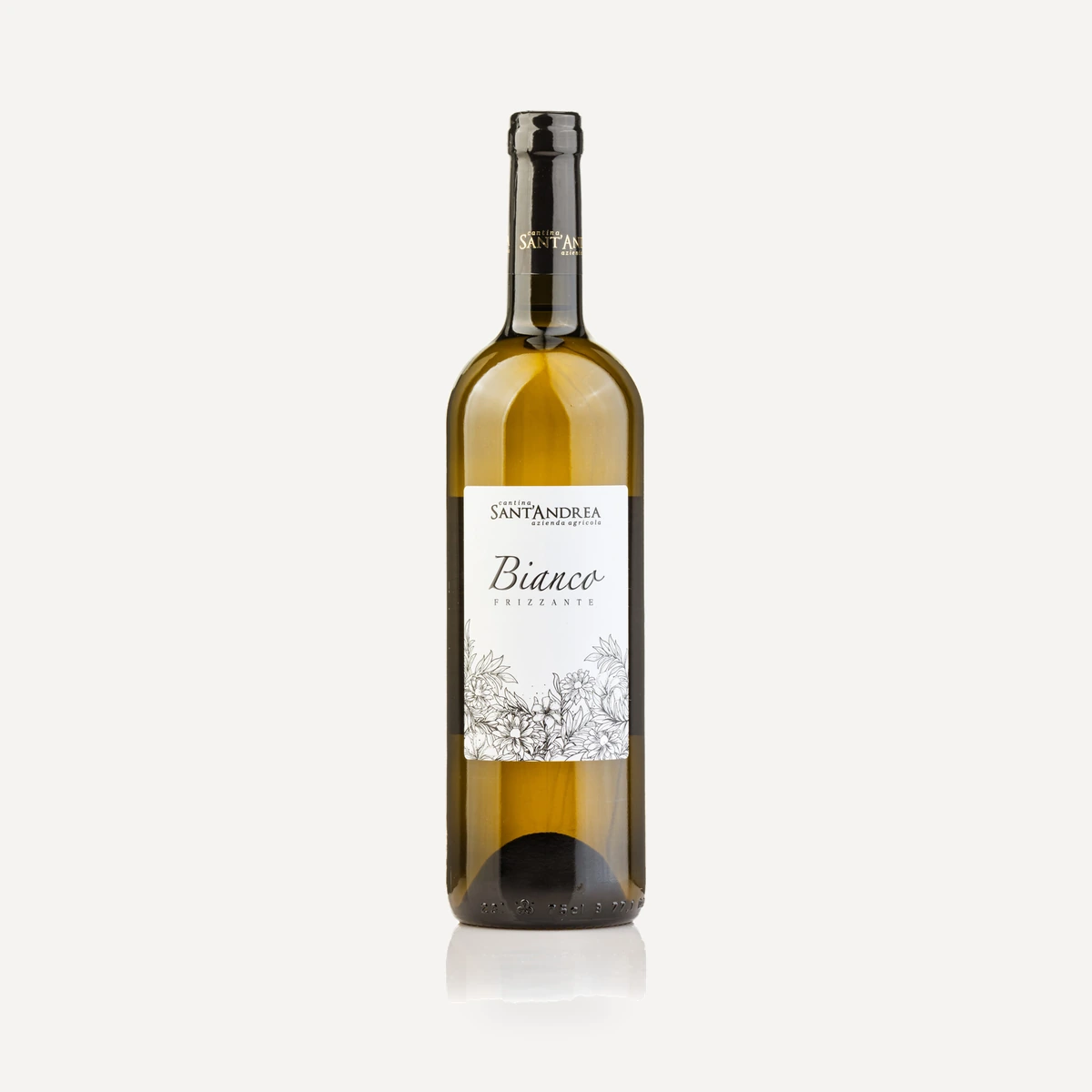
Bianco Frizzante
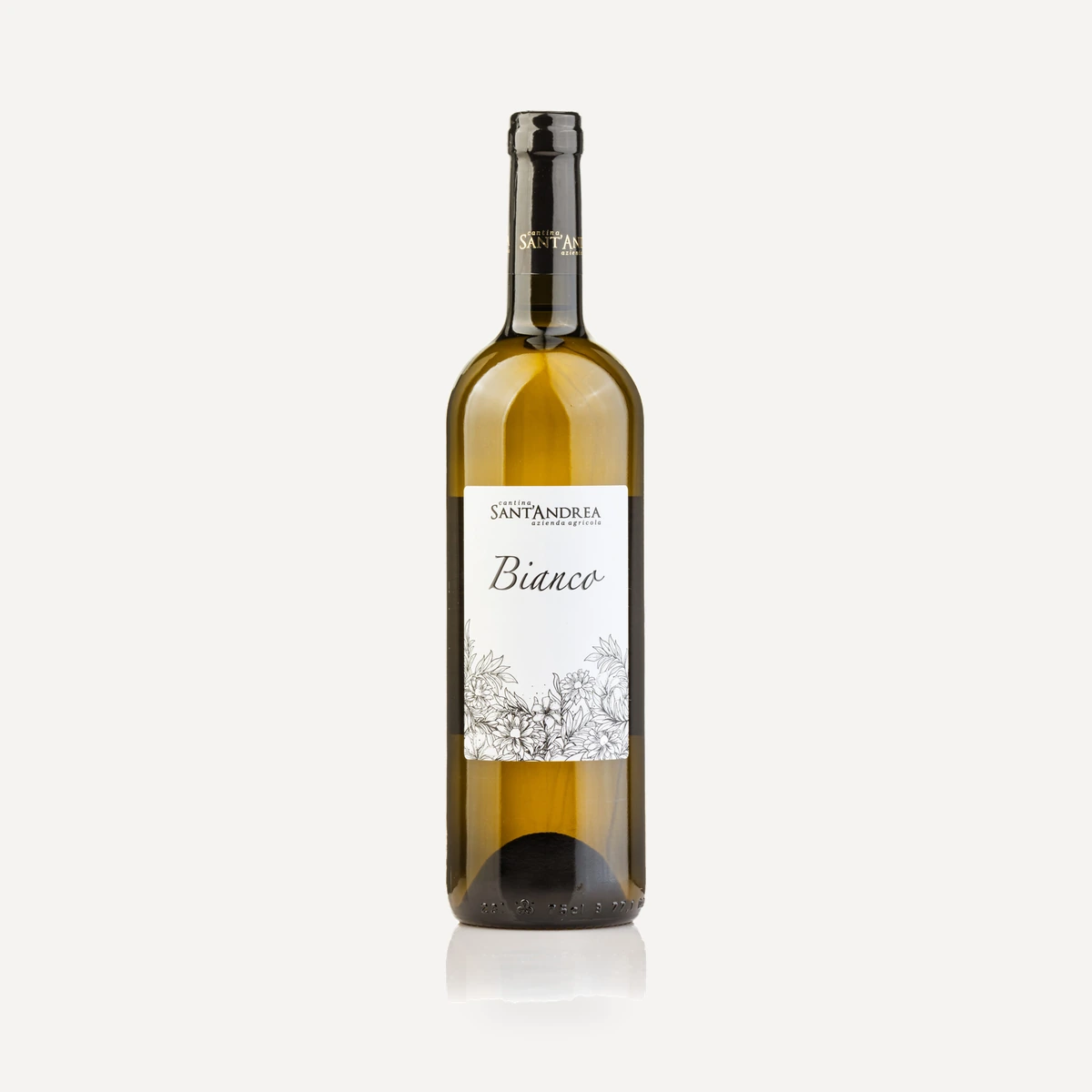
Bianco