Storia
Medieval origins: 1300–1552
The oldest part of Santa Sofia’s cellars dates to 1300. The friars of San Bernardino built the first cellar together with a small chapel dedicated to Santa Sofia. Sections beneath the later villa were already being used to mature wine during the fourteenth and fifteenth centuries.
The Serego family held the estate from 1552.
Palladio and the Renaissance estate: 1565
In 1565, Marcantonio Serego commissioned Andrea Palladio to renovate the estate, construct the villa and add another section to the cellars beneath it. The gently rising site lay between two small valleys and was characterized by surrounding hills, plentiful water, gardens and fountains.
Foundation of the winery: 1811–mid-nineteenth century
Santa Sofia was formally founded as a wine-producing company in 1811, when the cellars were also enlarged. By the middle of the nineteenth century, its wines had earned a reputation for quality. Production drew on carefully selected grapes from well-exposed sites in the surrounding hills.
Giancarlo Begnoni and the “strategy of excellence”: 1956–1983
Giancarlo Begnoni completed his oenology studies in Conegliano in 1956. In 1967, he acquired Santa Sofia from Countess Rizzardi, bringing the winery under Begnoni-family ownership. That year also saw the release of Santa Sofia’s first Amarone della Valpolicella, made from the 1964 harvest grown at Montegradella in Valpolicella Classica.
Giancarlo initiated a programme of renewal that he called the “strategy of excellence.” During the 1970s, when Valpolicella wines faced widespread devaluation and much wine was still sold in demijohns, he concentrated resources on higher-quality bottlings and made substantial investments in both vineyards and cellar. Demijohns gave way to barrels, the vineyard surface expanded and ageing practices evolved.
Luciano Begnoni joins the business: 1984–1990s
Luciano Begnoni entered Santa Sofia in 1984 at the age of nineteen. Events required him to abandon his university path and work beside his father. He began as a manager and sales representative, learning through practical experience and supporting Giancarlo’s quality strategy.
For roughly a decade he worked intensively on accounts, investment decisions, commercial strategy and new markets. During the 1990s he assumed responsibility for exports. Santa Sofia’s international presence subsequently grew from three countries to approximately seventy. Luciano travelled with his father at first, then brought samples and observations from foreign markets back to the winery. Their approach sought to respond to drinkers without following passing fashions: tradition, territorial identity and varietal character were to remain recognizable, and wood was not to dominate the wines.
Giancarlo and Luciano also strengthened relationships with long-standing grape growers. Their model combined estate vineyards with a production network based on regular dialogue, selection and detailed knowledge of the places supplying grapes.
UNESCO recognition: 1996
In 1996, the Palladian villa and its cellars were included in the UNESCO World Heritage listing alongside the other Palladian villas of Veneto. The historic complex continued to serve as a place for maturation and hospitality.
Expansion of the vineyard base: 2015–2020
In 2015, the Begnoni family acquired the 45-hectare Briago estate in Valpantena, eastern Valpolicella. Its high-altitude, wooded setting became the focus of a sustainability-led viticultural project.
In 2019, the family purchased an existing structure near the historic headquarters for conversion into a new production winery. The property included 3 hectares of vineyard. The redevelopment was conceived to preserve Santa Sofia’s historical identity while giving production and storage more space.
Santa Sofia subsequently acquired 6 hectares at Pozzolengo in the Lugana denomination. The detailed chronology dates this purchase to 2020. Luciano had shared the ambition of expanding the family’s estates with his sister Patrizia before her premature death.
The new winery project: 2022 onward
The first published phase of the redevelopment project was dated March 2022. It followed a long property search and years of inspections by Luciano Begnoni. The proposed investment was approximately €8 million. The old building was to be rethought and renovated as a production centre with minimal negative environmental impact, while the Palladian complex would retain its role in maturation and hospitality.
The project was associated with production of approximately 650,000 bottles and 69 hectares in Valpolicella, in addition to the Lugana vineyards. The historical chronology anticipated the redeveloped building becoming Santa Sofia’s headquarters in 2025.
Terroir
Santa Sofia works with estate vineyards and long-standing growers, with most vineyards occupying hillsides whose age and position help sustain production in seasons affected by drought or excessive rain.
Briago, Valpantena
Briago lies in eastern Valpolicella on the southern side of the Monti Lessini. Its 45 hectares stand at 400–490 m above sea level and are enclosed by woods and meadows. The predominantly calcareous ground includes stony sectors, white Biancone marl and Rosso Ammonitico Veronese red limestone.
Marked summer differences between daytime and nighttime temperatures influence the ripening of Corvina, Corvinone and Rondinella. Phenological development is slower than in valley-floor vineyards, encouraging continuous maturation and balanced photosynthetic activity. Careful, site-specific irrigation helps vines withstand hot, dry years while respecting their physiology.
Montegradella, Valpolicella Classica
The 24-hectare Montegradella holding lies north of Verona between Fumane and Marano, at 195–325 m above sea level. Its mainly calcareous, marly soils and southeast exposure support Corvina, Corvinone and Rondinella. Three hectares are reserved for grapes destined for Gioè.
Ventilation and a pronounced difference between daytime and nighttime temperatures help grapes develop thicker skins and favour sound, relatively rapid natural drying. The site becomes very warm under the summer sun. Its name refers to this exposure: gradela is a Veronese dialect word for a grill used over a fire.
Pozzolengo, Lugana
The 6-hectare Pozzolengo holding occupies predominantly hilly land southeast of Lake Garda at 150–170 m above sea level. It lies within the Lugana DOC. Its post-glacial soils are principally calcareous and mineral-rich, with a looser structure than the soils of the valley surrounding the lake. Trebbiano di Lugana is grown here.
Vinificazione
Santa Sofia combines owned vineyards with grapes from long-standing growers. Its agricultural programme places the agronomist at the centre of vineyard decisions, selecting techniques in response to the cultivation environment and the objective of long-term environmental, economic and production sustainability.
At Briago, the goal is a varied, balanced vineyard ecosystem capable of reducing the need for soil operations, fertilization, weed control and plant protection. The surrounding woods and meadows form part of a biodiversity-rich setting. Fertile soil is treated as the producer’s primary capital: natural biological processes are encouraged, resource cycles are kept as closed as possible, nutrition is organic and soil cultivation is gentle. Synthetic plant-protection products and chemical herbicides are avoided. These measures are intended to support abundant and diverse soil organisms, improve soil fertility and structure, and limit erosion.
Water management at Briago is precise and physiological rather than routine. During hot, dry seasons, irrigation is targeted to protect the vines without disregarding their natural development.
Montegradella is managed sustainably with the aim of preserving the characteristics of native Corvina, Corvinone and Rondinella. Its exposure, ventilation and thermal range make it especially suited to grapes intended for appassimento.
At Pozzolengo, management includes targeted work beneath the vine rows, natural fertilizers, leaf thinning and summer pruning. Pruning decisions are intended to respect the vine’s balance.
Across the holdings, the agricultural objective is high-quality production compatible with environmental protection, human health and the preservation of biodiversity.
Santa Sofia’s production history is inseparable from the cellars beneath Villa Santa Sofia. The oldest section was built in 1300, and underground rooms were already used for wine maturation during the fourteenth and fifteenth centuries. Andrea Palladio’s 1565 project added another cellar section, while the founding of the wine company in 1811 brought further enlargement. The hospitality route now encompasses cellar spaces from the fourteenth, sixteenth and eighteenth centuries.
The oldest tufa section beneath the villa remains associated with maturation in large Slavonian-oak barrels. The eighteenth-century cellar accommodates other parts of the range, while the sixteenth-century cellar also serves for bottle maturation and can hold approximately 80,000 bottles. The programme of renewal has included replacing and renovating ageing barrels.
Production grew from a demijohn-based environment in the 1960s and 1970s toward barrel maturation, estate bottling and a wider vineyard base. The guiding objective has been to preserve freshness, varietal identity and elegance while preventing oak from overwhelming the wines.
Natural grape drying, or appassimento, is central to the Valpolicella side of production. Montegradella’s ventilation, thermal range and capacity to produce thick-skinned grapes support healthy drying conditions.
The new production facility was conceived to address the space and organizational requirements of approximately 650,000 bottles. Its estimated €8 million redevelopment involves adapting an existing building near the historic headquarters. The design brief calls for continuity with Santa Sofia’s historical identity and a renovation compatible with environmental sustainability and minimal negative impact. The Palladian complex is intended to retain its functions in maturation and hospitality.
Filosofia
Santa Sofia defines its modern direction through Giancarlo Begnoni’s “strategy of excellence”: priority is given to quality, investment and the capacity of wine to age rather than to high-volume, demijohn-based production.
The family’s approach links estate vineyards with long-standing growers. Regular dialogue with the people cultivating the vines, careful selection and close knowledge of the territory are treated as essential to authentic production. Uniqueness, longevity and elegance are the principal values the family seeks to express.
Luciano Begnoni’s commercial philosophy combines responsiveness to international markets with resistance to short-lived fashions. Techniques may evolve to meet changing expectations, but territorial identity and varietal character must remain recognizable. Oak should support the wine rather than produce a uniform, wood-dominated style.
Drinkability is another recurring principle. Even structured wines are intended to retain freshness, harmony and elegance. The range is conceived as a progression from lighter whites to Amarone while maintaining a coherent house identity.
In the vineyard, fertile, biologically active soil is regarded as the foundation of wine quality. Biodiversity, gentle cultivation, organic nutrition, fewer external inputs and protection of human health form the core of the sustainability programme. The new winery project extends these principles to architecture and production infrastructure through the reuse of an existing building and a commitment to limiting environmental impact.
Family continuity is expressed through the partnership of Giancarlo and Luciano, the training of younger collaborators and investment in vineyards and buildings intended to carry Santa Sofia’s historical identity forward.
Vini
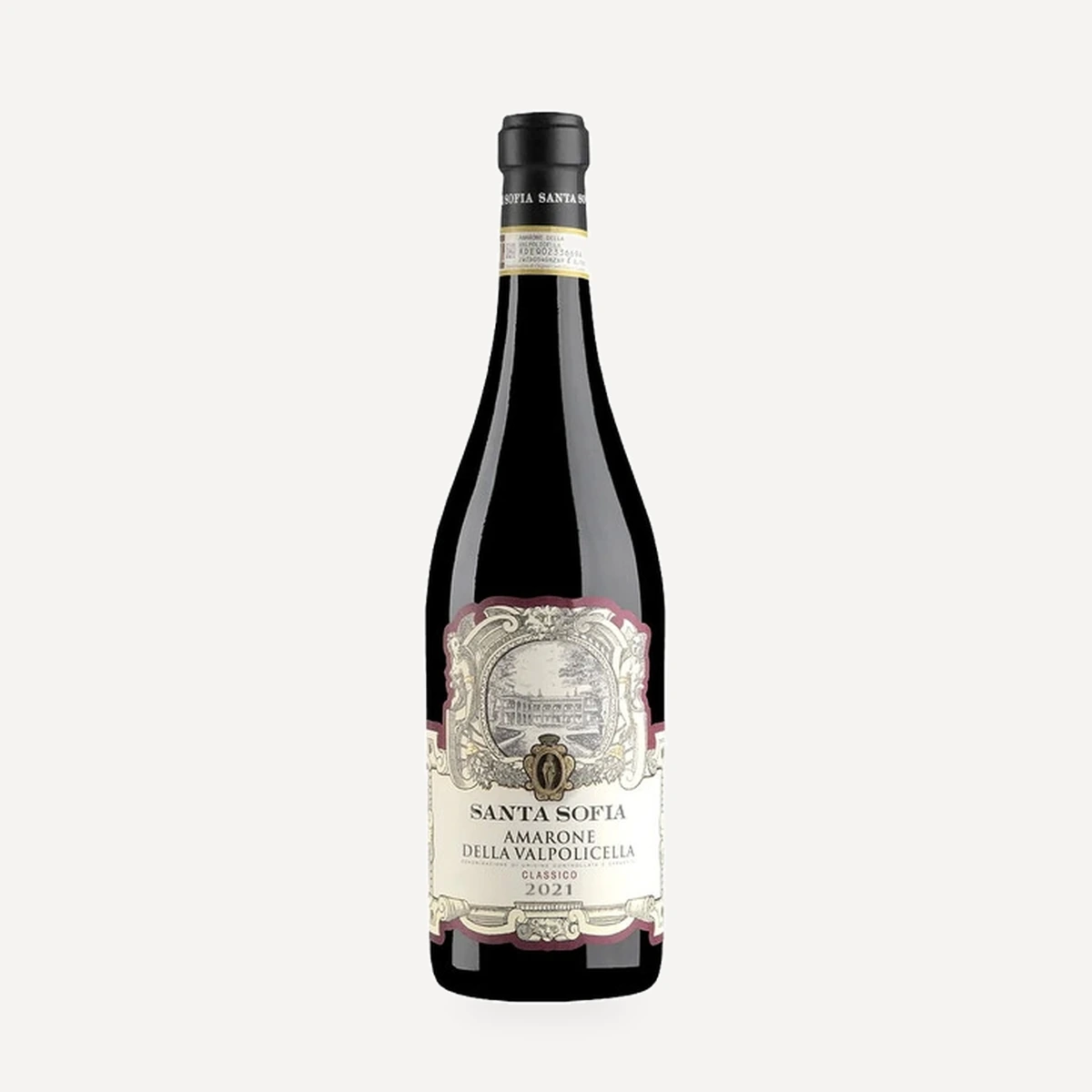
Amarone della Valpolicella Classico DOCG
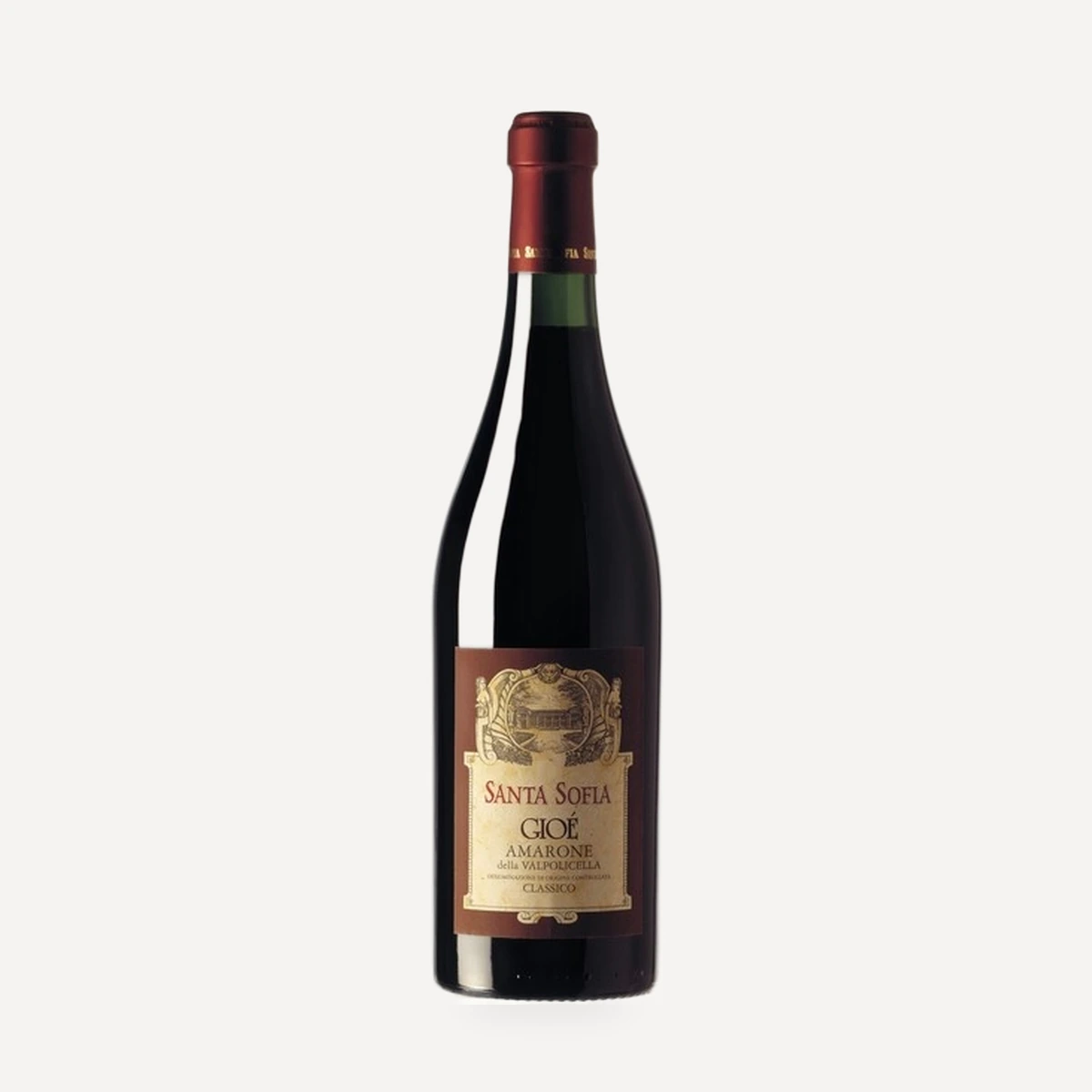
GIOÈ Amarone della Valpolicella Classico DOCG
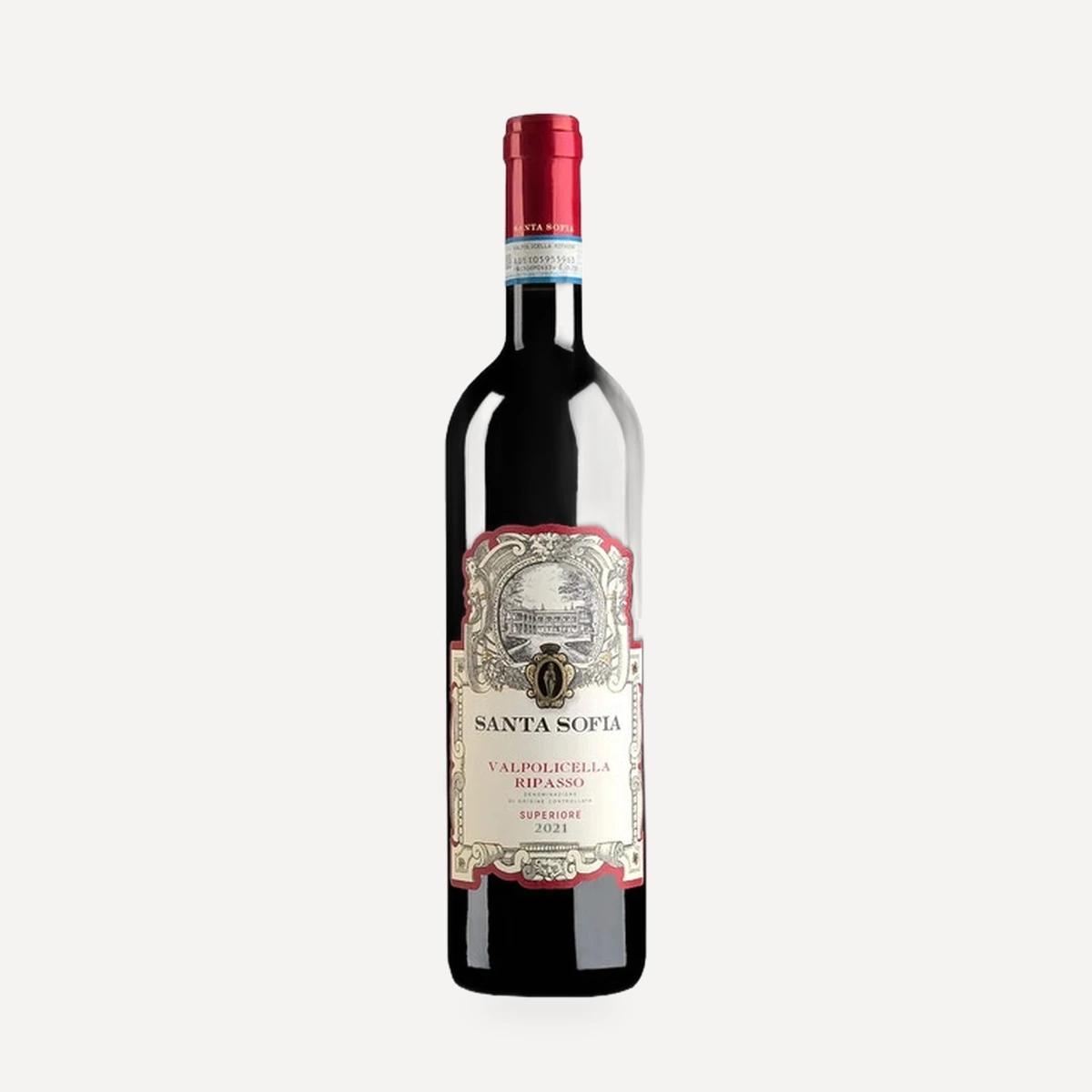
Valpolicella Ripasso Superiore DOC
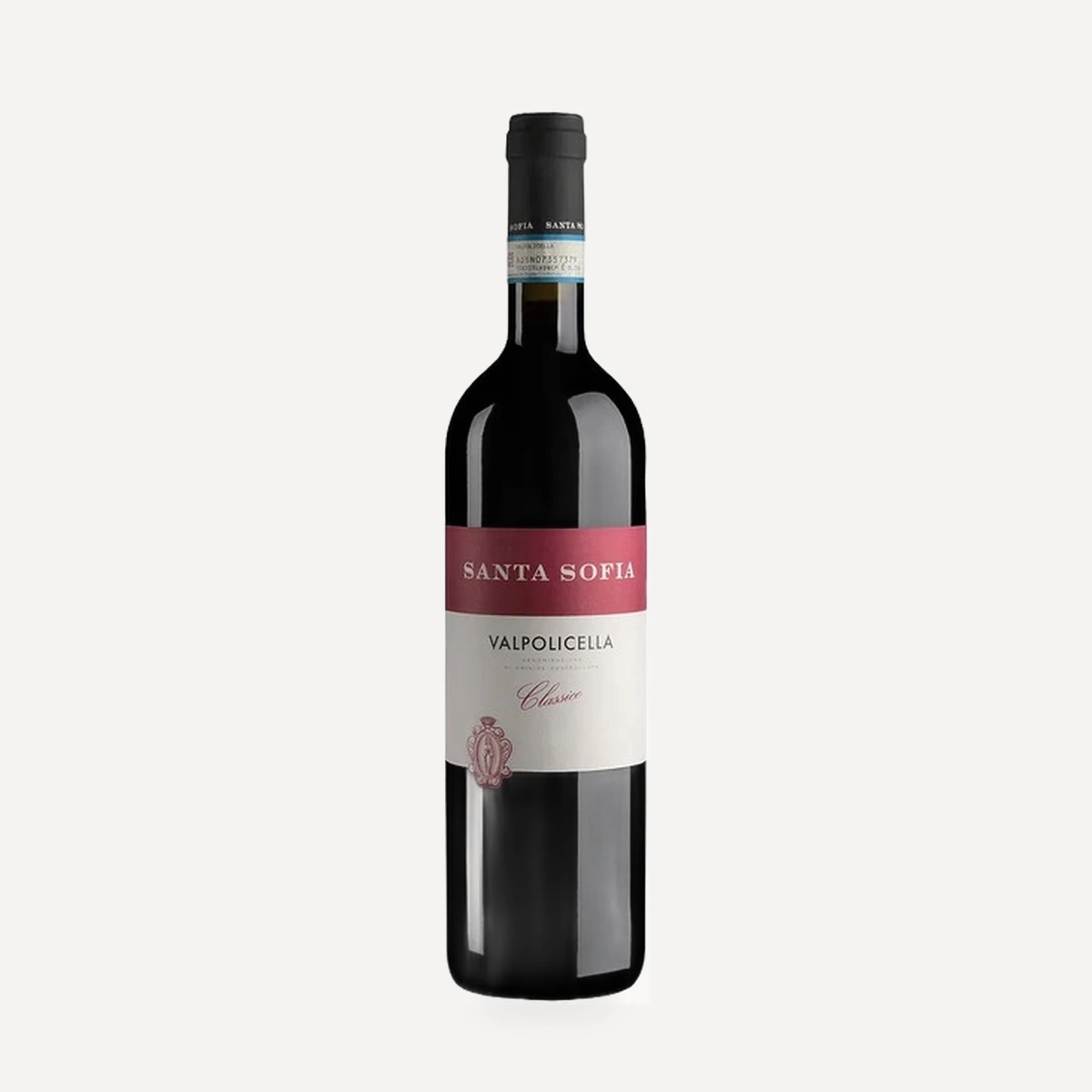
Valpolicella Classico DOC
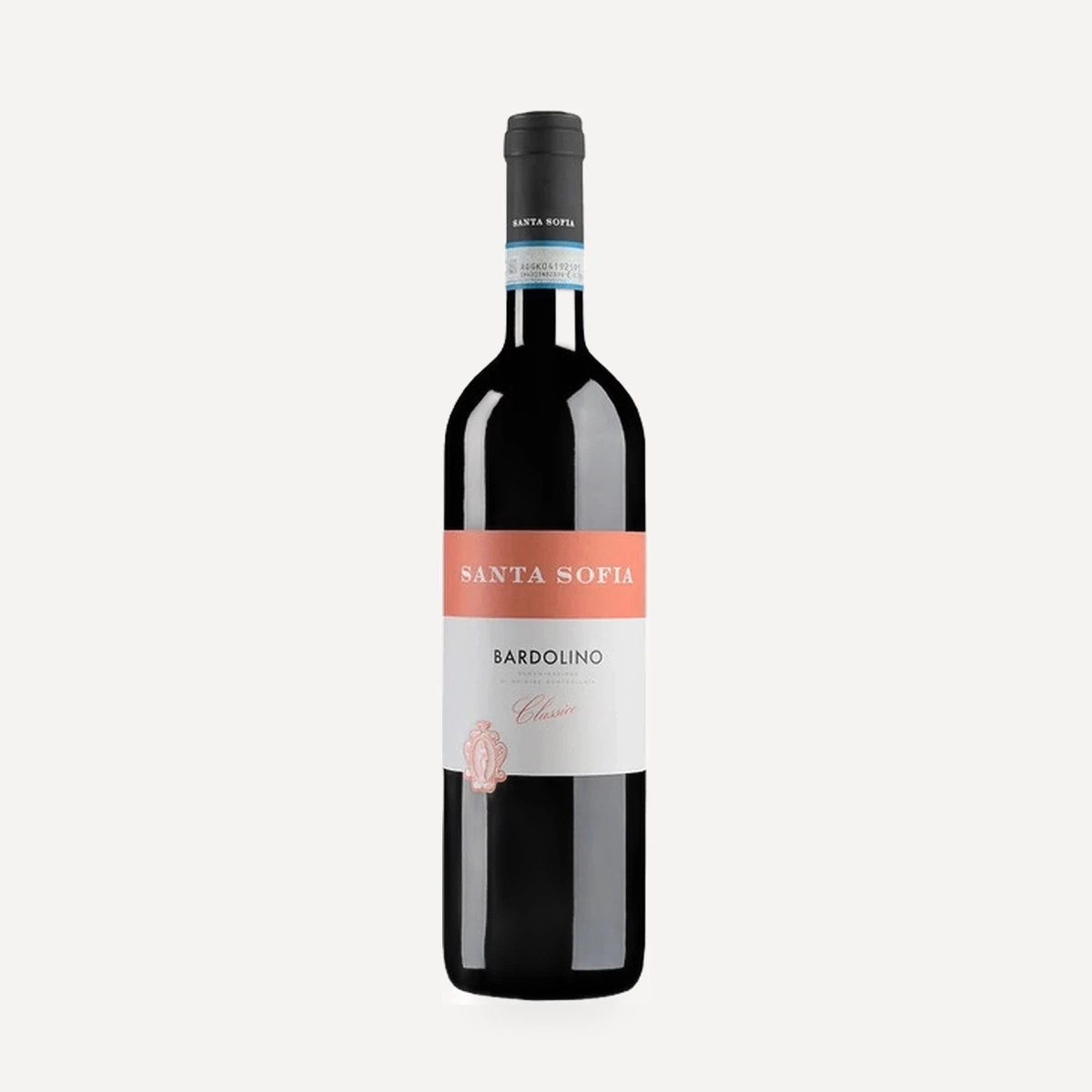
Bardolino Classico DOC
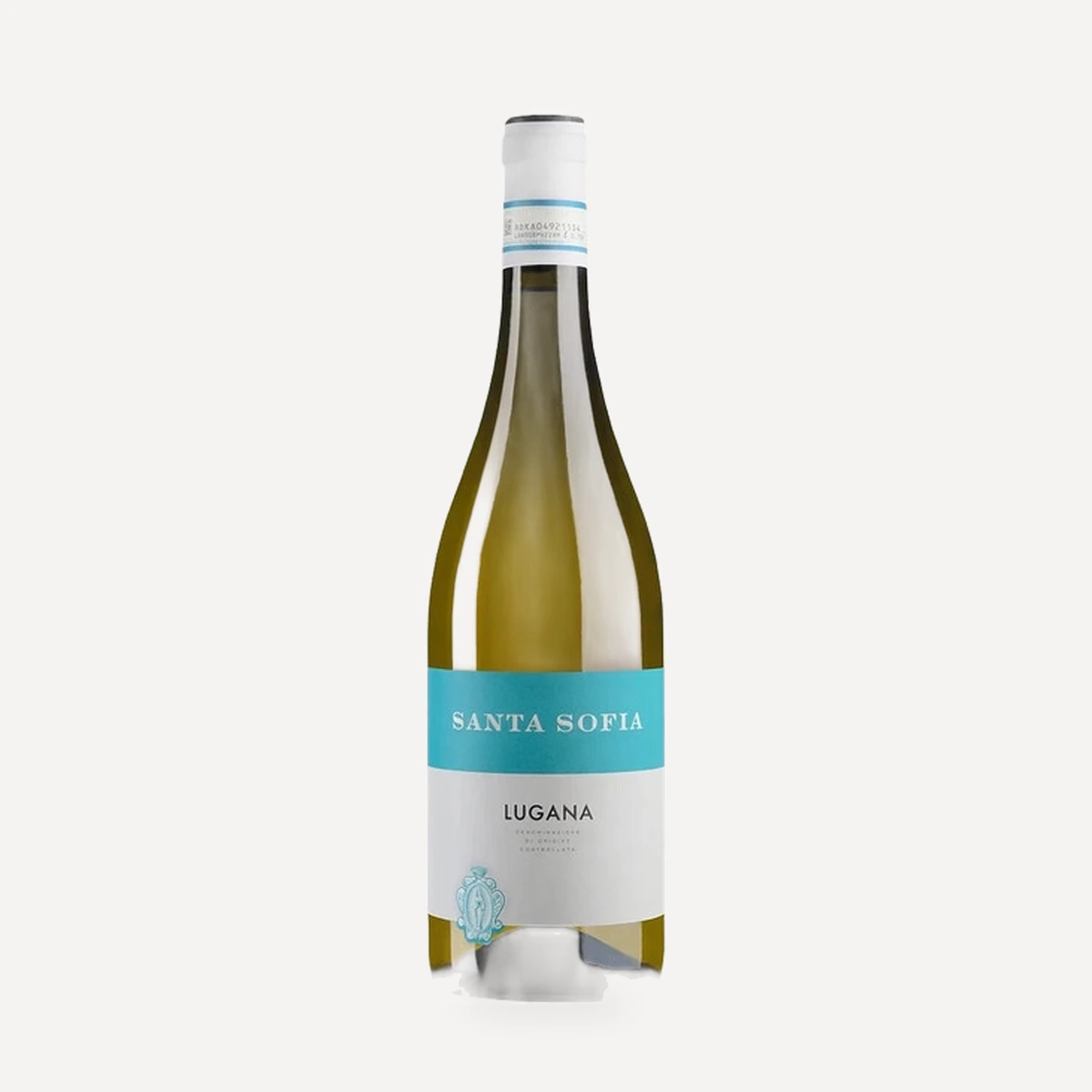
Lugana DOC
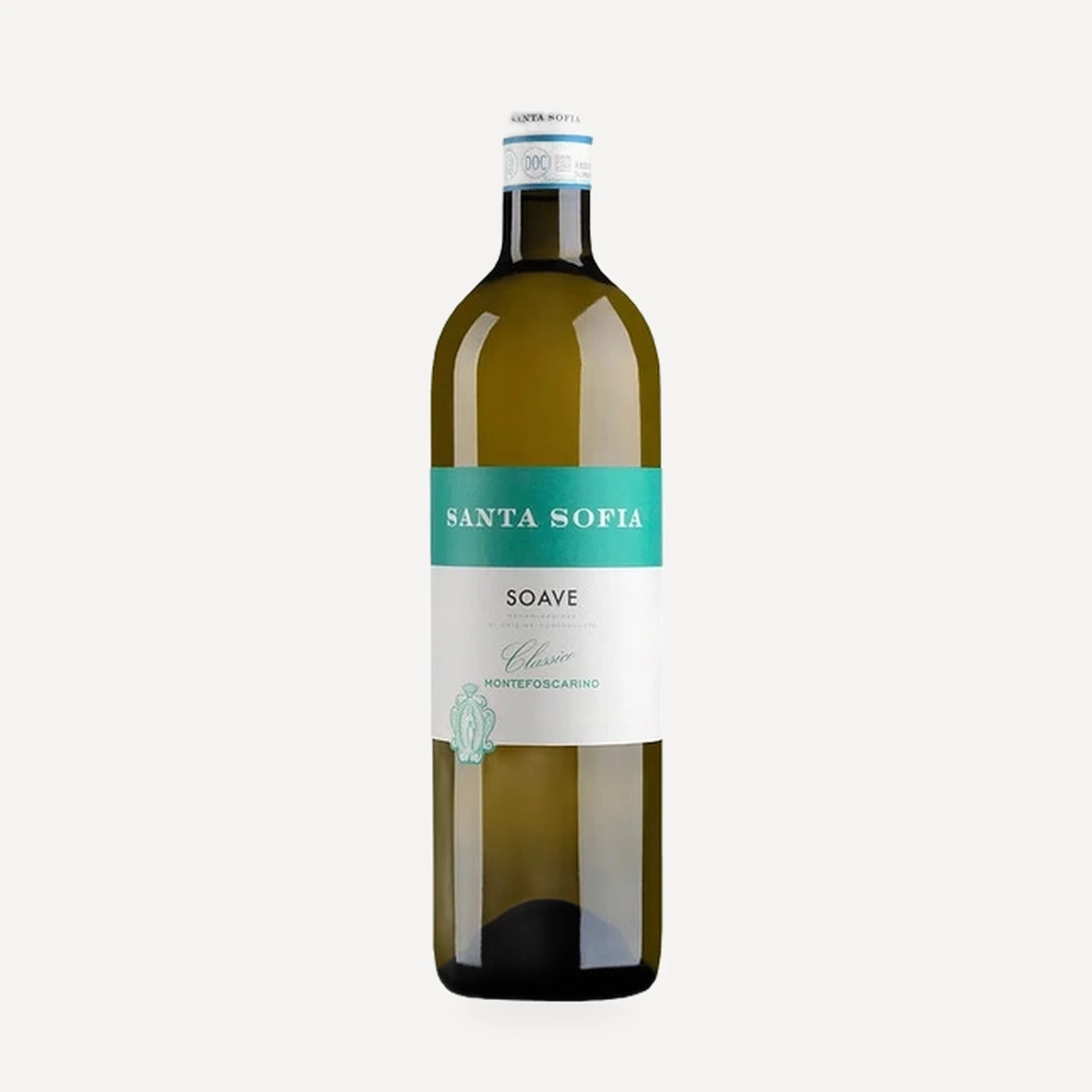
Soave Classico Foscarino DOC
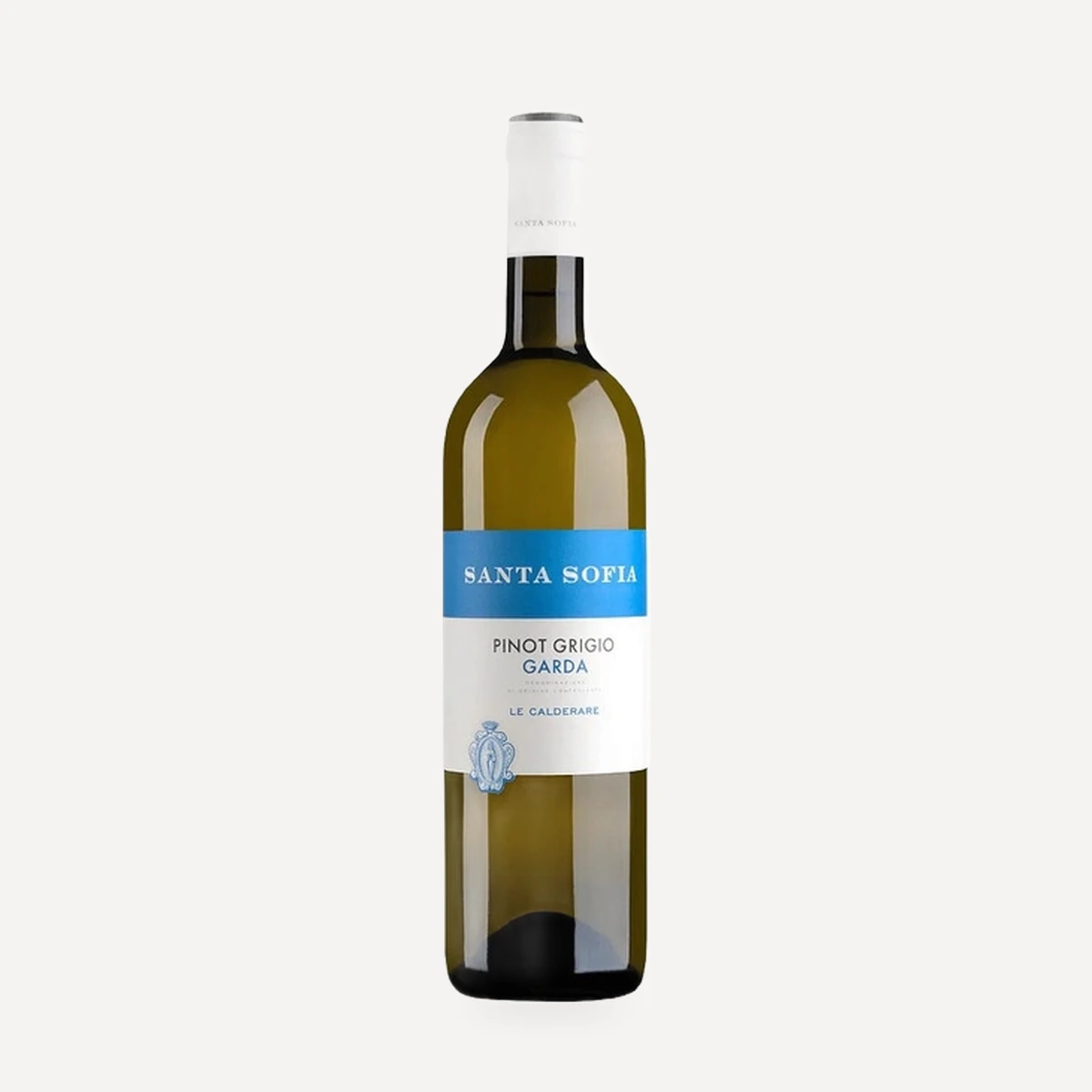
Pinot Grigio Garda DOC
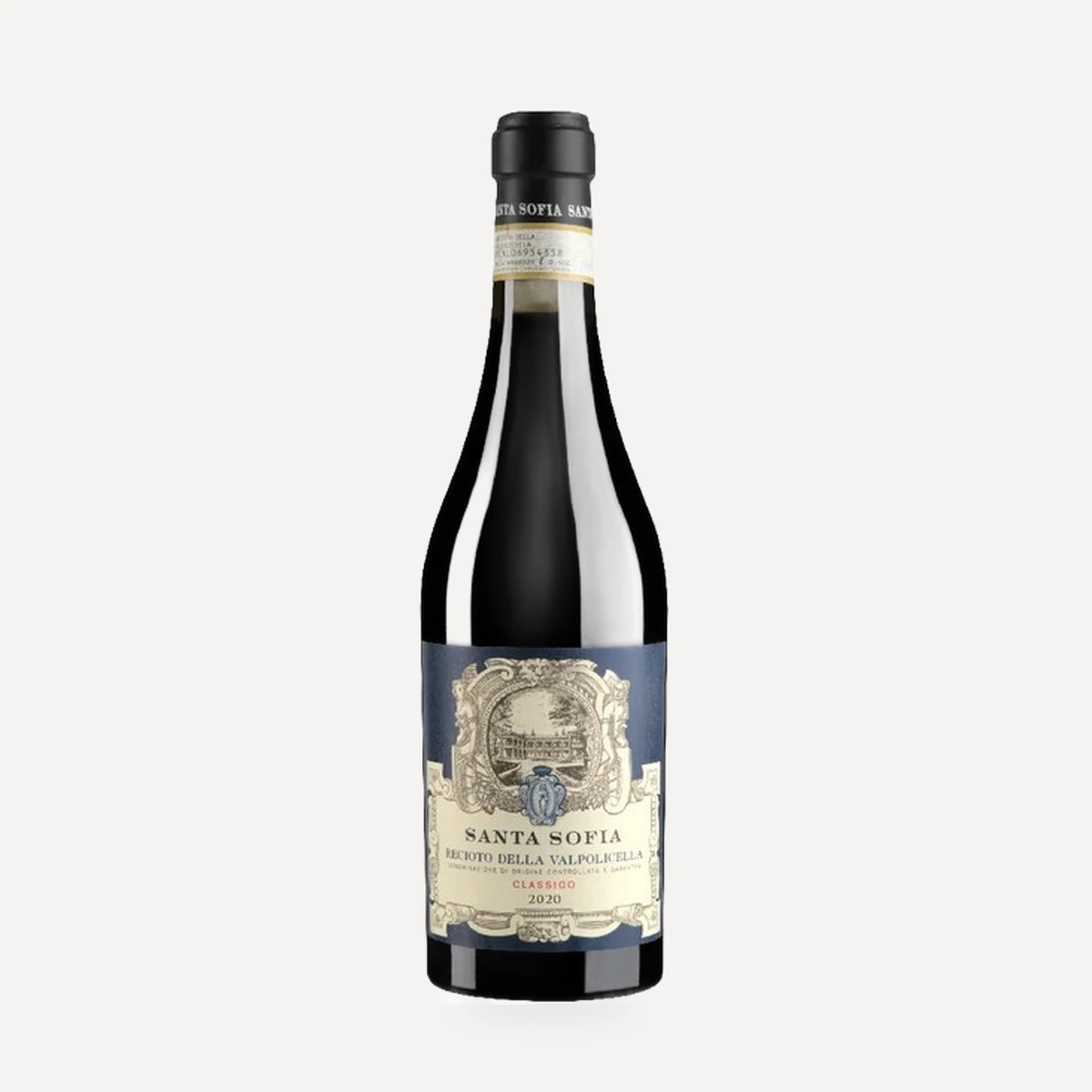
Recioto della Valpolicella Classico DOCG
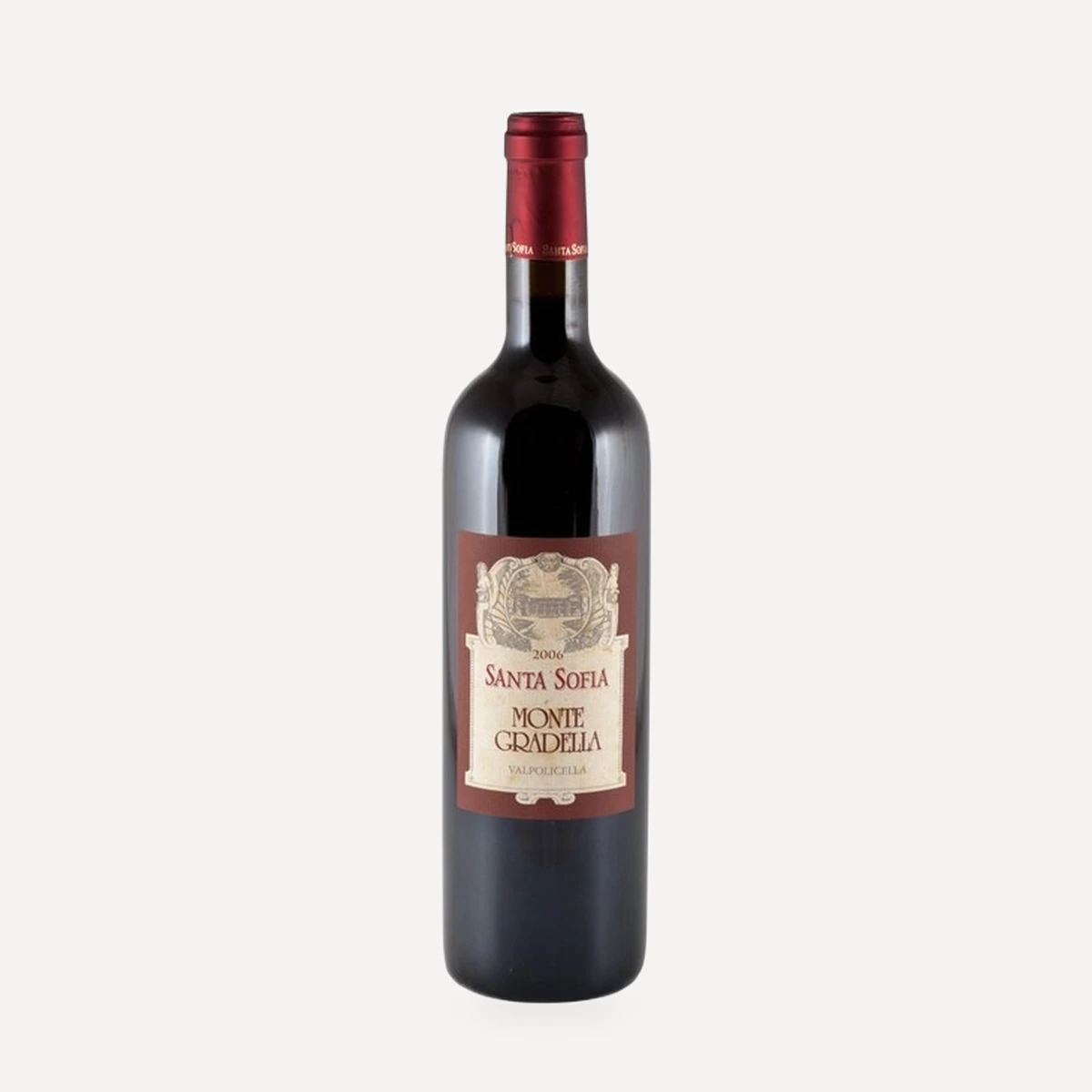
MONTEGRADELLA Valpolicella Classico Superiore DOC
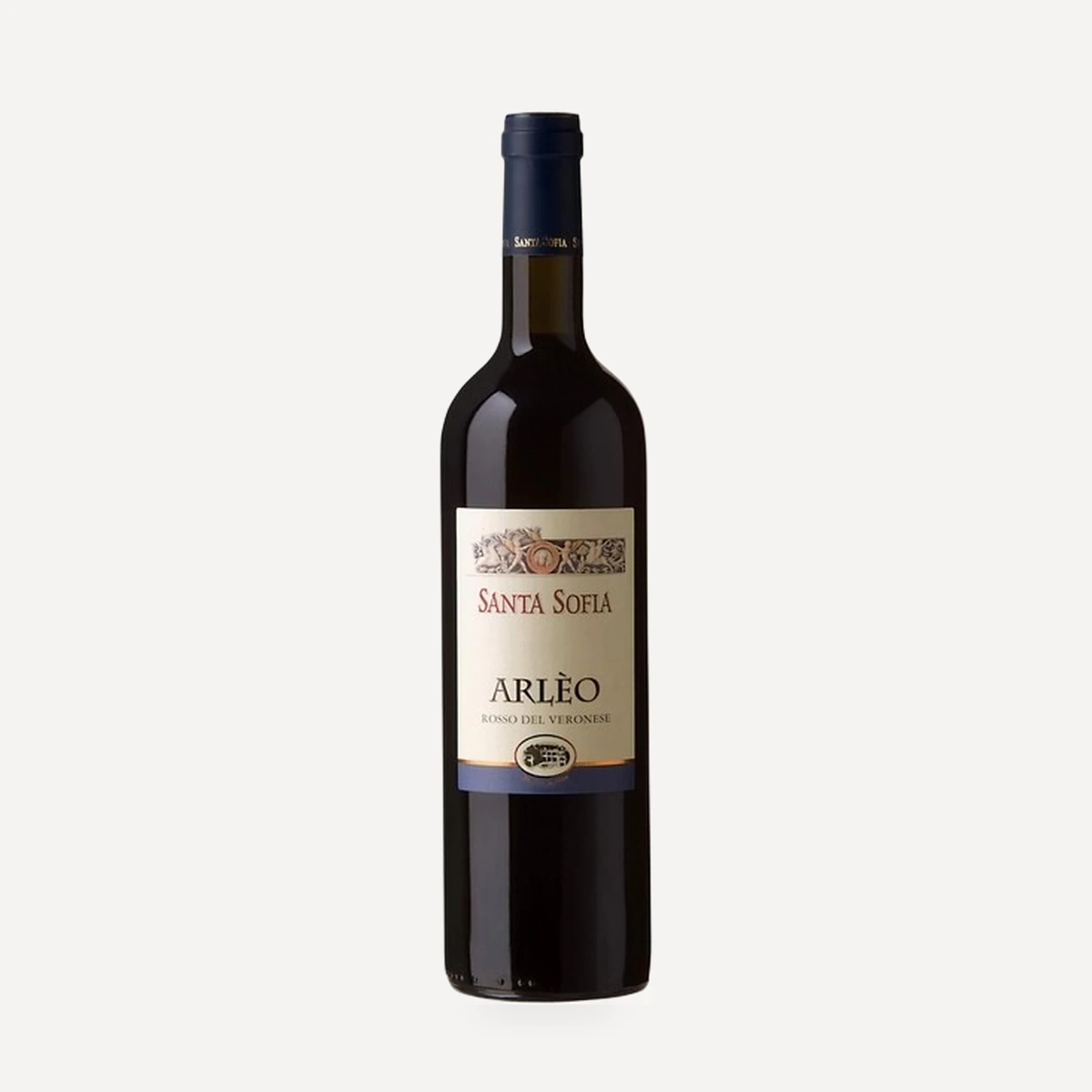
ARLÈO Rosso Veronese IGT
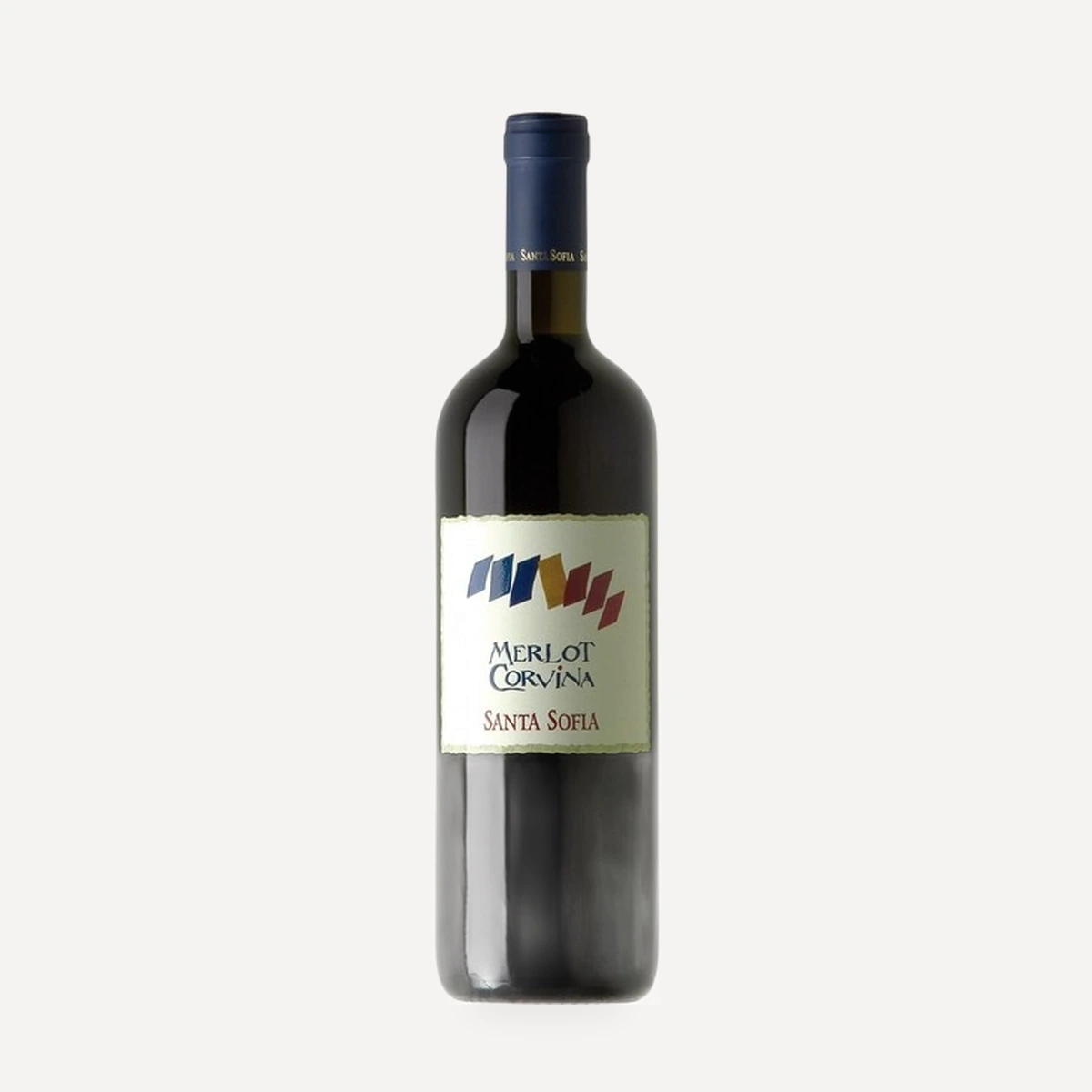
Merlot Corvina Rosso Veneto IGT