Storia
Origins and foundation
The project grew from Sebastian Van de Sype’s childhood in a food-oriented family whose guiding principle was to taste carefully and choose quality over quantity. A continuing interest in beauty and quality shaped his education across music, sport, study and other pursuits. After more than ten years working in business and Formula 1 engineering, he chose to become a full-time wine producer, supported by his wife, Marijke, and their two children.
2020 — Acquisition of Tenuta La Fiaminga
Sebastian Van de Sype was officially founded as a family wine estate and enterprise in 2020, when the family acquired the property and vineyard at Tenuta La Fiaminga. The estate covered almost 10 hectares. Approximately half was planted with Grasparossa, while a small parcel was planted with Trebbiano. The inherited vines were approximately 15–20 years old.
The enterprise was established around estate-grown grapes, uncompromising quality and respect for natural balances. Its agricultural and cellar practices were conceived as a measured interaction between biological processes and human work rather than an extreme or dogmatic approach.
Long-standing family friend Frank Cornelissen became a partner in the project and an adviser across farming, wine production, commercialization and merchandising, contributing more than twenty years of experience as a wine producer and wine specialist.
2021 — First production
The first production followed in 2021. The initial focus was Lambrusco Grasparossa di Castelvetro: sparkling ruby-red wine made through metodo ancestrale and metodo tradizionale, with fermentation or refermentation completed in the bottle. The portfolio subsequently developed around red and rosé expressions under the Ancestrale and Rifermentato in bottiglia names.
2025 — Winery-development project
By the 2025 milestone, an estate-development project had been initiated that envisaged construction of a new winery on the property within the following five years.
Terroir
Tenuta La Fiaminga lies on Via Medusia in the hills of Castelvetro di Modena, near Levizzano, at approximately 44.503185, 10.915436. The vineyards occupy an estate of almost 10 hectares and are surrounded by woodland and biodiversity.
The planted slopes combine eastern, southern and western exposures. Approximately half of the property is devoted to Grasparossa, accompanied by a small parcel of Trebbiano. The vines are generally described as 15–20 years old, with recent production descriptions giving an average age of about 20 years.
Vinificazione
Viticulture is based on a deliberate balance between natural and biological processes and human intervention. Manual labour is retained wherever practicable, while daily farming decisions aim to respect natural equilibrium without taking the approach to extremes.
The vineyards have been farmed organically since planting. Treatments remain within European organic standards, and systemic chemicals are entirely excluded. The surrounding woodland forms part of a biodiverse setting around the cultivated area.
The cellar approach follows the same balance between biological processes and human intervention that guides the vineyard. Production is centred on sparkling red and rosé wines made by metodo ancestrale and metodo tradizionale, with fermentation or refermentation completed in the bottle. The objective is a balanced natural product that expresses both grape variety and place while avoiding industrial or corrective additions.
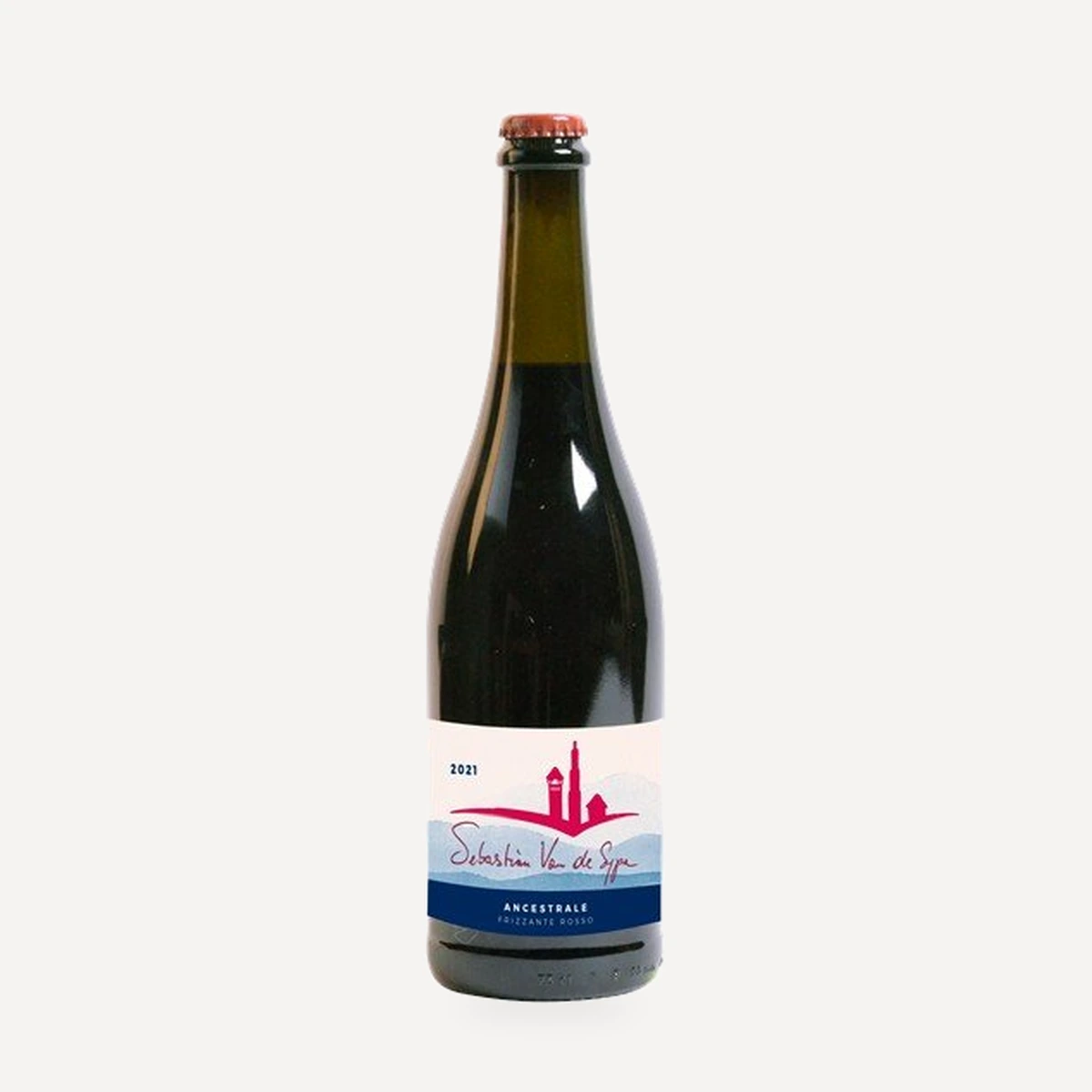
For red wines, the grapes are destemmed, macerated and gently crushed. Ancestral-method fermentations begin in steel tanks with a pied-de-cuve and indigenous yeasts. The partially fermented wine is bottled at the chosen residual-sugar level so that the same fermentation finishes in bottle. These wines are disgorged à la volée; one red release remained on its lees for 36 months before disgorgement.
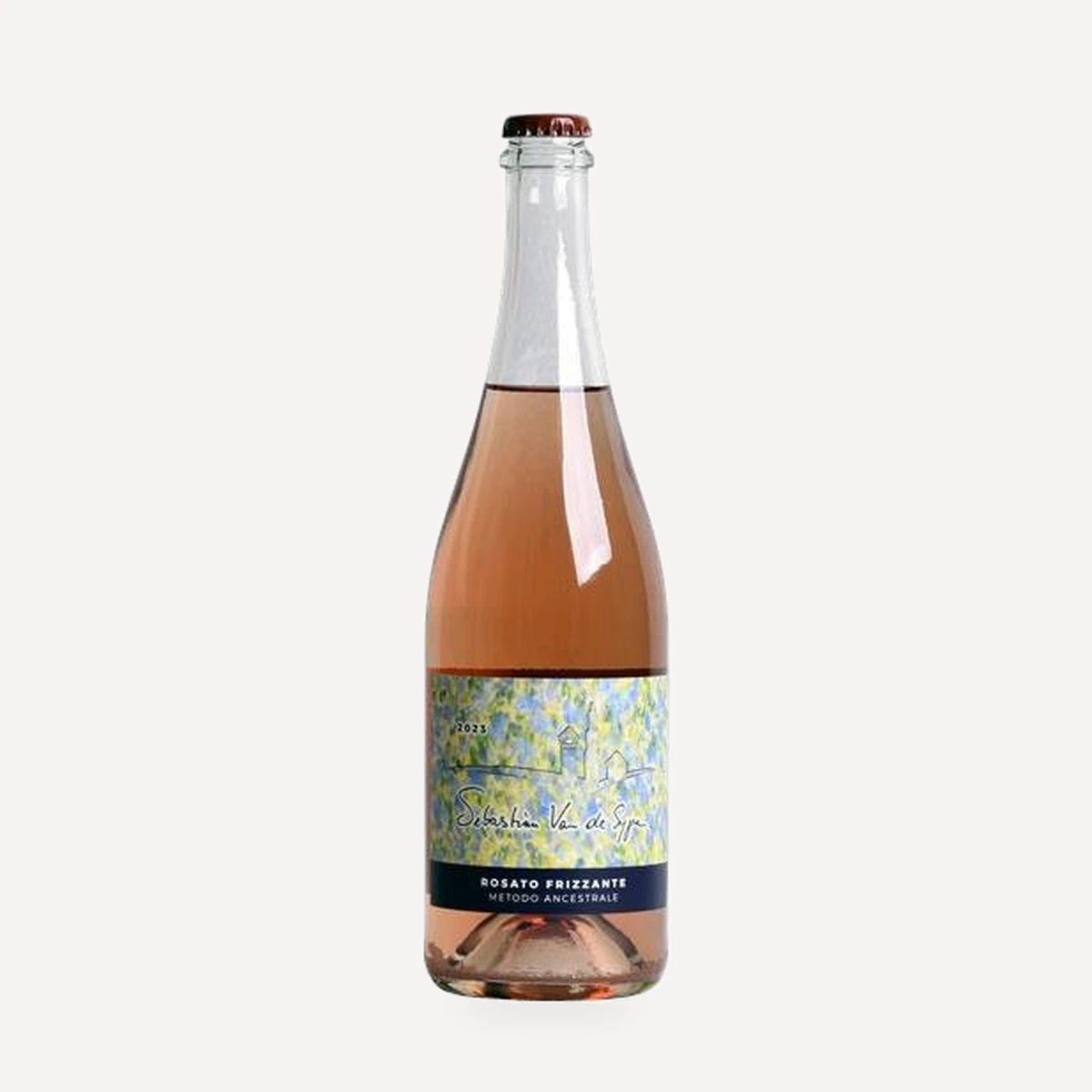
The rosé process uses gentle whole-cluster pressing without maceration. Fermentation is spontaneous, using a pied-de-cuve and indigenous yeasts; it begins in steel and finishes in bottle after bottling at the desired residual-sugar level. Rosé ancestral wines are disgorged à la volée, with the 2022 bottling finished at zero dosage.
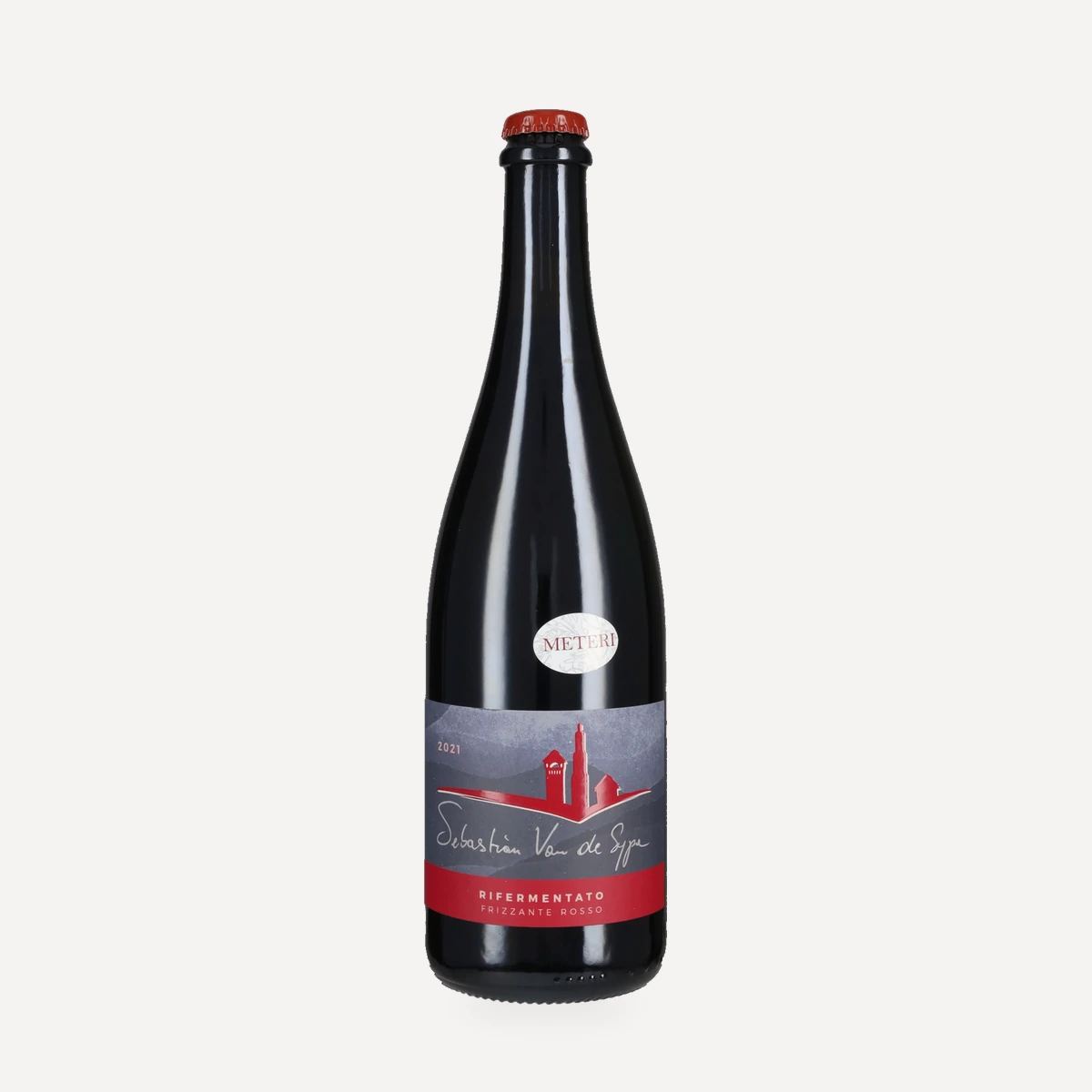
The traditional-method Rifermentato begins with a single-vintage base wine fermented in steel from a pied-de-cuve using indigenous yeasts. A second fermentation takes place in bottle with must from the same vintage. The wine is not disgorged, and the second-fermentation deposit remains in the bottle as a sur-lies expression. Filtration is confined to the base wine after the first fermentation; the finished product is unfiltered.
Ancestral wines receive neither fining nor filtration. Sulphur levels may range from 15 to 50 mg/L, with the decision to add sulphur and the amount used determined by grape quality and wine stability. Bottle-fermented wines are closed with crown caps selected for their permeability characteristics.
Filosofia
Passion, authenticity and perseverance provide the project’s guiding values, while quality and pleasure define its objective. The estate seeks to make wines without compromising quality and with full respect for natural equilibrium.
Its farming and cellar philosophy rests on a fine balance between natural or biological processes and human intervention. Manual work is favoured where practicable, but the project consciously avoids turning its environmental approach into an extreme position. The same measured philosophy governs cellar decisions.
The intended result is a qualitative, balanced and natural wine capable of expressing its grape variety and territory as fully as possible. Industrial or corrective additions are avoided. Sebastian’s formative principle—careful tasting and quality over quantity—links the enterprise to his family background and earlier pursuit of quality across food, music, sport, education and professional life.
Vini
Ancestrale Rosso
Rifermentato in bottiglia