Storia
Agricultural roots and the existing vineyards
Agriculture predates the present enterprise. Vineyards, olive and fruit trees, woodland and hedgerows were already established on the property, while the present vines date from the early 1990s. The founders did not come from farming backgrounds and approached the estate with the intention of learning from its existing agricultural tradition.
2011: foundation of Delle Selve
Loretta and Gianni established Delle Selve in 2011. Their purpose was to preserve and rehabilitate the holding while continuing the agricultural activity historically associated with the land. The project developed around small-batch, artisanal and natural wines, alongside olive oil and other crops.
Estate redevelopment
The physical estate now comprises three principal structures. An old farmhouse was completely rebuilt on its original footprint, retaining the form of the previous-century dwelling. A separate 50 m² winery accommodates wine production and transformation as well as a small direct-sales shop. An underground storage building of approximately 200 m² houses equipment and finished products.
The cellar incorporates restored concrete wine vessels dating from the 1960s. These were returned to use for fermentation and maturation and form the core of the present production system.
Current management
Responsibility has passed to Alberto and Vittoria. Alberto directs work in the fields, production and product sales, while Vittoria manages the estate’s image. The holding currently covers 13 ha: 5 ha of vineyards, 4 ha of olive groves, 1 ha of privately owned woodland and 3 ha of arable land.
Terroir
Delle Selve lies at Via delle Selve 11 in Santa Cristina di Rimini, on the first hills behind Rimini and approximately 15 km from the Adriatic coast. The estate occupies a position between a ridge and the valley, below the old Church of Santa Cristina and close to the borders with Verucchio and San Marino.
The vineyards stand at approximately 150 m above sea level. All 5 ha face north and are divided among three markedly heterogeneous plots. Sea breezes reach the hillside, while the Apennines frame the inland side of the property.
The vineyard landscape forms part of a mixed 13 ha holding containing olive and fruit trees, hedgerows, arable land and privately owned woodland.
Vinificazione
Delle Selve is certified organic in both vineyard and cellar. Copper and sulphur are limited to the minimum quantities considered necessary.
Biodynamic principles complement the organic regime. Natural preparations are applied to encourage beneficial soil microorganisms and maintain fertility. Green manure is used to increase soil nitrogen naturally. The method combines low-impact farming with traditional agricultural practice and is framed as an ethical and environmentally responsible approach.
The vines are part of a diversified farm rather than an isolated monoculture. Woodland, hedgerows, fruit trees, olive groves, an orchard garden, vegetable plots and fields of ancient grains support the estate’s biodiversity. Wildlife observed around the property includes hawks, hoopoes, woodpeckers, hares, wild boar, badgers and roe deer.
The winery occupies approximately 50 m². Concrete is the principal cellar material: wine vessels dating from the 1960s have been restored and are used for both fermentation and maturation. Their thermal properties allow temperature fluctuations to be moderated naturally.
Stainless-steel and fibreglass vessels and oak barrels are employed to a lesser extent, according to maturation requirements. Fermentations begin spontaneously. Additives and invasive chemical processing are avoided, sulphites are kept to minimal levels, and refrigeration is not used to control fermentation temperature. The wines are bottled without filtration.
Production is organised as numerous small batches. Each harvest is allowed to retain the particular character of its vintage without corrective intervention, with the broader objective of preserving an unforced expression of the place.
Filosofia
Delle Selve’s guiding idea is to work within an agricultural landscape that existed before the enterprise itself. The founders describe their arrival on the land as an opportunity to learn rather than to impose a predetermined model. Existing vineyards, olive and fruit trees, woodland and hedgerows became the basis for simple, artisanal and natural wines.
The approach seeks to combine sustainable farming with traditional agricultural practice. Organic certification, biodynamic principles, soil-fertility work and restrained cellar intervention are treated as parts of the same objective: high-quality wine and olive oil produced with limited environmental impact.
Vintage variation is accepted rather than corrected. Spontaneous fermentation, minimal sulphites, the absence of refrigeration and filtration, and the use of restored vessels are intended to retain the individuality of each harvest and its connection to the estate.
Environmental responsibility extends beyond winegrowing. Biodiversity protection, renewable energy, wastewater treatment and rainwater recovery form part of the estate’s day-to-day agricultural model.
Vini
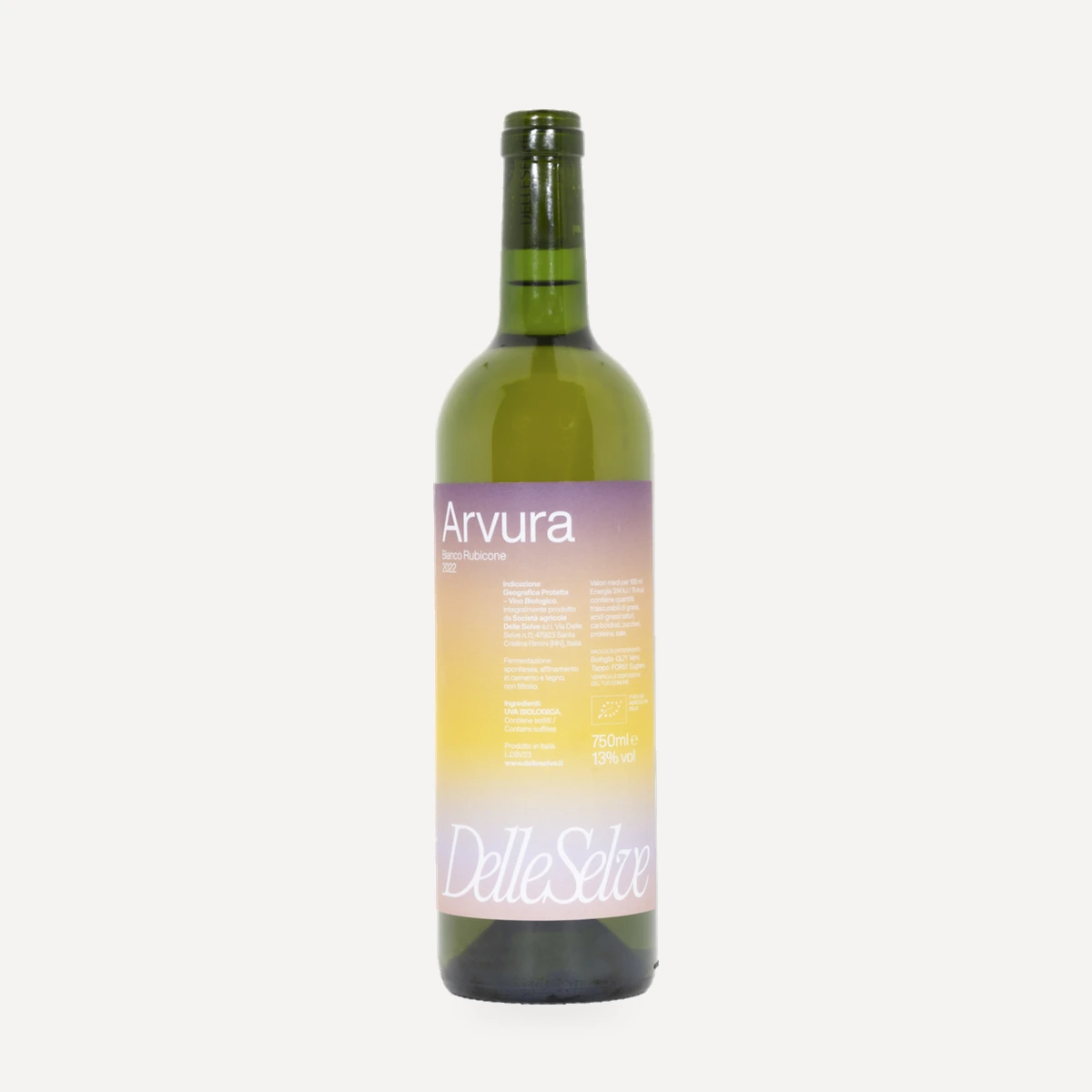
Arvura
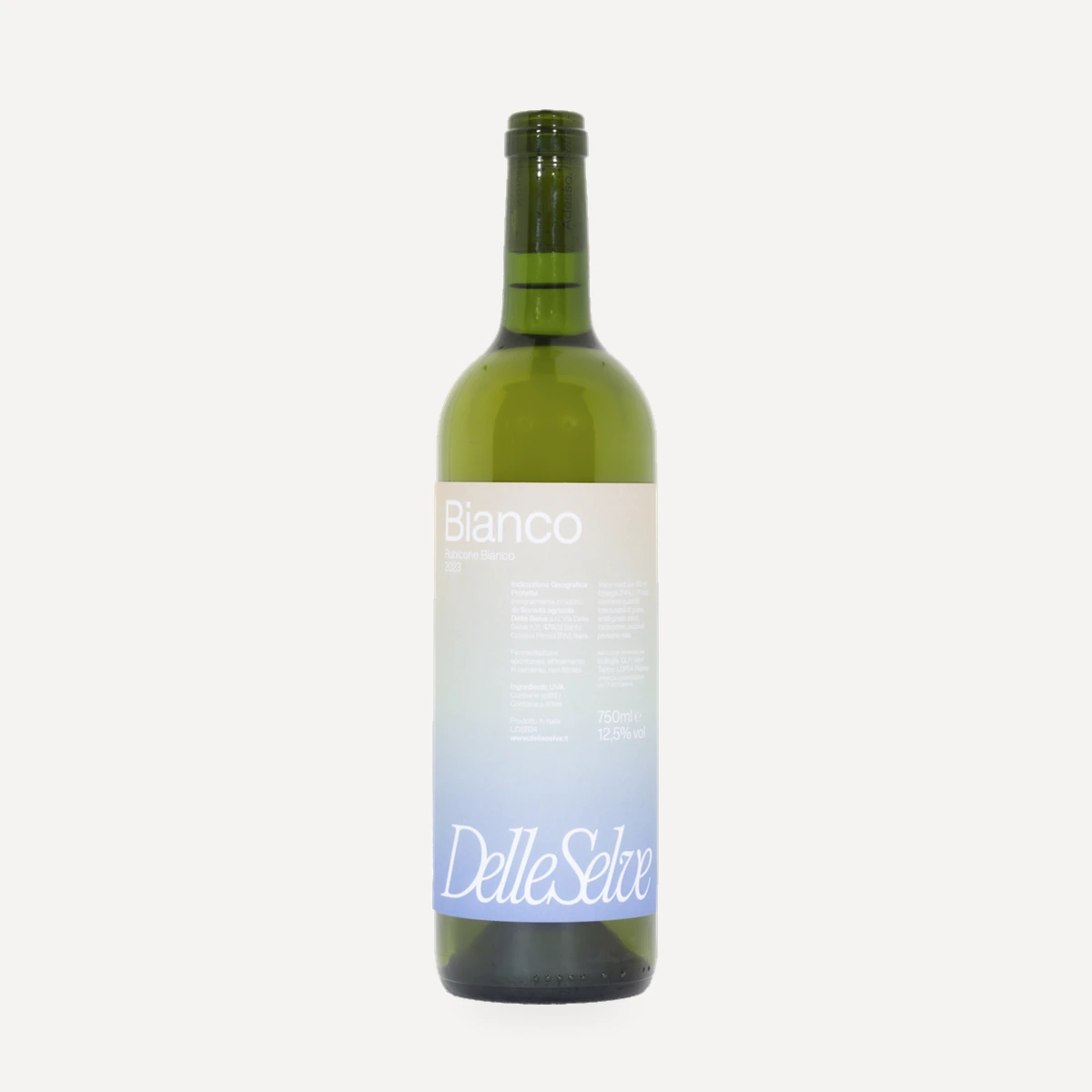
Bianco
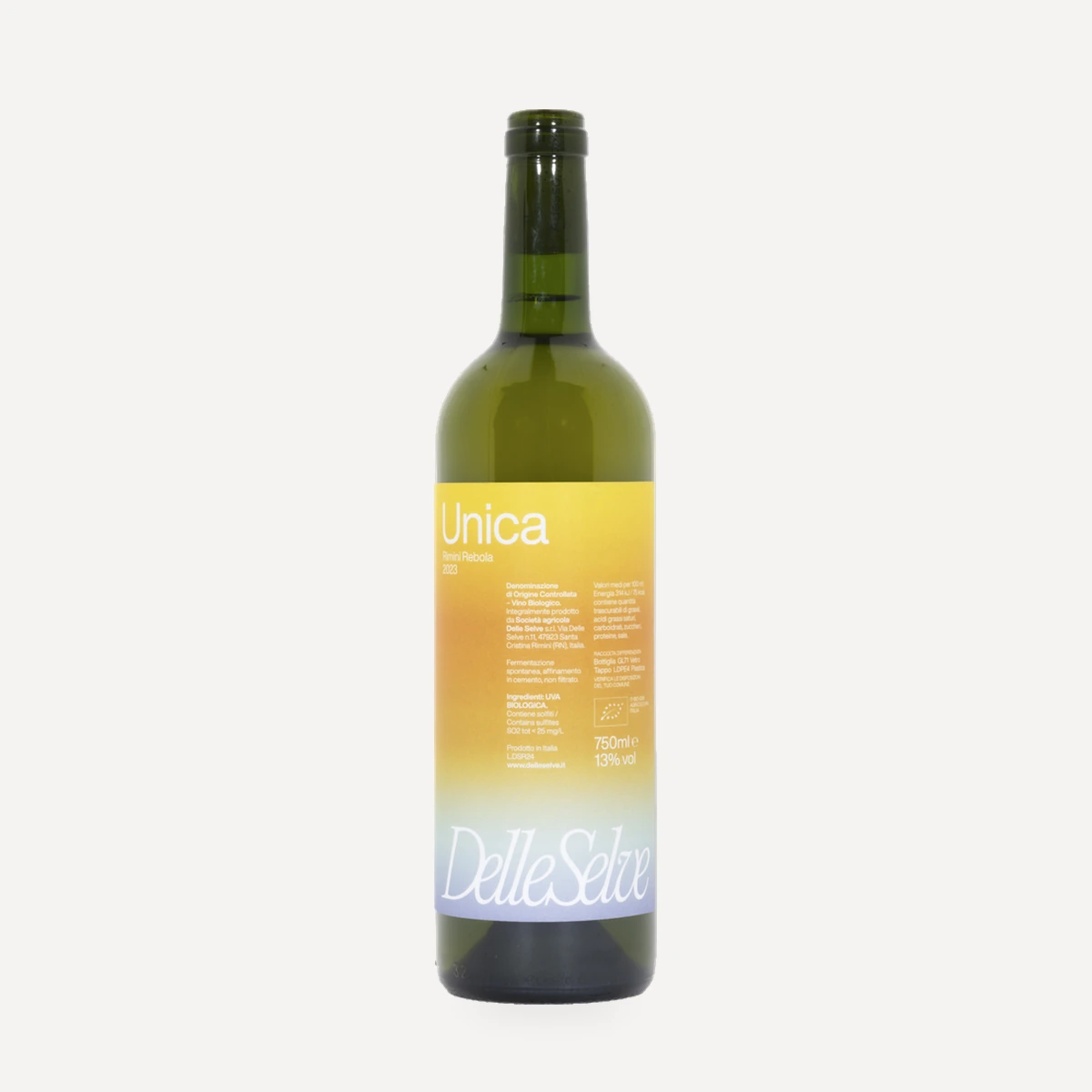
Unica
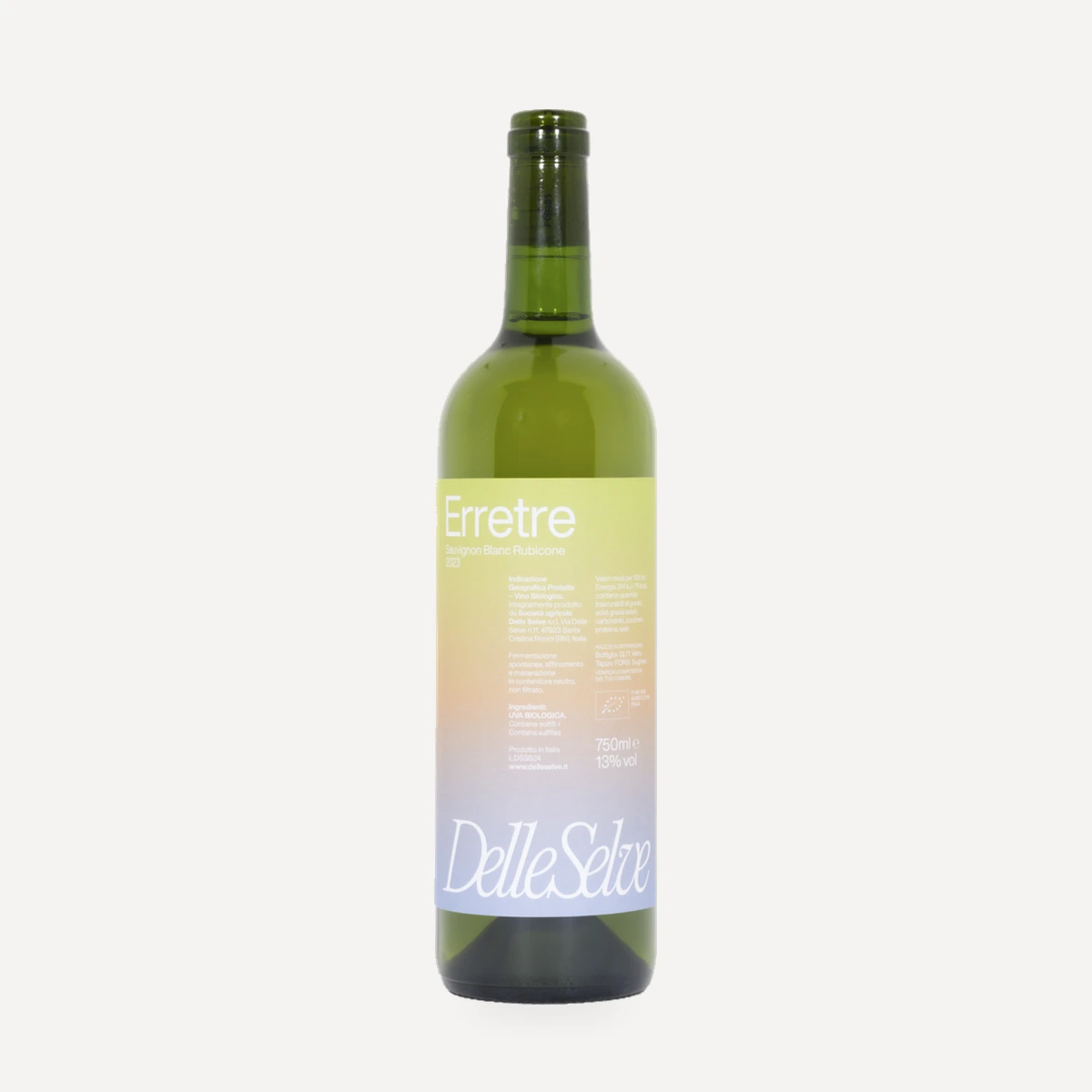
Erretre
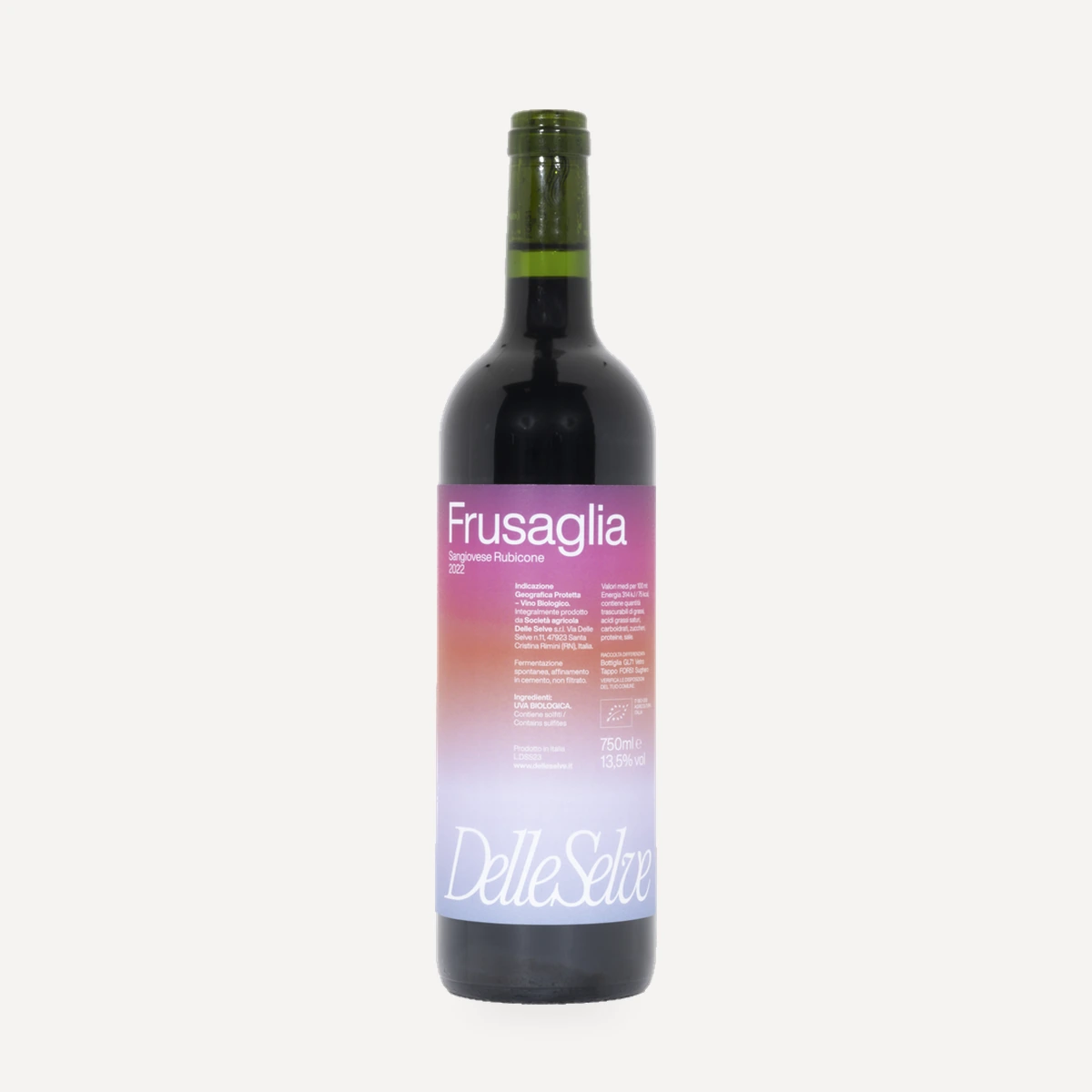
Frusaglia
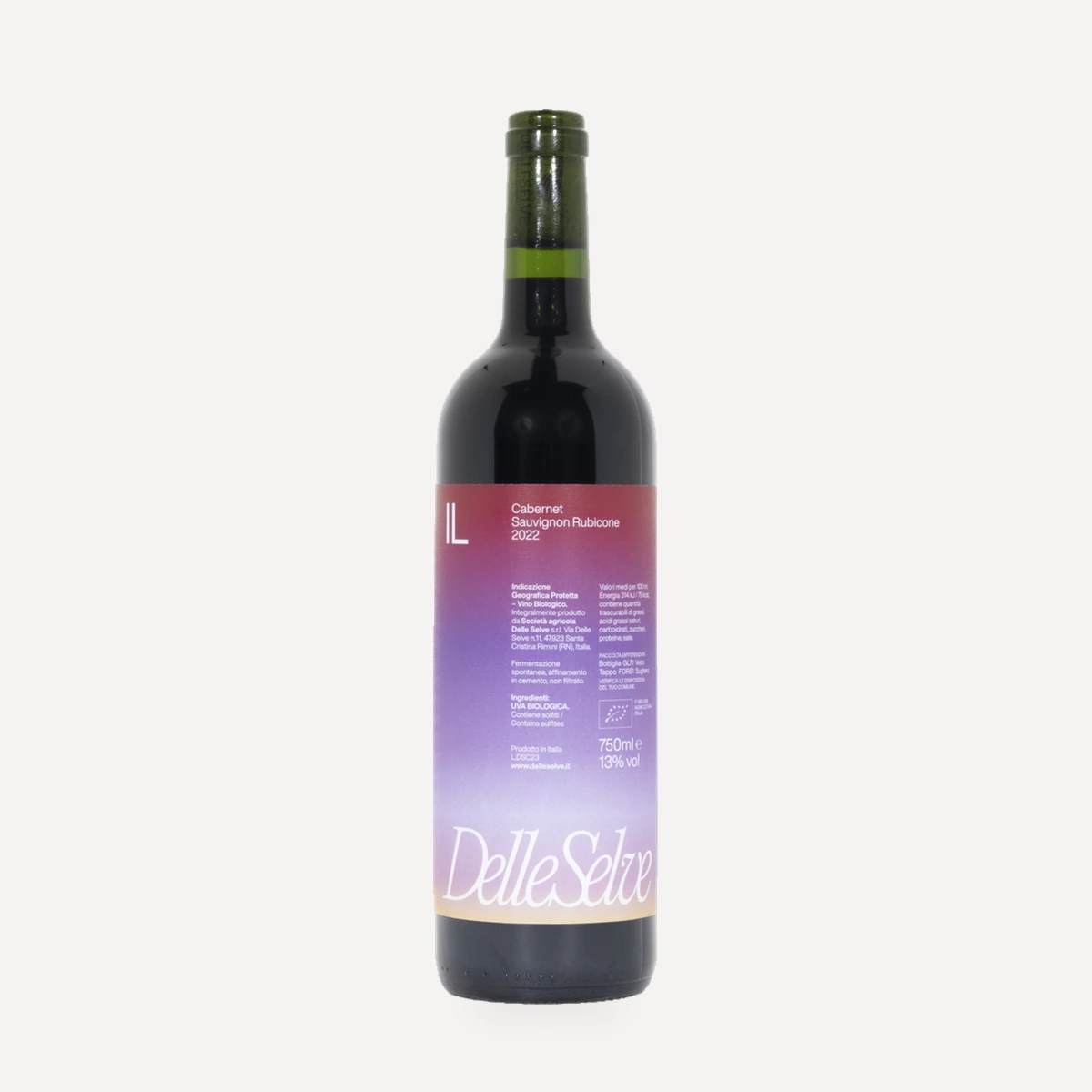
IL
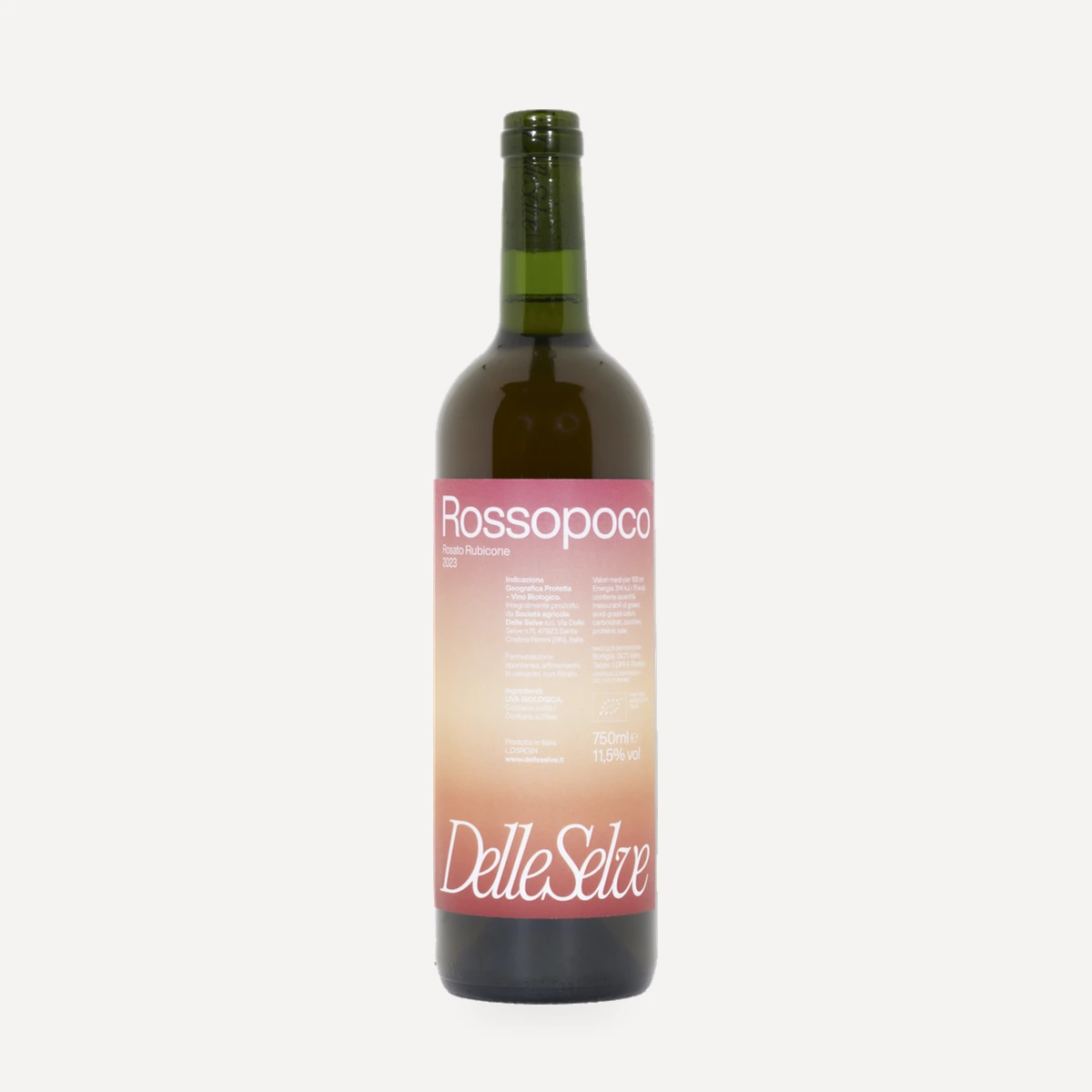
Rossopoco
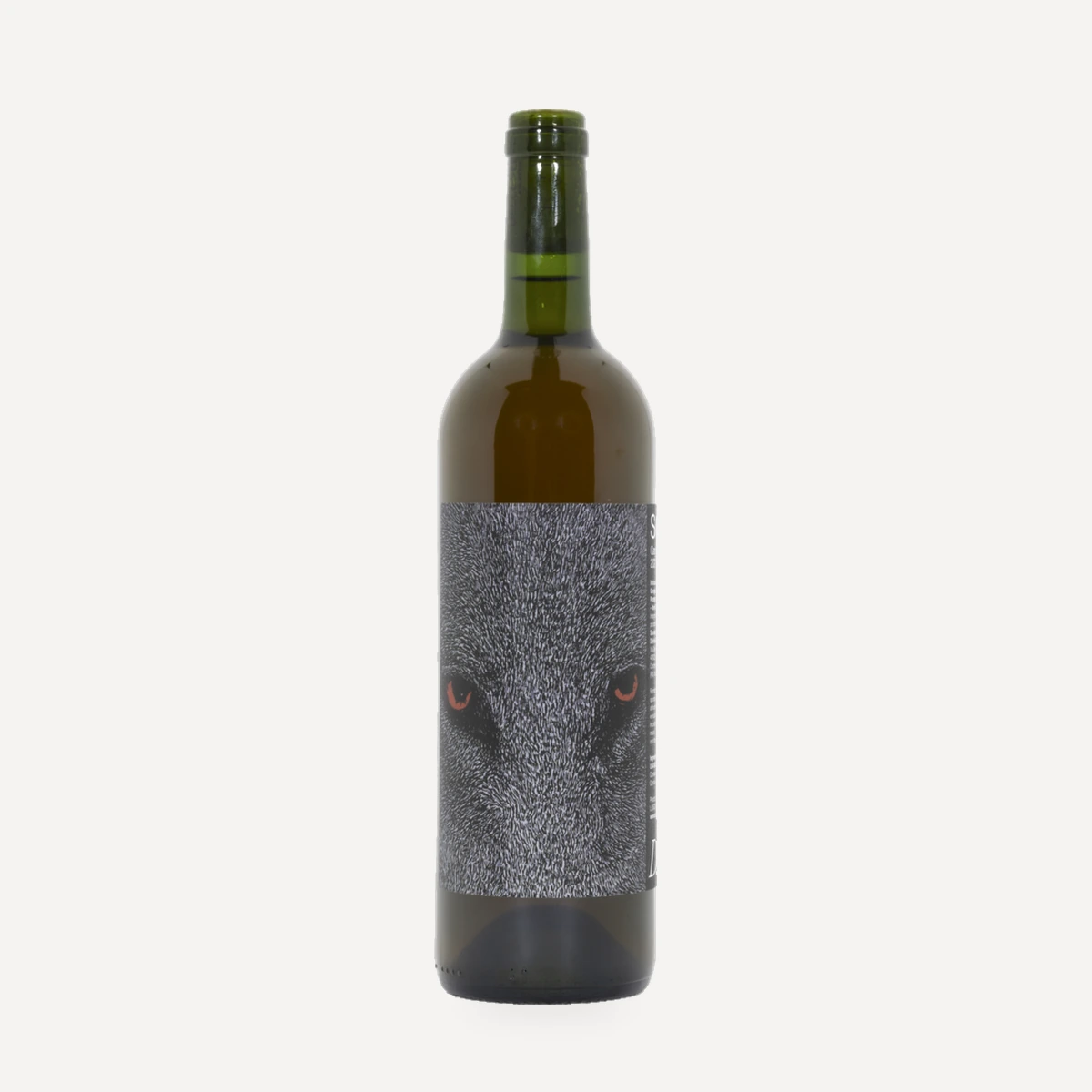
Selvatico
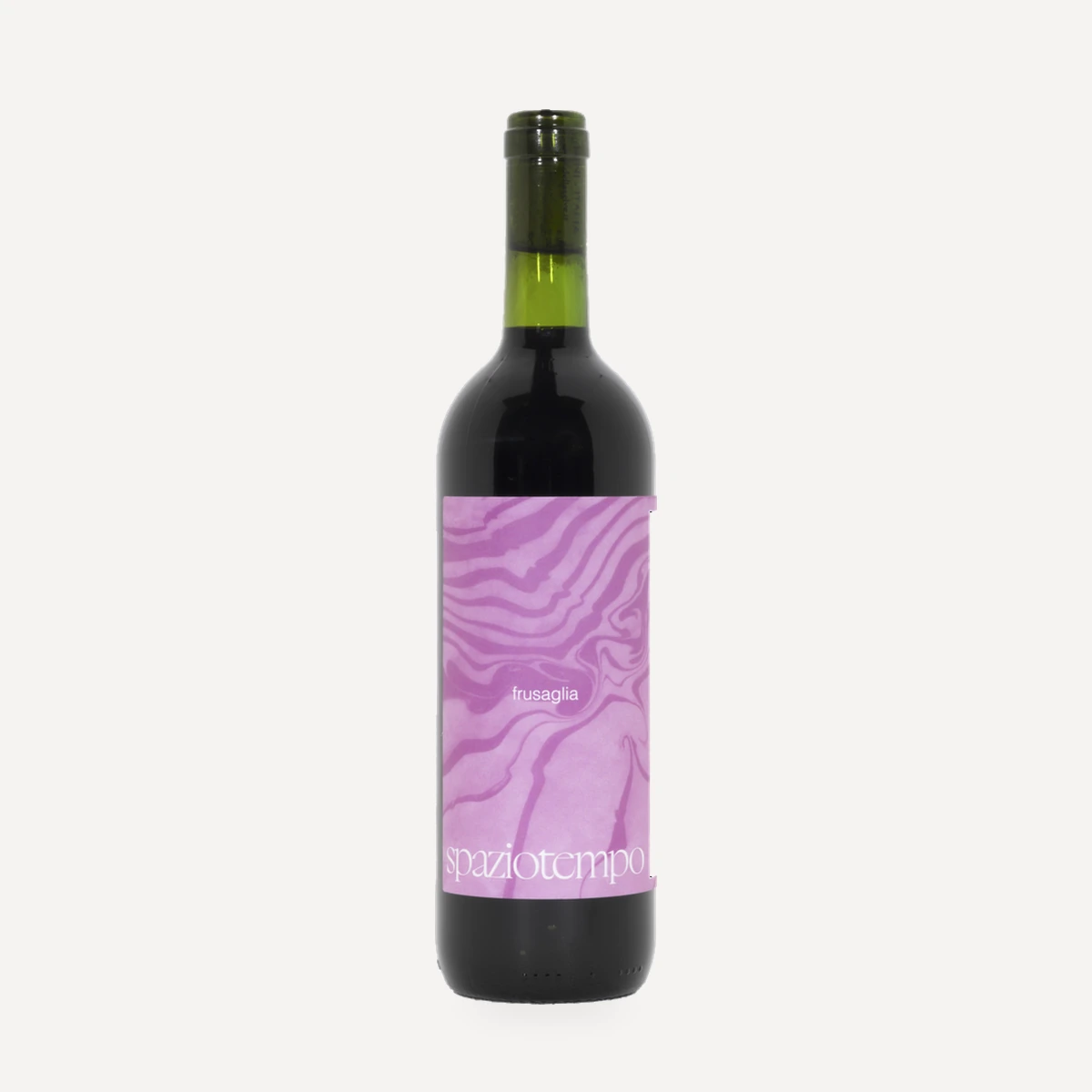
Spaziotempo frusaglia
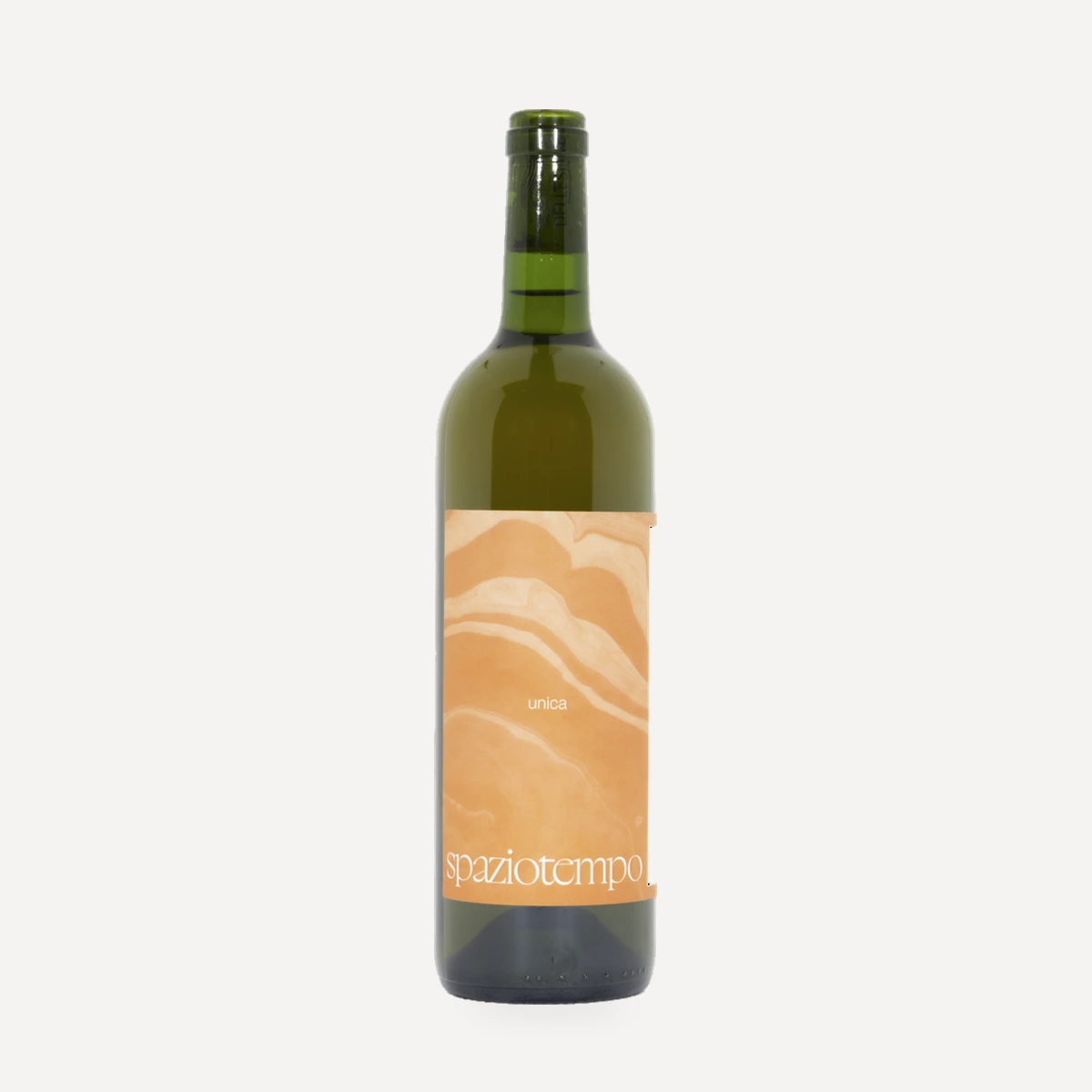
Spaziotempo unica