Storia
1970: acquisition of the property
In 1970, Renato, a passionate wine enthusiast, purchased a rocky property in the heart of Chianti Classico. Its position and exposure appeared particularly well suited to Sangiovese. The hillside’s continuous sunlight inspired him to name the estate Solatione, evoking a land illuminated by the sun throughout the day.
Preparing the rocky ground for vines required two years of work, undertaken before modern machinery made such operations easier. The estate marks 1972 as the beginning of Solatione, commemorating the period 1972–2022 as its first 50 years.
1974: first harvest
The first harvest took place in 1974. Friends and relatives joined the family in picking the crop, and the occasion became a collective celebration, ending with the family and helpers gathered around large tables for a meal.
Until 1991: wine sold in bulk
Through the 1991 vintage, the estate did not market wine under its own bottled label. Its production was sold in bulk to other bottlers in the area.
1992: estate bottling and commercial expansion
In 1992, the family began bottling and marketing wine under its own brand. Over the following years, Solatione entered major international markets, while its labels received awards and high guidebook scores.
1999: generational succession
Renato died in 1999. His passion for winegrowing and dedication to the estate had already been transmitted to his children, who consequently assumed responsibility for Solatione.
2006: Merlot enters production
Merlot entered production in 2006. The variety was used in small proportions in Chianti Classico and Chianti Classico Riserva and became particularly important for the estate’s varietal Toscana IGT, Rossombroso.
The family today
The present family group comprises Renata; her children Francesca and Fabio; Francesca’s son Elia; and Fabio, Elisabetta and their son Lorenzo. The family expresses its shared objective through the motto “a small winery with a great wine.” A wine club was subsequently established to maintain direct contact with customers and provide access to the estate’s wines.
Terroir
Solatione lies in the heart of Chianti Classico, on a hill approximately 450 metres above sea level. The site receives extensive sunlight—the defining feature behind the estate’s name—and the vineyards have a south-eastern exposure.
The ground is notably rocky. Its composition is described as 65% pure Alberese, a calcareous rock forming a substantial stony skeleton, with the remaining 35% comprising clay and silt. The calcareous component is associated with the structure, minerality, finesse and elegance of the wines. The clay, silt and other mineral constituents contribute colour, brilliance and secondary aromas, including the characteristic brilliant ruby-red appearance attributed to the soil mixture.
Vinificazione
Sangiovese is the principal variety, while Merlot entered production in 2006. The vines are trained using both Guyot and spurred-cordon systems.
Between July and August, the family performs a manual green harvest. Excess bunches are removed so that the remaining fruit can ripen more completely, concentrating work in the vineyard on the quality of the final crop.
Ripening indices are monitored carefully before the harvest begins. The principal harvest period is October and picking is performed exclusively by hand, with selection focused on the best bunches. Grapes intended for the Riserva receive particular attention: fruit from the La Croce section is selected and placed in small boxes. The boxes are transported rapidly to the cellar to prevent premature oxidation.
Harvested bunches reach the cellar quickly, particularly the selectively picked fruit intended for the Riserva, to limit premature oxidation. The grapes pass through crushing and destemming equipment that separates and discards the stems. The berries are broken gently, without tearing the skins or crushing the seeds.
The resulting must descends by gravity into glass-lined cement vats. Alcoholic fermentation takes place in these vessels with the skins remaining in contact with the liquid for approximately three weeks. Once alcoholic fermentation is complete, the wines undergo malolactic fermentation, a stage used to achieve balance, microbiological stability and suitability for ageing.
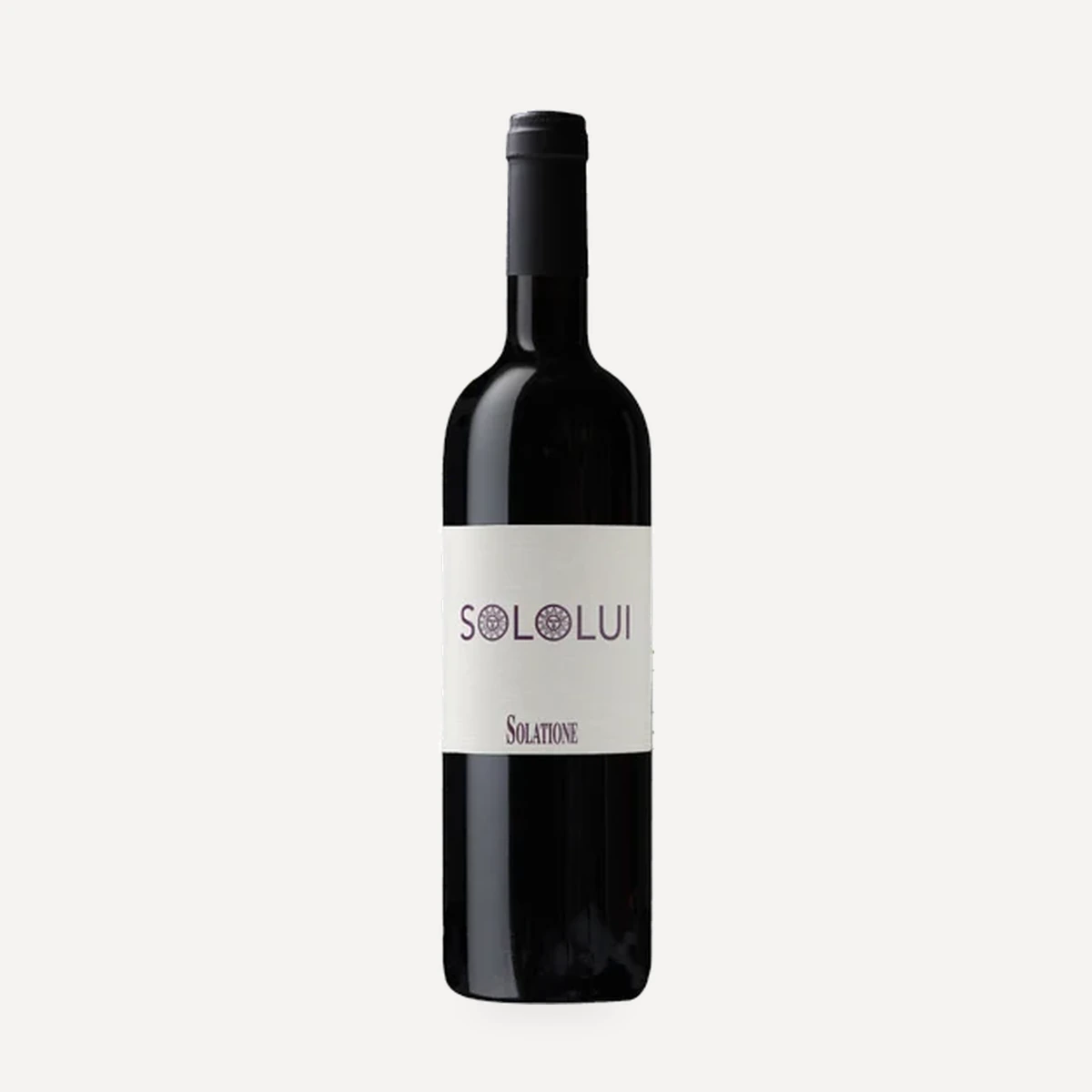
The estate employs both large casks and smaller barrels. Chianti Classico matures for approximately 18–24 months in large Slavonian-oak casks. The Riserva matures for 18 months in barriques. Rossombroso is matured in new or small French-oak barriques; its detailed presentation gives a period of 16–18 months. Sololui is matured in small French-oak barrels for 24 months. Bottle ageing follows before release, with its duration determined by the wine.
Filosofia
Solatione defines high-quality wine as both its mission and its guiding philosophy. This objective begins with intensive vineyard work: controlling the crop manually, following ripening closely, harvesting by hand and selecting the best bunches.
The family’s identity is central to the estate. Renato’s passion for winegrowing passed to his children, while the current family brings together the second and third generations. Their shared motto is “a small winery with a great wine.”
Hospitality follows the same family-centred approach. Tastings are intended to be informal, calm and familiar, encouraging visitors to feel at home while conversations range across Tuscany, travel, family and estate anecdotes. The wine club extends this emphasis on direct personal contact beyond visits to the property.
Vini
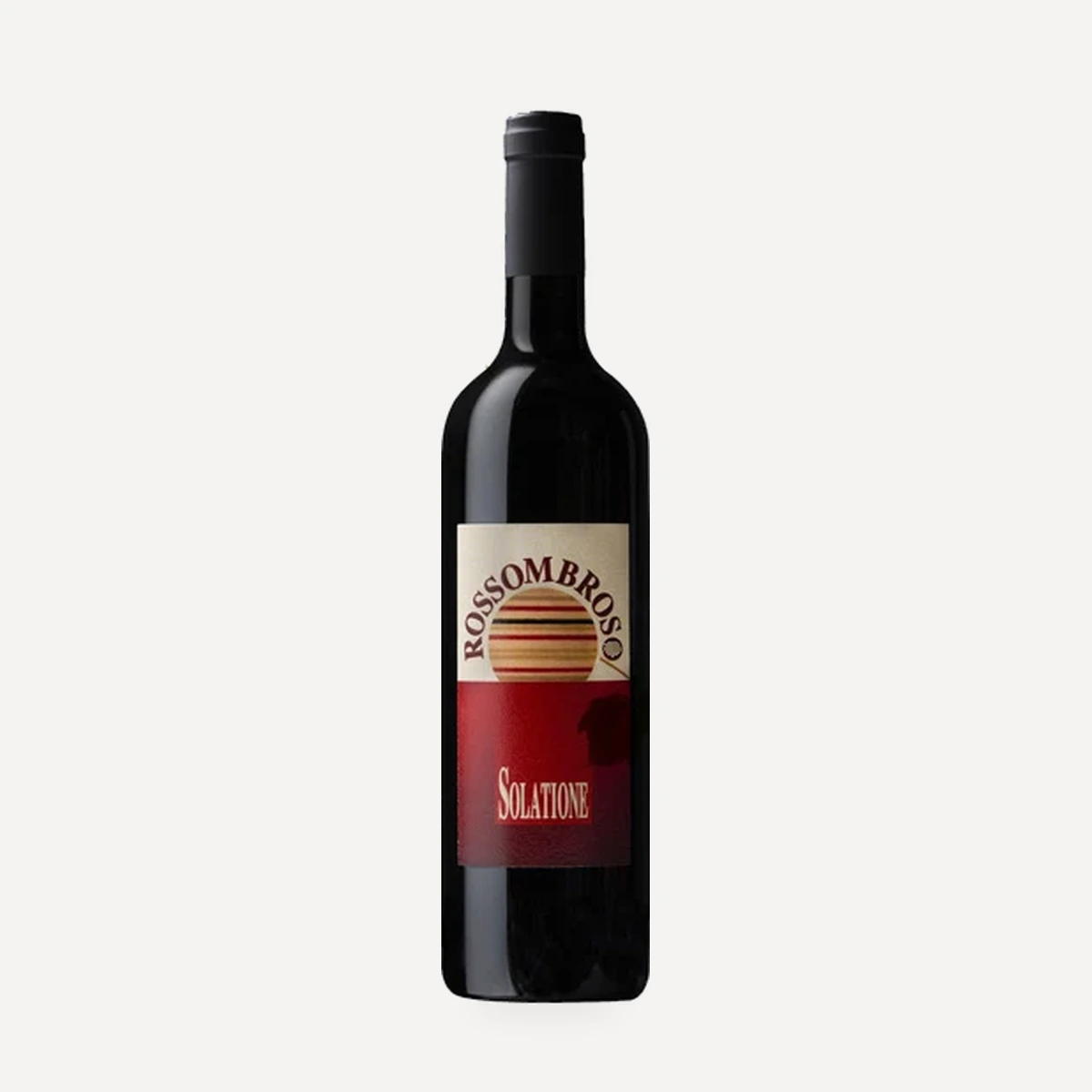
Rossombroso IGT Toscana Merlot
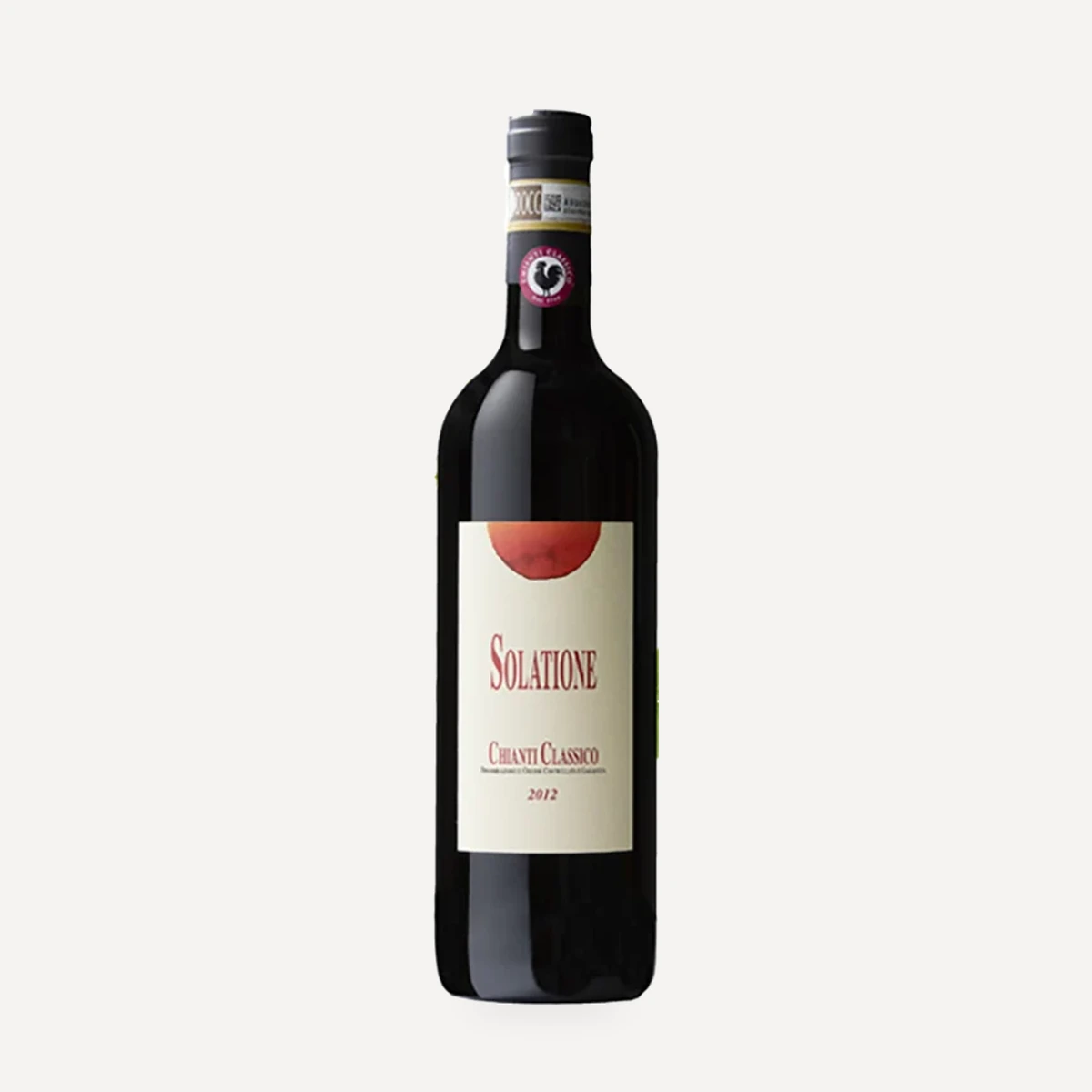
Solatione Chianti Classico DOCG
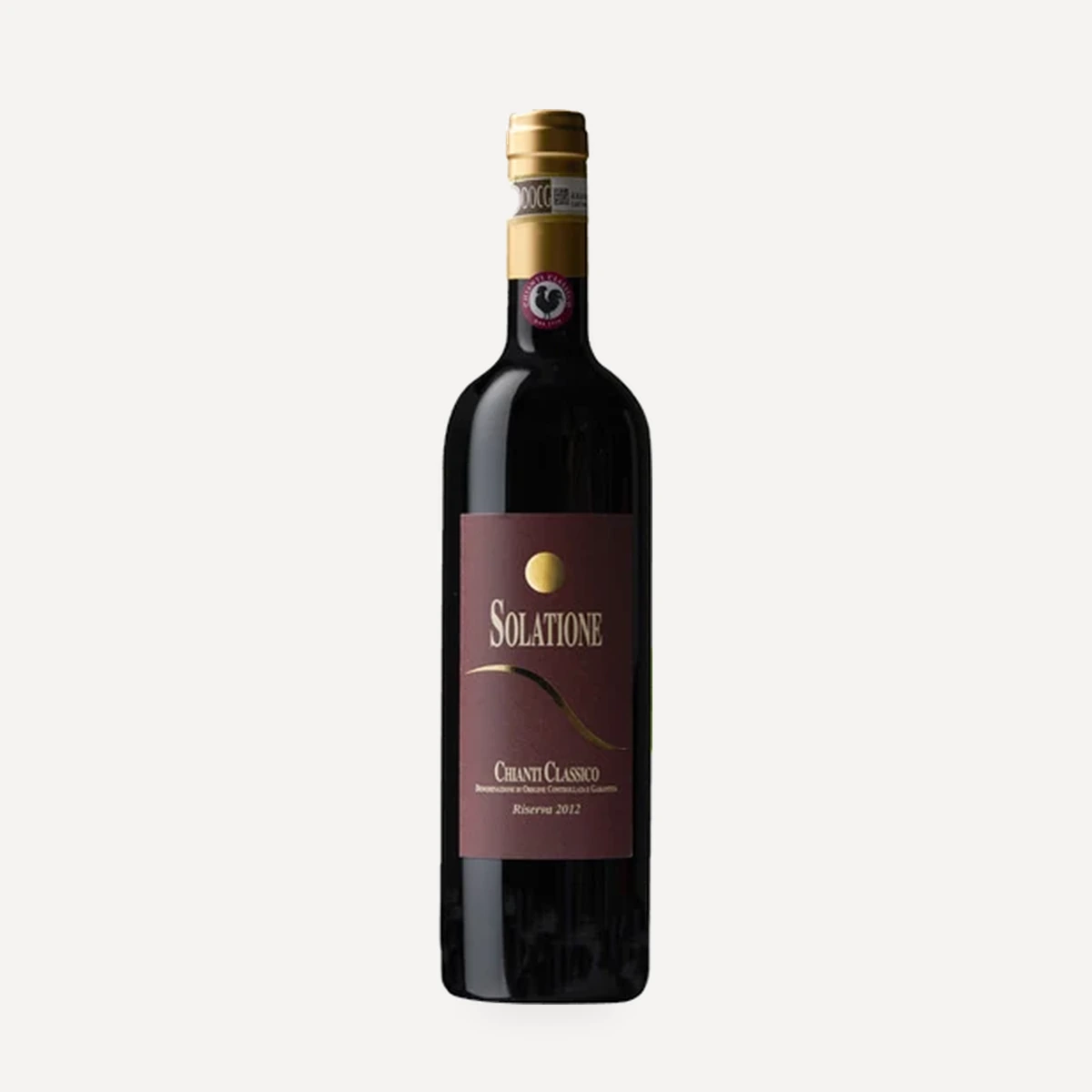
Solatione Riserva Chianti Classico DOCG