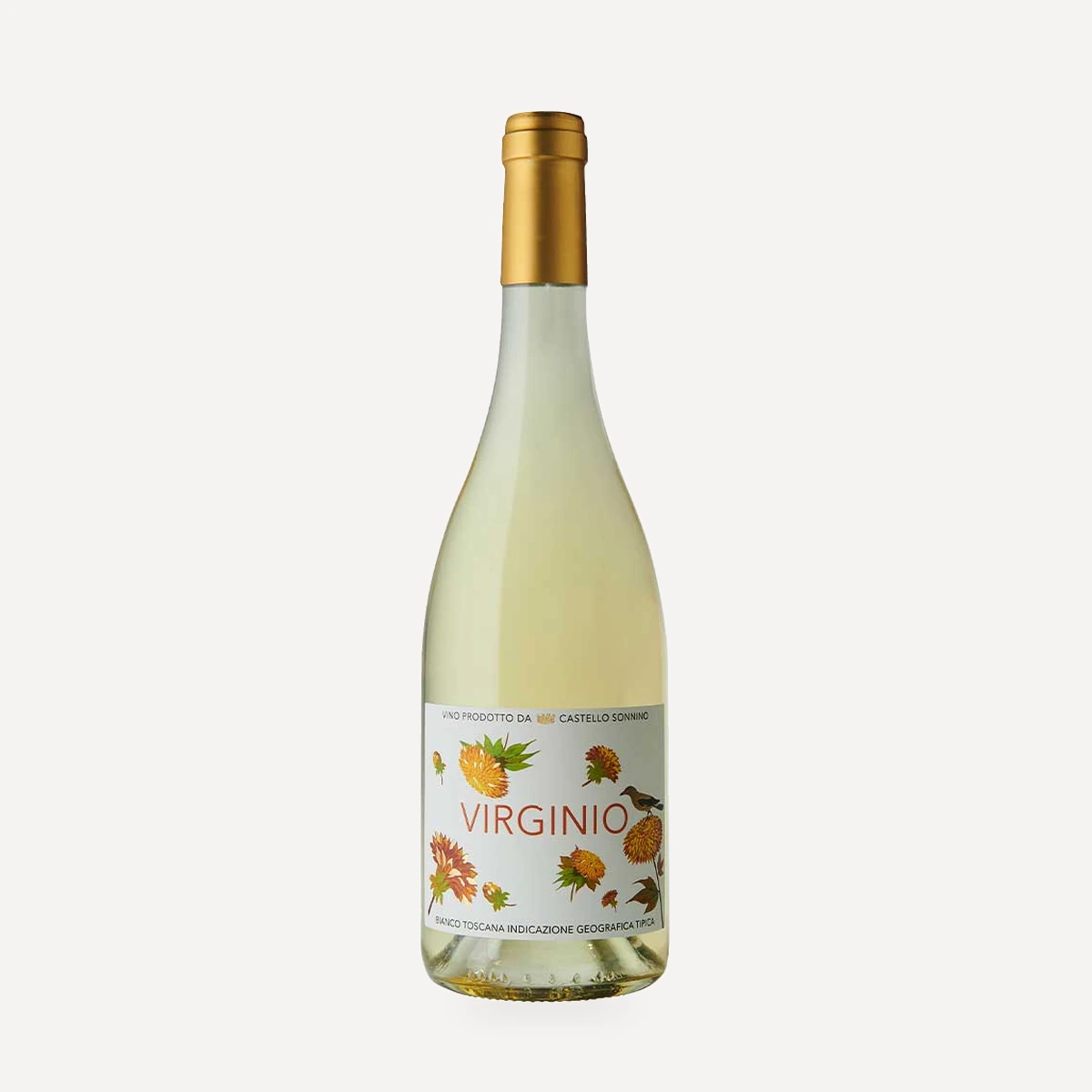
Storia
Medieval and early-modern estate
The estate is centred on a fortified medieval tower dating from the 13th century. A mansion was built around it in the 16th century, while the monumental cellar inside the castle dates from the 17th century. Other surviving agricultural buildings include the 15th-century Cantiniere residence and a farmhouse dating from the late 19th century.
The Sonnino family and the 19th century
Isacco Sonnino acquired the Castello di Montespertoli at the beginning of the 19th century. The de Renzis Sonnino family subsequently made the castle its home and has produced wine and extra-virgin olive oil here for more than two centuries.
Sidney Sonnino was born in Pisa in 1847 and later lived and worked at the castle, including during his years in government. A liberal politician with a strong interest in agricultural reform, he became Minister of Finance and the Treasury in 1893, served twice as Prime Minister—in 1906 and from 1909 to 1910—and was Foreign Minister from 1914 to 1919. He also wrote essays and articles, founded Il Giornale d’Italia, supported universal suffrage and signed the Treaty of London. He died in Rome in 1922.
Vineyard inheritance and archive rediscovery
The oldest dated vineyard sites identified in the estate’s present technical records are Cantini and Martini, both planted in 1974, followed by Borro Santo in 1976.
In 1967, Professor Benjamin F. Brown of the University of Kansas discovered Sidney Sonnino’s archive while staying with the castle’s then owner, Lodovico de Renzis Sonnino. The work was sponsored by Harvard University. Sidney’s rooms were preserved intact, together with correspondence, economic research, projects, iconographic material, foreign-policy papers from the First World War and a substantial library of rare international publications, early editions and long runs of 19th- and 20th-century periodicals.
Renewal from 1987
Baron Alessandro and Baroness Caterina de Renzis Sonnino arrived in 1987 with their children, Virginia and Leone. Their work began a new phase encompassing conservative restoration of the property, protection of its historical and cultural heritage, and renewal of winegrowing.
Alessandro also broadened the vineyard programme. Merlot, Petit Verdot, Syrah, Cabernet Sauvignon and Malbec joined the traditional Chianti varieties Sangiovese and Canaiolo. Dated plantings associated with this period include San Leone in the early 1990s, Fezzana in 1996 and 2004, Alberone in 1997, Ugianello in 2001 and Ragnaia in 2014.
Chianti Montespertoli and cultural development
In 1997, the local terroir received the specific Chianti Montespertoli DOCG designation, described as the smallest of the Chianti denominations. Sonnino became one of its principal producers while continuing to work exclusively with grapes grown in its own vineyards.
Alessandro and Caterina restored the mansion and established the Castello Sonnino International Education Centre, which works with American and Canadian universities on study-abroad programmes. In 2010, Polistampa published the Inventario dell’Archivio Sidney Sonnino, edited by Roberto Baglioni. The castle is affiliated with both ADSI—Associazione Dimore Storiche Italiane—and Case della Memoria.
Terroir
The vineyards lie at Montespertoli in Tuscany, overlooking the valleys of Florentine Chianti. Their recorded elevations range from 250 to 290 metres above sea level.
The soils vary among the named sites and include clay loam; clay with tuff and gravel intrusions; and combinations of clay, limestone or limestone stone, and gravel. The estate associates its clay-rich ground particularly closely with Merlot.
The vineyard sources used for the estate’s white and Vin Santo production lie at 250–260 metres on clay-loam soils. Ragnaia and Fezzana are recorded at 290 metres on clay with tuff and gravel. San Leone, Alberone and Ugianello contribute fruit from clay-dominant soils with limestone and/or gravel components, while Borro Santo, Alberone and Ugianello together supply a 280-metre source characterised by clay, limestone and gravel.
Vinificazione
Sonnino works exclusively with grapes grown in its own vineyards. Recorded planting densities range from 3,500 to 5,500 vines per hectare, while crop levels associated with the current technical records range from 1.2 to 2.5 kg per vine.
Harvest timing is adapted to variety and intended style. Syrah for rosato is gathered at the end of August. Trebbiano is picked from mid- to late September. Merlot and other early-ripening red varieties are generally harvested from mid-September, while Sangiovese and later varieties extend through late September and into mid-October. Grapes intended for Vin Santo are selected by experienced workers before drying.
The working team is responsible for both vineyard and cellar activity under technical director Samuele Mammoli.
Historic cellar
The monumental cellar lies inside the castle and dates from the 17th century. Its conditions support maturation in wooden vessels, including large casks and barriques. The estate also retains a historic Vinsantaia and barrique cellar.
Fermentation and maturation
The current range demonstrates the use of stainless-steel tanks, concrete tanks and combinations of the two. Selected yeasts are used, with recorded fermentations running from 15–18 days for several younger reds, 18–20 days for Riserva, 20–22 days for Sangiovese intended for longer ageing and 25 days for Trebbiano, Syrah rosato and Merlot.
Fresh styles are matured in concrete or bottle without wood. Other wines age in French oak: Sangiovese and Merlot spend 18 months in French barriques, while Chianti Montespertoli Riserva matures for 16 months in 27-hectolitre French-oak casks.
Vin Santo
Trebbiano for Red Label Vin Santo is harvested in late September and dried traditionally on mats for four months. The concentrated must is vinified in small 50-, 100- and 200-litre caratelli, followed by six years of ageing in oak and chestnut caratelli. Selection among the individual caratelli precedes bottling.
Filosofia
Sonnino defines its approach through a combination of tradition, research and experimentation. The estate follows a château model: only grapes from its own vineyards enter its wines, keeping the connection between land and production within a single property.
The family’s declared objectives unite the pursuit of excellence with respect for inherited practices. Traditional Chianti varieties and historic methods—particularly those used for Vin Santo—coexist with international grapes introduced during the modern renewal of the estate, contemporary vineyard plantings, stainless steel and concrete, and several formats of French oak.
The broader family philosophy also encompasses conservative restoration, preservation of the castle and archive, educational work, local food traditions and use of estate-grown or zero-kilometre ingredients in hospitality programmes.
Vini
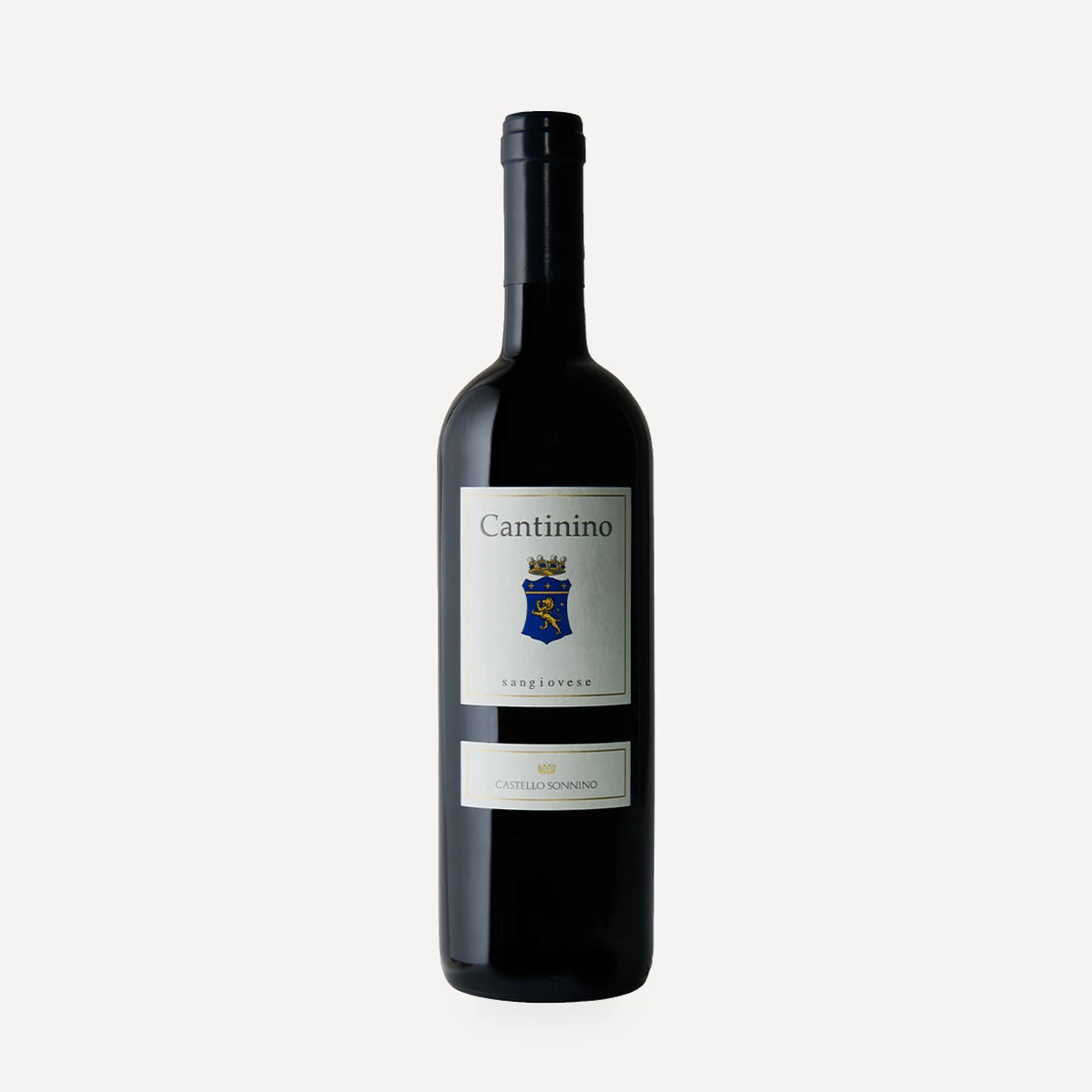
Cantinino
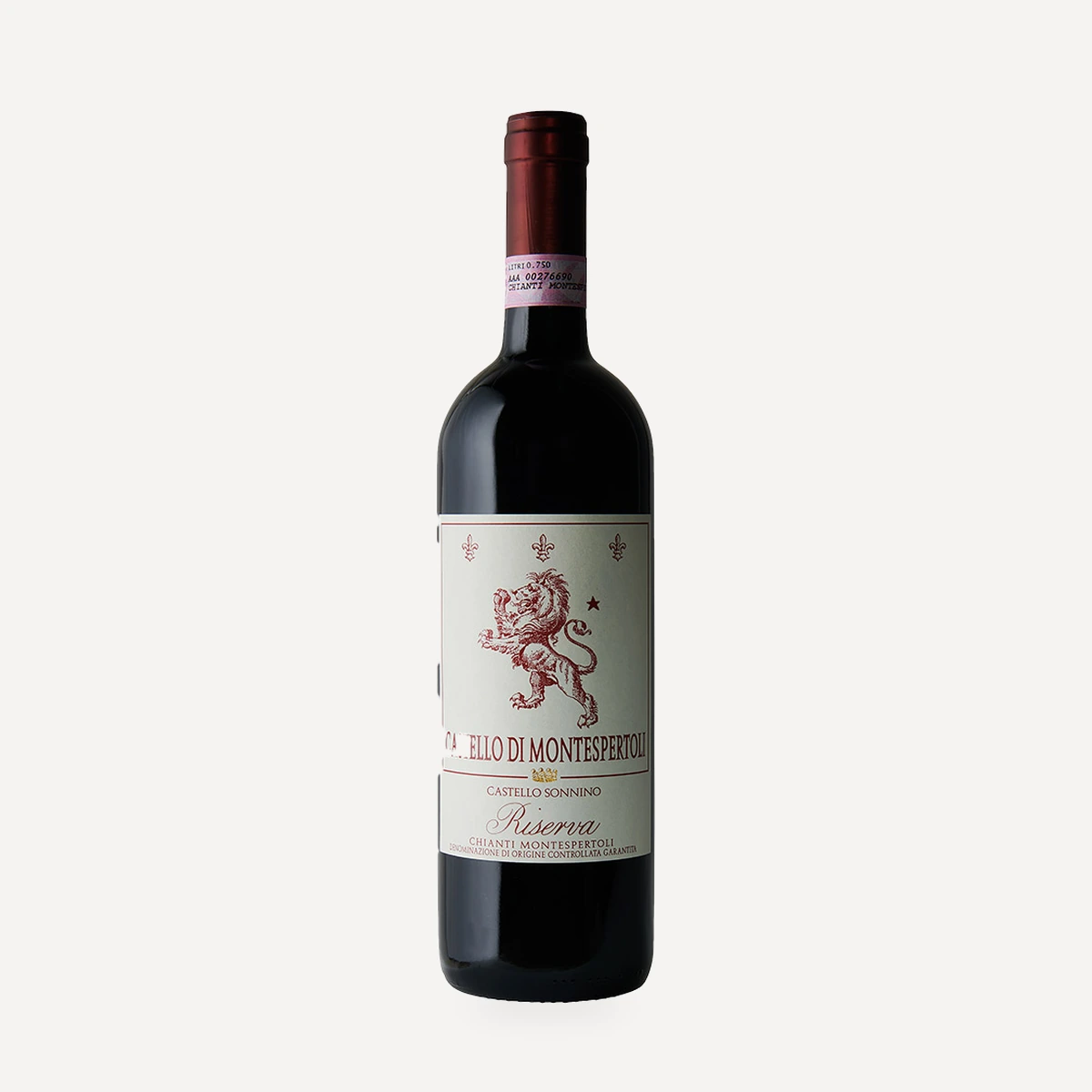
Castello di Montespertoli
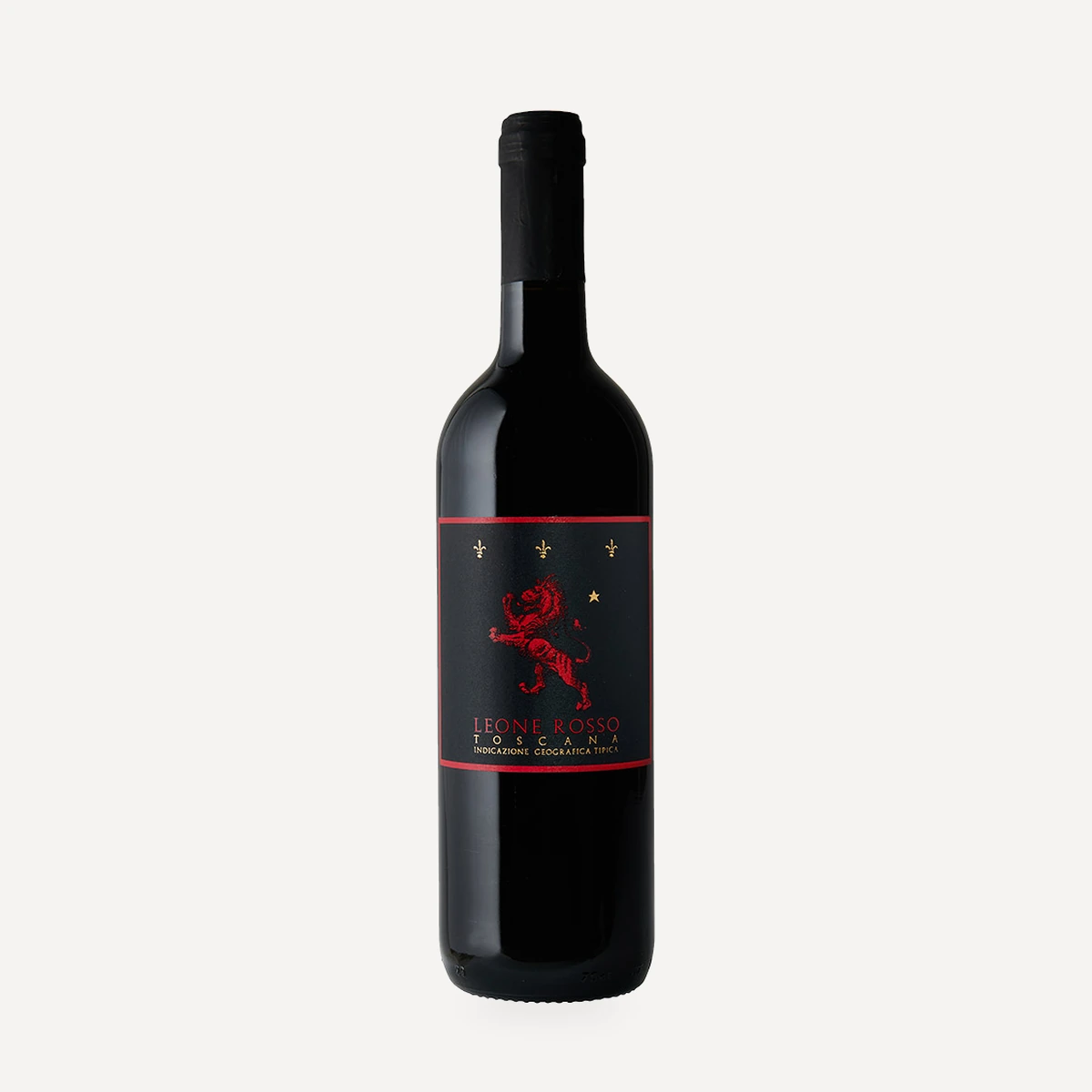
Leone Rosso
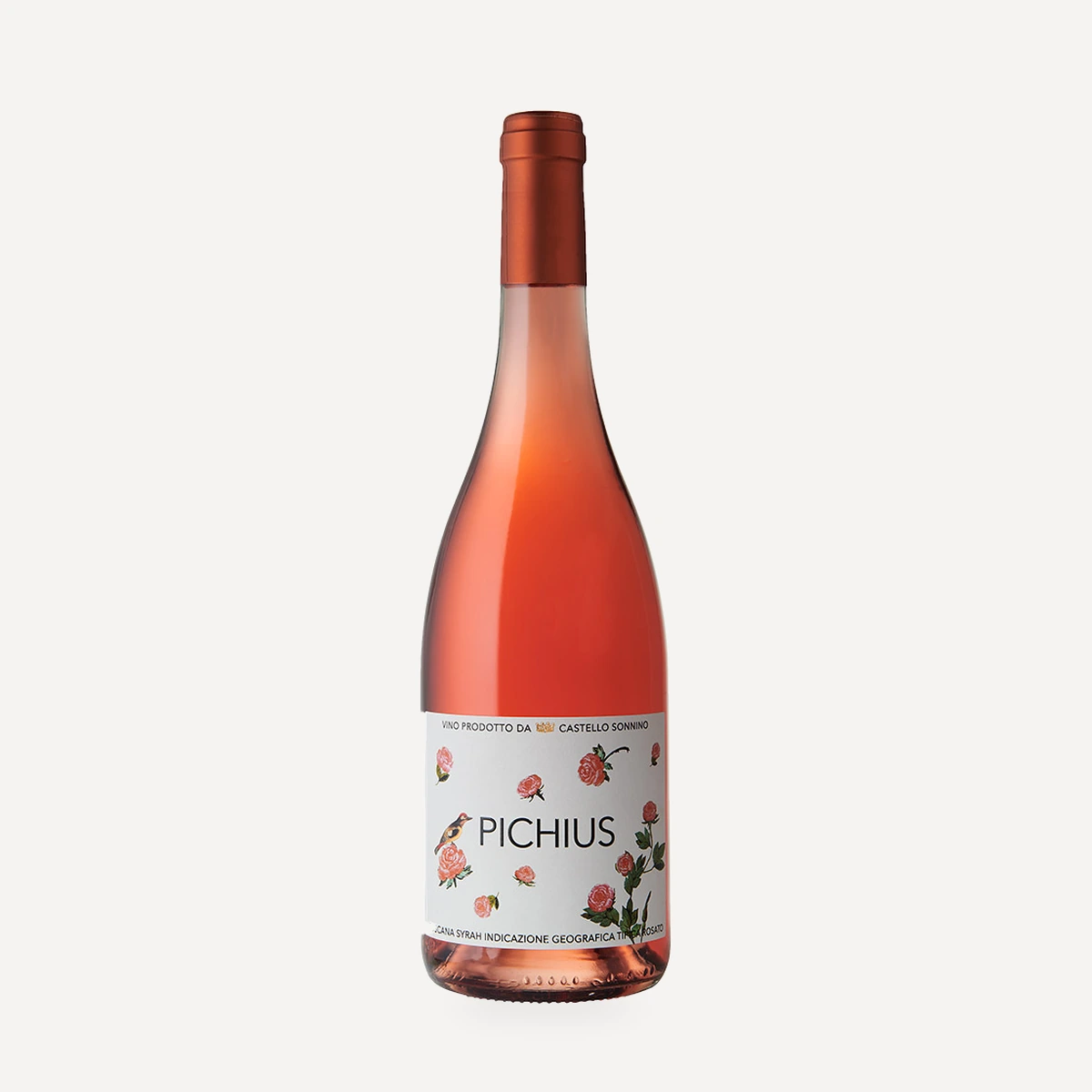
Pichius
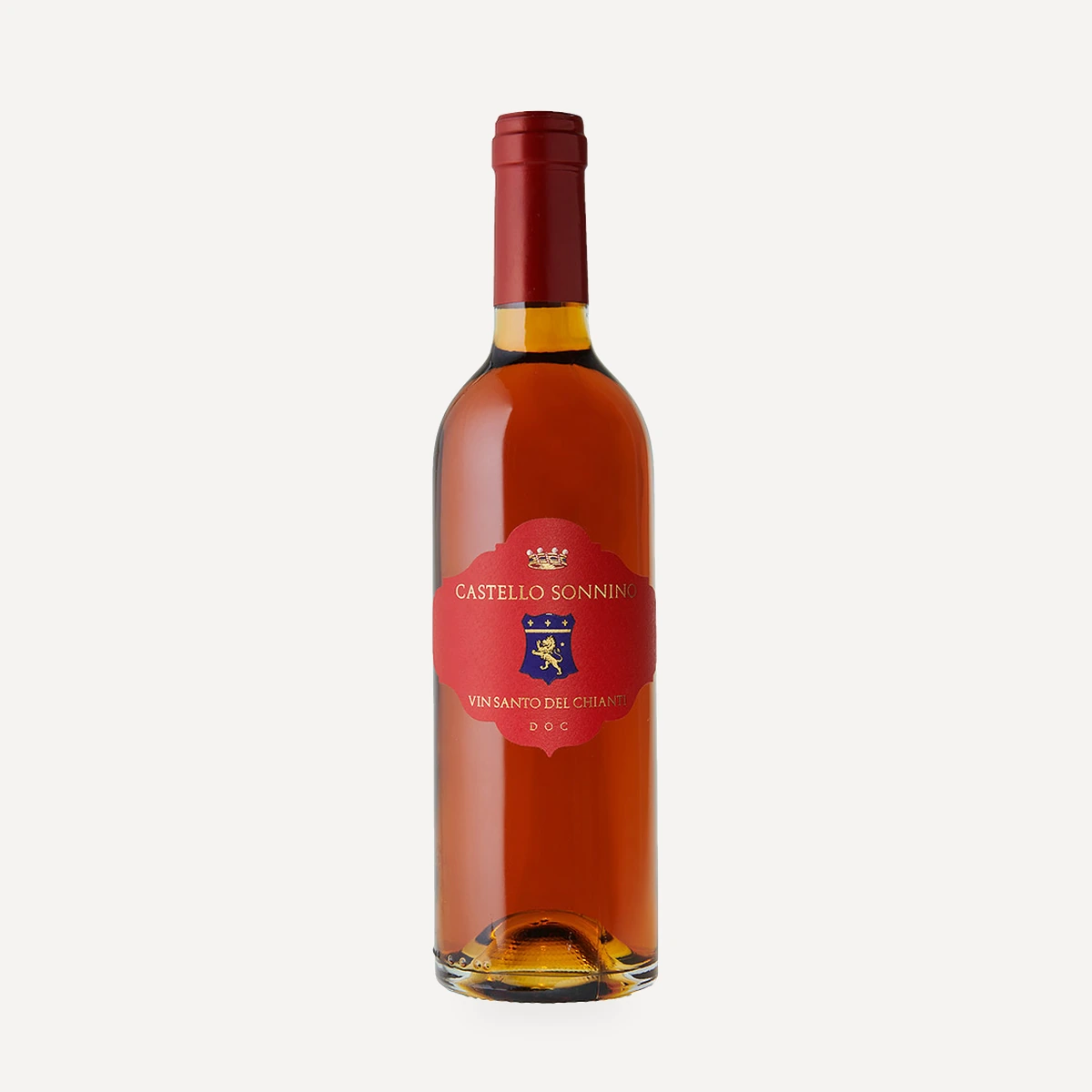
Red Label
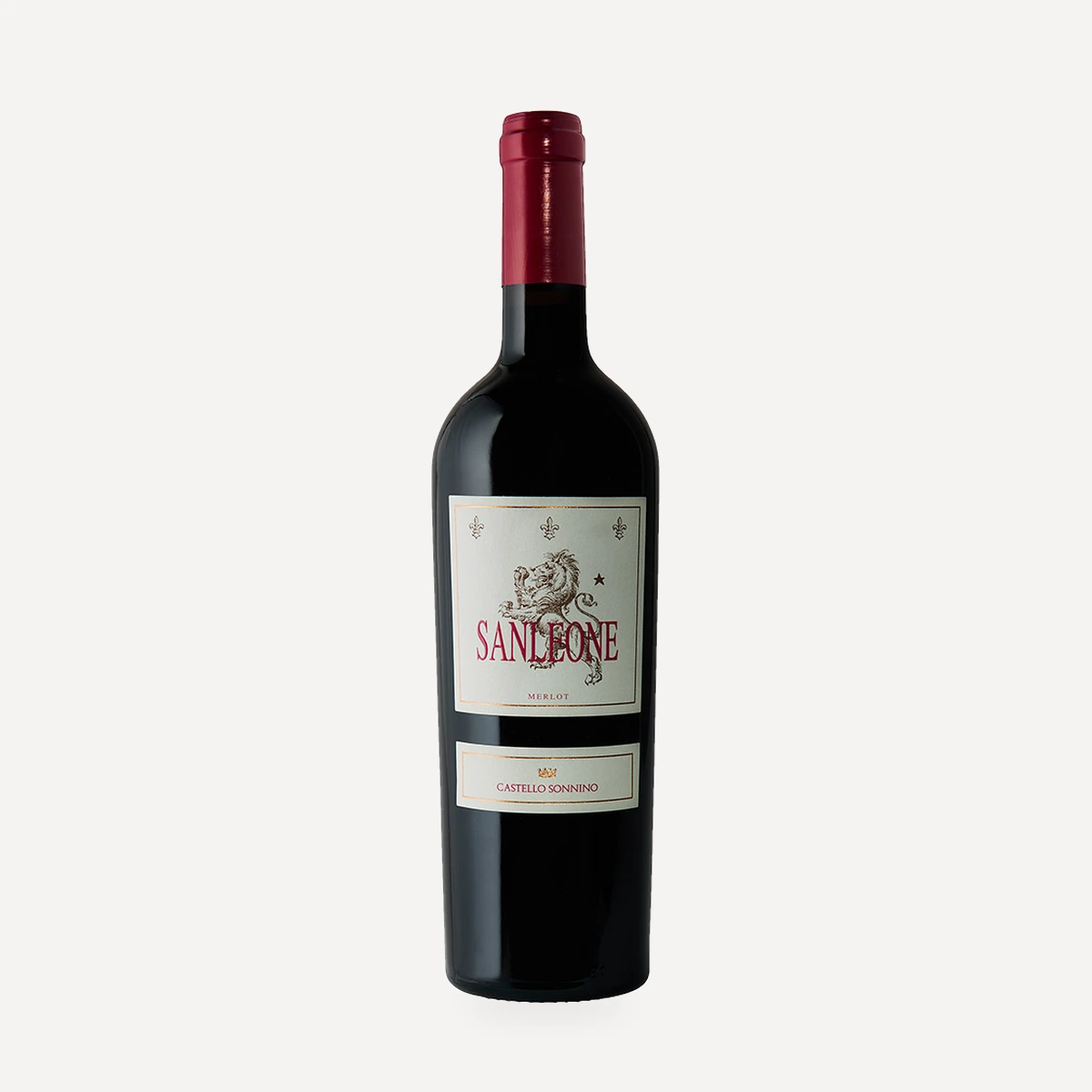
San Leone
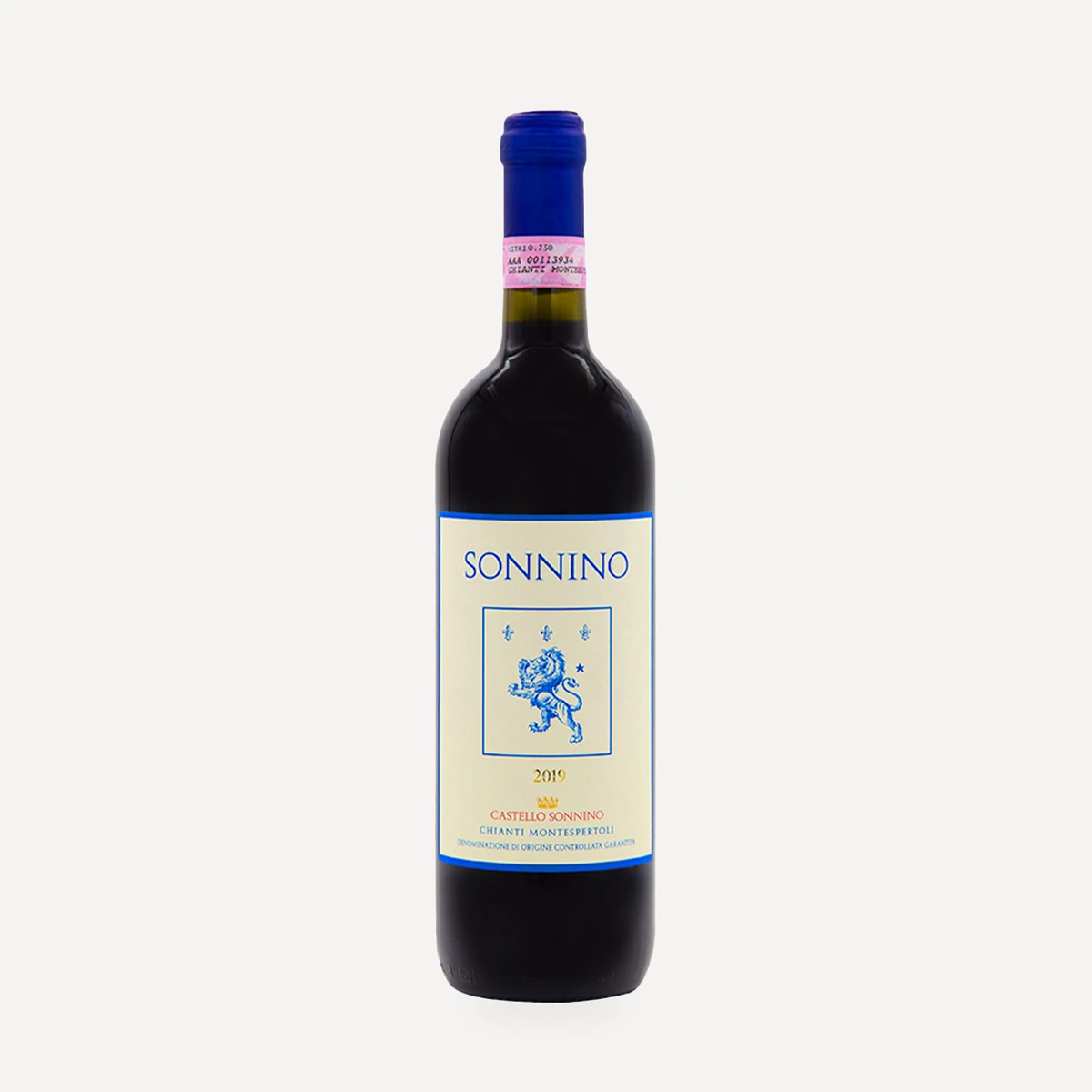
Sonnino