Storia
Noble family roots
The earliest certified records of the Sicilian Spadafora family date to 1230. Across the centuries, the house held five principalities, one dukedom, two marquisates, one county and twenty-five baronies. Members of the family occupied prominent positions in the Kingdom of Sicily and in several European states.
Michele De Stefani and Don Pietro
The Virzì estate belonged to Michele De Stefani, an accomplished farmer and breeder of racehorses. He bequeathed it to his nephew, Don Pietro dei Principi di Spadafora, who became the founder of the agricultural enterprise.
Don Pietro farmed the land and sold its grapes to cooperative wineries. The family also owned an estate at Mussomeli in inland Sicily, where wheat was cultivated and whose management was entrusted to Don Pietro’s son Francesco.
The 1968 earthquake caused substantial damage at Virzì. Don Pietro reconstructed and redeveloped the estate, restored attention to indigenous vines and introduced international varieties intended for quality-wine production. The concrete vats in the early-20th-century, French-influenced cellar were also renovated following the earthquake.
1988: Francesco moves to Virzì
Don Pietro died in 1988. That summer Francesco left the grain-growing property at Mussomeli and moved to Virzì to cultivate the vineyards and turn their grapes into wine. He began with tastings, trials and experimental plantings while trying to develop the project his father had envisaged.
1990–2000: the IRVO period
After experimental vineyards had been planted, the Regional Institute of Vines and Oil, IRVO, needed a winery in which to combine and vinify grapes under the direction of Professor Attilio Scienza and oenologist Giacomo Tachis. In 1990 Francesco leased part of the winery to IRVO for ten years. Working beside these specialists became his practical education in viticulture and oenology.
Francesco initially entrusted the wines to an oenologist but soon assumed direct responsibility for both vineyard and cellar. His first cellar trials involved restoring four concrete vats, each holding 170 hl. A small heat exchanger powered by a refrigeration unit cooled the must, while Francesco spent nights monitoring its temperature. The following year he expanded the working set to eight vats and fitted temperature-control plates.
1993: first estate-grown bottled wine
In 1993 Francesco decided to vinify only grapes grown at Virzì and released the estate’s first bottle. At Giacomo Tachis’s suggestion, it was named Don Pietro in memory of Francesco’s father. The blend combined Nero d’Avola, Cabernet Sauvignon and Merlot and was described as the first Sicilian Bordeaux-style blend.
The 1993 harvest established principles that continue to define the estate: no purchased grapes or bulk wine, exclusive use of fruit grown around the cellar, careful selection, organic cultivation and spontaneous fermentation based on microorganisms from the estate’s own grapes. Before this transition, Virzì had principally produced grapes and wine for bulk sale.
Cellar development
The original concrete cellar was progressively restored. From the initial four vats and then eight, the operational cellar eventually grew to 27 renovated concrete vats. Stainless-steel tanks were added for smaller lots, while 225-litre barriques and 25-hl wooden casks were introduced for selected Nero d’Avola, Cabernet Sauvignon and Syrah.
Enrica joins the estate
Francesco’s daughter Enrica grew up playing among the vineyards and joined the company in 2019. She now works beside her father and leads hospitality. She renovated the former tenant farmers’ houses to receive visitors, while Francesco combines responsibility for vineyard and cellar with cooking for guests.
Present direction
Francesco remains the owner and directs the vineyards and winemaking. Enrica works alongside him and has expanded the estate’s hospitality and direct relationship with visitors. Production remains deliberately restricted to approximately 120,000 bottles, despite a stated potential capacity of about 500,000 bottles, in order to maintain low yields and rigorous selection across the fragmented vineyards.
Terroir
Location and landscape
The vineyards surround the winery and family houses in Contrada Virzì, cadastral map sheet 142, within the municipality of Monreale in the province of Palermo. Virzì is an isolated rural hamlet a few kilometres from Palermo, between the inland hills of Alcamo and Camporeale and approximately 45 minutes by road from the centre of Monreale. The surrounding landscape includes vineyards, olive groves and open fields rather than a continuous settlement.
The approximately 90 ha of vineyards are highly fragmented into numerous small plots. The winery and vines occupy the same compact agricultural setting, allowing harvested fruit to reach the cellar in about 15 minutes.
Elevation and temperature
The general vineyard profile extends from approximately 220 to 400 m above sea level. Differences in elevation allow vineyard work and ripening to be staggered and contribute different combinations of body, acidity and texture. Average day–night temperature variation is approximately 10–15°C.
Soils and water
The vineyard soils are described as sandy to sandy, silty-clay, with individual areas also characterised as sandy-clay or sandy-loam. The estate considers the relatively sandy soils capable of holding sufficient moisture below the surface for vine roots during Sicily’s hot, dry periods. Even after weeks without rain, moist earth can be found a short distance below the surface. This reserve supports the decision to cultivate without irrigation.
Seasonal conditions
Winter rain is important because it builds the soil’s water reserve for the hot season. Intermittent spring rain can further reduce summer water stress. Unexpected southerly winds may, however, encourage early minor disease pressure. The estate treats sun, wind and rainfall—and the marked variation between wet, dry, cool and hot vintages—as forces to be interpreted rather than standardised.
Vinificazione
Organic farming and estate fruit
Both vineyard and cellar are certified organic. Virzì has long been worked with natural products, without systemic pesticides or synthetic chemical fertilisers. All wine is made from estate-grown fruit; since 1993 the family has not purchased grapes or bulk wine. The large, fragmented vineyard is treated as a collection of small gardens rather than through uniform industrial protocols or extensive mechanisation.
Soil cycle and green manure
The cultivation cycle restarts soon after harvest and the first autumn rains. Soil is prepared for field bean, or Vicia faba minor, which is sown between alternating rows; the alternation changes from year to year. Sowing generally takes place in October, although it may shift with changing seasonal rainfall.
Field bean is applied at approximately 80 quintals per hectare, then shredded and incorporated into the soil at the beginning of spring. It supplies organic matter and nitrogen, contributes substantial biomass, creates a protective ground cover that limits erosion, partly suppresses weeds and helps the soil accumulate water reserves.
Spent grape marc is dried or fermented and returned to selected vineyard soils as a natural, animal-free fertiliser rich in organic nutrients, minerals and nitrogen. It is distributed manually between the rows to allow closer control of placement and quantity. In spring a light cultivator replaces conventional ploughing.
Canopy and yield management
Pruning begins in winter. Budbreak generally occurs in mid-March; by late March duplicate buds are removed so that a shoot is limited to the intended number of bunches. Once the leaf wall forms, shoots are positioned manually and kept perpendicular to the vine, preserving space for the developing clusters.
Fruit selection occurs repeatedly. Some young green bunches are removed, and for certain varieties bunches may be cut in half or fewer clusters left on the vine. A further selection takes place at veraison, approximately 40 days before harvest, to decide which bunches will remain until picking. Vegetative growth is monitored as the fruit ripens.
Ripeness monitoring and harvest
Approximately 15 days before harvest, maturity curves are measured. Checks recur every four or five days to follow falling acidity and rising sugar until the balance required for the intended wine is reached.
All grapes are harvested by hand, with another bunch-by-bunch selection during picking. Clusters are weighed and sample vines are counted to evaluate the season’s vineyard work. Fruit travels in small carts and normally reaches the cellar about 15 minutes after cutting.
White varieties—Chardonnay, Inzolia, Catarratto and Grillo—are picked from about 06:00 so that they enter the winery at approximately 17°C. Depending on variety and plot, harvest extends across August and September, while late-harvest fruit may remain until October.
Water management and climate adaptation
The vineyards are not irrigated. Earlier generations used irrigation, but it was eliminated after evaluating the soils’ ability to retain moisture below the surface and the risk of both water deficit and excess. The objective is to minimise vine stress while maintaining the smallest feasible human and chemical intervention.
The estate responds to seasonal conditions rather than following a fixed protocol. In 2024, drought and extreme heat prompted Francesco to bring part of the harvest forward to protect the vines and preserve freshness.
Historic cellar
The winery is entered through a large green door leading into a 30-m corridor lined on both sides by concrete vats. Its layout follows an early-20th-century French model. The vats were repaired after the 1968 earthquake and have remained under continuing maintenance.
Francesco’s first work in the early 1990s restored four 170-hl vats. Must was cooled with a small heat exchanger connected to a refrigeration unit and temperatures were monitored through the night. Eight vats were operating the following year, now equipped with temperature-control plates. The cellar currently contains 27 restored concrete vats, supplemented by stainless-steel tanks for smaller quantities. Selected Nero d’Avola, Cabernet Sauvignon and Syrah can mature in 225-litre barriques or 25-hl wooden casks.
Reception and white-wine processing
Hand-picked grapes arrive from the surrounding vineyards approximately 15 minutes after cutting. White grapes are harvested early enough to enter the winery at about 17°C. They are destemmed and moved with a rotating eccentric-screw pump through a heat exchanger, which lowers their temperature by a further 10–15°C, before entering a pneumatic press.
The must is cooled immediately, initiating natural clarification. After approximately two days, the clear fraction is transferred to concrete vats for temperature-controlled fermentation.
Red-wine processing
Red grapes are processed immediately after arrival. They are destemmed and transferred into fermentation vats for skin maceration. Maceration duration varies according to whether the fruit is Cabernet Sauvignon, Merlot, Syrah or Nero d’Avola.
After maceration, the grapes pass to a Vaslin press, where successive pressings separate the liquid. The wine is transferred to concrete vats for malolactic fermentation. Depending on the lot, part may then enter 225-litre oak barrels in the ageing cellar while another part matures directly in concrete. Pumping is not used for remontage.
Fermentation and maturation philosophy
The first grapes entering the cellar are used to prepare pied de cuve. Once spontaneous fermentation is active, these starters inoculate later musts. The microorganisms therefore originate in the estate’s own grapes rather than selected commercial yeast.
Fermentations are spontaneous, and vinification is conducted without added sulphur dioxide. Total sulphite levels are kept below the limits established for organic wine. The wines are described as unfiltered. Production is deliberately held at approximately 120,000 bottles rather than the potential 500,000 in order to support low yields and rigorous selection.
The family favours extended bottle maturation and releases wines when it considers them capable of expressing their full potential rather than following the market’s pace.
Bottling and closures
Finished wines are bottled and packaged at the estate with a Bertolaso monobloc, capper and labeller. Lightweight glass is used. Closure choice varies by range: Nomacorc Select Green Bio 300 closures made from sugar-cane-based plant polymers are used for several estate wines; Nomacorc Reserva is used for selected wines; Diam is used for the traditional-method sparkling wine; and one-piece, unbleached Amorim Nature corks measuring 49 × 26 mm close the ageworthy Cru wines. Bottles intended for long ageing are placed horizontally after corking.
In 2025 the estate introduced a capsule-free package in which a QR code is placed directly on the cork. The measure removes an additional packaging component while giving access to information about the family, production approach and wine.
Filosofia
Spadafora’s approach begins with the conviction that sound wine depends on healthy, carefully tended vineyards and that the finished wine should retain the identity of its grapes and place. The family treats Virzì as both home and workplace: the vines surround the houses and cellar, and vineyard decisions are based on continuous observation rather than standard industrial protocols.
Organic farming is presented as an ethical responsibility as well as a production method. The family inherited the land and intends to pass it on in improved condition. This principle encompasses soil fertility, water conservation, renewable energy, packaging, closures and the reuse of winery by-products, rather than stopping at the absence of synthetic chemicals.
Human intervention is intended to be minimal but attentive. The vines are compared to children whose development must be accompanied: shoots are positioned, plants lightened and bunches thinned according to the needs of each variety. The family seeks to understand vine physiology, avoid forcing growth and preserve the integrity of the grapes.
In the cellar, spontaneous fermentation, estate-derived microorganisms, no added sulphur dioxide, restrained yields and long maturation are intended to preserve the connection between each wine and Virzì. Vintage differences are accepted as part of agriculture. Wet, dry, cool and hot years require interpretation and adaptation rather than the pursuit of an identical result.
Time is considered part of production. Wines may remain in bottle until the family believes they can express their full potential, even when commercial pressure favours earlier release. Quality is prioritised through strict grape selection and a production ceiling far below the estate’s theoretical capacity.
Vini
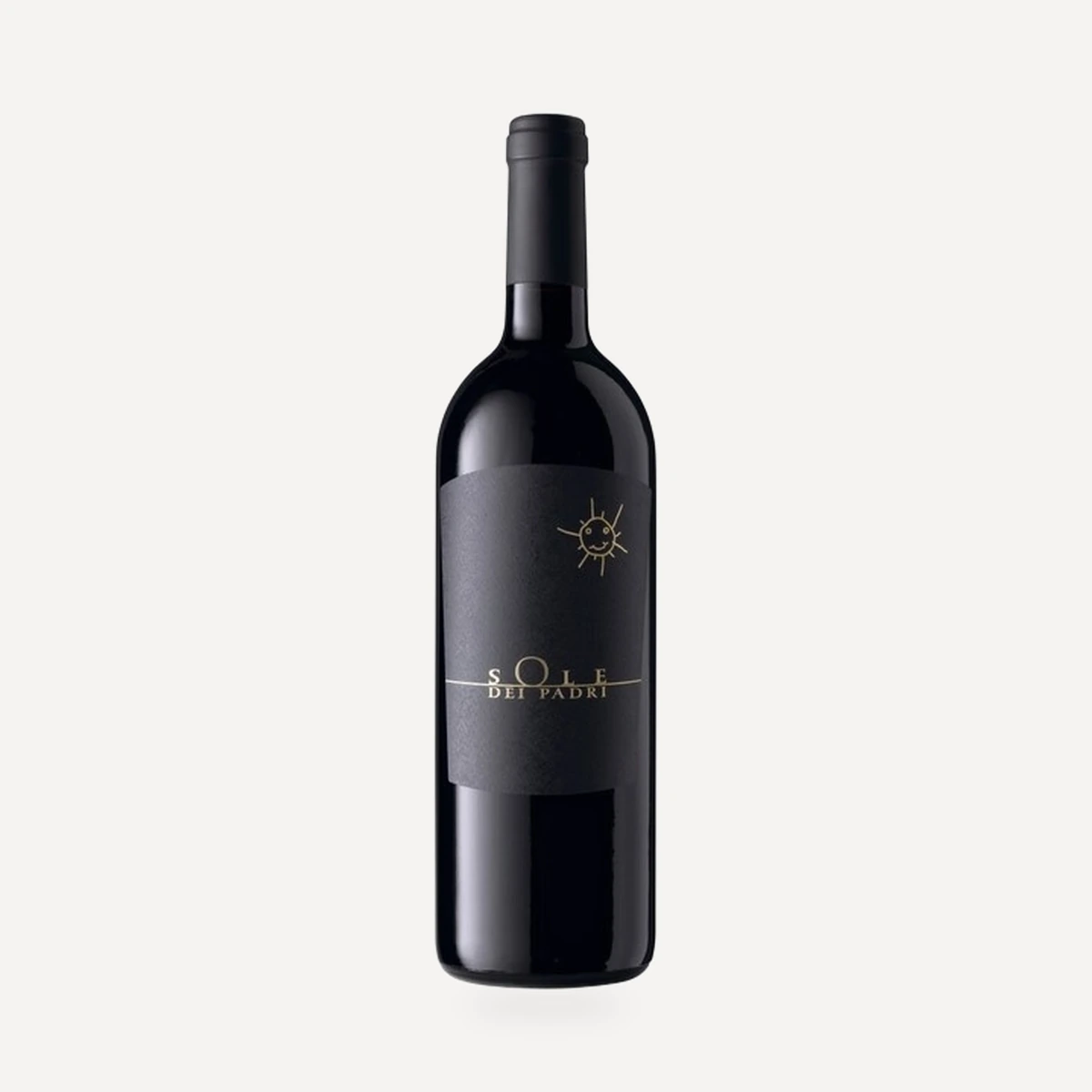
Sole dei Padri IGT
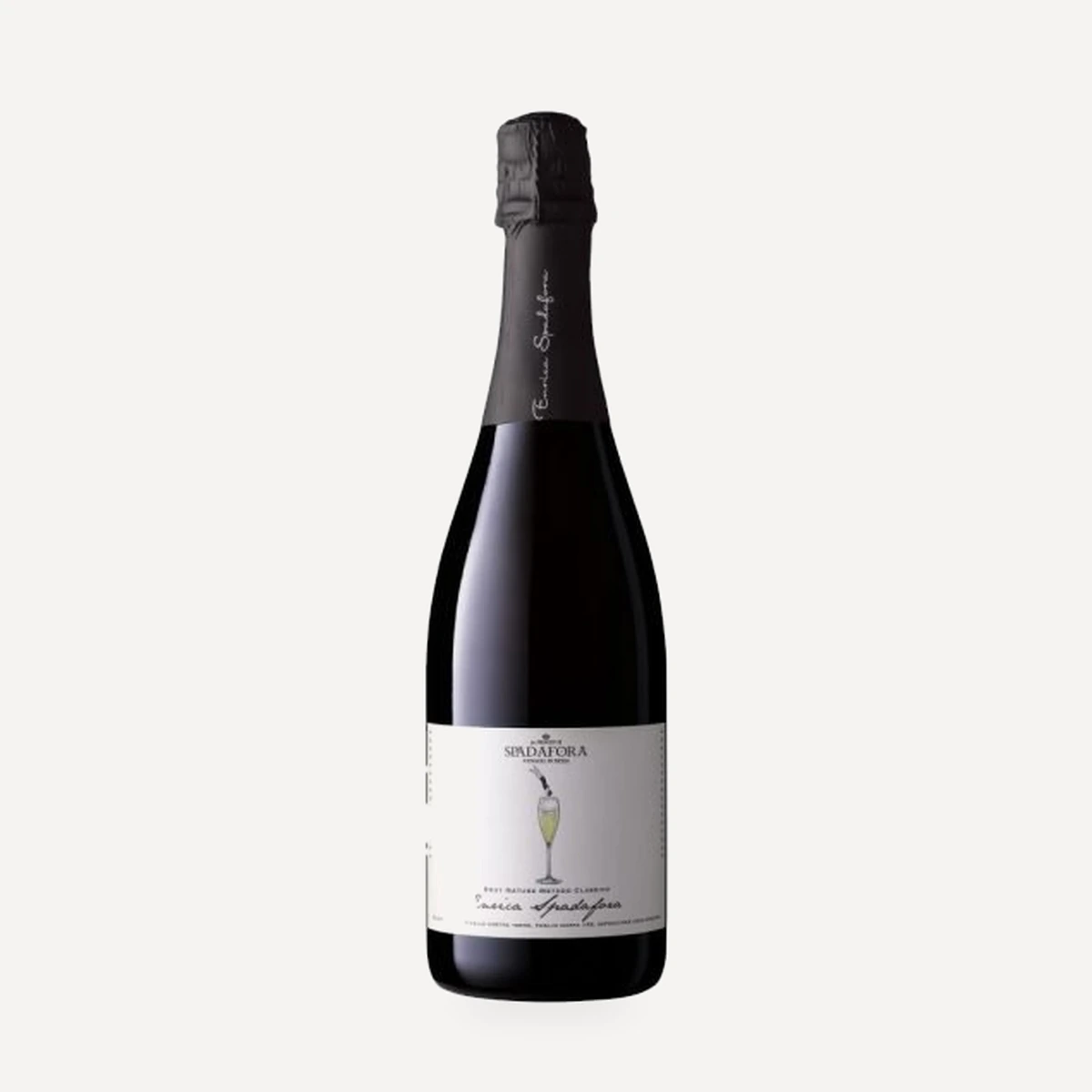
Enrica Spadafora Brut Nature
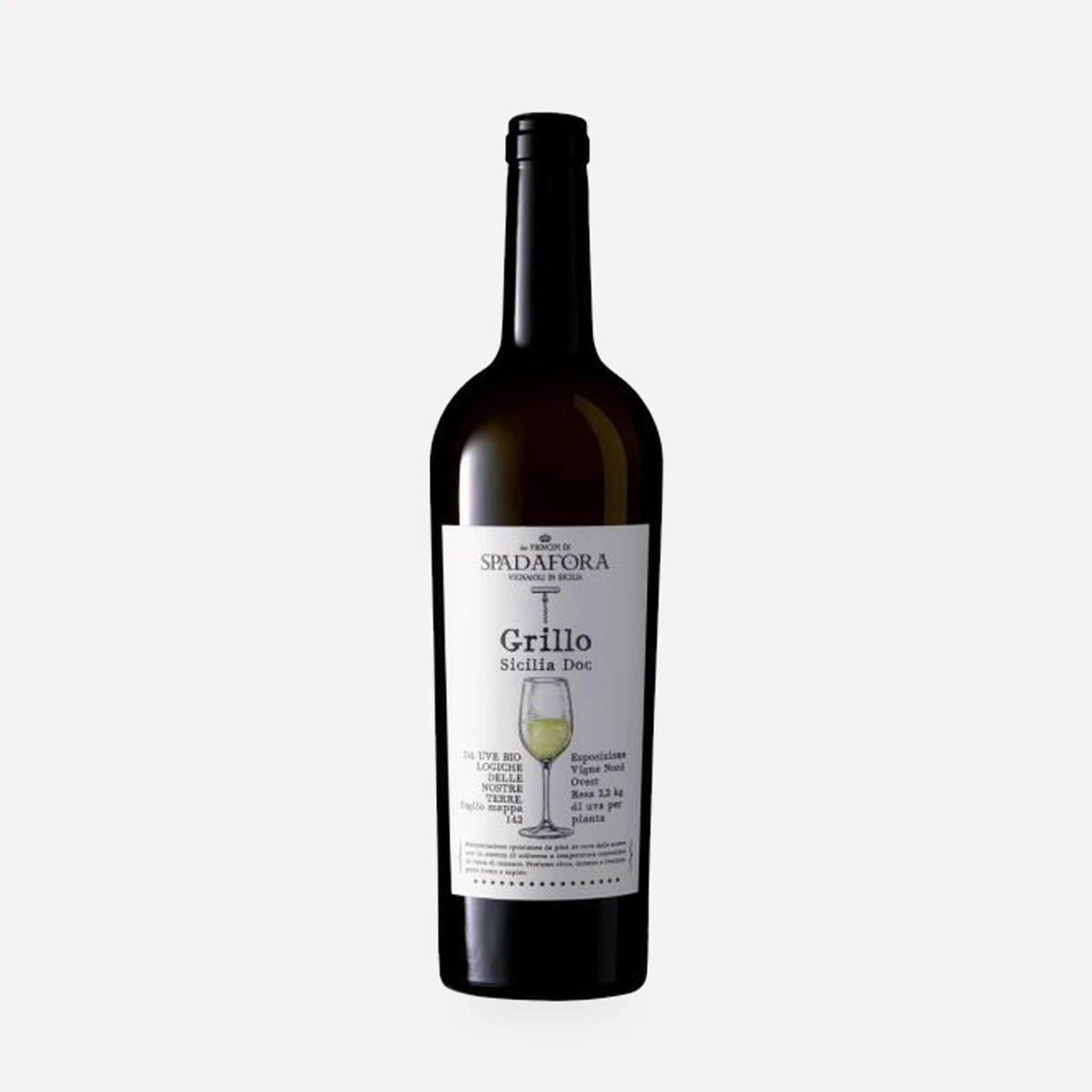
Grillo DOC Sicilia Bio
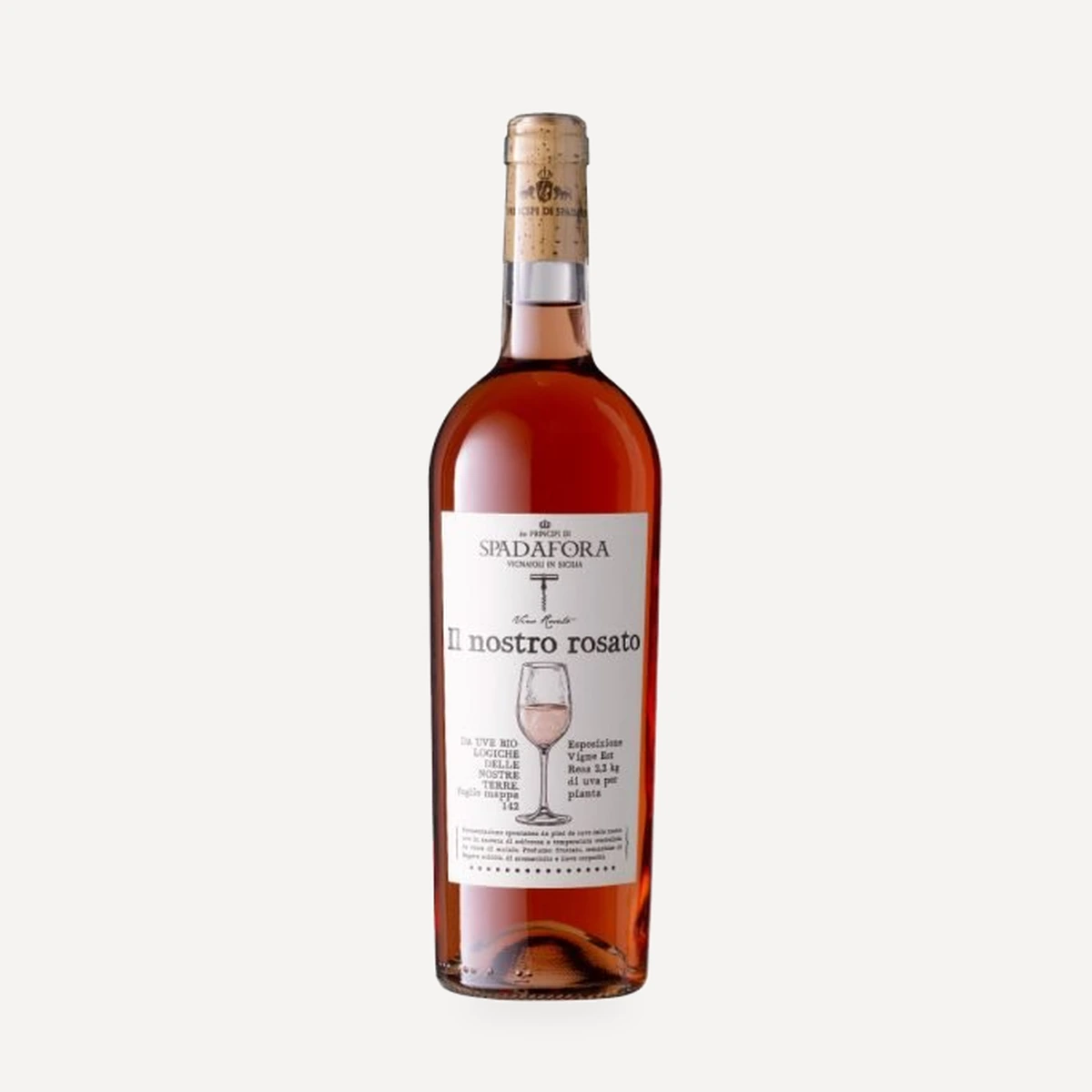
Il Nostro Rosato Bio
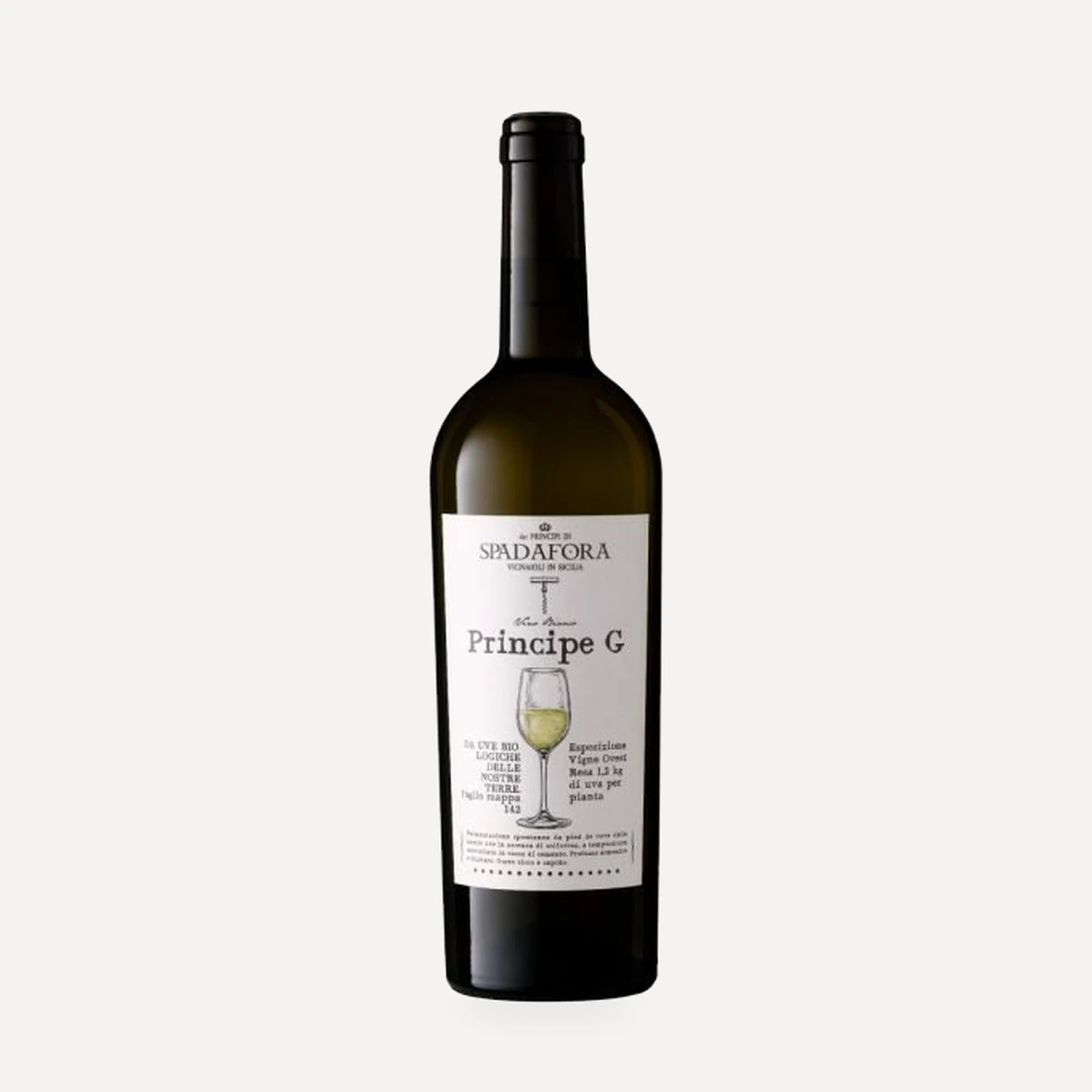
Principe G Bio
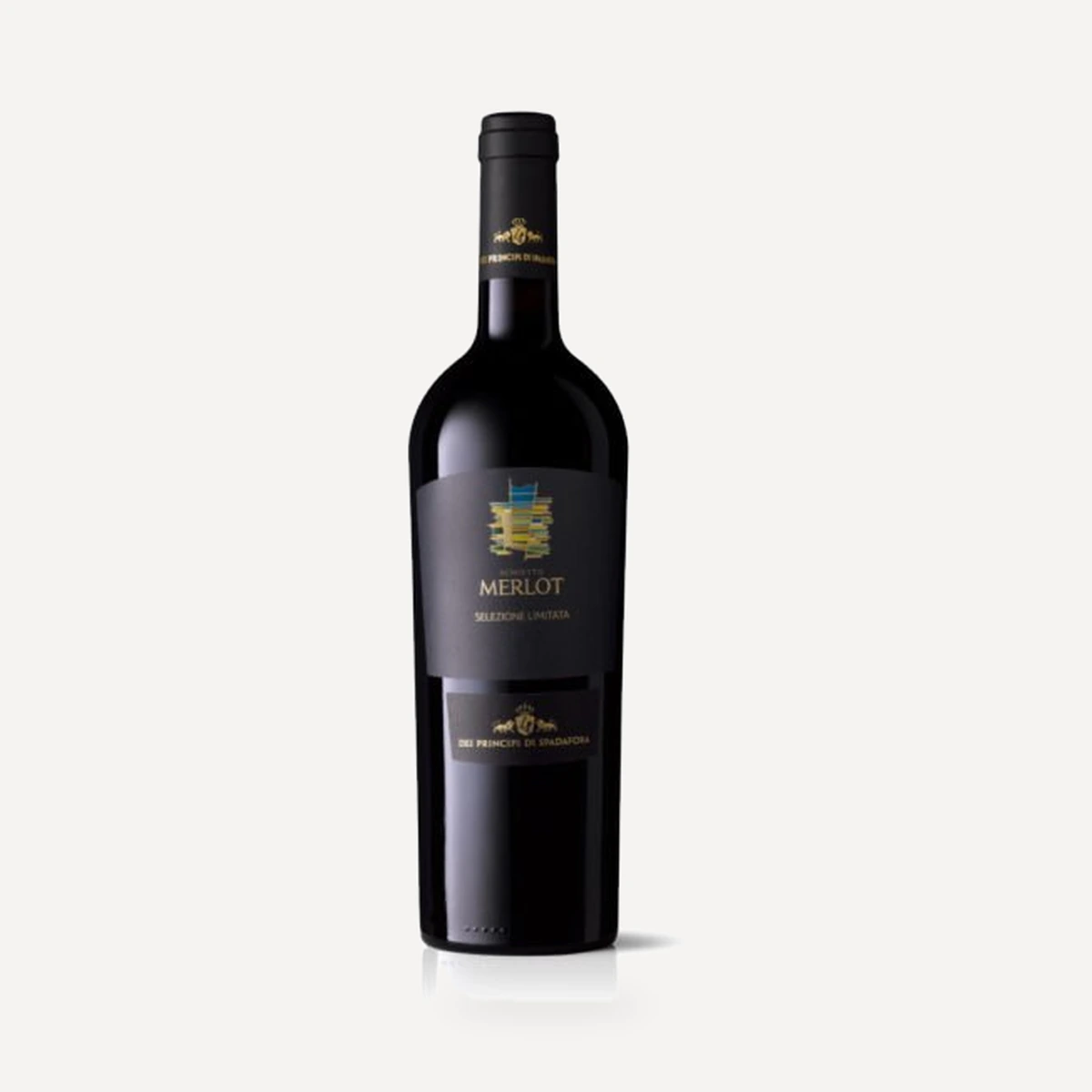
Schietto Merlot Bio
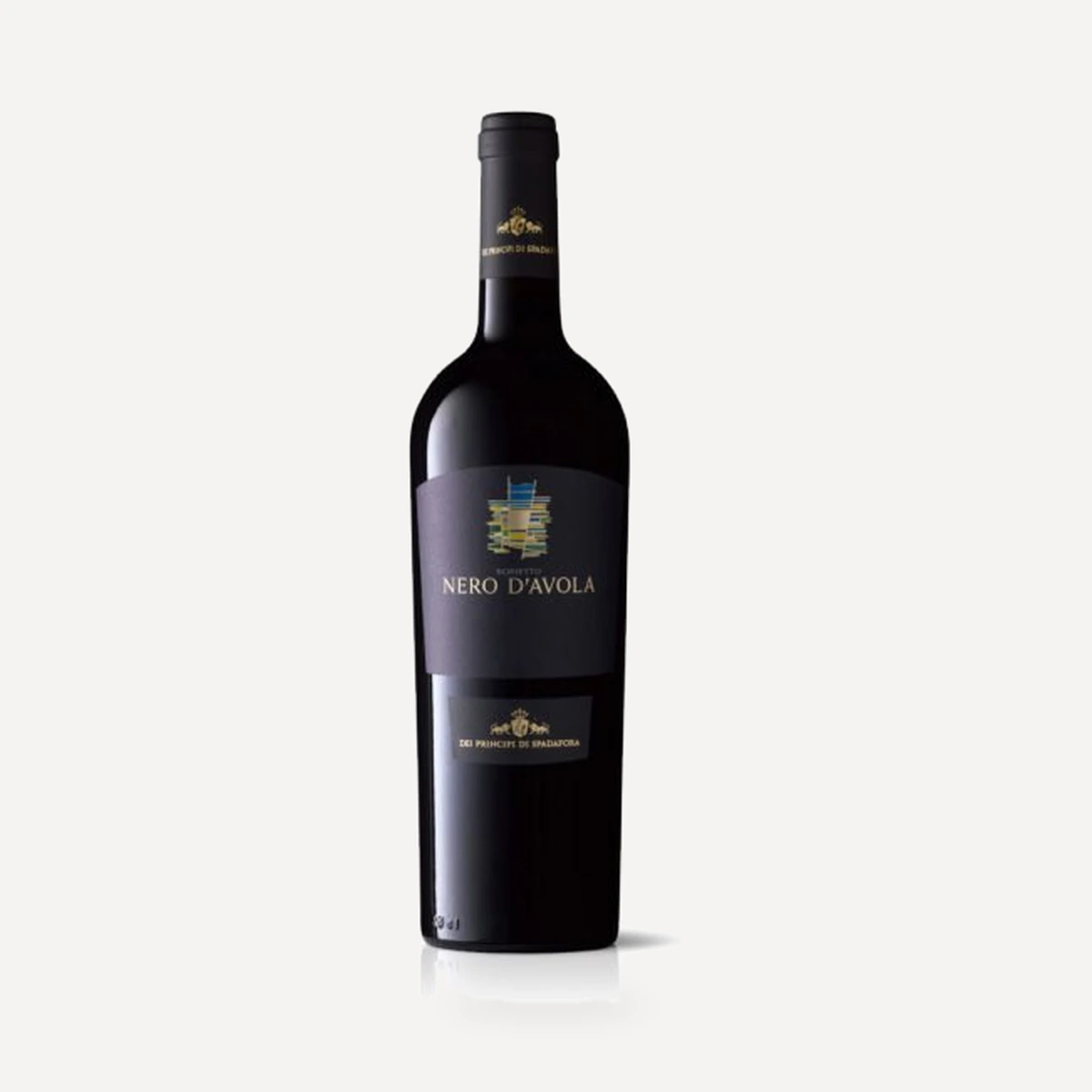
Schietto Nero d’Avola
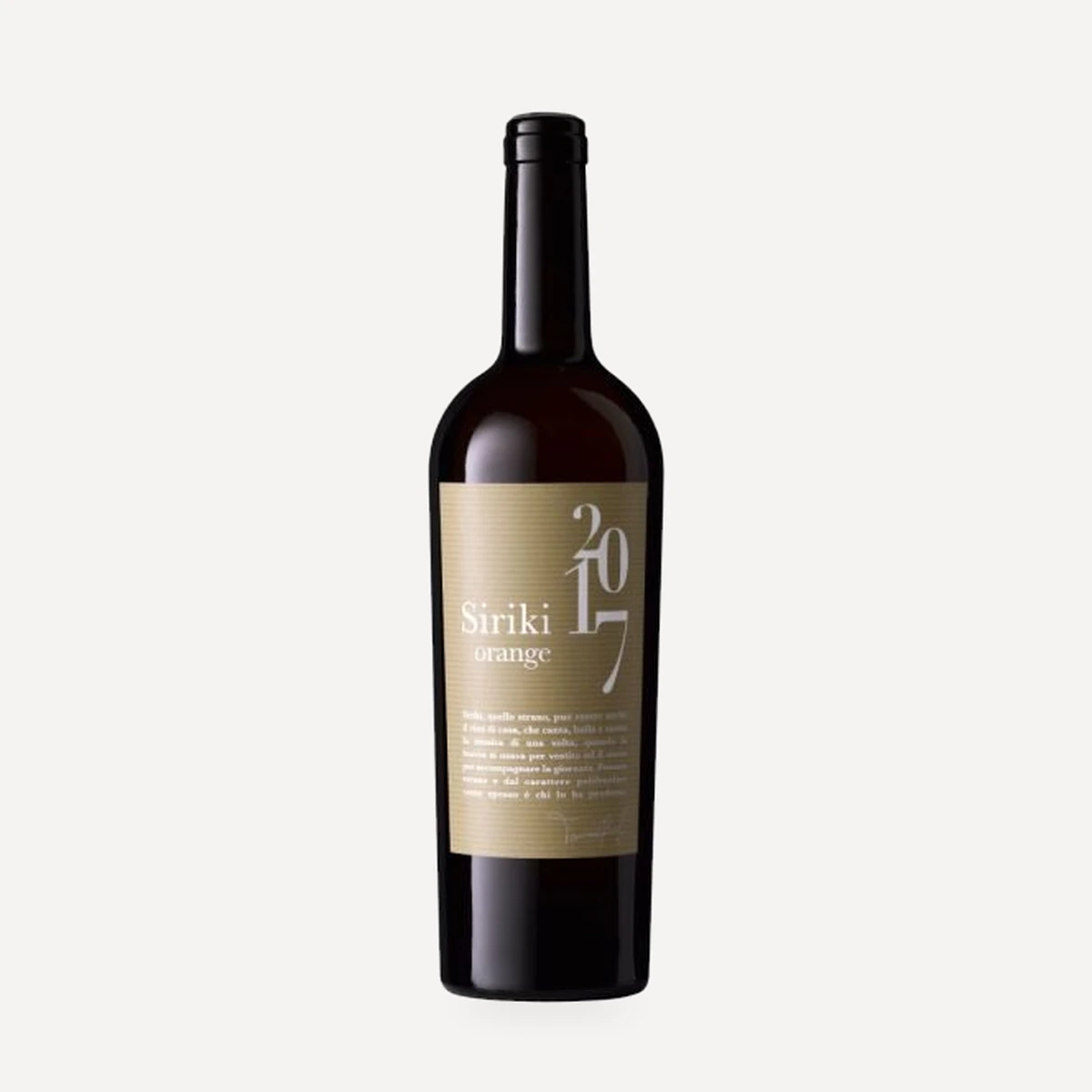
Siriki Orange Bio
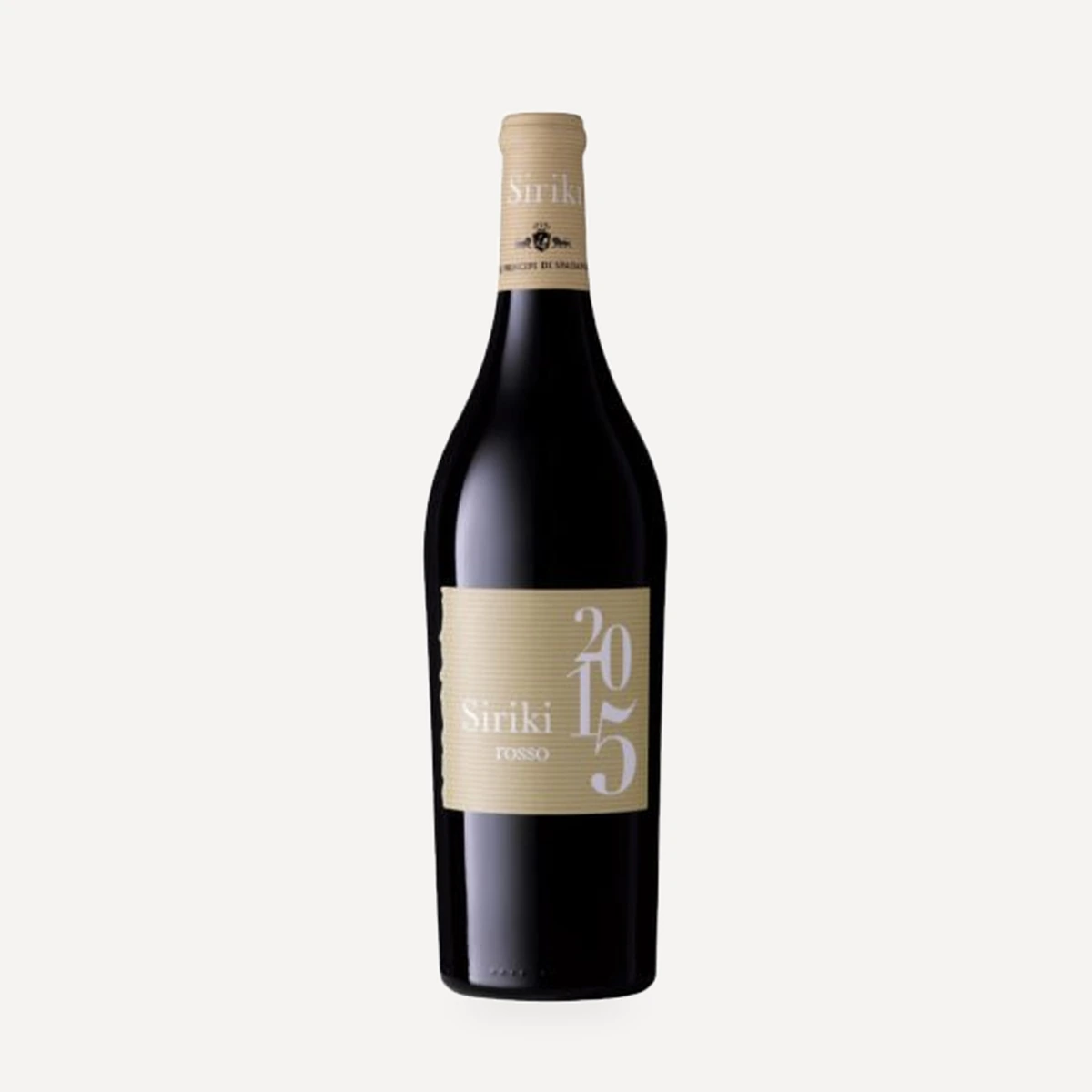
Siriki Rosso Bio
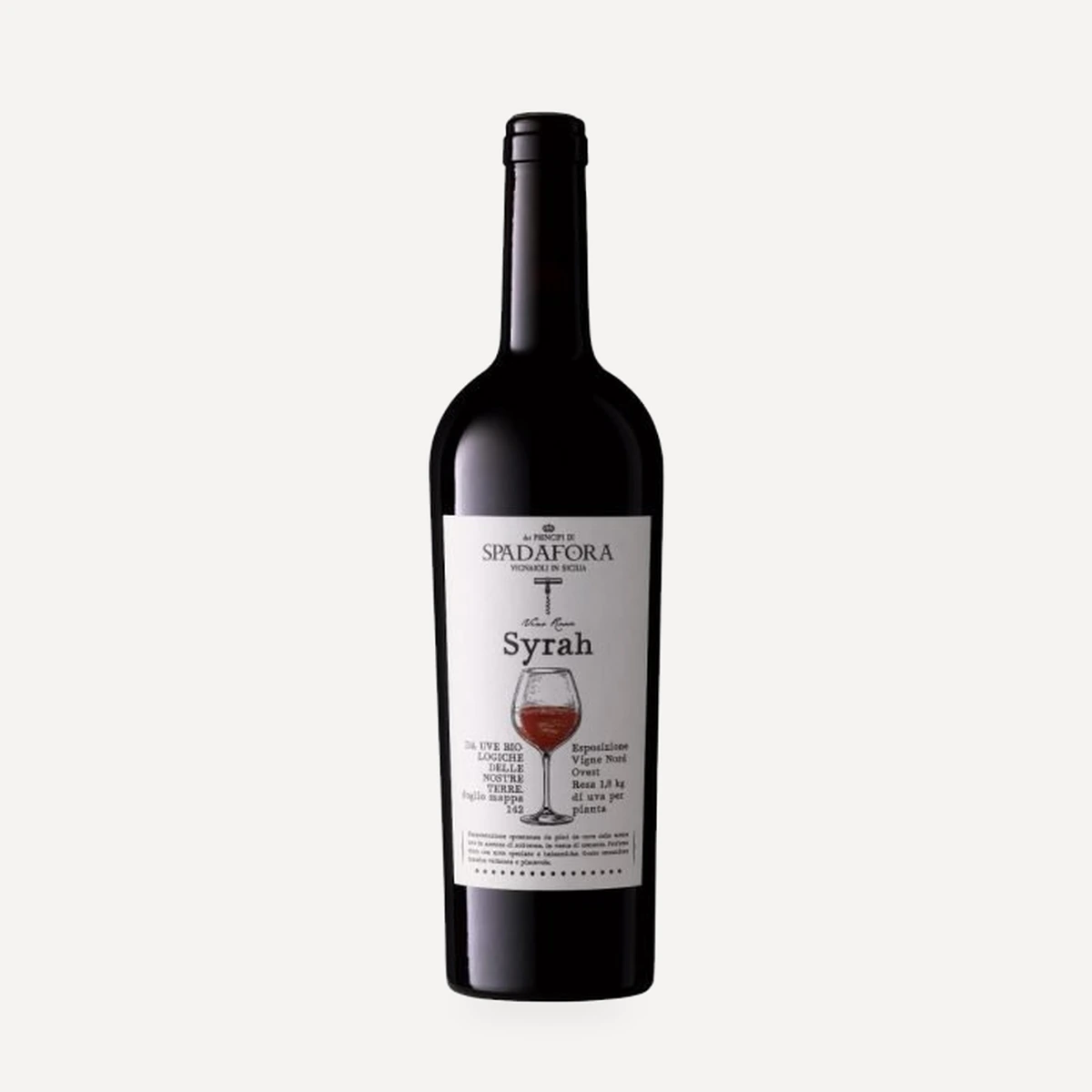
Syrah Bio
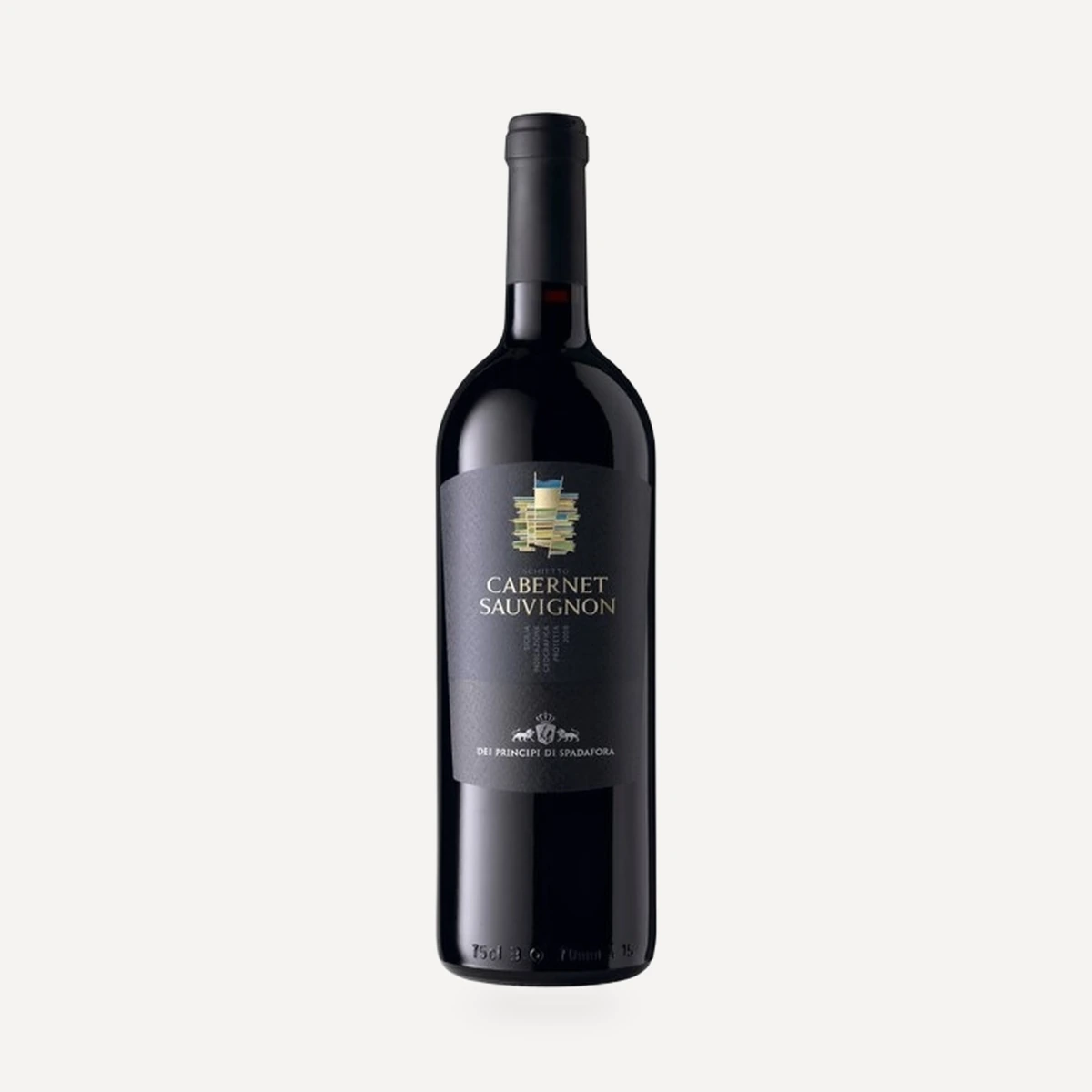
Schietto Cabernet Sauvignon IGT
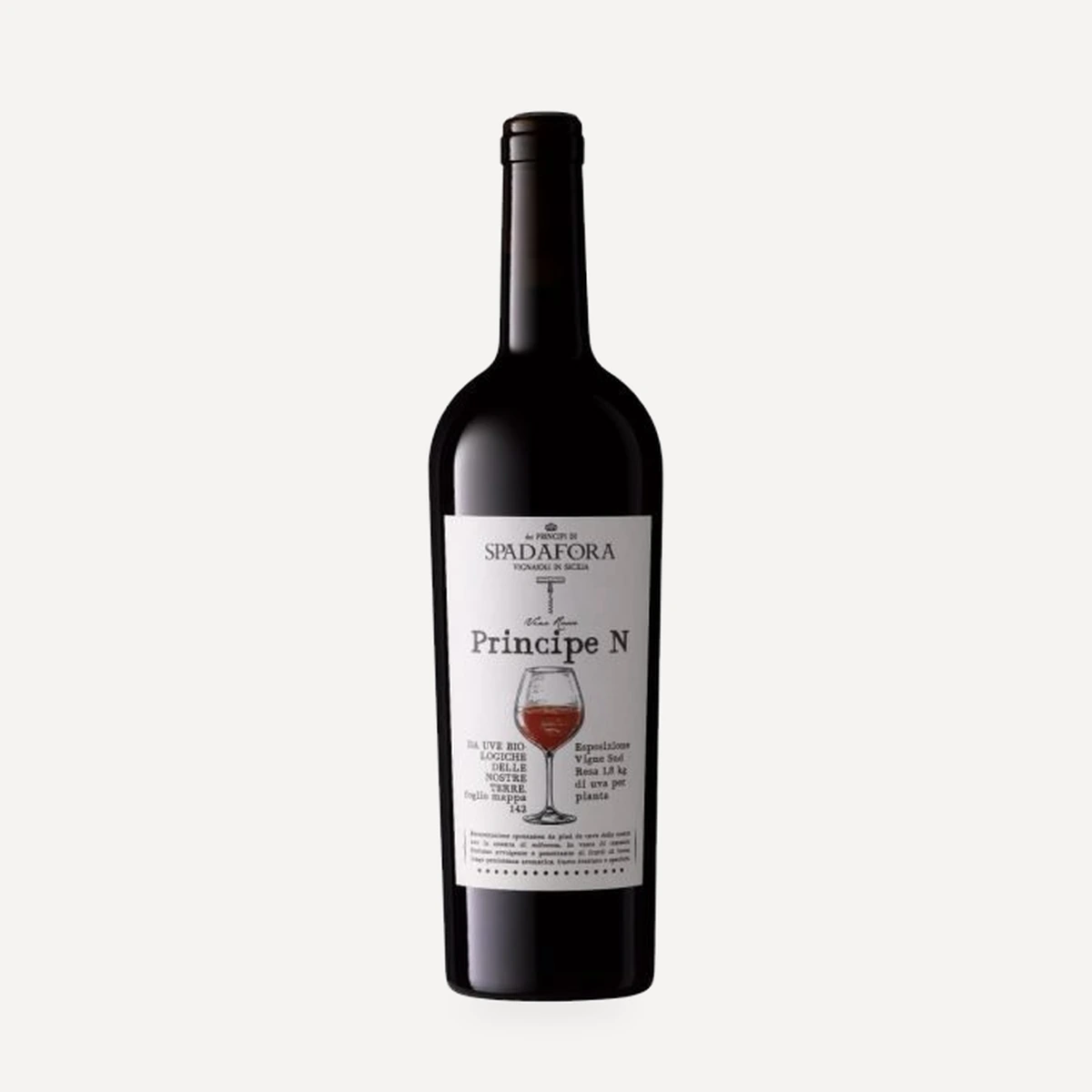
Principe N Bio
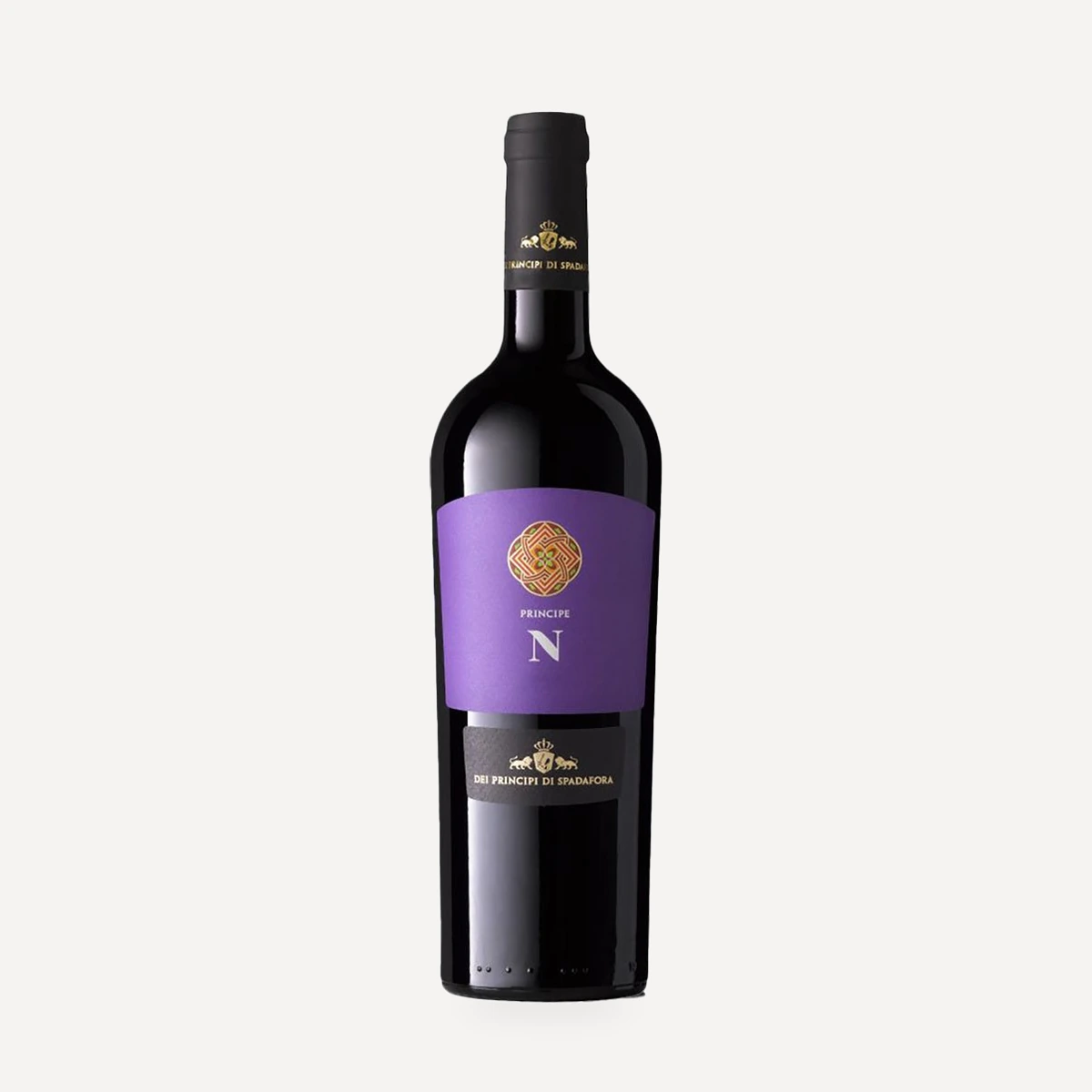
Schietto Principe N Bio
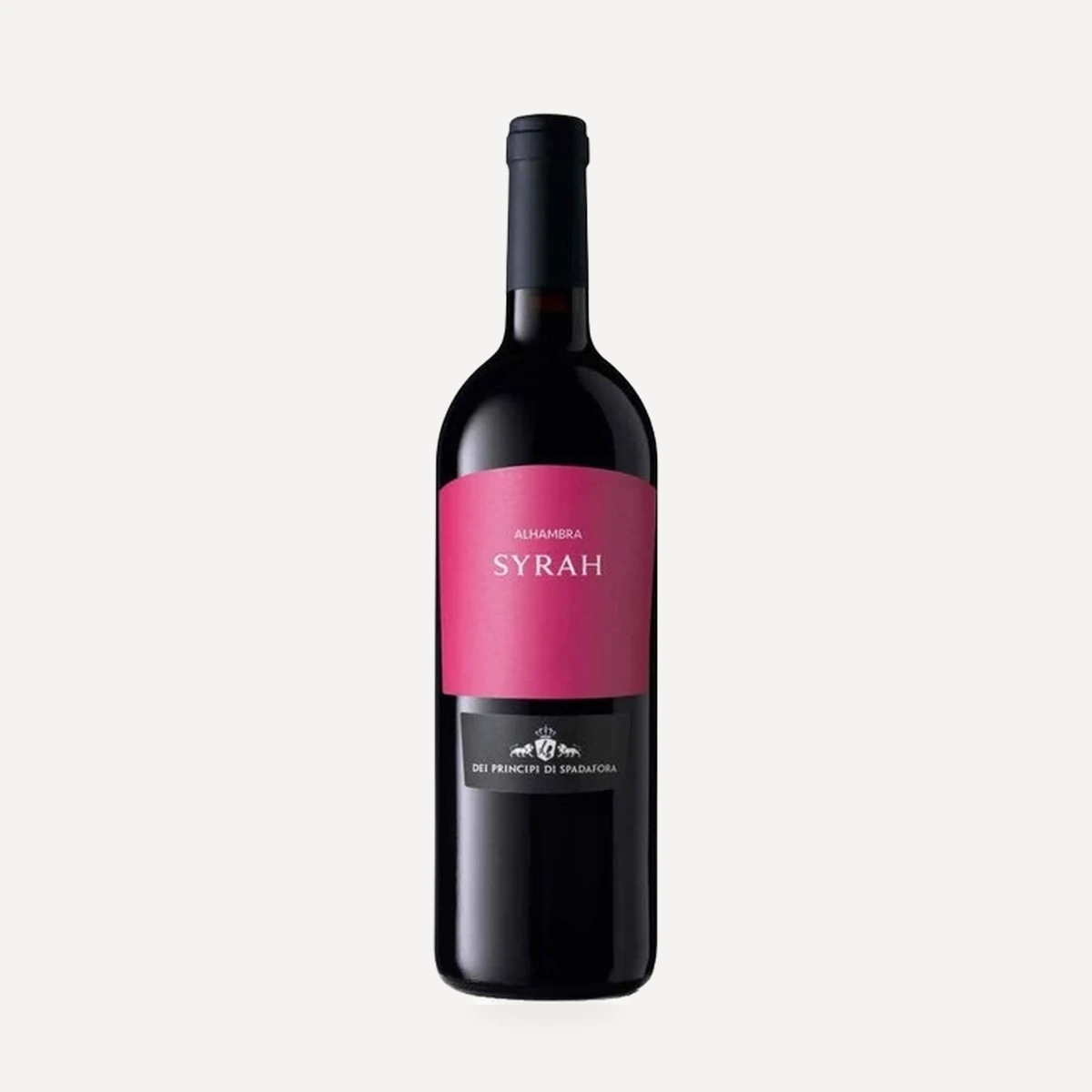
Alhambra Syrah
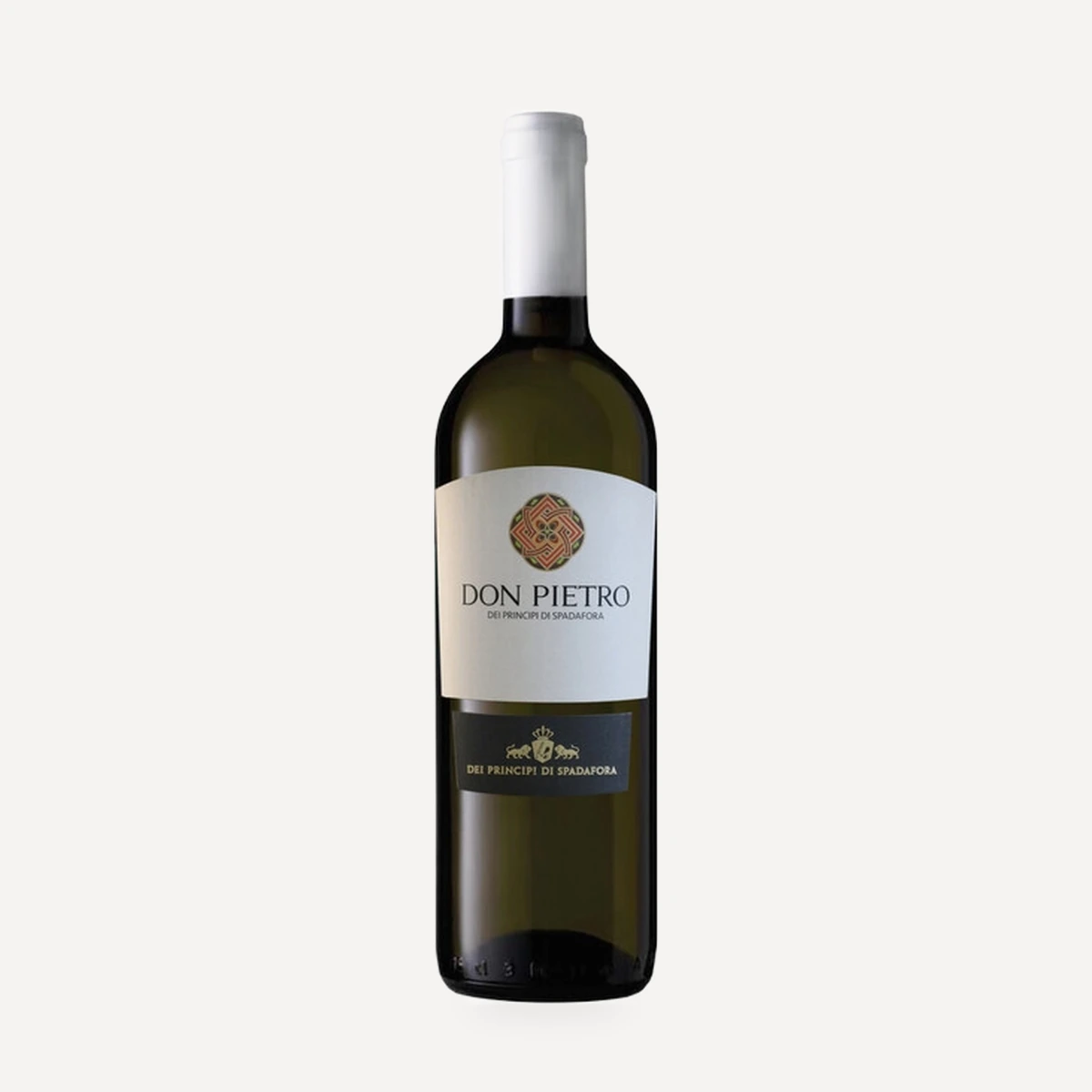
Don Pietro Bianco
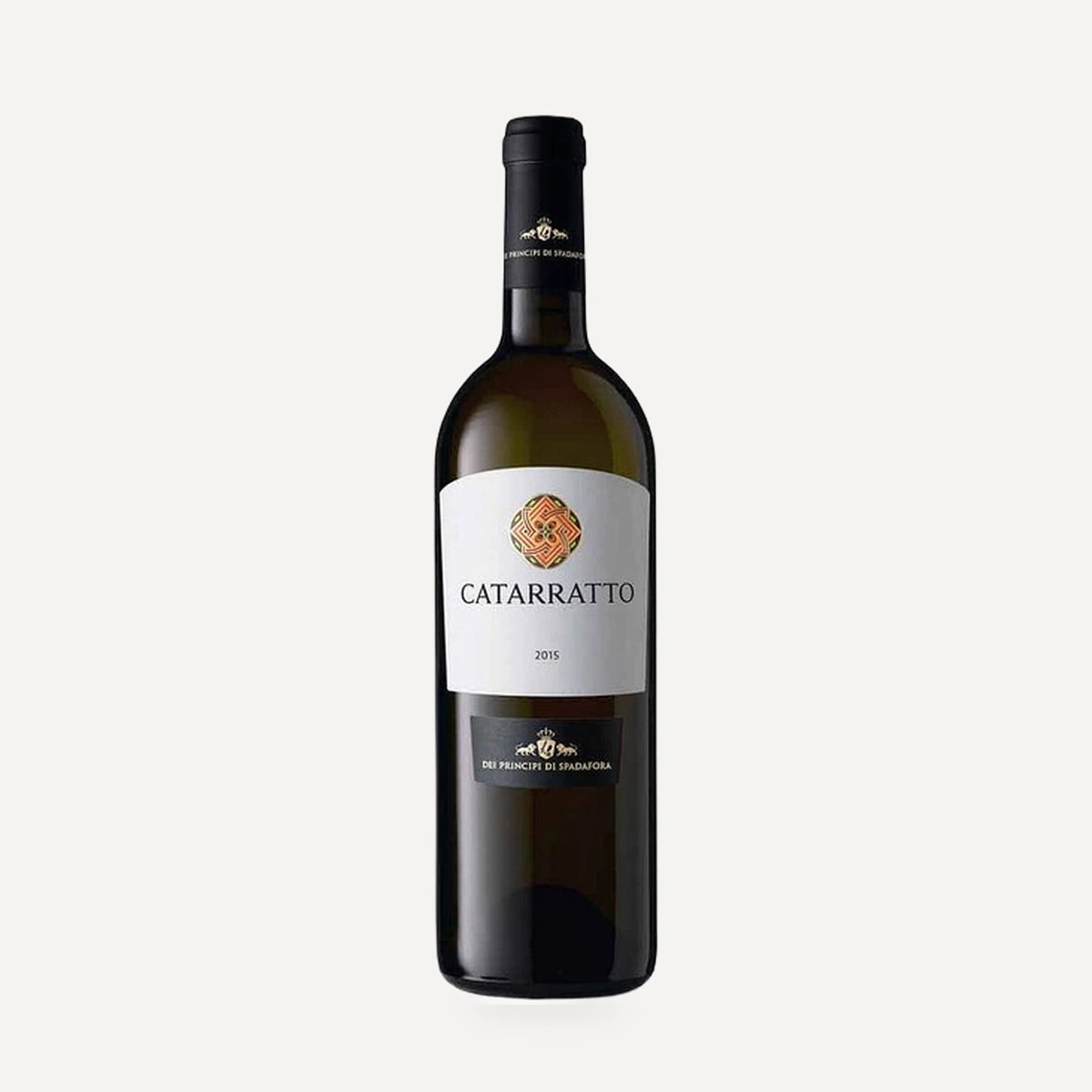
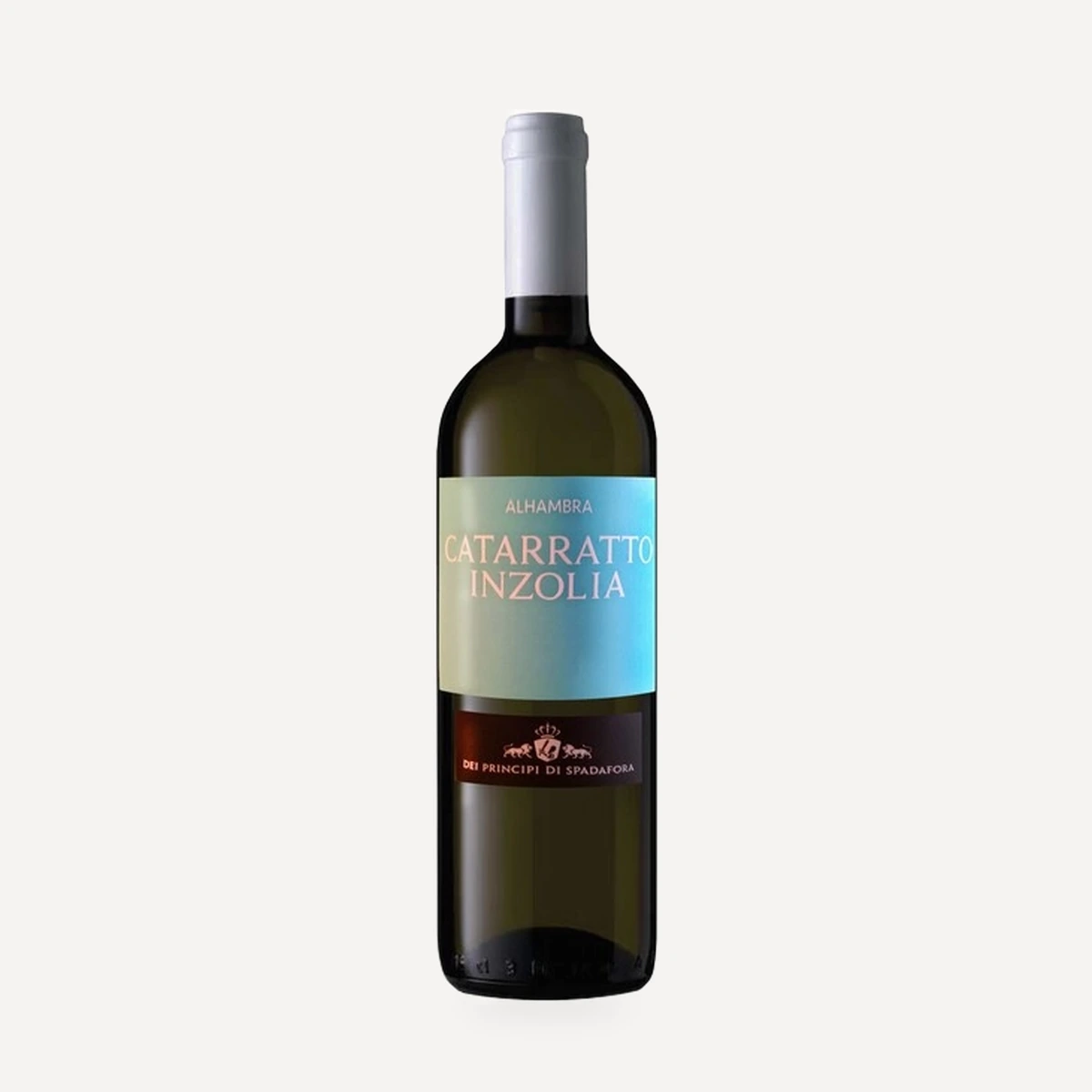
Catarratto
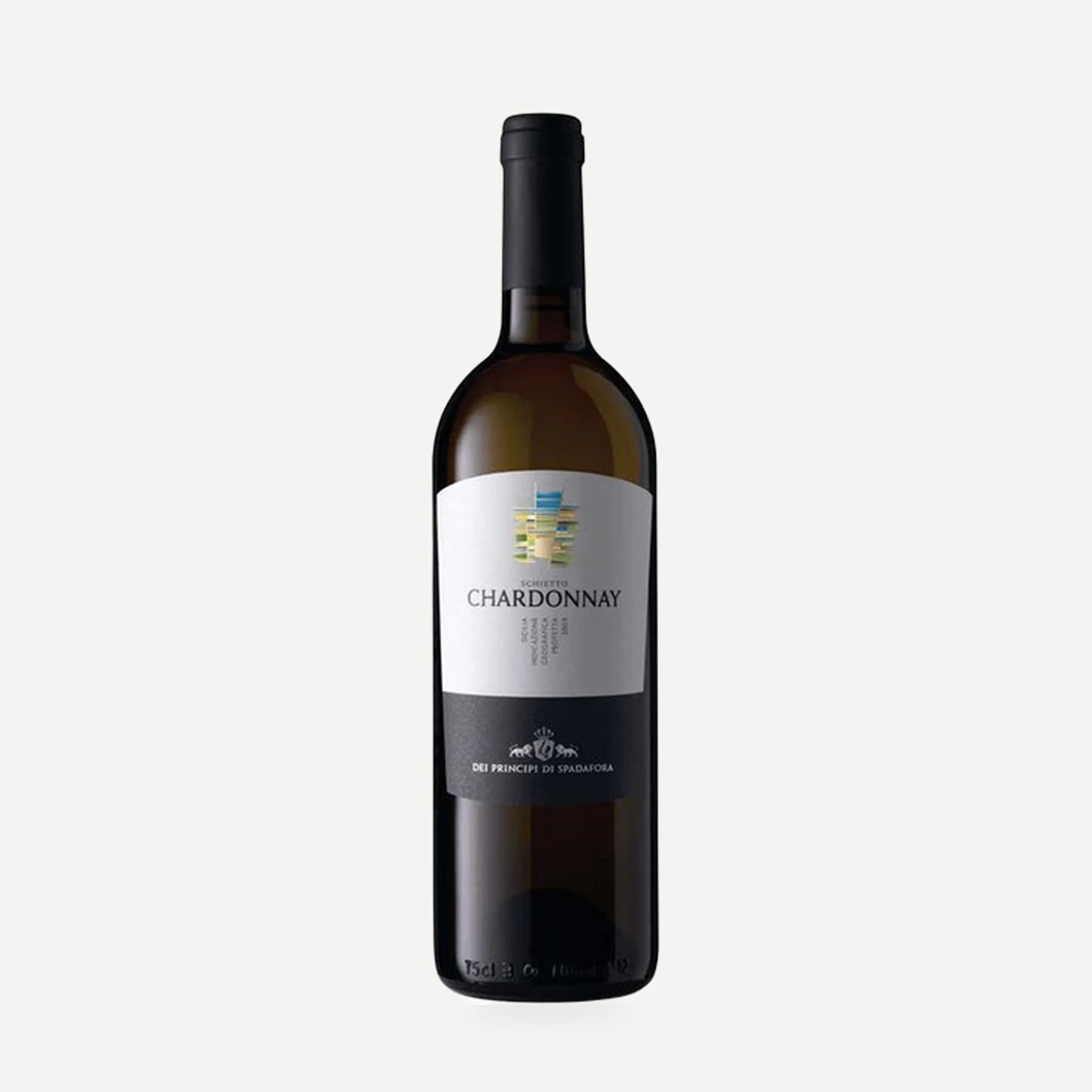
Schietto Chardonnay
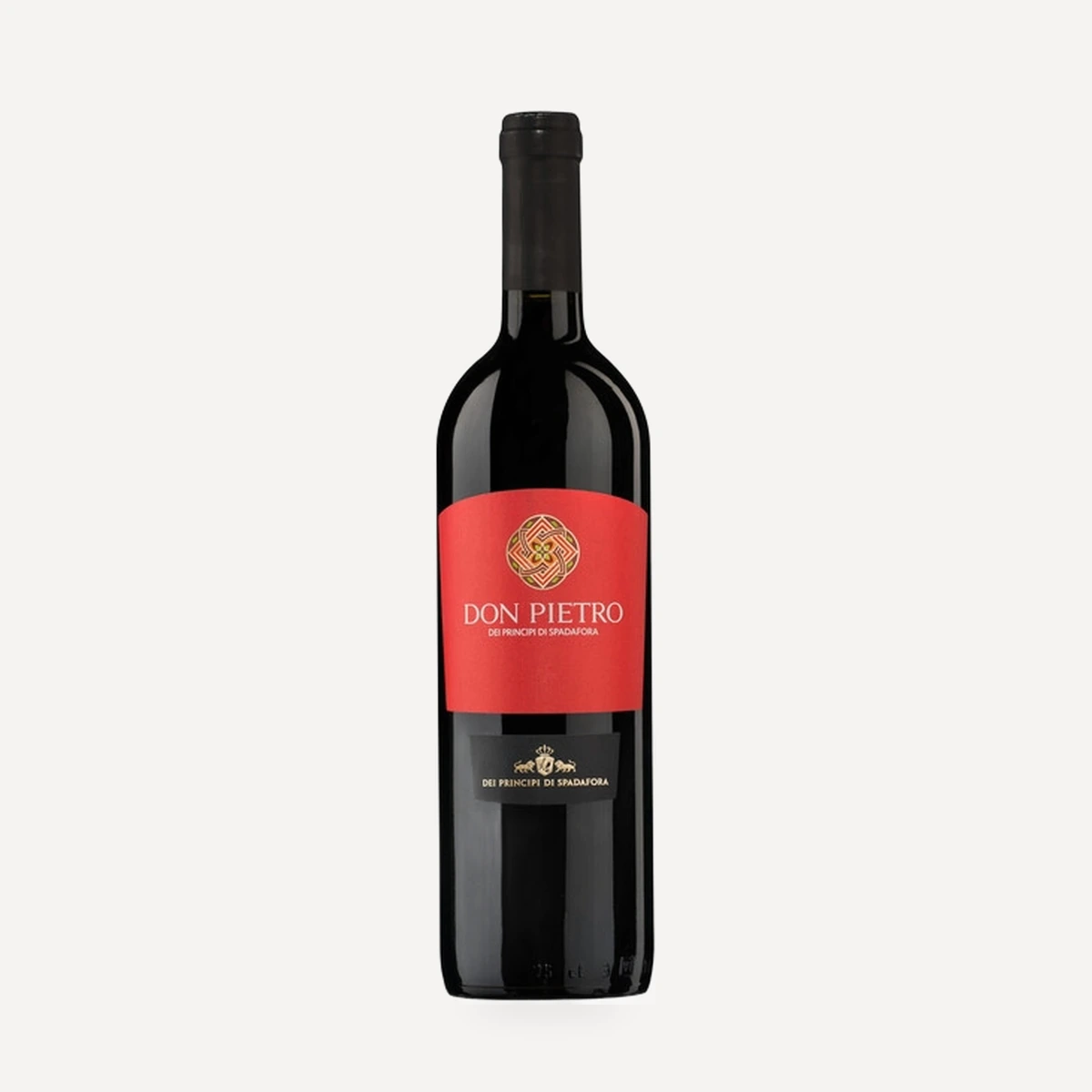
Don Pietro Rosso
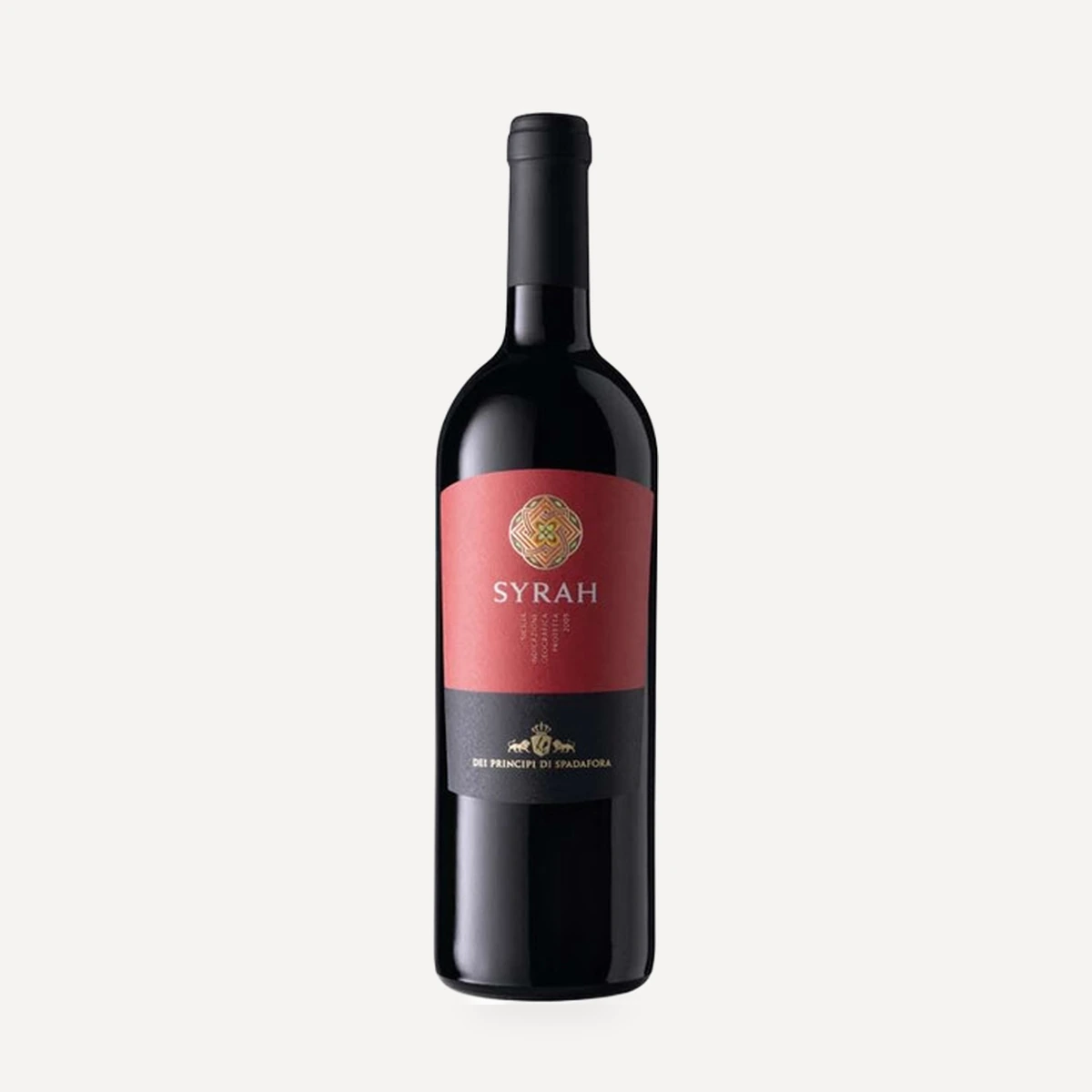
Azienda Agricola Syrah
Amnesia