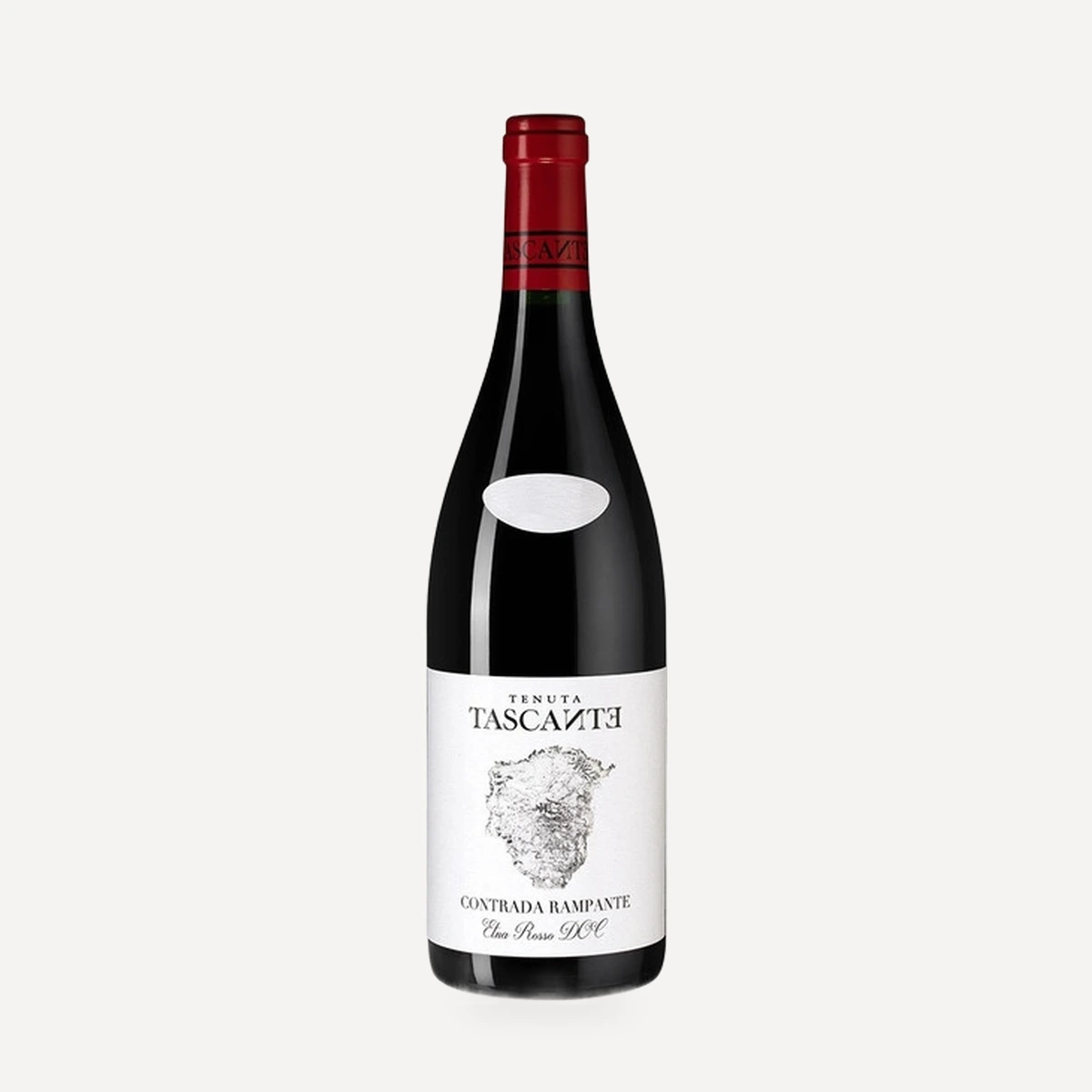
Questo vino
Vineyard and terroir
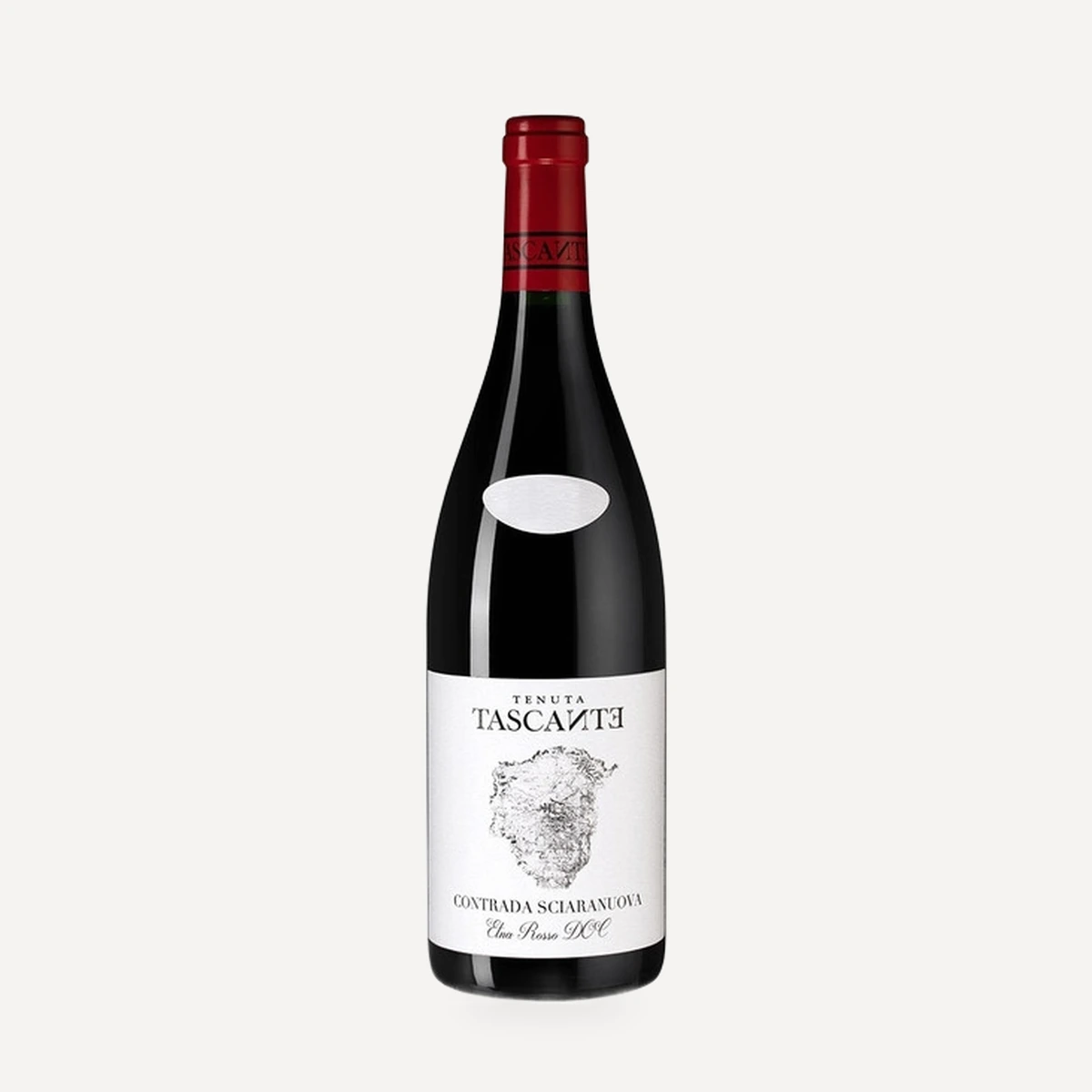
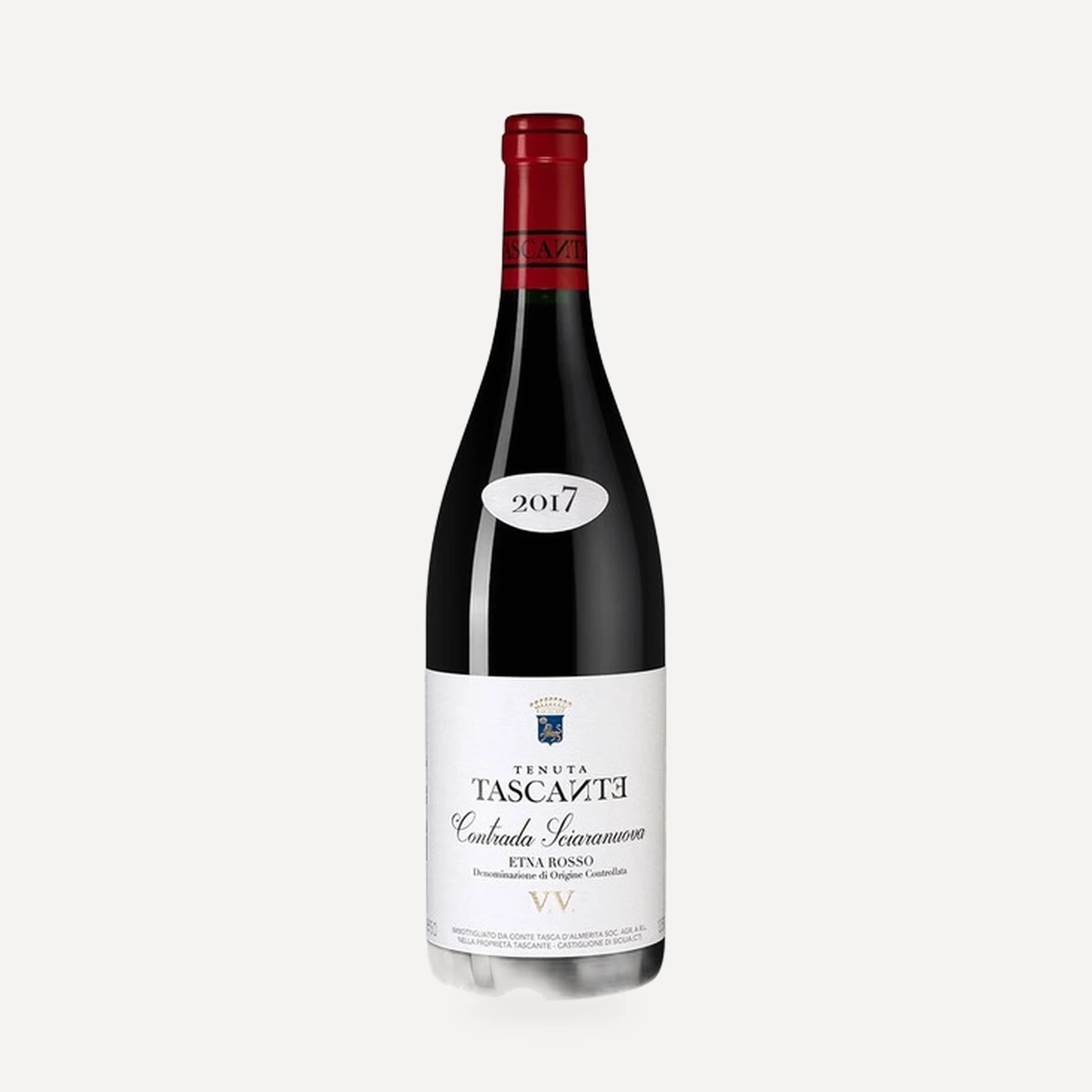
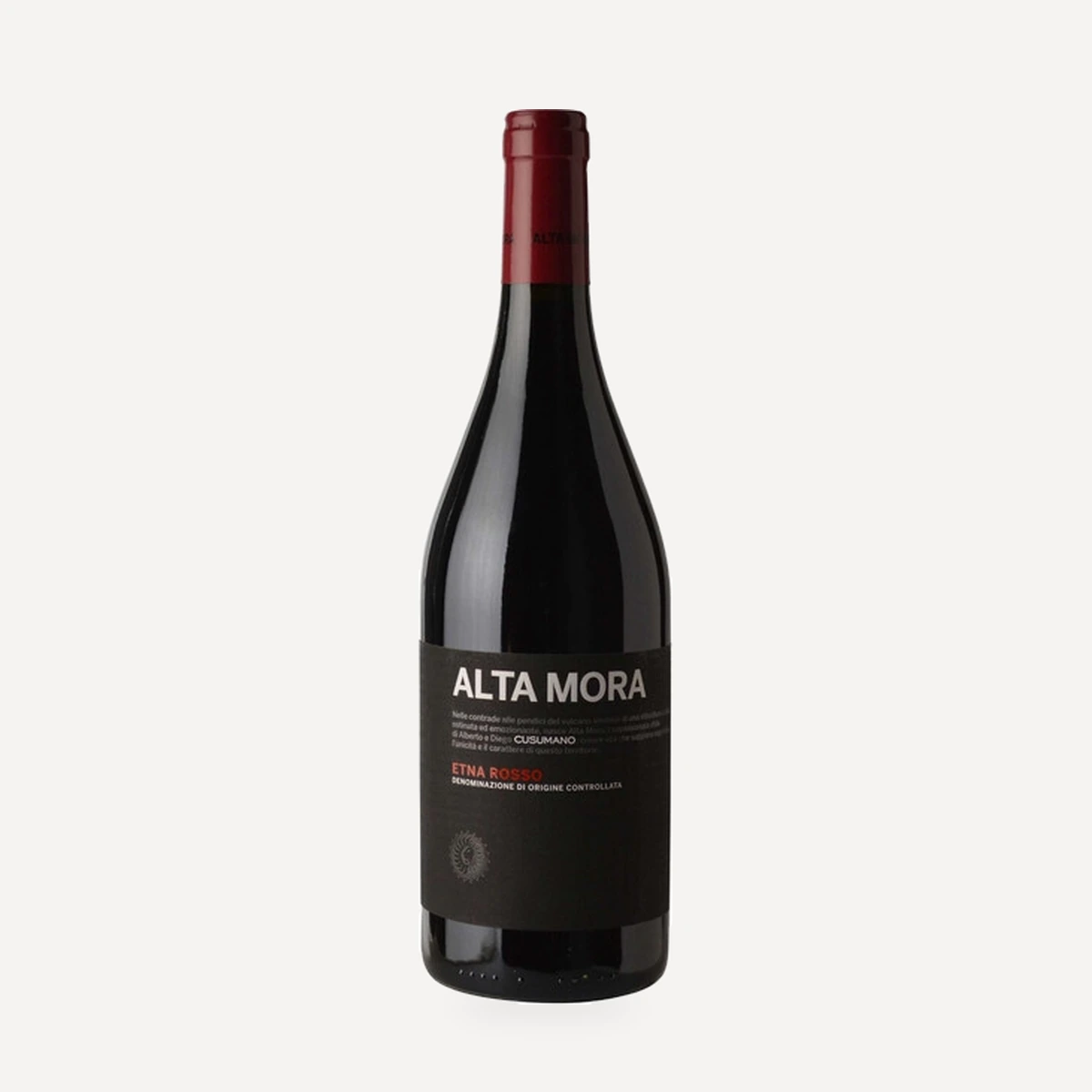
Contrada Rampante lies on Etna’s northern slope between Solicchiata and Passopisciaro. The 4.6 ha vineyard averages 740 m in elevation and comprises broad terraces bounded by dry-stone walls. The ground descends gently from southeast toward northeast, with an average gradient of 4.7%.
The vines were planted in 2000 at 5,000 vines/ha. They are espalier-trained and spur-pruned on cordons. Exposure runs northeast–southwest. The site consists of volcanic formations with differing lithological compositions but a shared age range of approximately 4,000–15,000 years.
Grapes
100% Nerello Mascalese.
Vinification
The 2021 fruit was harvested on 9 October. Traditional red-wine fermentation took place in stainless steel at 25–30°C for 10 days. Malolactic fermentation was completed.
Ageing
Twelve months in 25 hL Slavonian oak casks, followed by eight months in bottle.
Technical data
2021: 13.5% alcohol; pH 3.34; total acidity 6.15 g/L; residual sugar 0.5 g/L; total extract 28.8 g/L.
Tasting profile
Delicate fruit leads into clearly defined earthy and forest-floor notes. The palate is rich and savoury, with abundant but fine-grained tannins and a pleasantly meaty sensation on the finish.
Vintage notes
The 2021 vintage combined a dry, mild winter with a cool spring and average rainfall. Summer was dry and very hot, particularly from June through August. These conditions advanced ripening and produced a slight increase in alcohol together with good structure.