Questo vino
Vineyard and terroir
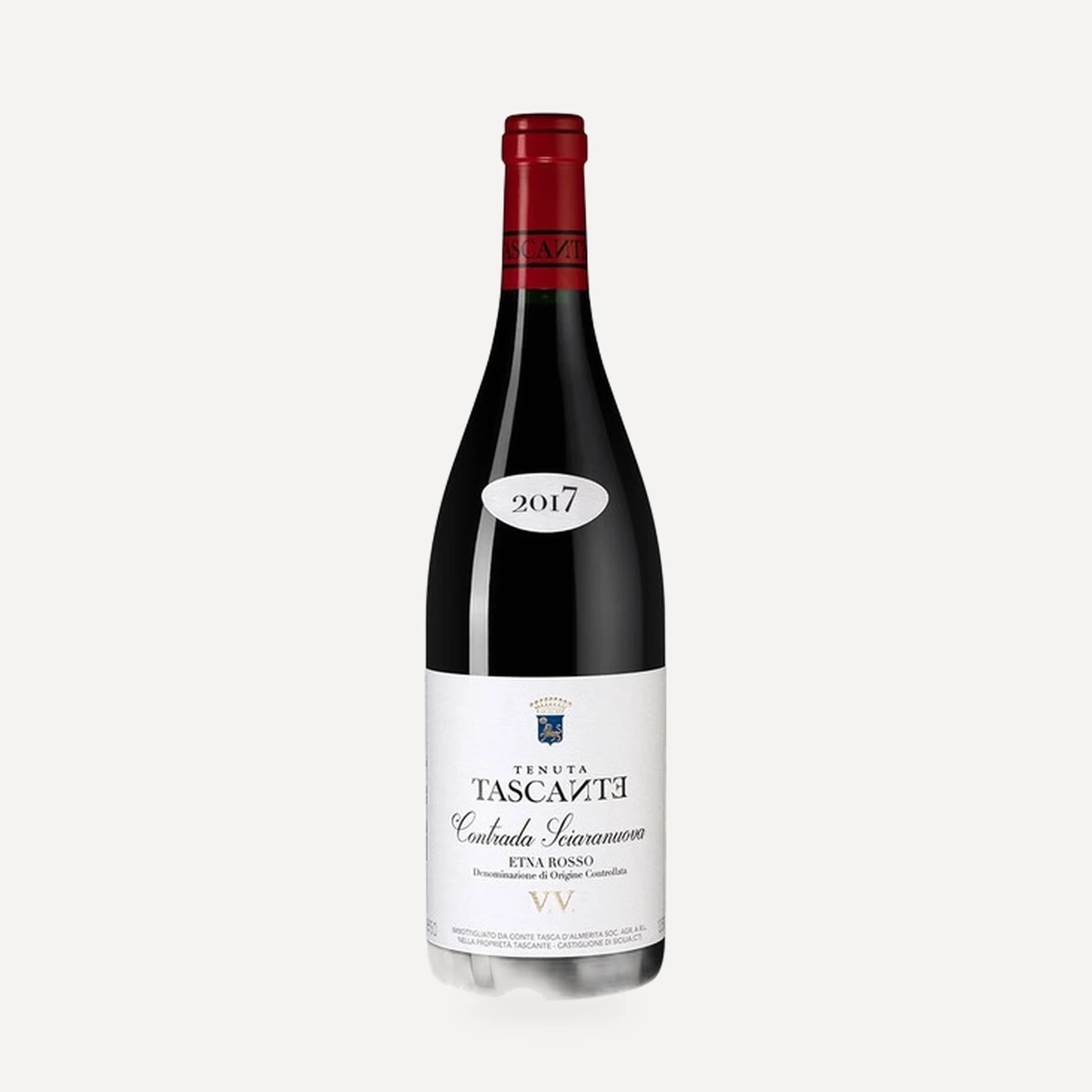
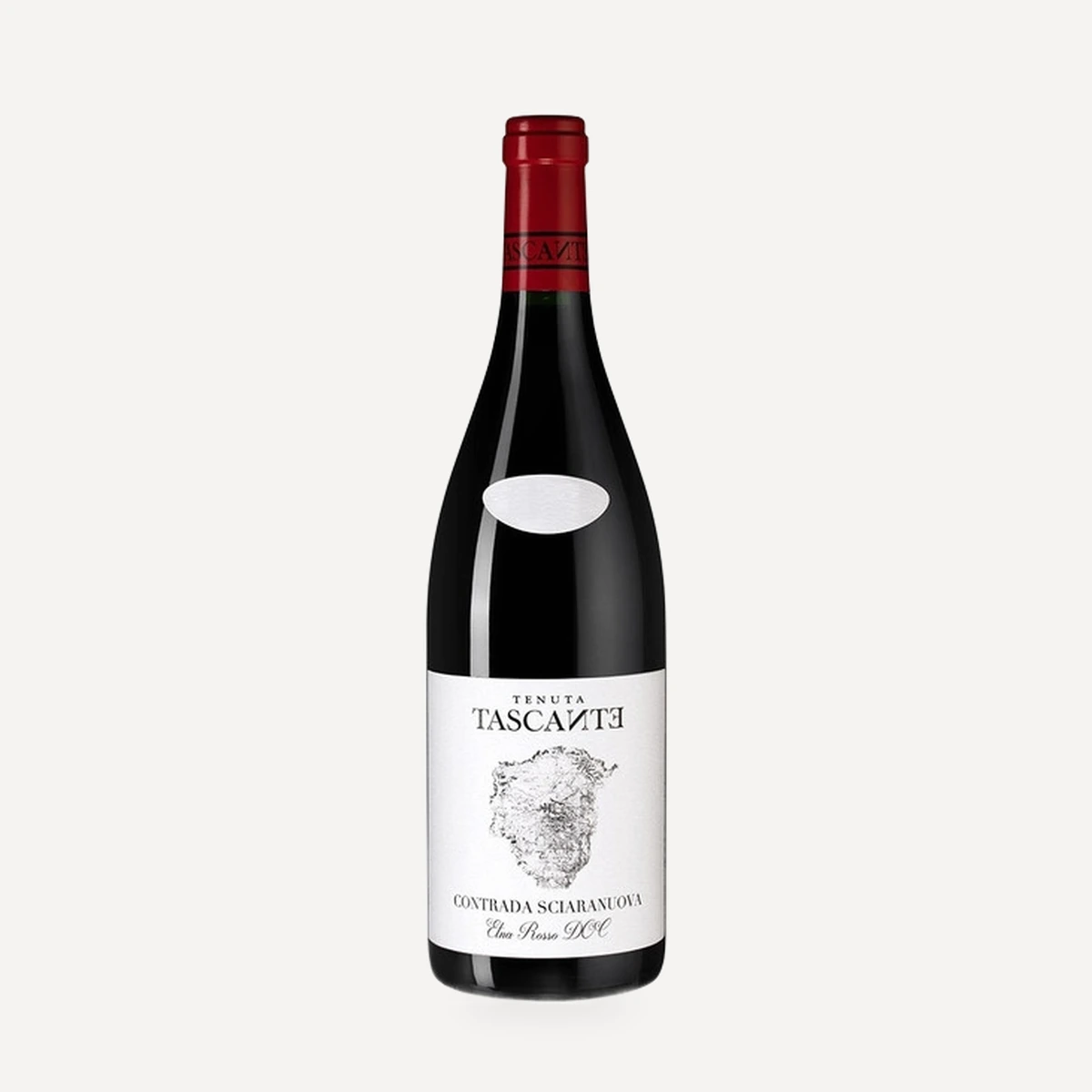
Contrada Sciaranuova lies on Etna’s northern slope near Randazzo, between Montelaguardia and Passopisciaro. The district covers 14.40 ha, including 4.9 ha of vines and more than 7 ha of chestnut groves. Dry-stone-walled terraces descend from southwest to northeast at an average gradient of 8.5%. The Nerello Mascalese vineyard was planted in 2008 at about 730 m a.s.l. on volcanic formations dating from approximately 40,000 to 4,000 years ago. The vines are espalier-trained and spur-pruned on cordons, at 5,000 vines/ha.
Grapes
100% Nerello Mascalese.
Vinification
The 2021 crop was harvested on 11 October. Traditional red-wine fermentation took place in stainless steel at 25–30°C for eight days, followed by complete malolactic fermentation.
Ageing
The wine matured for 12 months: 90% in 25 hl Slavonian oak casks and 10% in second- and third-use 300 L French oak tonneaux.
Technical data
The 2021 wine has 13.5% alcohol, pH 3.20, total acidity of 6.24 g/L, residual sugar of 0.5 g/L and total extract of 28.8 g/L.
Tasting profile
Black-cherry aromas mingle with powdery nuances. The palate is rich and dense, with savory tannins and a silky texture, balancing the elegance of the Etnean site with the power of Nerello Mascalese.
Vintage notes
The 2021 growing season began with a dry, mild winter, followed by a cool spring with average rainfall. Summer was dry and particularly hot from June through August. The heat accelerated ripening, producing slightly higher alcohol and good structure.