Storia
Four generations of Pellegrini winemaking
The Pellegrini family has produced wine in Tuscany for four generations. Its agricultural history also includes a three-generation relationship with Nannoni Distillery: the family supplied its own grape marc first from Morellino di Scansano production and later from Chianti Classico production.
2001: the organic family estate
In 2001, Terra di Seta became part of the certified-organic family farm at Le Macie, managed by Maria Pellegrini and her husband, Daniele Della Seta. Maria brought experience inherited through generations of family winegrowing. Daniele had worked as a biologist for more than 25 years before devoting himself fully to the estate.
During the estate's early years, the couple supplied their grapes to other producers in the area. Organic certification dates from 2001 and reflects their decision to pursue precise, sustainable vineyard management while conserving the identity of the soils and the Chianti character of the fruit.
2003–2006: vineyard establishment
The estate vineyards associated with the principal Chianti Classico production were planted between 2003 and 2015. Vigna del Pozzo, a named 2-hectare Sangiovese vineyard, was planted in 2006 at 480 metres above sea level.
2007: cellar and first estate-labelled vintage
A new winery was built in 2007. The same year produced the first vintage bottled under the Terra di Seta name, ending the period in which the couple's grapes had been delivered to other local producers.
2008: kosher certification
Beginning in 2008, the entire wine production from estate-owned grapes received kosher certification. The wines are made as Kosher for Passover and are not mevushal. Production through bottling is coordinated by the owners and winemaker Enrico Paternoster under the certifying body's supervision.
The 2008 vintage was also the first for the Chianti Classico Annata now represented by the 480 slm and Terra di Seta labels.
2009–2011: Riserva and Gran Selezione milestones
The first vintage of the estate's Riserva represented by Guardo Giro was 2009. The first vintage of the Vigna del Pozzo Gran Selezione represented by Ermo Colle was 2011. Assai likewise records 2011 as its earliest listed vintage.
2018: expansion of hospitality
The estate added a kosher dairy osteria in 2018, extending its hospitality beyond accommodation, vineyard and cellar tours, and tastings. Maria and Daniele remain involved across the operation: vineyard care, harvest, production, sales, accommodation, visits and tastings.
Terroir
Terra di Seta occupies 46 hectares at Loc. Macie in the municipality of Castelnuovo Berardenga, within the UGA Vagliagli and the southern sector of Chianti Classico. The estate lies roughly 12 kilometres north of Siena. Technical vineyard descriptions place it at 480 metres above sea level, with coordinates around 43°24′18″ N, 11°21′29″ E; the Assai site is recorded at 43°24′16″ N, 11°21′37″ E.
The property crowns a hill surrounded by woodland and opens toward Siena with wide, bright, panoramic views. Its 15 hectares of vines form a contiguous block around the cellar, running through south-east, south and south-west exposures. Individual production vineyards are principally described as south-facing.
The climate is Mediterranean, sunny and windy. A persistent afternoon breeze and marked day-to-night temperature changes define the estate's microclimate. The vineyard soils are rocky and dry, with Macigno and limestone formations of Galestro and Alberese. Vine roots descend through this stony profile toward mineral-rich water. The combination is associated with the estate's objective of producing fragrant, finely structured red wines.
Vinificazione
Terra di Seta has been certified organic since 2001, with ICEA identified as the certification body for EU organic wine. The estate follows a precision-oriented approach to vines and olive trees, supported by consulting agronomist Ruggero Mazzilli.
Management includes plant-by-plant targeted pruning, organic inputs, grassing or maintained ground cover, and green manuring. These measures are intended to strengthen the plants against disease while increasing soil organic matter and natural fertility. The organic system excludes synthetic fertilisers, herbicides, fungicides, insecticides and other synthetic pesticides, as well as genetically modified organisms. Preventive crop protection is based on resistant plant material and appropriate cultivation techniques.
Sangiovese receives particular emphasis through the use of multiple selected clones, mostly of Chianti origin. Crop levels vary with the intended selection: the Annata protocol does not exceed 45 quintals/ha, while the single-vineyard Gran Selezione selection is limited to 35 quintals/ha. Grapes are allowed to complete phenolic ripening on the vine and are selected during harvest. Picking is by hand, using 15 kg baskets for Annata and Riserva selections and 20 kg baskets for the Gran Selezione selection, followed by rapid transport to the cellar.
The organic programme supports a visibly diverse farm environment with indigenous plants and flowers and numerous species of birds and wild animals. More than 1,000 olive trees grow on the property, while a small organic apiary makes use of the surrounding flora. Photovoltaic and solar installations produce alternative energy for estate use.
The winery was purpose-built in 2007, the year of Terra di Seta's first estate-labelled vintage. Grapes are moved promptly from harvest to the cellar and gently fed into the crusher-destemmer, in some cases by conveyor belt.
Red-wine protocols use stainless-steel fermenters. Several selections receive four days of pre-fermentation maceration, followed by alcoholic fermentation lasting about 20 days at a controlled maximum of 28°C. Depending on the selection, post-fermentation skin contact lasts approximately 10, 15 or 20 days. Temperature and the pressure generated during fermentation are controlled. Malolactic fermentation is recorded at 15–20 days. At racking, the free-run wine is drained without pressing the skins.
Maturation varies by selection. Medium-toasted French oak vessels include 225-litre barrels and 500-litre tonneaux. Recorded ageing periods are 12 months for Annata, 18 months for Riserva and 24 months for Gran Selezione, followed by three to six months in bottle. One Toscana IGT selection is matured for 18 months in new, medium-toasted French oak and refined for nine months in bottle.
The rosato is separated from its skins within hours of crushing. It undergoes a slow fermentation held mainly around 16°C, then rests for several months in stainless steel before filtration and bottling.
Since 2008, the complete wine production from estate-owned grapes has been kosher-certified. Sabbath-observant Jewish personnel are involved throughout the process, and every stage through bottling is established and coordinated by the owners and winemaker Enrico Paternoster under certification supervision. The wines are Kosher for Passover and not mevushal, with OK and EuroK certifications identified across the range.
Filosofia
Terra di Seta defines its aim as the production of traditional, refined products that express the land from which they come. The family links quality to precise organic farming, preservation of the estate's distinctive soils and maintenance of a recognisable Chianti identity.
Sangiovese stands at the centre of this approach. Multiple clones, predominantly of Chianti origin, are matched with low yields, selective hand harvesting and cellar work designed to retain fruit, structure and site character. For the most selective wines, production proceeds only when seasonal conditions permit complete sugar and phenolic ripeness.
The family presents tradition and contemporary sustainability as complementary rather than opposing principles. Organic soil management, biodiversity, renewable energy and the use of estate-grown fruit coexist with controlled fermentation, carefully selected French oak and extended bottle refinement. Maria Pellegrini and Daniele Della Seta remain directly involved from vineyard work and harvest through production, sales and hospitality.
Kosher production is treated as an estate-wide commitment rather than a limited sub-range: since 2008, the full wine output from estate-owned grapes has been made under kosher supervision. The wider family-farm philosophy also connects wine with olive oil, honey, seasonal food and direct hospitality.
Vini
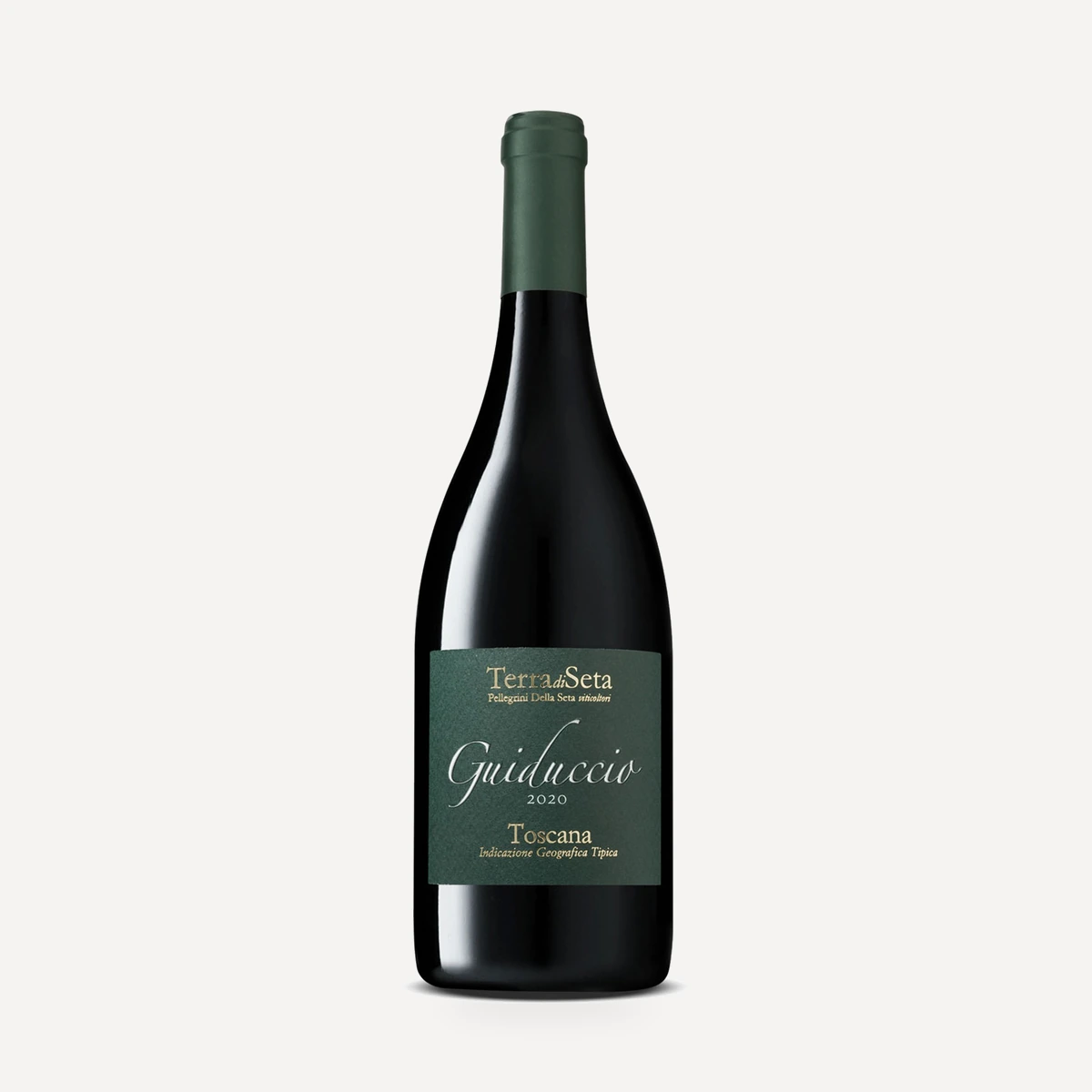
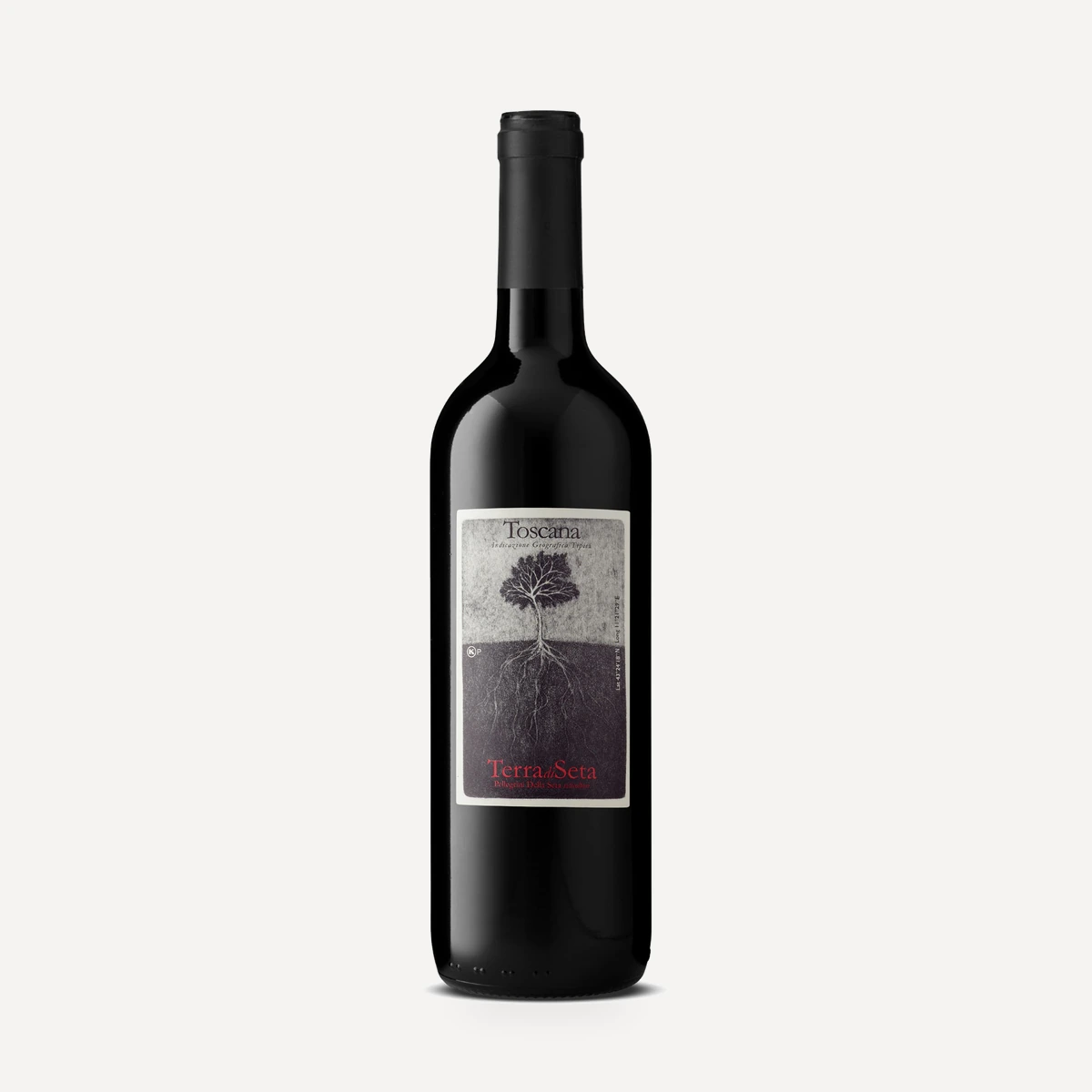
Guiduccio I.G.T. Toscana Rosso Supertuscan
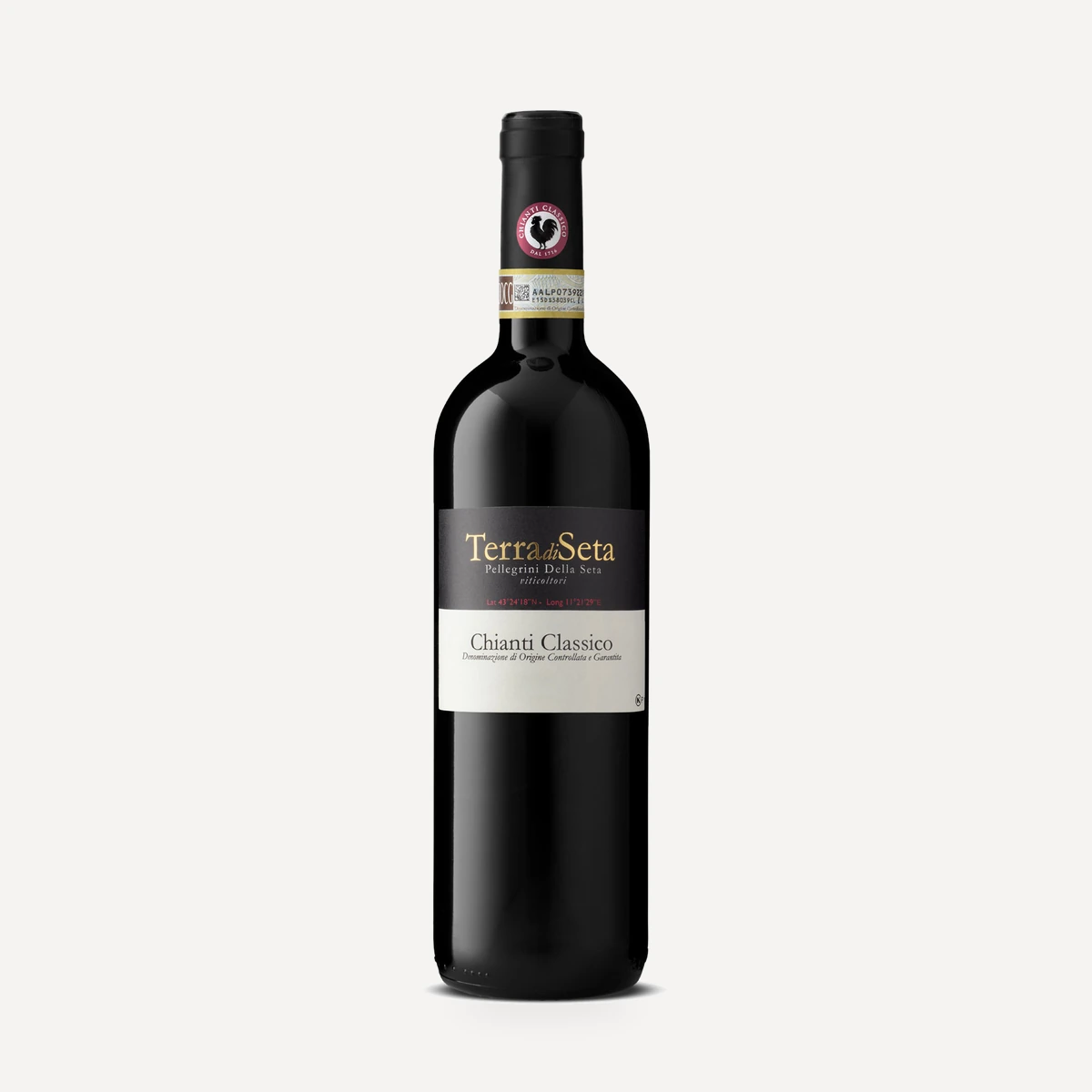
Terra di Seta Chianti Classico Annata D.O.C.G.
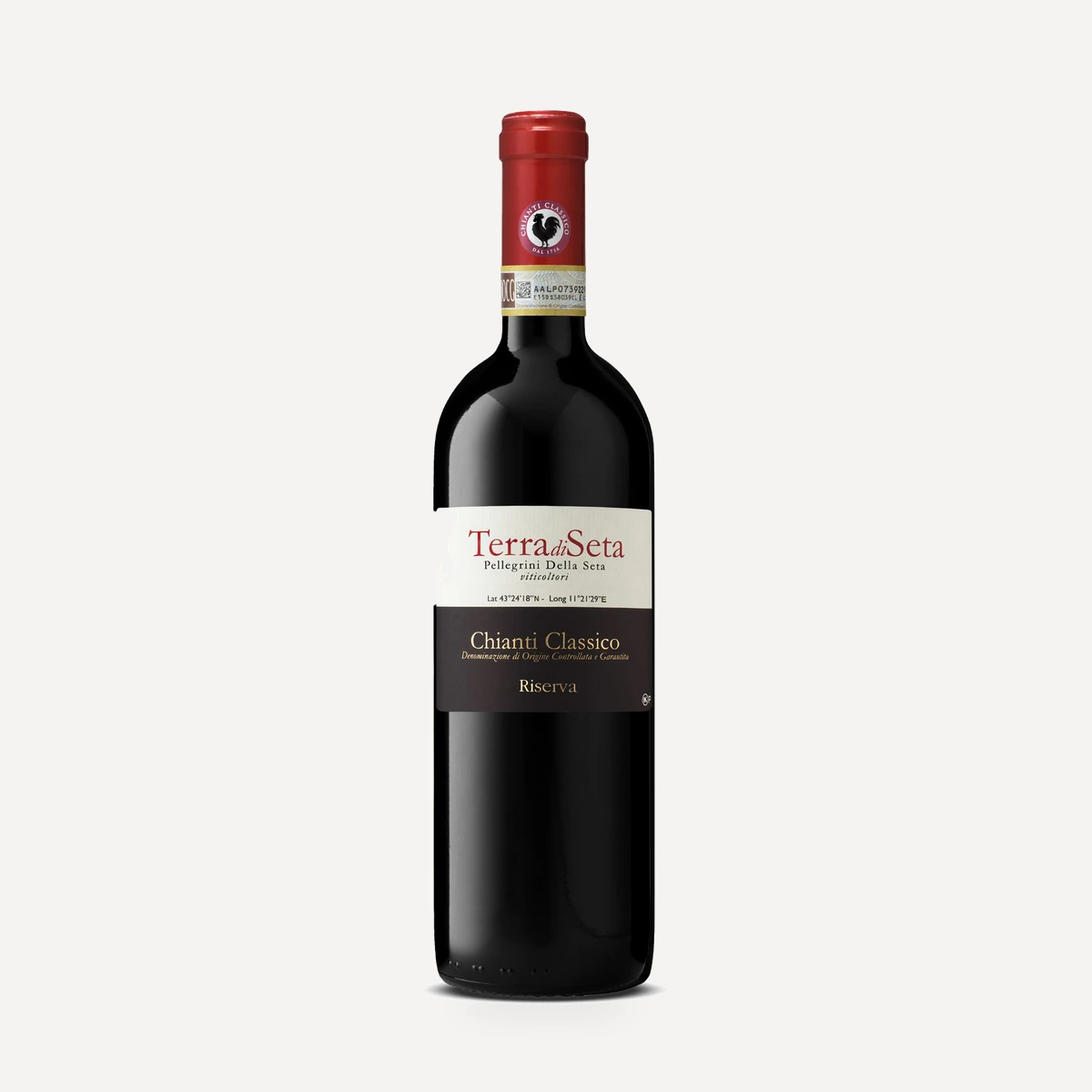
Terra di Seta Chianti Classico Riserva D.O.C.G.
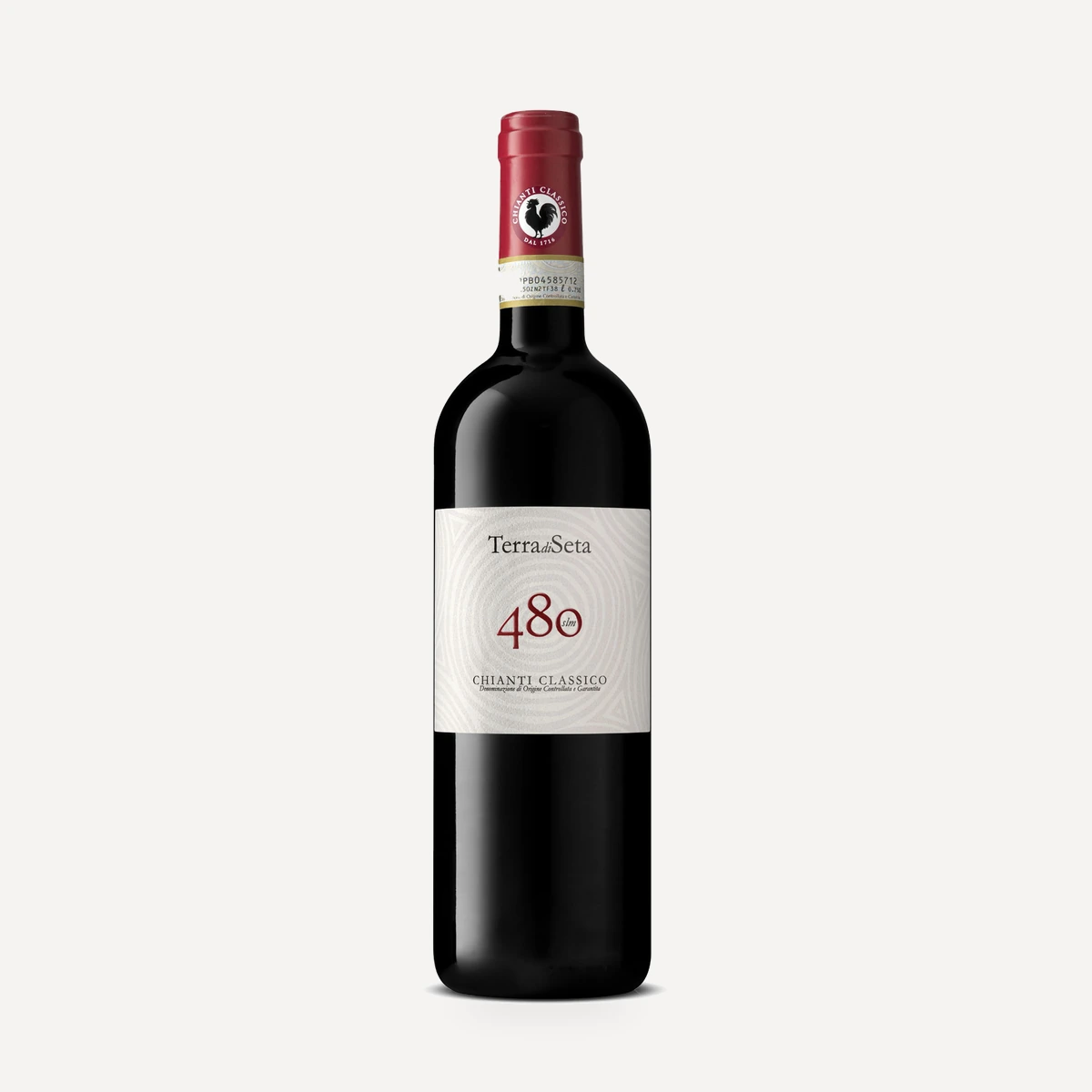
480 slm Chianti Classico Annata D.O.C.G.
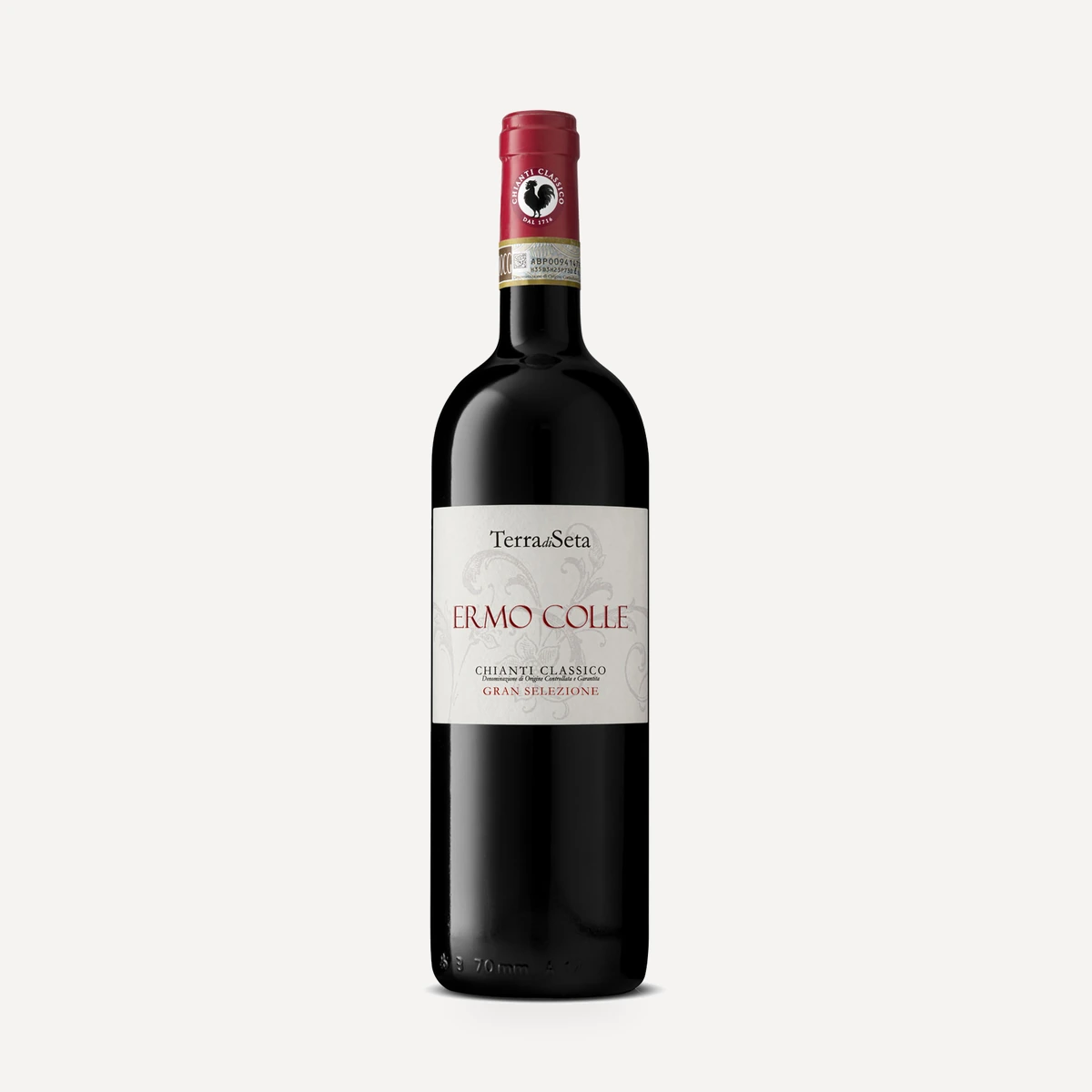
Ermo Colle Chianti Classico Gran Selezione D.O.C.G.
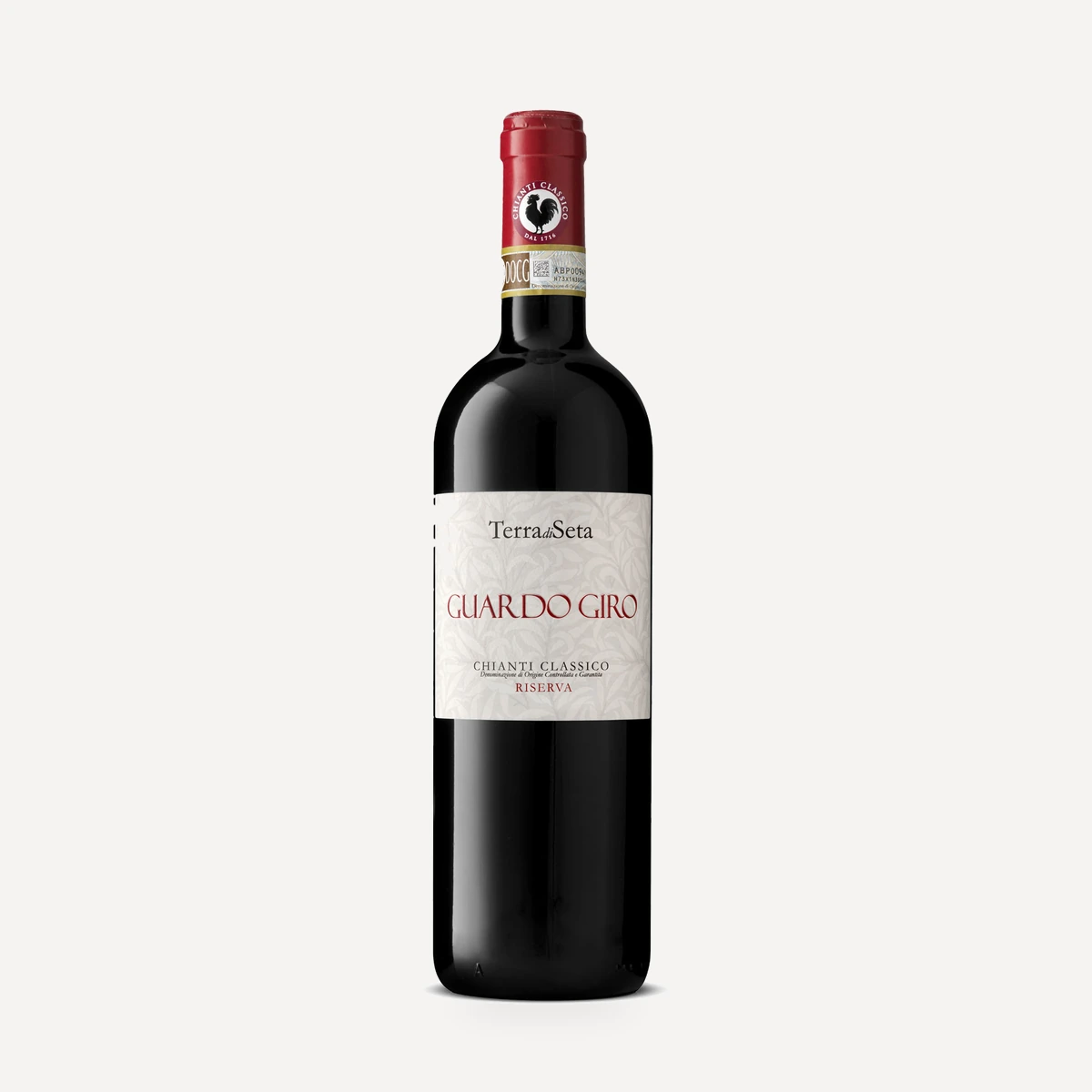
Guardo Giro Chianti Classico Riserva D.O.C.G.
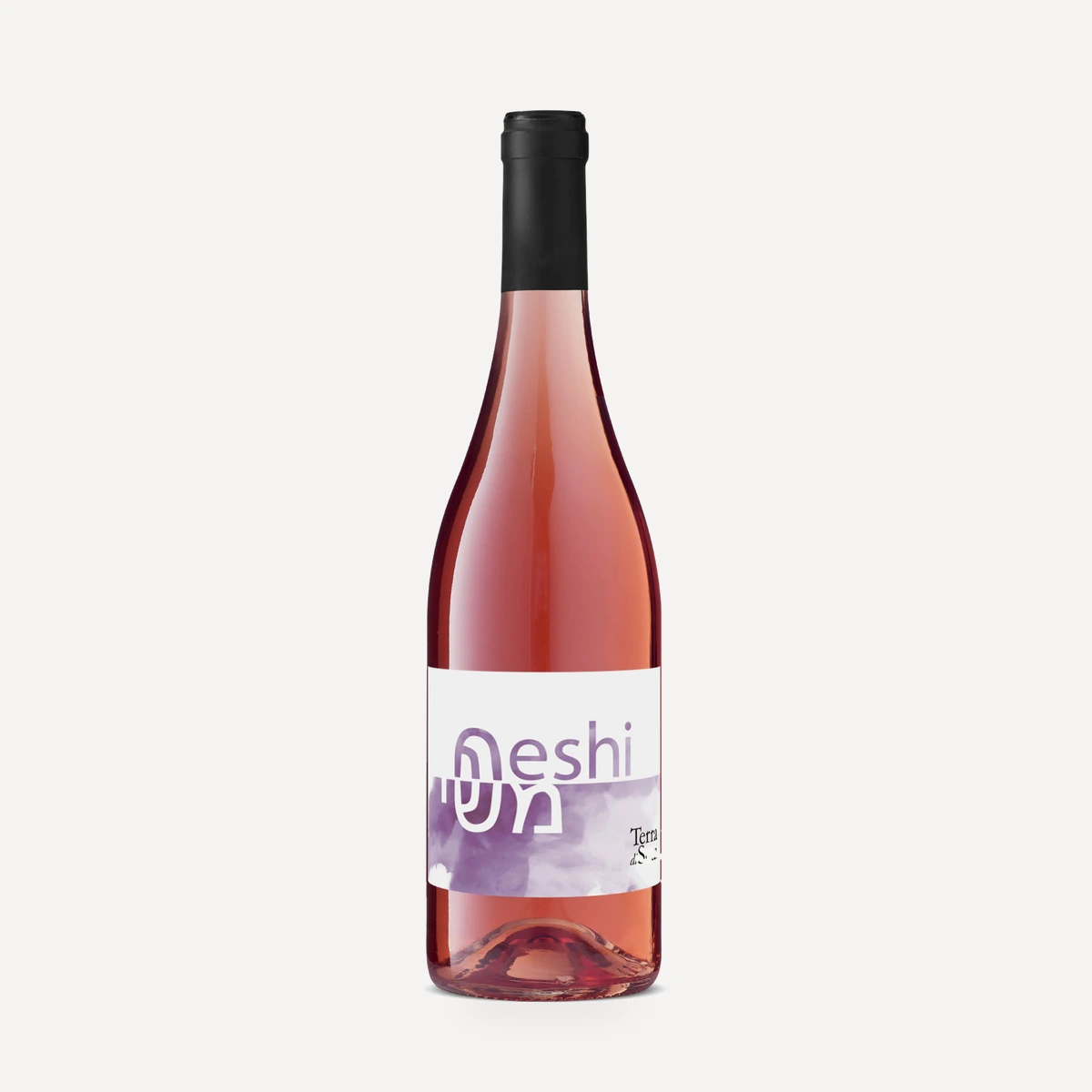
Meshi Toscana Rosato I.G.T.