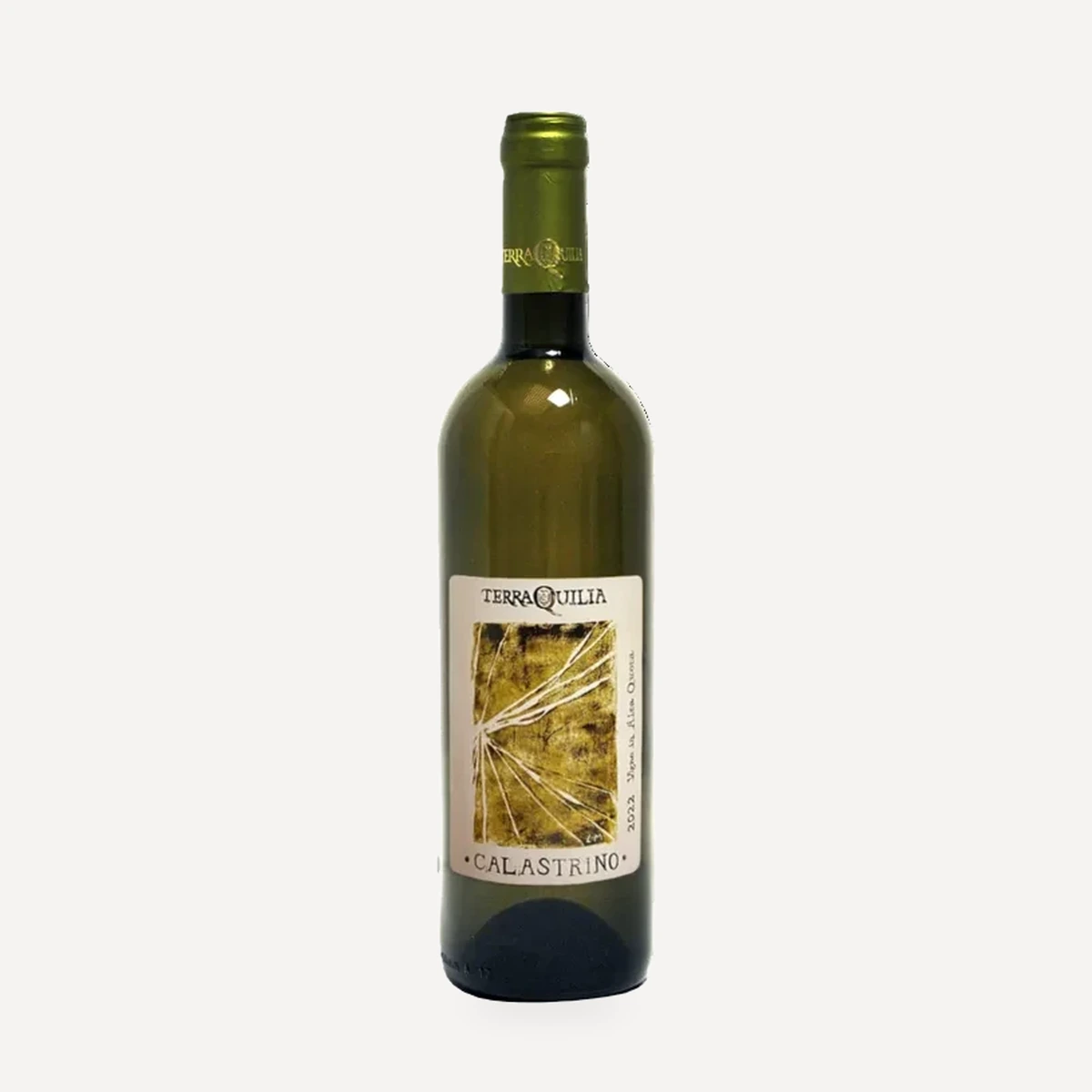
Storia
The Mattioli tradition
Terraquilia’s approach descends from the winemaking tradition practiced by Arturo Mattioli, Romano Mattioli’s father, from the 1970s onward. It was a seasonal form of cellar work in which fermentation followed the rhythms of winter and spring, before modern temperature-control technology became available.
2004 — the first vineyard
The project began at Podere Conca d’Oro in Guiglia, a natural basin at approximately 490 metres above sea level. A hill and Guiglia’s castle stand behind the site, sheltering it from cold winter winds, while Monte Cimone lies opposite. Night breezes reach the basin along the Panaro valley during hot summers.
The position was chosen for an exacting form of mountain viticulture. The initial plantings included Lambrusco Grasparossa, Pignoletto, Trebbiano and Malbo Gentile. Conca d’Oro subsequently became an experimental vineyard containing almost all of the varieties cultivated by Terraquilia.
2007 — the first winery
Once the vines planted in 2004 began producing fruit, the family chose to vinify the crop directly rather than consigning the grapes elsewhere. The decision was intended to preserve the winemaking ideas passed from Arturo to Romano.
An agricultural equipment shed was therefore renovated and brought into compliance as a functioning winery. Its panoramic Belvedere tower later became the place where grapes for the estate’s passito were naturally dried.
2009 — the Terraquilia name
Commercial sales of the first bottles began in 2009. Romano sought a name connecting the wines with their place of origin and selected Terraquilia, identified as an ancient name for Guiglia and interpreted as “land of Guiglia.”
2010 — expansion to three estates
The agricultural holding expanded through the purchase of two additional properties in the commune of Guiglia. Their contrasting exposures allowed Terraquilia to match different grape varieties to different sites.
Podere F.lli Bandiera was planted on a south-west-facing site with clay-and-silt soils and devoted to red grapes, particularly Lambrusco Grasparossa and Malbo Gentile. Podere La Riva, a sunny north-facing site with black clay and rock, was planted principally with Sangiovese and white varieties including Pignoletto, Trebbiano, Moscato, Malvasia and Verdicchio di Guiglia.
2011 — disgorged ancestral wines and Verdicchio di Guiglia
Terraquilia was producing spontaneously bottle-refermented wines with their natural yeast sediment. Although their quality was well received, the sediment made the wines more difficult to sell. The response was to develop a way of disgorging the sparkling wines à la volée while retaining the natural ancestral method.
During the same period, Romano met Mr Guerra, who described an old grape associated with Guiglia’s viticultural tradition and invited him to harvest the last surviving row on his property. Research and confirmation identified it as a local clone, which Terraquilia registered as Verdicchio di Guiglia.
2012 — declared sulphur levels
Terraquilia reinforced its natural-wine commitment by placing the actual total residual sulphur level on every label. The declared range is 25–35 mg/L. The practice was presented as a measure of transparency toward consumers and accompanied the avoidance of other permitted winemaking additives.
2016 — the new winery at Podere La Riva
Growing demand in Italian and international restaurants and wine shops encouraged a move to a winery with greater production capacity and enough underground space for extended maturation.
The current facility was constructed at Podere La Riva using wood and principles of environmental sustainability. Its photovoltaic installation supplies more than 80% of its energy requirements. Rainwater is recovered and used for irrigation. The complex also includes an underground cellar, a shop and tasting area, and facilities for guided winery and vineyard visits.
2017 — the first presentation of TreSassi
The wine made from Verdicchio di Guiglia was presented for the first time at Vinitaly in 2017 under the name TreSassi. Its name refers to the three sandstone pinnacles in the regional park at Guiglia.
Terroir
Terraquilia’s three estates are situated in the commune of Guiglia at elevations between 400 and 500 metres. The winery and the original Conca d’Oro vineyard stand at approximately 490 metres.
Podere Conca d’Oro occupies a natural basin. A hill and Guiglia’s castle shelter it from cold winter winds, while Monte Cimone lies opposite. During hot summers, nocturnal breezes travel from the mountain along the Panaro valley. The vineyard faces south and its soils combine clay, sand and silt.
Podere F.lli Bandiera faces south-west and has clay-and-silt soils. Podere La Riva faces north but remains sunny; its soils consist of black clay and rock.
The winery stands among the green hills around Guiglia, with views across much of the province of Modena. The surrounding landscape includes the Parco Regionale dei Sassi di Roccamalatina, rural hamlets and historic churches.
Vinificazione
The vineyards are managed in close relation to seasonal cycles and the slower rhythms of the natural environment. All three estates lie at 400–500 metres, an elevation Terraquilia characterizes as mountain or high-altitude viticulture.
The contrasting exposures and soil compositions of the three properties are used to place different varieties: red grapes dominate the south-west-facing clay-and-silt soils of Podere F.lli Bandiera, while Sangiovese and several white grapes occupy the sunny north-facing black clay and rock of Podere La Riva. Conca d’Oro functions as the experimental vineyard and contains almost the full range of cultivated varieties.
Recovered rainwater from the winery is used for irrigation.
Ancestral fermentation
Terraquilia’s sparkling wines undergo bottle refermentation without filtration. The method is modeled on an older seasonal cycle in which the first spontaneous fermentation took place in the vat before winter. Residual grape sugar then became dormant in the cold and restarted fermentation naturally in bottle with the return of spring warmth.
The contemporary process uses temperature-controlled stainless-steel vats to slow and eventually arrest the first fermentation while retaining enough grape sugar for fermentation to resume after bottling. No additional sugar or selected yeast is introduced for the second fermentation.
At the end of bottle refermentation, spent yeast forms the natural sediment known as the fondo. The “puro col fondo” wines retain this deposit in the bottle.
Disgorged ancestral wines
For the “Zero” sparkling and semi-sparkling wines, maturation continues for several months on the wine’s own lees. Bottles are then manually riddled, and the sediment is removed by à la volée disgorgement without freezing the neck. The operation employs a dedicated machine developed by Terraquilia’s technicians. Depending on the cuvée, disclosed lees-aging periods range from at least 15 to at least 30 months.
Still and passito production
White and rosé vinifications may include cold maceration on the fine lees before white-wine fermentation. Red wines are fermented on their skins, with published examples ranging from four or five days for the passito to six–ten days for dry red and sparkling wines. Bottle maturation ranges from at least six months for an aromatic white to at least 36 months for a still Malbo Gentile.
Grapes destined for the passito are dried naturally for approximately four months in the Belvedere tower. The resulting wine undergoes a short red-wine fermentation on the skins followed by 12 months in third-use barriques.
Additives, sulphur and cellar
The production philosophy excludes added sugar, selected yeast, filtration and other permitted winemaking additives. Actual total residual sulphur is declared on every label and ranges from 25 to 35 mg/L.
The present facility at Podere La Riva contains separate areas for vinification, bottling, storage and maturation. Its underground cellar provides space for extended bottle aging.
Filosofia
Terraquilia presents wine as the outcome of a balance between vineyard, cellar and the seasonal rhythms of nature. Its central aim is to reinterpret the inherited ancestral method as faithfully and completely as possible while using temperature control to manage fermentation with precision.
The approach joins tradition and limited modern technology: stainless-steel temperature control preserves the grape’s own sugar for bottle refermentation, while sugar, selected yeast, filtration and other permitted additives are avoided. Natural sediment may remain in the bottle, or it may be removed manually by à la volée disgorgement after extended lees maturation.
Transparency is another declared principle. Terraquilia prints the actual total residual sulphur content on every bottle, with levels between 25 and 35 mg/L.
The wider environmental approach includes a wood-built winery, photovoltaic generation covering more than 80% of energy requirements, rainwater collection for irrigation and respect for the natural setting around Guiglia.
Vini
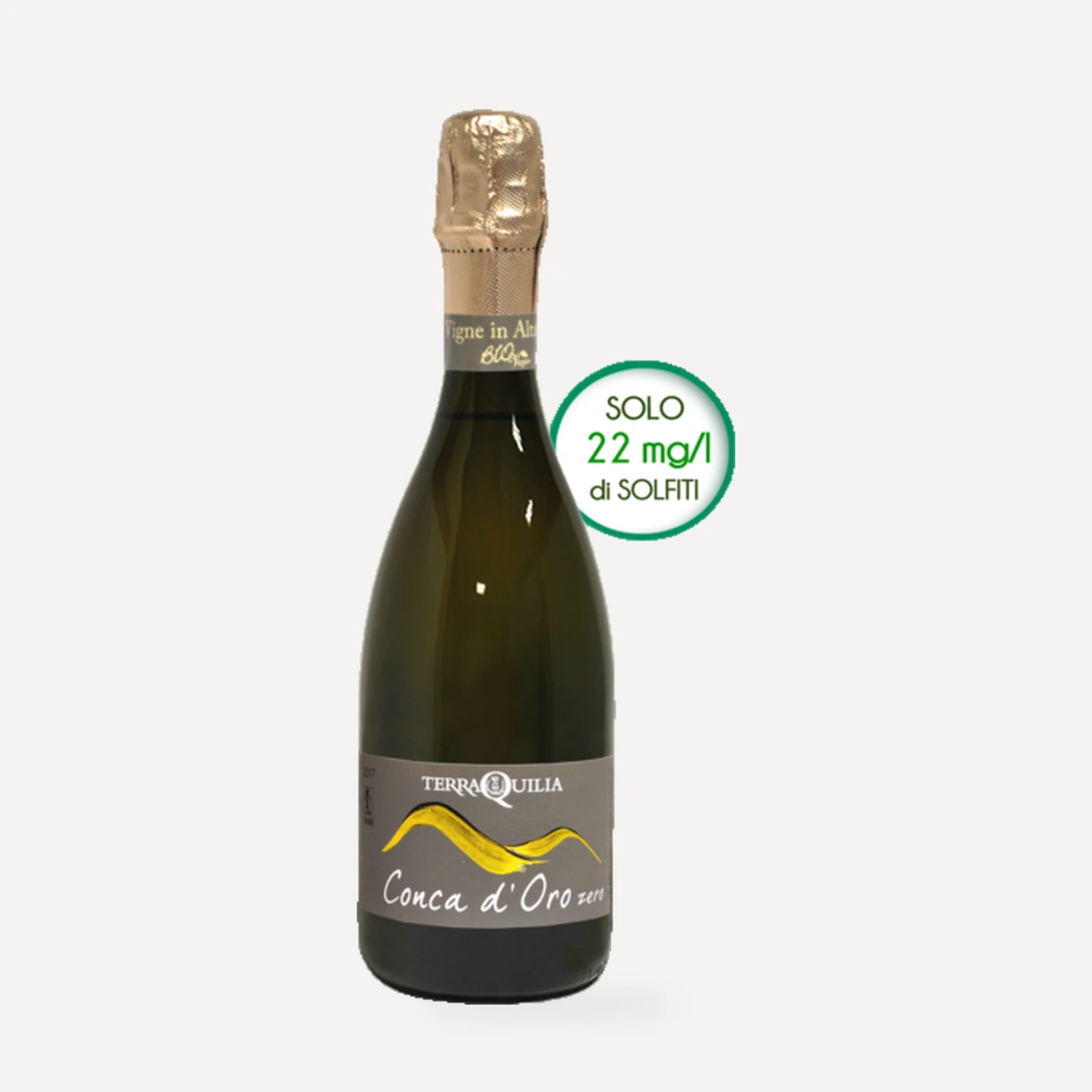
Conca d’Oro Zero
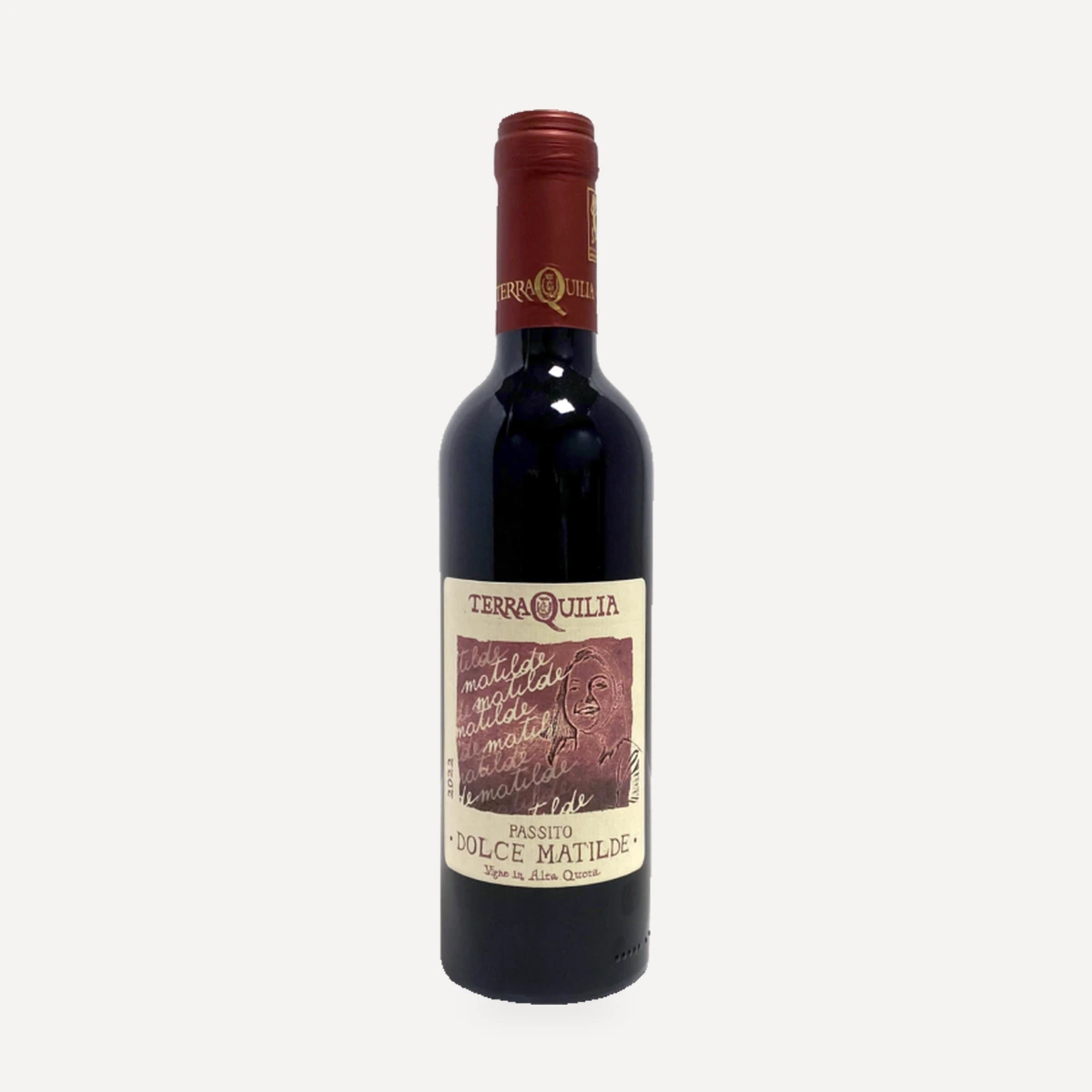
Dolce Matilde
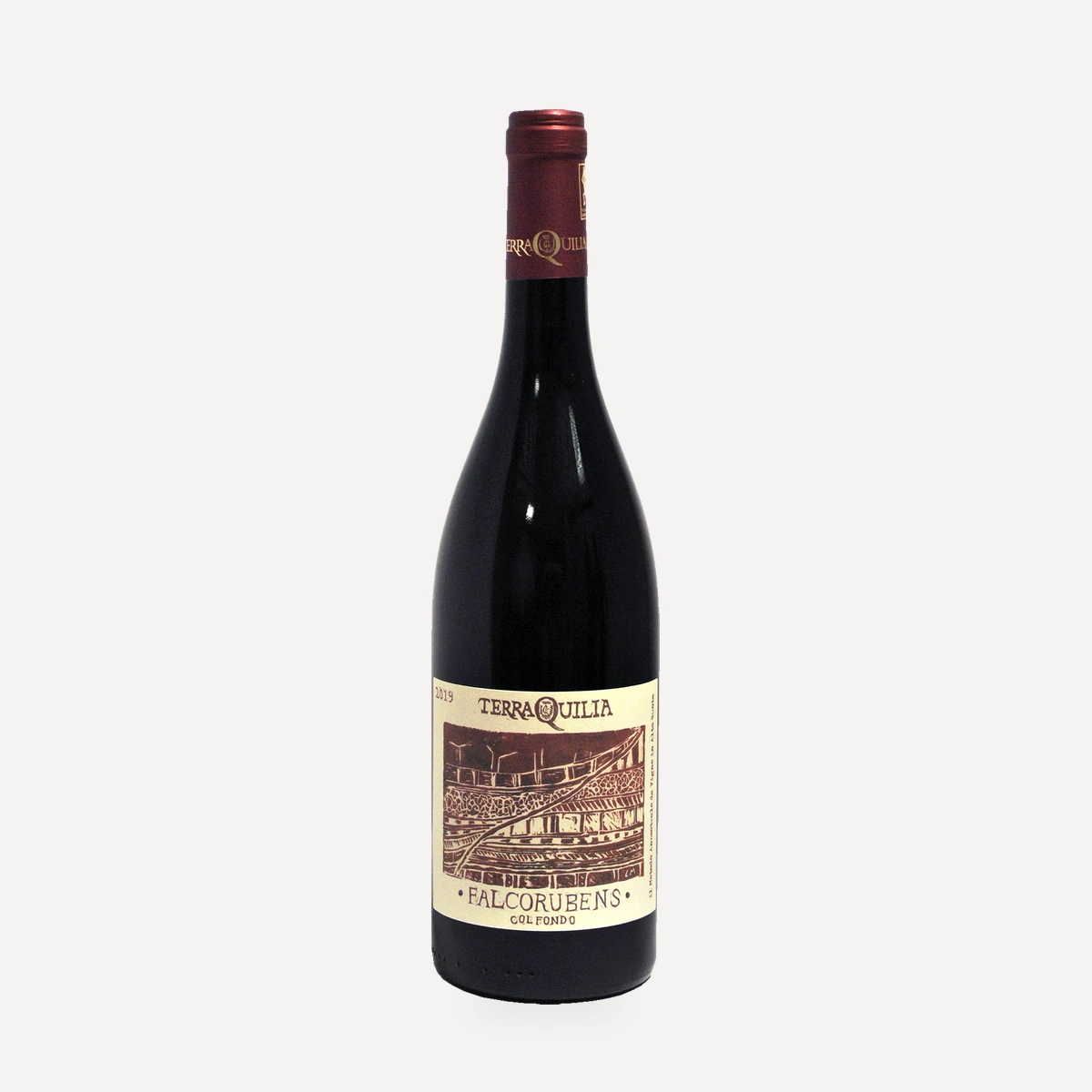
Falcorubens col fondo
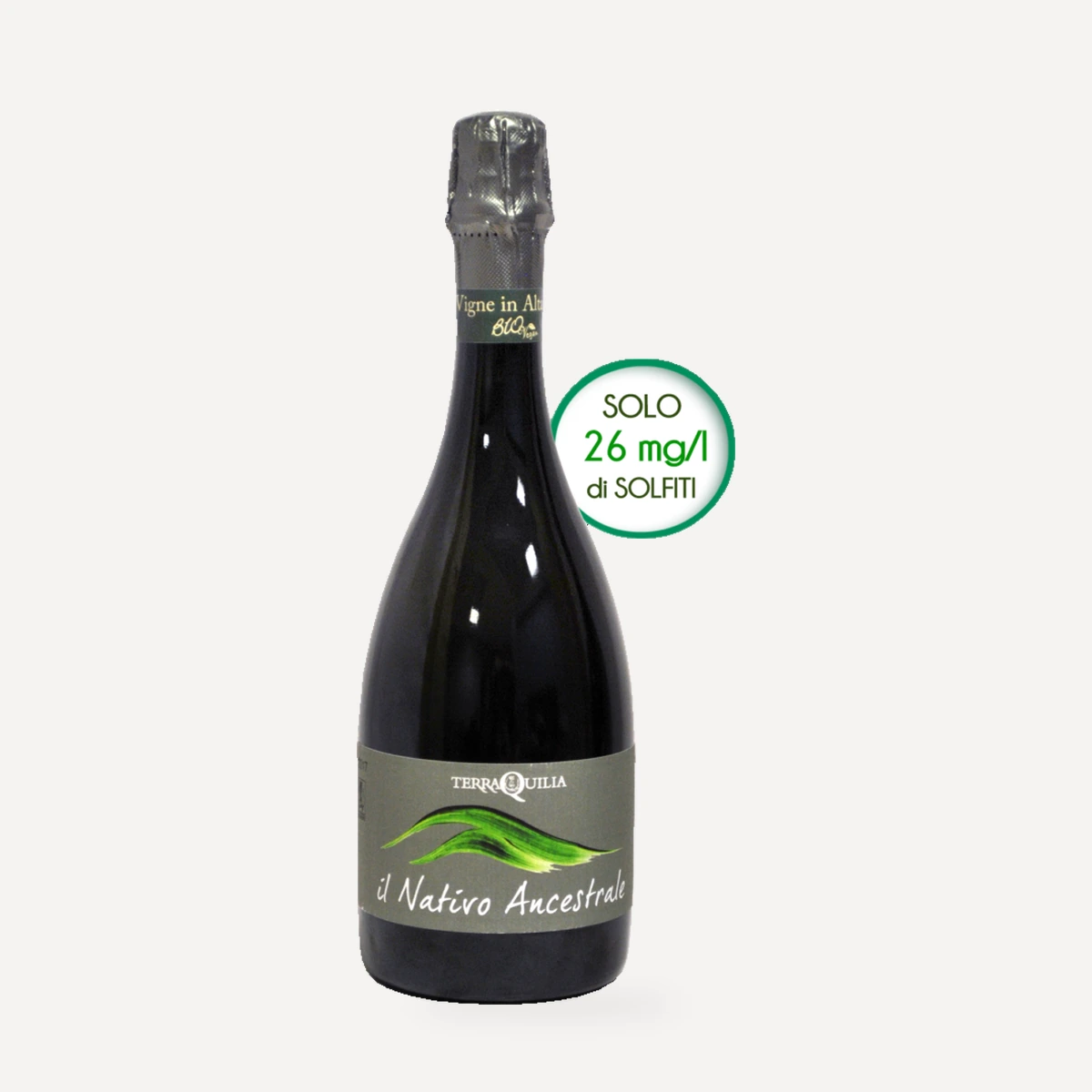
Il Nativo Ancestrale
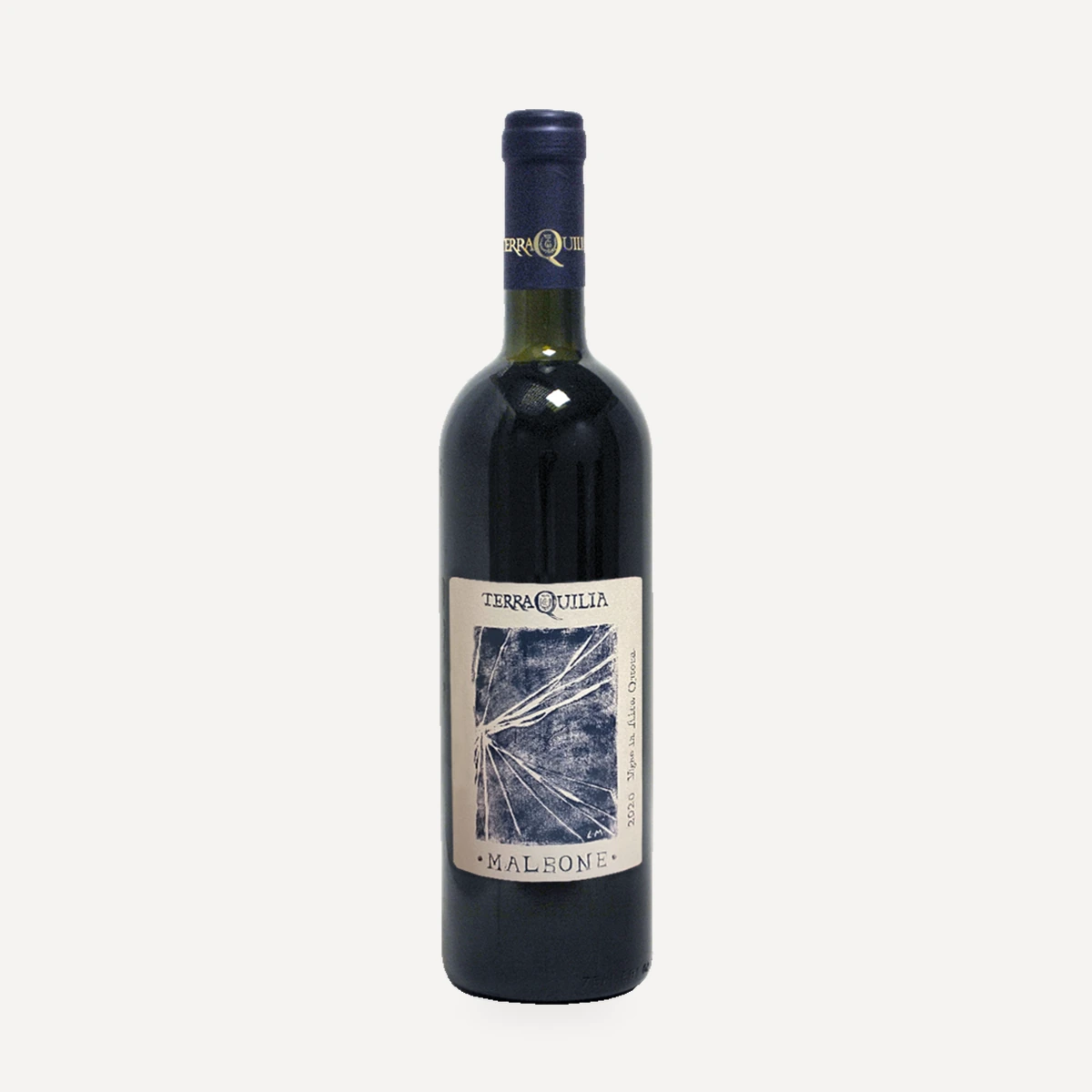
Malbone
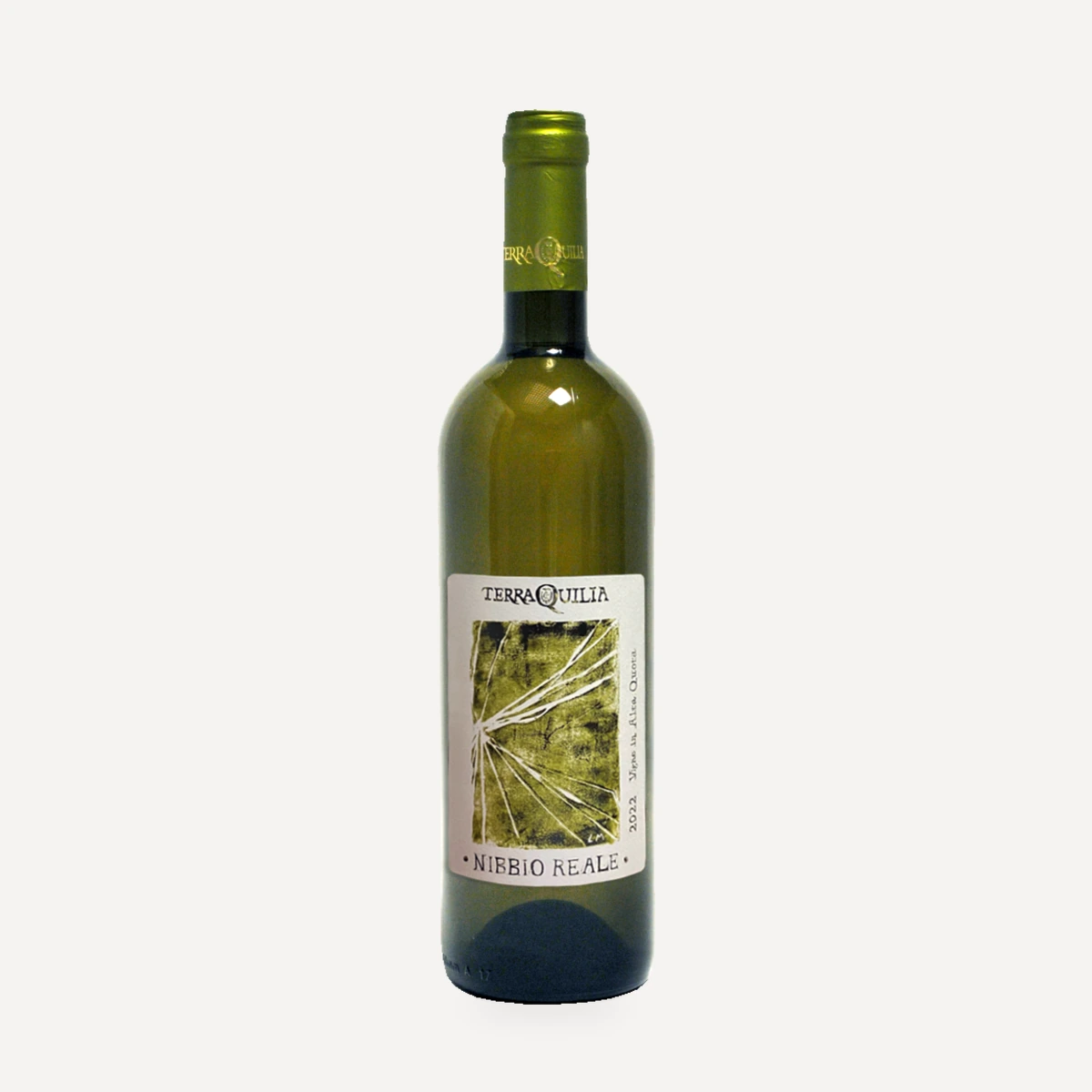
Nibbio reale
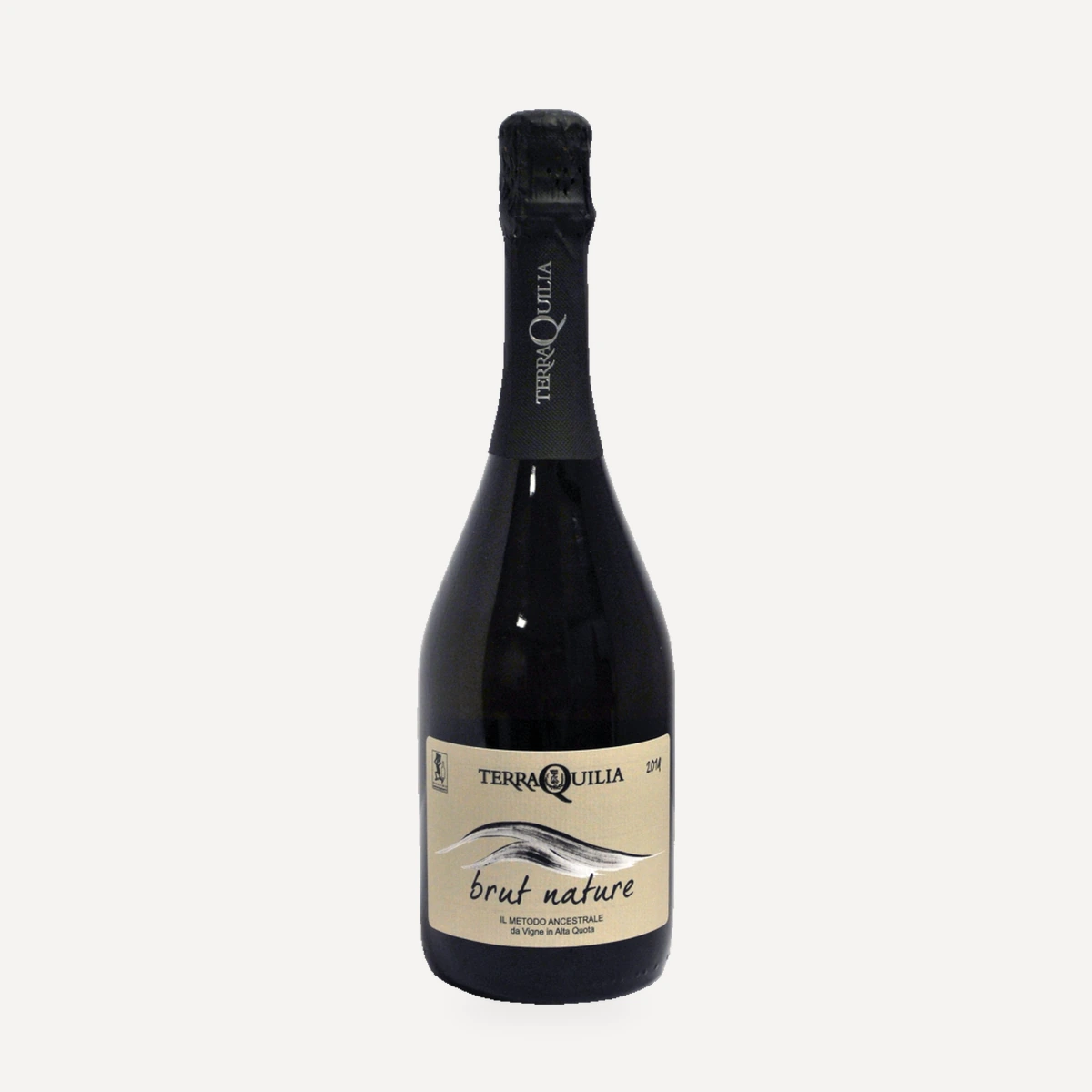
Spumante Brut Nature
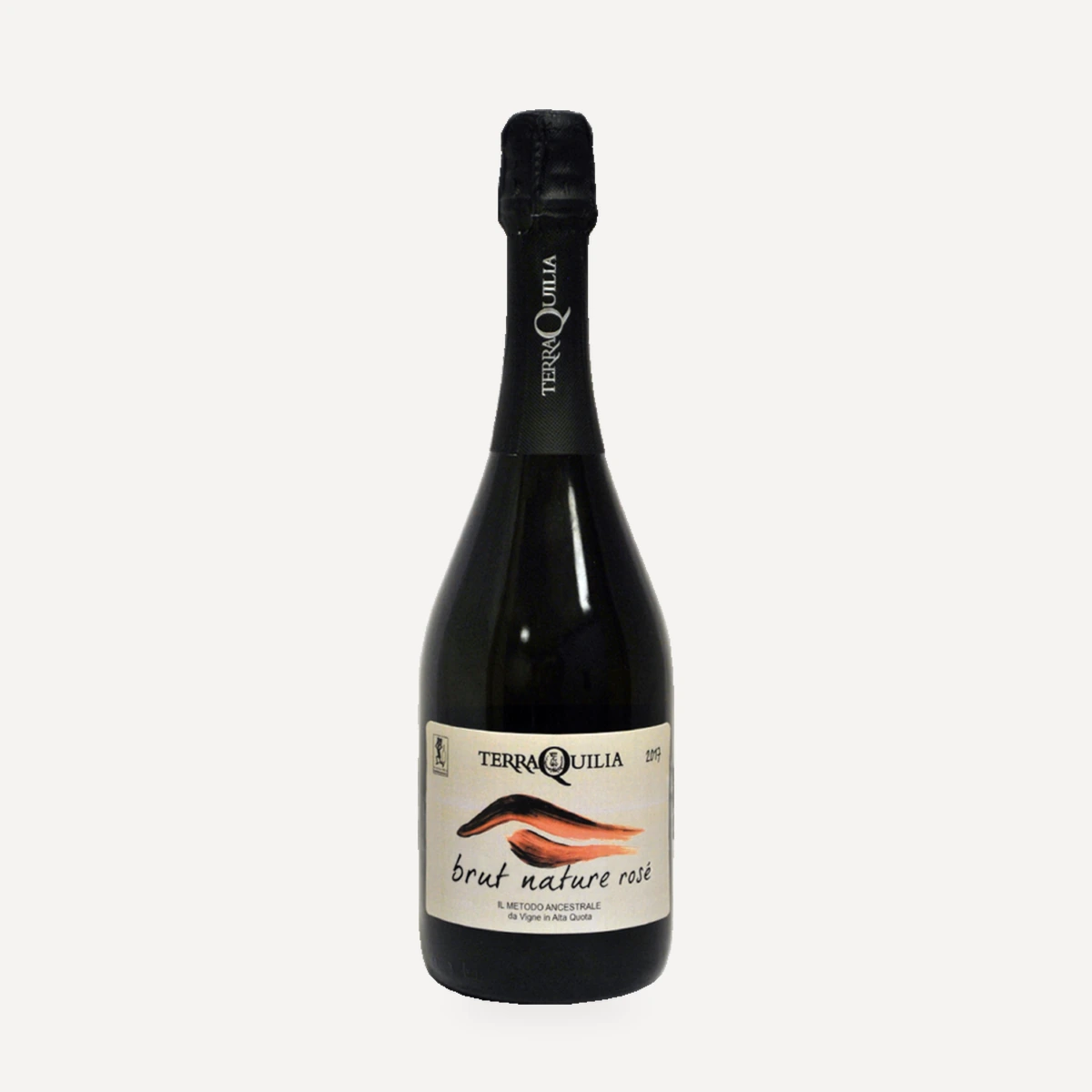
Spumante Brut Nature Rosè
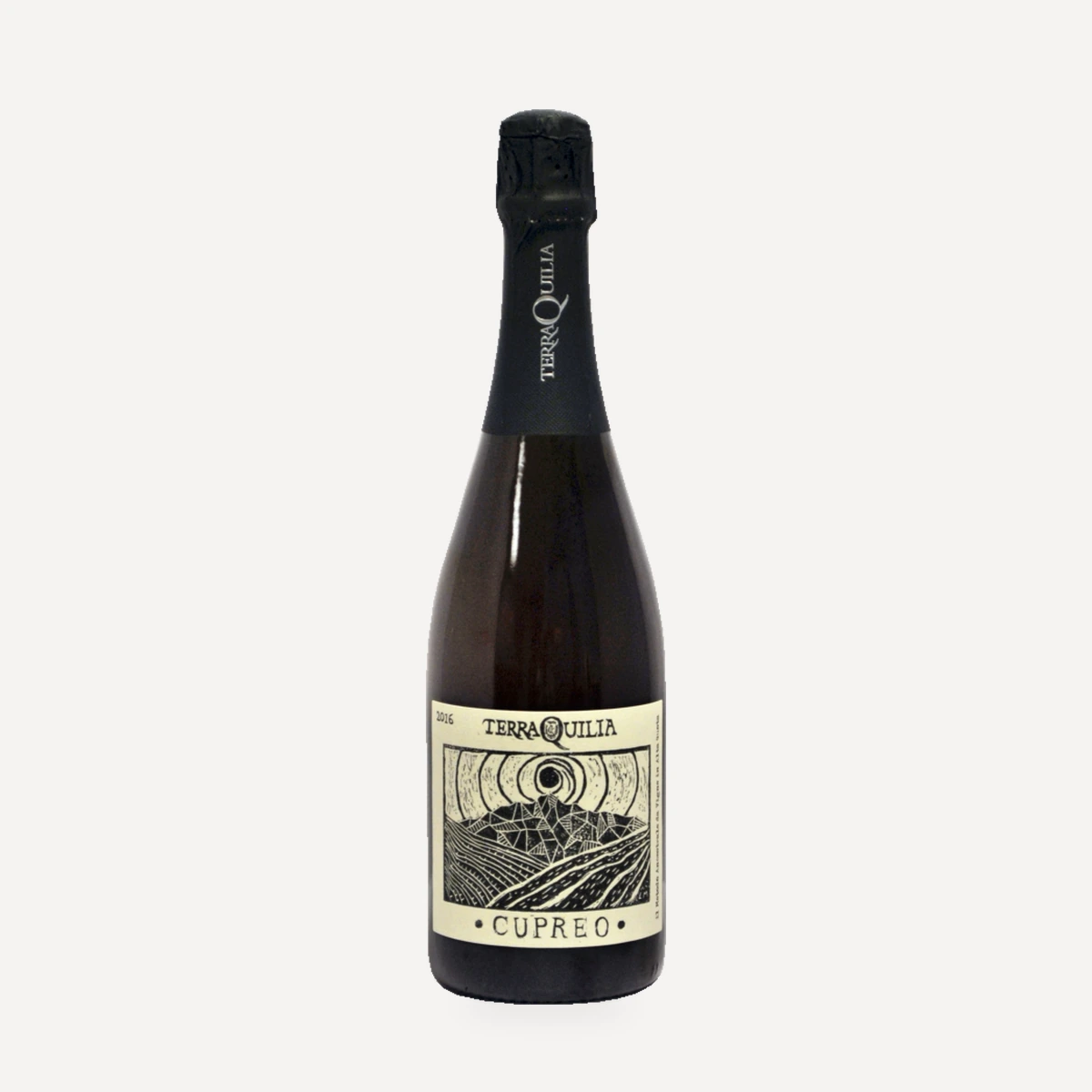
Spumante Cupreo
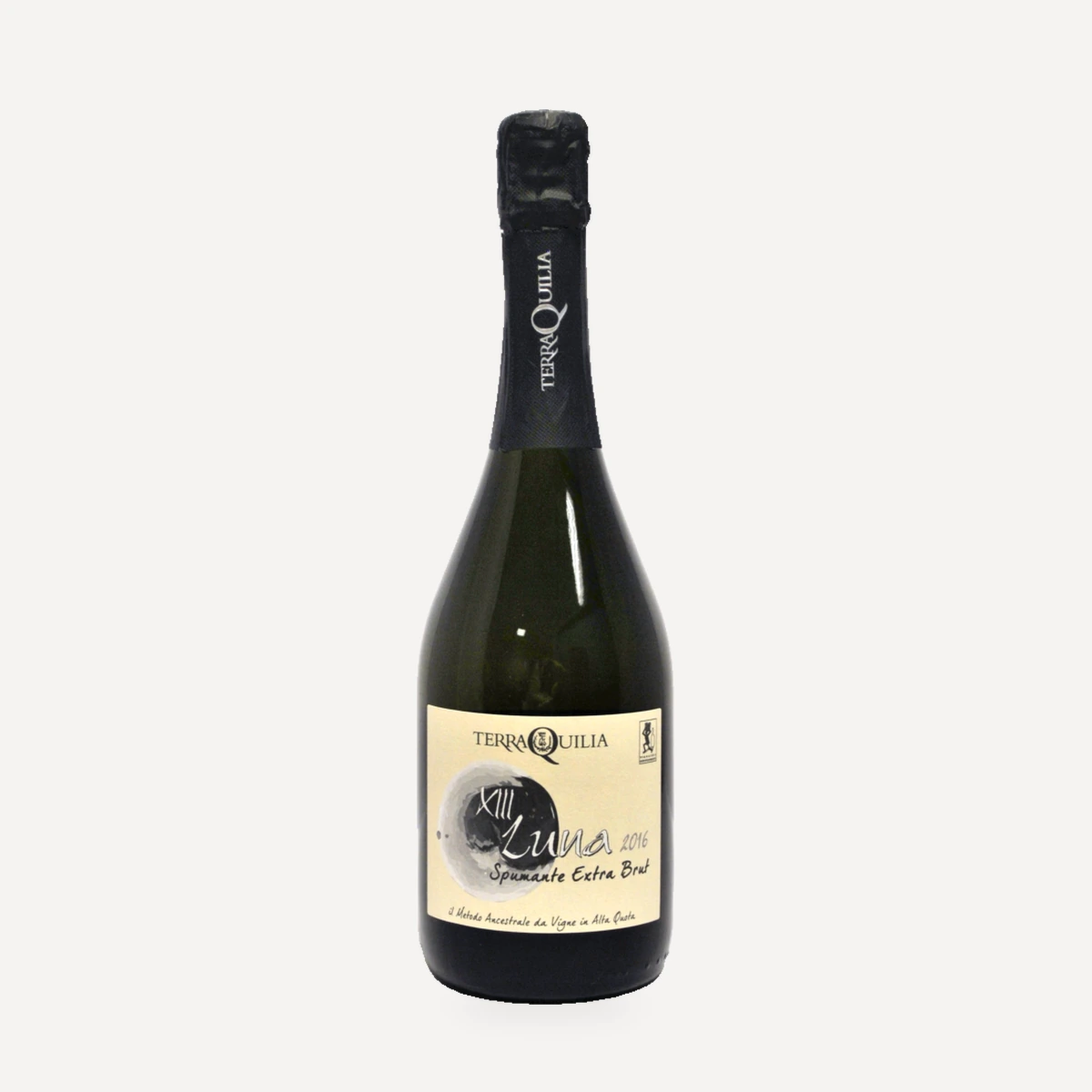
Spumante Extra Brut XIII Luna
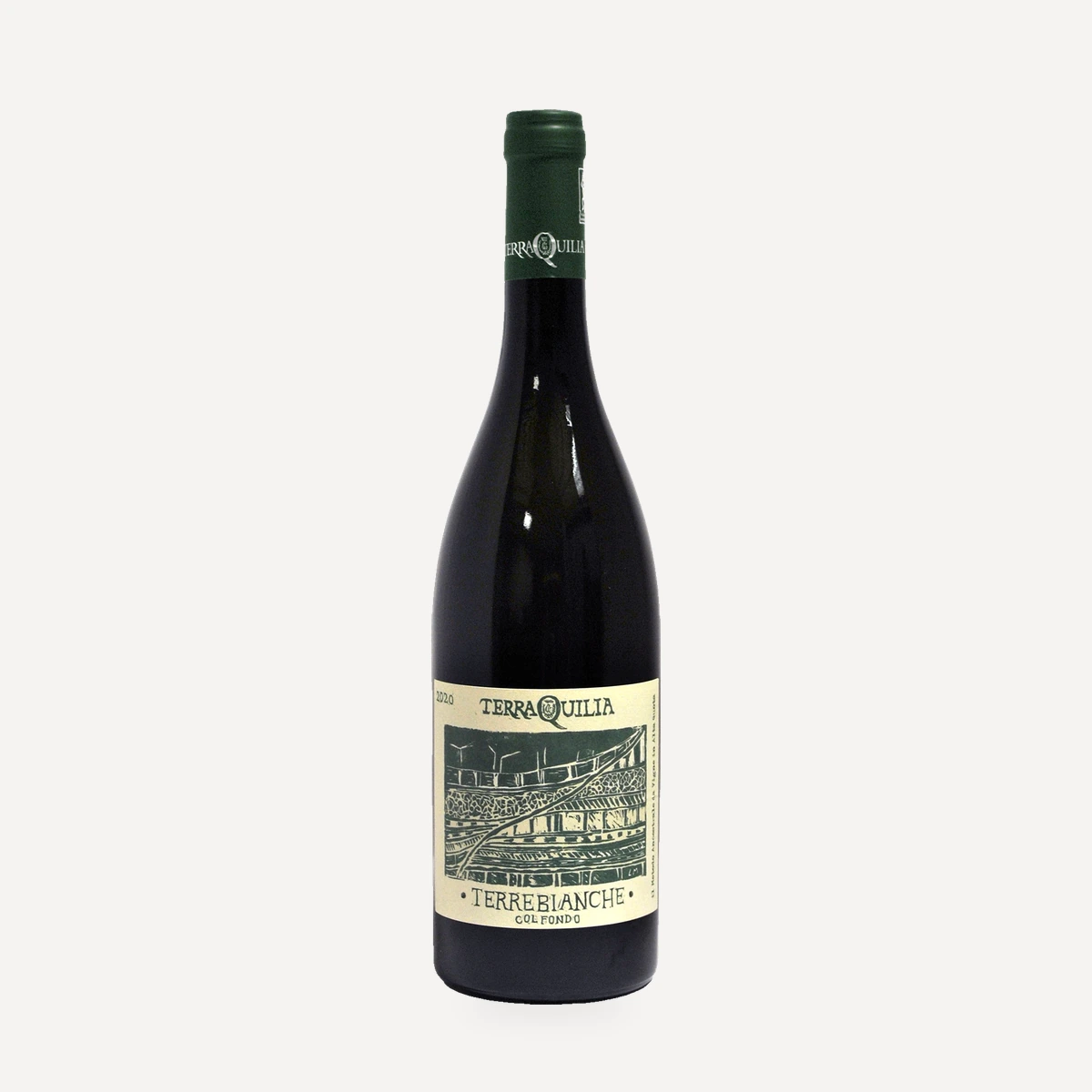
Terrebianche col fondo
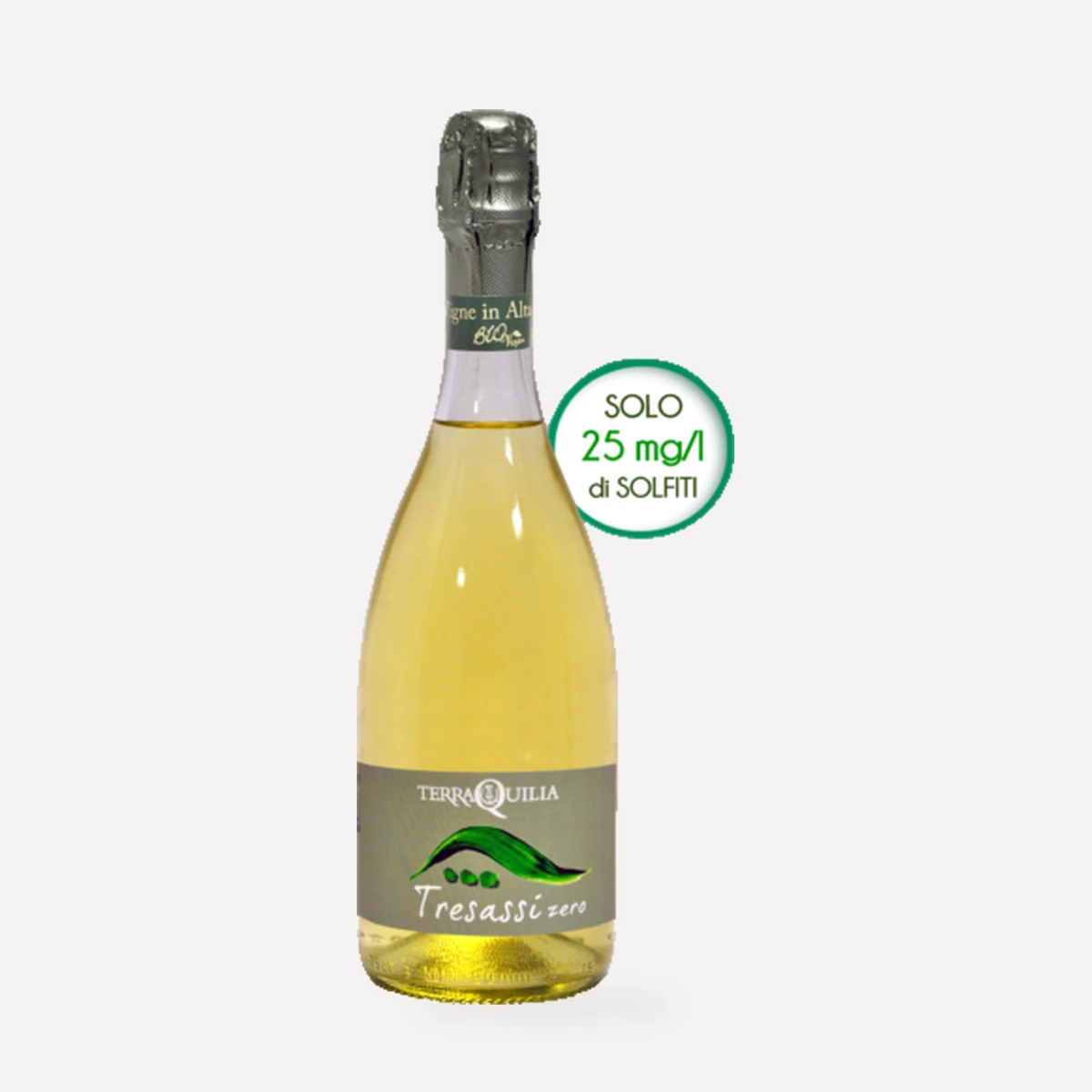
Tresassi zero