Storia
Family roots and establishment in Castellana Grotte
Terre Carsiche’s family winemaking tradition was born in Castellana Grotte, southeast of Bari. The winery has operated in the Murge and maintained its production facilities in Castellana Grotte since 1939. Its identity developed around the area’s karst landscape and the limestone plateau and depressions surrounding the town. The family tradition now extends across four generations of winemakers.
Development of the winery
Production combines grapes cultivated directly by the winery’s agricultural operation with fruit supplied by a small group of local winegrowers. These relationships were structured around collaboration and vineyard monitoring, enabling Terre Carsiche to control grape selection beyond its directly farmed land.
The winery gradually renewed its facilities and introduced innovative equipment for controlling incoming grapes and managing the maturation of finished wines. This modernization was conceived as a continuation of established local practices rather than a break with them: fully ripened grapes are vinified in their area of origin using a combination of territorial knowledge, traditional methods and technological innovation.
The range developed around Puglian varieties and wines from Gioia del Colle, Valle d’Itria, the Murgia and the wider Puglia IGT area, with an additional presence in the Castel del Monte zone. It encompasses varietal wines and blends organized into the Valle d’Itria, Gioia del Colle, I Cru and I Classici selections.
New releases and cultural projects
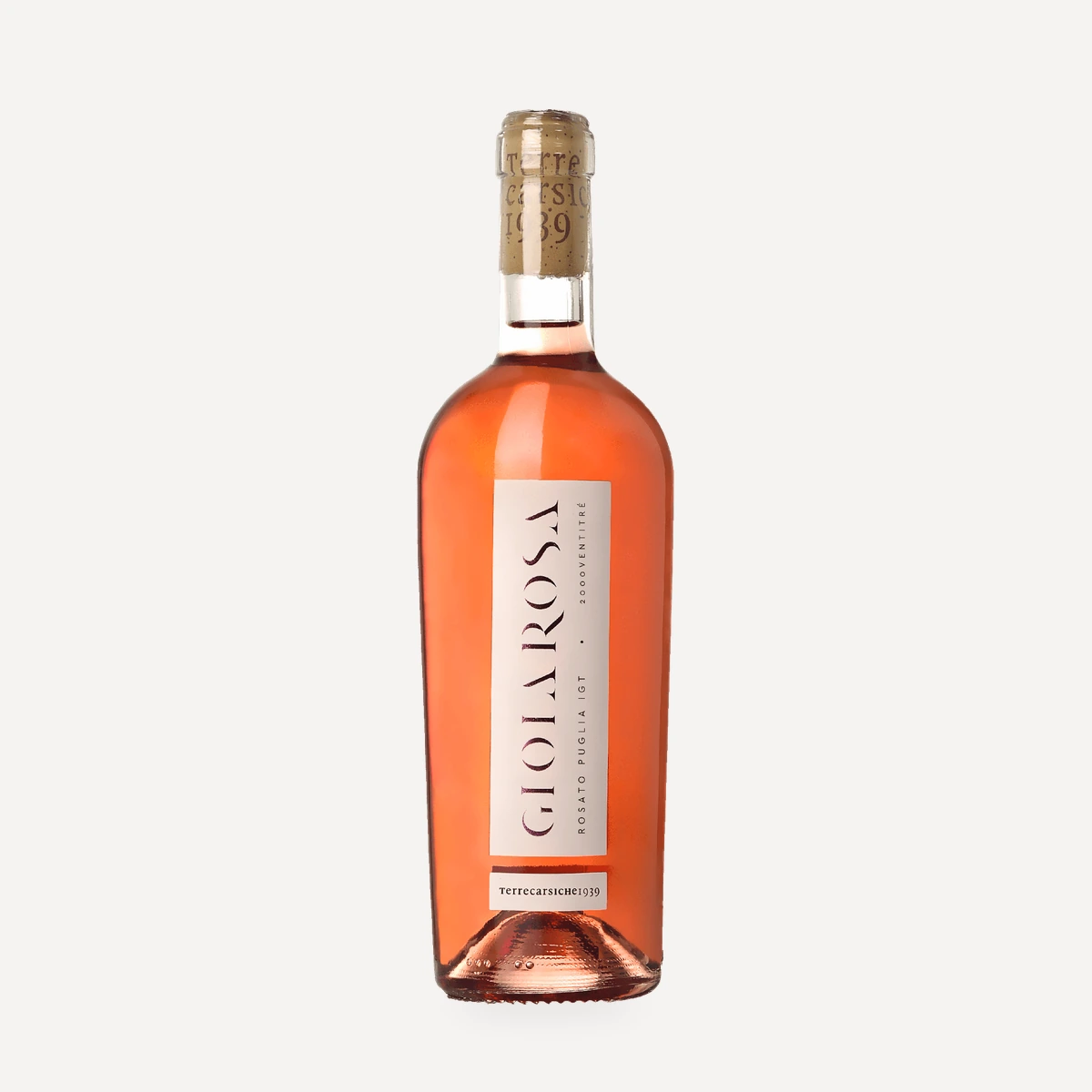
Gioia Rosa, a rosato based on Primitivo and Aleatico, entered the market in 2016. On 14 January 2017, during celebrations connected with Castellana Grotte’s Fanove tradition, Terre Carsiche presented Fanova, a new Primitivo Gioia del Colle DOC named in homage to the town’s centuries-old bonfire festival.
In December 2017, winery administrator Nicola Insalata was elected president of the Consorzio di Tutela dei Vini “Gioia del Colle” DOC. His stated priorities included protection and control of the denomination and renewal of its production regulations.
In 2018, Terre Carsiche began an experimental partnership with the Grotte di Castellana. A total of 3,000 bottles of Cava Bianca were taken 70 metres underground for maturation in the Caverna della Fonte. Terre Carsiche also contributed to recovering and adapting the cavern’s spaces for this purpose. The project linked wine maturation with the natural and cultural heritage of Castellana Grotte.
The underground project subsequently became part of the winery’s public identity. In January 2024, the Caverna della Fonte and its use for maturing the winery’s barrel-aged white wine featured in Roberto Giacobbo’s television programme Freedom. Oltre il confine.
Terroir
Terre Carsiche is based in Castellana Grotte, southeast of Bari, in the Murge of Puglia. Its wines originate between the limestone plateau known as the Terra dei Trulli and the karst depression of the Valle d’Itria. The landscape was shaped over millennia by water acting on limestone rock; the sea is visible on the horizon from the surrounding countryside.
The winery’s agricultural sites are described as hilly and naturally suited to winegrowing. The fertile countryside and its climate support the ripening of wine grapes. Primitivo associated with the Gioia del Colle range is grown around Castellana Grotte and Acquaviva delle Fonti, with Fanova’s vineyards situated at approximately 300–350 metres above sea level.
Castellana Grotte’s karst system also plays a direct role in a special maturation project. At a depth of 70 metres, the Caverna della Fonte provides naturally stable temperature and humidity conditions. In the experimental underground maturation of Cava Bianca, contact between the cave environment and uncapsulated natural cork permits controlled micro-oxygenation intended to increase longevity and shape the wine’s development.
Vinificazione
Terre Carsiche directly cultivates Puglian grapes through its agricultural operation and supplements this production with grapes from a restricted group of local growers. Selection begins in the vineyard: the winery monitors partner vineyards and chooses fruit intended to meet its quality requirements.
The grapes are grown on hilly sites and allowed to reach full maturity before vinification in their zone of origin. The approach prioritizes local and Puglian varieties and connects vineyard management with the continuity of regional winegrowing traditions.
Environmental, ethical and economic sustainability are presented as linked objectives. The collaboration with local growers, monitoring of their vineyards and respect for the surrounding territory form the practical basis of that position.
Terre Carsiche oversees the process from grape selection and transformation through maturation, packaging and release. Fully ripened grapes are vinified in their area of origin, combining traditional methods and local knowledge with technological innovation.
The winery has progressively renewed its production facilities and installed modern equipment for controlling grapes and managing the maturation of finished wine. Its cellar includes a barricaia used for wines undergoing wood maturation. The available descriptions do not define one uniform fermentation or maturation protocol for the entire range.
A special maturation programme was launched in 2018 in partnership with the Grotte di Castellana. For the initial experiment, 3,000 bottles of Cava Bianca were placed in the Caverna della Fonte, 70 metres below ground. The cavern offers stable temperature and humidity, while the bottles use natural cork without a capsule so that micro-oxygenation can occur between the closure and the karst environment. Terre Carsiche contributed to recovering and preparing the cavern spaces for this use. The initiative was conceived as the first stage of a broader partnership joining the area’s wine, gastronomy and natural heritage.
Filosofia
Terre Carsiche presents quality as a continuous process beginning with grape selection in the vineyard and continuing through production, maturation and packaging. Its model combines direct cultivation with close, long-term collaboration among a limited number of local growers whose vineyards are monitored by the winery.
The guiding aim is to express Puglian grapes and regional wine traditions while integrating modern production technology. Traditional methods and territorial culture are treated as compatible with technical renewal rather than as opposing choices.
Respect for the environment and the local landscape is linked to environmental, ethical and economic sustainability. Family continuity is equally central: four generations of winemakers connect present-day production with the practices and identity of Castellana Grotte and the surrounding Puglian countryside.
Vini
Gioia Rosa
Passaturi
Regula Magistri
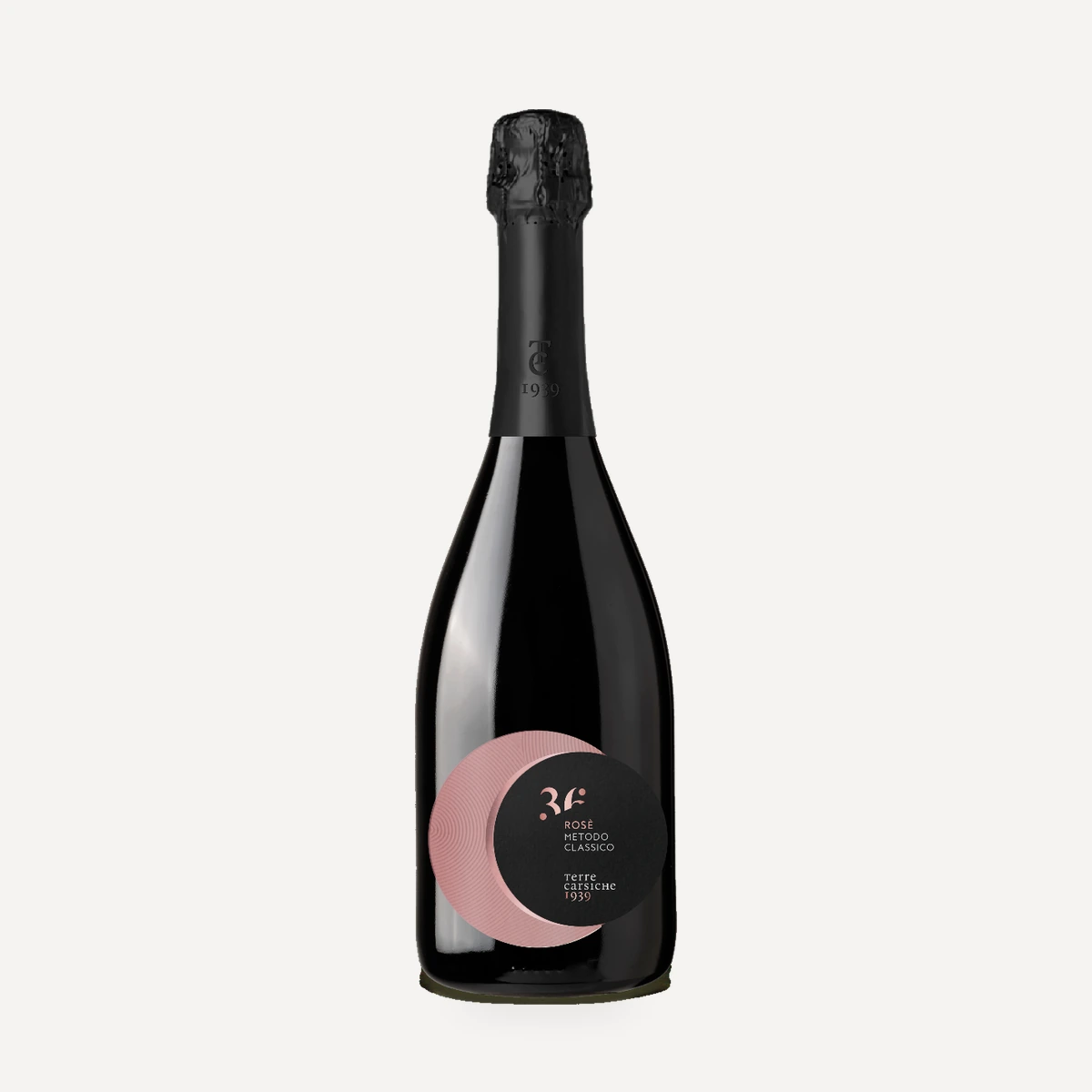
36 Rosè
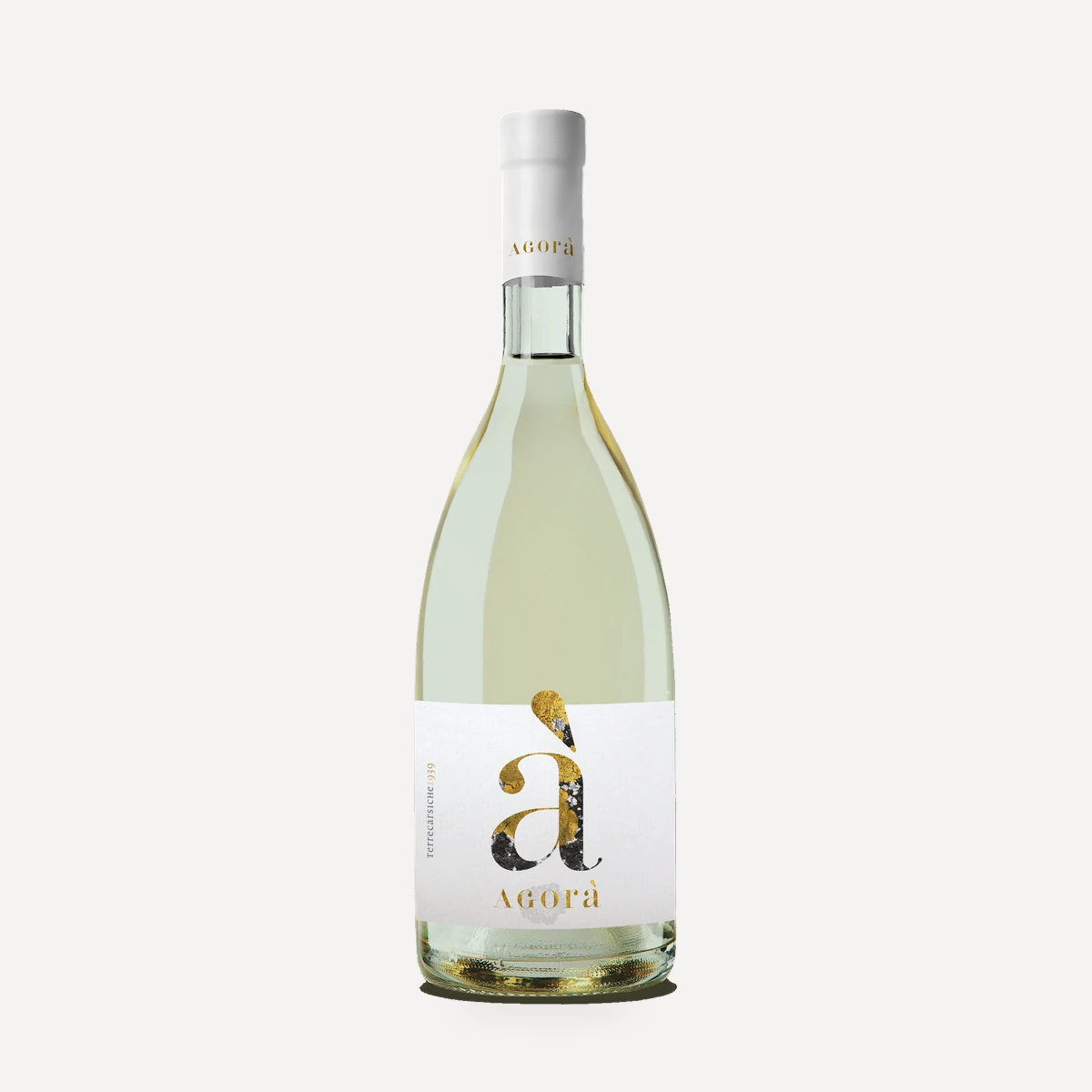
Agorà Bianco
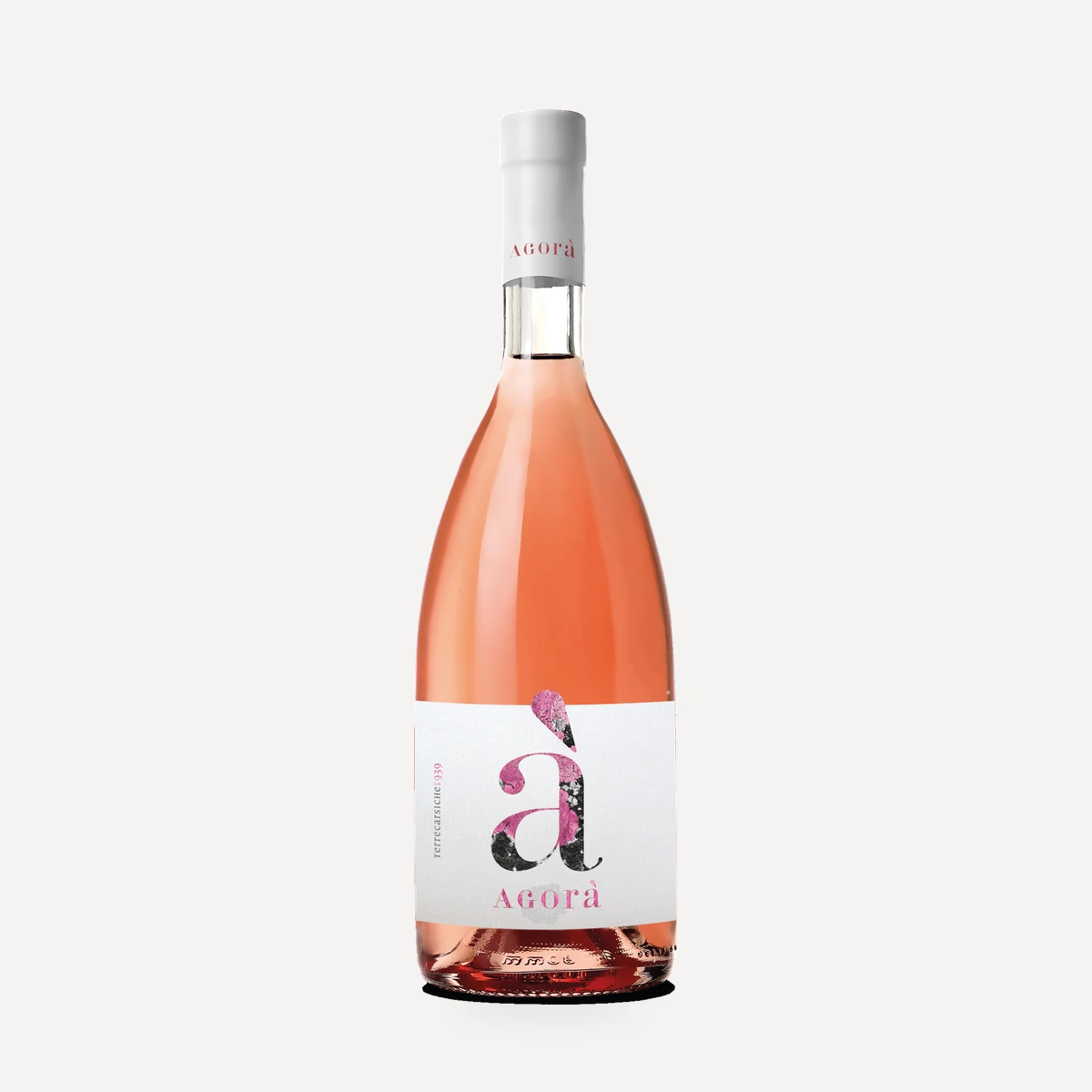
Agorà Rosè
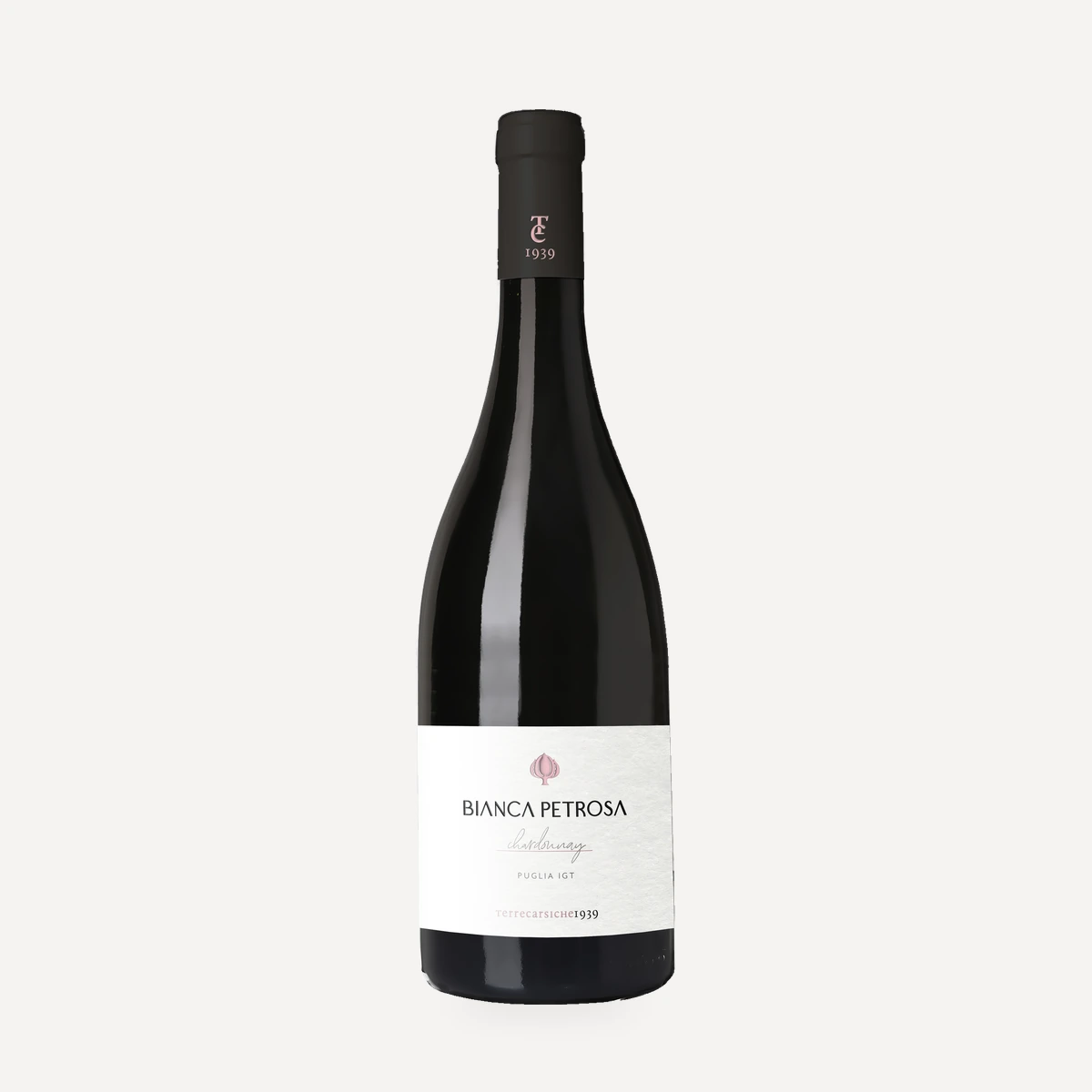
Bianca Petrosa
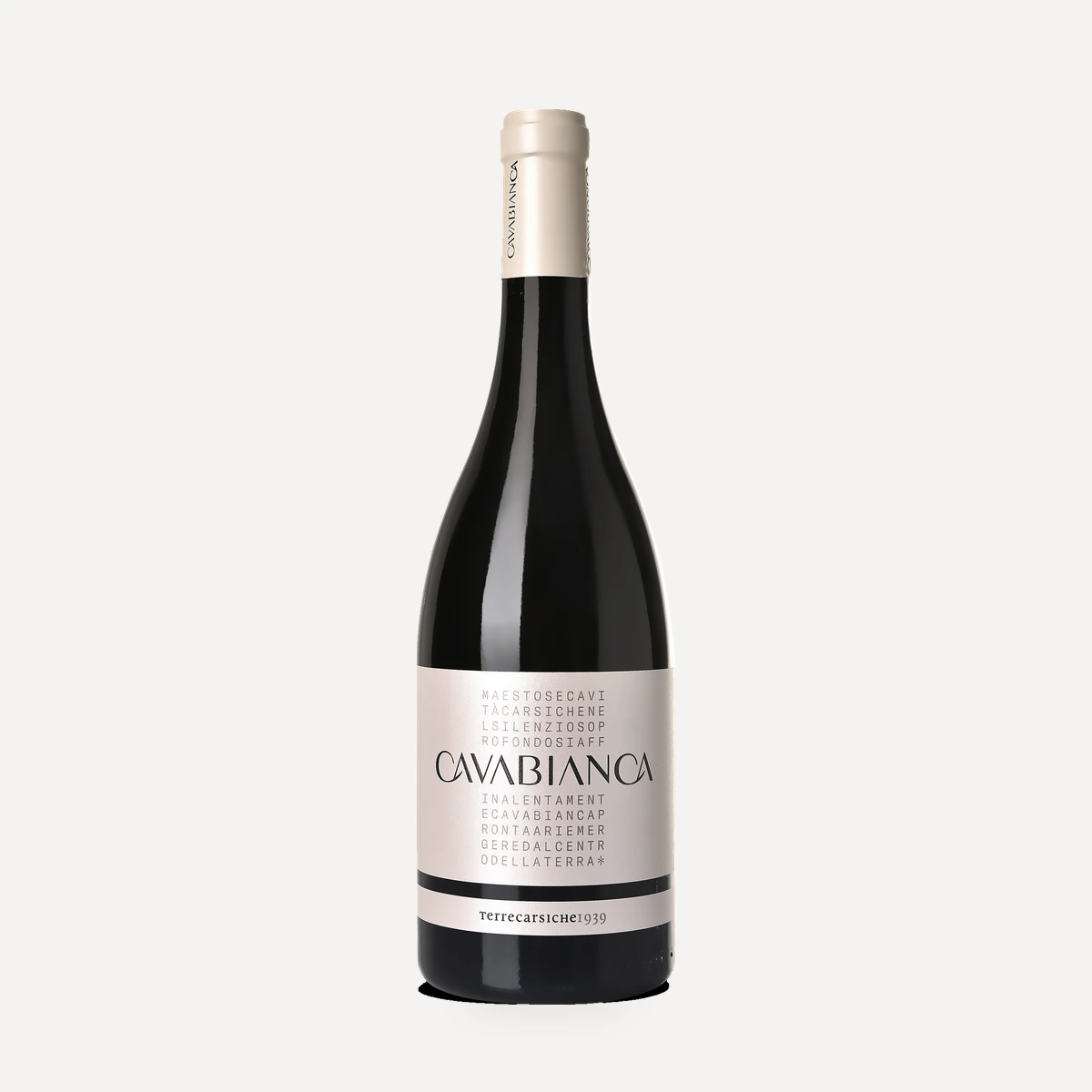
Cava Bianca
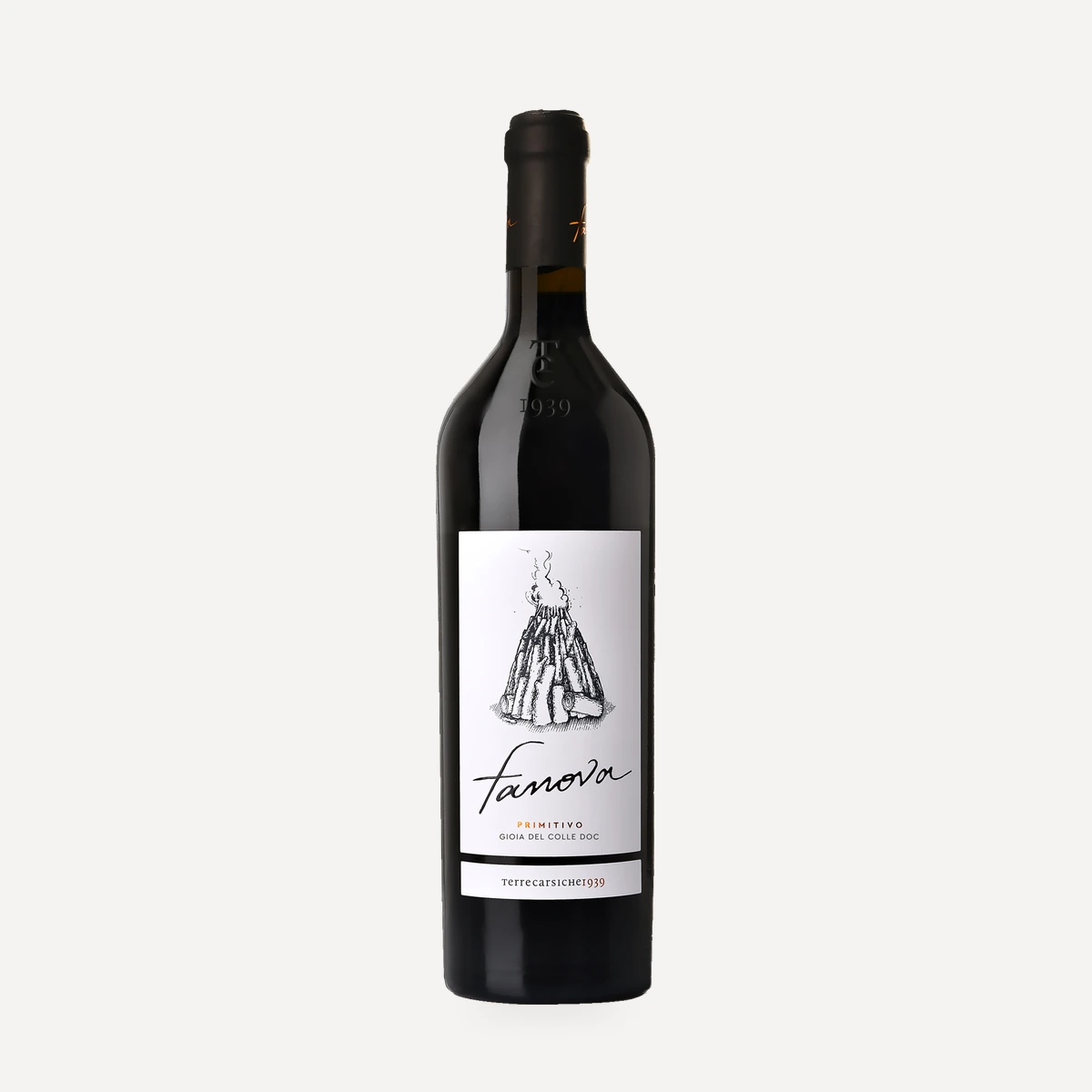
Fanova
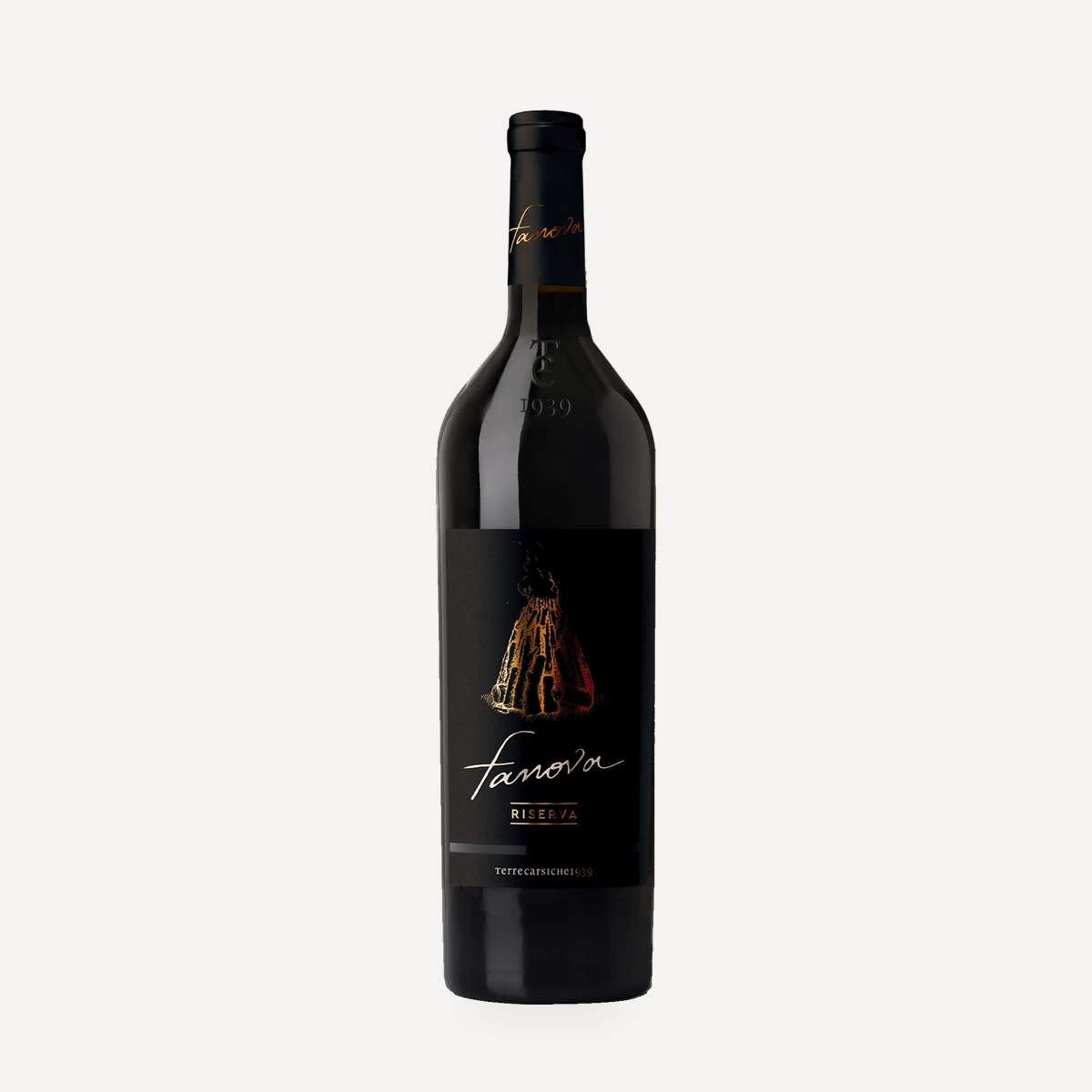
Fanova Riserva
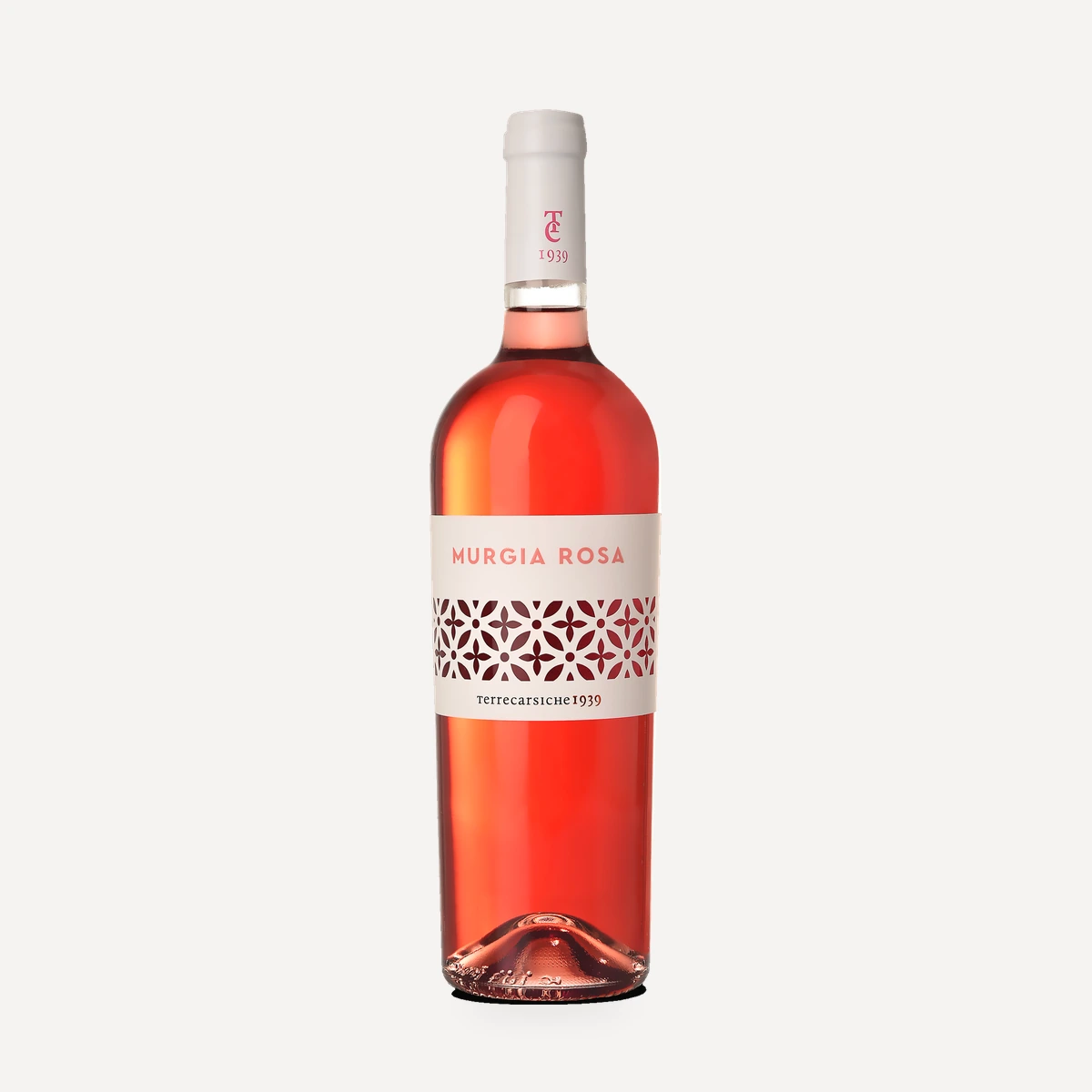
Murgia Rosa
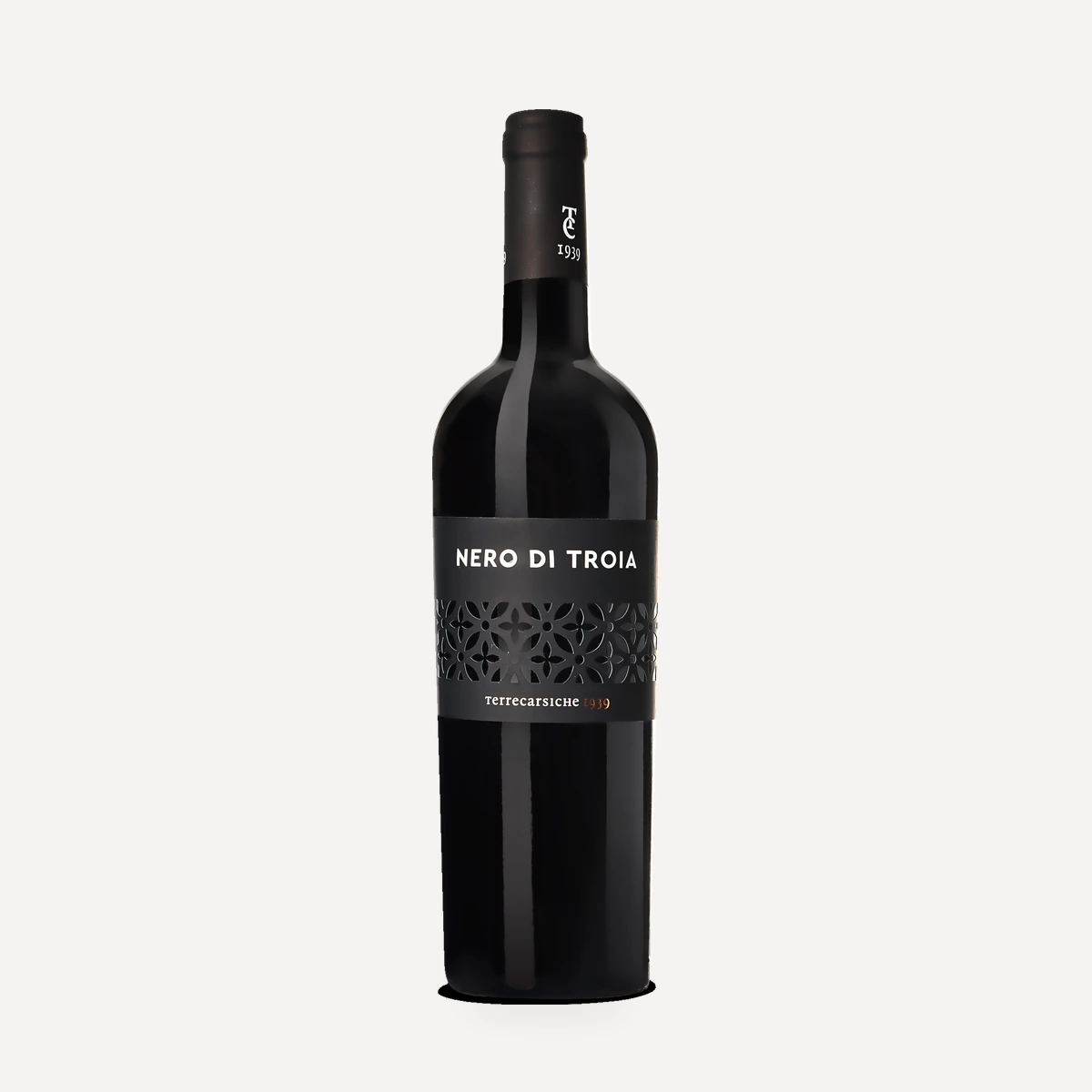
Nero di Troia
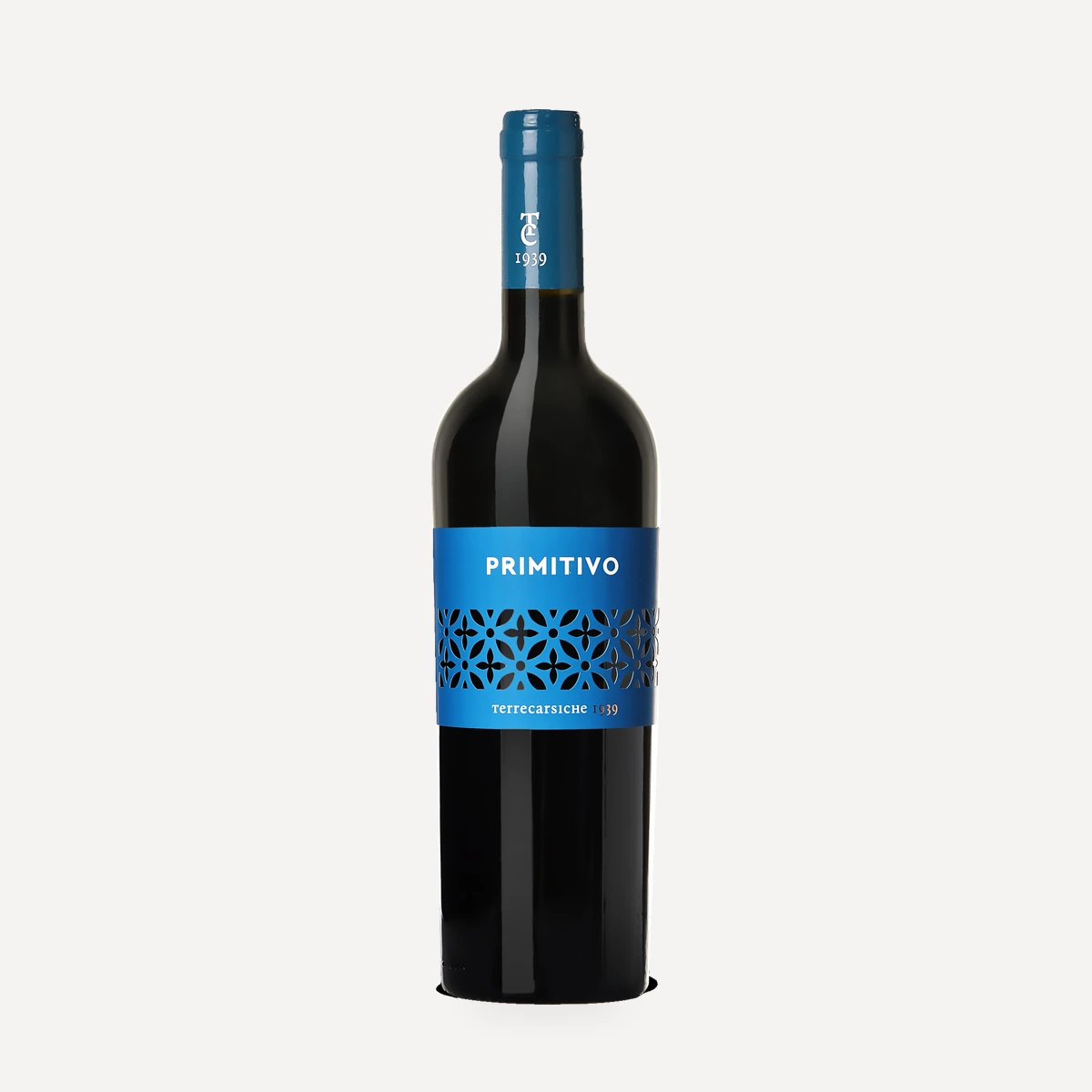
Primitivo
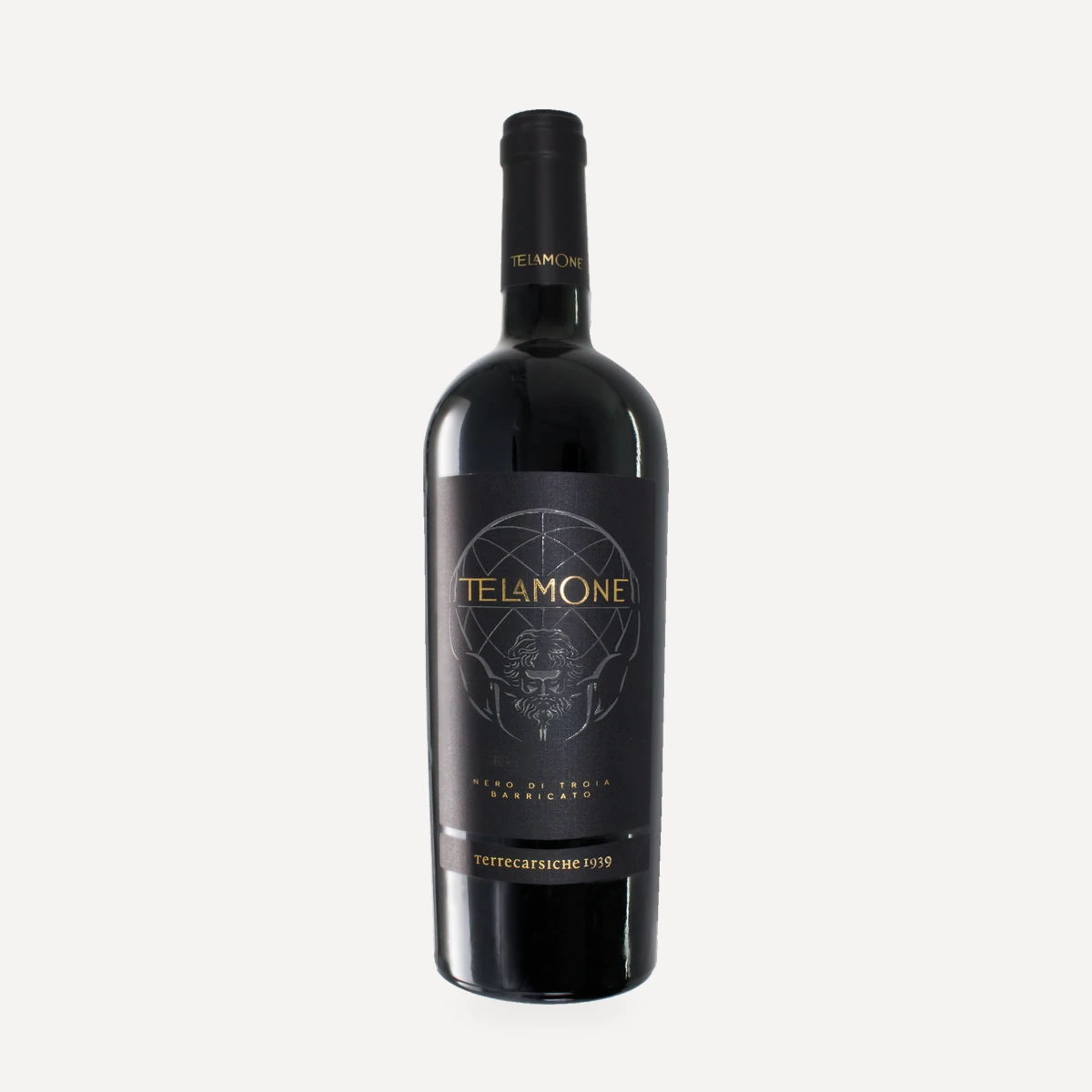
Telamone