Storia
Pogni before the winery
Terre del Bruno is rooted in the ancient hamlet of Pogni, between Florence and Siena, close to Marcialla and within the municipality of Certaldo. The earliest recorded mention of the Castello di Pogni dates to 1059. The place-name is connected to the Latin Pugna, recalling the battles fought for control of this strategically important district. Pogni later became a fief of Count Alberto degli Alberti, lord of Certaldo and Semifonte.
Pogni was the last of Semifonte’s fortifications to fall to Florence in 1202. The settlement recovered, but was defeated again in 1312 by Emperor Arrigo VII. Florence restored the fortifications in 1382, used them briefly and then abandoned them. The surviving tower remains visible near the hamlet, while vegetation covers much of the other ruins. The present historic nucleus dates largely to the 14th century, when Certaldo and Barberino Val d’Elsa contested the settlement.
Two winegrowing families
Bruno Bonechi’s family, originally from Marcialla, had produced wine for generations and independently managed vineyards around Pogni. In 1966, the Diddi family of Prato acquired another part of the property, including land and vineyards, and began a small wine business.
The two holdings and families became connected through Massimo Diddi and Lorella Bonechi. Lorella was Bruno Bonechi’s daughter, and Terre del Bruno was named in his honour. His work, family life and connection to the vineyards became central to the family’s understanding of its winegrowing heritage.
The creation of Terre del Bruno
In 2003, Massimo and Lorella’s sons, Gianmarco and Andrea Diddi, made the entrepreneurial decision to unite the two properties. The resulting project combined the families’ established Chianti winegrowing traditions with a more modern, quality-oriented business. Terre del Bruno became the wine-producing identity of Fattoria Pogni.
Lorella, Gianmarco and Andrea subsequently took responsibility for the business, supported by collaborators in wine production and hospitality. The enterprise developed around two connected activities: producing wine in Chianti and welcoming visitors through tastings and the Fattoria Pogni wine resort.
Recent development
The estate adopted organic vineyard management and recorded its first organically conducted harvest. It also expanded its maturation facilities with modern, unlined reinforced-concrete tanks designed for natural micro-oxygenation and precise temperature control. In 2020, an especially successful Cabernet Sauvignon harvest prompted a limited-edition varietal project, ultimately introduced as TorreAlta in 2023.
Terroir
Terre del Bruno lies in the Florentine part of Chianti, in a valley around the ancient hamlet of Pogni and extending towards Marcialla. The surrounding hills rise above the nearby Valdelsa to approximately 400 metres above sea level. The hamlet itself stands at about the same elevation.
The estate vineyards average approximately 400 metres and occupy slopes with north-east and south-west exposures. South-facing slopes also form an important part of the vineyard landscape, including the historic Nappolaio site. The elevated position and relatively cool soils helped the vines withstand the intense summer heat during an organically managed harvest, while the terrain’s morphology and favourable exposures protected emerging buds from damaging cold winds during the April 2021 frost episode.
Clay shapes the rolling hills, but galestro is the dominant vineyard material. It is described as an argillaceous schist, also associated locally with the term alberese, and is connected with polyphenolic richness, freshness, structure and ageing capacity. The estate also works with tuffaceous soils around Marcialla, particularly where Merlot is planted, as well as mixed-textured and clay-limestone vineyard soils.
Vinificazione
Quality selection begins before harvest. For the most ambitious wines, a green harvest is carried out in July: bunches are thinned before maturity so that the vine concentrates its resources in the remaining fruit and increases aromatic concentration.
Picking dates vary with the season, variety and intended style, and harvesting begins only when the grapes reach optimal maturity. Grapes for white and rosé wines are generally collected between the final week of August and the first week of September; Merlot is usually picked in the same period. Sangiovese normally follows in the second half of September, while parcels intended for barrel-aged wines remain on the vine until the end of September. Cabernet Sauvignon is generally the final variety, harvested between the first and second weeks of October.
All grapes are harvested manually, with bunches cut individually to protect berries and shoots. The bunches are placed in perforated crates or baskets so that juice from any broken berries can drain away rather than initiate premature fermentation. The most distant vineyard is only about ten minutes from the cellar, allowing rapid transport in warm harvest conditions and helping preserve aromatic compounds.
Organic management has been applied to the vineyards, and one harvest was identified as the estate’s first conducted under organic farming. During that season, high elevation and cool soils helped the vines withstand strong summer heat. In April 2021, favourable vineyard exposure and terrain morphology protected newly opened buds from freezing winds and avoided significant frost damage.
Reception, destemming and crushing
Harvested bunches enter a dedicated reception vat and move by gravity, in a continuous and controlled flow, to the destemmer. Destemming separates the berries from the stems while the berries are crushed to release their juice.
Fermentation and maceration
The resulting must is transferred to temperature-controlled stainless-steel tanks. Fermentation and skin maceration generally last 10–20 days, allowing the skins to contribute colour and body.
Three or four pump-overs are performed each day. Must is drawn from the bottom of the tank and returned over the floating cap through an external pipe. Pump-overs are conducted in contact with air: before returning to the tank, the must falls into an open container to promote oxygenation.
Racking, pressing and malolactic fermentation
At the end of maceration, each tank is emptied and the free-run wine is transferred to another vessel. The pomace is pressed to recover its remaining liquid. Free-run wine is reserved for bottled production, while press wine is directed to bulk-wine production. The pressed pomace is sent to a distillery.
Malolactic fermentation normally finishes by the end of December. Must and wine are repeatedly sampled during vinification for organoleptic and chemical analysis, including verification against the Chianti DOCG production rules.
Maturation in steel and wood
Wines not intended for long ageing mature in temperature-controlled stainless-steel tanks. Longer-lived wines may be matured in 225-litre barriques or 500-litre tonneaux made from French or American oak. Vessel size, oak type, the number of previous uses and the intended wine determine the wood’s influence. The maturation period may last months or years and is selected according to vintage quality, grape variety and desired style.
The underground barrel room provides the principal environment for wood maturation.
Concrete tanks
The cellar also uses trowel-finished, unlined reinforced-concrete tanks supplied by Nico Velo SpA. Their smoothed internal walls do not require vitrification, while the porous concrete permits gradual natural micro-oxygenation. Patented heating and cooling coils are fully integrated into the tank walls, allowing precise control of wine temperature.
Filosofia
Terre del Bruno presents winegrowing as participation in a centuries-old Chianti tradition rather than an isolated commercial activity. Its guiding principles are respect for inherited knowledge, daily work, nature’s unpredictability and generosity, and the time required by both the vine’s vegetative cycle and every stage of winemaking.
The family links quality with patience: nature provides the fruit, but skilled human work and a willingness to wait allow it to become wine. Continuity is expressed through vineyards that retain names assigned centuries ago and through memories of earlier generations who worked the same land.
Bruno Bonechi’s example embodies this inherited way of life. Family meals, simple food, shared Sangiovese and time spent together at Pogni are treated as inseparable from the winegrowing tradition.
The modern estate seeks to combine that continuity with technical renewal. Temperature-controlled equipment, detailed analytical monitoring, oak of different sizes and origins, and unlined concrete tanks are used within a philosophy that joins tradition and innovation. Wine production and hospitality form two connected expressions of the same attachment to Chianti and Tuscany.
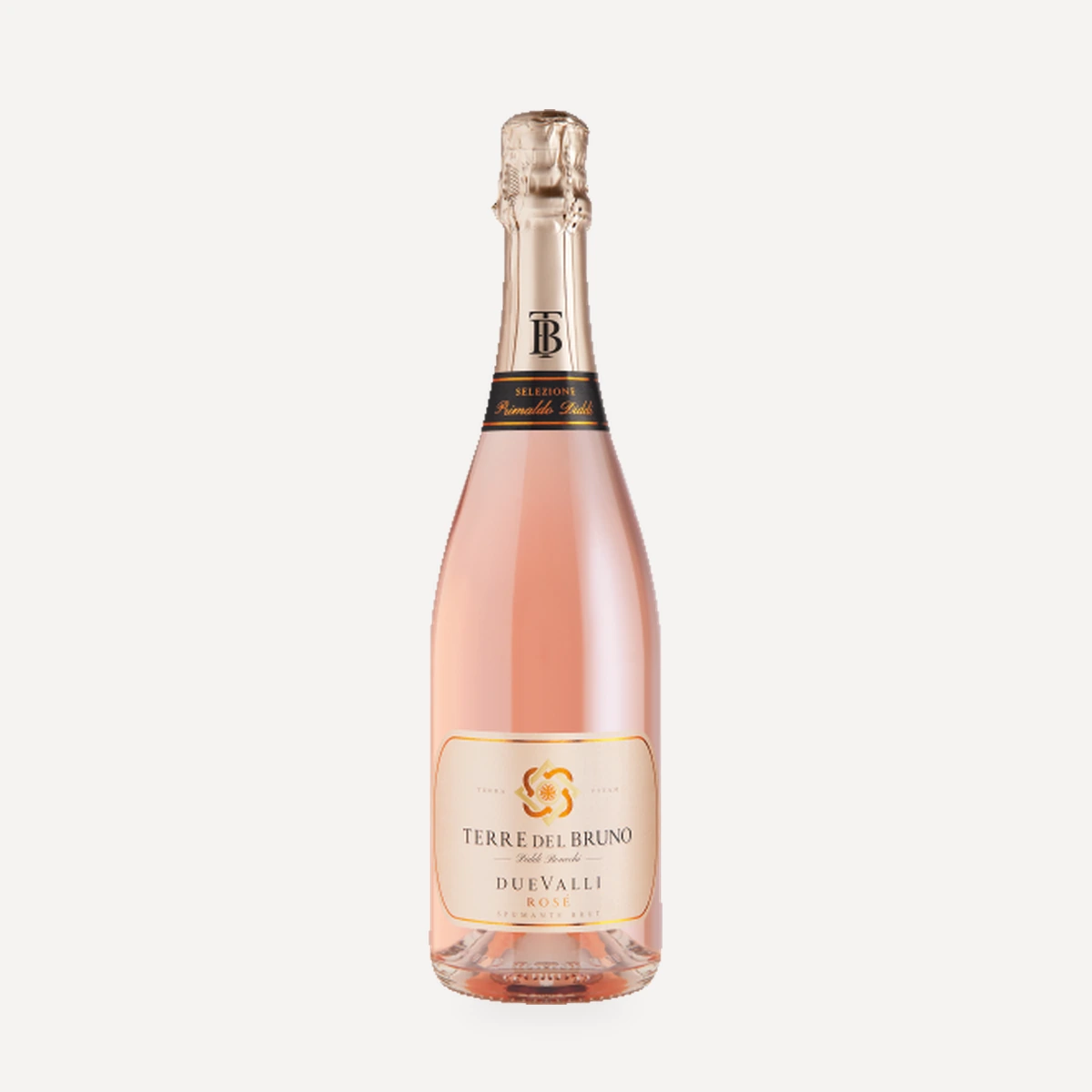
Vini
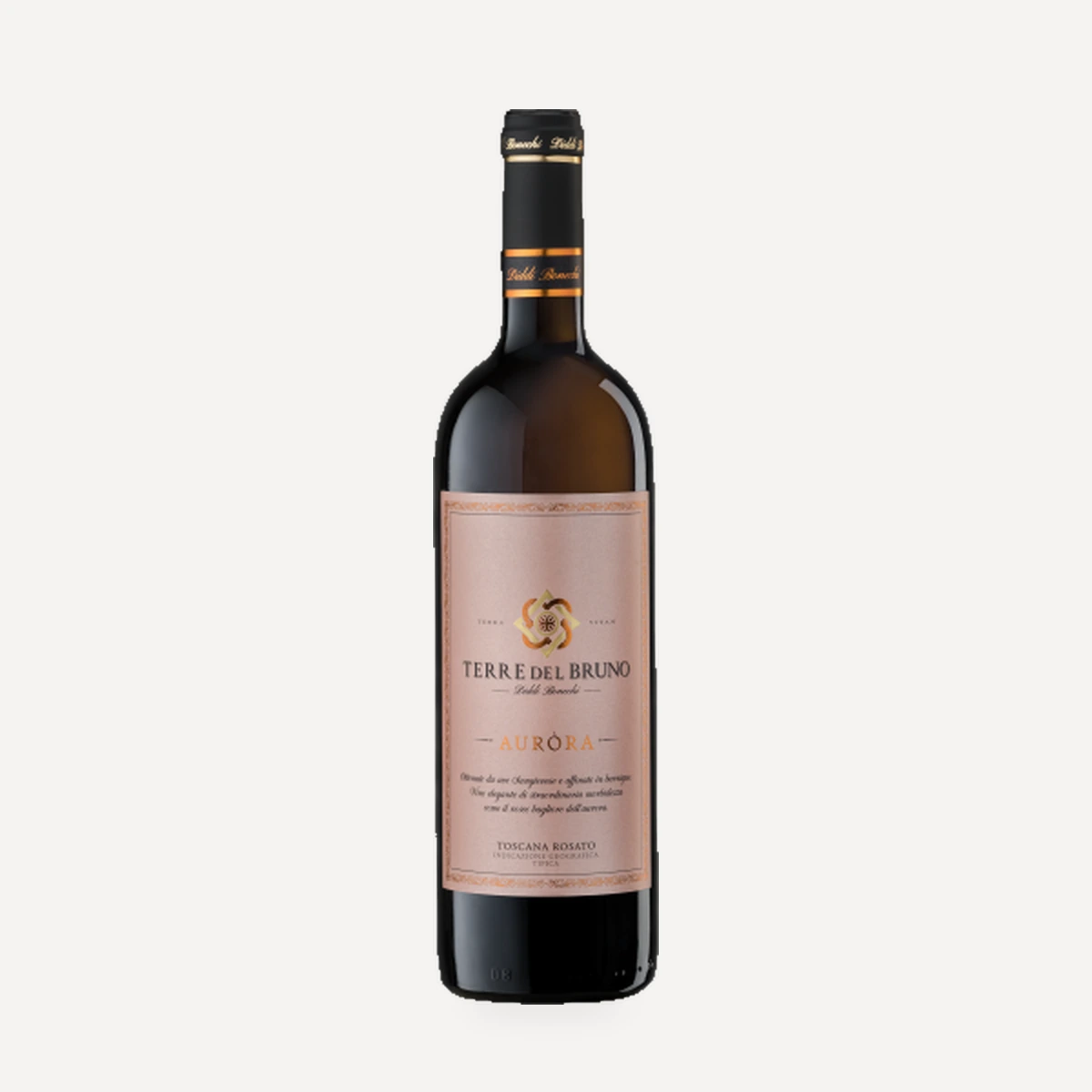
Auròra
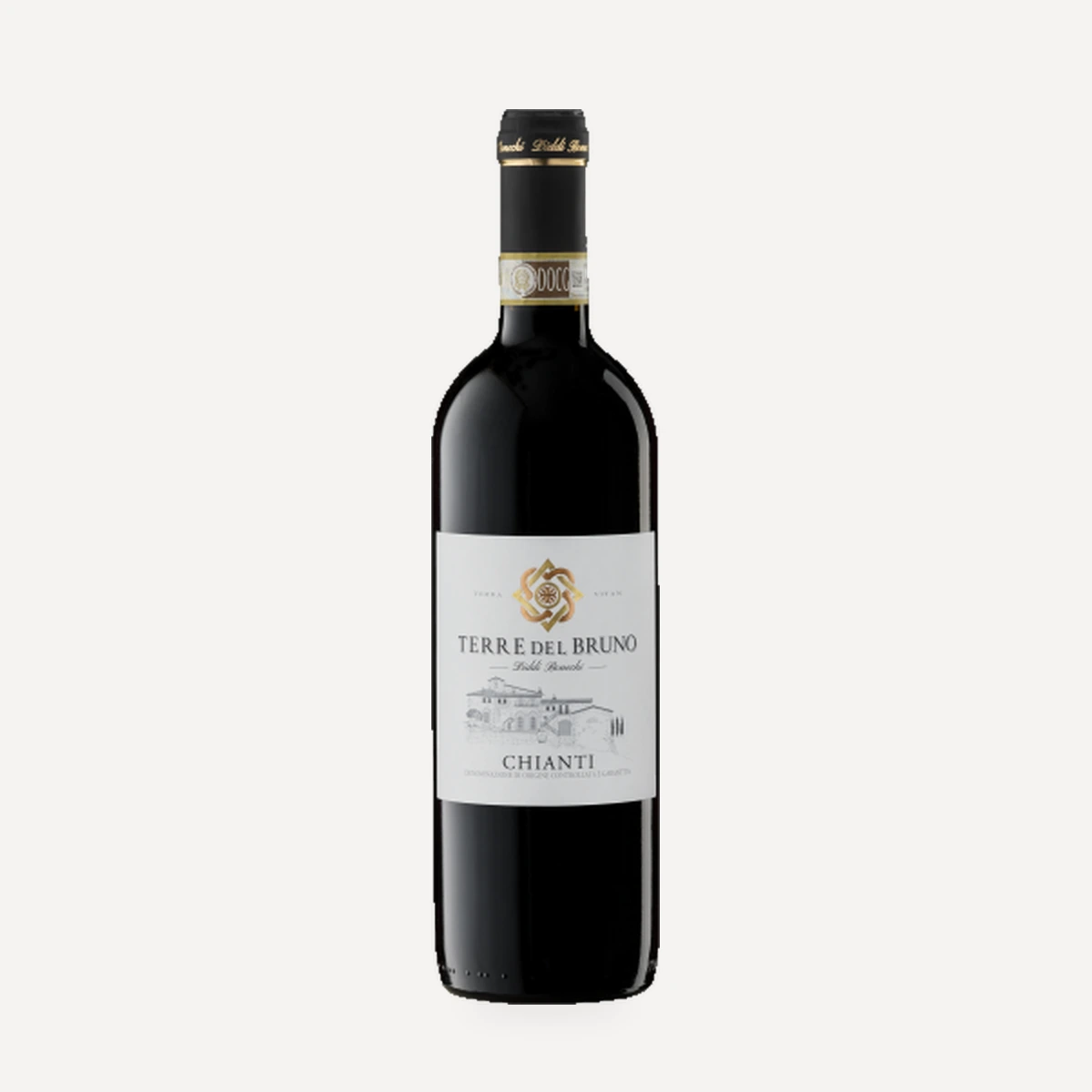
Chianti
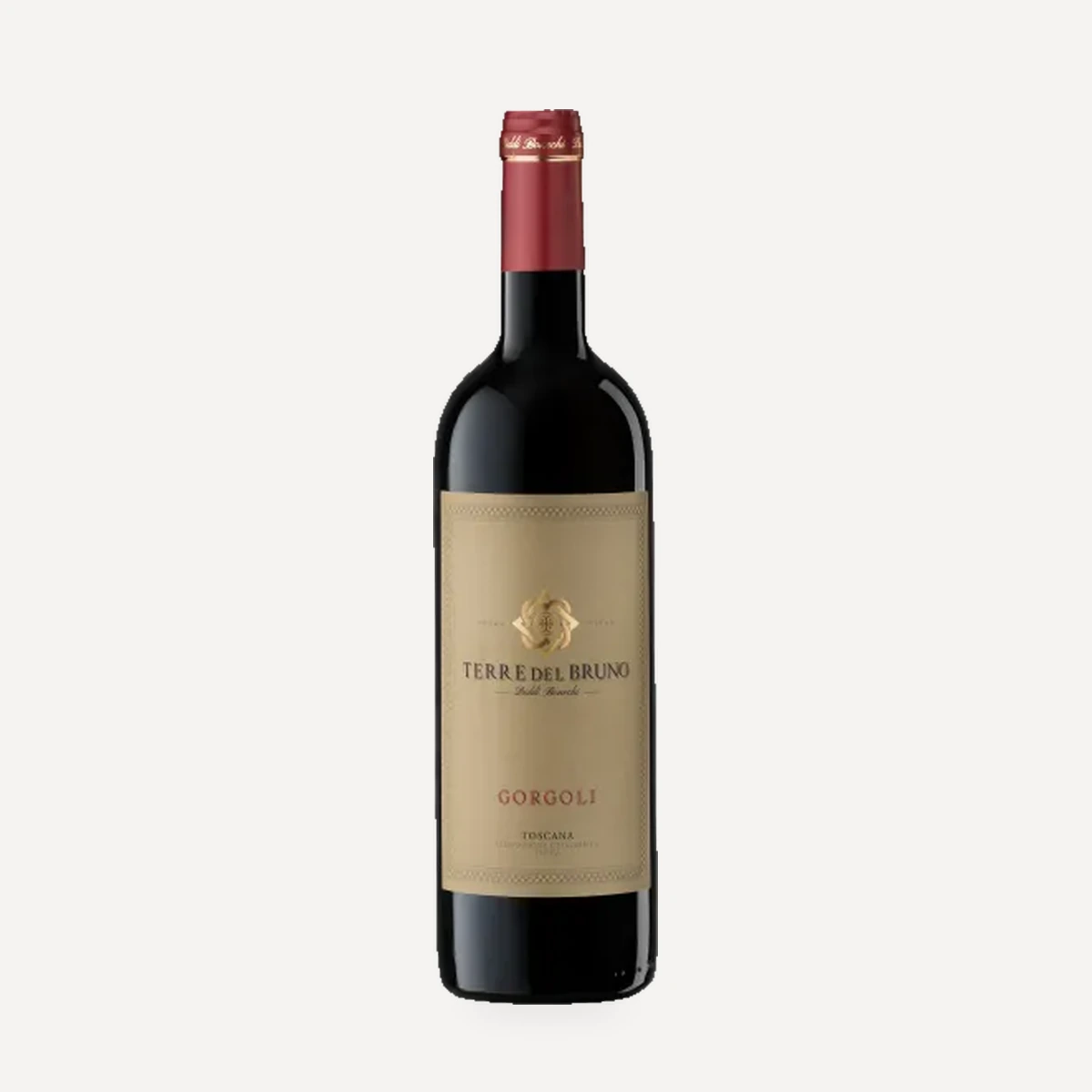
Gorgoli Sangiovese Cabernet
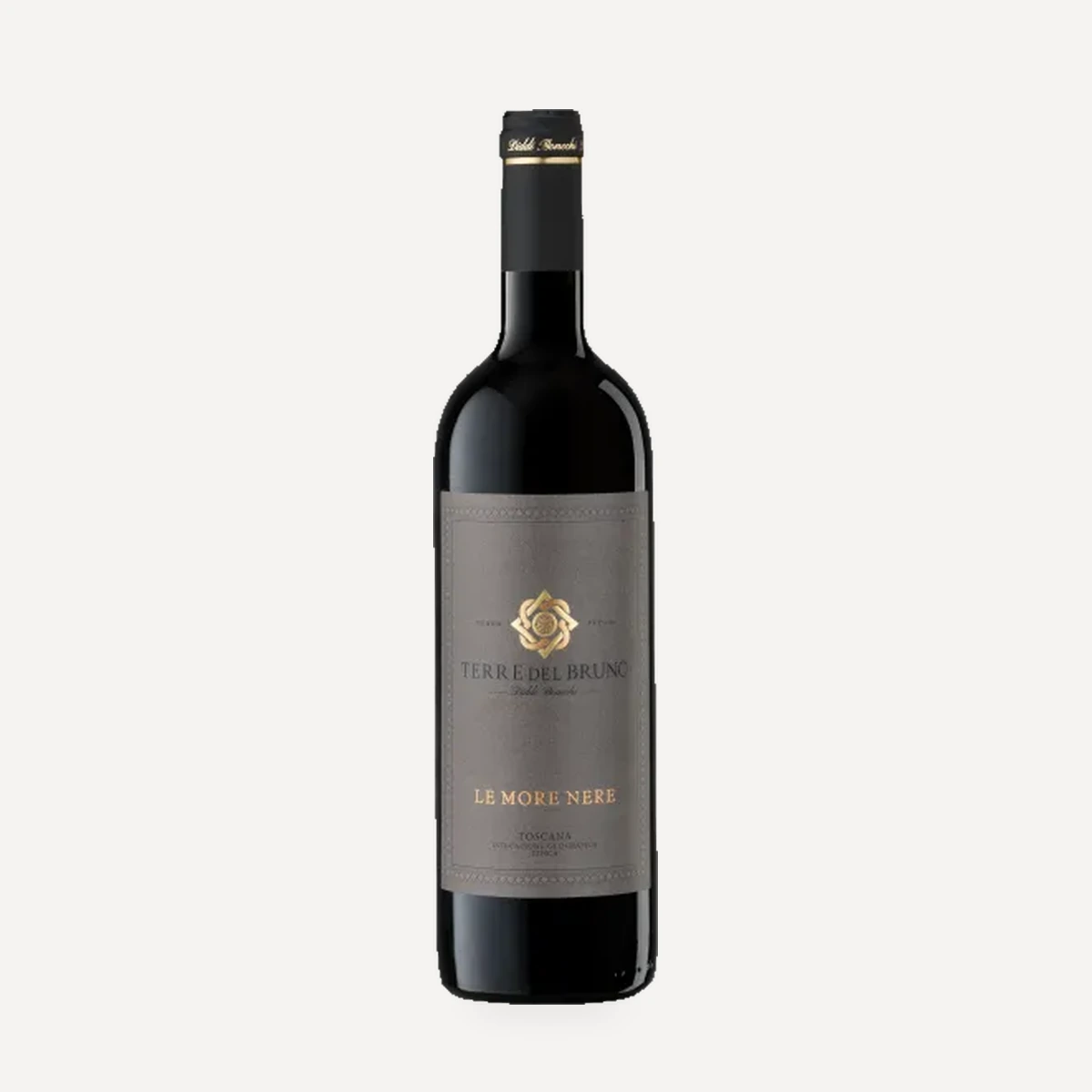
Le More Nere Merlot
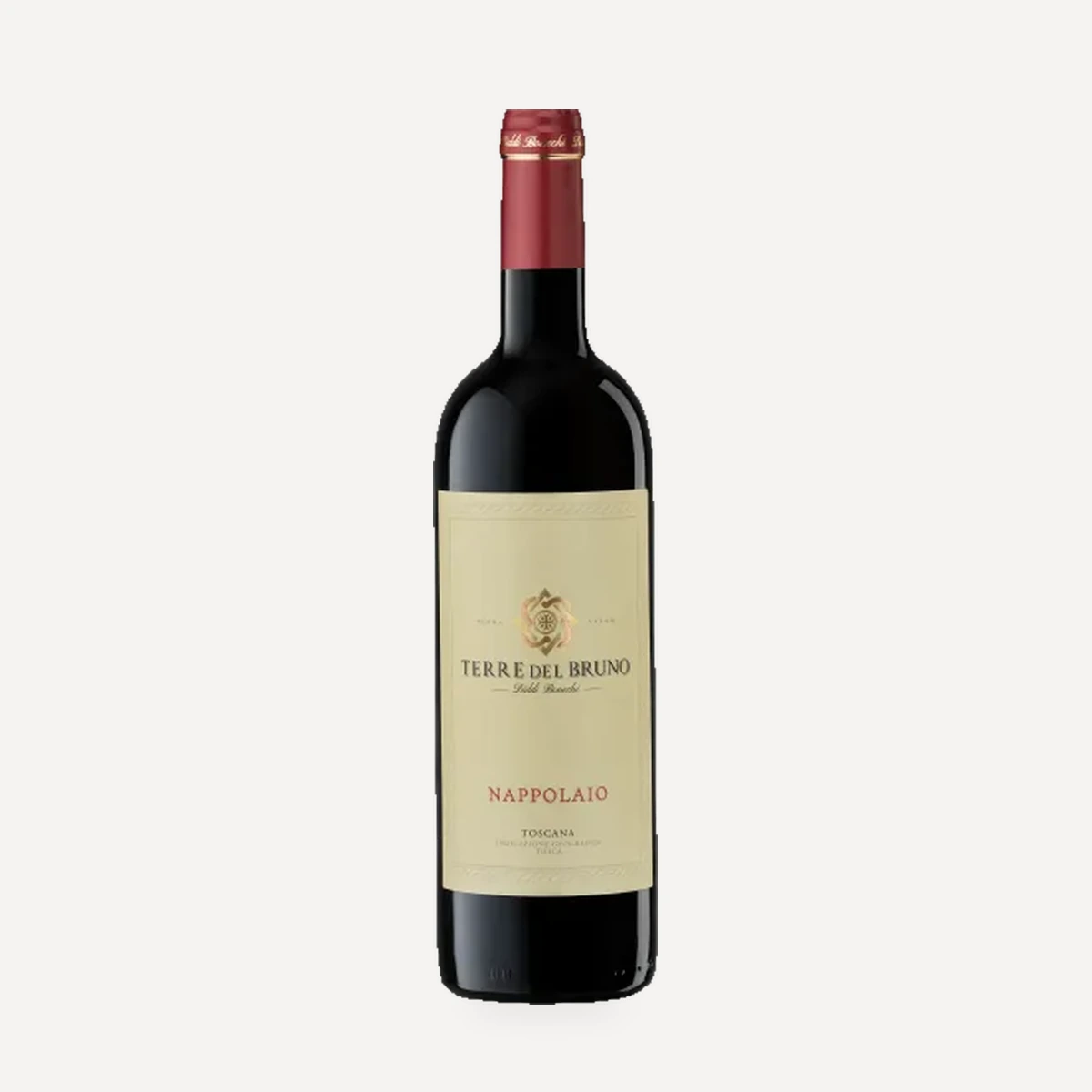
Nappolaio Sangiovese
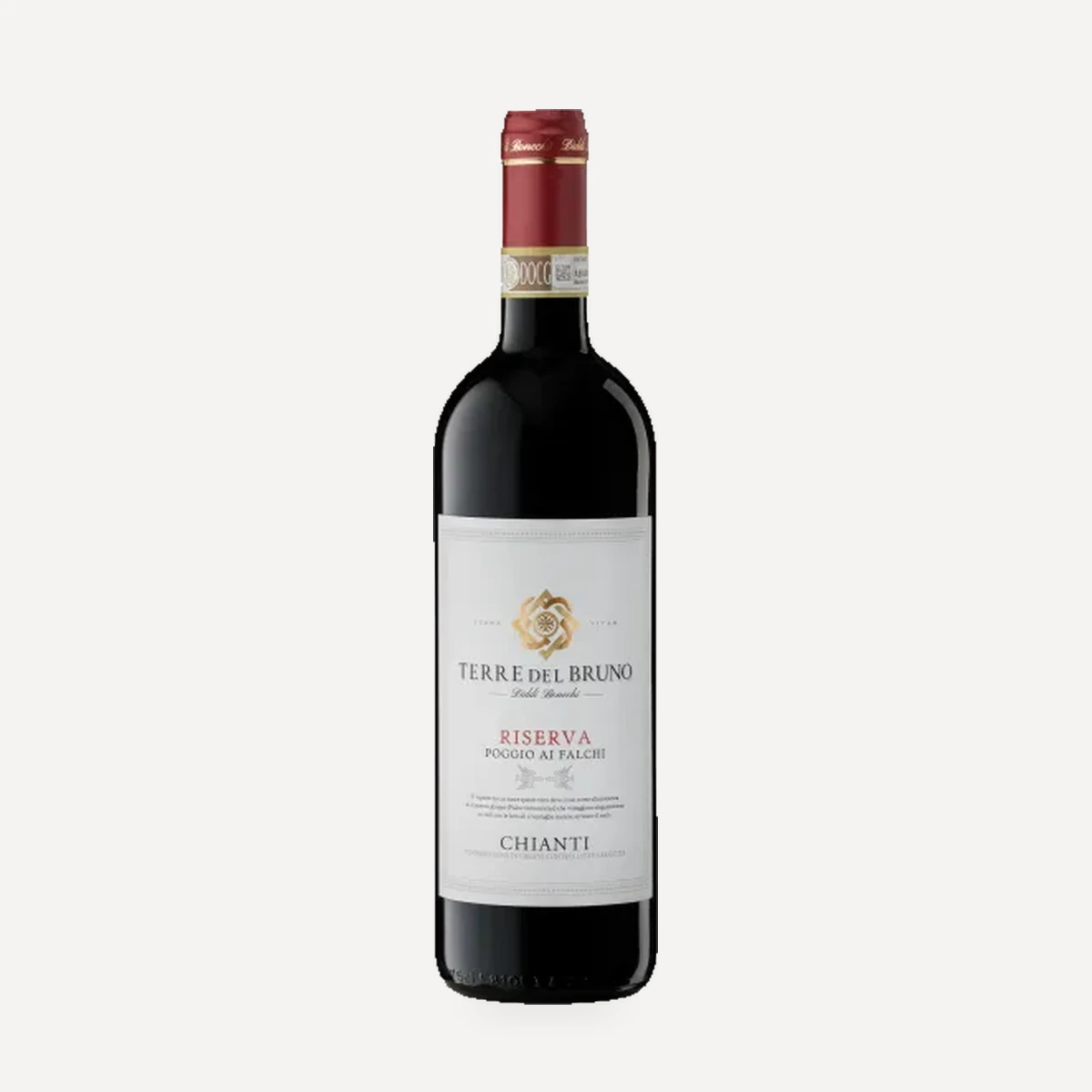
Poggio ai Falchi

TorreAlta
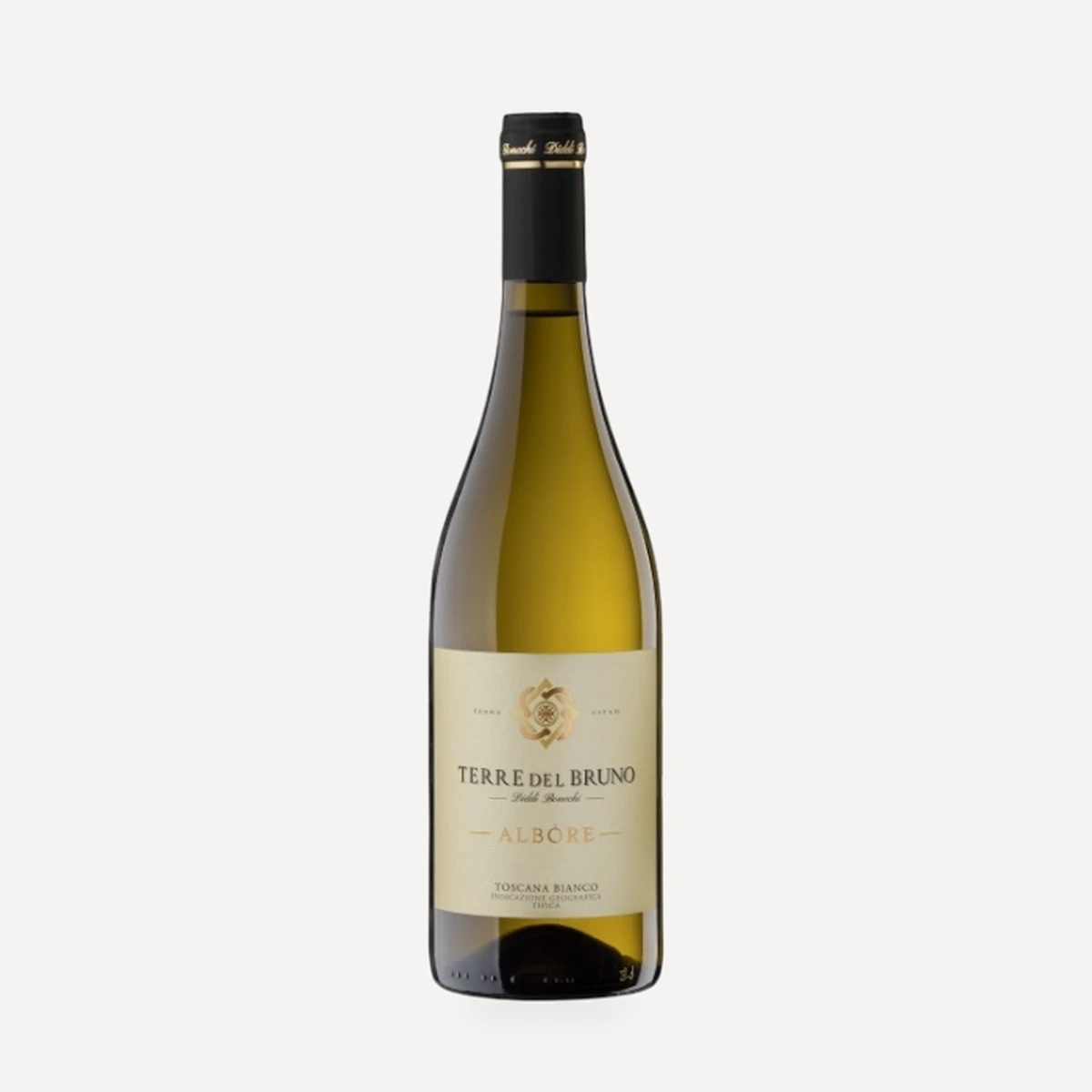
Albòre