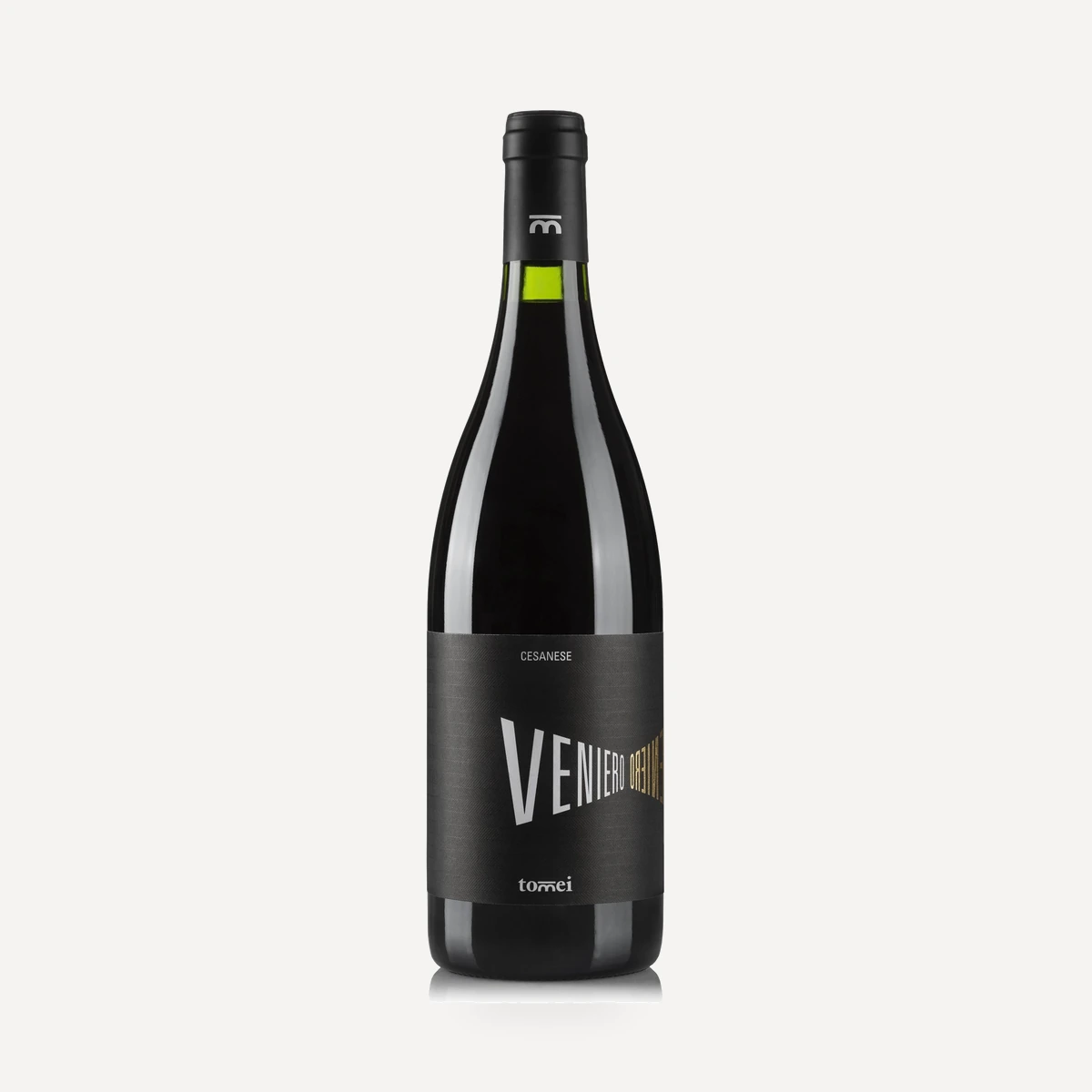
Storia
Three generations on the land
The Tomei family has owned its land for three generations. Before the establishment of the wine estate, it was devoted principally to vegetables and wheat, with only small areas under vine. The property lies in the countryside of Sezze, at Archi di San Lidano.
2017: foundation of the estate
Azienda Agricola Tomei was founded in 2017, building on the family’s farming tradition and practical agricultural experience. From the beginning, the project concentrated exclusively on native varieties associated with the Agro-Pontino: the white grapes Bellone and Ottenese and the black grapes Cesanese and Abbuoto.
Abbuoto provided the central impetus for the family’s wine project. Because the variety is at risk of genetic erosion, Tomei began a research and recovery programme based on massal selection. This work connects the modern estate with an older local wine culture: Abbuoto is identified with the grape once used for Cecubo, or Caecubum.
Development of the vineyards and cellar
The estate adopted biodynamic agriculture and made the recovery of the local territory and its biodiversity a defining objective. Mixed-species hedges were established around all the vineyards, more than 50 fruit and evergreen trees were planted, and permanent multi-species green manures were introduced between the rows. Chemical products were eliminated from both vineyard and cellar work.
The cellar developed as a small-scale artisanal facility with only essential machinery. Terracotta and concrete serve as neutral fermentation or maturation vessels, while spontaneous fermentations rely on indigenous yeasts. The estate now farms approximately 5 hectares of vines, produces around 15,000 bottles annually, and holds organic certification from Suolo e Salute and biodynamic certification from Demeter Italia.
Terroir
The vineyards lie in the Agro-Pontino, in the foothill zone of the municipality of Sezze at Archi di San Lidano, with the Monti Lepini forming part of the surrounding landscape.
The soils are formed from very deep limno-marsh sediments rich in dark, bluish clays. Beneath them is an ancient marine stratum of calcarenite dating from the Pliocene. Carbonate rocks of volcanic origin, associated with the ancient Lazio volcano, occur unevenly through the soils. Organic-matter reserves are described as high.
Vinificazione
Tomei follows certified organic and biodynamic viticulture, with certification respectively from Suolo e Salute and Demeter Italia. Chemical products have been eliminated from vineyard work.
Biodiversity is treated as a structural component of the farm. Every vineyard is enclosed by a hedge composed of alternating plant species. More than 50 trees—both fruit-bearing and evergreen—have been planted, while permanent multi-species green manures grow between the vine rows.
The planted varieties are Bellone and Ottenese among the white grapes and Cesanese and Abbuoto among the black grapes. Abbuoto, considered at risk of genetic erosion, is the subject of a recovery and research programme employing massal selection.
Guyot training and a density of 4,000 vines per hectare are used for the documented Bellone, Ottenese and Cesanese plantings. Their respective documented yields are 80, 70 and 60 quintals per hectare. Harvesting is manual, with the grapes collected in boxes.
Tomei operates a deliberately simple, artisanal cellar equipped with a limited number of essential machines. Terracotta and concrete are used as neutral vessels. Chemical products have been eliminated from cellar work.
Grape processing is based on spontaneous fermentation with indigenous yeasts, intended to preserve vineyard and territorial identity. The documented lots are made from destemmed grapes fermented in open vats, with the duration of skin contact adapted to the grape: very brief for Bellone, brief for Ottenese and approximately ten days for Cesanese.
Concrete is used for maturation in the current Italian technical specifications. Malolactic fermentation occurs spontaneously, followed by bottle rest. The documented wines are bottled without clarification or filtration.
Filosofia
Tomei presents wine as an expression of identity, respect for the soil and its biodiversity, and the ancient culture and traditions of Sezze and the Agro-Pontino.
The project centres on recovering the territory and its biological diversity. This purpose informs the exclusive use of native grapes, the massal-selection work with Abbuoto, biodynamic farming, permanent green manures, mixed hedges and tree planting.
In the cellar, the guiding objective is to produce wines that retain a strong identity and express their terroir. The practical expression of that aim is an artisanal facility, neutral terracotta and concrete vessels, spontaneous indigenous-yeast fermentation, and the avoidance of clarification and filtration in the documented wines.
Vini
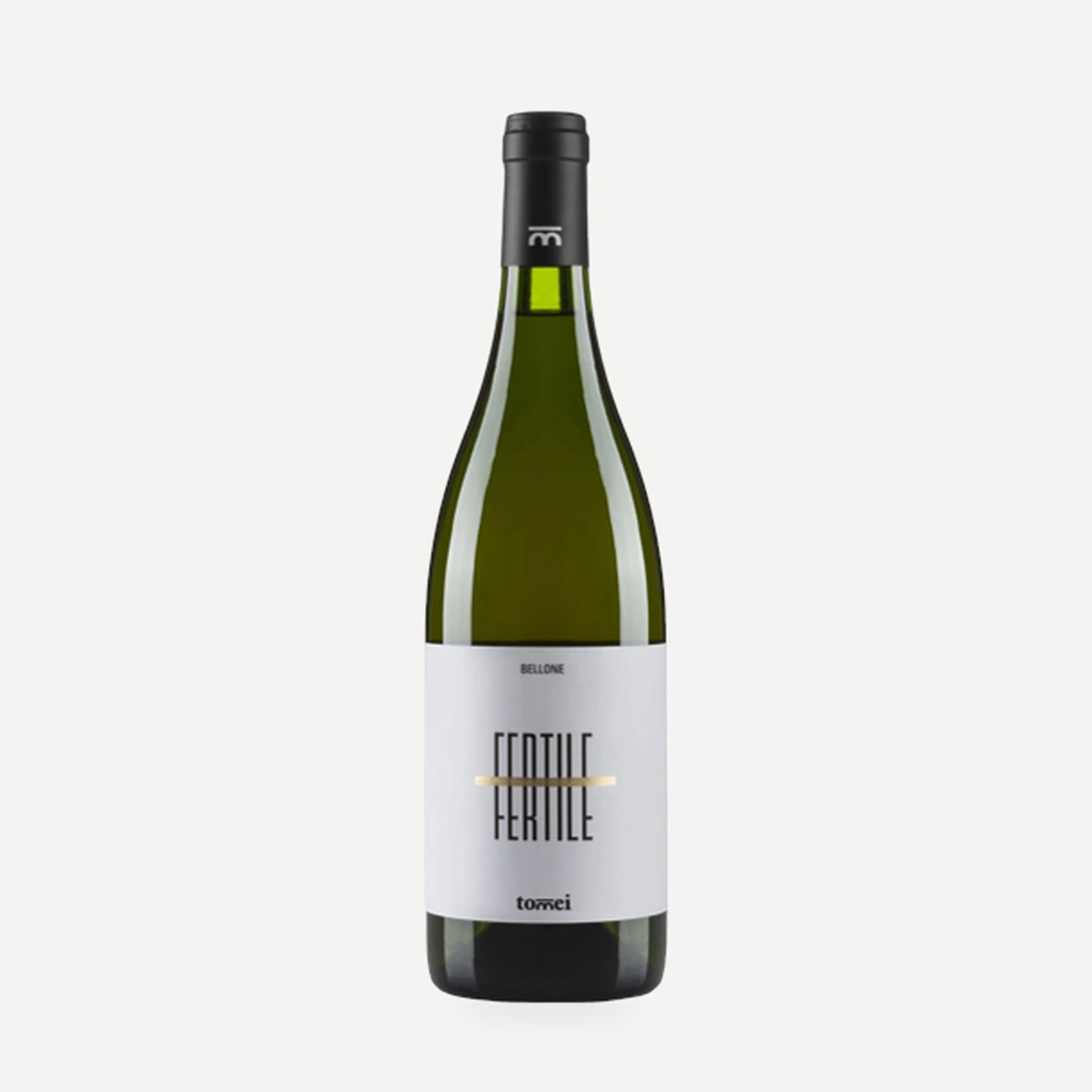
Fertile
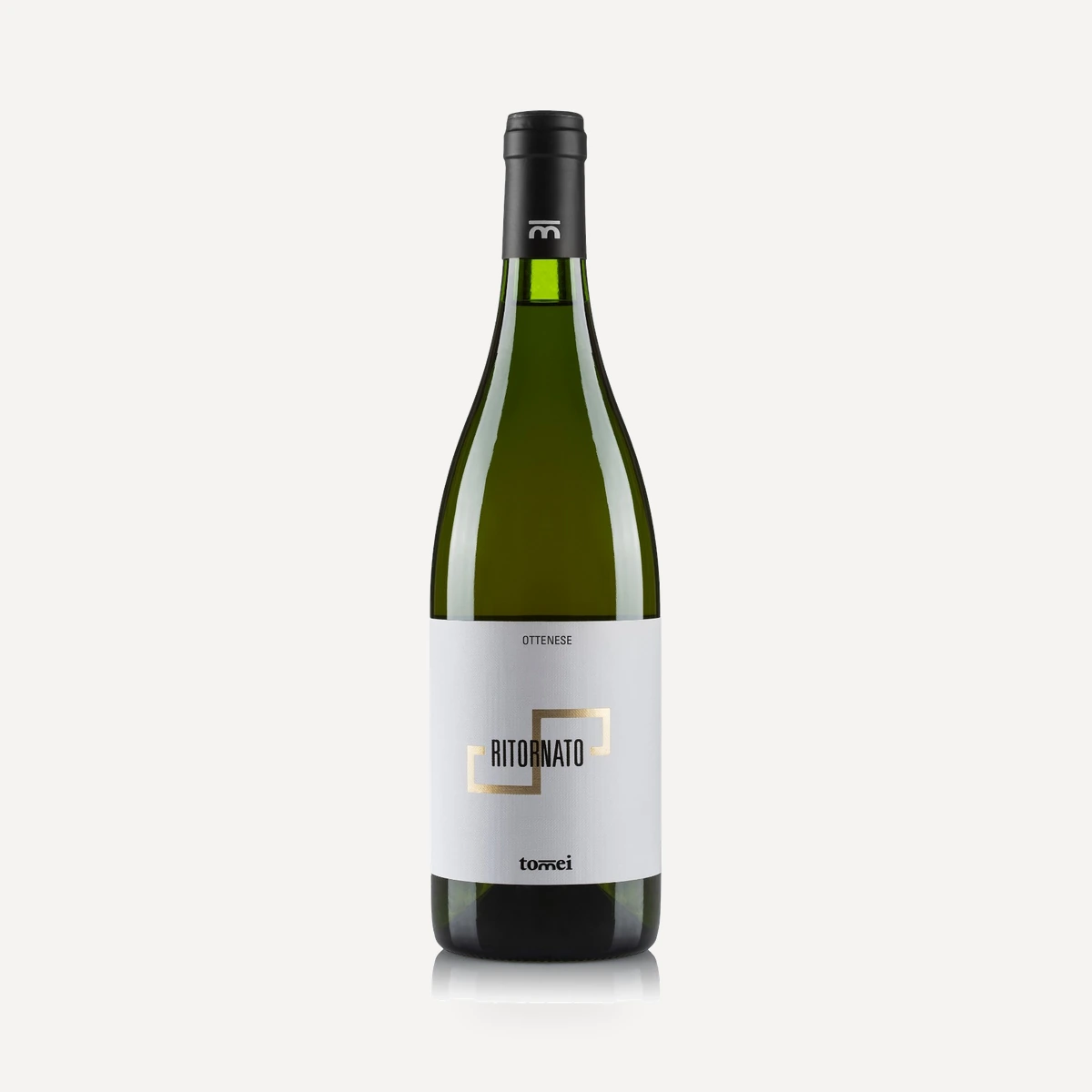
Ritornato