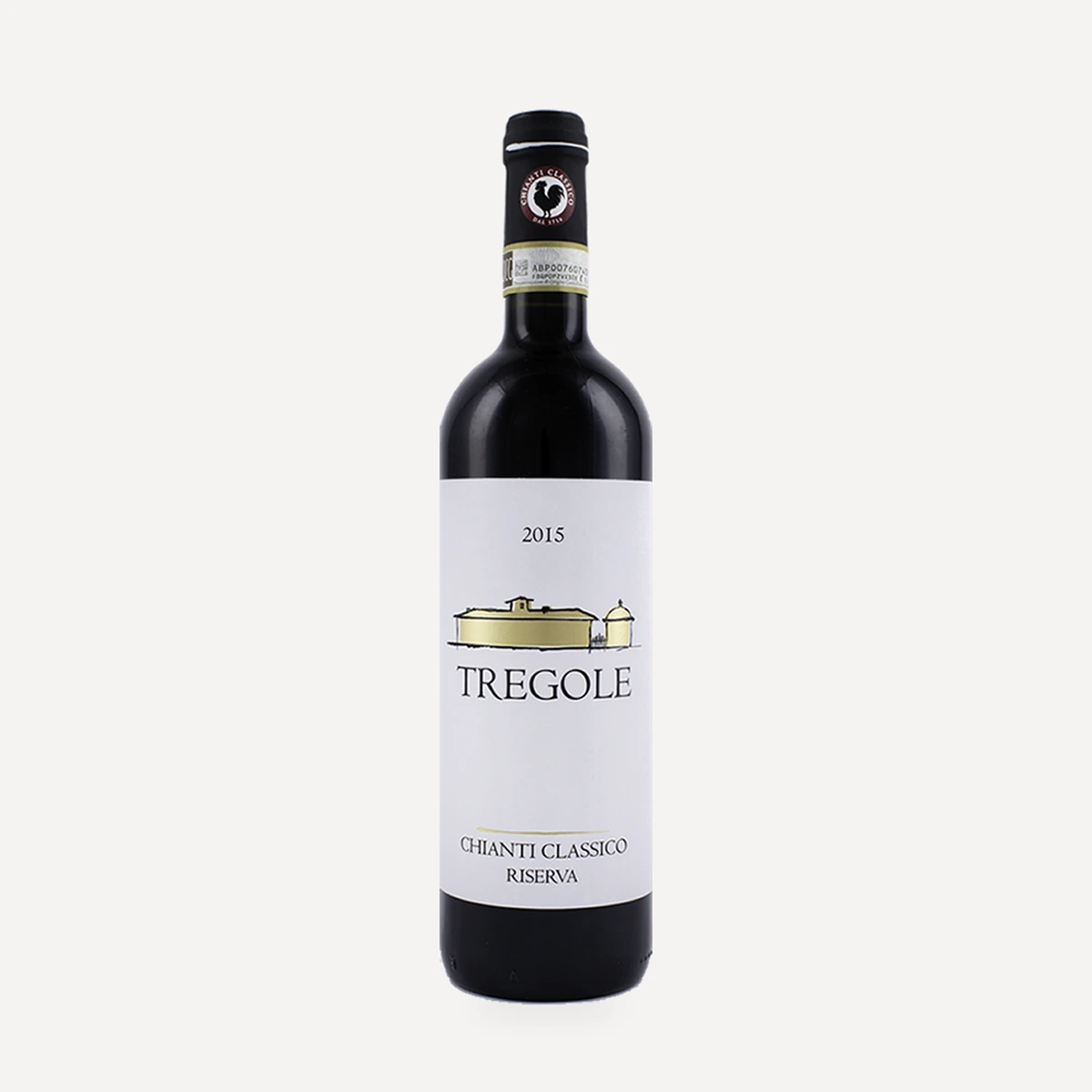
Storia
Ancient agricultural landscape
Around 600 BC, the Etruscans began shaping the Chianti landscape, moving from pastoral activity towards agriculture and introducing viticulture. Roman settlement subsequently brought olive cultivation and stimulated rural trade.
1003: the earliest record of Tregole
Tregole’s documented roots reach back to 1003. Records associated with the monks of Badia a Coltibuono refer to a Lombard settlement and the purchase of locally grown wheat. Another account describes the farm as producing wheat and wine and raising livestock under a Lombard family. During the difficult medieval centuries, Tregole experienced alternating periods of expansion and contraction amid insecurity, banditry and famine.
The Palagi family
In 1300, Tregole became the residence of the Palagi family. In 1384, the Lega del Chianti was founded in Florence to regulate administrative relations among Radda, Gaiole and Castellina and their producers of Sangiovese-based red wine; its emblem was the black rooster on a gold background.
Conflict between Florence and Siena repeatedly affected Chianti. In 1555, a peace treaty brought their clashes to an end and established the border between the two republics. The treaty was signed at Castello di Fonterutoli, close to Tregole.
The Palagi family built Tregole’s oratory chapel, dedicated to San Giuseppe, in 1580. They continued to run the property until the 1960s.
Twentieth-century vineyards and ownership transition
A surviving vineyard was planted in 1956. Tregole calls these its “adult” rather than old vines.
In the 1960s, the elderly and childless final Palagi heir sold the property. After a succession of different owners, the Conte family acquired Tregole. Edith, the first Conte generation at the estate, led its restoration and revival.
Renewal under the Conte family
New vineyards were established from 1999 onward, with the planting programme continuing through 2019. The historic ageing cellar remained on the ground floor of the principal building, while a detached old barn was restored for vinification and equipped with temperature-controlled concrete vats.
Tregole is now principally run as a mother-and-daughter enterprise. Sophie Conte manages both the agricultural estate and its hospitality activities and makes the wines. Edith continues to oversee the accommodation, gardens and cooking activities. The estate combines 5.5 ha of wine production with hospitality for up to 20 guests.
Terroir
Tregole lies in the commune of Castellina in Chianti in the province of Siena, between Siena and Florence. Its recorded coordinates are 43.4435 N, 11.3159 E.
The estate occupies the crest of a hill above a small valley and is enclosed by three deep gorges. Vineyards and winery buildings stand between 500 and 580 metres above sea level.
The soils are medium-textured and rich in stony material, combining Alberese, Galestro and Macigno del Chianti. The altitude and mixture of earth and rock are central to Tregole’s interpretation of Sangiovese. Merlot is also cultivated at approximately 500 metres.
Vinificazione
Tregole identifies its vineyard and cellar as organic. The vineyard holdings are overwhelmingly planted to Sangiovese, accompanied by Merlot, and span plantings from 1956 to 2019.
The estate refers to its 1956 vines as “adult” rather than old. Fabio, the vineyard master, follows the individual plants and shoots throughout the vineyards. Sophie Conte’s stated objective is to continue the estate’s long traditions of viticulture and olive cultivation while preserving the surrounding territory.
Tregole’s production is divided between two buildings.
Vinification takes place in a restored detached agricultural barn. It is equipped with temperature-controlled, glass-lined concrete vats, allowing fermentation work to be conducted under controlled conditions.
Ageing takes place separately in the historic cellar on the ground floor of the principal building. Its vessels include barriques, tonneaux and larger French-oak casks. The cellar’s approach is intended to give the wines a measured, gentle maturation.
Filosofia
Tregole frames its identity around Sangiovese, nature and the Chianti Classico landscape, approached with passion, respect and dedication.
Its wine style is intended to remain closely connected to the estate’s terroir. The underlying idea has remained consistent from the earliest harvests to recent vintages, while continuing to evolve so that the wines retain the estate’s values and origins in a contemporary form.
Sophie Conte seeks the most natural expressive development possible in the wines, with elegance and finesse as principal goals. The estate presents tradition and innovation as complementary: fidelity to its origins does not exclude technical renewal. The wider family project joins viticulture with olive growing, preservation of the territory and hospitality.
Vini
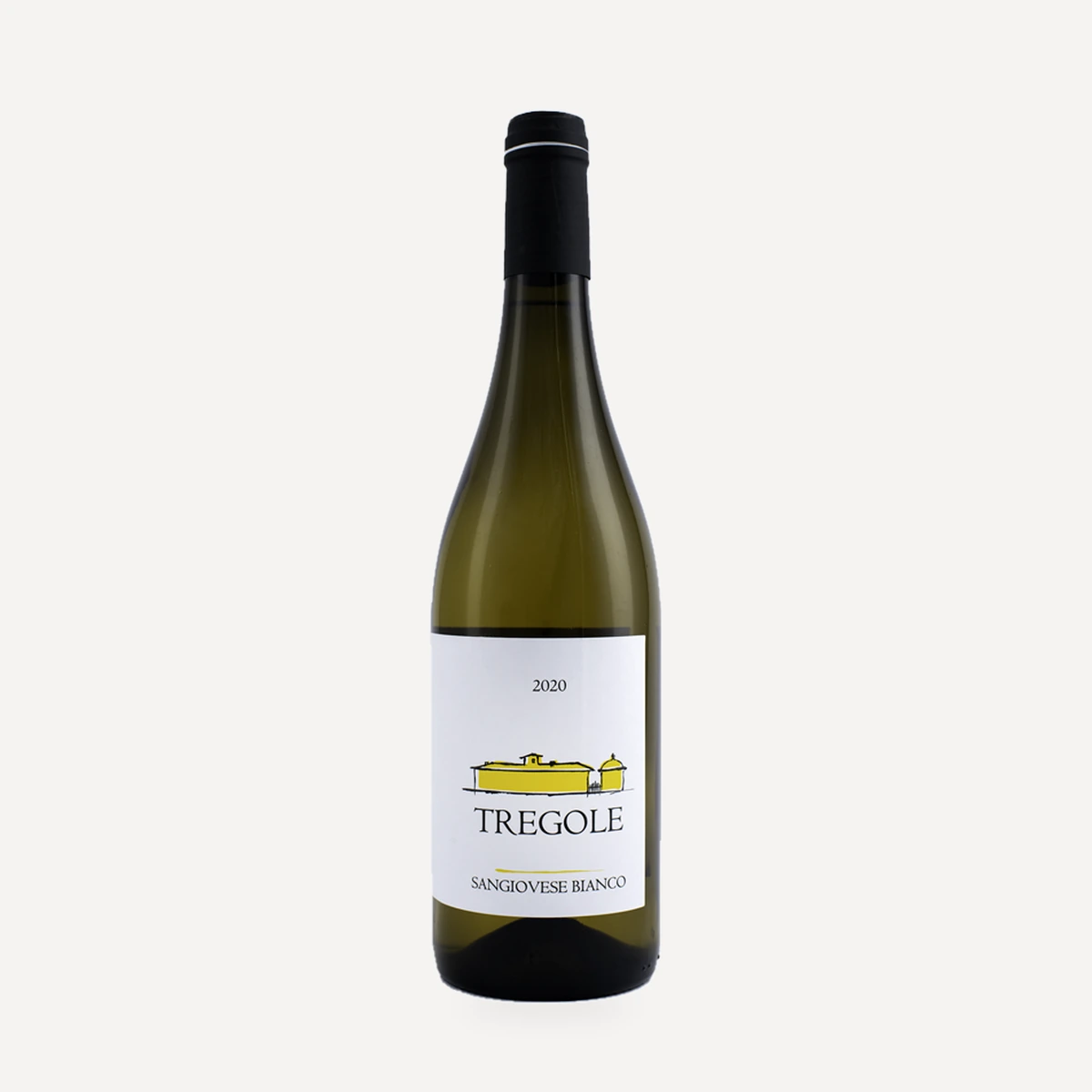
Sangiovese Bianco
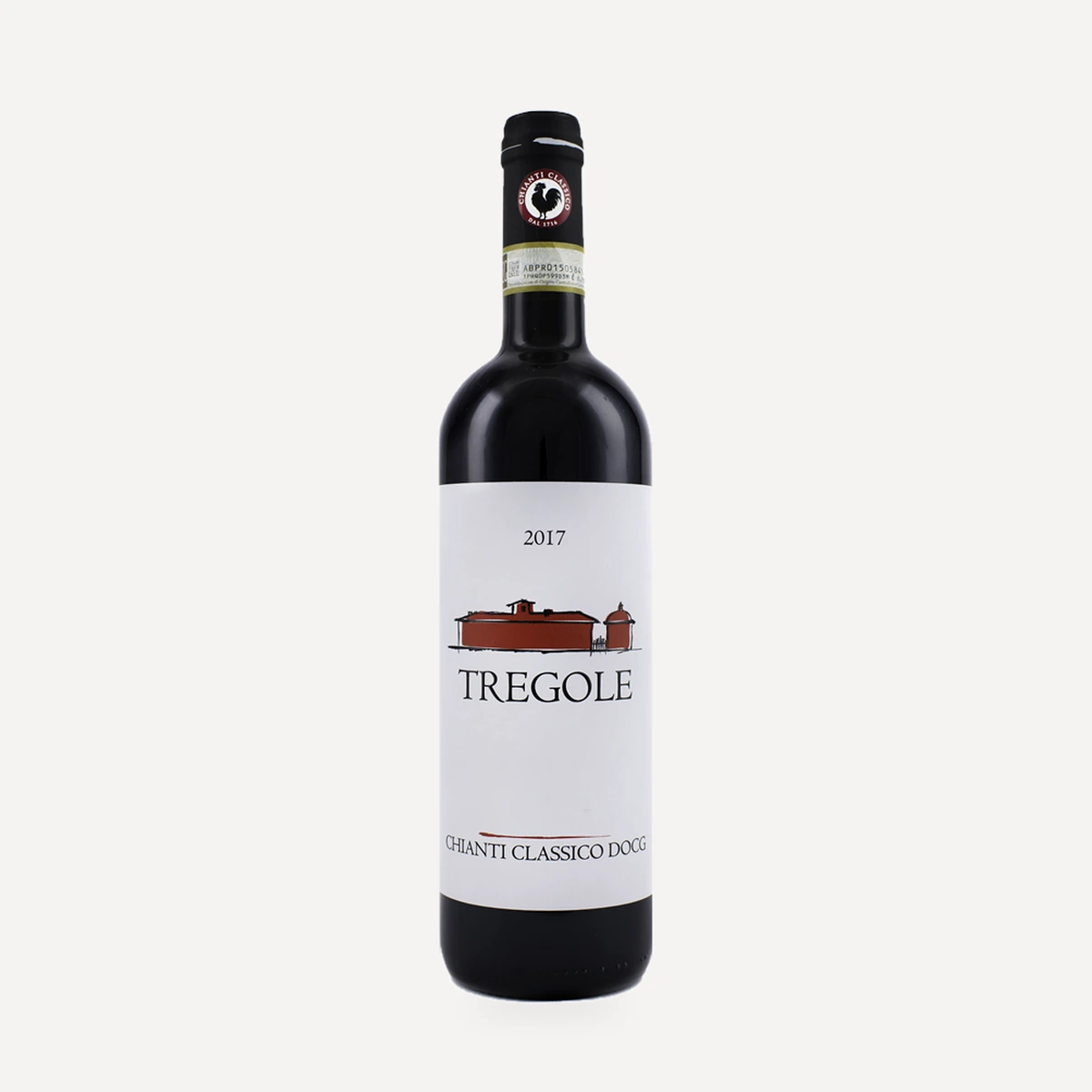
Chianti Classico DOCG