Storia
A new life in Radda
In 1974, Giorgio Bianchi moved his family from Milan to Radda in Chianti. His ambition was to live in the countryside and learn to make wine. The move came when Chianti remained economically underdeveloped and quality-oriented winegrowing and tourism were present only in isolated cases.
Giorgio and his wife, Eli, restored a farmhouse that had stood abandoned for years, replanted the vineyards and constructed a small cellar. Giorgio also planted the estate’s oldest Sangiovese vineyard in 1974; this parcel subsequently became the single-vineyard source for the Riserva.
Revival and generational transition
The late 1990s brought an important change in conditions. By 1997, climatic developments and an approaching generational transition were creating the basis for renewed momentum in Radda’s wine sector. The estate’s entirely east-facing vineyards, regarded as a disadvantage through the end of the 1990s, became increasingly valuable as warmer conditions brought abundant sunlight while the vines still entered shade early in the evening.
Giorgio died prematurely in 1999. His son Roberto Bianchi then assumed responsibility for Val delle Corti together with his wife, Lis. They developed the farm’s potential and raised the level of its wine production while retaining its small, family-run structure.
Organic farming and new vineyard selections
The estate subsequently adopted certified organic cultivation and incorporated biodynamic methods in part of its farming. Its vineyard holdings comprise 5 hectares of owned specialized vineyards and approximately 2 rented hectares. The historic 1974 Sangiovese vineyard remains the source of the Riserva in suitable years, while the newer La Malpensata cru is intended to play an increasing role in the selection for Extra.
Terroir
Val delle Corti lies at Radda in Chianti, with vineyards between 420 and 490 metres above sea level. Individual wine descriptions commonly place their source vineyards at approximately 450 metres. The vines occupy breezy hillsides and steep slopes.
The dominant soils are marly limestone with abundant stones and pronounced mineral content. More detailed descriptions identify Galestro and Alberese within this stony calcareous profile. The terrain provides good drainage and supports naturally limited quantities of concentrated, healthy grapes.
Eastern exposure is the defining feature of the estate. The vineyards receive plentiful morning and daytime sun but enter shade relatively early in the evening. This orientation was considered troublesome until the end of the 1990s, but warmer conditions have turned it into an advantage. Particular parcels also extend toward the northeast or southeast.
Annual rainfall averages approximately 750 mm. The 2022 season illustrated the estate’s climatic extremes: drought and prolonged heat lasted from December 2021 through August 2022, storms and hail arrived in mid-August, and eight days at the end of September delivered 300 mm of rain.
Vinificazione
The farm is cultivated under certified organic management, with biodynamic practices used in part of the estate. Organic and biodynamic agriculture are treated as the most appropriate means of respecting the land and its history while allowing Radda’s Sangiovese to express its character.
Vineyard work is manual and environmentally conscious. The oldest 1.5-hectare Sangiovese parcel is trained to the traditional Tuscan double inverted arch system for balanced leaf distribution. The other vineyards are generally Guyot-trained. Gaps are replanted through massal selection using material from the estate’s own vines, preserving the existing plant population rather than relying solely on standardized replacements.
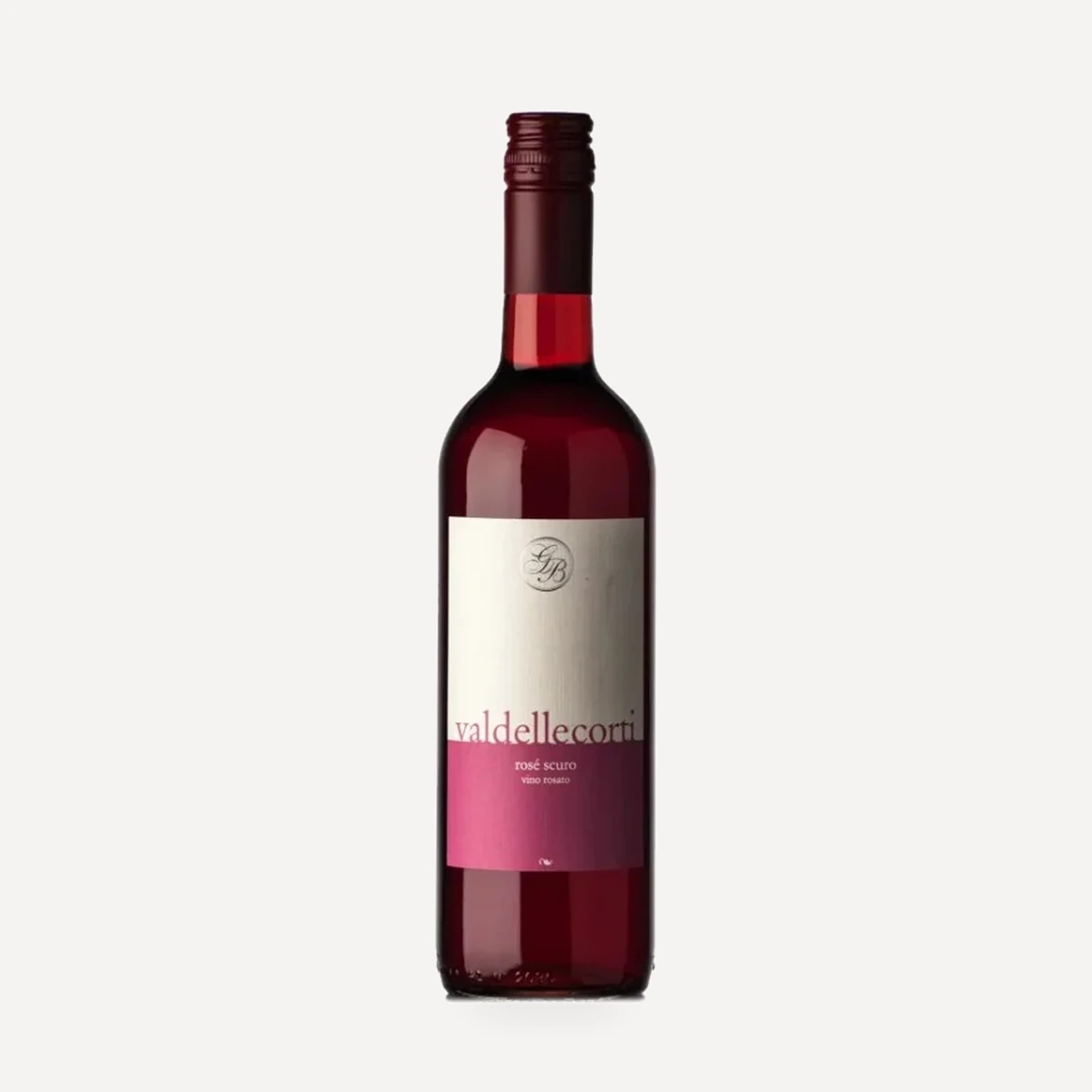
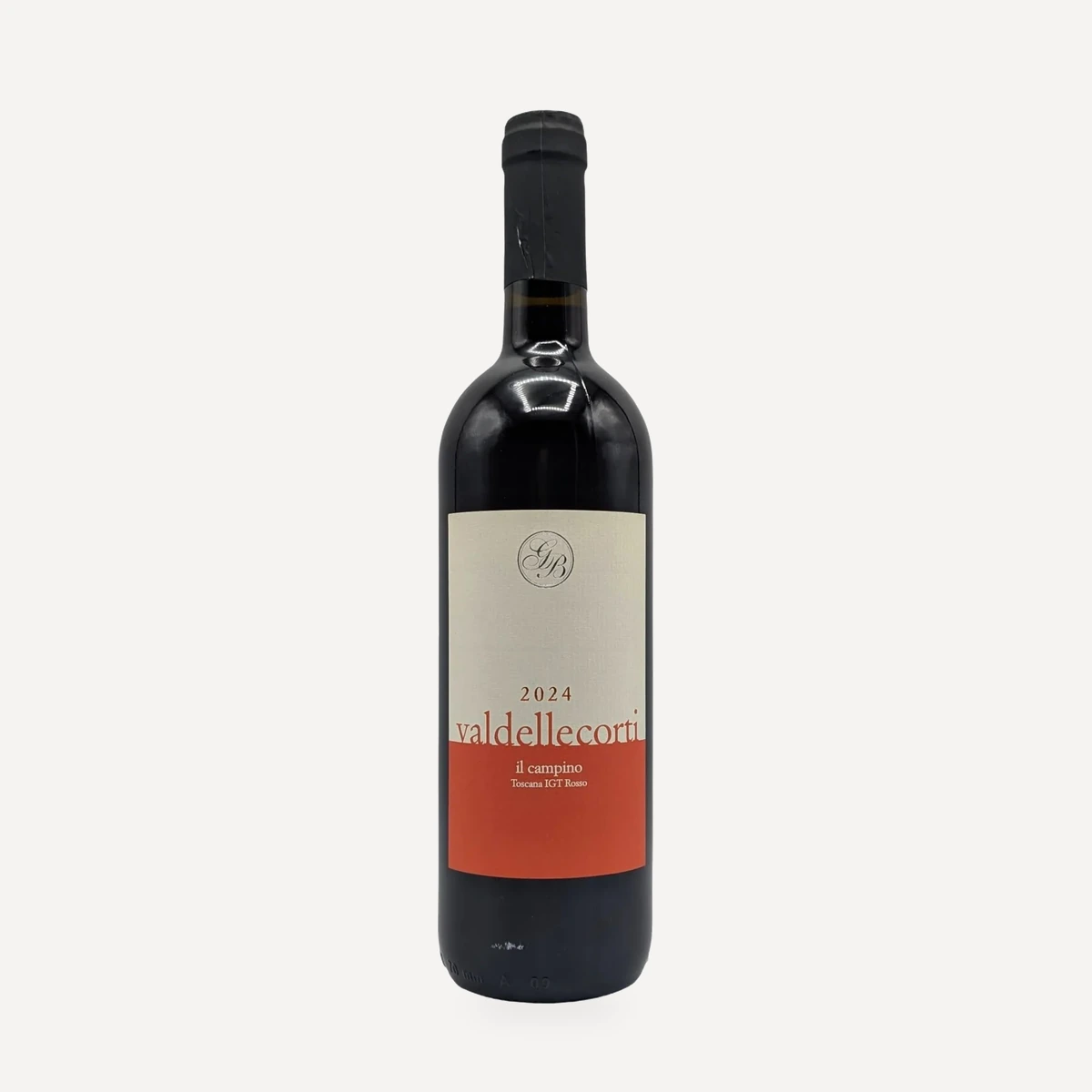
The vineyards are harvested separately according to their exposure and vine age. Fruit allocation follows site and freshness: the oldest Sangiovese cru is reserved for Riserva in the best years; vineyards of different ages contribute to Chianti Classico; the freshest Sangiovese is directed to Rosé Scuro and Il Campino; and Merlot from Il Cortino is used with Sangiovese for Lo Straniero. Difficult seasons can require repeated selective passes so that healthier berries remain on the vine longer in well-ventilated conditions.
The estate also cultivates approximately 600 olive trees organically. The olives are picked by hand directly from the trees.
The original cellar was built by Giorgio and Eli Bianchi after their arrival in 1974. It remains a small working cellar aligned with the scale of the family estate.
Fermentations use naturally occurring yeasts. Sangiovese destined for the principal red wines may ferment for approximately three weeks in stainless steel or for about two weeks in open tonneaux, with manual punchdowns. For Chianti Classico, part of the fermenting mass can remain in contact with the skins for four months under controlled temperature. The rosé is made by bleeding must after seven days of skin contact and allowing it to ferment naturally in outdoor stainless-steel vats through the winter.
Elevage varies according to selection. Chianti Classico matures in large 2,000–3,000-litre Slavonian oak casks. Riserva matures in used barriques and tonneaux, normally for 24 months, while the 2021 release underwent approximately 30 months of slow maturation in small used barrels. Extra is selected from a small number of Riserva barrels in significant years and rests for a total of 36 months before being bottled without filtration. The estate also uses stainless steel for fruit-led wines, with maturation periods ranging from approximately 6 to 18 months.
Bottle maturation ranges from about one month for the most immediate wines to three months for Chianti Classico and six or seven months for the longer-aged selections.
Filosofia
Val delle Corti defines its role as that of a discreet and respectful custodian of an ancient agricultural landscape. Around 2,700 years ago, Etruscans living on Monte alla Croce, immediately behind the estate, began cultivating Vitis vinifera. The family’s stated aim is therefore to observe and understand the land rather than impose a predetermined style upon it.
The estate identifies Sangiovese as the genius loci of both Val delle Corti and Radda. Its work is directed toward revealing that variety’s potential and expressing it with mineral character, fresh fruit and elegance. Organic and biodynamic cultivation are understood as the agricultural paths most consistent with this objective and with respect for nature and local history.
Sustainable development is a central principle. Tradition is retained through old-vine Sangiovese, preserved Canaiolo, massal replacement of missing vines, natural yeasts, manual cellar work and maturation in large or previously used oak. At the same time, the estate adapts to changing conditions: the eastern exposures once considered limiting are now valued under a warmer climate.
The Extra project expresses the estate’s stylistic ambition most explicitly. Its goal is not deliberate power, muscularity or opulence, but an especially elegant, smooth and concentrated expression of the estate’s Sangiovese.
Vini
Il Campino