Storia
The historic estate
The history of Venturini Baldini is rooted in an estate whose origins reach back to the 16th century. Villa Manodori stands on earlier Matildic foundations, while the present building dates from the early 1500s. Over the centuries it was associated successively with the Marquises Fontanelli, the Counts Galliani and the Counts Ancini. In the 19th century it became the residence of the Marquis Manodori, whose name the villa still bears.
A vinegar cellar was established in a 17th-century building in the upper part of the estate. It was initially maintained for the private use of the noble families that succeeded one another as owners. Its surviving patrimony includes approximately 400 small barrels made from juniper, oak, cherry, ash and chestnut; some date from the 17th century.
1976: the wine estate begins
The Venturini Baldini family founded the agricultural wine estate in 1976 and began producing wine at Roncolo di Quattro Castella. From the outset, the project combined local winemaking traditions with experimentation and close attention to nature. The estate subsequently became one of the early organically certified producers in Emilia, with certified organic production established during the 1990s.
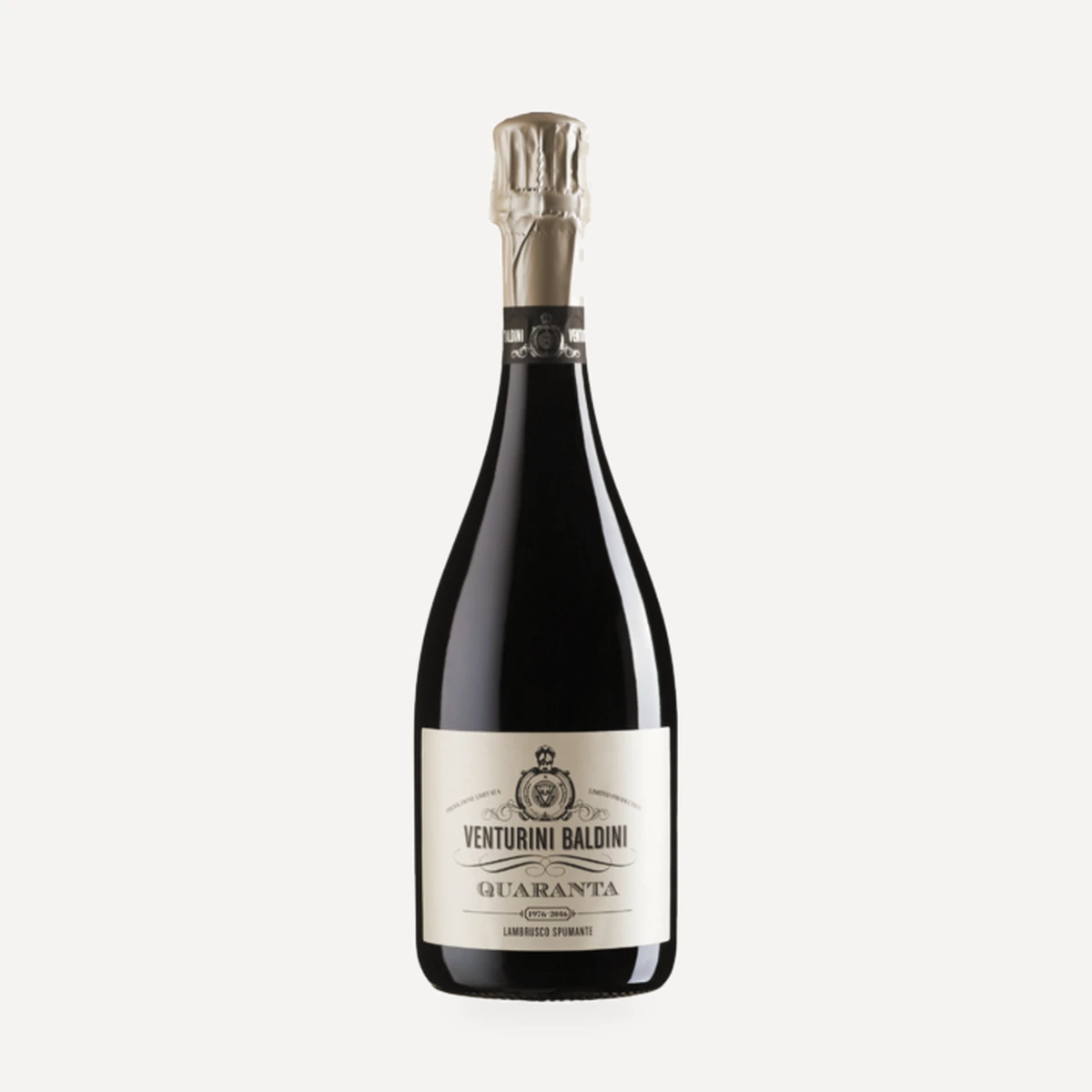
Traditional-method sparkling wine became part of the cellar's work in the 1990s. Current presentation material identifies 1996 as the beginning of Metodo Classico production. The estate also developed a range centred on Lambrusco and other regional grapes, while later experimental work revived or reinterpreted historic varieties including Malbo Gentile, Spergola and Lambrusco Montericco.
2015: the Prestia family relaunch
The Prestia family acquired the estate in 2015 and relaunched the historic Reggio Emilia brand with oenologist Carlo Ferrini. Riccardo Cotarella and his team later joined the winemaking project. The acquisition also marked the start of commercial balsamic-vinegar production from the historic acetaia, which until then had served the estate's owners privately.
The property remains family-owned. Its approximately 40 ha of vineyards are farmed organically as the source of estate-grown sparkling and still wines. The wider agricultural property covers approximately 130 ha and also encompasses woodland and pasture.
Present identity
Venturini Baldini now combines organic winegrowing, Lambrusco and Metodo Classico production with the preservation of Villa Manodori and its historic acetaia. Hospitality, dining, tastings and events are integrated into the estate through Relais Roncolo 1888 and the restaurant La Limonaia.
Terroir
Venturini Baldini lies at Roncolo di Quattro Castella in the province of Reggio Emilia, on the Apennine foothills of Emilia-Romagna. The estate occupies the historic hills associated with Matilde di Canossa, in the Terre di Canossa between Parma and Reggio Emilia.
The property extends across approximately 130 ha of vineyards, woods and pastures. Its hills rise to roughly 370 m above sea level, and most vineyard rows occupy hilly ground around 300–400 m. Individual winegrowing sites represented in the estate collection are situated at approximately 240–300 m.
The rows have predominantly southeast and southwest exposures. The soils are principally clay mixed with sand; some sites are described as clay-rich and tending toward calcareous composition. Lambrusco varieties traditionally occupy the lower parts of the property, while Malvasia and international varieties are placed higher, where the day–night temperature range is more pronounced.
The local setting creates a moderated hill climate. Sunlight breaks through the winter fog, while the estate's cool, wooded landscape tempers summer heat. At higher elevations, marked diurnal variation contributes an additional distinction between the estate's vineyard environments.
Vinificazione
The estate vineyards are farmed entirely under a certified-organic regime. Venturini Baldini was among the early Emilian estates to obtain organic certification, and its production has been certified organic since the 1990s.
Vineyard operations and harvesting are carried out manually. Grapes are selected by the oenological team and consultants, while yields are deliberately restrained to protect fruit quality. The general vineyard description gives a typical limit of approximately 8 t/ha; the estate's technical material records individual yields of 7–10 t/ha according to variety and intended style.
Organic farming is treated as part of a wider responsibility toward the land and people. The approach is intended to respect the estate ecosystem and maintain biodiversity across vineyards, woods and pasture. It is also presented as a means of building resilience against the increasingly extreme weather associated with climate change. The same sustainability policy extends beyond cultivation to reducing plastic and considering environmental criteria when selecting commercial partners.
The cellar produces organic, estate-grown sparkling and still wines from both regional and international varieties. Grapes are harvested by hand and selected with the involvement of the oenological team.
Across the range, white, rosé and red base wines are fermented under controlled temperatures. White-wine processing can include soft pressing of whole bunches. Sparkling production employs several distinct techniques: short and long Charmat; conventional Charmat; secondary fermentation in bottle by Metodo Classico; and bottle refermentation followed by extended contact with the lees.
The current Metodo Classico range is made by bottle fermentation and rests for 30 months on the lees. Another bottle-refermented expression spends 18 months on its lees before disgorgement. The Charmat wines use either short cycles or longer maturation according to the intended style.
The still-wine programme also explores extended maceration and oak. Red-grape work includes a 30-day maceration followed by 18 months in oak tonneaux. White-grape experimentation includes prolonged maceration or maturation for 12 months in oak vats. Together, these methods form part of the estate's project to reinterpret historic Emilian grapes through techniques that range from local sparkling traditions to long élevage in wood.
Filosofia
Venturini Baldini defines its work through three connected principles: respect for nature and its ecosystem, a strong relationship with Emilian territory and tradition, and a willingness to innovate. Its aim is to make organic, estate-grown wines that express the diversity of Emilia rather than reduce the region to a single grape or style.
Wine is treated not merely as a natural product but as the expression of a deliberate cultural outlook. The estate prioritizes a short supply chain, historical continuity and experimentation. This is reflected in its work with regional and historic grapes—particularly Malbo Gentile, Spergola and Lambrusco Montericco—and in the use of methods intended to recover their traditions while exploring new forms of vinification.
Organic farming is framed as an ethical commitment to both land and people. Sustainability begins in the vineyards and extends across the broader estate, including the reduction of plastic and the choice of partners. Tradition and innovation are therefore presented as complementary: historic varieties, balsamic-vinegar heritage and the estate's architecture are preserved while winemaking methods continue to evolve.
Vini
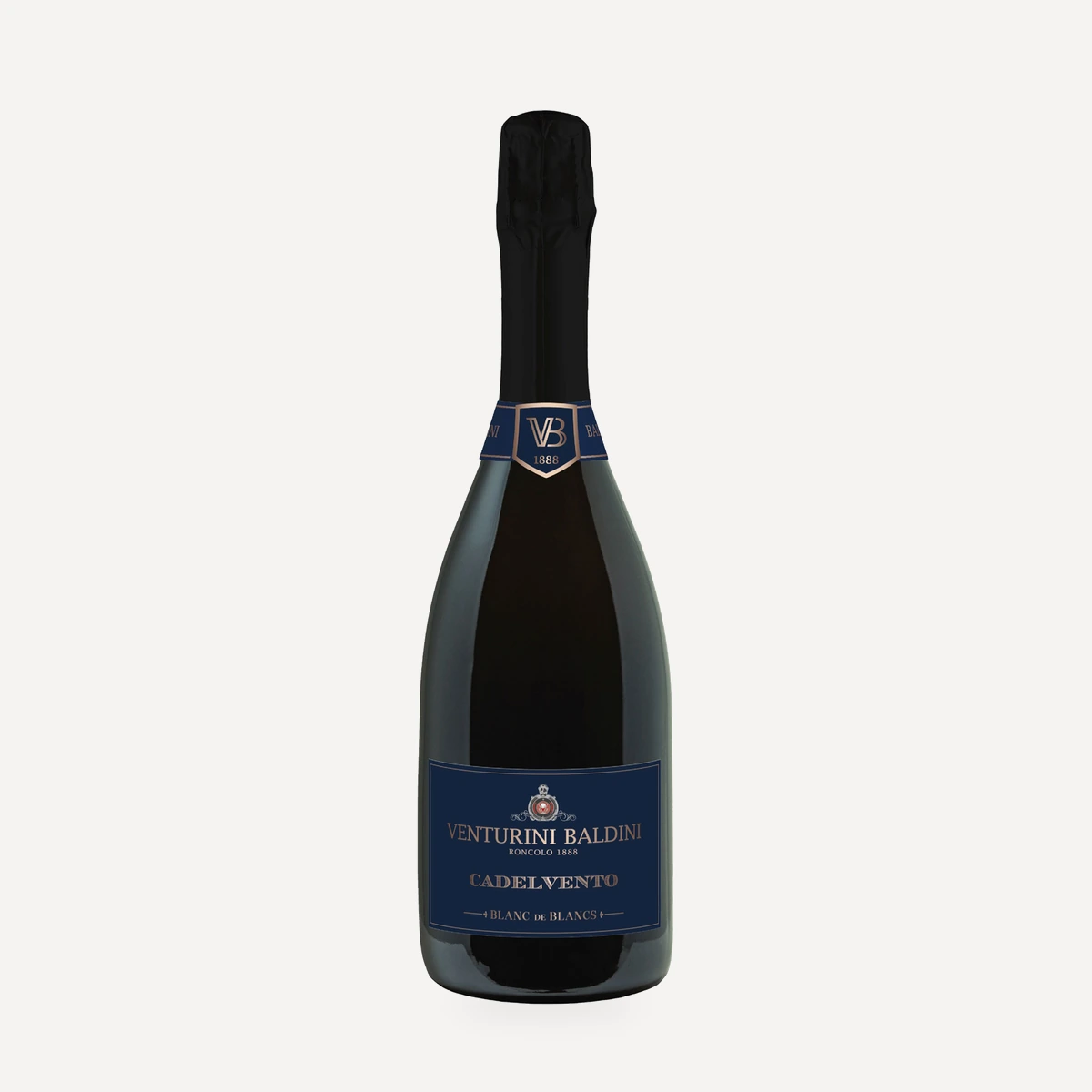
Cadelvento Blanc de Blancs
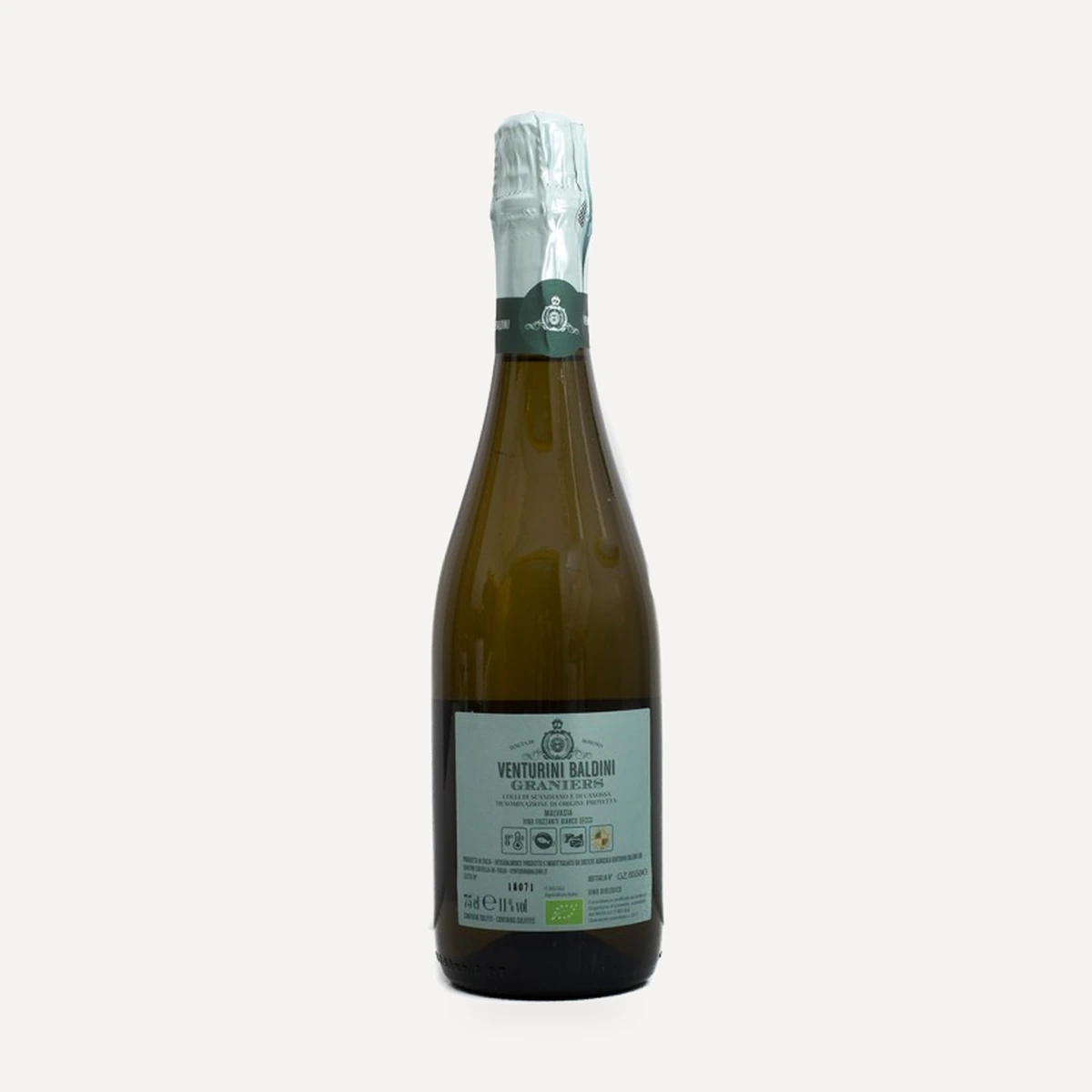
Granieris
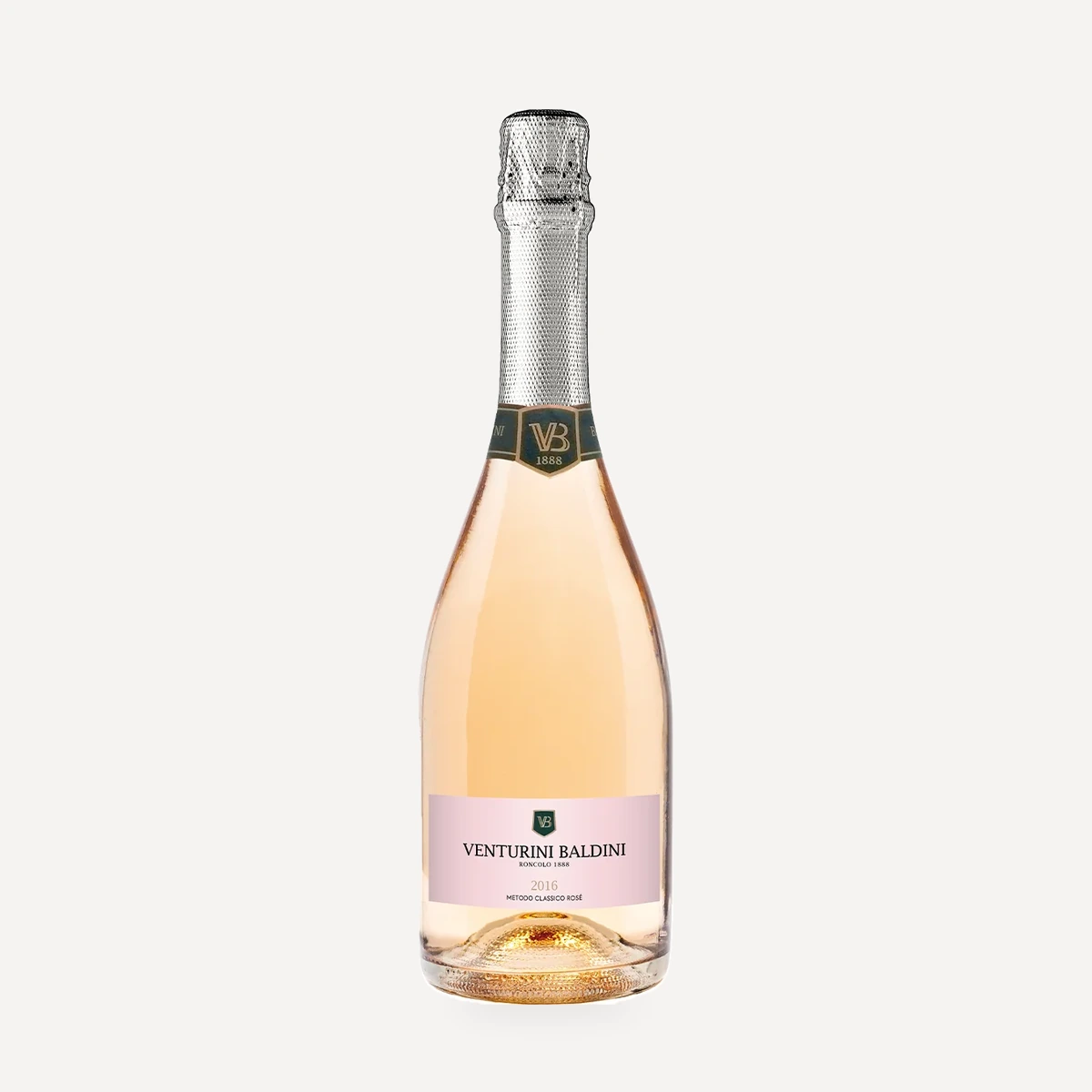
Metodo Classico Extra Brut Rosé 30 Mesi