Storia
Establishment and organic certification
Vigna Cunial was established in the early 2000s as a family-run wine estate in the hills of Parma, within the commune of Traversetolo. The property covers approximately 30 hectares, including 13 hectares of vineyards. It has been certified organic since 2002 and developed its approach around natural organic winegrowing, protection of soil microbiological balance, water, other forms of life and natural cycles.
Recovery of Malvasia Casalini
In 2007, the estate began a project to recover Parma’s ancient Malvasia. The variety was initially known as Malvasia odorosissima and was subsequently renamed Malvasia Casalini in honour of Mr Casalini, who preserved several very old specimens.
Research identified the grape as a variety of ancient origin and described it as a distant descendant of Moscato di Alessandria. Its winemaking performance, particularly its suitability for sparkling-wine production, distinguished it from other local Malvasia varieties.
In 2018, Malvasia Casalini was officially registered as the only native grape variety of the Province of Parma.
Regenerative certification
In March 2024, Vigna Cunial received Regenerative Organic Certification from the American organization ROA, becoming the first Italian wine estate to receive this certification. Its regenerative programme seeks to restore and regenerate soil, sequester carbon dioxide, foster a healthier community and produce crops richer in nutrients.
Cultural programme and association activity
The Cunial family’s interest in jazz developed into a programme of concerts held throughout the year. In summer, the vineyards host Jazz in Vigna, a festival devoted to emerging musicians and original projects. The festival reached its fourth edition in 2026.
Vigna Cunial is also a member of Vi.Te – Vignaioli e Territori, an association whose shared principles include respect for the land, artisanal work and transparency. On 13–14 April 2026, it participated in the association’s annual event in Verona.
Terroir
Vigna Cunial lies among the hills of Traversetolo, in the Province of Parma, at the foot of the Parma Apennines. Its vineyards range from 200 to 400 metres above sea level.
The elevation creates marked day-to-night temperature changes. These conditions are associated with freshness, clearly defined aromas and sustained acidity in the wines, while the Apennines are treated as an integral influence on their character.
The soils are strongly calcareous and of marine origin. They are associated with the mineral and saline character of the estate’s wines.
Vinificazione
Vigna Cunial has been certified organic since 2002 and works according to regenerative organic principles. The estate received Regenerative Organic Certification from ROA in March 2024.
Synthetic chemicals and herbicides are excluded, as are practices considered damaging to soil life. Vineyard soils retain spontaneous plant cover and cover crops, receive shallow cultivation and are nourished with compost produced on the estate. Vine protection is limited to reduced quantities of copper and sulphur.
The programme places soil health, ecosystem integrity, biodiversity and the vine’s natural resilience at its centre. Its stated objectives include rehabilitating and regenerating soil, absorbing carbon dioxide, supporting a healthier community and harvesting more nutrient-rich produce. Agronomic work is intended to respect soil microbiology, water, living organisms and natural rhythms.
Biodiversity extends beyond the vines. The estate grows numerous old fruit varieties and the native Mulazzano olive, while hedges and broadleaf woodland provide additional habitats and contribute to the property’s ecological balance.
The wines undergo spontaneous fermentation with indigenous yeasts. Cellar work follows a minimum-intervention approach, avoiding forced standardization and unnecessary oenological manipulation.
Production is guided by the identity of a specific vineyard and vintage. Rather than attempting to make each release identical, the estate accepts natural year-to-year variation as part of the wine’s expression.
Filosofia
Vigna Cunial’s approach places the land and the people who cultivate it at the centre of wine production. The family treats wine as the outcome of a particular place, vineyard, growing season and deliberate choice rather than as a standardized product.
Its regenerative philosophy begins with living soil. Microorganisms and organic matter are regarded as the foundation of vine vitality and, ultimately, of the wine. Work in the vineyard therefore prioritizes ecosystem health, biodiversity and the plant’s natural resilience while respecting water, living organisms and seasonal rhythms.
In the cellar, spontaneous fermentation and minimal intervention are intended to preserve this connection. Vintage variation is accepted: bottles may change slightly from one year to another, just as natural conditions change.
The environmental programme also extends to energy and packaging. Two photovoltaic installations with a combined capacity of 40 kW generate the electricity used by the estate. Still wines are packaged in lightweight bottles without capsules.
Membership of Vi.Te – Vignaioli e Territori reflects values shared with other producers: respect for the land, artisanal production and transparency.
Vini
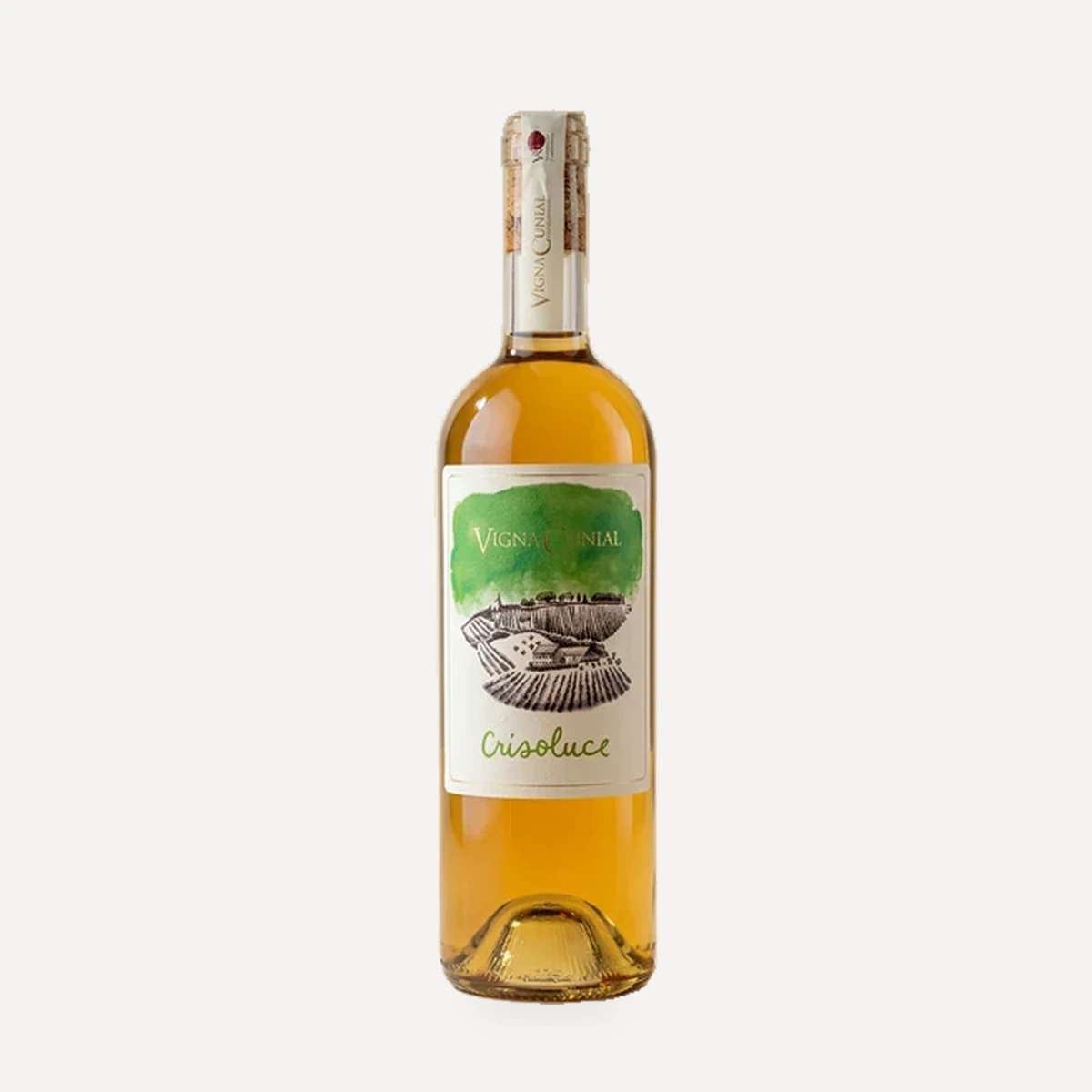
Crisoluce Sauvignon bianco
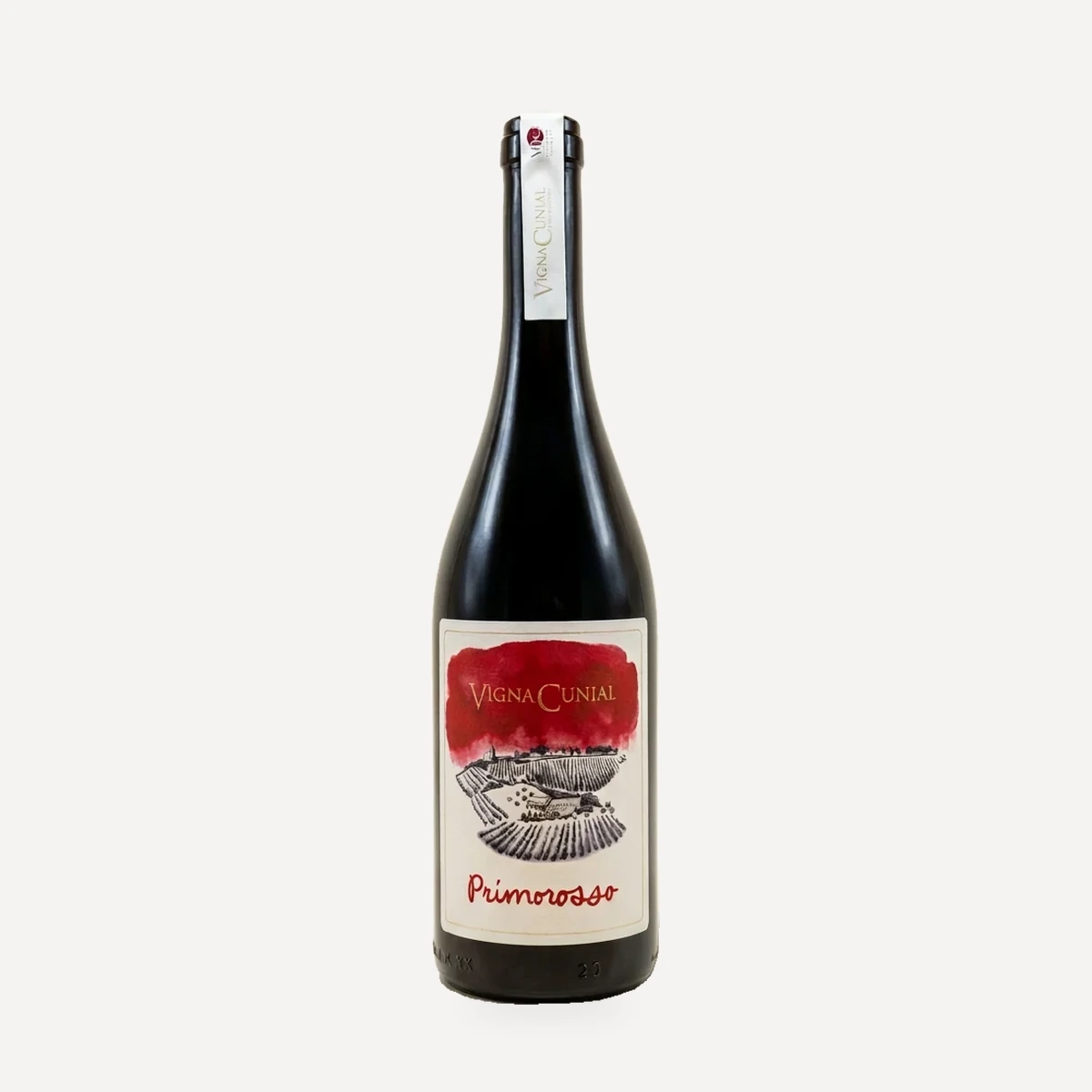
PrimoRosso Barbera e Cabernet Sauvignon
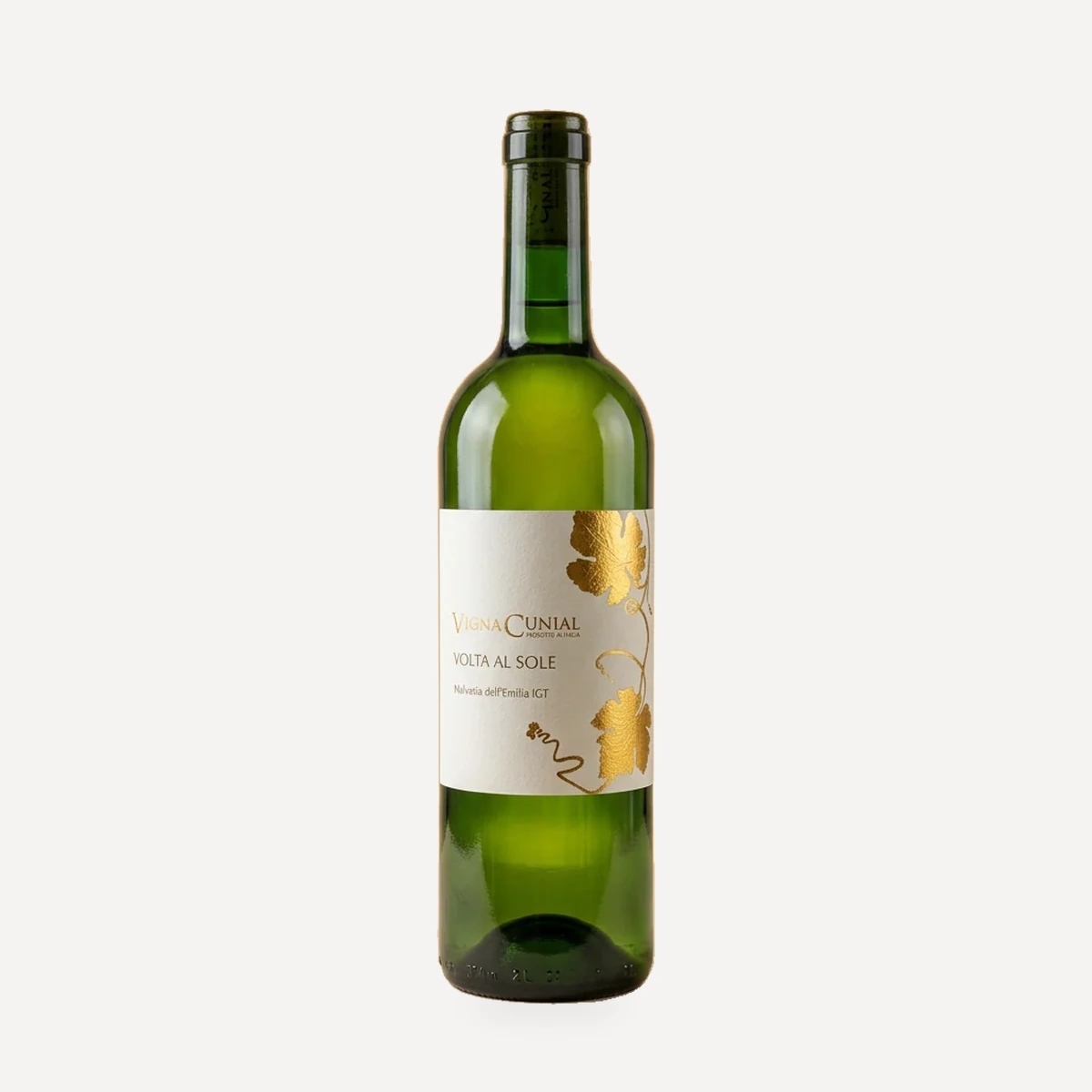
Volta al Sole Malvasia IGT
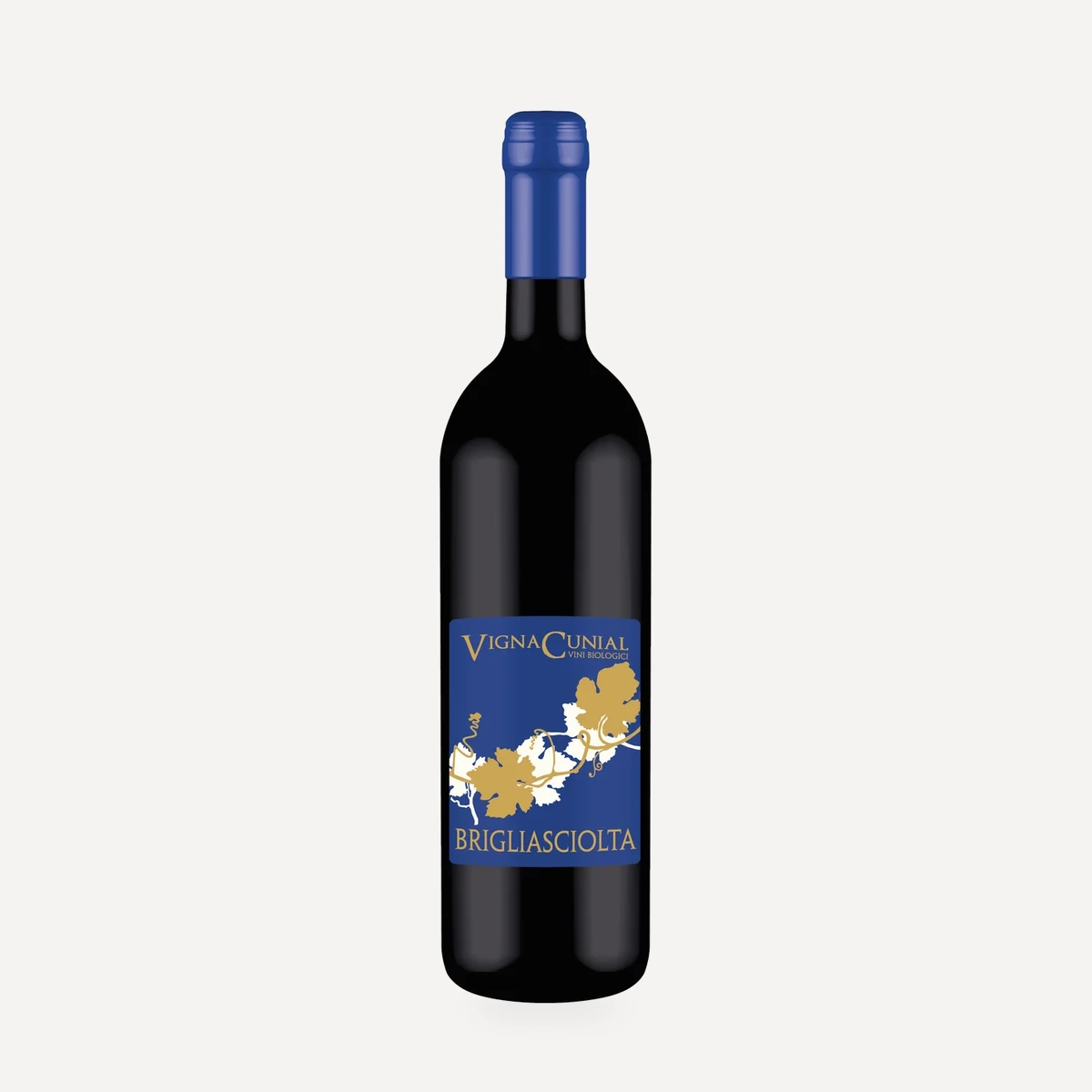
Brigliasciolta Pinot Nero
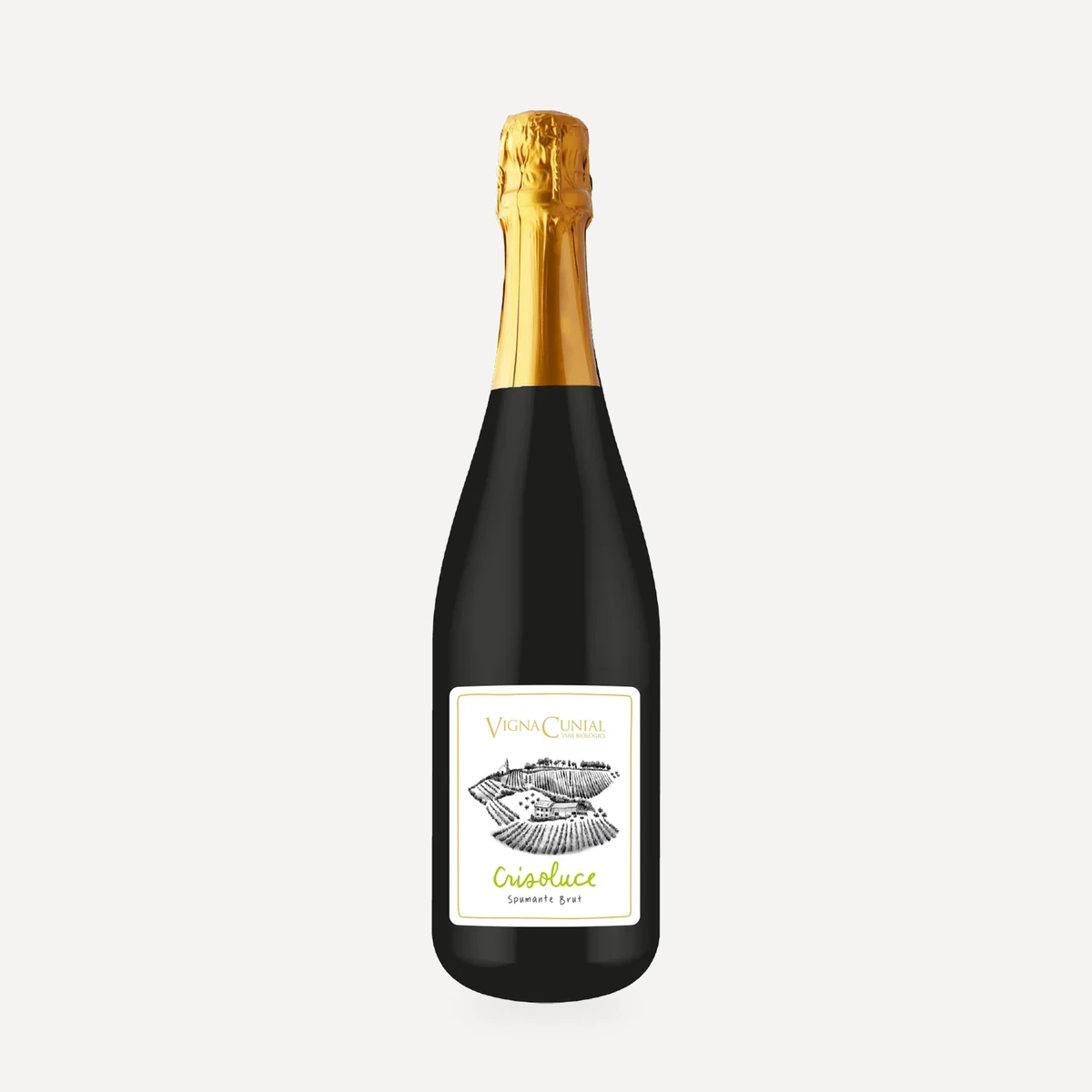
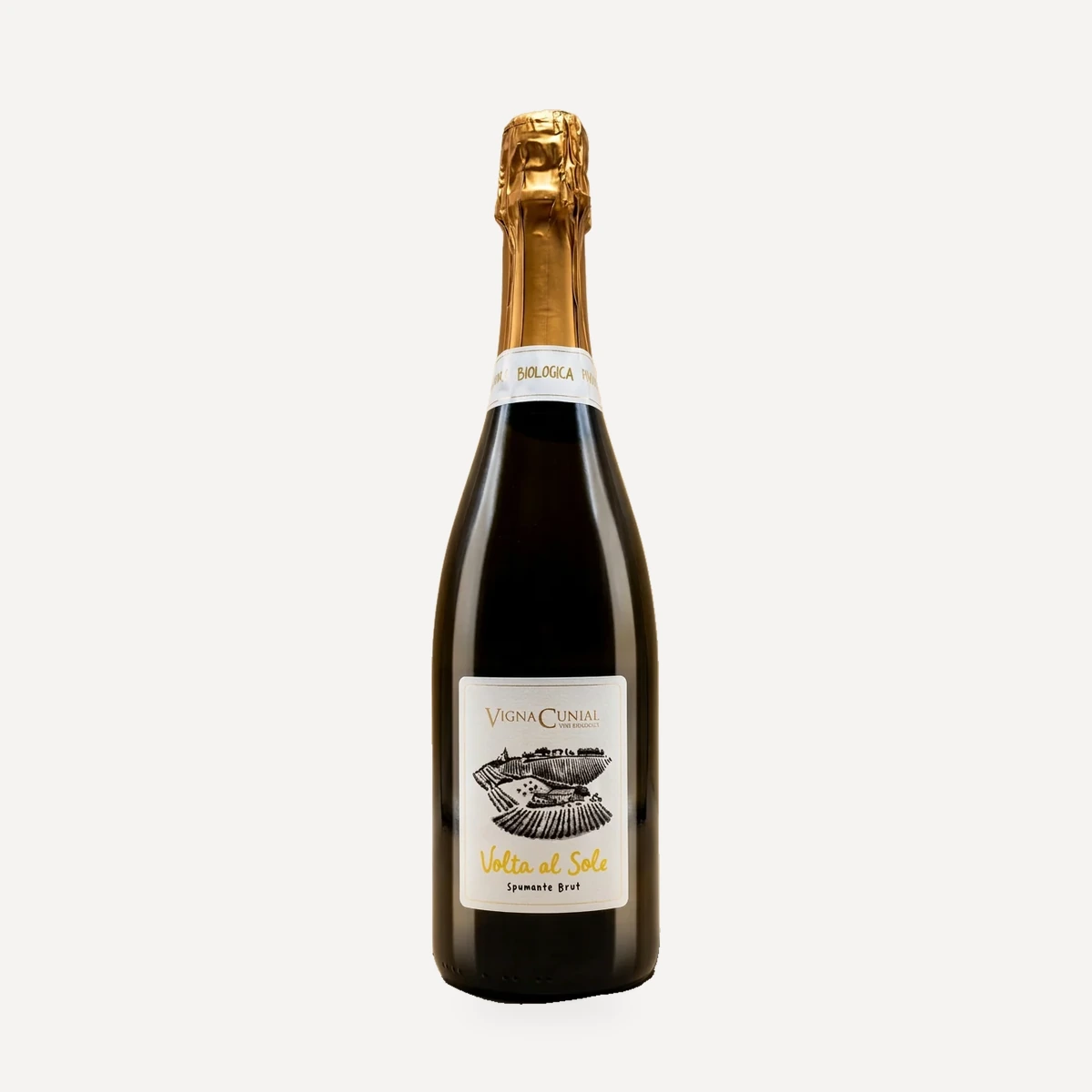
Crisoluce Spumante Brut
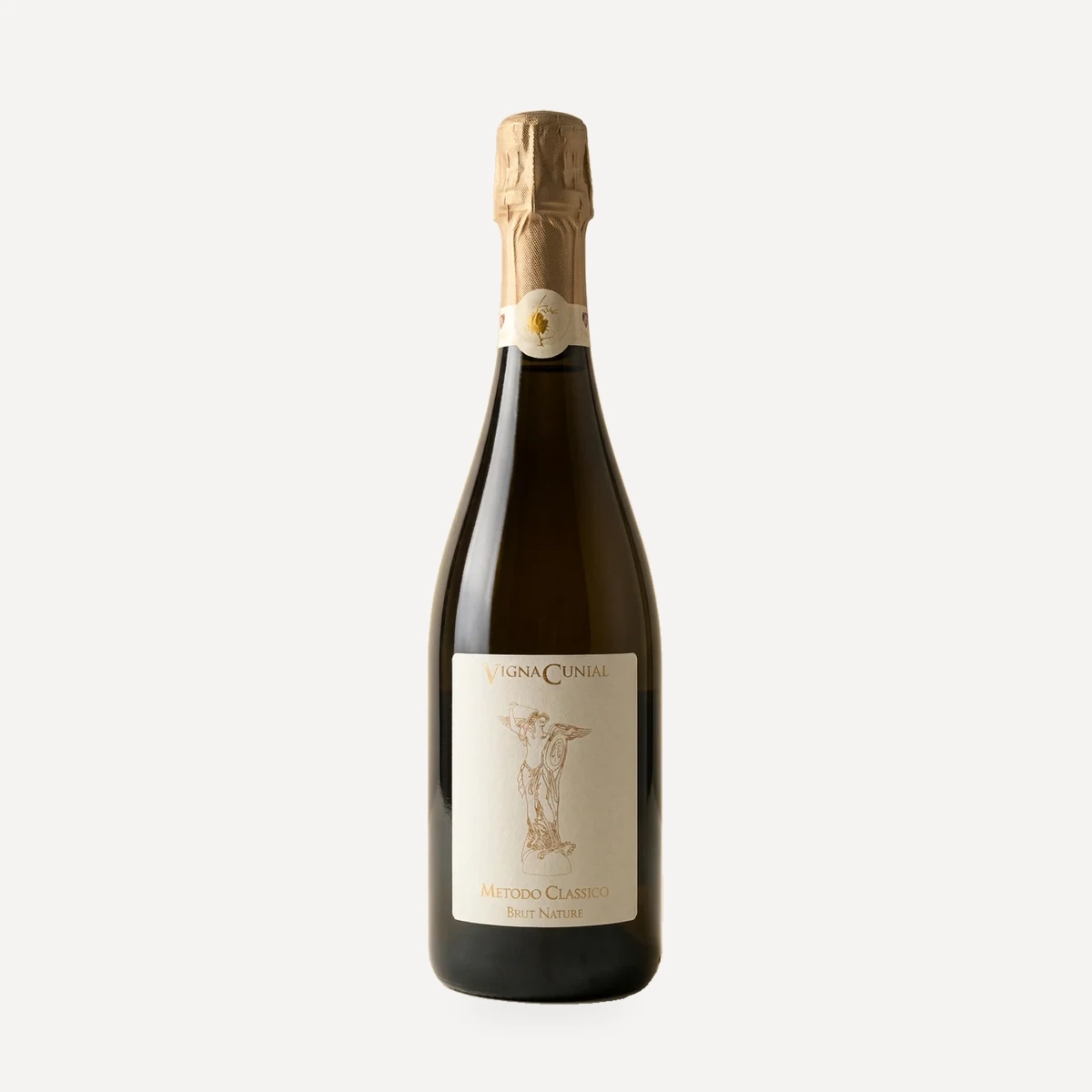
Metodo Classico Riserva Brut Nature