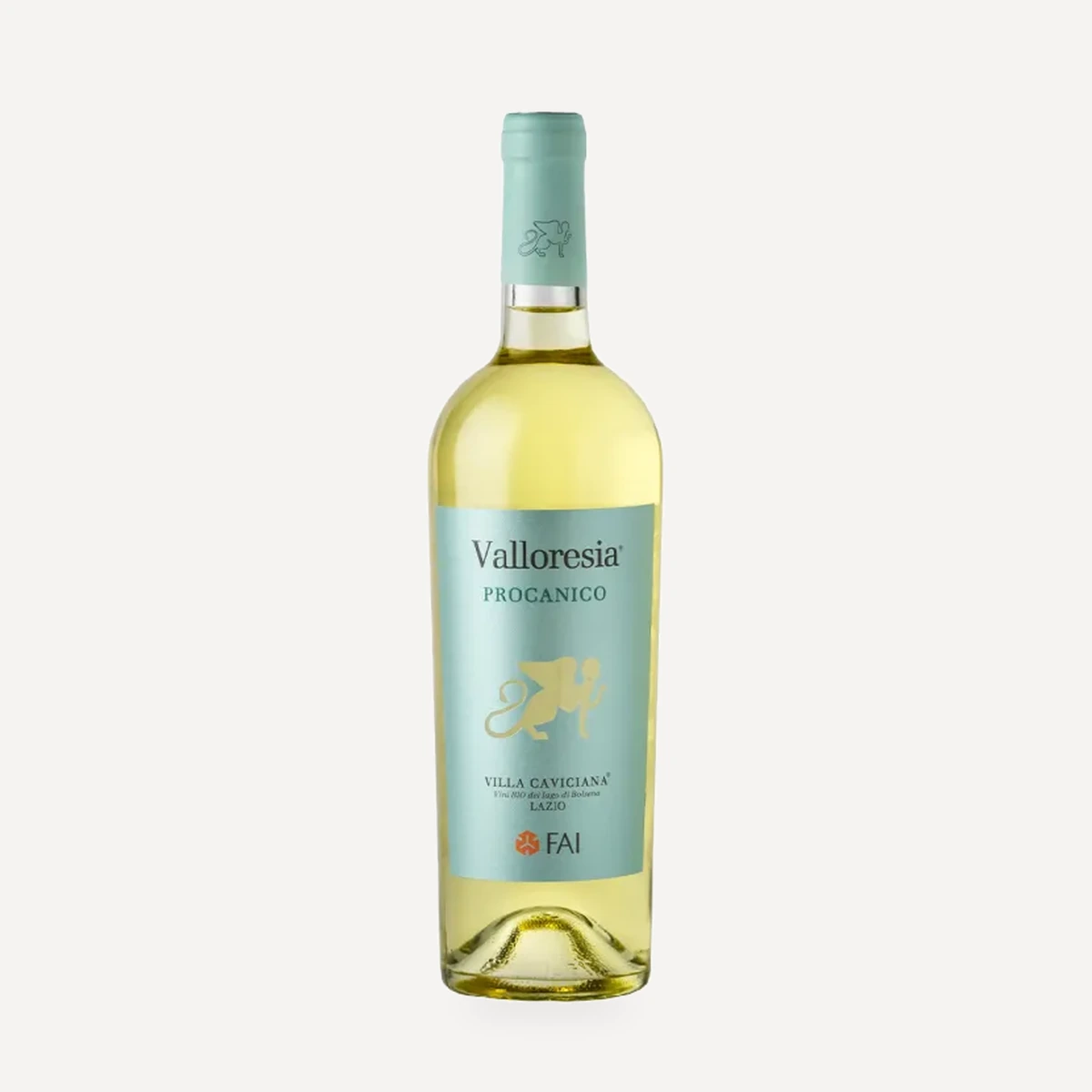
Storia
Founding in 1989
Villa Caviciana was founded in 1989 by the German couple Friedrich Wilhelm Metzeler, a lawyer, and Monika Metzeler—known as Mocca—an art collector and art critic. A journey through Italy had introduced them to the landscape of Tuscia, whose beauty inspired them to acquire land near Lake Bolsena. Their objective was to create an agricultural estate devoted to high-quality organic products.
Over the following two decades, the Metzelers consolidated more than 140 hectares of fertile, mineral-rich land beside the ancient volcano now occupied by Lake Bolsena, at the meeting point of Lazio, Tuscany and Umbria. Their project joined three priorities: product quality, respect for the environment and a sustained engagement with art.
The same outlook shaped the estate’s buildings and grounds. Friedrich Wilhelm and Monika worked with German architect Wolfgang Doring to create restrained, minimalist structures intended to sit discreetly within the landscape. Local tuff, clear geometric forms and resource-conscious construction methods were used for the winery, guest accommodation, offices and other facilities. Environmental architect Bernhard Korte designed the green areas surrounding the complex.
The estate team
A long-established agricultural team has worked this part of Alto Lazio naturally for more than twenty years. Its experience was retained alongside a younger group of professionals as Villa Caviciana’s management entered a new phase.
Transfer to FAI in 2022
In 2022, the Fondazione Fritz e Mocca Metzeler donated Villa Caviciana to FAI – Fondo per l’Ambiente Italiano. The transfer was intended to preserve and develop the founders’ work and cultural legacy for public benefit. Villa Caviciana consequently became FAI’s first productive agricultural property.
FAI entrusted operation of the agricultural business to Giuseppe Scala and Osvaldo de Falco while providing scientific support for cultivation and production. Scala comes from generations of wine producers, while de Falco is an entrepreneur in the digital economy. Together with the younger professionals and the historic estate team, they were charged with developing Villa Caviciana as a replicable example of environmentally, socially and economically sustainable agriculture.
The current project
Under the new arrangement, Villa Caviciana continues organic farming while pursuing lower environmental impact, respect for agricultural work, protection of the landscape and continuity with local traditions. Production combines the estate’s established viticultural practices with controlled winery technology. The agricultural, architectural and artistic components remain parts of a single estate project.
Terroir
Setting
Villa Caviciana stands in Alto Lazio near Gradoli, within the historic territory of Tuscia and close to the borders with Tuscany and Umbria. The estate overlooks Lake Bolsena at an elevation identified as 305 metres above sea level. Vineyard specifications associated with several estate-grown varieties place those vines at 550 metres above sea level.
Lake Bolsena occupies an ancient volcanic basin and is described as Europe’s largest volcanic lake. Its spring-fed waters surround the islands of Bisentina and Martana, both visible elements of the estate’s wider landscape.
Volcanic soils
Tuff is the defining material of the vineyards. This volcanic rock is rich in minerals and nutrients. It provides the physical and mineral foundation associated with the grapes’ balance of acidity and tannins. The same local stone is also integral to the underground cellar and estate architecture.
Climate and lake influence
The growing season is characterized by long sunny days, mild temperatures and a substantial difference between daytime and nighttime temperatures. These conditions support grape ripening while preserving balance. Breezes from Lake Bolsena cool the bunches and naturally limit the development of mould and vine diseases.
Aleatico is presented as a local variety that has adapted to this environment over centuries. The estate also cultivates international varieties, specifically Merlot and Cabernet, on the volcanic hills surrounding the lake.
Vinificazione
Villa Caviciana’s vineyards are cultivated organically. The agricultural approach is tied to respect for the people working on the estate, protection of the environment and preservation of the territory and its traditions.
The vineyard team includes employees who have cultivated this part of Alto Lazio naturally for more than twenty years. They now work alongside a younger group of professionals and receive scientific support associated with FAI’s stewardship of the property.
The lake contributes an important element of natural disease management. Breezes keep the grape bunches cool and help inhibit mould and other diseases. Long sunshine, mild temperatures and a pronounced day–night thermal range support ripening.
Vineyard specifications associated with several estate varieties give a planting density of 5,000 vines per hectare and Guyot training at 550 metres above sea level. No individual soil-work, cover-crop, pruning, irrigation, yield-control, harvest or grape-sorting protocols are defined.
Cellar
The winery is carved into local tuff and extends as much as 20 metres underground. Its subterranean position provides naturally suitable conditions for fermentation and maturation. Temperature and humidity are actively monitored and controlled to maintain stable conditions for wine storage.
Production is presented as a combination of longstanding viticultural traditions and modern management technology. Advanced systems are used to control production and maintain quality standards, while the cellar team retains traditional working principles and the experience of the long-established estate staff.
The visitor programme describes the process from vineyard to bottle as organic winemaking. Beyond environmental control within the underground cellar, no estate-wide specifications are given for grape reception, sorting, crushing, pressing, fermentation vessels, yeast selection, maceration, malolactic fermentation, extraction, maturation, blending, stabilization, filtration, sulphur use or bottling.
Filosofia
Villa Caviciana was founded around the principle that product quality, environmental responsibility and art are interdependent. Friedrich Wilhelm and Monika Metzeler applied that idea to agriculture, architecture, landscape design and the cultural character of the estate.
FAI’s stewardship extends the project into a broader model of sustainability. Its stated aim is to demonstrate that agriculture can respect the environment, the territory and the people who work on it while remaining environmentally, socially and economically sustainable—and that such an approach can be replicated elsewhere.
Current management emphasizes continuous attention to quality, organic agriculture and the reduction of environmental impact. The project also seeks to safeguard the landscape and strengthen local traditions. In the cellar, this translates into a declared balance between established winegrowing traditions and modern production-control technology.
The architecture expresses the same restraint: buildings are intended to sit discreetly in the landscape rather than dominate it. Local materials, resource-conscious techniques and minimalist forms make the surrounding countryside the visual focus.
Vini
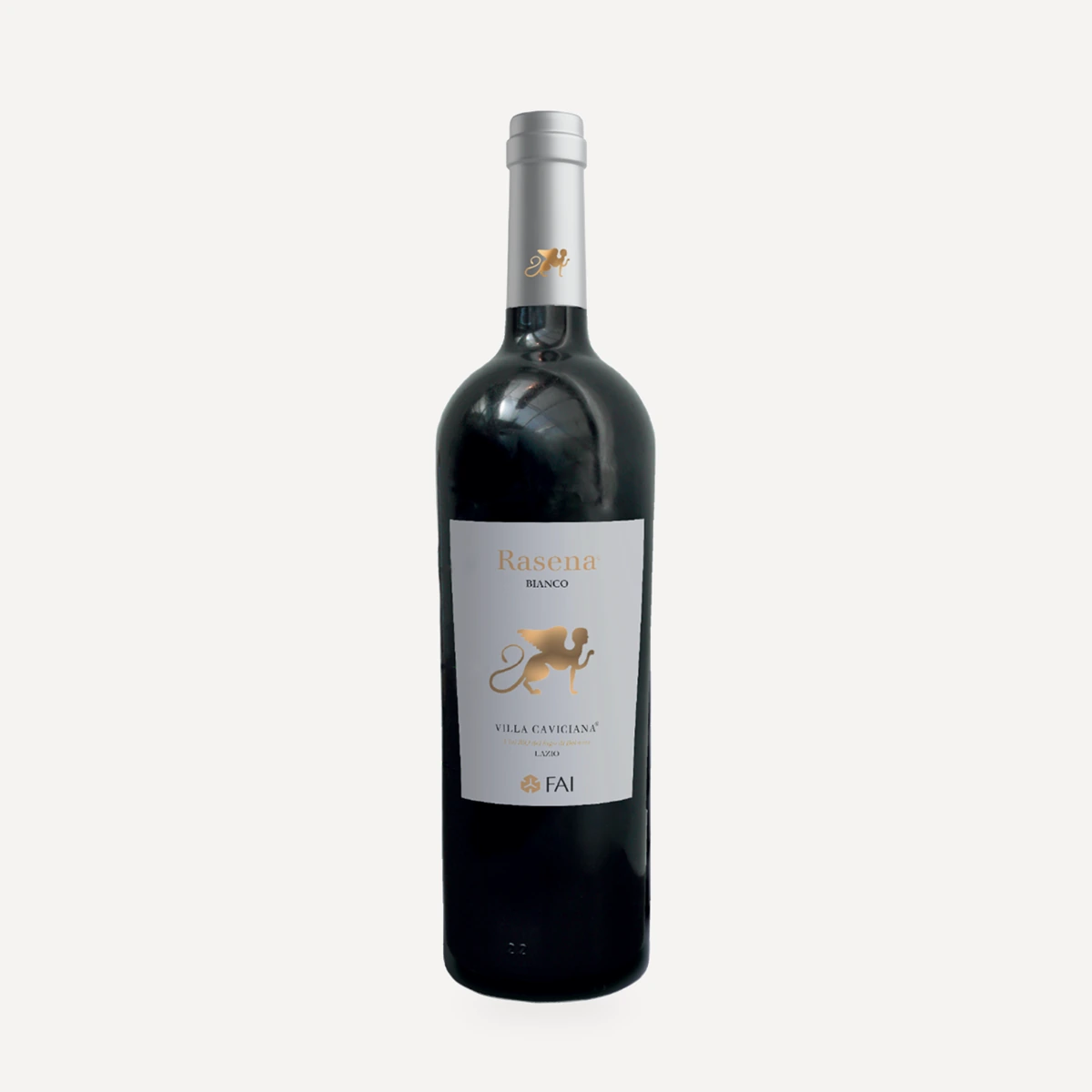
Rasena
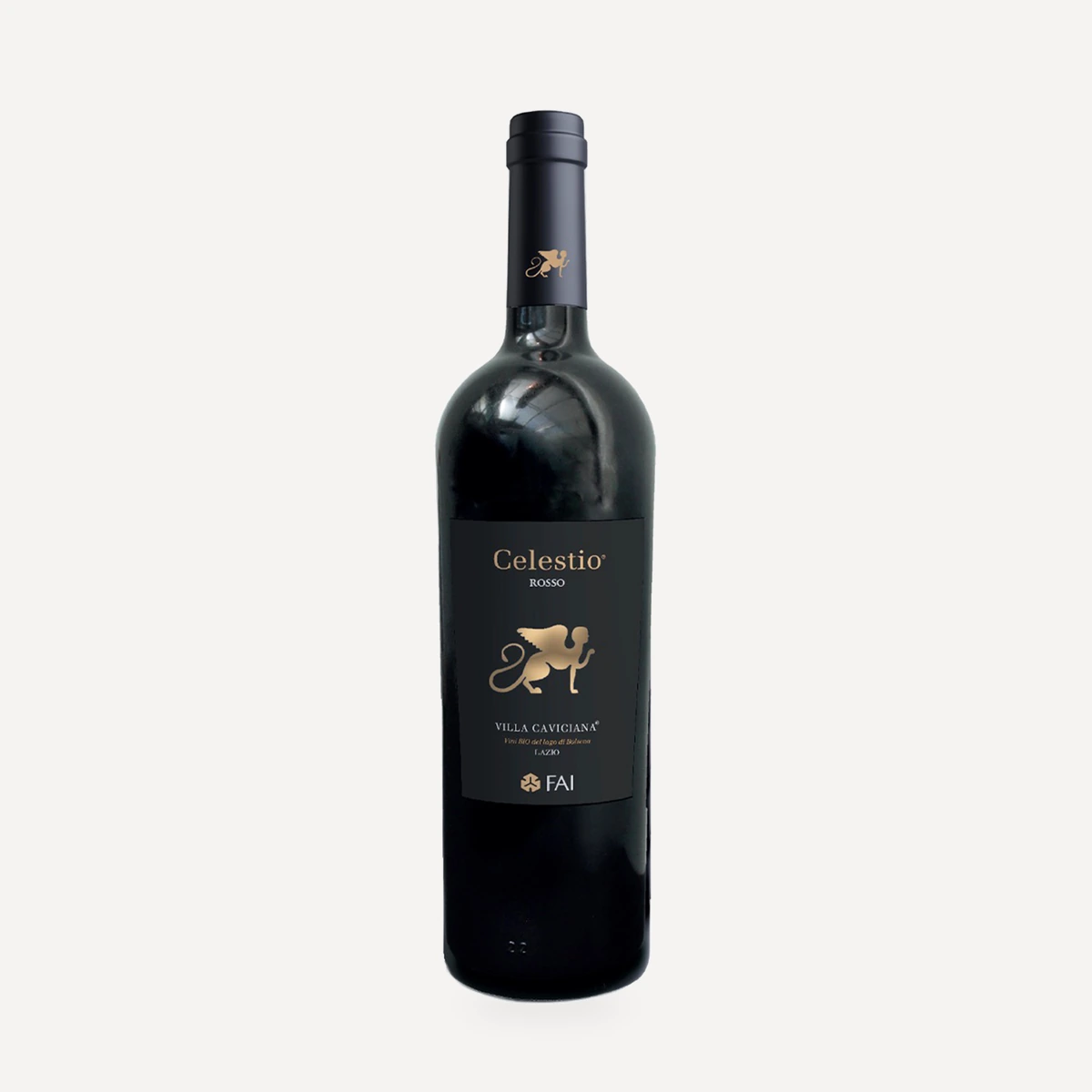
Celestio
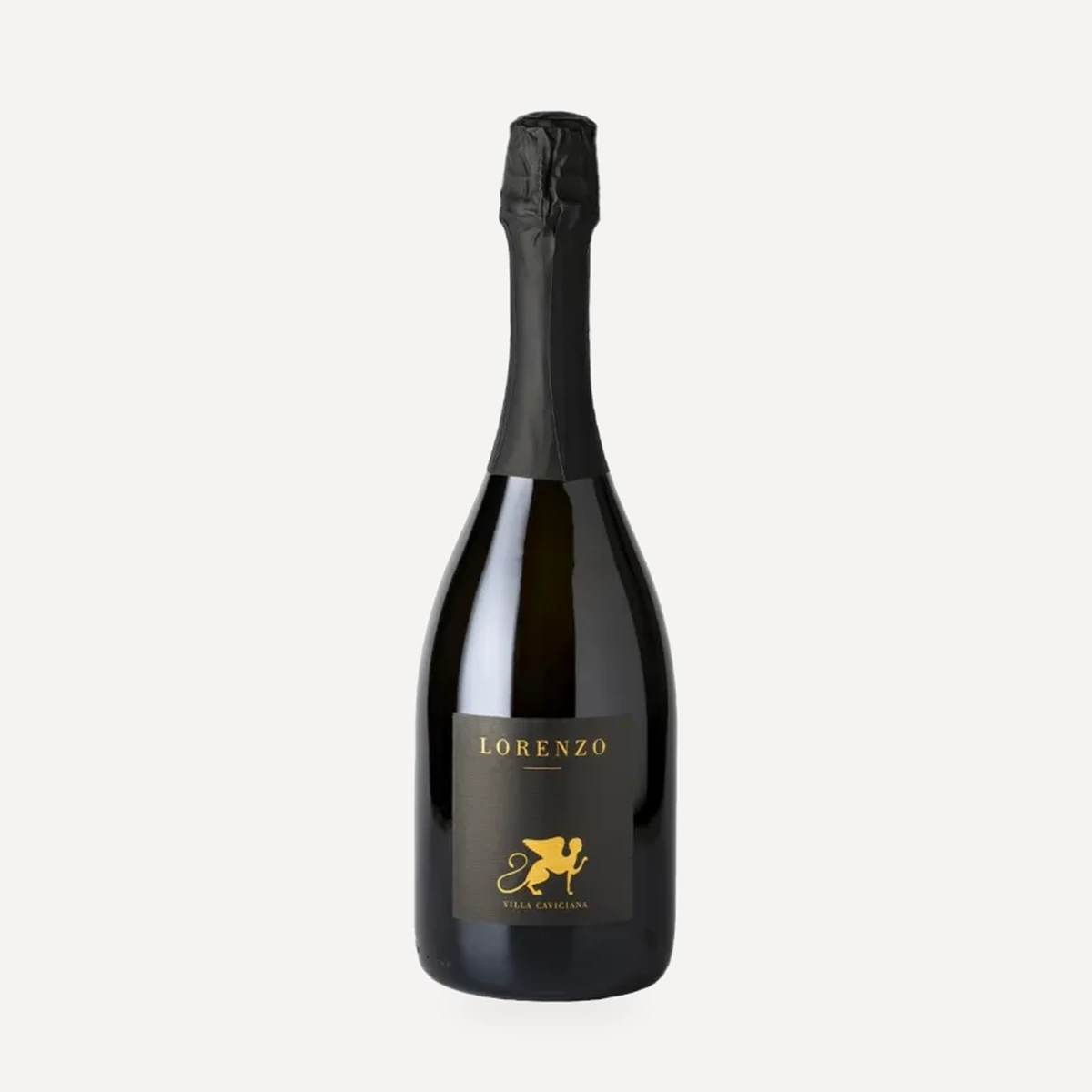
Lorenzo
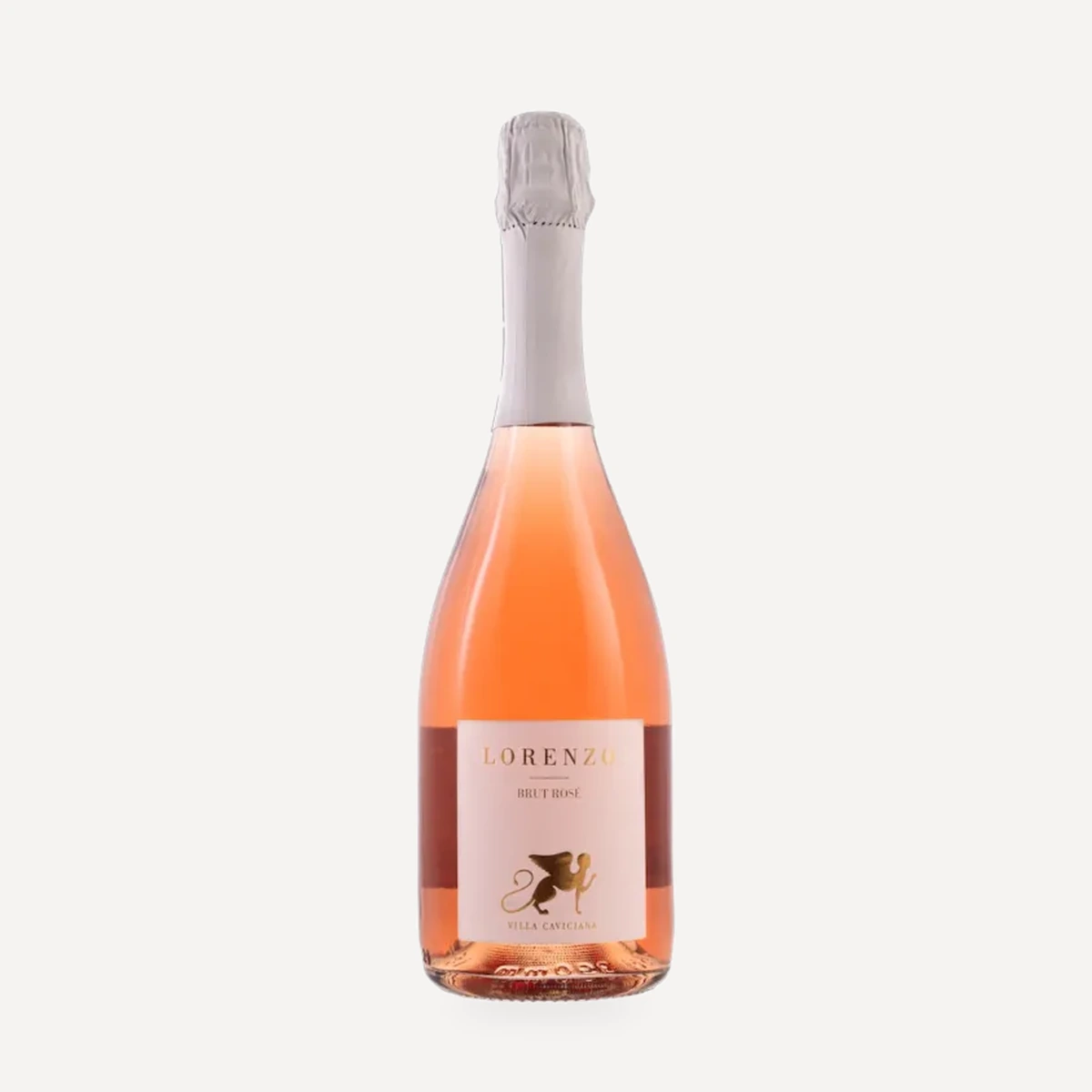
Lorenzo Rosè
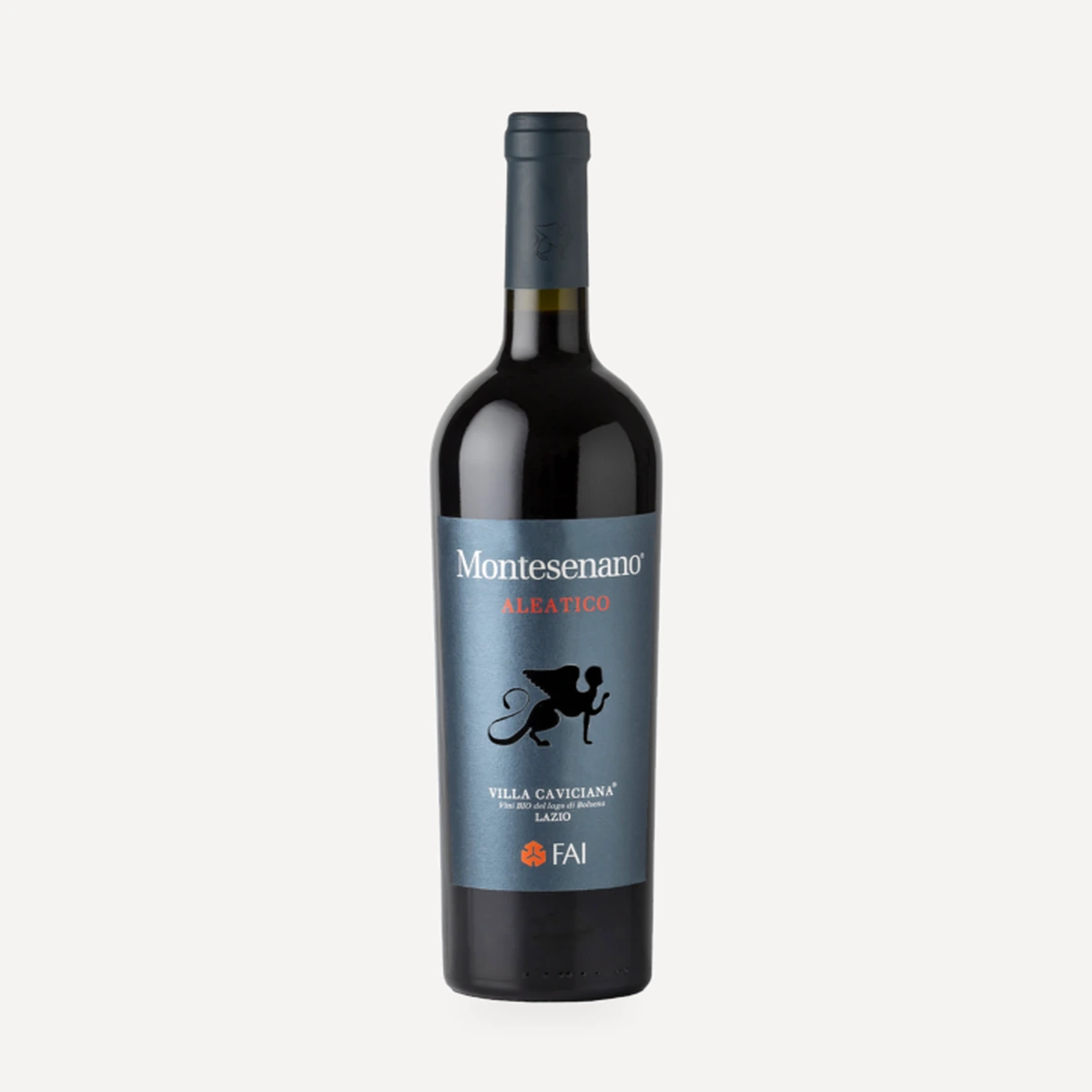
Montesenano
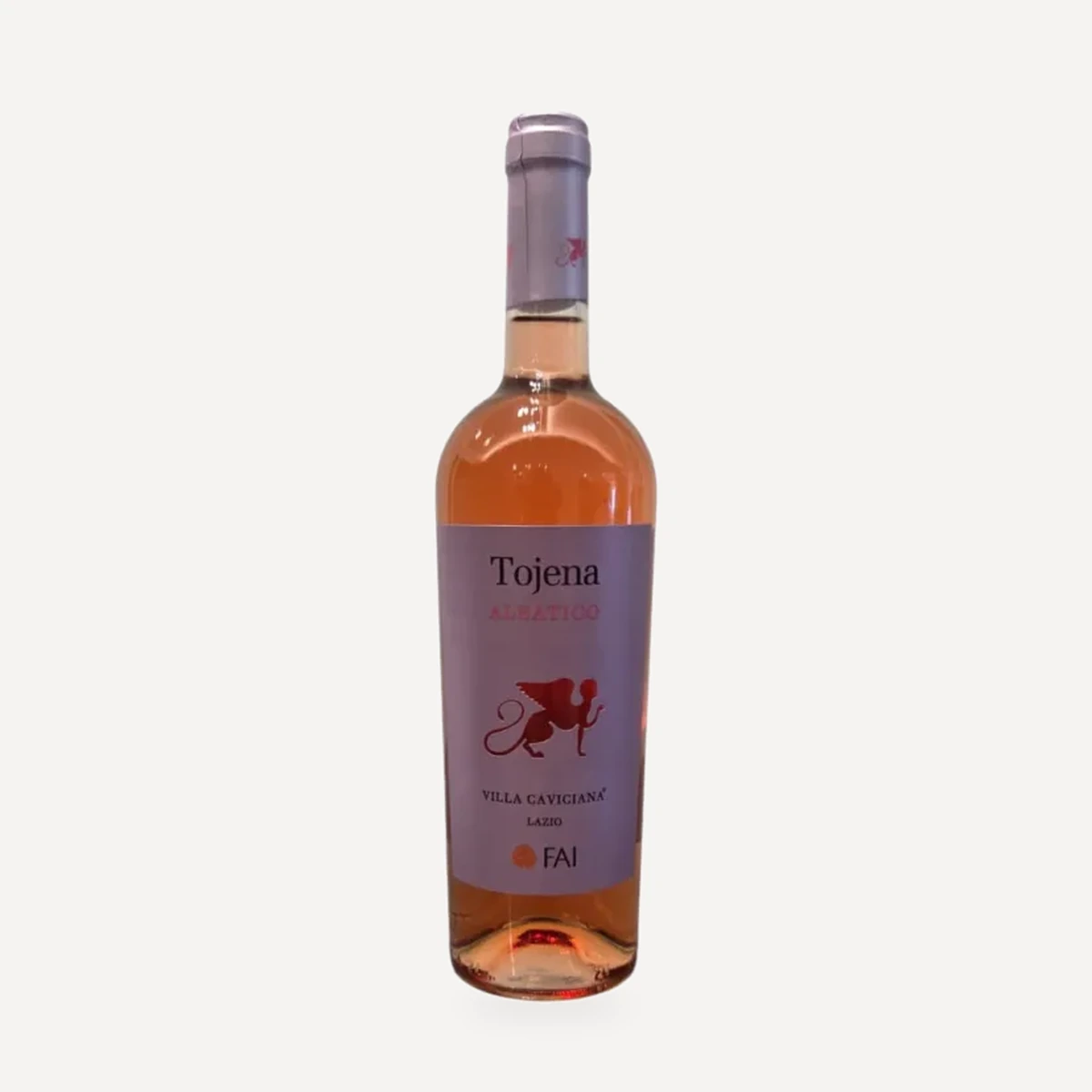
Tojena