Storia
Roman origins
Villa Oppi, also known as Castello degli Oppi, traces its activity to a posting station established along the Via Emilia approximately 2,000 years ago. Its position midway between Parma and Piacenza made it a stopping place where travellers could rest, eat and change horses. The settlement initially served Roman troops marching towards the borders of the Empire.
In subsequent centuries, the post opened to other travellers and passing customers. Food and wine were supplied locally, with wine regarded as its principal product.
Renaissance expansion and the 1524 wing
The posting business expanded substantially during the Renaissance. This phase is represented architecturally by the villa’s oldest wing, built in 1524.
A wine label dating from around the sixteenth century bears the words TENUTA OPPI and PALLIDO. The name Pallido probably referred to the wine’s relatively pale colour, possibly produced by mixing white and red grapes. Its illustration shows customers drinking outside the villa and carries the Latin motto VINUM NOVUM–AMICUS NOVUS.
The name Villa Oppi derives from the Acero Oppio, or field maple. These trees once supported the vines in the Etruscan vite maritata training system, creating an extensive landscape of vines married to maples in front of the property.
Maria Luigia d’Austria and the early nineteenth century
The posting activity continued until the beginning of the nineteenth century. Maria Luigia d’Austria, the second wife of Napoleon Bonaparte and Duchess of Parma and Piacenza, regularly stopped at the property during summer journeys between Parma and Piacenza. Seeking a private residence, she acquired the house for seasonal use; its position midway between the two duchies was part of its appeal.
Maria Luigia introduced an agrarian reform from which the estate benefited. New vine varieties were imported from France and incorporated into production. In 1820, these plantings enabled Villa Oppi to make what it presents as the first Bordeaux-style blend produced entirely from grapes grown in Italy.
Modern relaunch
Stefano Agazzi later followed the path established by his father, Giuseppe Agazzi, and relaunched Villa Oppi in a modern form. The project began with the local vineyards—combining native varieties and vines of French origin associated with Maria Luigia’s period—and wines including Gutturnio, Malvasia, Cabernet Sauvignon and Bonarda.
Stefano and the company team subsequently broadened the portfolio by investing in production relationships elsewhere in Italy. Fifteen partner wineries in leading Italian wine regions made vineyards available for wines developed under the Villa Oppi identity. This expansion also produced the estate’s distinctive passito range: Fiordirosa, Bonarosa, Black to Black and Crociato. Collaborations were also established with the Tonino Lamborghini and Momo Design brands.
Terroir
Villa Oppi stands on the Via Emilia at Alseno, in the Province of Piacenza, approximately midway between Parma and Piacenza. Its strategic position historically supported its role as a Roman and later public posting station.
The local vineyards combine native material with vines of French origin associated with Maria Luigia d’Austria’s agricultural reforms. Malvasia, Cabernet Sauvignon and Bonarda are specifically connected with the local production tradition, alongside Gutturnio as a territorial wine.
The historical vineyard landscape used field maples—Acero Oppio or Acero Campestre—as living supports for vines trained in the Etruscan vite maritata system.
Vinificazione
Grape bunches are selected individually as part of Villa Oppi’s quality-focused production approach. Historical viticulture used field maples as living vine supports in the vite maritata system. The current portfolio draws both on local vineyards and on vineyards made available by 15 partner wineries elsewhere in Italy.
Villa Oppi describes an integrated production cycle extending from the vineyard through the cellar and into maturation. Grapes are selected bunch by bunch. The general maturation sequence places wine first in barriques and then in bottle.
The passito project follows a distinct drying process. Bunches for Fiordirosa, Bonarosa, Black to Black and Crociato are hung by hand inside the villa’s cool rooms rather than dried outdoors in the sun. They dehydrate slowly for approximately four months before subsequent production.
Production is intentionally limited, with harvesting, vinification and maturation directed towards the desired house style. Alongside the local production base, 15 partner wineries in different Italian regions contribute vineyards and production capacity for Villa Oppi-branded wines.
Filosofia
Villa Oppi’s modern project combines continuity with Giuseppe Agazzi’s example and a contemporary relaunch led by Stefano Agazzi. Its declared aim is to create limited-production wines with a defined organoleptic and visual identity, while controlling the path from vineyard to cellar, barrique and bottle.
The brand presents its approach as accessible beyond specialist collectors, seeking wines intended both for connoisseurs and for a broader public interested in wine. Expansion through 15 partner wineries is framed as a means of carrying the Villa Oppi image and character into wines produced in several Italian regions.
A maxim attributed to Giuseppe Agazzi expresses the family philosophy: human strength lies in shaping what destiny provides, while the grape in turn has the power to shape human destiny.
Vini
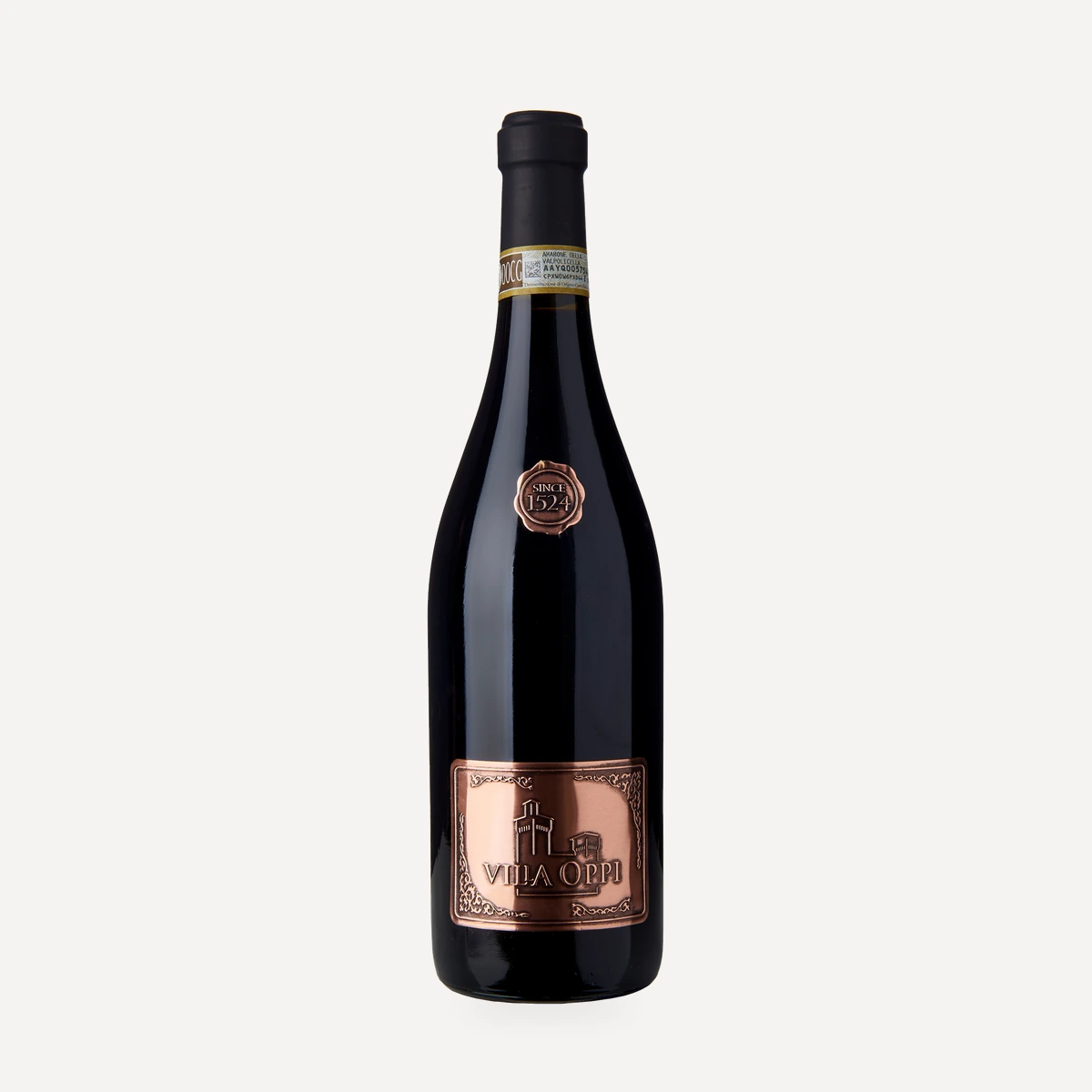
Amarone della Valpolicella
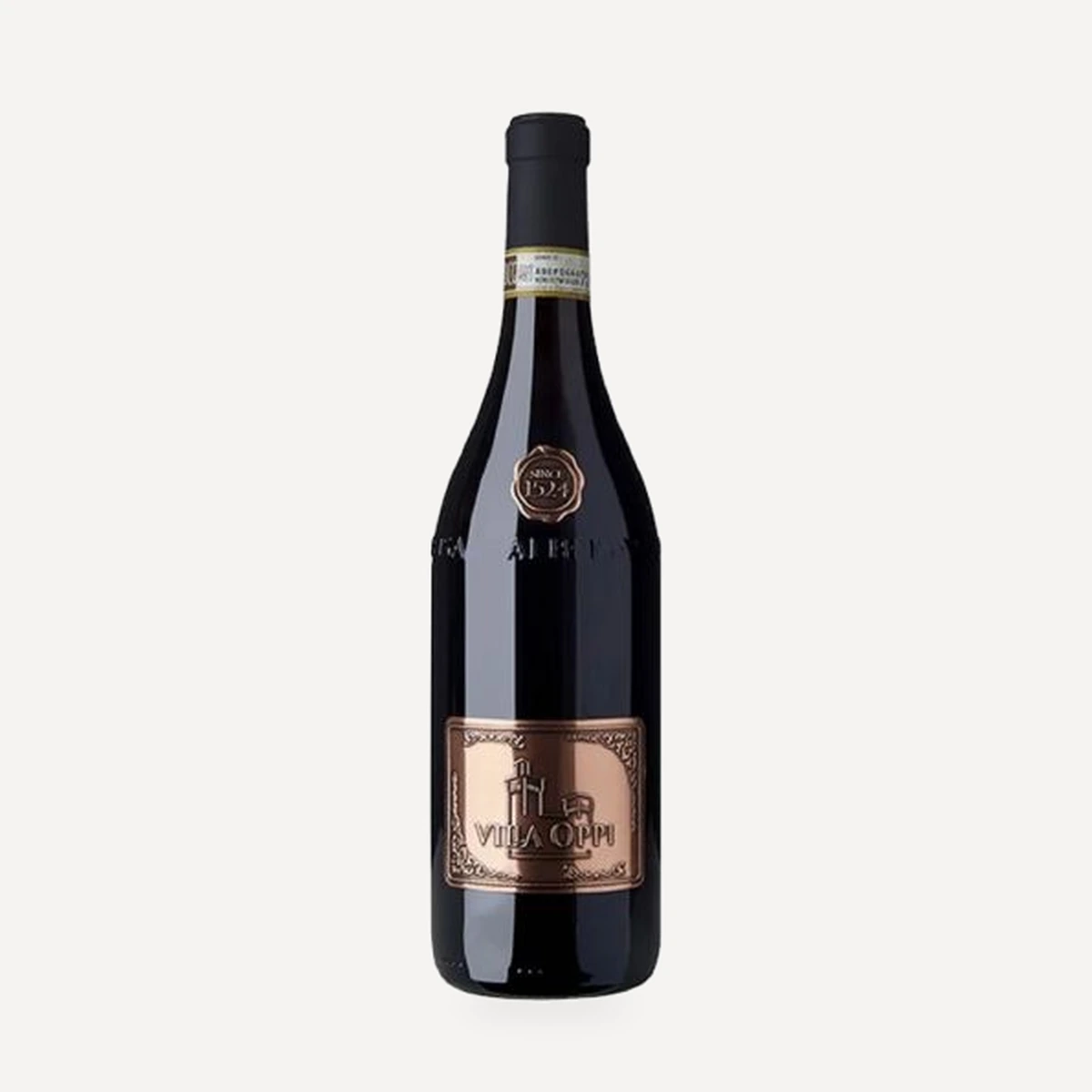
Barolo
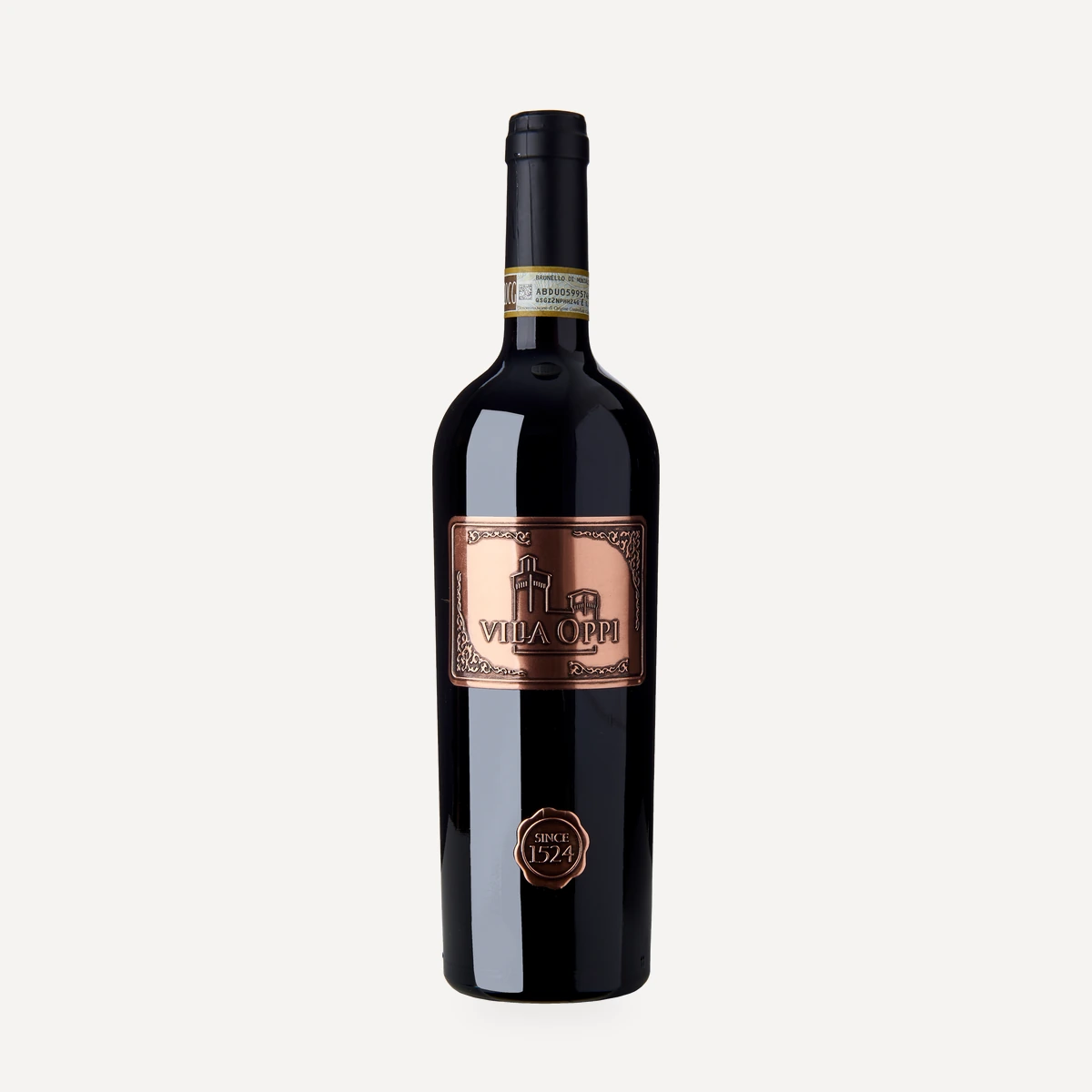
Brunello di Montalcino
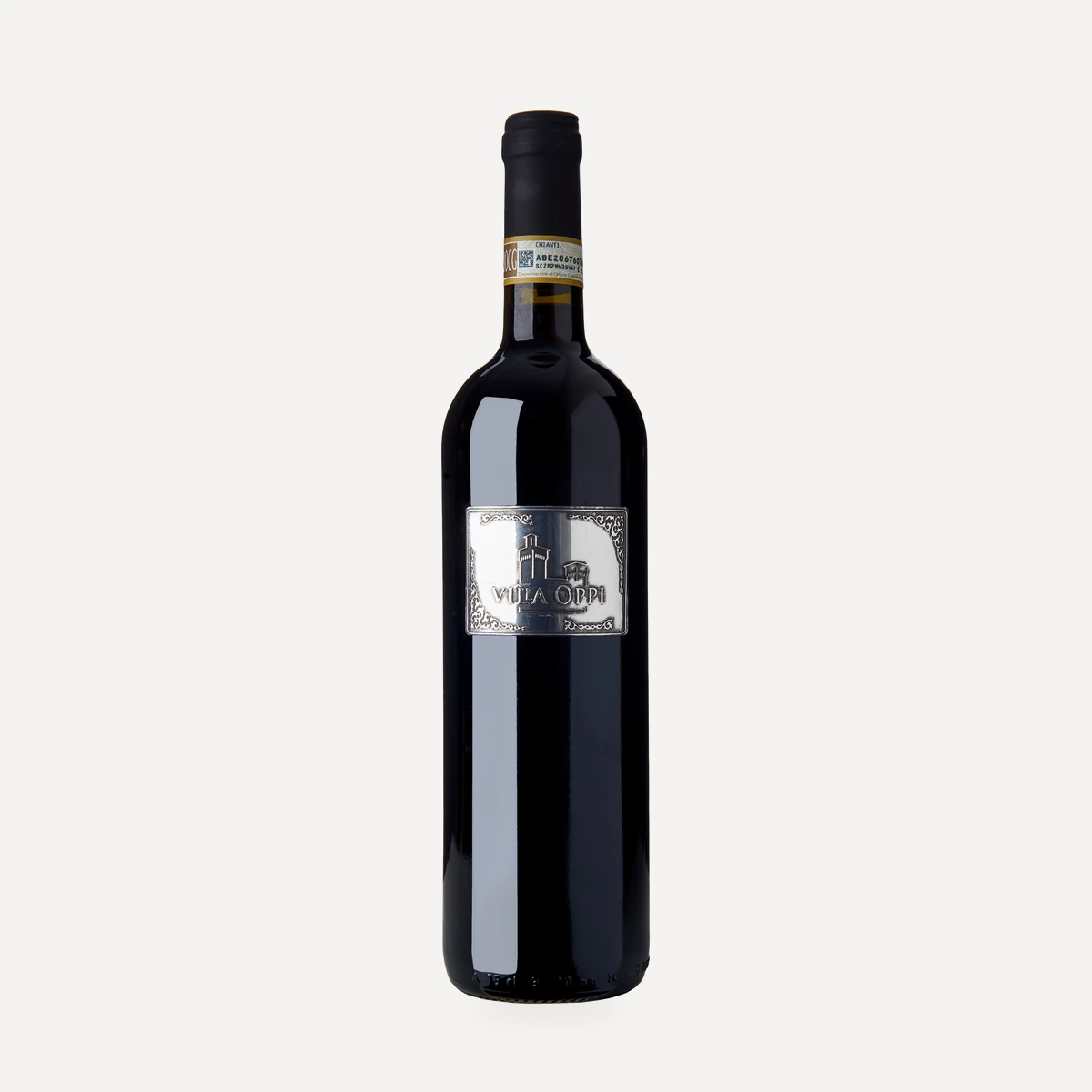
Chianti - Colli Fiorentini
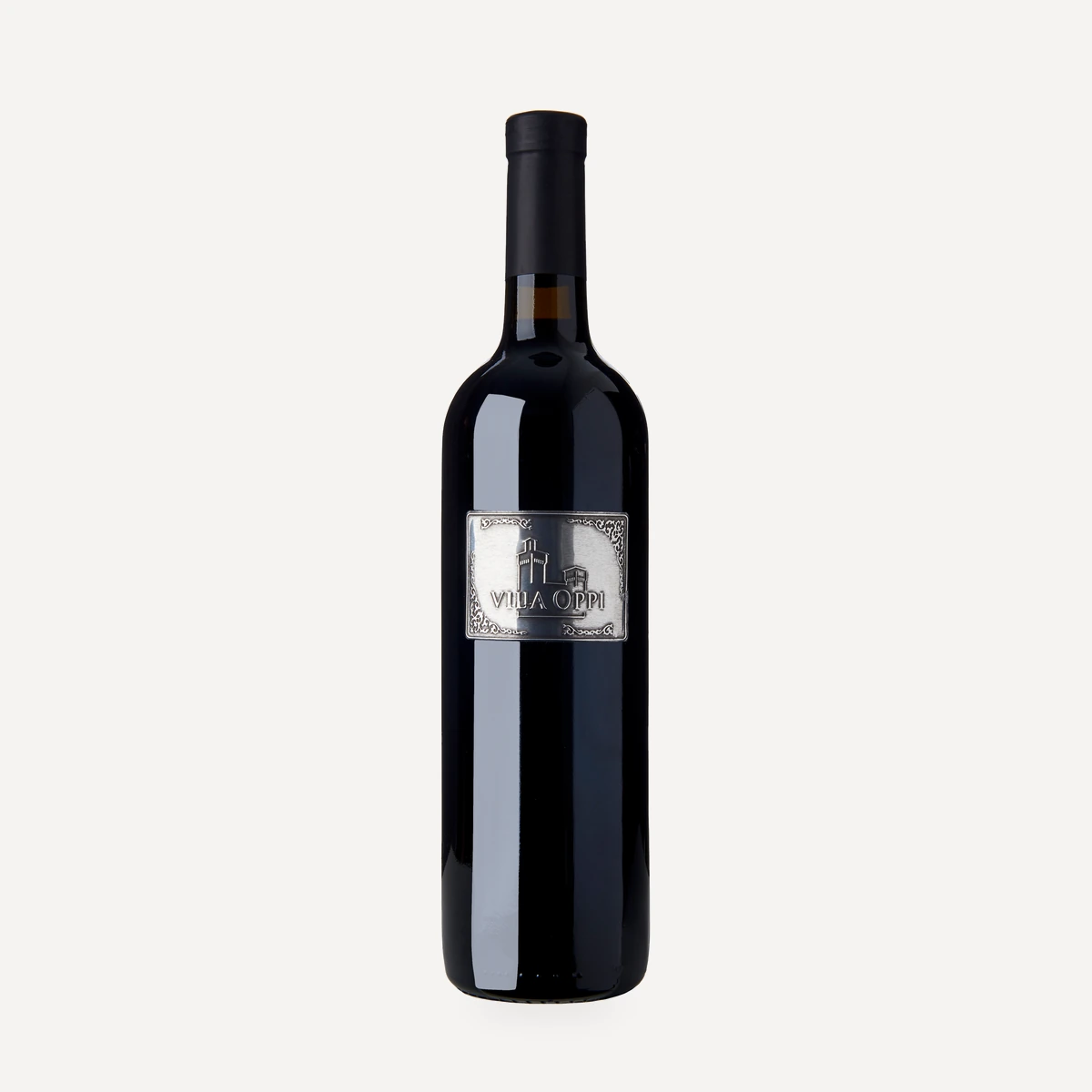
Cabernet Sauvignon
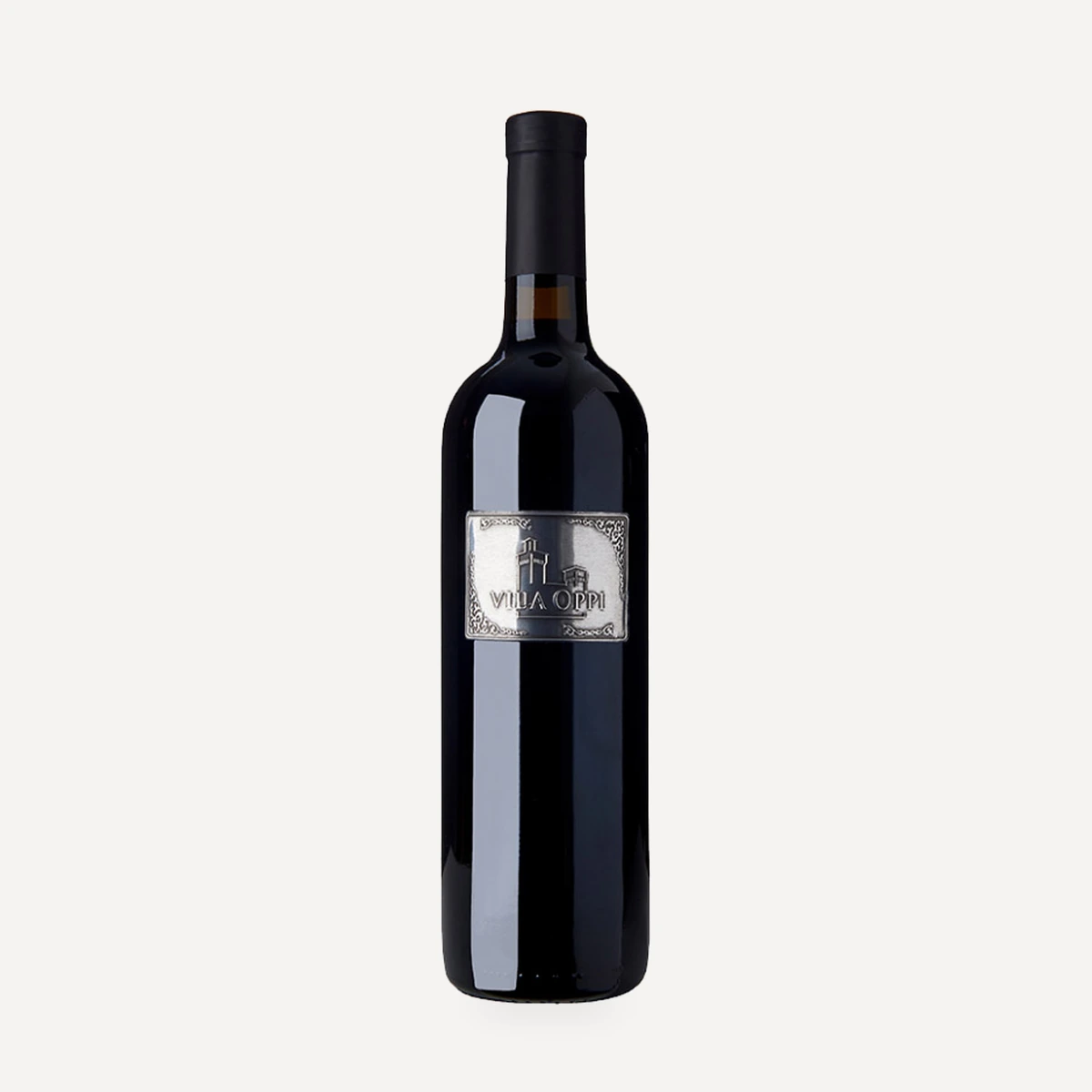
Gutturnio Superiore
Montepulciano d'Abruzzo
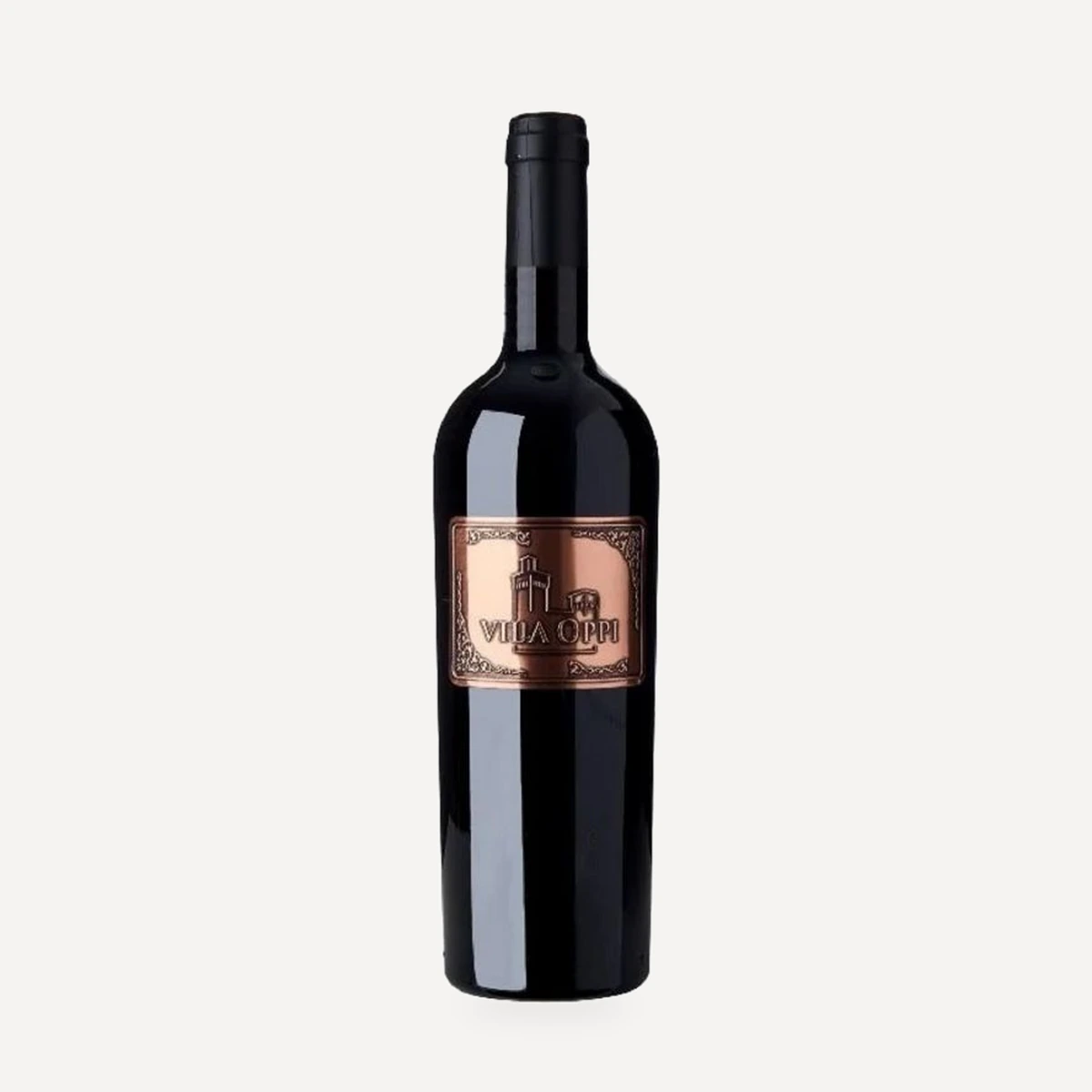
Napoleon - Villa Oppi
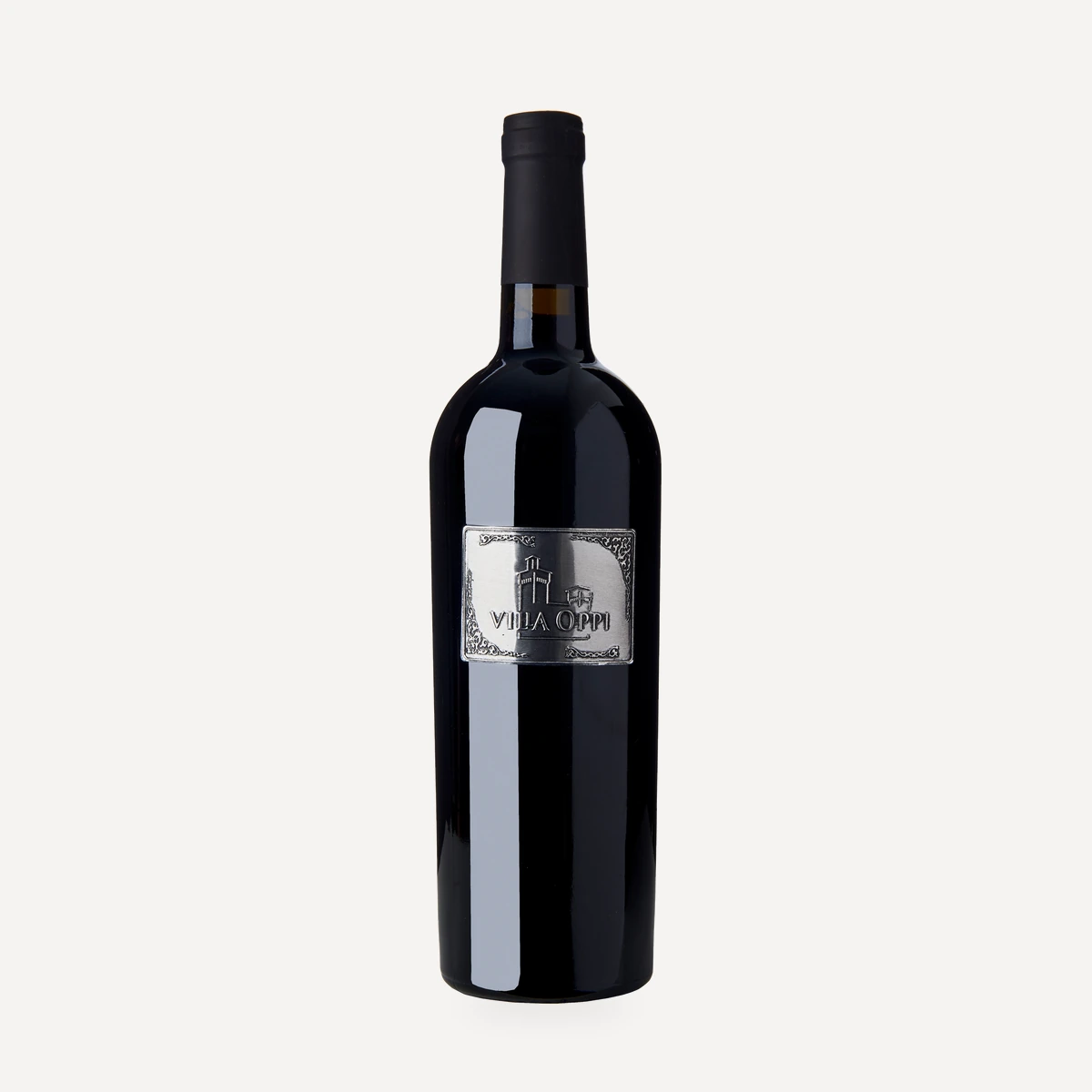
Nero d'Avola
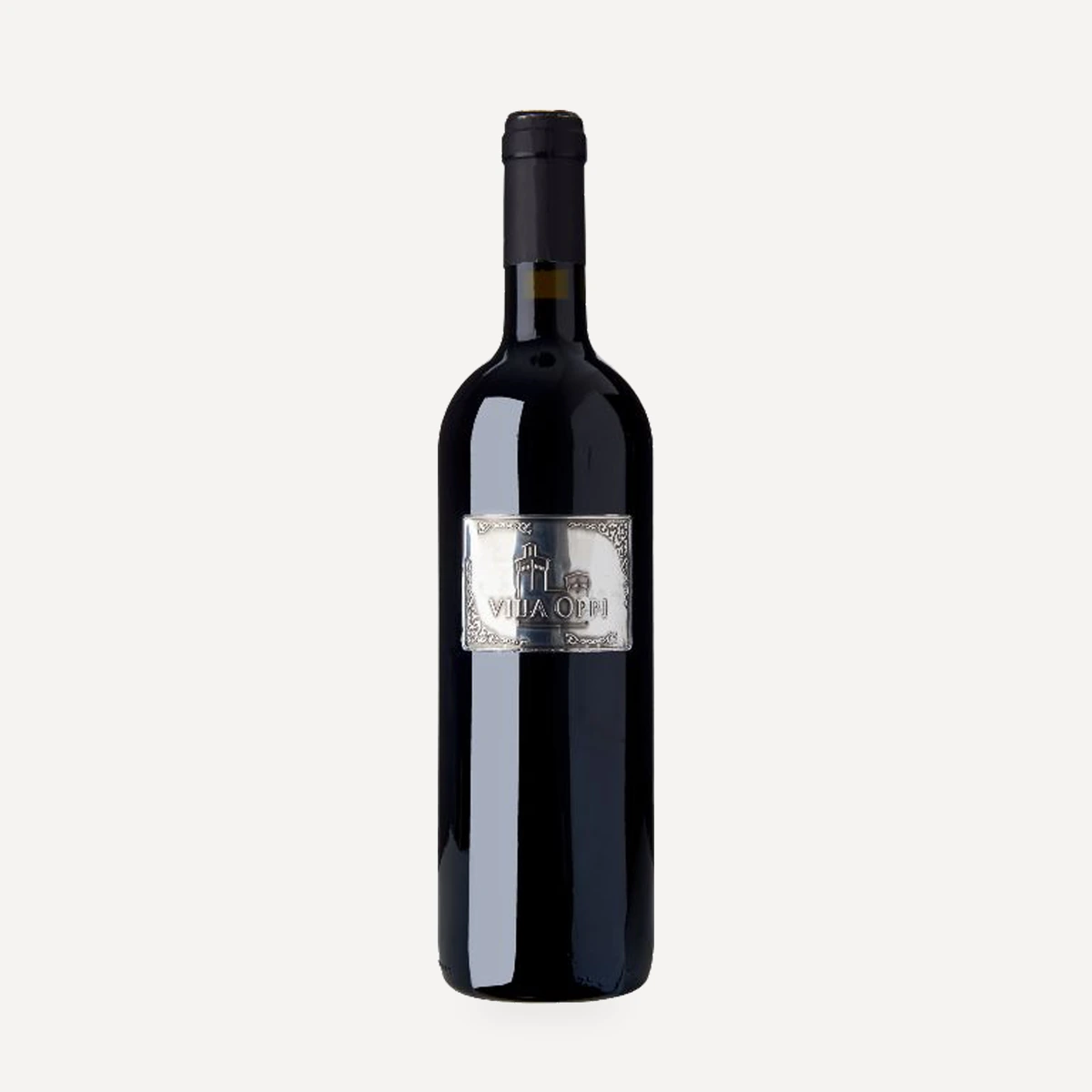
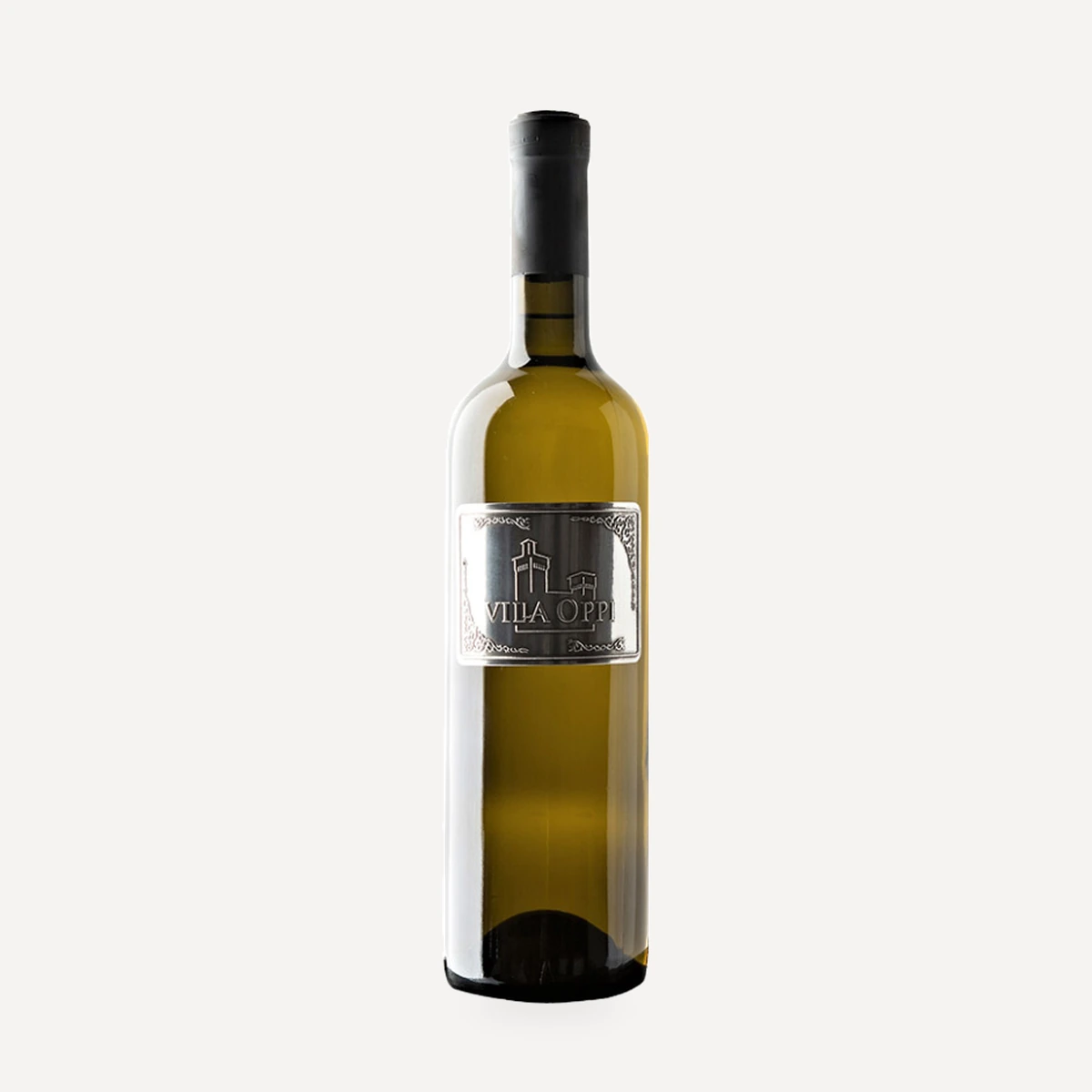
Pallido - Villa Oppi
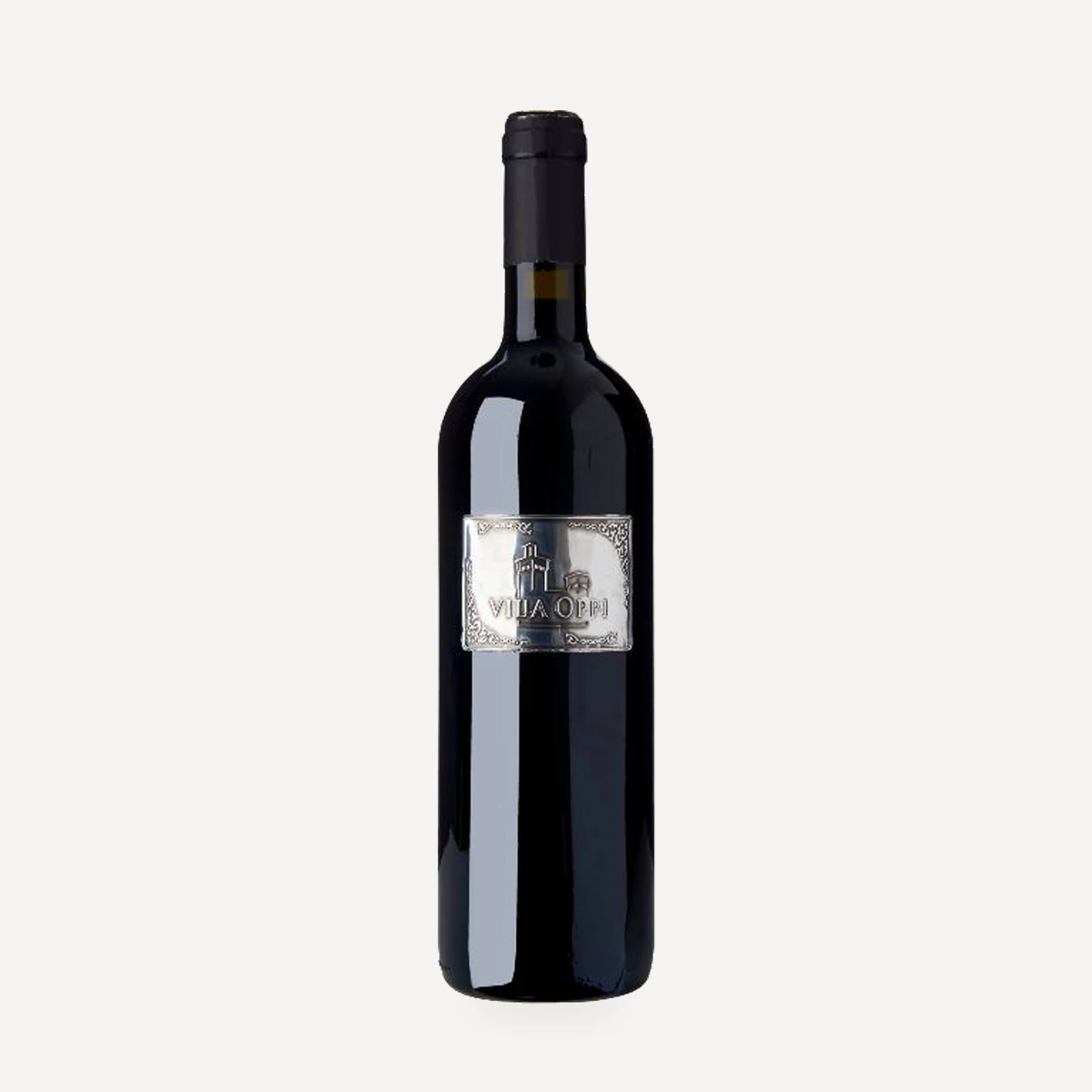
Toscana IGT - Cabernet-Merlot
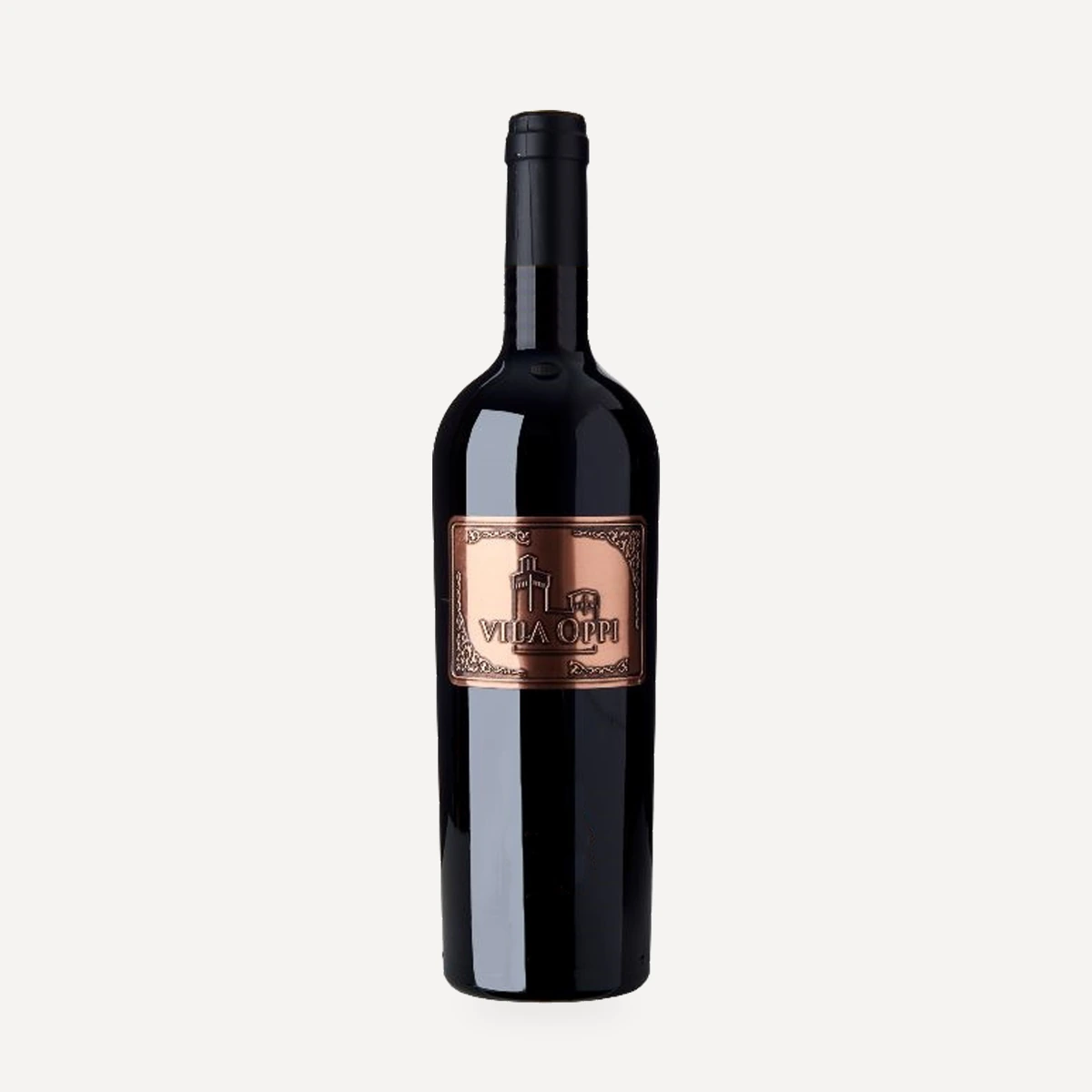
Duchessa - Villa Oppi
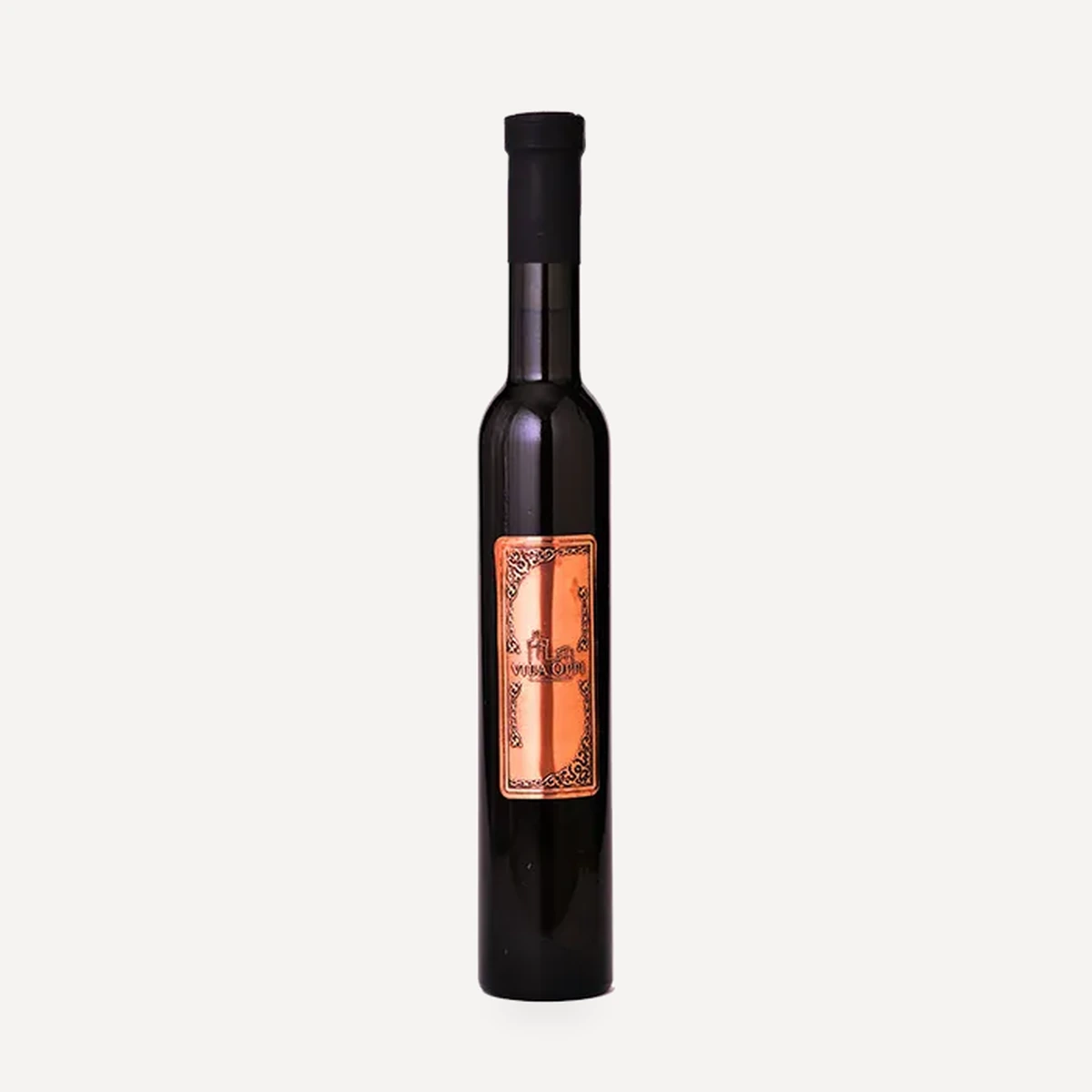
Fiordirosa Passito Rosé
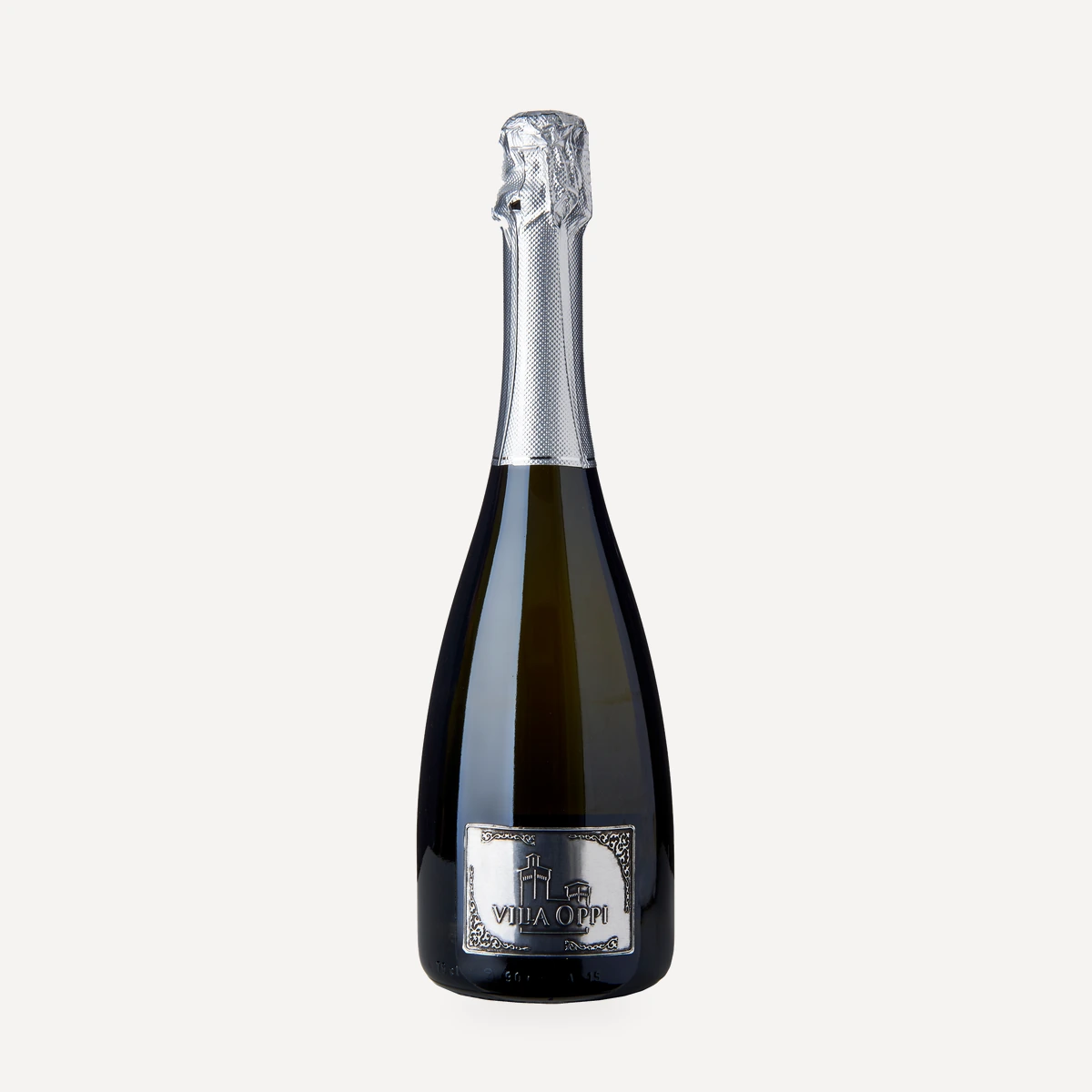
Gran Cuvée degli Oppi - Extra Dry
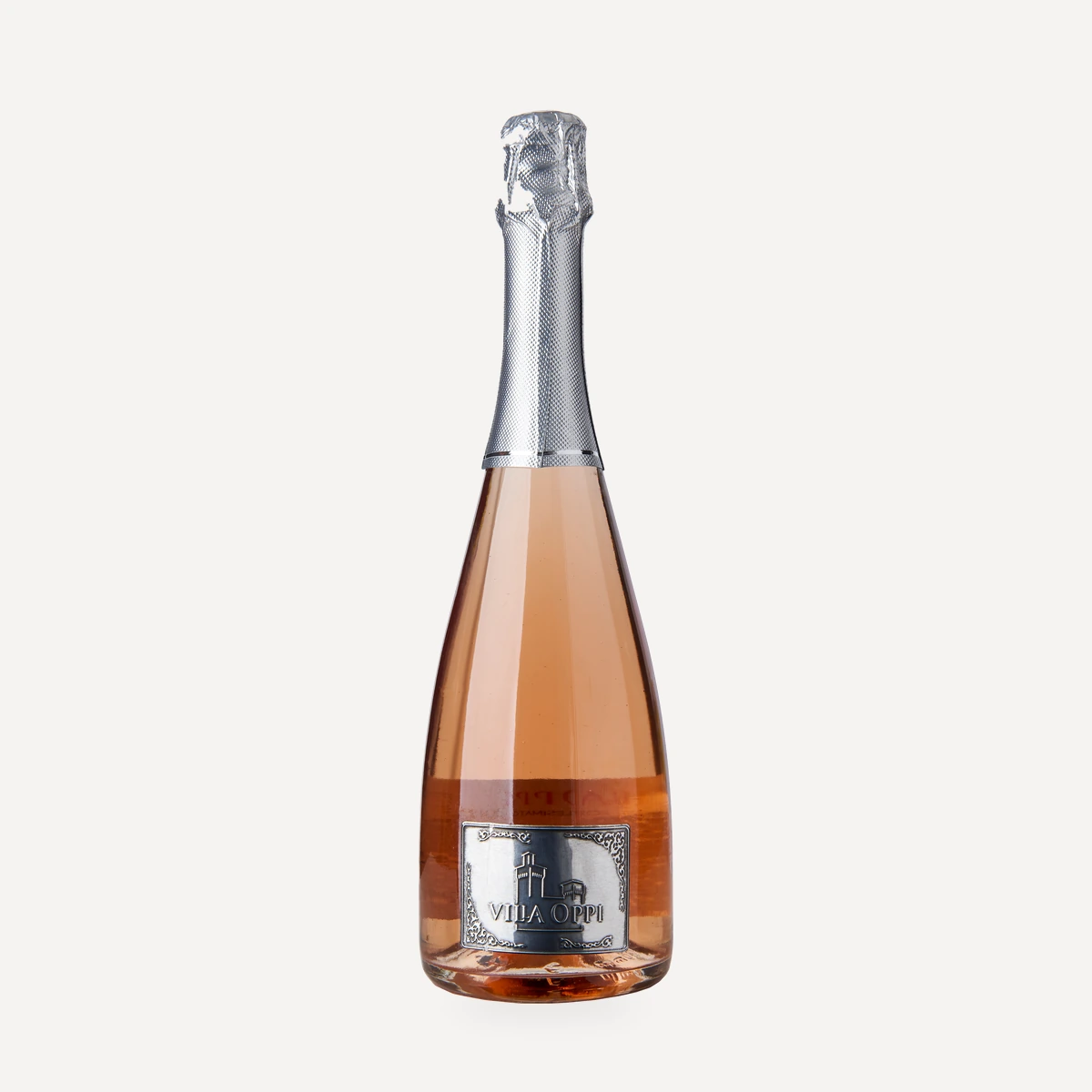
Rose degli Oppi - Extra Dry
Rosaleda