Storia
The older vineyards
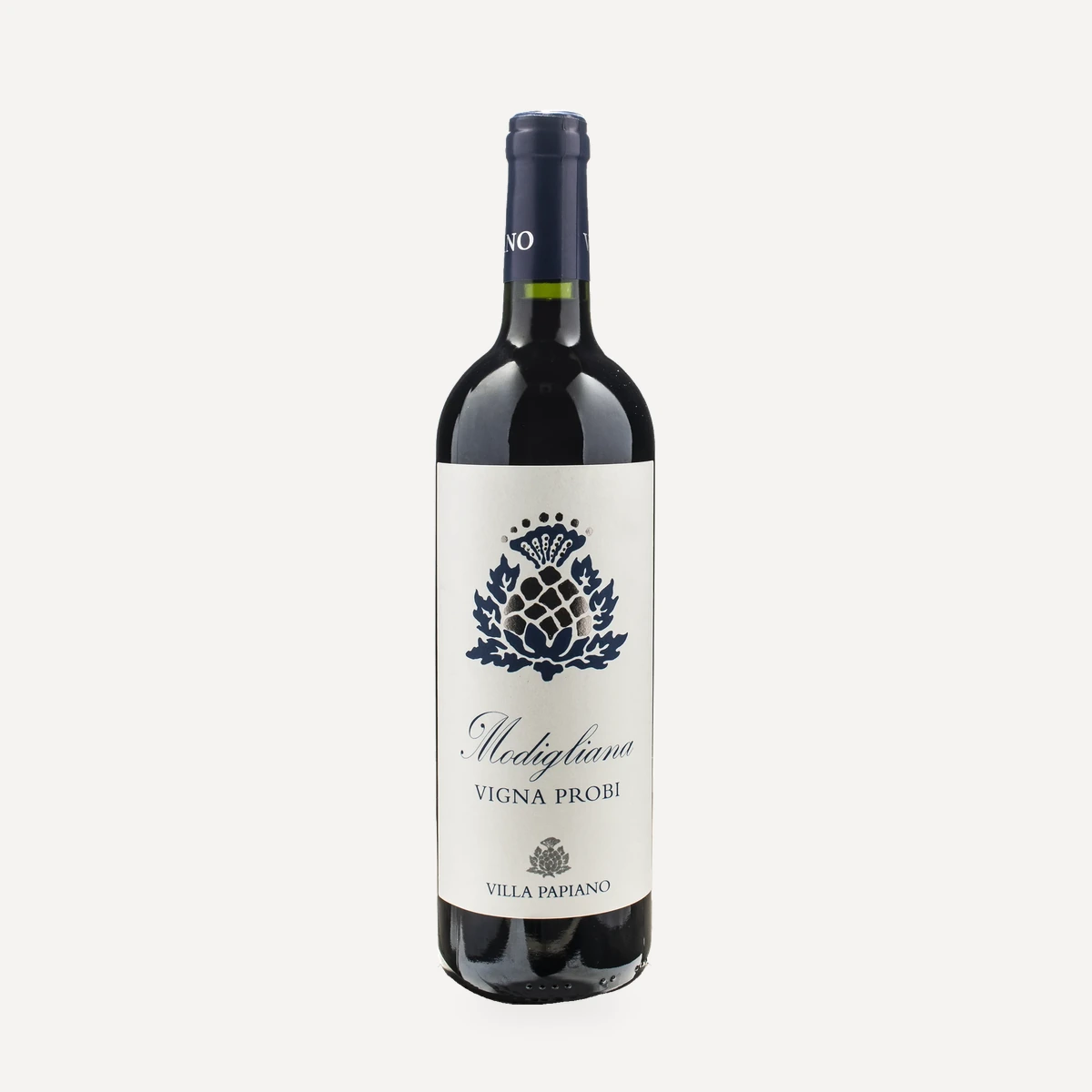
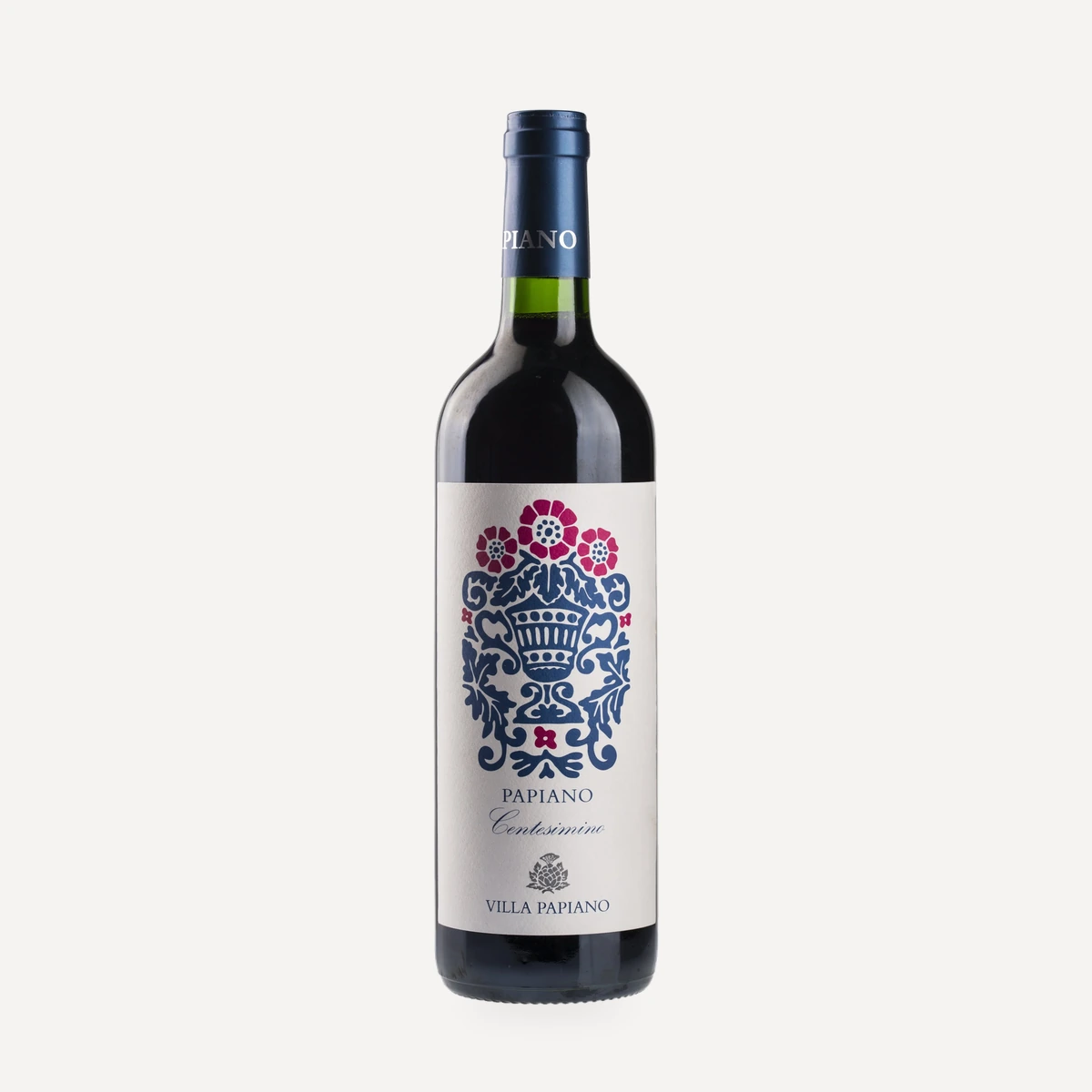
Villa Papiano's viticultural history is rooted in Apennine vineyards planted during the 1960s. Two surviving sites are dated specifically to 1960: the Trebbiano vineyard associated with Strada Corniolo and the old, low-trellised Sangiovese vineyard used for Pré. Vigna Probi was planted as a terraced Sangiovese vineyard in 1970. Further plantings followed in 1980, including vineyards now associated with Terra!, Papesse, Papiano and Tregenda R!.
Organic farming and the 2001 renewal
Organic methods began in 2000. The estate's first harvest followed in 2001, the year in which the older vineyard base underwent substantial restoration. Vigna Probi was restructured, Vigna Beccaccia was restored, and new vineyards were planted for Tresche and Papesse. This renewal joined mature vines from 1960, 1970 and 1980 with younger plantings.
The first Papesse vintage was produced in 2002, followed by the first Tresche vintage in 2003. Organic certification under Suolo e Salute began with the 2009 harvest. The old Strada Corniolo Trebbiano vineyard, originally planted in 1960, underwent its own restoration in 2010.
New expressions and biodynamics
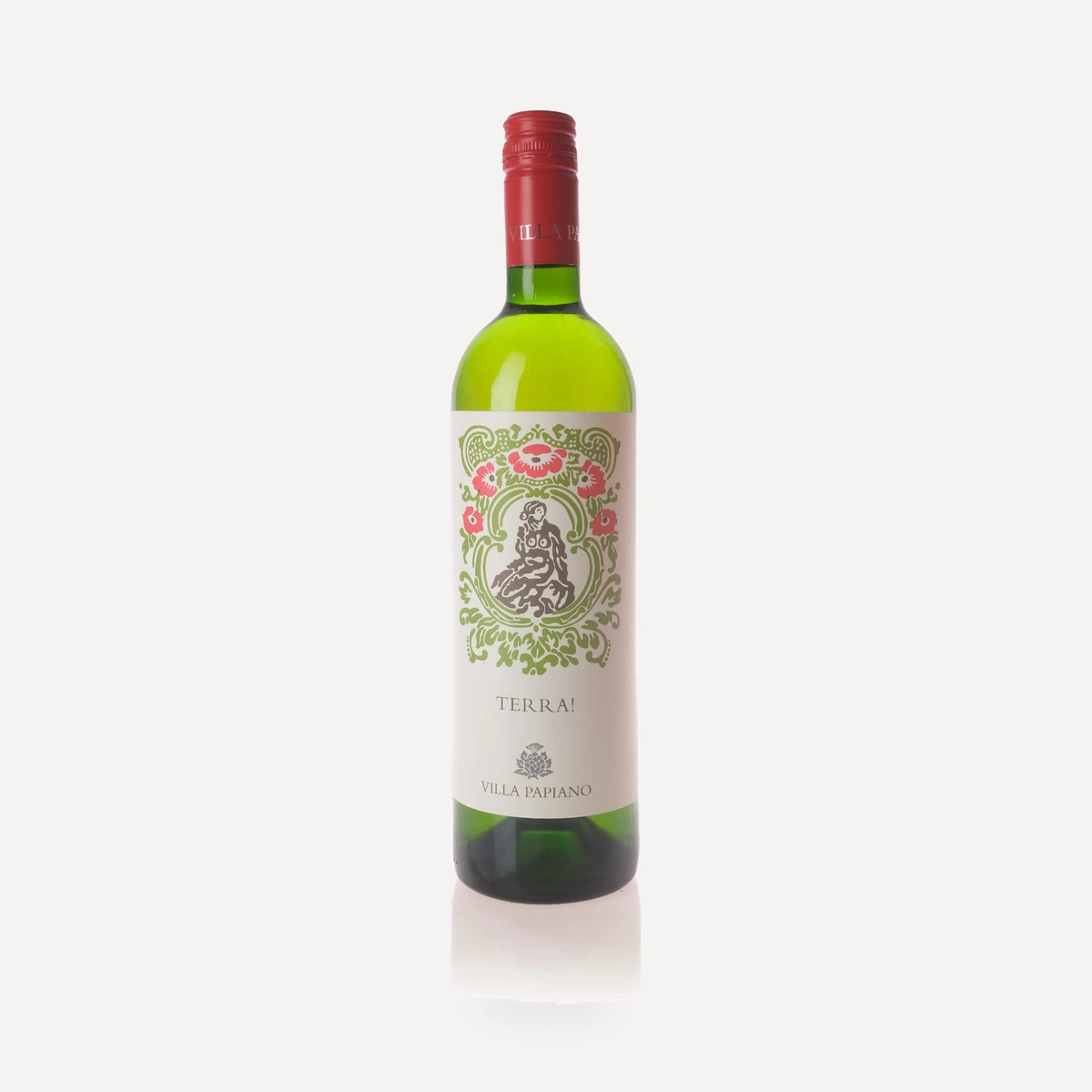
Terra! first appeared with the 2013 vintage, Vigna Beccaccia with the 2015 vintage and Strada Corniolo with the 2017 vintage. Biodynamic cultivation began in 2018, the same year as the first Pré vintage. Demeter biodynamic certification was obtained in 2023.
Continuing family management
Villa Papiano is run collaboratively by four siblings. Francesco directs winemaking, production and stylistic decisions; Maria Rosa manages commercial relationships; Giampaolo oversees general management; and Enrica is responsible for administration. Their work combines the conservation of the older Apennine vineyards with organic and biodynamic cultivation and continued investment in agricultural infrastructure.
Terroir
Apennine borderland
Villa Papiano lies at Modigliana on the boundary between Romagna and Tuscany, in a wooded Apennine setting close to the Parco Nazionale delle Foreste Casentinesi. The vineyards occupy the southern side of Monte Chioda and are surrounded by forest.
Geology and soils
The defining geological formation is the sedimentary Marnoso-Arenacea, described through poor soils derived from marl and sandstone and through traces of an ancient sea. Sandy soils formed from sandstone recur across the estate's vineyard descriptions. Individual sites range from approximately 450 to 570 metres above sea level.
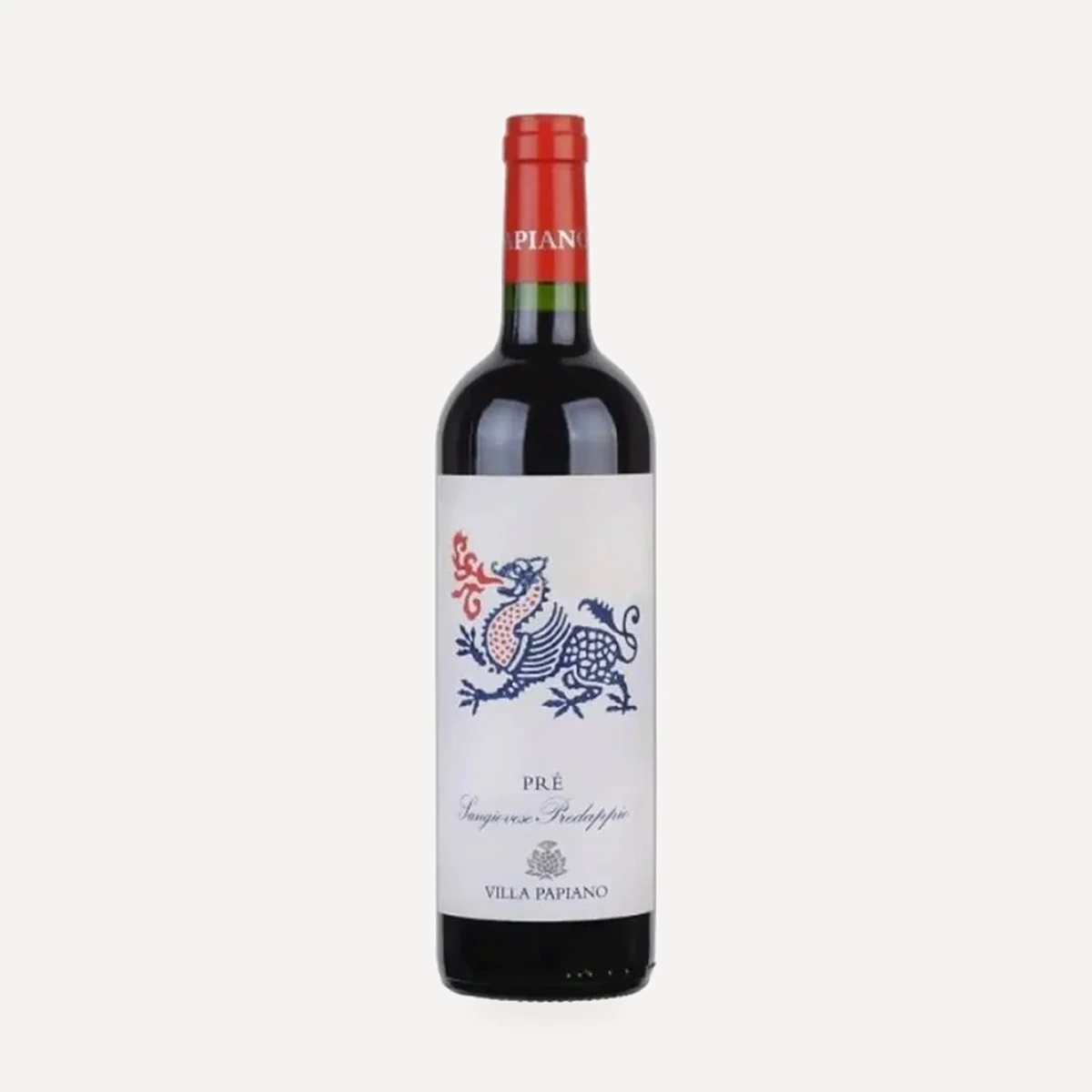
The vineyard used for Pré represents a distinct geological expression: its soils are sulphurous limestone formed on a pozzolana matrix. This site-specific combination is associated with iron- and sulphur-like characteristics and fine-grained tannins.
Altitude, light and forest
Altitude, light, soil depth and the surrounding forest are central to the estate's understanding of place. The setting is presented as both severe and favourable to viticulture: poor mountain soils, high-elevation vineyards and deep woodland combine within a largely spontaneous natural environment.
Vinificazione
Organic farming has been practised since 2000. The estate has held Suolo e Salute organic certification since the 2009 harvest. Biodynamic agriculture was introduced in 2018, followed by Demeter biodynamic certification in 2023.
The four siblings define artisanal winegrowing as continuous observation, close attention to detail and learning through experience. Their approach emphasizes living in symbiosis with the surrounding environment, respecting inherited knowledge, recognising the individuality of every growing season and working without betraying nature.
The vineyard base combines old plantings from 1960, 1970 and 1980 with vines planted or restored during the renewal that began in 2001. Site-specific training includes Guyot at Tresche, alberello on the terraced Vigna Probi and a low-trellis system in the old Pré vineyard. A current agricultural investment programme includes anti-hail protection over 0.3575 ha and the creation of a rainwater-collection area.
Spontaneous fermentation is central to Villa Papiano's cellar practice. Native or ambient yeasts are used for Strada Corniolo, Tresche, Papesse, Vigna Probi, Papiano and Pré. The cellar employs several vessels according to site and material: concrete vats, tonneaux, large wooden casks, barriques, open-topped fermenters and terracotta amphorae.
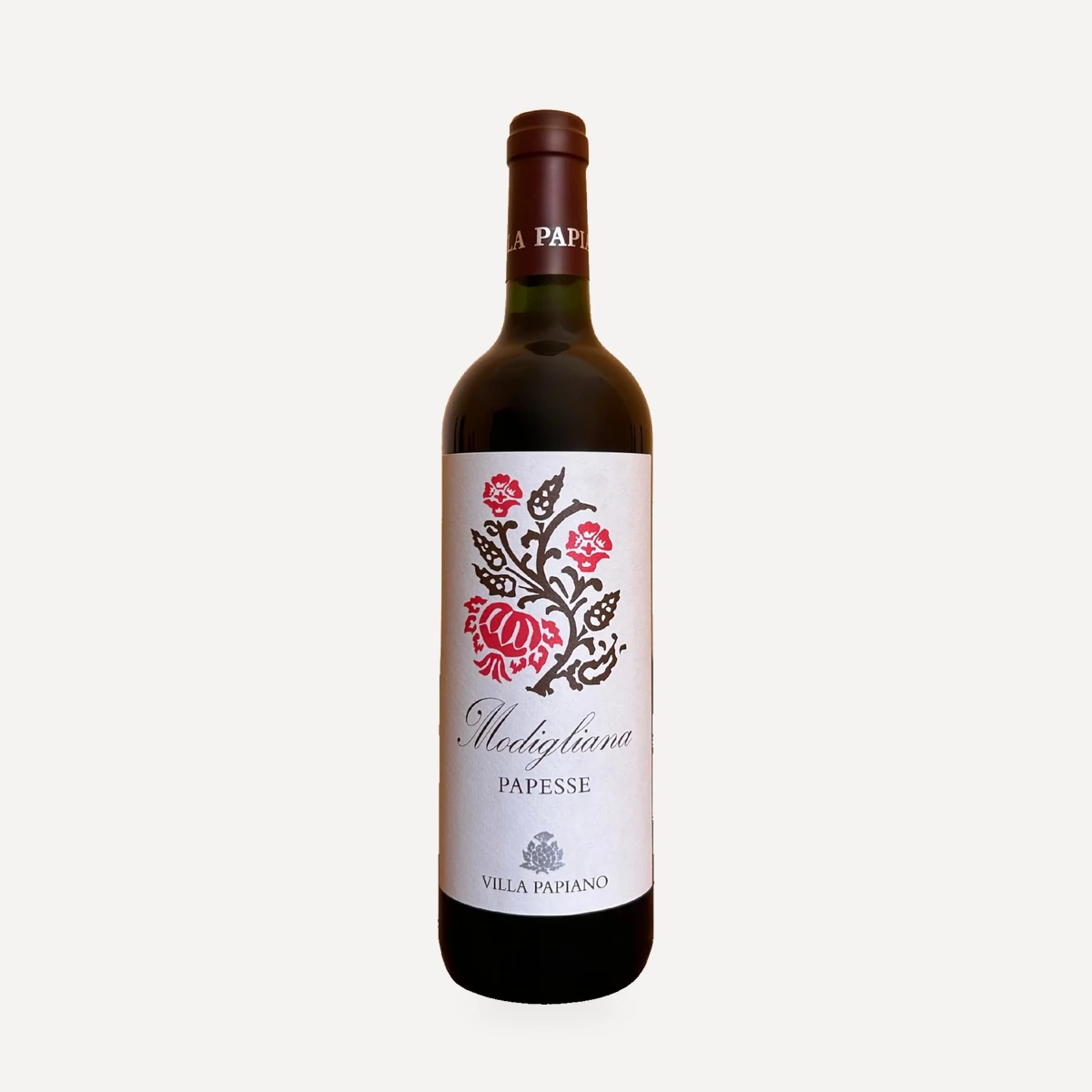
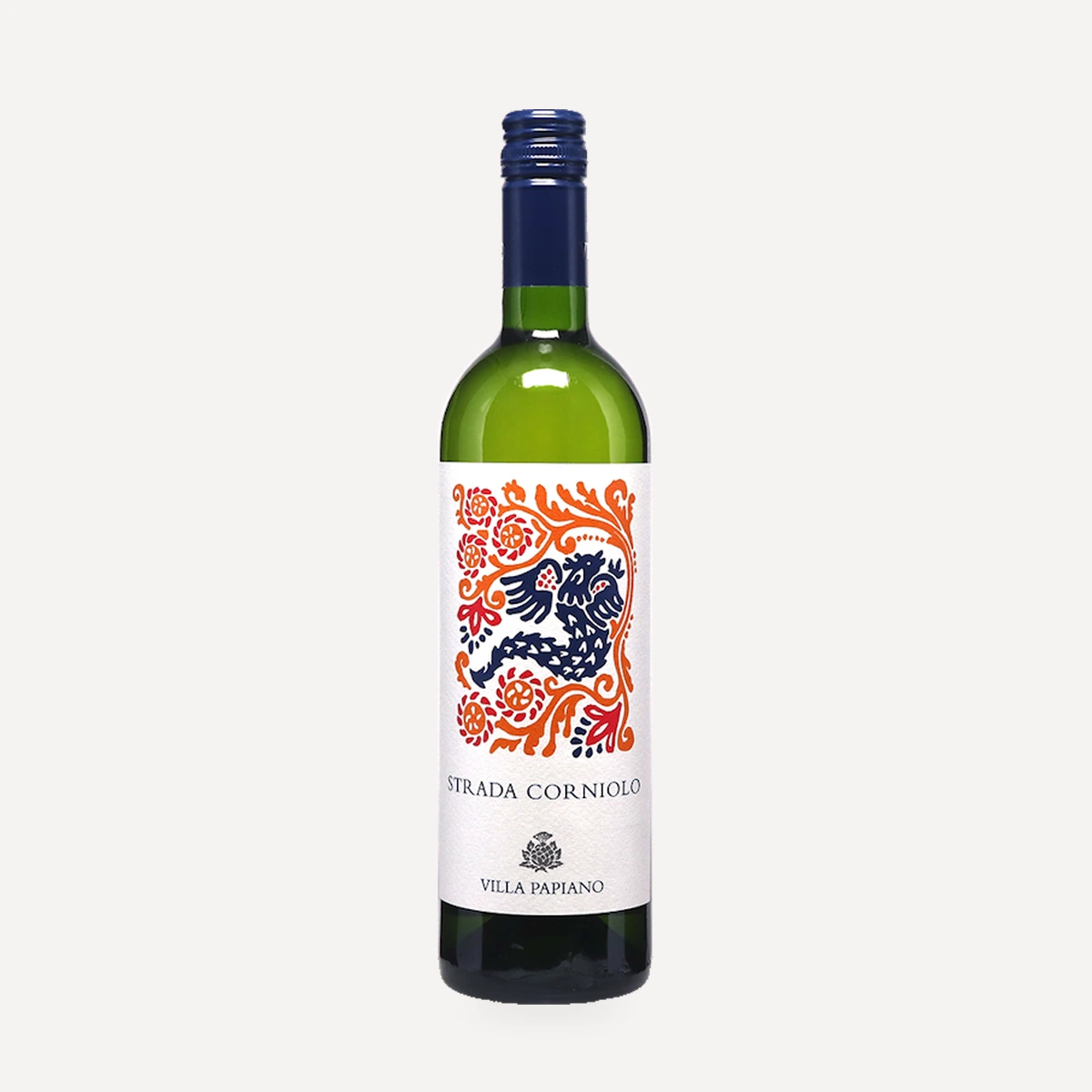
The Trebbiano from Strada Corniolo matures in concrete and tonneaux on its fine lees. Terra! undergoes spontaneous fermentation in terracotta amphorae and remains in those vessels with the skins. Tresche combines concrete and tonneaux, while Papesse matures in concrete. Vigna Probi uses concrete and large cask. Pré ferments in open-topped vessels and matures in concrete and tonneaux.
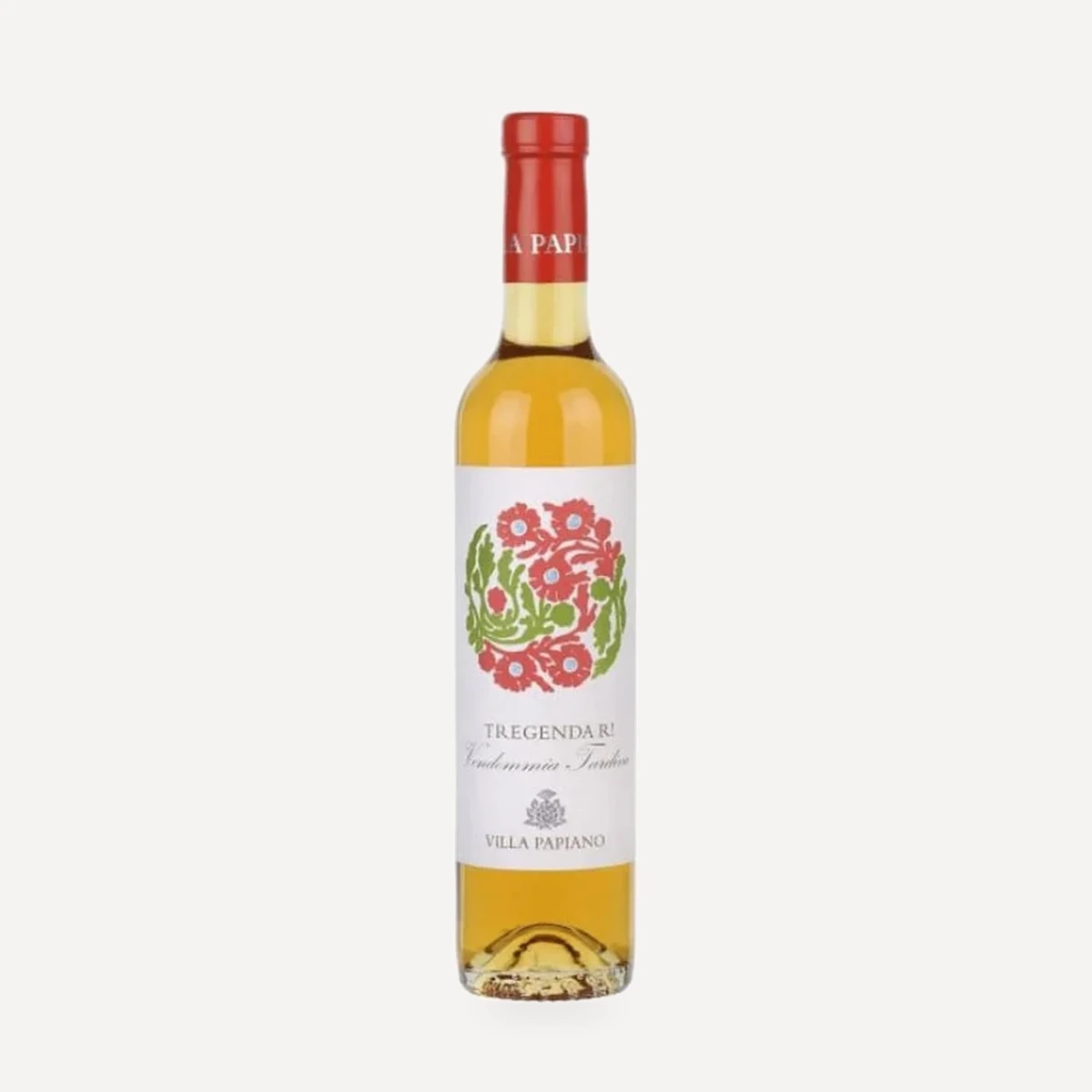
Vigna Beccaccia is fermented spontaneously as whole clusters with the stems and subsequently matures in concrete. Tregenda R! is based on Albana harvested between late September and early November; fermentation and maturation take place in barrique. Bottle ageing is used extensively across the range, from shorter finishing periods to extended maturation of 18–24 months or more.
Filosofia
Villa Papiano presents winegrowing as a form of attentive care rooted in observation, accumulated experience and symbiosis with the environment. The siblings seek to preserve the lessons handed down by earlier growers while accepting that every vintage is different.
The estate's style developed gradually through work with its vineyards and a growing understanding of their nuances. Its stated objective is to express the cultivated sites through wines marked by light, flowers and forest-floor character, with salinity as a structural backbone. Grape substance, rather than a dominant imprint of wood, is intended to provide a fine structure. The Italian presentation characterises the resulting wines as vertical and long-lived.
The siblings also describe their future in terms of closer integration with the surrounding green landscape. Organic and biodynamic cultivation, the protection of the wooded setting and a willingness to adapt each year are treated as parts of the same artisanal outlook.
Vini
Papesse
Pré
Strada Corniolo
Vigna Probi
Papiano
Terra!