Storia
Family roots: 1887–1920
Daniele Lanzavecchia Senior was born in Predosa in 1887, into a farming family in the Alessandria area near Monferrato. Difficult economic and agricultural conditions encouraged him to seek a new direction. Together with his family, he opened a vine nursery, an enterprise to which he returned throughout his working life. He was also a soldier, farmer and winegrower with an interest in politics; friends called him Senatùr, the Piedmontese word for senator. Although the First World War left a painful mark on the family, his ambition to make wine survived.
Daniele’s son Pietro was born in 1920. Pietro inherited his father’s interest in vineyards and wine and concluded that the Langa offered the most suitable setting for the project. He graduated in Agriculture and developed the technical and entrepreneurial foundations of the future estate.
Foundation and first markets: 1959–1960s
In 1959 Pietro Lanzavecchia founded Villadoria with his wife Pietrina, who worked continuously alongside him in the new venture. Their aim was to unite Italian wine tradition with Pietro’s entrepreneurial ambition to establish the wines in Italy and abroad.
During this formative period the family acquired the estate, vineyards and other land in Serralunga d’Alba. Daniele Senior, by then elderly, supervised vineyard work and assisted Pietro with management. Pietro subsequently built the winemaking and ageing cellars, later working in partnership with his son Daniele.
Villadoria’s wines entered both the Italian and international markets during the estate’s early years. They found customers among private buyers and the trade in Italy and North America.
Expansion and a third generation: 1970s
Villadoria expanded rapidly during the 1970s under Pietro, an oenologist and farmer who brought skilled commercial and marketing employees into the business.
Pietro’s second son, Daniele Lanzavecchia, was born in 1953 and entered the family company while still young. He completed his university studies while working alongside his father. Pietro and oenologist Italo Torretta trained him in cellar work, while Giuseppe Torchio guided his commercial education.
The decade also produced Barolo juta, a Barolo bottle enclosed in a jute cover. The packaging proved commercially successful, helped Villadoria enter new markets and strengthen existing ones, and served for many years as its principal brand ambassador. Daniele’s activity was particularly important in developing exports to the United States and the United Kingdom, while Italy remained the main market.
New cellars and consolidation: 1980s
Production, advertising and distribution developed quickly during the 1980s as Pietro and Daniele consolidated Villadoria’s position at home and abroad. The first prizes arrived, and Pietro was named Cavaliere del Tartufo.
Growth created the need for more vinification and maturation capacity. Construction began on new cellars at Tenuta Cappallotto in Serralunga d’Alba; the building was completed and inaugurated in 1989. During this period Daniele’s daughters Alessandra and Paola were born, establishing the family’s fourth generation.
Quality development and Bricco Magno: 1990s
Pietro and Daniele continued to work together during the 1990s, concentrating on the company’s image and the steady improvement of wine quality. Pietro remained active on the estate, while Daniele directed the technical and commercial departments.
Bricco Magno was created during this period and succeeded Barolo juta as Villadoria’s international ambassador, contributing to expansion in several markets. The wine’s identity drew upon an original painting dated 1899 and found in the Cappallotto farmhouse; the work depicts the vineyard rising in front of the cellars. Bricco Magno was conceived by Pietro and Daniele Lanzavecchia.
Pietro died at the end of the 1990s, removing both the founder of Villadoria and a central reference point for the family and company.
International growth, hospitality and the fourth generation: 2000s
Under Daniele’s management, Villadoria concentrated on building the brand through consistent quality and customer service. Bricco Magno performed particularly strongly in Northern Europe and the United States. A sequence of successful vintages brought recognition in Italy, including Douja d’Or, and internationally through competitions and publications including Decanter and Wine Spectator.
The family also restored the historic Tenuta Cappallotto farmhouse. In 2004 it opened as Agriturismo Il Cappallotto, creating accommodation for visitors and customers.
Paola Lanzavecchia graduated in Agriculture from the University of Turin with a specialisation in viticulture and oenology, then joined the family company as its fourth generation.
Single-vineyard developments: 2015 and 2021
Villadoria first presented a separate Barolo from Lazzarito with the 2015 vintage, following many years of work with this recognised Additional Geographical Mention of Serralunga d’Alba.
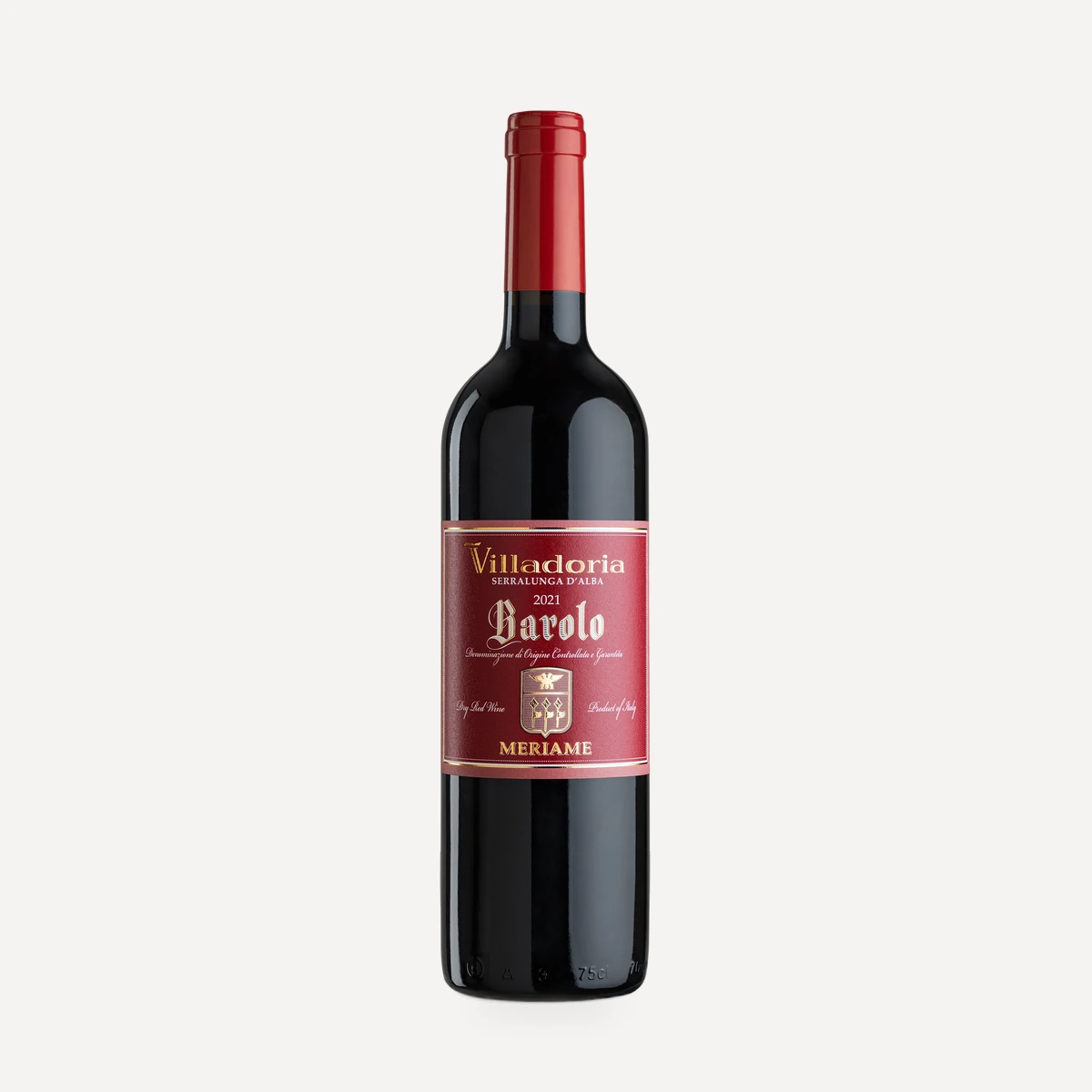
In 2021 the family decided to give Meriame an individual interpretation. The heart of this small, long-owned vineyard was selected for a separate Barolo, drawing on its old vines, calcareous marl and favourable exposure.
Current management
Daniele now manages Villadoria together with his daughter Paola. The family continues to combine vineyard work, winemaking and commercial development from Tenuta Cappallotto, with quality, territorial identity and responsiveness to contemporary consumers as its stated objectives.
Terroir
Serralunga d’Alba
Villadoria is based at Località Cappallotto in Serralunga d’Alba. Its vineyards extend principally along the western slopes of the Serralunga hills, climbing from the cellars toward the medieval castle on the summit. Serralunga is a small settlement of slightly more than 500 inhabitants and one of the 11 communes of the Barolo production area.
The commune forms a north-to-south ridge whose different sides create varied exposures, soil compositions and microclimates. Villadoria’s Serralunga vineyards are predominantly planted to Nebbiolo for Barolo. The family’s mid-slope holdings generally face from south to south-west.
Soils and individual mesoclimates
The broader Barolo holdings contain sedimentary limestone marl, in places interlayered with sand. The west-facing Lazzarito and Meriame sites lie within a natural amphitheatre where calcareous sedimentary marl includes a significant clay component.
Lazzarito occupies a broad, sunny mid-slope basin at approximately 400 metres above sea level. Its south to south-west exposure accompanies ancient marine sedimentary calcareous marls alternating with grey, blue and yellowish strata.
Meriame has a south-south-west exposure and its own hillside microclimate. Its soils consist of calcareous marl of sedimentary origin. Old vines are an important feature of the parcel.
The steep Paradiso hill rises directly from the cellars within the Sorì Cappallotto area. It faces south-west and combines a distinct microclimate with sedimentary limestone marl containing a substantial proportion of quartz. The site produces small berries in loose bunches.
Villadoria also works with Nebbiolo from the hills of Barbaresco, Neive, Treiso and part of San Rocco Seno d’Elvio d’Alba. Those sites are characterised by individual exposures and microclimates, with clay-limestone soils rich in tufaceous marl.
Vinificazione
Villadoria treats its vineyards as its principal heritage and defines environmental care and vineyard sustainability as primary objectives. Its approach is framed around preserving the integrity of the land and working in accordance with natural cycles.
The Serralunga holdings are largely planted to Nebbiolo for Barolo, supplemented at Tenuta Cappallotto by Merlot and Muscat. Guyot is the principal training system in the named estate parcels. Documented planting densities range from approximately 4,000 to 4,500 vines per hectare, while yields vary by parcel from about 45 to 55 hectolitres per hectare. The family uses parcel selection to distinguish individual Serralunga expressions: the heart of Meriame was selected in 2021, and the Paradiso vineyard is vinified separately in successful vintages.
Harvest timing is selected carefully, and the documented Nebbiolo parcels are harvested by hand. Nebbiolo destined for Barolo is the last variety brought into the cellar. The estate’s vineyard descriptions emphasise controlling Nebbiolo’s natural vigour and production potential through the grower’s work. No organic, biodynamic or other third-party farming certification is identified.
Villadoria’s winemaking and ageing facilities stand at Tenuta Cappallotto. The historic rooms occupy an eighteenth-century structure where the estate’s story began; these cellars continue to mature Barolo from named geographical sites. A larger vinification and maturation complex, built to accommodate company growth, was inaugurated alongside the historic building in 1989. Visitor routes distinguish a fermentation area from the wood-ageing area.
The general production philosophy begins with a careful decision on harvest date and extends through vinification, maturation and bottling. Wine is treated as a living product requiring sustained attention at every stage.
For the estate’s traditional Serralunga Nebbiolo production, grapes are harvested by hand, destemmed and gently crushed. Alcoholic fermentation takes place in temperature-controlled stainless-steel tanks. The documented Barolo processes use long skin contact, sometimes reaching 25–40 days according to parcel and vintage, to develop polyphenolic structure. Racking follows alcoholic fermentation, and the retained heat of the young wine supports the spontaneous onset of malolactic fermentation.
Maturation follows a traditional model based on Slavonian oak rather than a short, strongly oak-marked regime. Depending on the parcel, the wines rest in medium or large casks—including 25 hl casks for Meriame—before completing their development in tanks. The estate presents long maceration, substantial casks and patient maturation as defining elements of its Barolo and Barbaresco approach.
Villadoria’s Barbaresco is also vinified and matured at Serralunga d’Alba under a special ministerial authorisation granted to a limited number of historic estates in the Barolo zone, allowing the complete process to remain under the estate’s control.
Filosofia
Villadoria defines quality through close attention to the vineyard, the choice of harvest date, vinification, maturation and bottling. Wine is understood as a demanding, living product rather than a standardised commodity.
The family’s stated objective is to make wines consistent with the territory while meeting the expectations of contemporary consumers. Its traditional Serralunga style relies on long contact with the skins and maturation in substantial casks, yet the estate also describes its wines as having evolved gradually with changing times. Tradition is therefore treated as a working inheritance rather than a fixed formula.
Respect for vintage variation is central to this approach. Named vineyards are vinified separately when conditions justify it, and the position and individual character of each holding guide selection. The family presents wine as the combined result of human work and nature, with the bottle serving as a synthesis of a clearly defined terroir.
Environmental stewardship is expressed as an obligation to preserve the integrity of the land in which the family grew up. Vineyard sustainability is identified as a primary goal, alongside continuity between generations and the transmission of an agricultural, cultural and philosophical legacy.
Vini
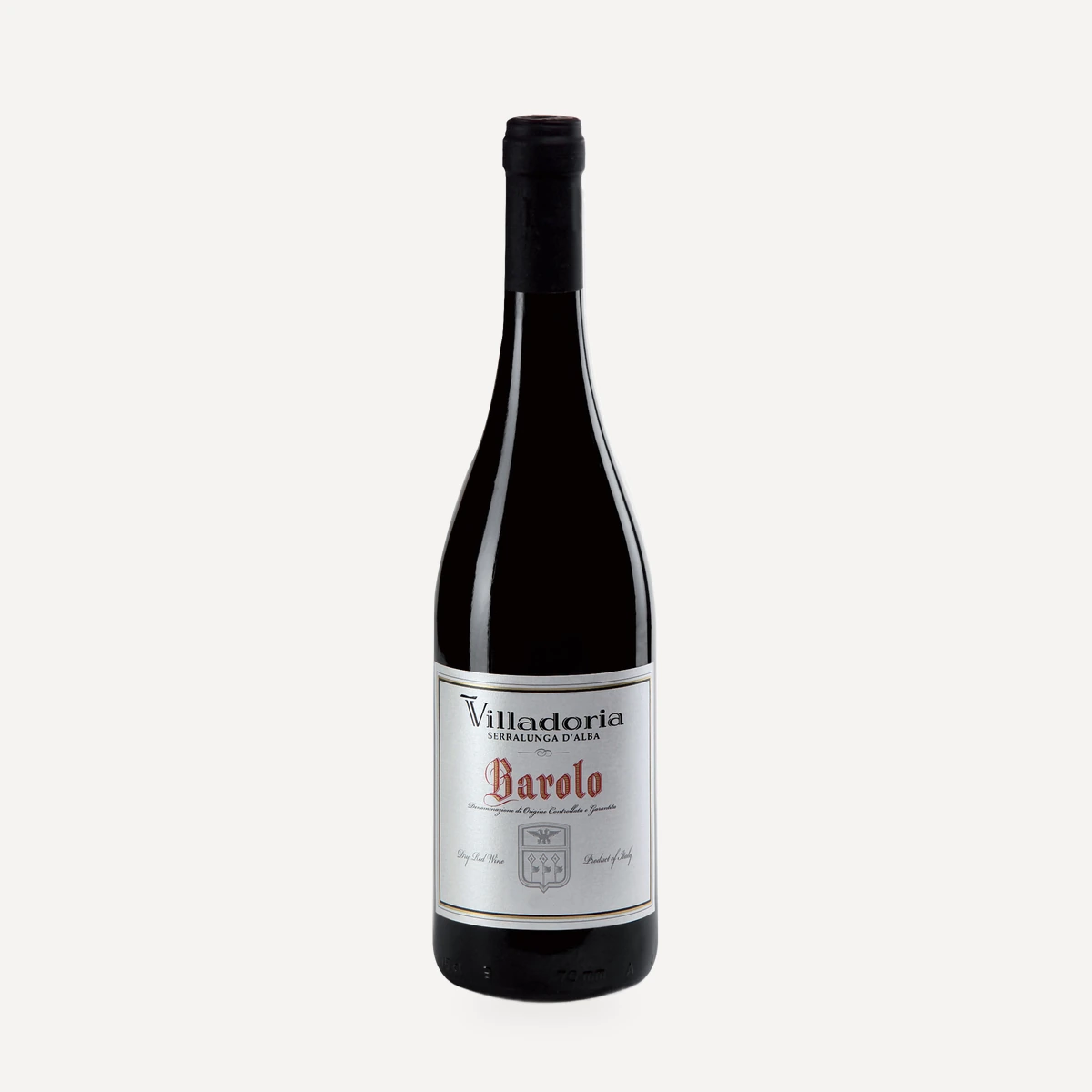
Barolo DOCG
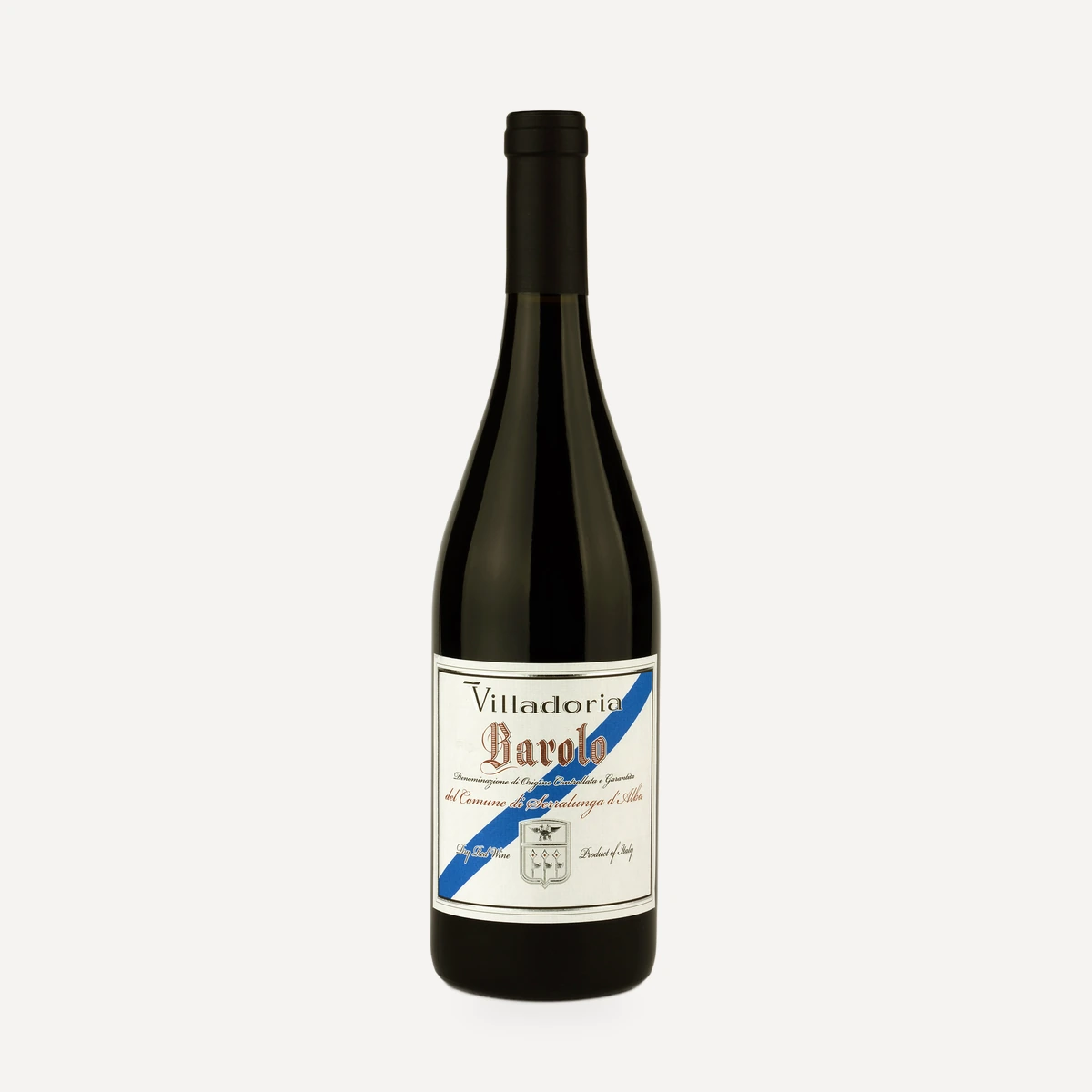
Barolo Serralunga d’Alba DOCG
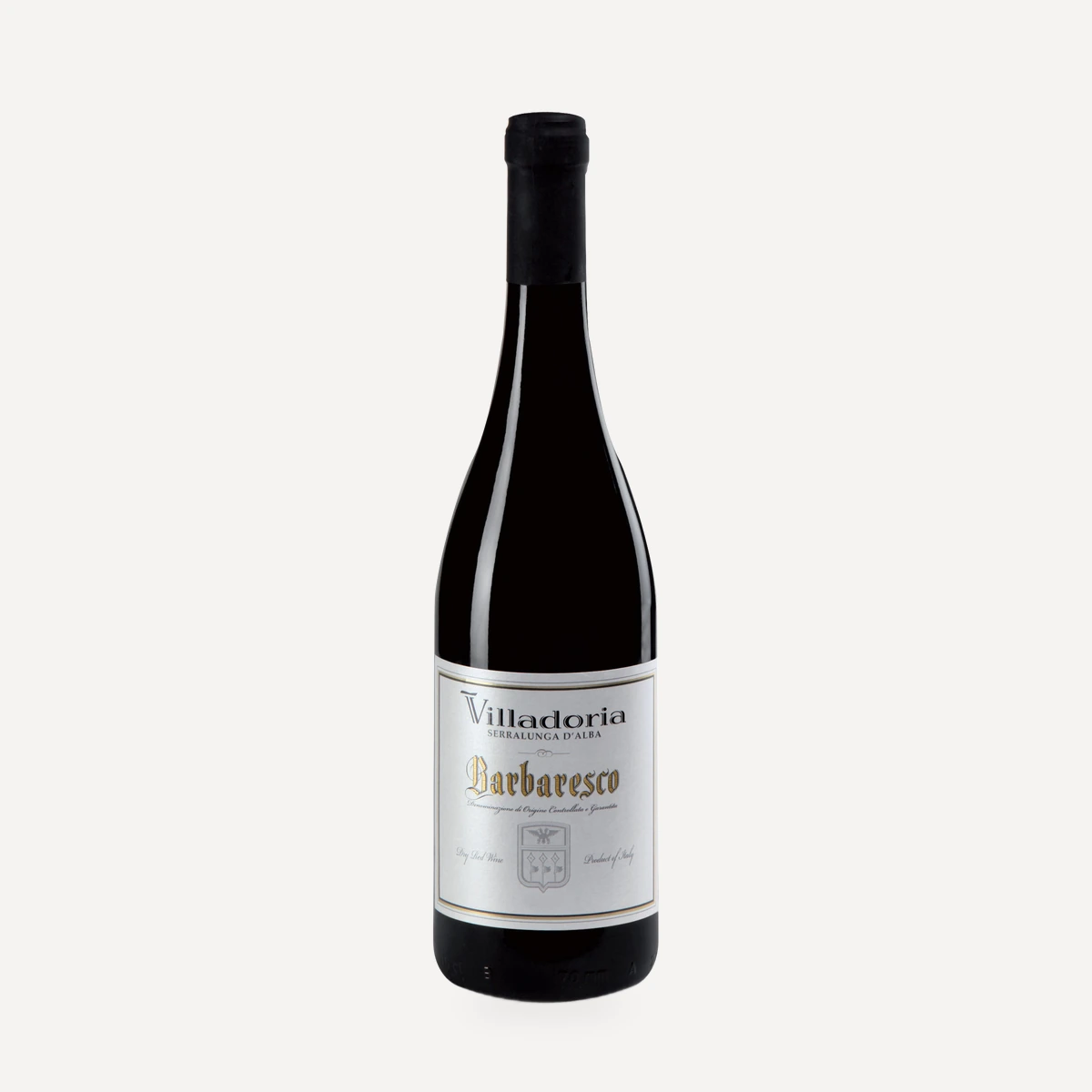
Barbaresco DOCG
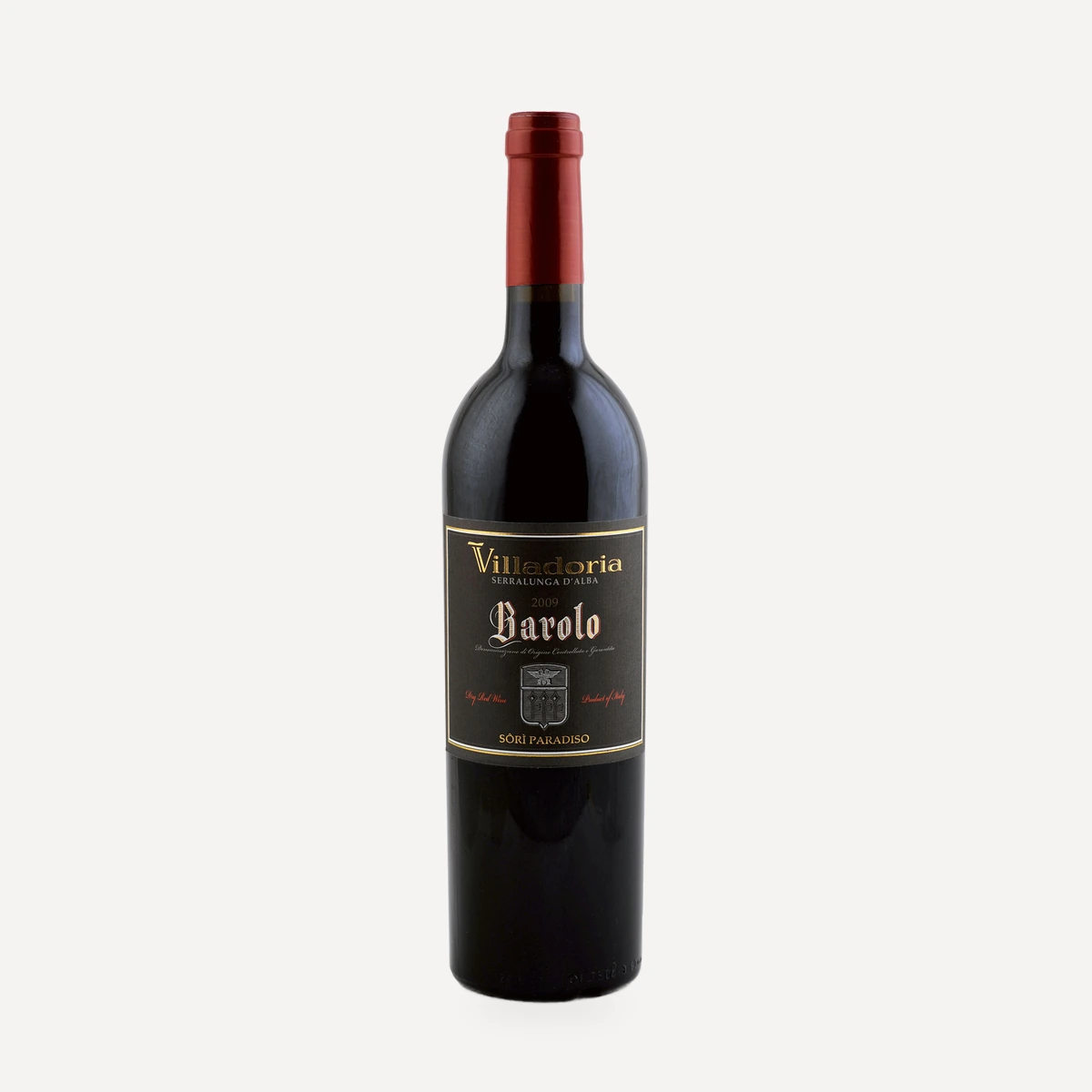
Barolo Sorì Paradiso DOCG
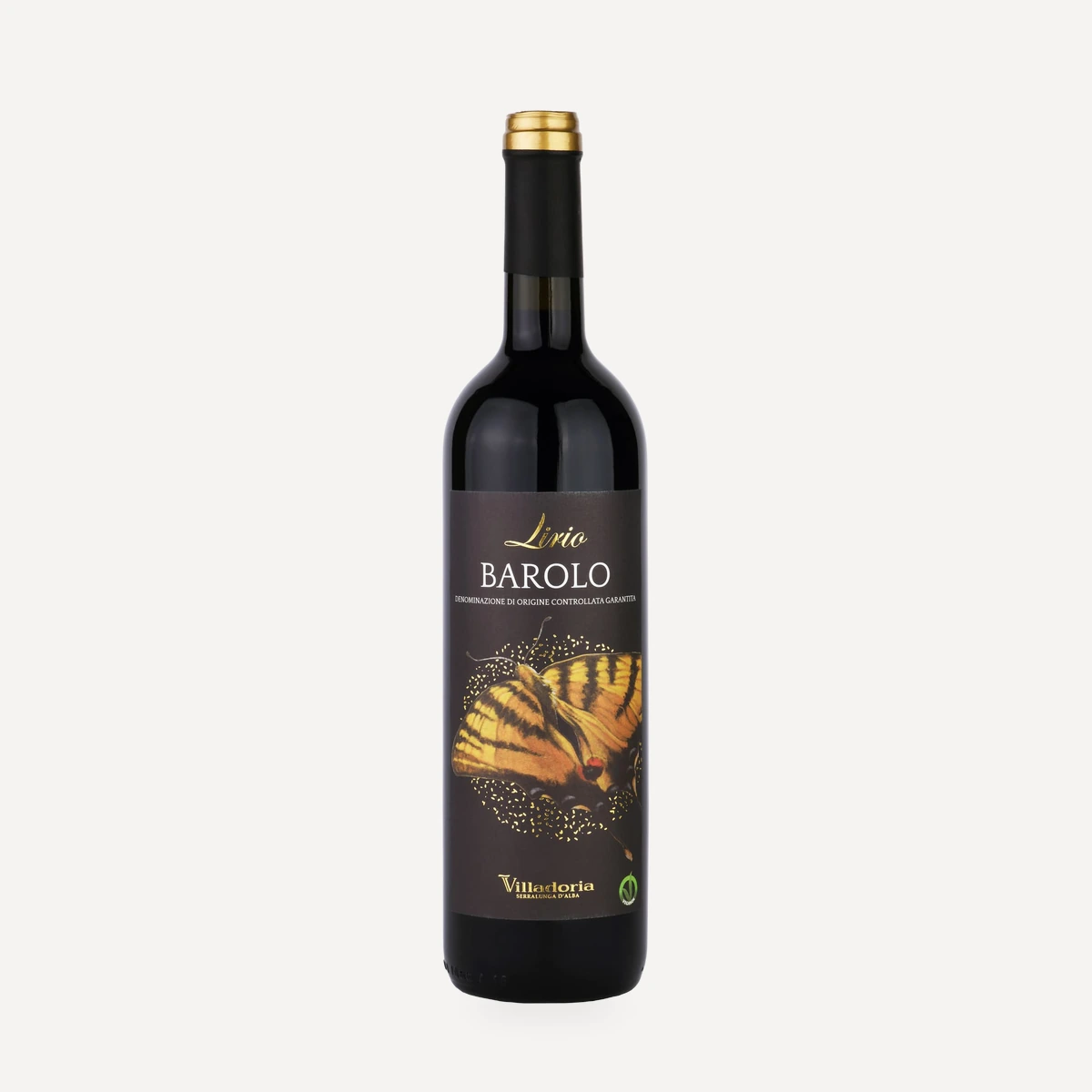
Barolo Lirio DOCG
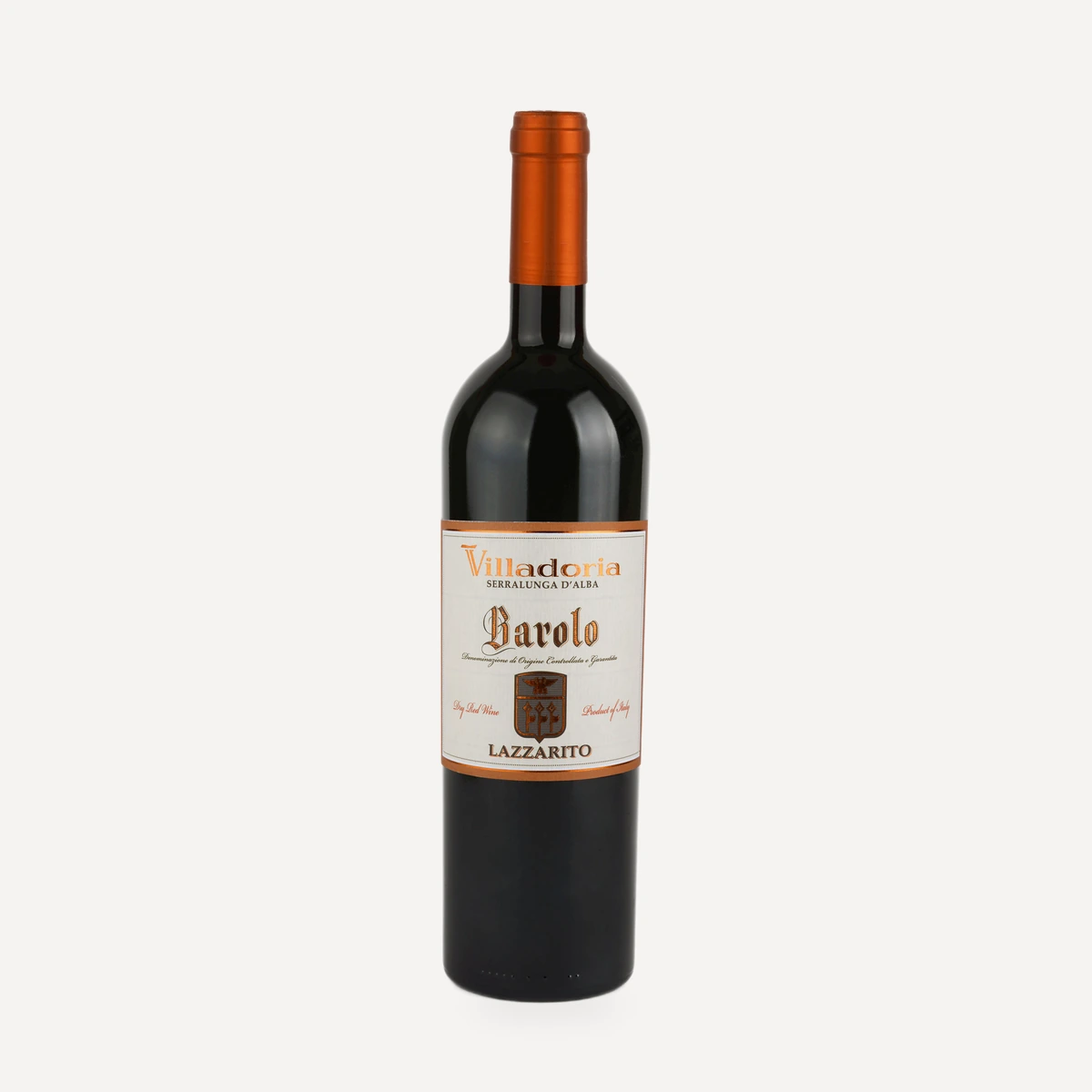
Barolo Lazzarito DOCG