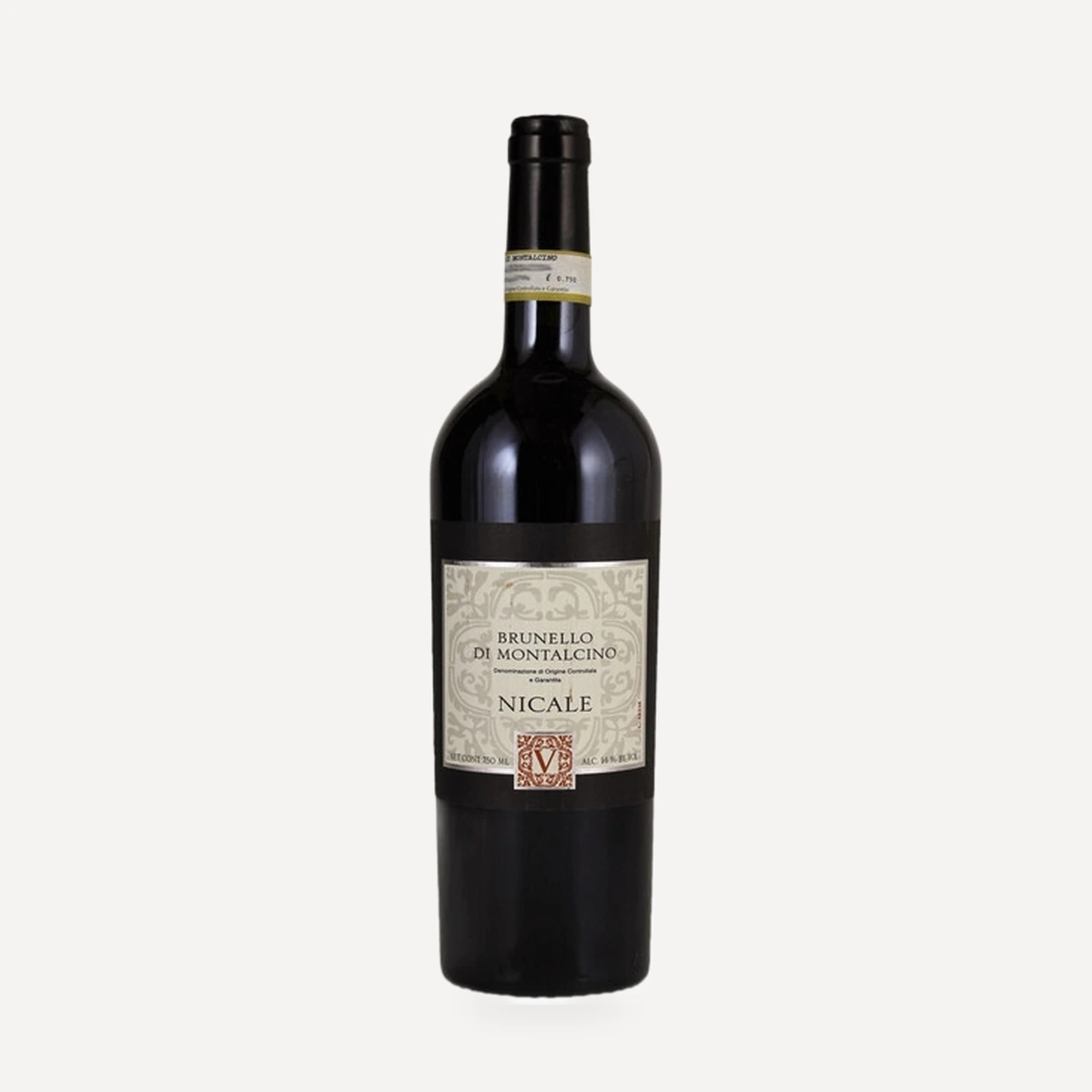
Storia
Beginnings in Greve in Chianti
Viticcio began making wine in 1964 in the hills of Greve in Chianti, between Florence and Siena. The original project was centred on expressing the potential of Chianti Classico. Its first label was Chianti Classico, whose inaugural vintage was produced in 1965.
The estate remained family-run as its vineyards and winemaking activity developed. Over subsequent decades, vineyard holdings expanded and cellar practices were progressively refined. The property grew from approximately 60 hectares to 120 hectares of estate-owned land in the Chianti Classico and Maremma production areas. Its range consequently came to represent Chianti Classico, Maremma and Bolgheri.
Organic and biodynamic development
Eight hectares began to be managed with biodynamic methods in 2003. These practices include deep tillage, sowing selected mixtures of seeds and herbs, preparations 500 and 501, and herbal infusions intended to stimulate the vines’ natural defences.
In 2013, the entire production adopted organic management and the estate began its formal certification process. Full organic certification was achieved in 2017. The environmental programme subsequently expanded to include regenerative soil management, biodiversity protection, vegetated buffer strips, participation in the V.I.V.A. sustainability programme and investment in photovoltaic energy.
A renewed identity
A couple who had first encountered Tuscany as young visitors later took responsibility for continuing Viticcio’s winemaking heritage, regarding the estate as their shared life project. Alona and her husband were identified in 2016 as the two people managing the winery.
In 2016, Viticcio introduced a redesigned visual identity across its labels and digital presence. The new emblem combined an infinity sign with the form of a curling vine tendril—the meaning of the Italian word viticcio. Crossed keys used on certain labels symbolised family, faith and the two people managing the estate.
The hospitality operation also expanded in 2016 with the addition of five apartments to the restored Tuscan farmhouse. The estate continues to combine wine and olive-oil production with accommodation, tours, tastings and food-related hospitality.
Terroir
Viticcio’s holdings lie in two Tuscan winegrowing areas: the inland hills of Chianti Classico and the coastal environment of Maremma. The administrative and winery base is in Greve in Chianti, between Florence and Siena.
In the Greve in Chianti production area, vineyards supplying the historic Chianti Classico label extend from approximately 230 to 400 metres above sea level. Their exposures include south, southwest and north. The soils are clayey, with a substantial presence of Alberese and Colombino stones.
The Maremma vineyards provide a contrasting maritime setting. Vermentino is grown near the sea, and the estate associates the coastal position with the variety’s fresh, savoury and mineral expression.
Viticcio’s environmental approach treats healthy soils, clean air and a balanced ecosystem as the basis of wine quality. Vegetated buffer strips are used to support biodiversity, limit soil erosion and regulate the local microclimate.
Vinificazione
Viticcio manages approximately 60 hectares of vineyards organically within a total estate of 120 hectares. Organic techniques and natural treatments have long formed part of its vineyard work; the entire production adopted organic management in 2013, and the business has held organic certification since 2017. Eight hectares have been managed biodynamically since 2003.
Soil and plant management
The biodynamic programme comprises deep tillage, the sowing of selected seed-and-herb mixtures, preparation 500 made from horn manure, preparation 501 made from horn silica, and plant infusions based on horsetail (Equisetum) and nettle. Copper and sulphur are used to protect vine health.
Soil fertility is encouraged through natural methods, while cultivation is reduced to limit nutrient leaching and preserve microbial biodiversity. Permanent or managed vegetation is preferred to repeatedly cultivated or herbicide-cleared bare soil. Vegetated buffer strips protect adjacent habitats, encourage biodiversity, reduce erosion and help regulate the microclimate.
Winter pruning removes unproductive shoots with precise cuts and prepares the vines for balanced growth without unnecessary stress. During spring, green pruning selects the best shoots, vegetation between the rows is controlled, and organic fertilisation may be applied where required.
Biodiversity and resilience
Organic management is intended to respect the vine’s natural cycles and rely on prevention and natural defences against disease, weeds and climatic stress. Greater diversity of vegetation helps prevent any single weed species from dominating, while biologically active soils are considered more resilient. The approach accepts lower production volumes in pursuit of grape quality.
Harvest selection is rigorous: grapes undergo two selections in the vineyard and another selection by hand on a sorting table after arrival at the cellar. Foglia Tonda and other specifically described estate grapes are harvested and selected manually.
Viticcio combines established Tuscan techniques with modern enological equipment and organic production principles. Vineyard selection continues in the cellar, where harvested grapes pass across a sorting table and are selected entirely by hand.
Grape varieties are vinified separately at controlled temperatures. Red grapes are crushed gently. Transfers and racking are protected from oxygen, and contemporary cellar technology is used to monitor and guide the process.
The estate restricts its winemaking additions beyond the minimum permitted under organic regulations. Potassium metabisulphite is the only specifically identified cellar additive. Wood selection is treated as a critical part of maturation: Viticcio personally selects French-oak barrels and tonneaux for quality and construction. Larger Slavonian-oak vessels also form part of the maturation programme documented for the historic Chianti Classico range.
The historic Chianti Classico process provides a concrete example of the cellar’s red-wine methods: alcoholic fermentation takes place in stainless steel at 26–28°C, followed by approximately 15 days of maceration and malolactic fermentation in stainless steel. Maturation may combine 225- and 300-litre barrels with subsequent ageing in large Slavonian-oak casks.
Filosofia
Viticcio defines wine as an expression of the relationship between people, nature and place. Its stated objective is to interpret Chianti Classico and Maremma through wines that remain classical and elegant while bringing a fresh perspective to their terroirs.
Respect is the central principle connecting tradition, innovation and environmental responsibility. Established winemaking knowledge is retained alongside modern technology, while the land is managed with the intention of leaving it healthy and fertile for future generations. Wine quality is understood to begin with naturally healthy grapes and therefore with careful stewardship of soil and vines.
The estate’s organic and biodynamic philosophy extends beyond regulatory compliance. It involves following the vine’s natural cycles, prioritising prevention, accepting climatic unpredictability and favouring quality over volume. Daniele Innocenti considers this management capable of producing more personal, elegant and terroir-expressive wines while increasing vegetation diversity and soil resilience.
Sustainability is treated as an ongoing process rather than a completed target. It covers agricultural, cellar, bottling, environmental, economic and social practices. Worker rights, equal opportunities, professional growth, stakeholder feedback and the wellbeing of the local community form part of the same policy. Circular-economy principles, reduced waste, renewable energy and long-lived products are presented as complementary aspects of responsible production.
The continuity represented by Viticcio’s infinity emblem expresses a commitment to transmitting Tuscany’s viticultural heritage. The crossed keys reinforce the related values of family, faith and shared responsibility.
Vini
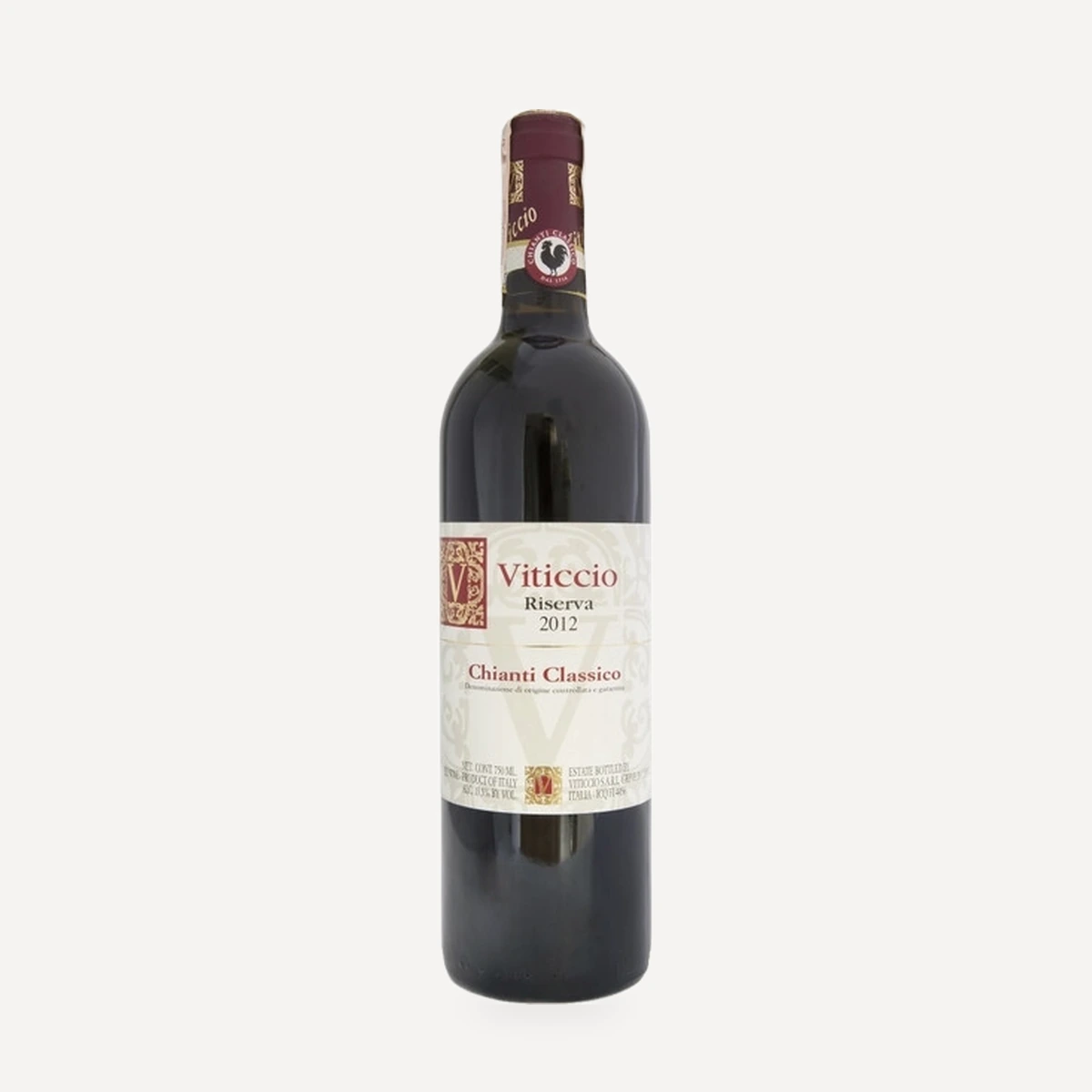
Viticcio Chianti Classico Riserva DOCG
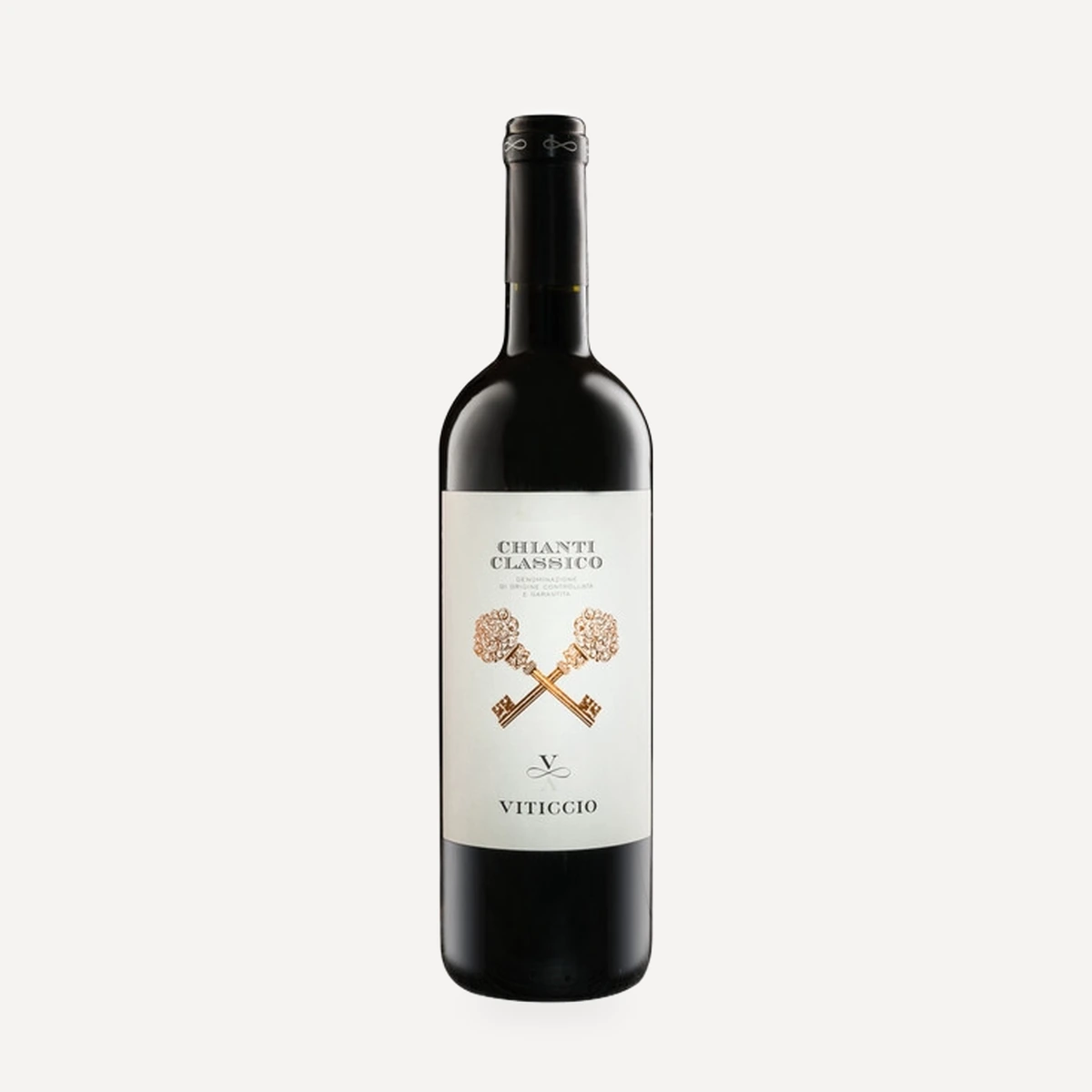
Viticcio Chianti Classico DOCG
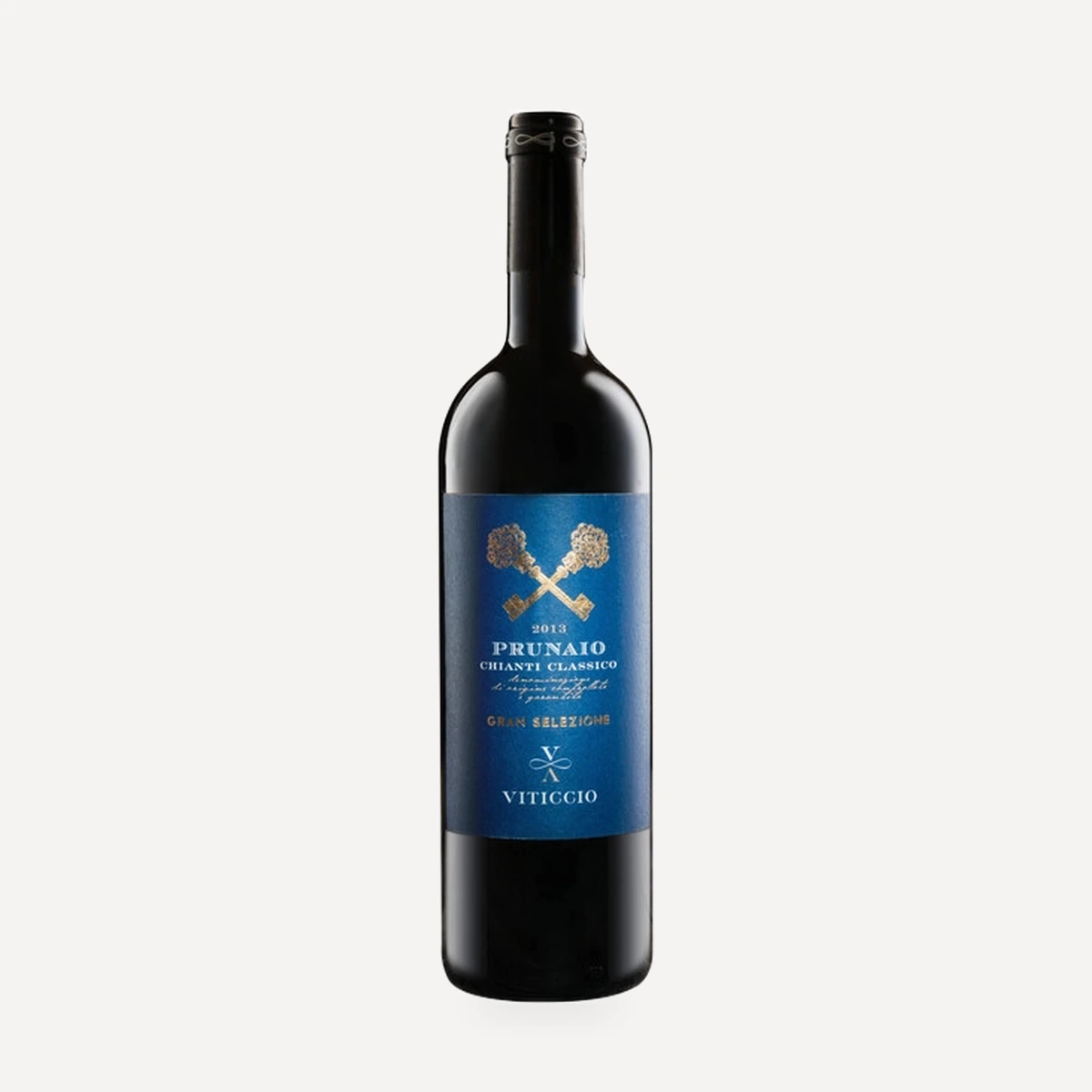
Prunaio Gran Selezione Chianti Classico DOCG
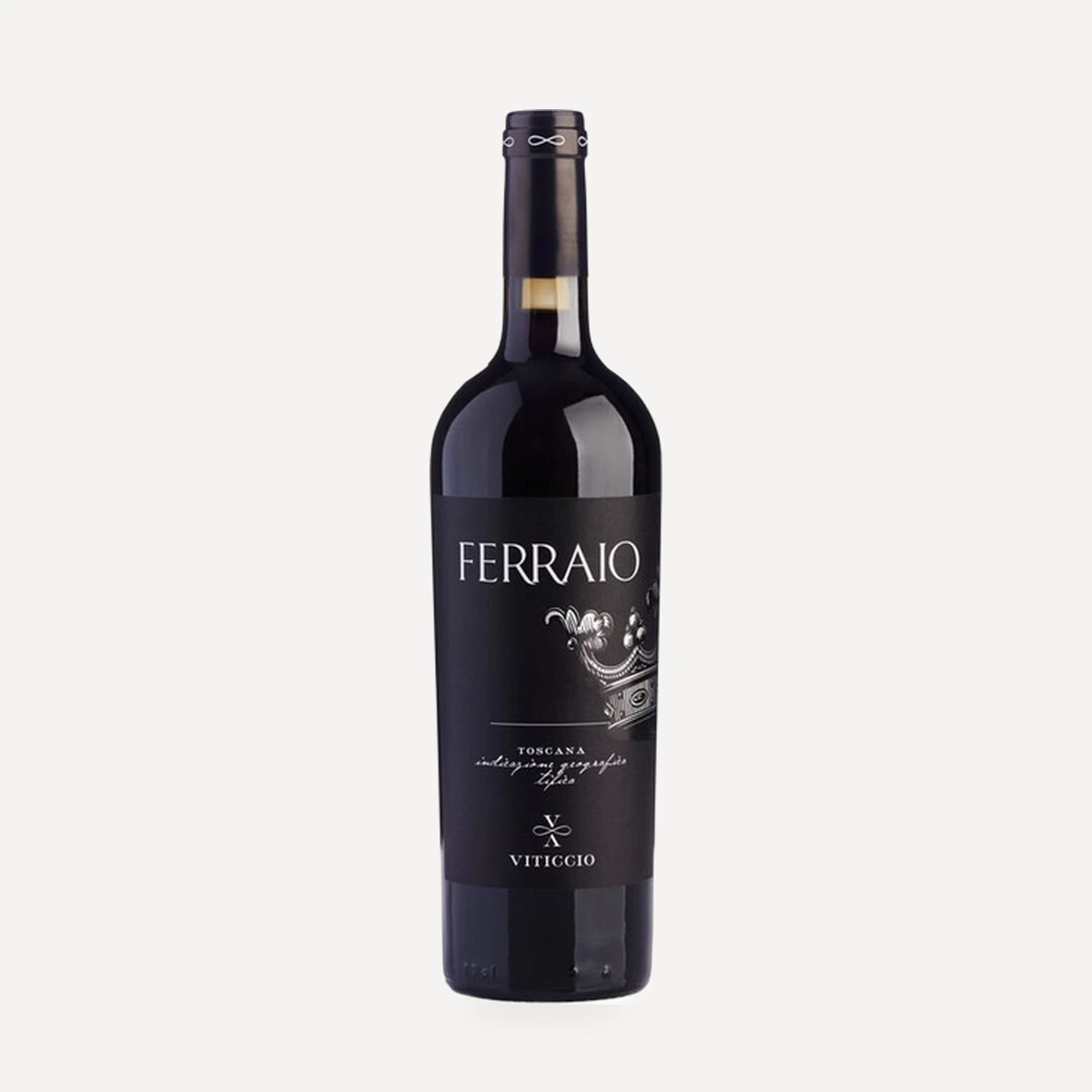
Ferraio Toscana Rosso IGT
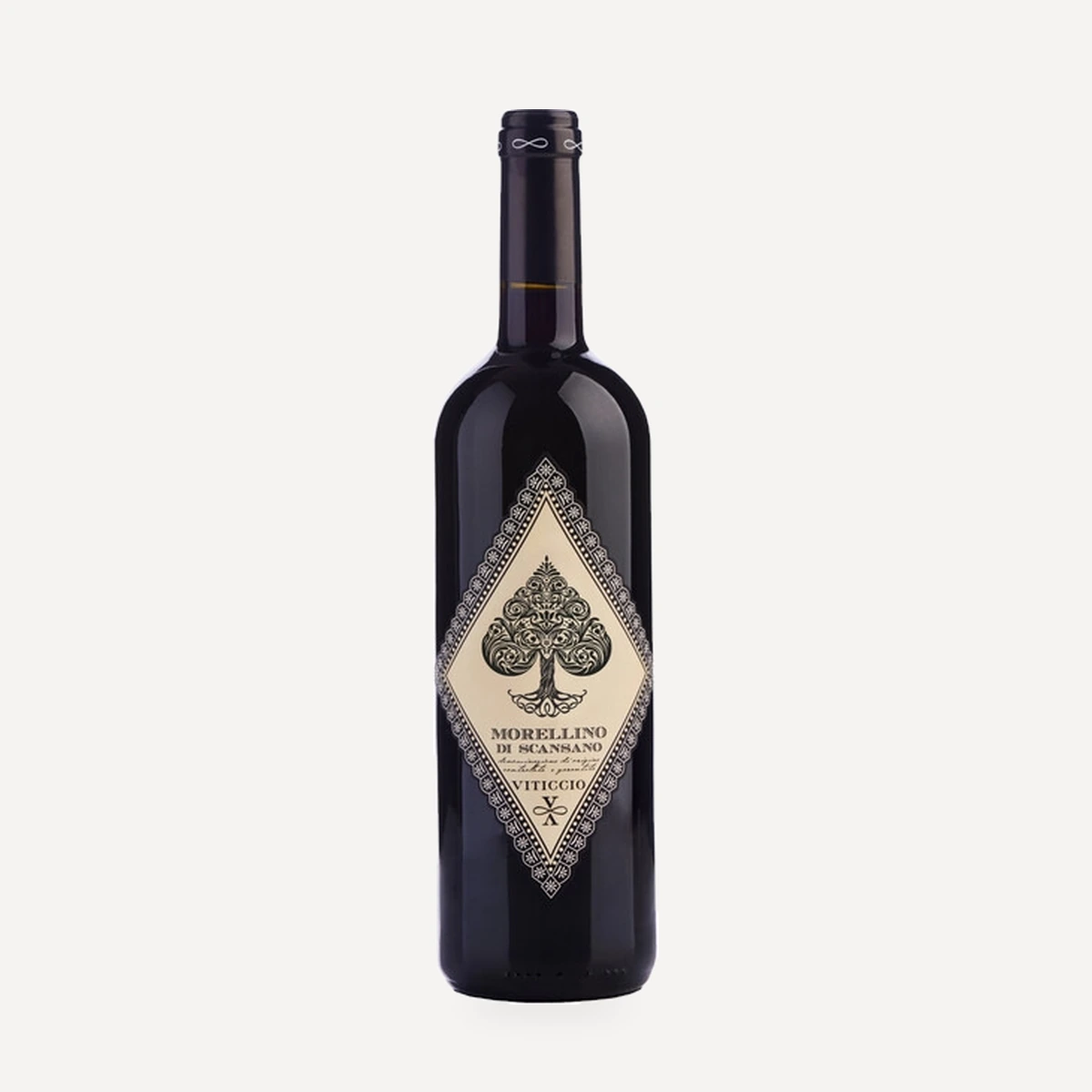
Viticcio Morellino di Scansano DOCG
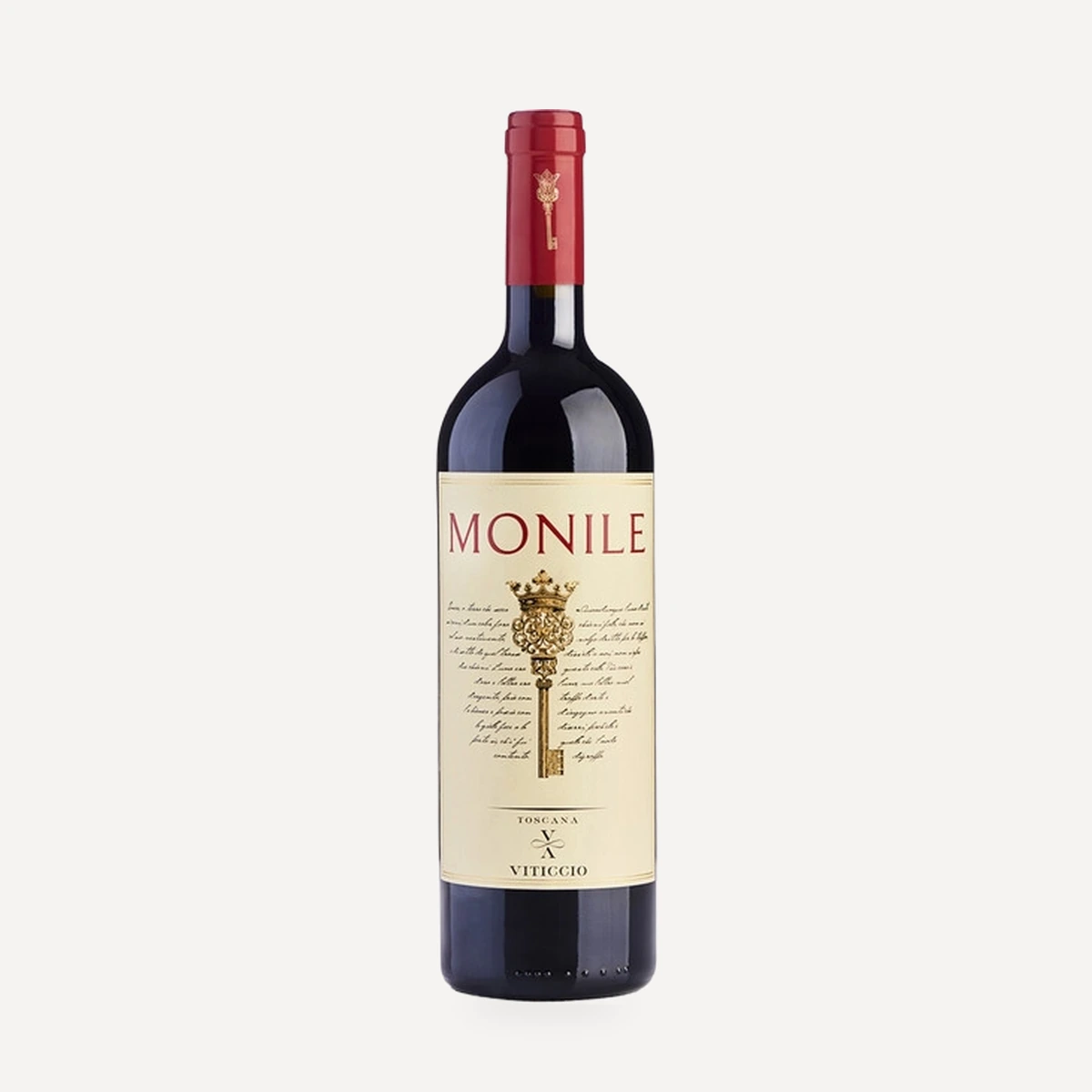
Monile Toscana Rosso IGT
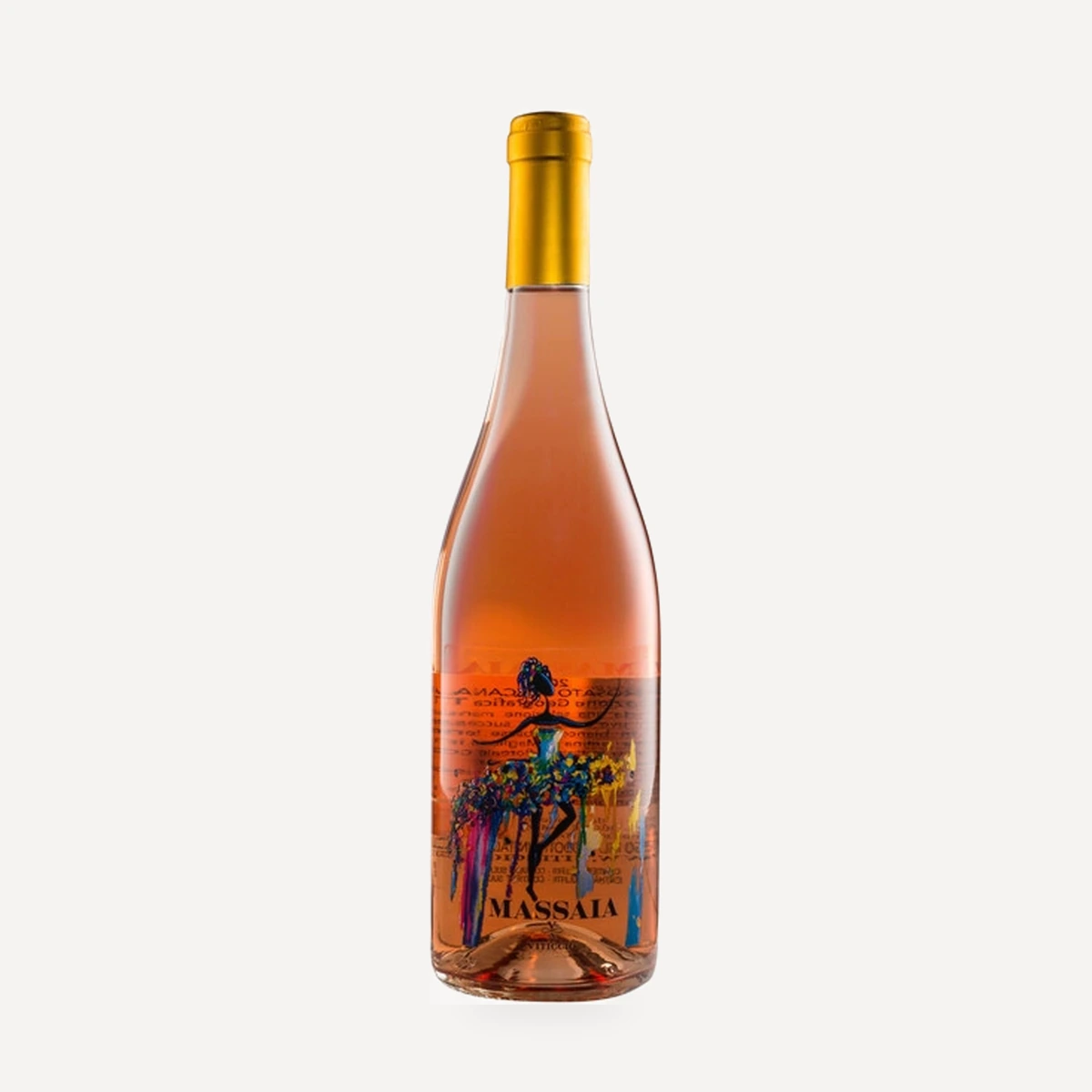
Massaia Rosato Toscana IGT
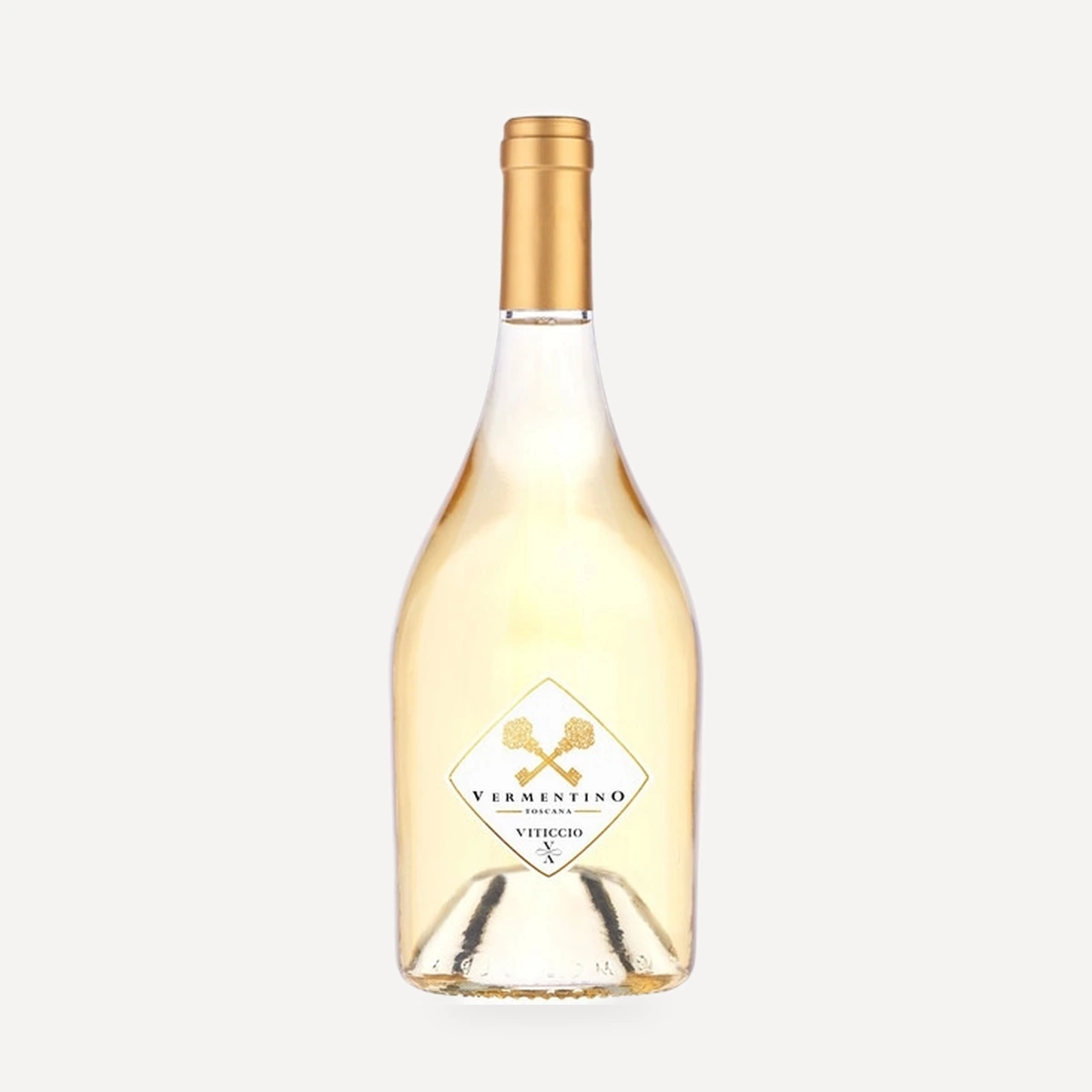
Viticcio Vermentino Toscana IGT
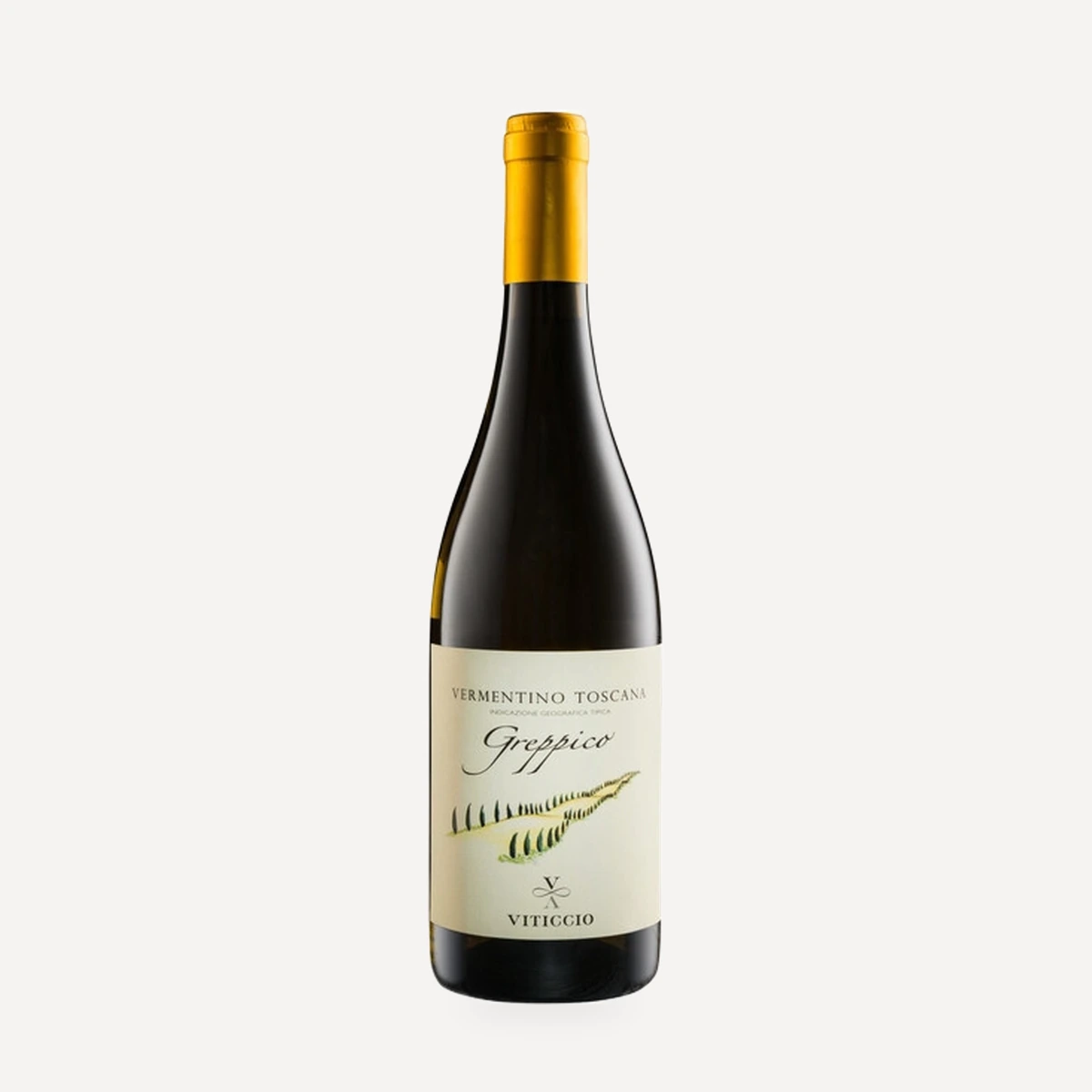
Greppico Vermentino Toscana IGT
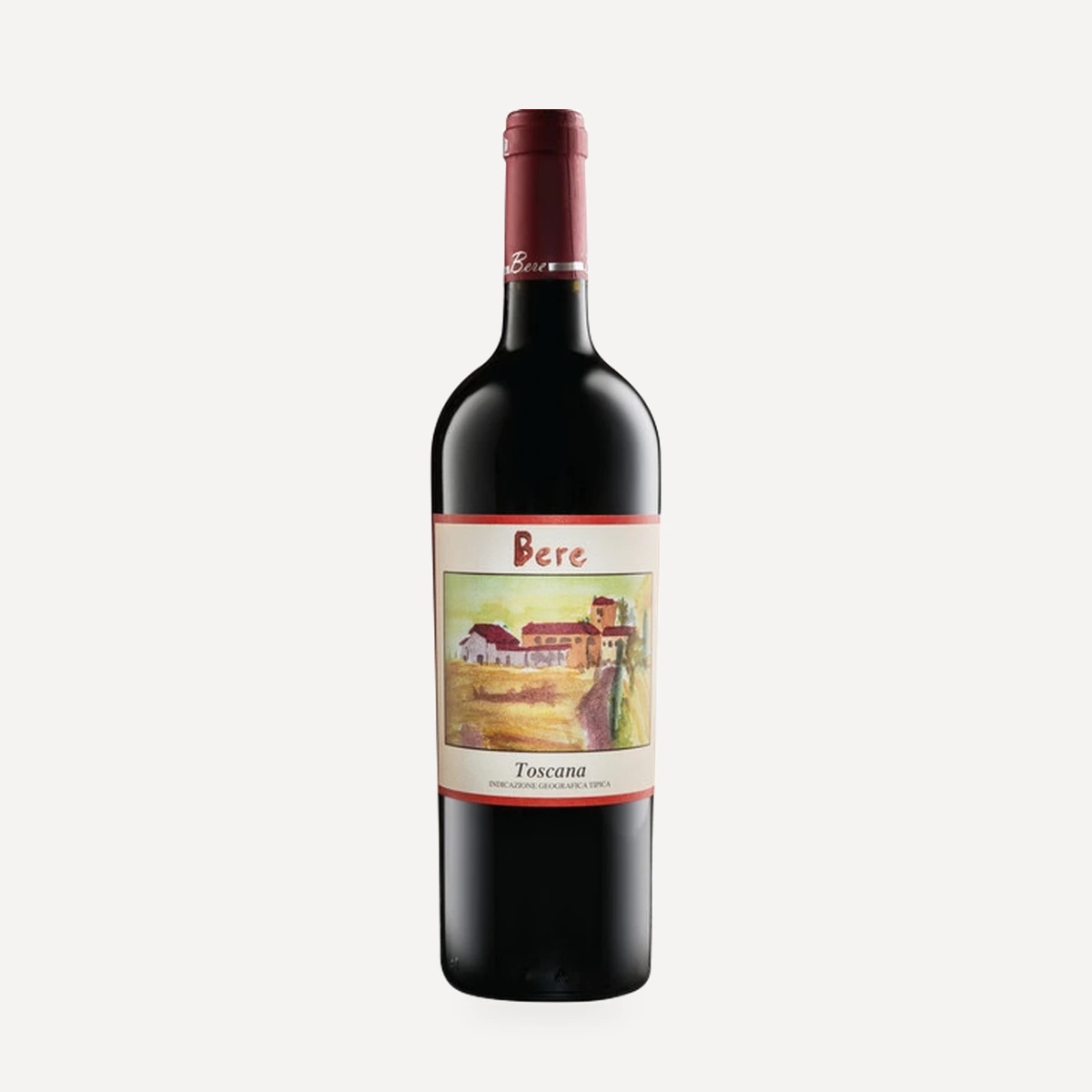
Bere Toscana Rosso IGT