Storia
The historic estate
Dr. Fischer is described as a traditional Mosel winery, although its founding date and earlier chronology are not documented. Its vineyards lie on the Saar side of the Mosel wine region, including holdings in Ockfener Bockstein and Steinberger in Filzen.
2014: acquisition and revival
Martin Foradori Hofstätter’s interest in Riesling led him from Alto Adige to the Saar. In 2014, he acquired Weingut Dr. Fischer and undertook the revival of the historic estate. The transaction also brought selected parcels in the Ockfener Bockstein single vineyard into the family’s holdings. Riesling became the defining variety of the project, cultivated on steep, slate-rich sites in a cool microclimate.
2020: dealcoholized Riesling
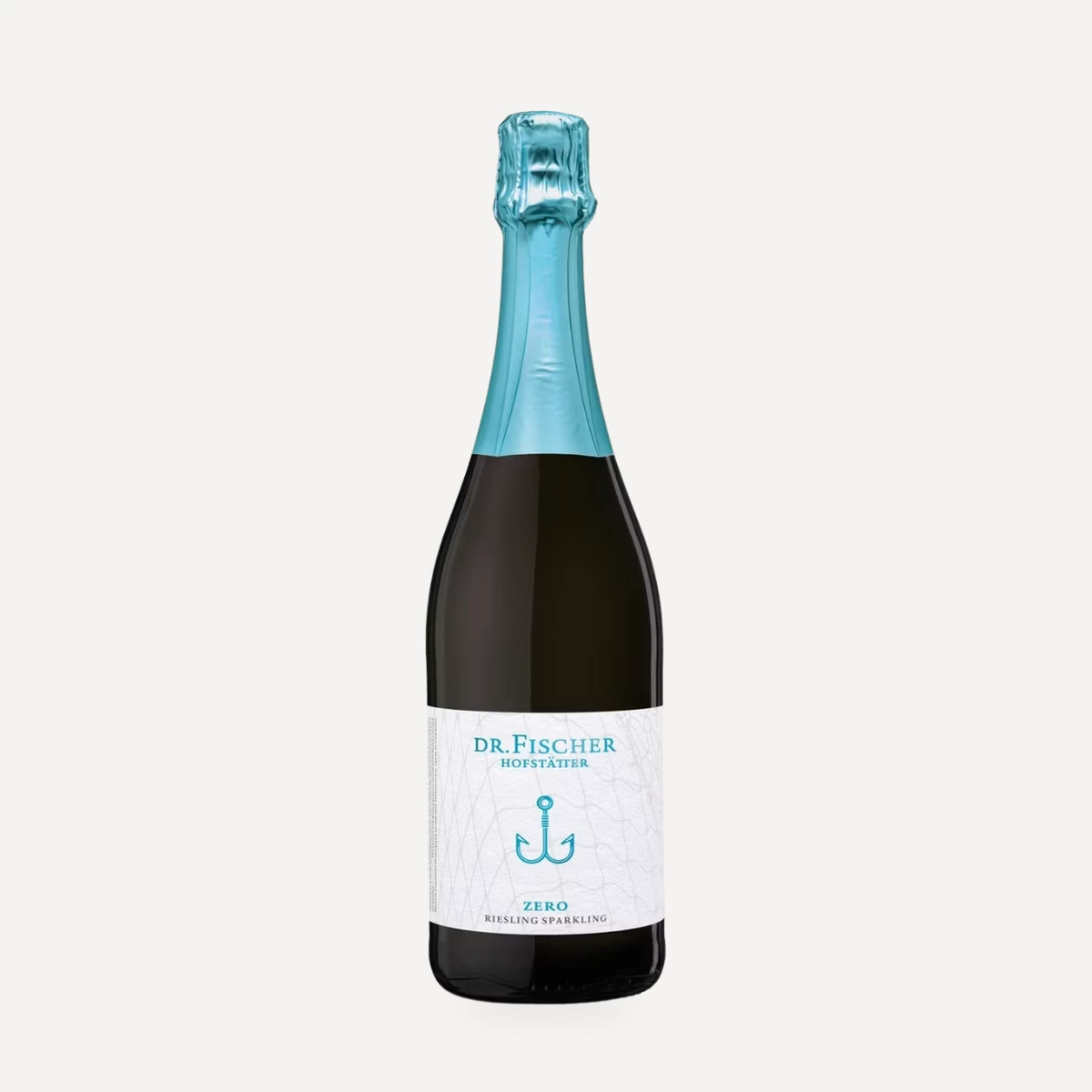
In 2020, Martin Foradori Hofstätter began producing dealcoholized still and sparkling wines. The initiative initially met skepticism within the traditional wine sector but developed into a range founded on Riesling. It encompasses Steinbock Riesling Zero, Steinbock Riesling Zero Sparkling and Dr. Fischer Zero Riesling Sparkling.
2022: geographical expansion
In 2022, Martin Foradori Hofstätter’s German Riesling project expanded beyond the Mosel to Rheinhessen, along the Rhine. No vineyard names or further details of this expansion are given.
Terroir
Weingut Dr. Fischer’s Mosel vineyards occupy steep slopes along the Saar River. The estate works with the Ockfener Bockstein vineyard at Ockfen and the Steinberger vineyard in Filzen.
Ockfener Bockstein has steep slopes facing south and southwest. Its defining geological feature is grey slate. Across the estate’s Mosel sites, slate-rich soils impart a pronounced mineral character.
The cool local microclimate, steep terrain and slate soils create conditions associated with clearly structured, delicately fruity Rieslings. The combination of site, soil and microclimate is treated as the foundation of each vineyard’s identity.
Vinificazione
Riesling is cultivated on steep vineyard slopes in Ockfener Bockstein and Steinberger. Grapes destined for the estate’s dry Riesling are harvested by hand. Individual vineyards are kept distinct in the family’s broader single-site approach so that their respective soil, location and microclimate can be expressed separately.
Dry Riesling
The Riesling grapes are harvested manually and lightly crushed. A short cold maceration precedes gentle pressing in a pneumatic press. The must is clarified through natural sedimentation, after which the clear juice ferments in stainless-steel tanks at a controlled temperature.
Dealcoholized wines
The dealcoholized range starts with Riesling. Alcohol is removed through vacuum distillation at low temperature and without chemical additives. The process is intended to retain the wine’s primary aromas, crisp acidity and mineral character. The range comprises both still and sparkling expressions, including Dr. Fischer Zero Riesling Sparkling.
Filosofia
Dr. Fischer is built around Martin Foradori Hofstätter’s passion for Riesling and the conviction that origin gives a wine its individual identity. The single-vineyard approach calls for sites to be vinified separately so that their soil, position and microclimate remain legible in the resulting wine.
The Mosel project seeks structured, expressive Rieslings that act as representatives of their vineyard origins. At the same time, the development of dealcoholized Riesling reflects a willingness to move beyond conventional categories while attempting to preserve the variety’s primary aromas, acidity and mineral profile.
Vini