Natural wines of Abruzzo
Natural wine has no legal definition, so nobody certifies it in the way organic is certified. What exists is the judgement of the people who work that way: VinNatur vets its members and tests their wines, and the directories that follow natural growers pick out the estates they consider natural. A grower here stands in one of those, which is what the page says — no more.
None of these estates holds a membership of that kind: they are here for the way they farm and describe their work. What natural wine is ↓
All of them work in Abruzzo.
Natural wines in Abruzzo
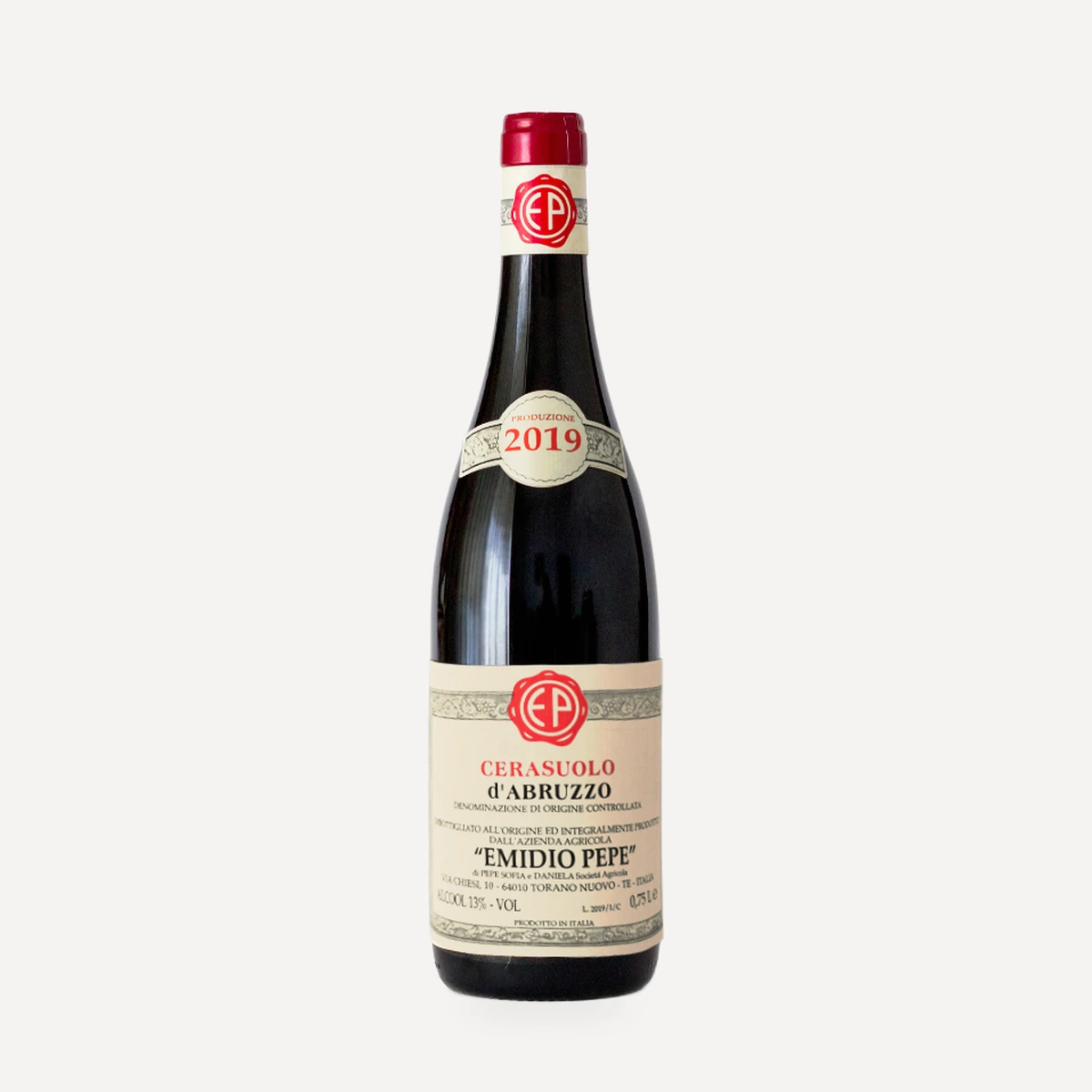
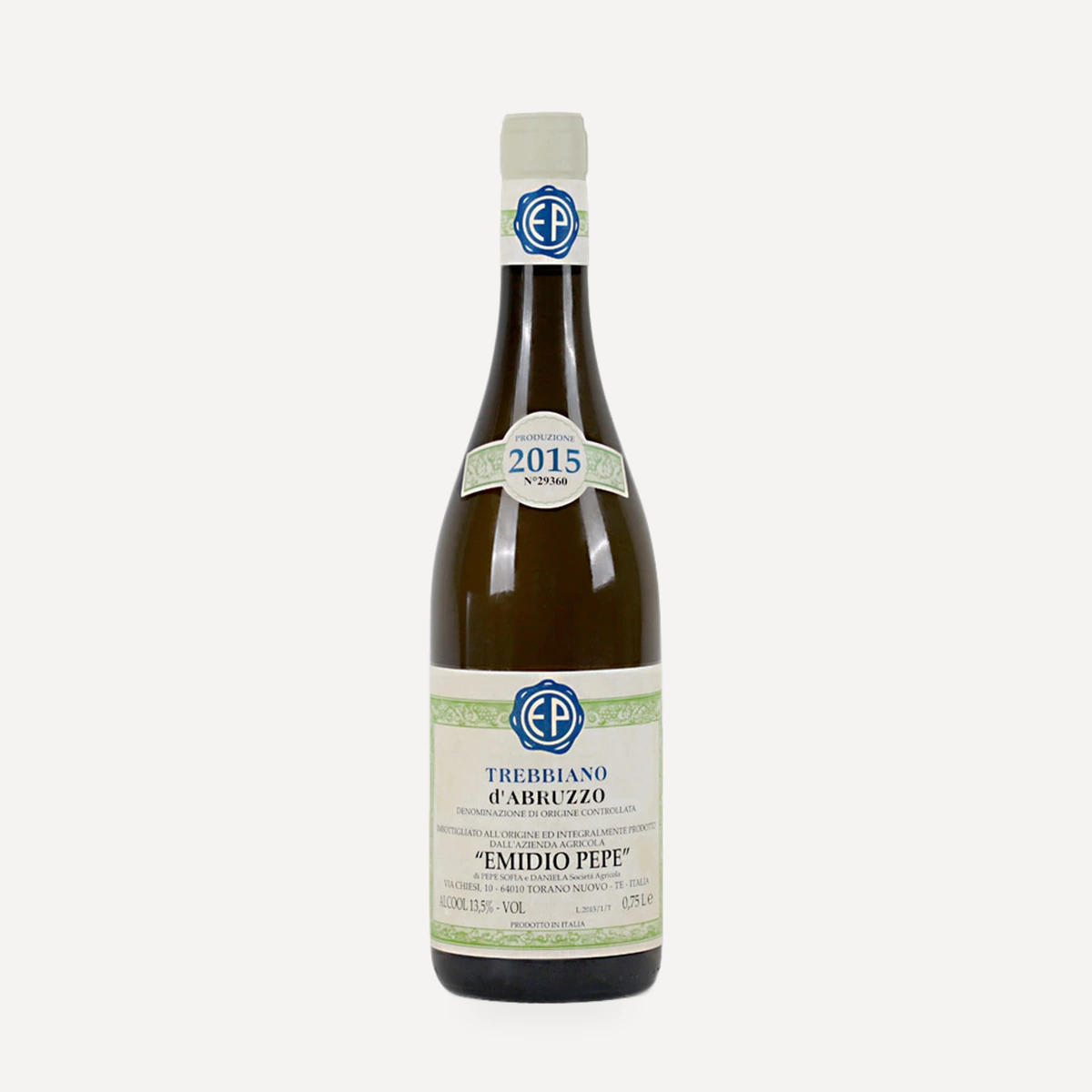
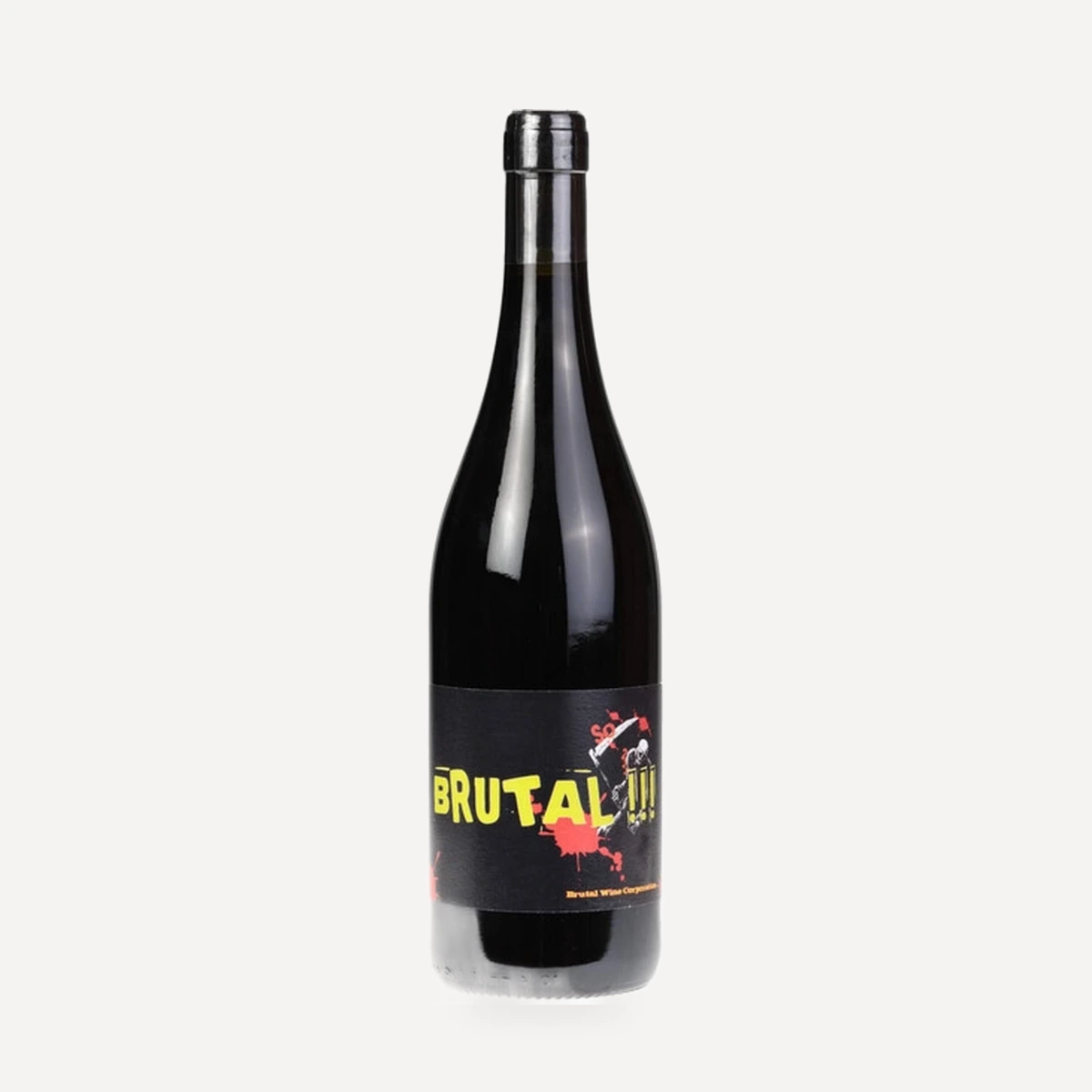
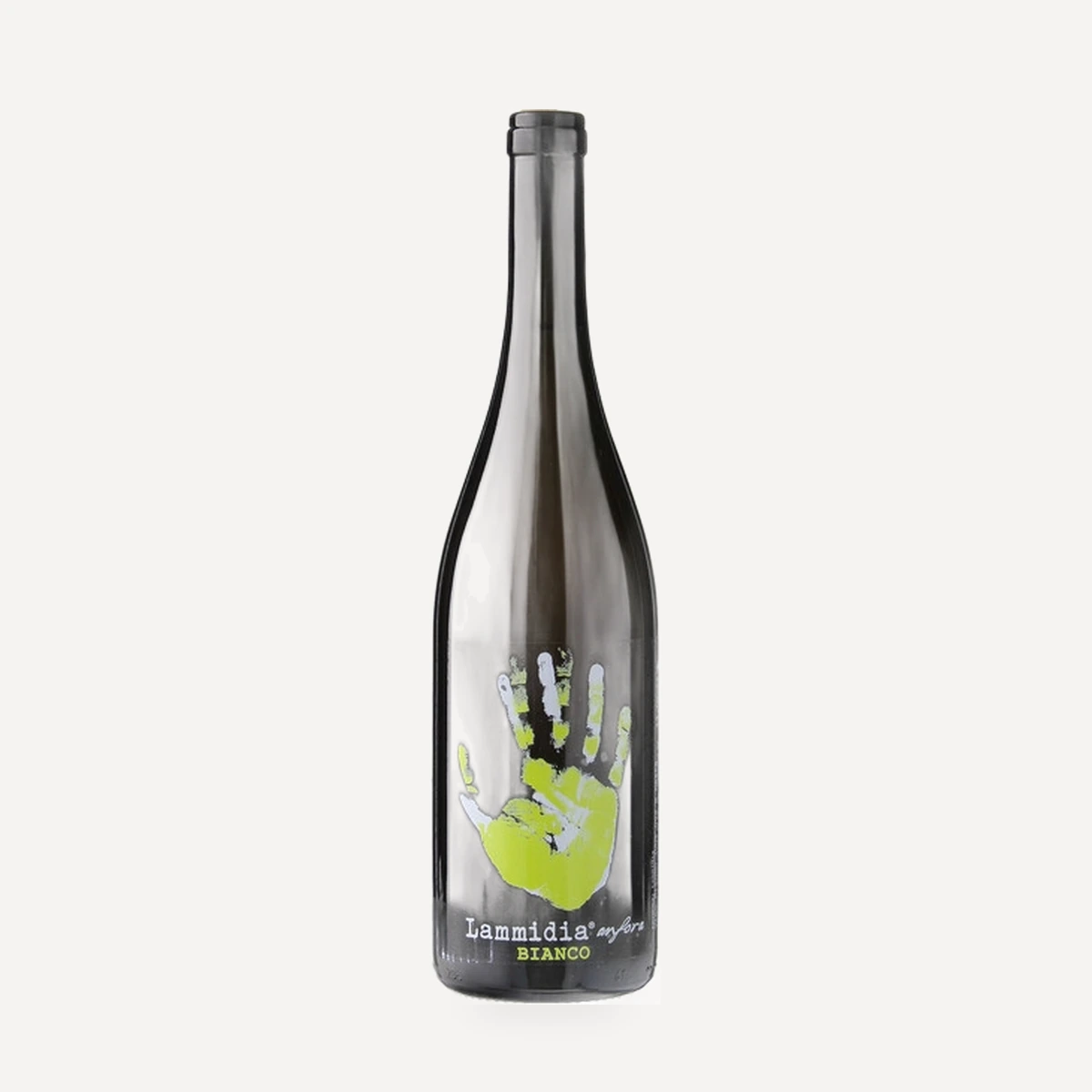
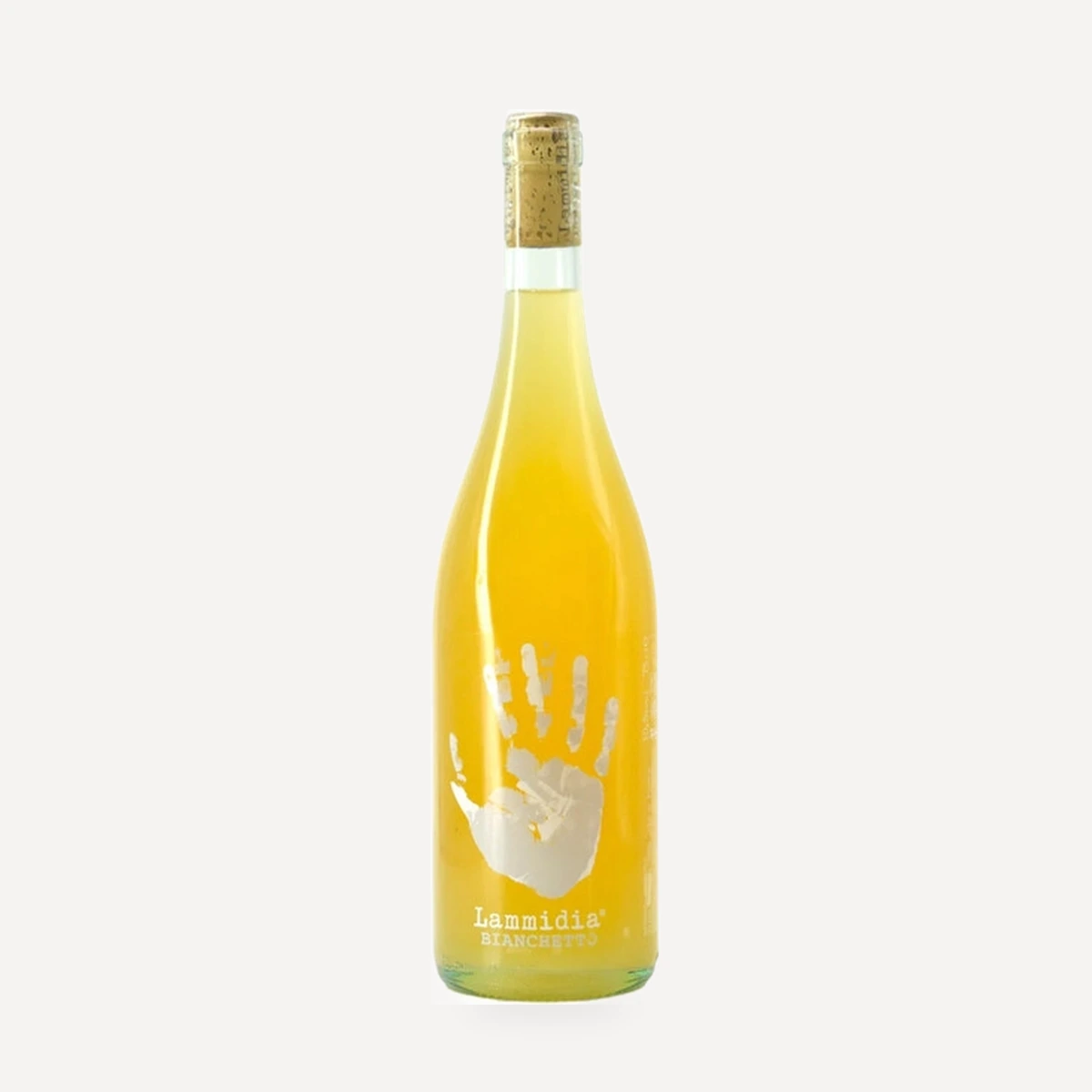
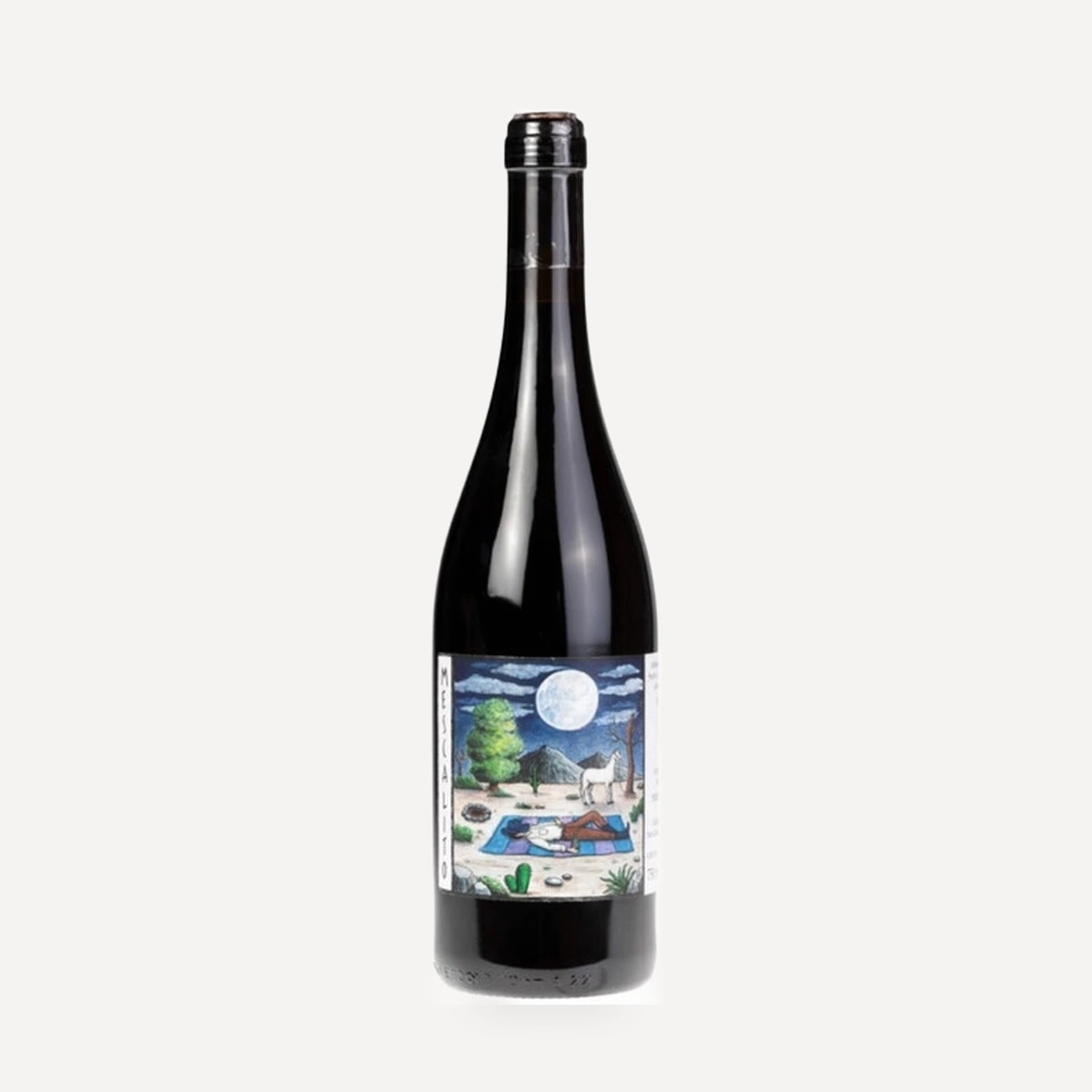
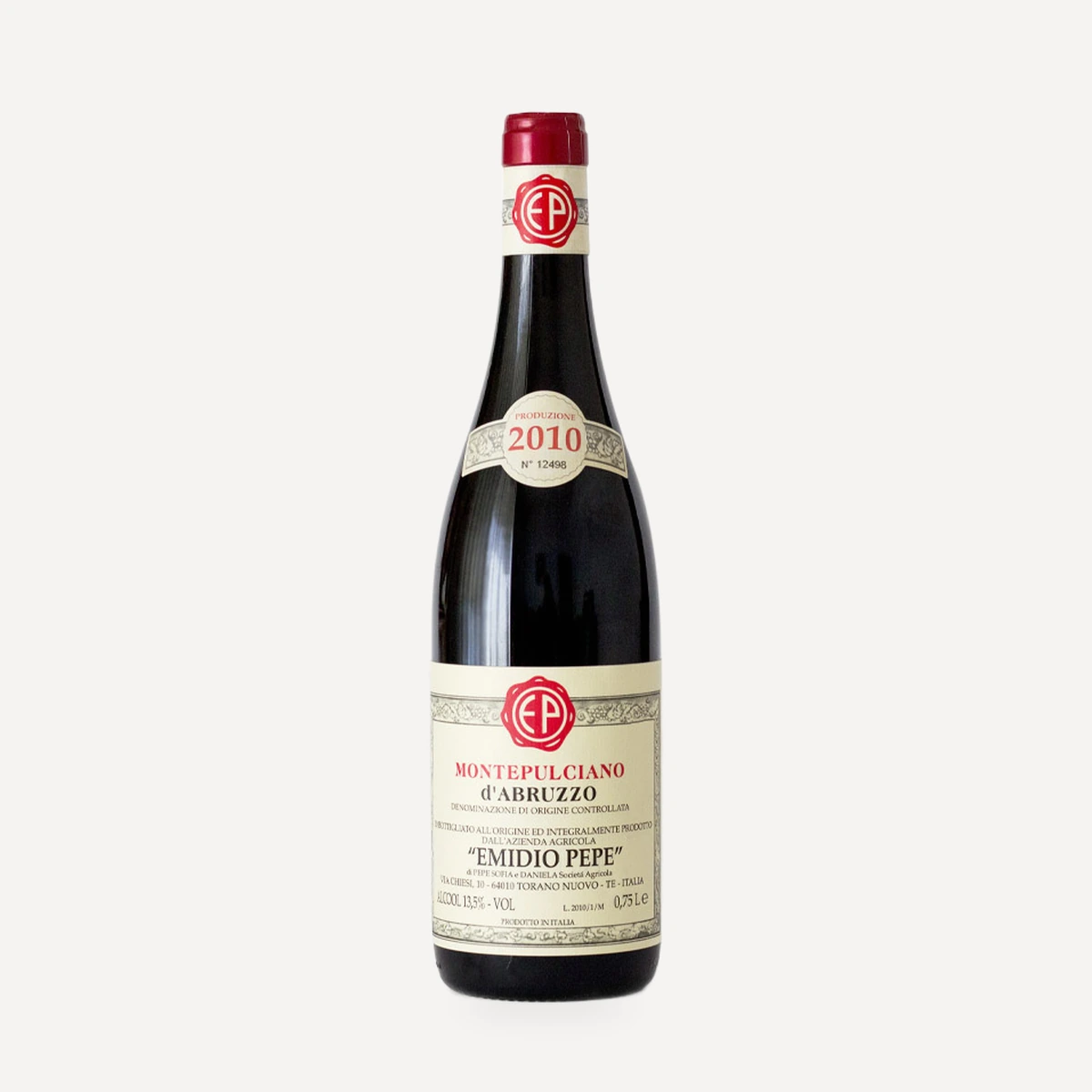
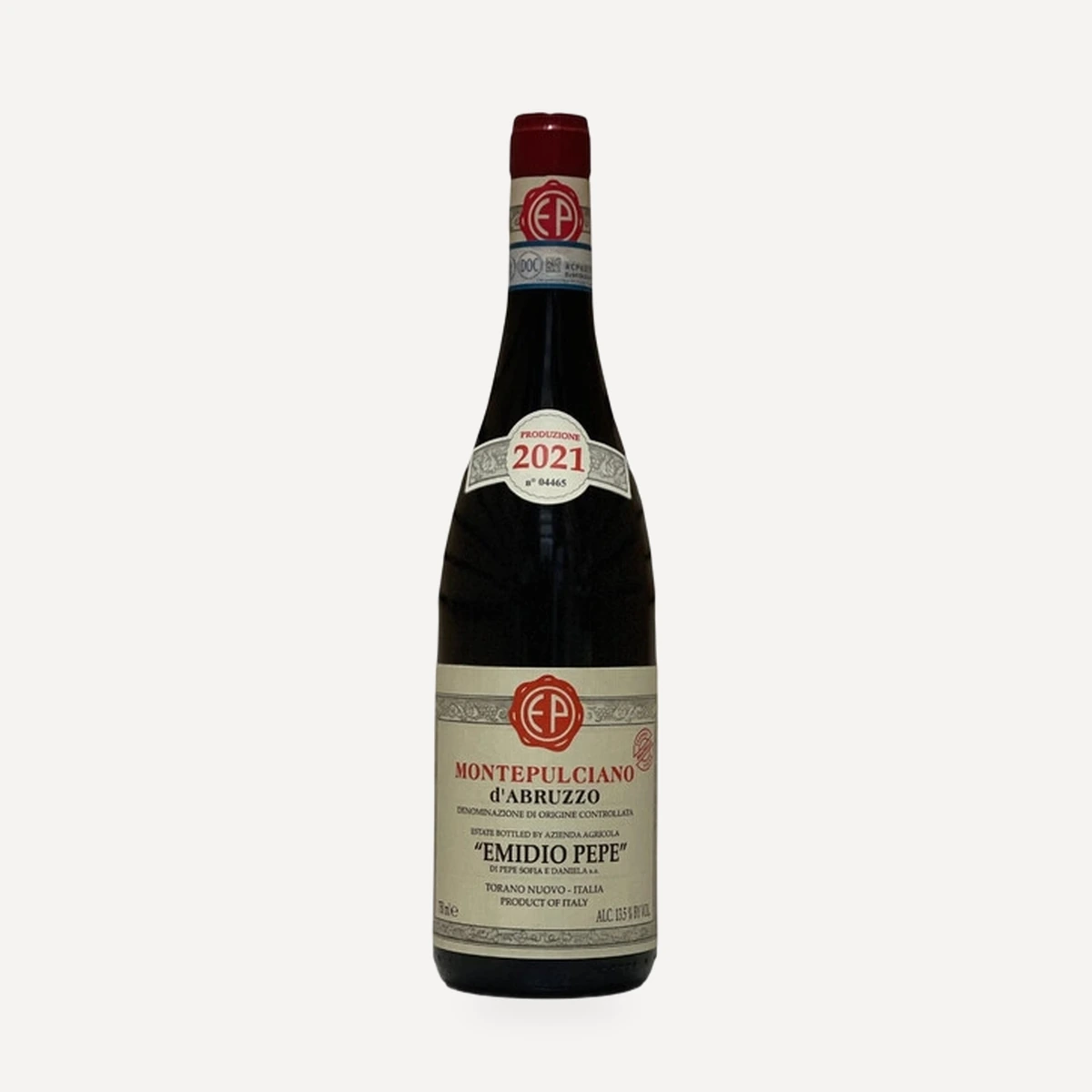
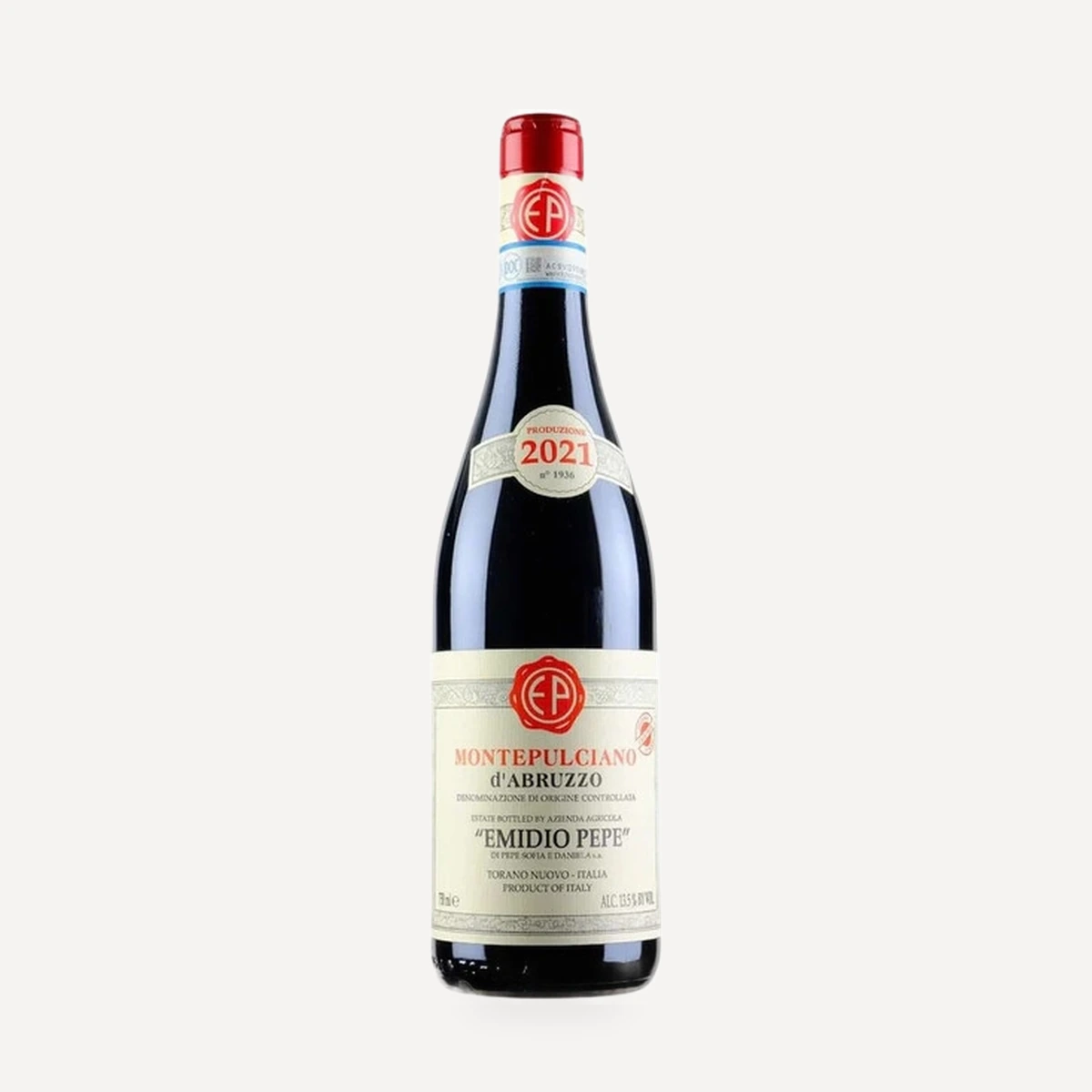
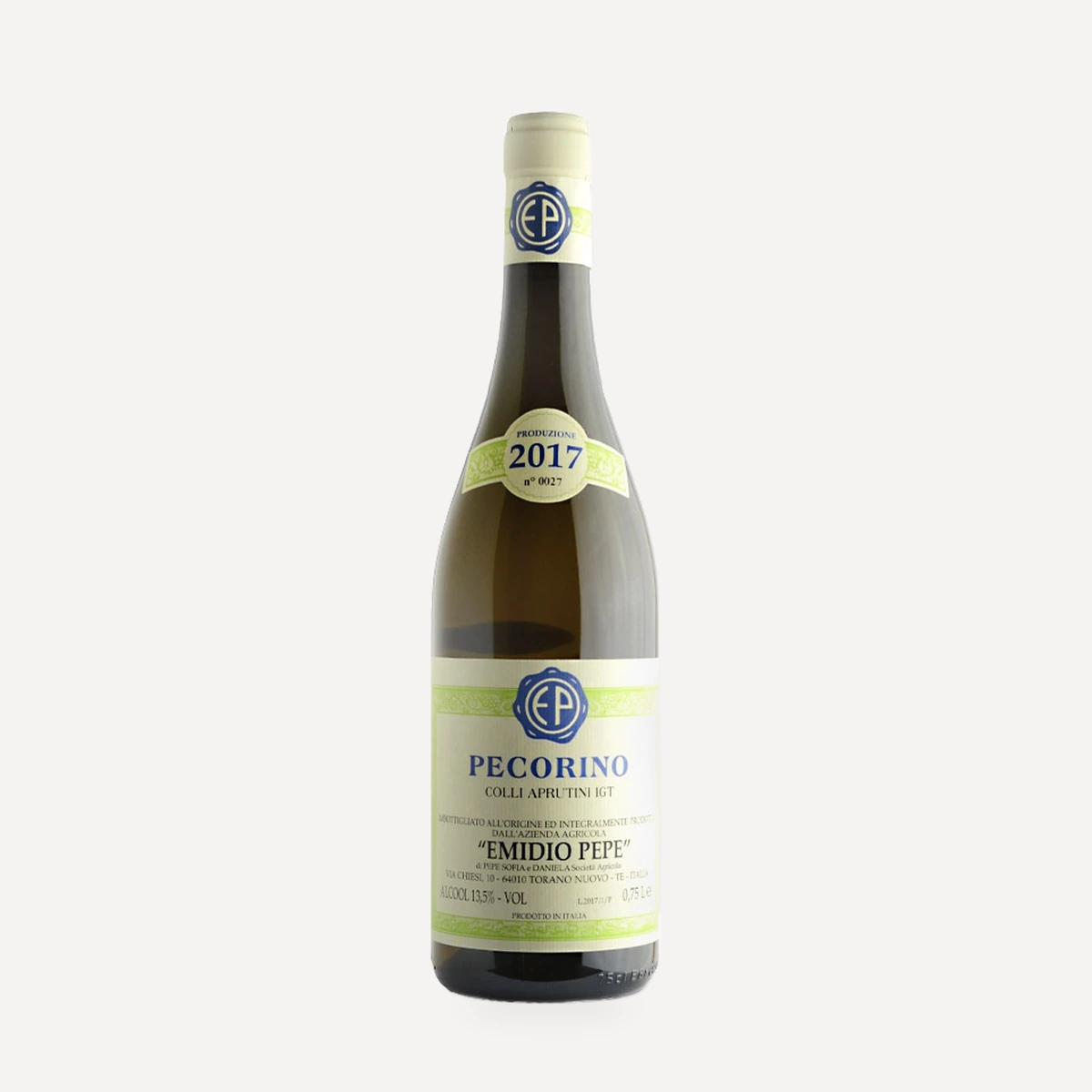
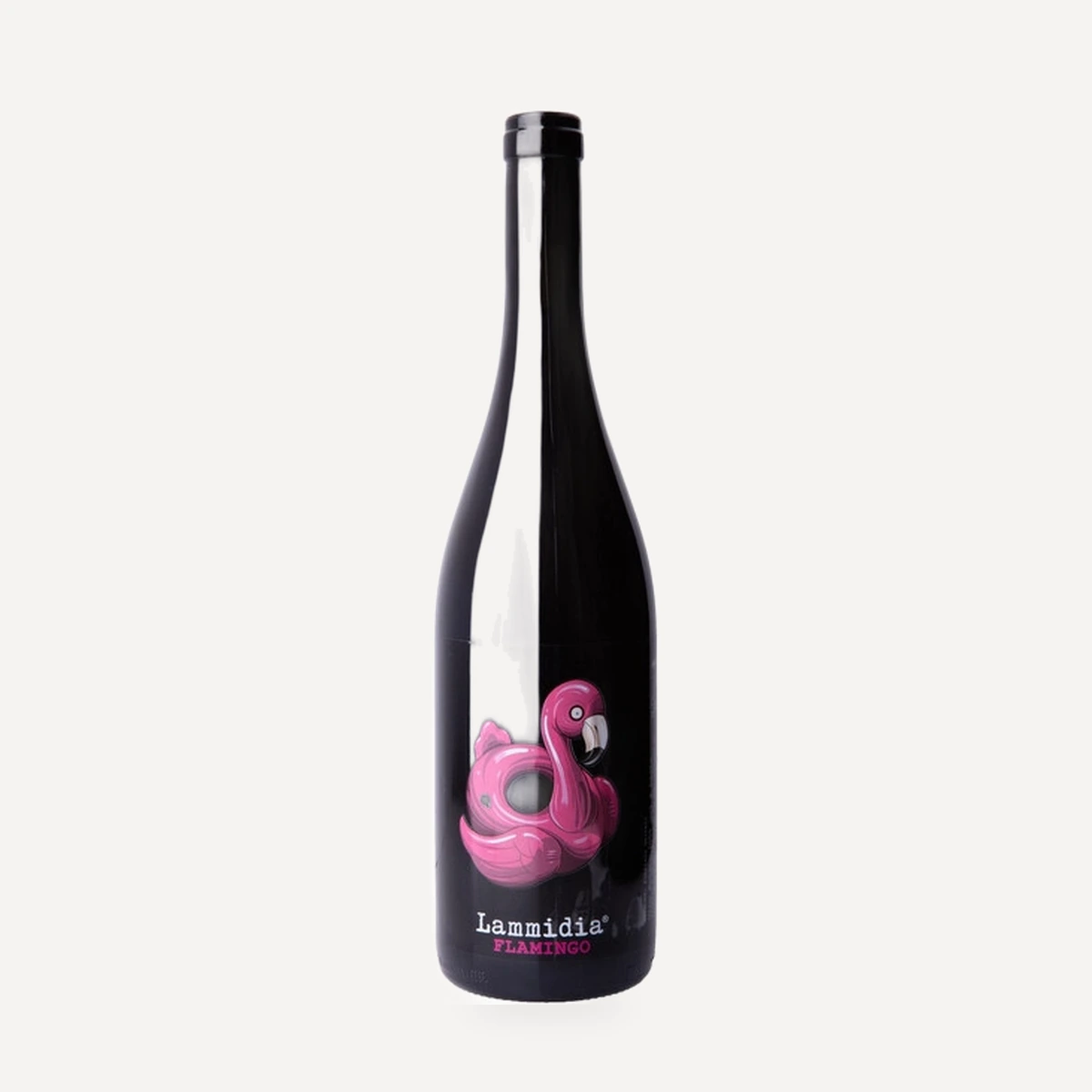
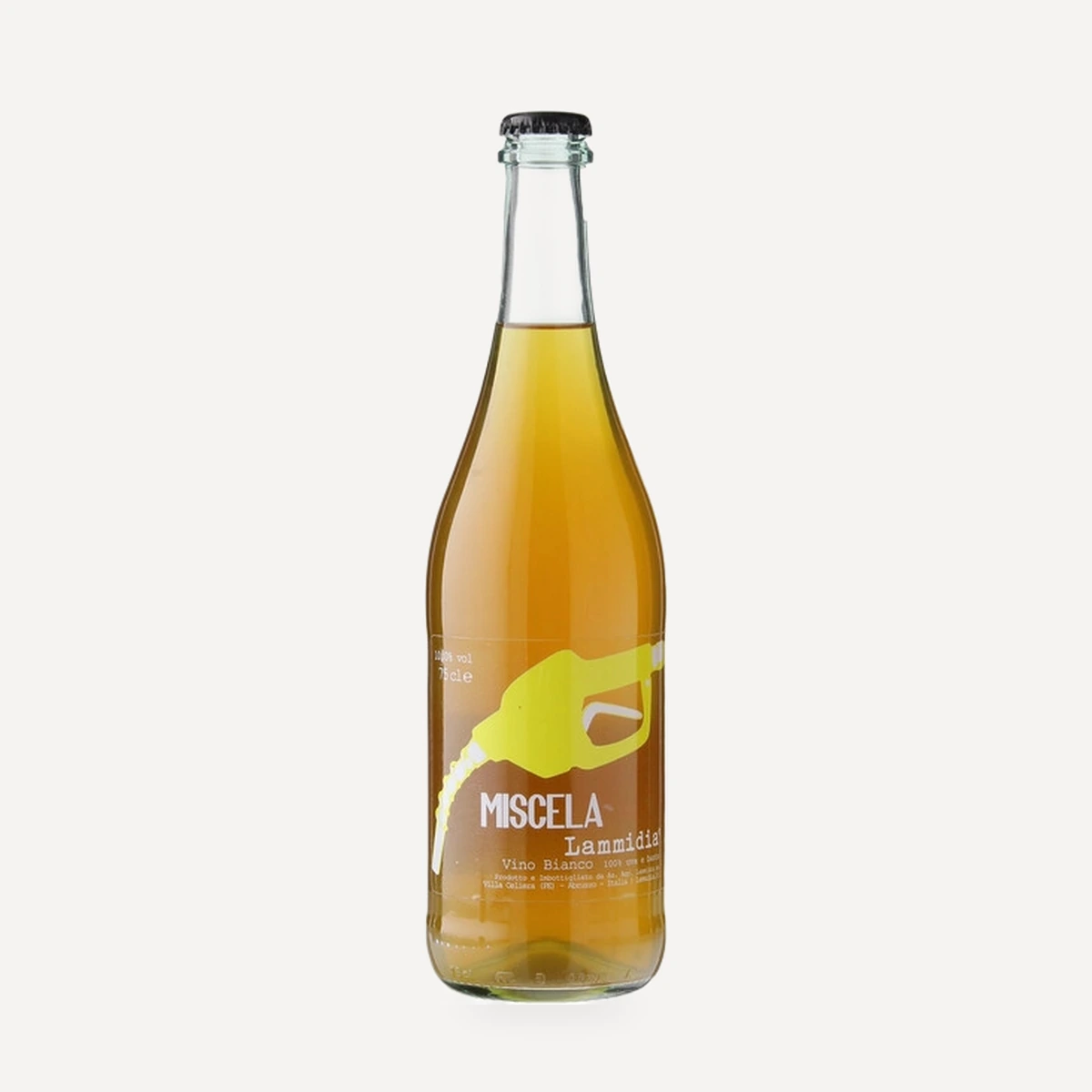
Natural wineries in Abruzzo
What natural wine is
No law defines it. What growers mean by natural wine is fruit farmed without synthetic fertiliser, herbicide or systemic spray, picked by hand, fermented by the yeasts that arrive on the skins, and bottled with as little done to it as possible. The difference from a conventional wine is mostly a list of things that were not done: no selected yeasts, no enzymes, no added tannin, no acid correction, no concentration by reverse osmosis, no colour, no sweetening, little or no fining and filtering. European rules permit dozens of oenological products and treatments; a natural cellar is defined by turning nearly all of them down.
Sulphur dioxide is where the line is usually drawn, because it is the one additive almost everybody keeps — it stops a wine oxidising and refermenting. EU law allows a dry red up to 150 mg per litre of total sulphur dioxide and a dry white up to 200; the organic rules take 50 off each. VinNatur, whose members are inspected against its own charter, allows 30 mg in a red and 50 in a white, rosé, sparkling or sweet wine, and permits no other additive at all. Plenty of growers add none. That is also why these bottles are less forgiving of a warm shop shelf than a conventional wine, and why they are worth keeping cool.
In the vineyard the work is organic in substance whether or not a certificate says so: compost and cover crops in place of soluble fertiliser, copper and sulphur against mildew instead of systemic fungicides, and the vineyard floor worked rather than sprayed. The VinNatur charter, for instance, caps copper at 3 kg per hectare a year — stricter than the organic rules — and bans herbicides outright.
How the estates here were chosen is the honest part. Natural wine has no certificate to check, and most growers who work this way hold none: a few associations vouch for their members, and VinNatur has its members inspected by bodies recognised by the Italian agriculture ministry, but they are the minority. Everyone else is here on the strength of what the estate itself stands for — the philosophy it publishes, the way it describes its farming and its cellar, the company it keeps in the directories that follow natural wine. That is a judgement about intent, not a laboratory result. Beyond the few estates that are inspected, what stands behind the bottle is the grower's own honesty.