History
Family roots and early documentation
The history of Antichi Vigneti di Cantalupo is rooted in the Arlunno family's long presence in Ghemme. The family has lived in the town since the Renaissance, while the earliest written documentation of its winegrowing activity dates from the opening years of the seventeenth century.
On 30 January 1800, during the Napoleonic period, the family acquired a vineyard that has remained continuously under cultivation ever since. It is now incorporated into Cantalupo's 35 hectares of vines.
Renewal after the Ghemme denomination
The creation of the Ghemme DOC in 1969 prompted a new phase in the family's centuries-old winegrowing activity. The Arlunno family enlarged its vineyard holdings, replanted old vineyards and built a new winery.
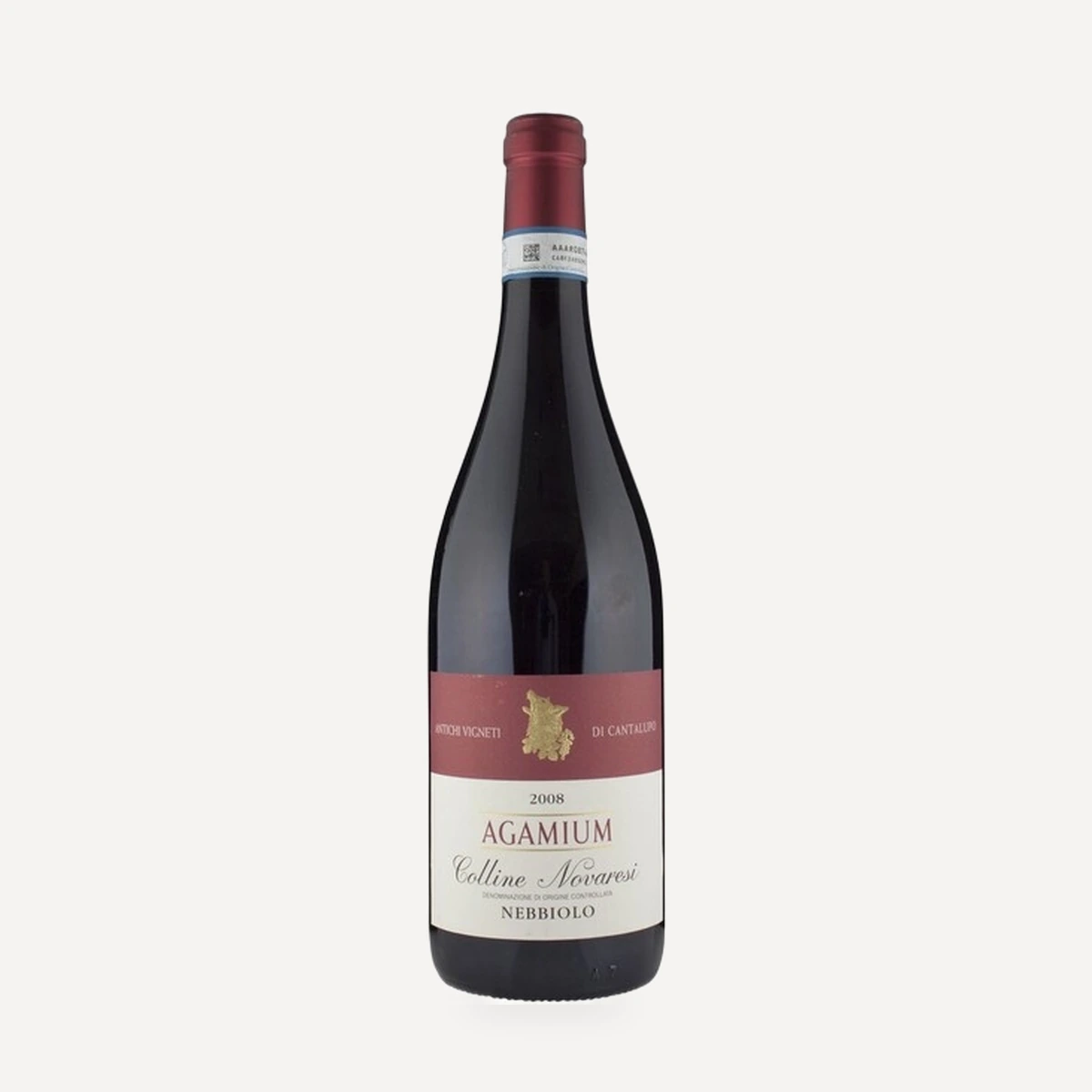
The estate's first wine was a Ghemme produced in 1974. In 1976 the range expanded with Agamium, conceived when Ghemme was still the sole wine in production. On 3 May 1977 the Arlunno agricultural enterprise formally became Antichi Vigneti di Cantalupo.
Development of the range and individual sites
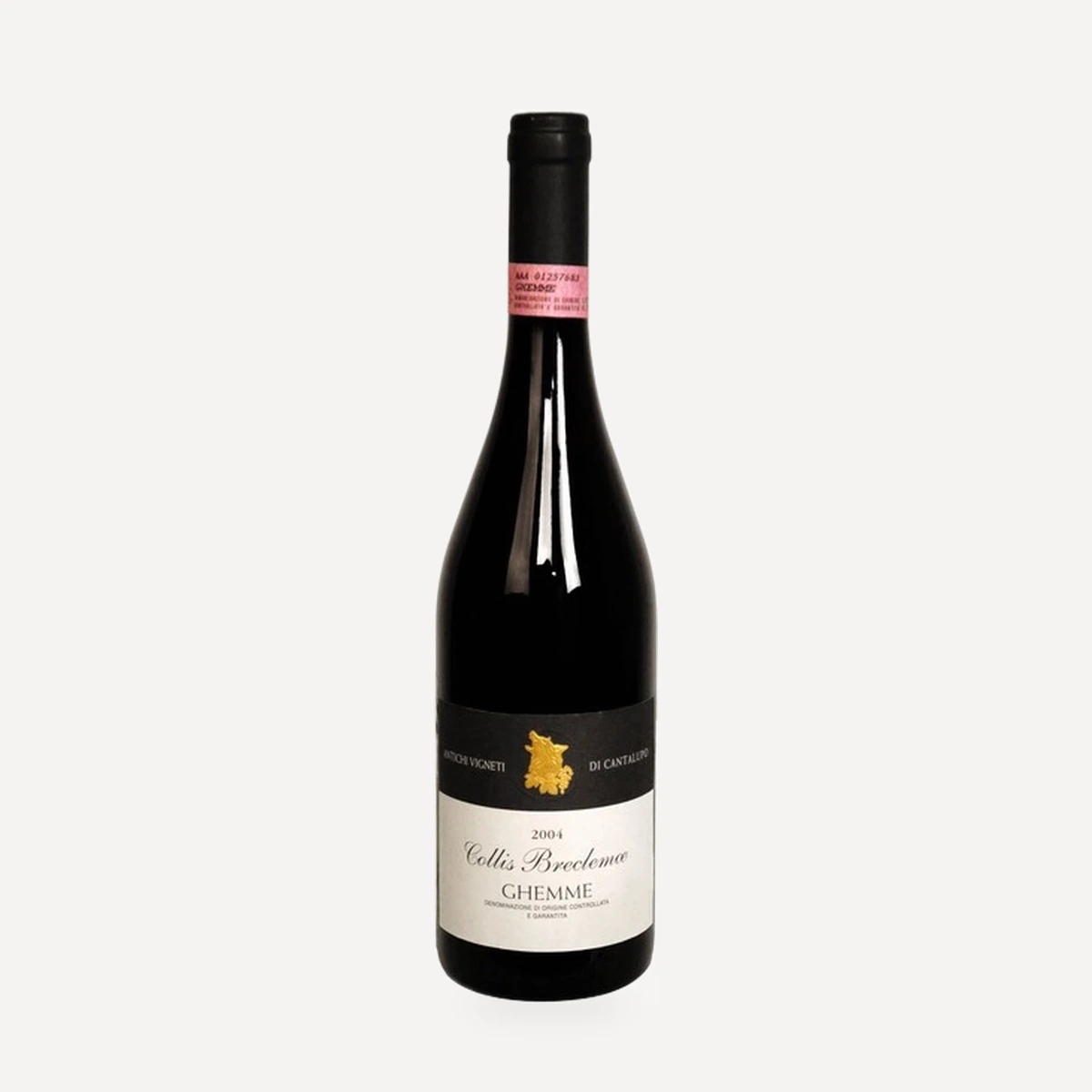
Collis Breclemae, regarded as an emblematic wine of the estate, originated in 1979 from vineyards on the hills above the former medieval village of Breclema. The first Collis Carellae harvest followed in 1983, drawing attention to La Carella, one of Ghemme's historic crus.
Primigenia was first harvested in 1988. In 1989 the estate introduced both Signore di Bayard, selected from several estate vineyards, and Villa Horta, its varietal expression of Vespolina. Il mimo and Carolus both debuted with the 1992 harvest. Carolus preserved the old Ghemme custom of keeping at least a few white-berried vines alongside vineyards devoted principally to red grapes.
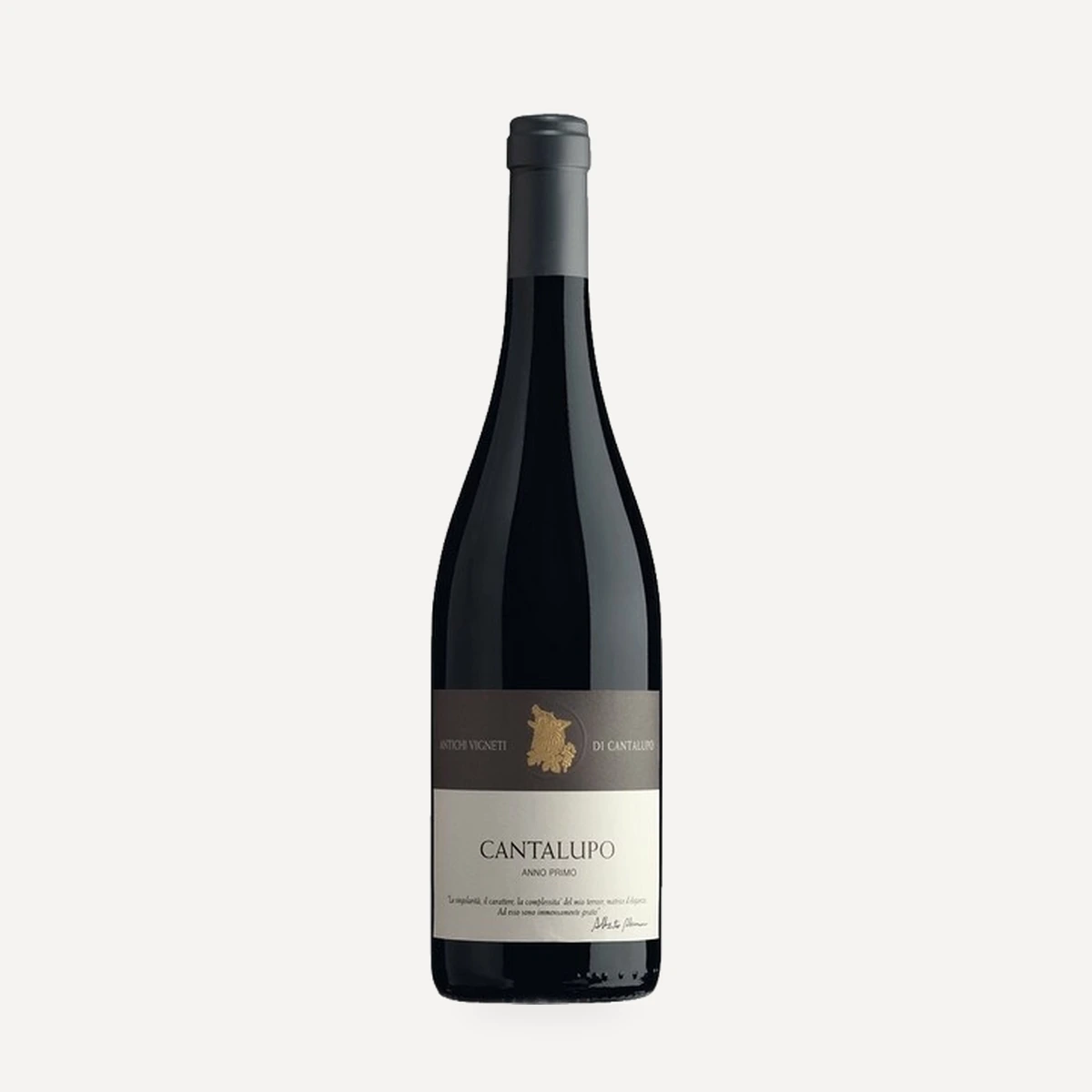
From the 2006 harvest, the foundational Ghemme also carried the name Cantalupo, explicitly linking the wine to the collective identity of the estate vineyards. Abate di Cluny joined the range in 2007 as a tribute to the Cluniac heritage of the Novara area. Mia Ida followed with the 2009 harvest and was dedicated by Alberto Arlunno to his mother, Ida Costa Arlunno.
Continuing family investment
Across a 45-year expansion phase, the original vineyard nucleus was supplemented with new holdings in particularly suitable areas of Ghemme and Romagnano Sesia. The Arlunno family continued to direct resources to vineyards, cellar buildings and equipment, guided by its belief in the winegrowing potential of the territory.
Terroir
Setting between the Alps and the Po Plain
The estate is based in Ghemme in Alto Piemonte. The Alps, the Monte Rosa massif and Valsesia lie on one side; the level expanse of the Po Plain and its rice fields lies on the other. Between them is a triangular belt of morainic hills containing the estate's vineyards. The 35 hectares are distributed through favored areas of Ghemme and Romagnano Sesia.
The Valsesia supervolcano and the Ghemme hills
The geological history begins approximately 280 million years ago, when volcanic activity formed the Valsesia supervolcano. Its remains emerge between Ghemme and Borgosesia. Pangaea subsequently opened and the Tethys Ocean entered the widening space, separating northern Africa from Europe and Asia.
The later collision of Africa and Europe generated the Alps and Monte Rosa. As the mountains formed, the Earth's crust was raised and rotated, exposing the ancient underground structure and feeding system of the fossil supervolcano. Valsesia consequently reveals what are described as the roots of a volcano and functions as an open-air geological museum displaying a cross-section through the crust.
Rocks eroded from this complex structure were transported by the immense glacier descending from the Monte Rosa group. They accumulated at the mouth of the valley and formed Ghemme's morainic hills. The deposits combine magmatic material from the supervolcano with geological components associated with two continents and the former Tethys Ocean. This exceptionally varied rock mixture underlies the estate's understanding of the elegance and finesse of Ghemme.
Valsesia's geological character led to its inclusion in UNESCO's global geopark network.
Site distinctions
La Carella lies on the second band of hills. Its soil combines pebbles with clay, and Neolithic objects dating to the fourth millennium BCE have been discovered among the vineyards. The Collis Breclemae vineyard occupies hills above the site of Breclema, a destroyed medieval village near the entrance to Valsesia.
Winemaking
The post-1969 renewal included construction of a new winery, followed by continued investment in buildings and cellar equipment. Ghemme is presented as a Nebbiolo-based denomination distinguished by extended maturation in oak. Within the estate's range, Signore di Bayard is selected from several estate vineyards and is the only wine specifically identified as spending its maturation in barriques. The estate also vinifies Vespolina on its own and uses only a few hours of skin contact to obtain its Nebbiolo rosé. Greco di Ghemme is combined with Arneis and Chardonnay for the estate's white-wine tradition.
Philosophy
Antichi Vigneti di Cantalupo frames its work around attachment to Ghemme, respect for the area's historic wine and confidence in the potential of its Nebbiolo-bearing hills. Its long-term expansion, vineyard replanting, new cellar and continued investment in equipment express a commitment to the territory's winegrowing vocation.
The estate seeks to interpret Nebbiolo as a grape rooted in its Alto Piemonte homeland while retaining local varieties and inherited customs. Alongside the predominantly Nebbiolo production, it preserves Vespolina, Uva Rara and Greco di Ghemme, as well as the Ghemme tradition of cultivating a small number of white-berried vines in a landscape principally associated with red wine.
Wines
Collis Breclemae
Agamium
Vibio Crispo Brut
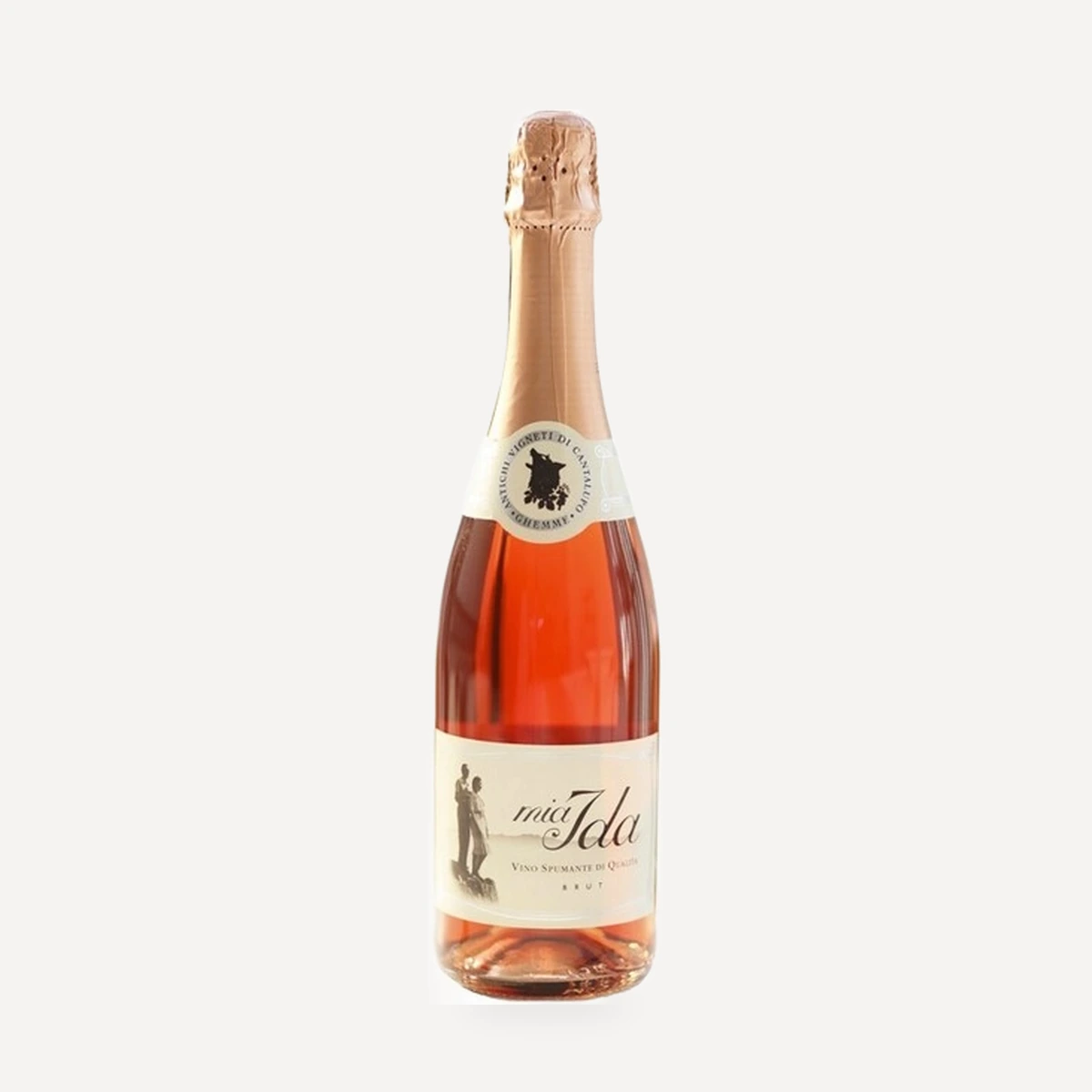
Mia Ida