History
The Nicolosi Asmundo family on Etna
The history of Barone di Villagrande is inseparable from the Nicolosi Asmundo family and Contrada Villagrande in Milo. The family was already living and working in the area by the late seventeenth century. At the beginning of the eighteenth century, the Bishop of Catania entrusted the Nicolosi Asmundo family with transforming Etna's difficult, uncultivated land into productive gardens. The ancestors reached the property by wooden cart and began cultivating its hard volcanic terrain.
1727: the title of Barone di Villagrande
In 1727, Emperor Charles VI of Habsburg, King of Naples, granted Don Carmelo Nicolosi the title of Baron of Villagrande. The family subsequently strengthened its roots on Etna and developed an enduring association with grape growing. The estate identifies 1727 as the beginning of its continuous viticultural tradition and describes the family's experience as extending across ten generations.
Villagrande is both the noble title and the name of the contrada in Milo where the family has lived for more than 300 years.
1869: a new cellar and separate vinification
In 1869, eight years after Italian unification, Paolo Nicolosi built a new cellar for vinification and maturation. He departed from the then-common practice on Etna and in much of Italy of fermenting grapes together without separating them by colour or variety. Paolo processed white and red grapes separately so that different varieties and their individual characteristics could be expressed. This work produced the precursor of present-day Etna Bianco Superiore.
1950: recognition of the family's white wine
On 10 August 1950, agronomist, oenologist and University of Catania professor Alfredo Maria Mazzei wrote about the Etna Bianco Superiore made by his grandfather Carmelo. He placed the wine among the aristocracy of Italian and international wine and associated its character with the energy of Etna. The family connection is preserved at Monte Arso, whose address is Via Alfredo Maria Mazzei in the municipality of Nicolosi.
1968: Etna DOC
Etna DOC was recognised in 1968 as Sicily's first Denominazione di Origine Controllata. Its production regulations were written by Carlo Nicolosi Asmundo, a professor of oenology and food technology at the University of Catania and a member of the family.
Organic certification and contemporary stewardship
The estate has been certified organic since 1989. Its contemporary direction combines the preservation of the family's inheritance with work intended to express Etna's individual grape varieties, vintages and vineyard areas.
In 2017, Barbara Liuzzo was identified as Sales and Marketing Director and Marco Nicolosi as winemaker and Production Director; both were also identified as owners. Marco Nicolosi remains the winemaker and Production Manager in the current presentation of the estate. The family and team seek to preserve and enhance their inherited vineyards while sharing Etna's natural heritage.
The estate has also extended its work beyond the historic Milo vineyards. It cultivates two hectares on the volcanic island of Salina and has dedicated vineyard holdings at Monte Ilice and Monte Arso. The recovery of old Etna vineyards supports the development of site-specific wines that the family calls vini di contrada rather than crus.
Terroir
Eastern Etna and Contrada Villagrande
The historic vineyards occupy Etna's eastern slope at approximately 700 metres above sea level, overlooking Taormina and the Ionian Sea. The vines stand on sunny terraces within a mountain landscape framed by oak and chestnut woods, with the volcano and its snow above and the sea below.
Volcanic activity and altitude shape a climate described as specifically Etnean rather than conventionally Sicilian. Autumn and winter precipitation can be as much as ten times that of the rest of Sicily. Winter temperatures and those at the beginning of budbreak can fall below 0°C, creating a risk for the vines. Summer maximum temperatures remain below those experienced elsewhere in Sicily, while summer rain is almost absent. The steep, lava-derived terrain drains rapidly and further limits humidity.
Day-to-night temperature variation can reach 30°C in autumn. This combination produces grapes associated with lower potential alcohol than the Sicilian average and with substantial fixed acidity and extract.
The dark, volcanic soils contain abundant iron and copper, good levels of potassium, phosphorus and magnesium, very little nitrogen and no calcium. Carricante, Nerello Mascalese and Nerello Cappuccio are cultivated on these terraces.
Salina
The two-hectare Salina vineyard lies on the eastern side of the island, facing the sunrise. Salina was formed by extinct volcanoes, whose igneous material produced strongly draining soils. Its climate is Mediterranean: rain is scarce and concentrated mainly in autumn and winter, while spring and summer are warm.
Night-time temperatures are moderated by cold currents descending from Monte Fossa delle Felci, which reaches 961 metres. During post-harvest drying, the island sun, the surrounding Mediterranean and mountain winds concentrate the grapes' sugars and flavours and initiate aromatic transformations.
Monte Ilice
Monte Ilice is a large volcanic cone between Trecastagni and Zafferana Etnea. It formed through lava and explosive activity around 1030. An effusive vent on the eastern side of its base generated a broad lava field that reached the coast and formed the black cliffs of Stazzo and Pozzillo.
The cone rises to about 900 metres. From its summit, the view extends across Etna, the Taormina mountains and the Etna coast; inside is a large central crater depression, while orchards and vineyards occupy the eastern side. Holm-oak and chestnut woods surround the site. The vineyard grows on sandy volcanic material locally called Ripiddu and an average gradient of 60% makes access and cultivation exceptionally demanding.
Monte Arso
Monte Arso stands where Etna's eastern slope begins turning south. The ancient volcanic cone formed around 1150 following a major lava flow and reaches 1,012 metres. Its horseshoe-shaped mountain carries old terraces planted with Nerello Mascalese and Nerello Cappuccio and enclosed by evergreen forest.
The subsoil has a distinctive red-orange colour attributed to the heat of the lava that covered it. The ten-hectare property includes six hectares of vines, with broom and oak marking its boundaries.
Winemaking
Barone di Villagrande has held organic certification since 1989. Its stated approach is to limit human intervention to assisting the vine and, later, the harvested fruit while respecting the environment's delicate balance.
In the 18-hectare Milo vineyard area, Carricante, Nerello Mascalese and Nerello Cappuccio are trained to Guyot and spurred cordon on sun-exposed terraces. Only natural donkey manure from a farm bordering the estate forest is used as fertiliser. Etnean chestnut stakes serve as vine supports.
The estate is recovering old vineyards to preserve and recreate wines belonging to the area's heritage. Its site-specific bottlings are conceived as vini di contrada.
Monte Ilice requires wholly manual work: its average 60% slope and loose Ripiddu sand prevent the use of machinery and make even basic movement difficult.
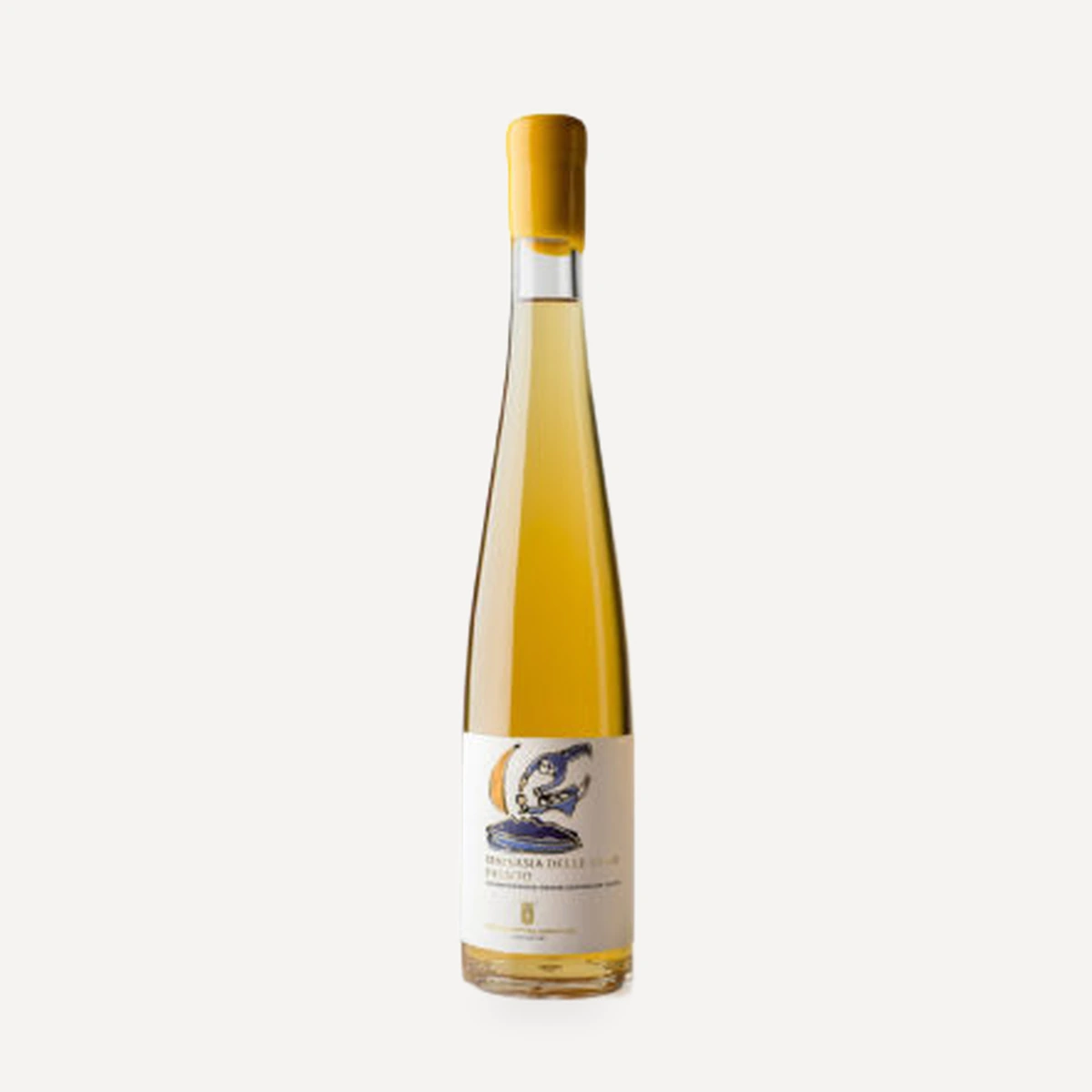
On Salina, vines are espalier-trained at 7,500 plants per hectare. Grapes intended for passito production are harvested at the end of September and placed in the sun on crossed cane racks. After drying, they are destemmed by hand.
Historic cellar practice
Paolo Nicolosi built a new cellar for vinification and maturation in 1869. He introduced separate processing for white and red grapes, replacing the earlier local practice of fermenting grapes together regardless of colour or variety. The objective was to preserve the character of individual varieties, and the resulting white wine became the precursor of Etna Bianco Superiore.
Etna cellar work
The estate continues to use chestnut as part of its production identity. Etnean chestnut supports the vines, while wood from the estate forest is fashioned into maturation vessels for red wines. Etna Rosso rests in chestnut barrels for one year, while Etna Rosso DOC Contrada Villagrande spends two years in chestnut. The wood therefore accompanies the fruit conceptually from the vineyard through maturation.
Passito production on Salina
Grapes are picked at the end of September and spread under the sun on crossed cane racks. Sun and wind naturally concentrate their sugars and flavours during drying. The fruit is then destemmed by hand. The driest berries, in which sugar has crystallised, are added to the fermenting must for Malvasia delle Lipari DOC Passito.
Philosophy
Barone di Villagrande regards the surrounding environment as its most valuable inheritance and makes respect for its delicate balances the foundation of its work. Its philosophy limits intervention to guiding the vine and fruit, while recognising that informed human choices can work with nature to shape the result.
The wines are intended to express place, grape variety and vintage. Elegance and fragrance are presented as the combined outcome of experience, land and family pride.
The contemporary team seeks to create new work from the centuries-old roots of the Etna estate. Preserving the Nicolosi family's inheritance is paired with an effort to enhance the individual character of the wine-growing area, share Etna's natural heritage and communicate the family's devotion to the landscape.
In the vineyards, the guiding aim is to reveal the territory's identity. The vines are understood as living repositories of the people, soils, climate and accumulated experience of the place. Recovering old vineyards and naming site-specific wines as vini di contrada express this connection between historical continuity and future projects.
Wines
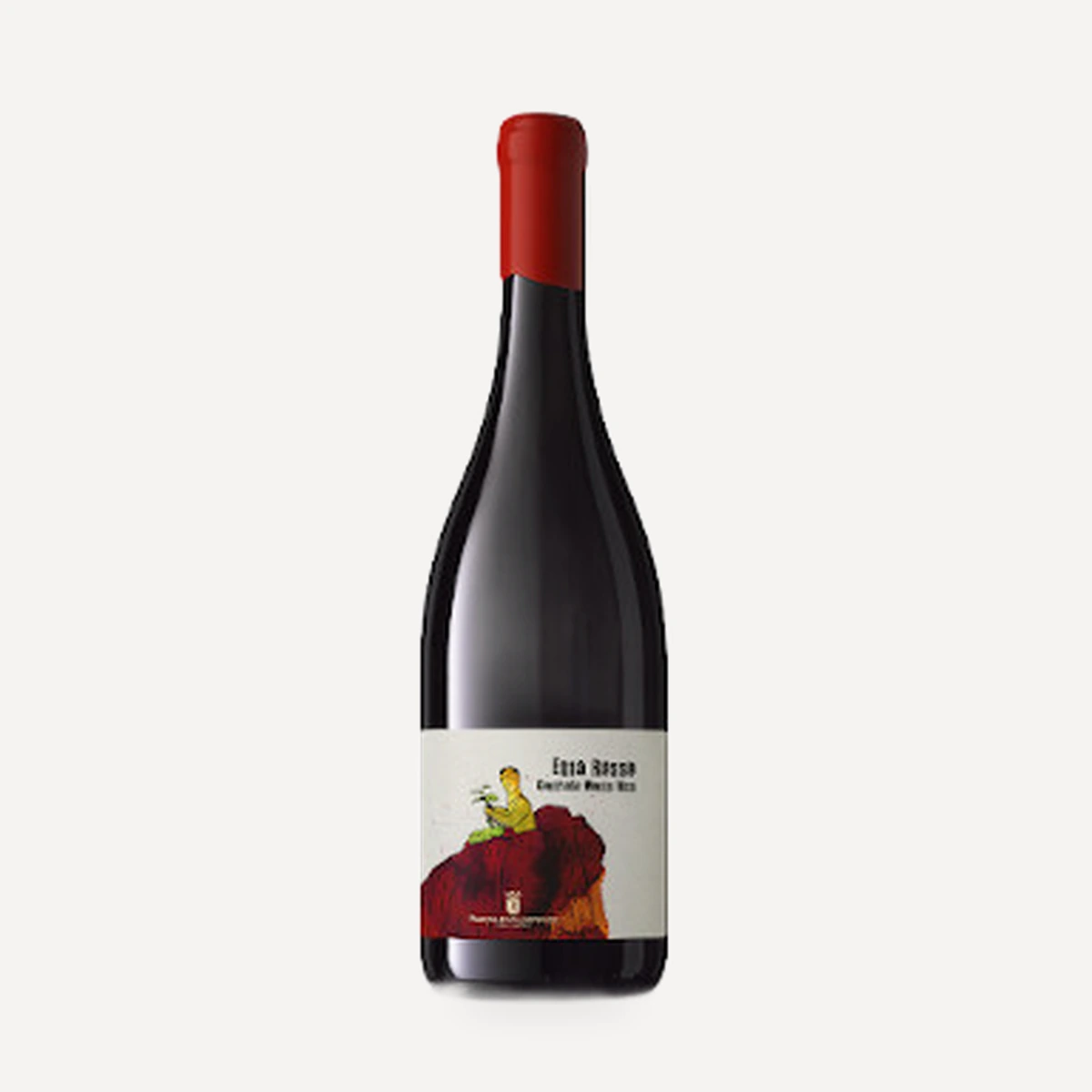
Etna Rosso Contrada Monte Ilice DOC
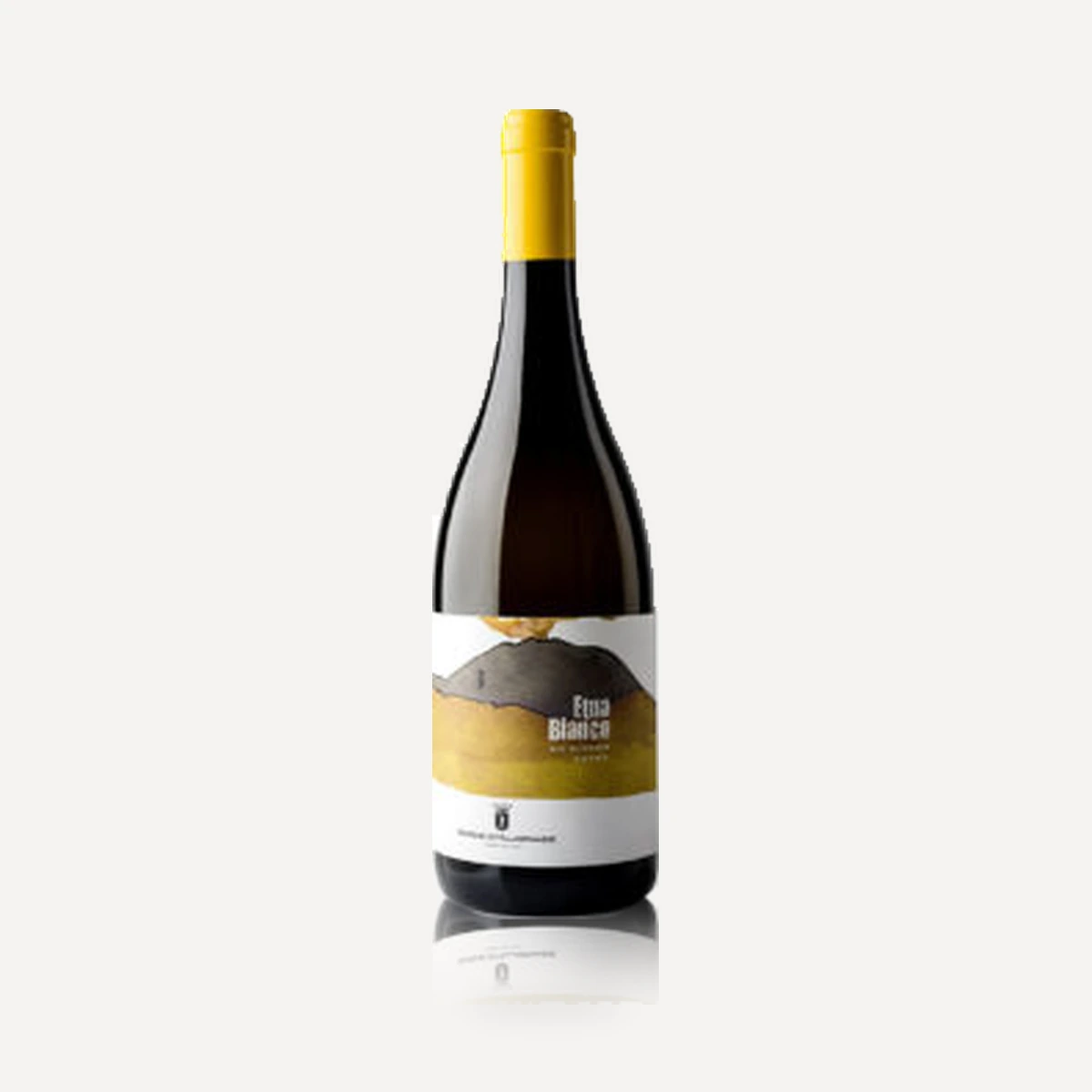
Etna Bianco DOC
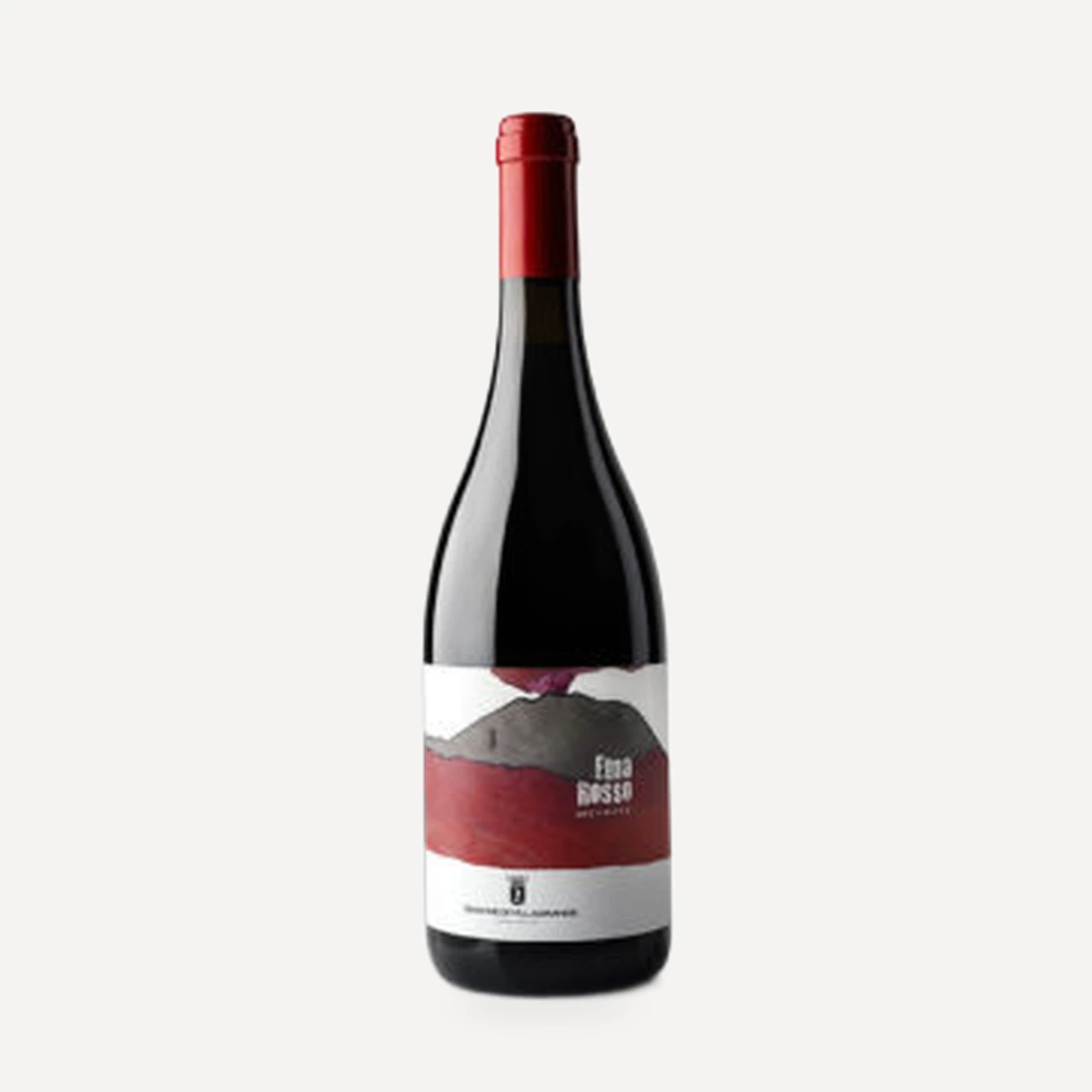
Etna Rosso DOC
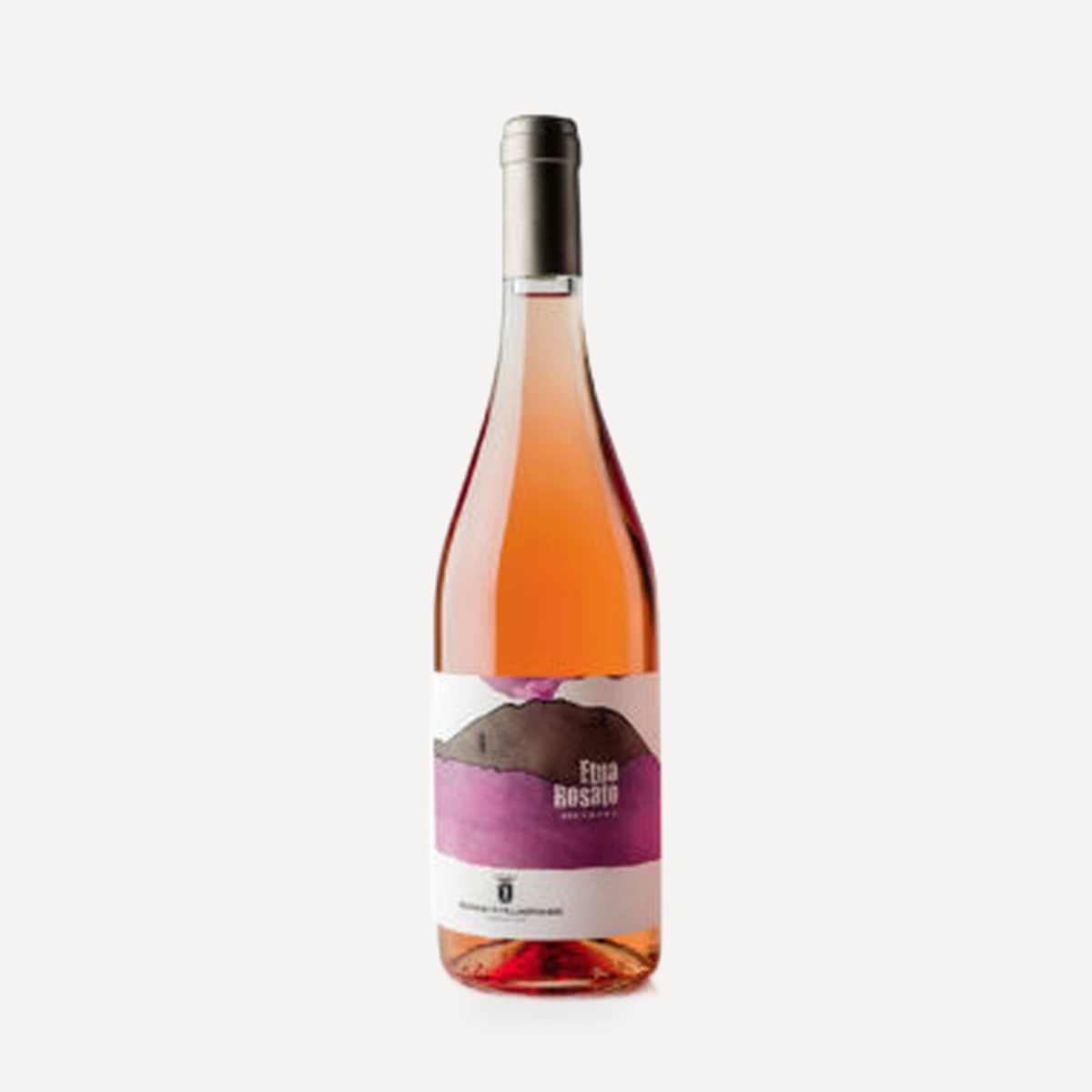
Etna Rosato DOC
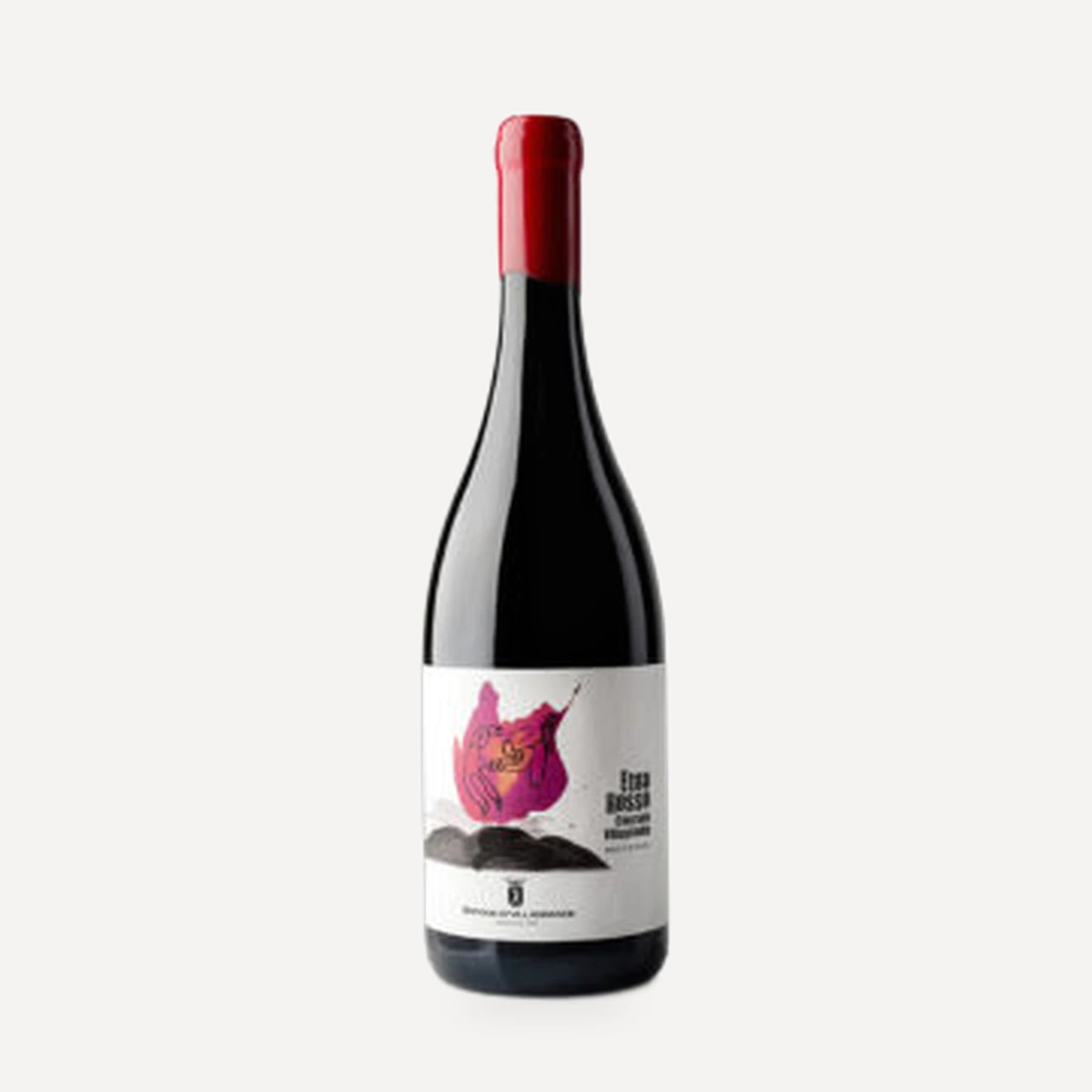
Etna Rosso Contrada Villagrande DOC
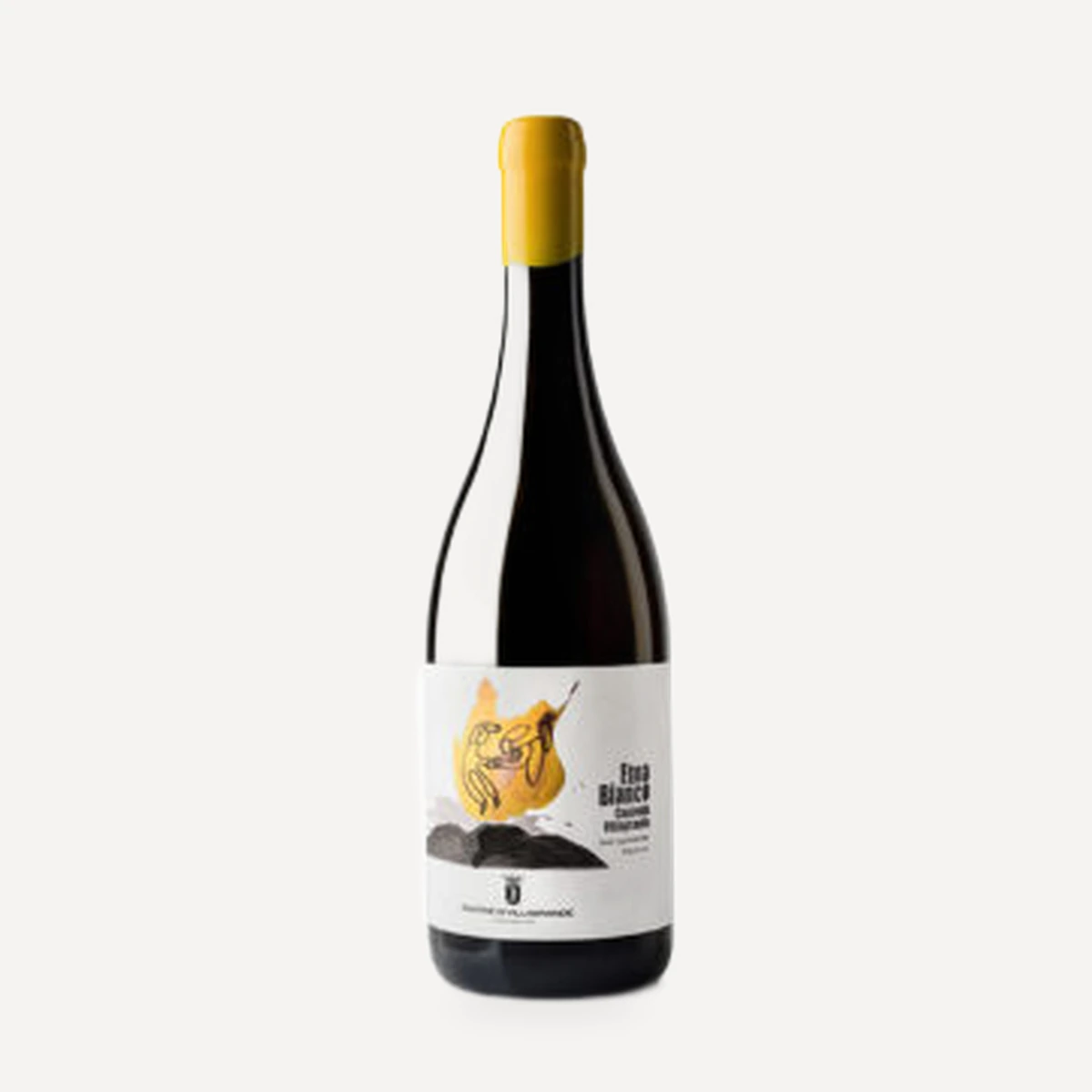
Etna Bianco Contrada Villagrande DOC
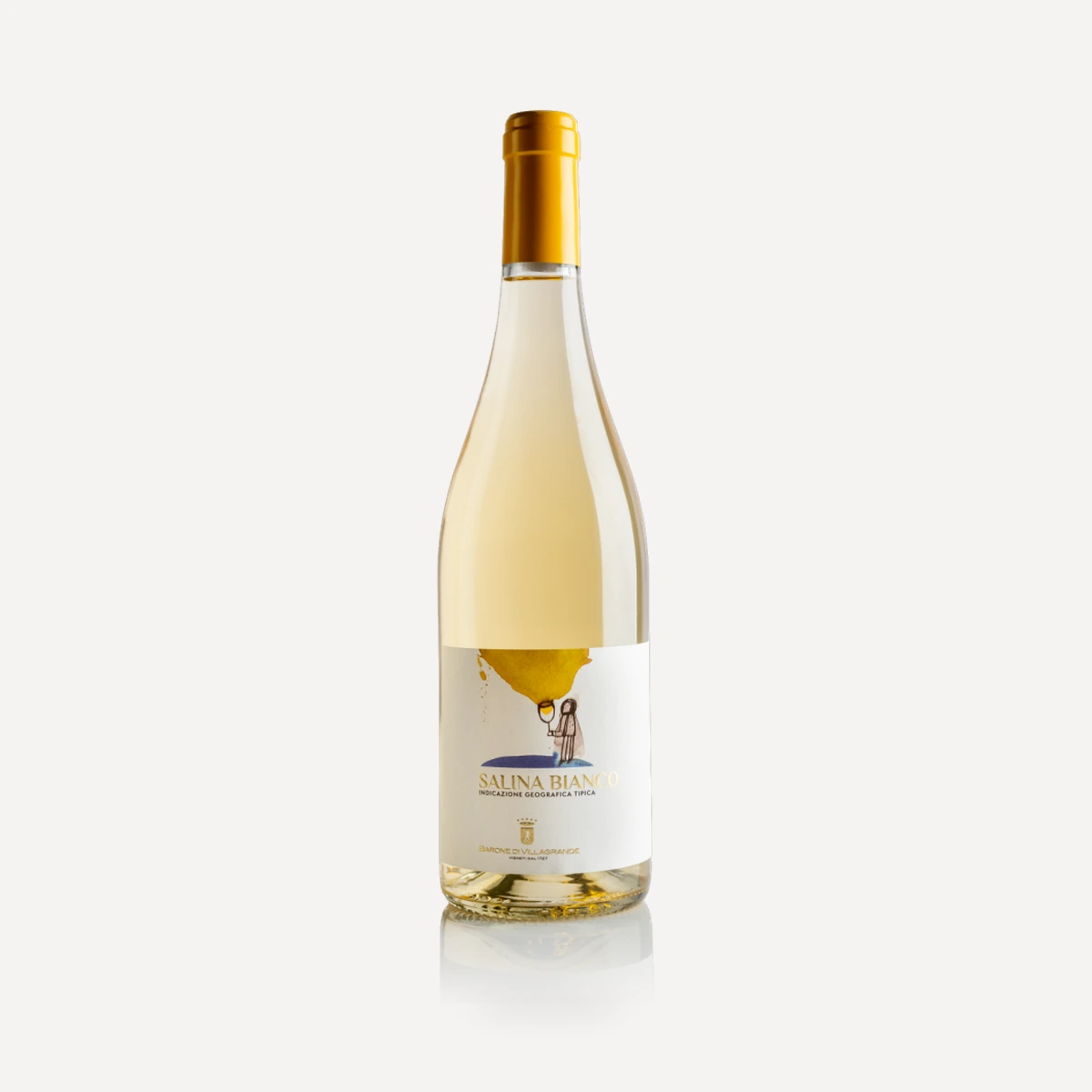
Salina Bianco Salina IGP