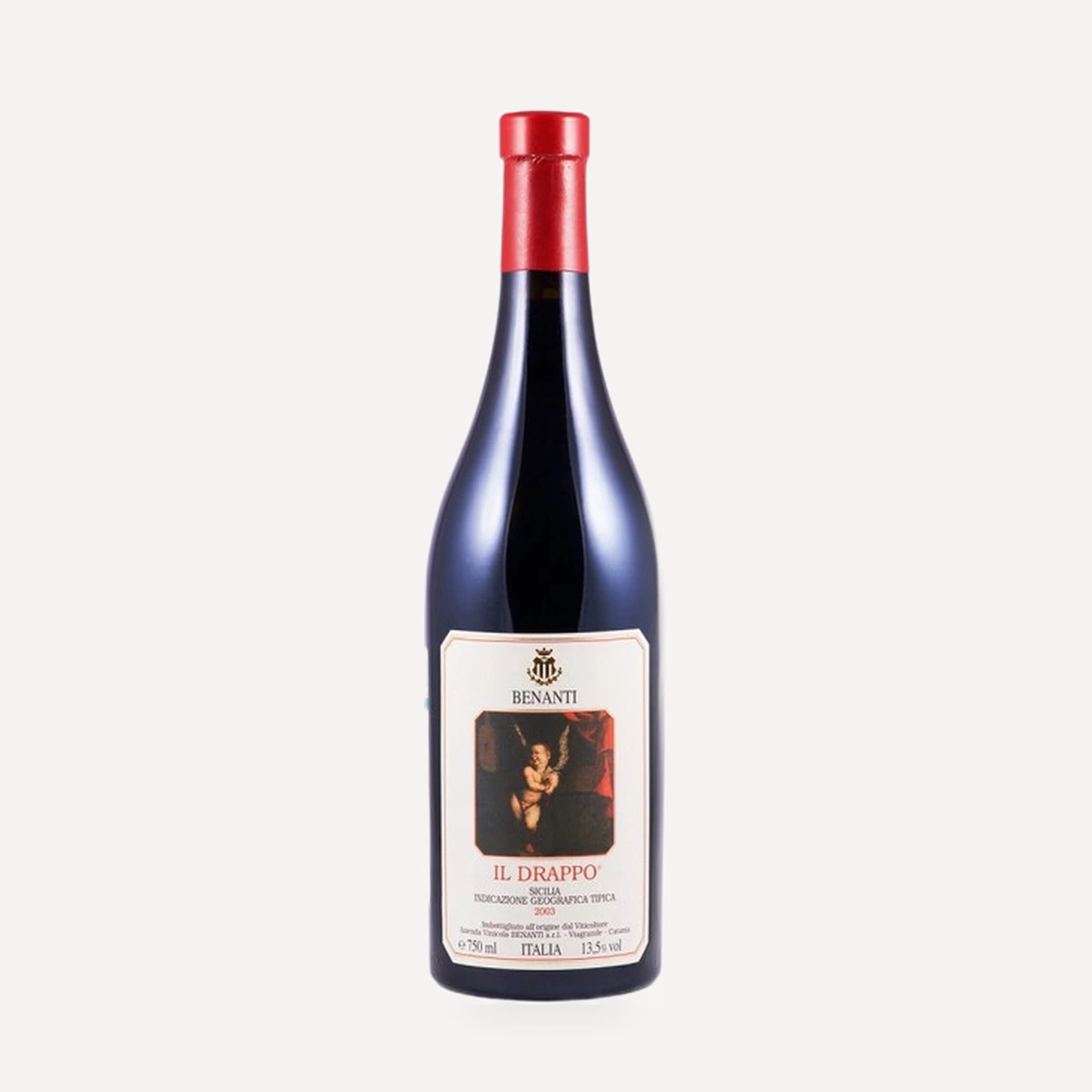
History
Family origins, 1734–1935
The Benanti family traces its Sicilian branch to 1734, when a descendant of the Benati family moved from Bologna to Catania with a noble title and a mandate from Vittorio Amedeo d’Aosta. In 1890, Giuseppe Benanti began making wine as an amateur at the family estate in Viagrande, on Etna’s southeastern slope.
In 1935, Dr. Antonino Benanti retained the family interest in wine but concentrated professionally on pharmacy in Catania. He founded SIFI, the pharmaceutical company that later became successful.
The creation of the present winery, 1988–1990
In 1988, Antonino’s son, Cavaliere Giuseppe Benanti, founded the present winery in Castiglione di Sicilia under the name Tenuta di Castiglione. Born in Catania in July 1945 and then aged 43, Giuseppe was a pharmaceutical entrepreneur who wanted the second half of his life to become a long-term project devoted to Etna. He sought to determine whether native grapes, local terroirs and exacting, forward-looking work could yield fine, elegant wines with a distinctive identity.
The project began with owned and rented vineyards in Castiglione di Sicilia on Etna’s northern slope and Milo on its eastern slope. Benanti purchased vineyards around Rovittello, an area associated with Nerello Mascalese, and formed long-term relationships with small growers in Milo, where the work focused on Carricante. Existing vineyards were used alongside new plantings. From the outset, the choice was to work exclusively with indigenous varieties and to study both traditional Etna blends and individual grapes.
Rather than entrust the project entirely to a celebrated outsider, Giuseppe hired the young local consultant Salvo Foti. The early team was supported by Langhe enologists Marco Monchiero and Gian Domenico Negro, Professor Rocco Di Stefano of the Istituto Sperimentale per l’Enologia di Asti, and Professor Jean Siegrist of the Institut National de la Recherche Agronomique in Beaune. Monchiero remained a consultant until 2007.
The 1988 and 1989 harvests were experimental. More than 150 microvinification trials examined native varieties, traditional Nerello Mascalese–Nerello Cappuccio blends and then-unusual monovarietal expressions. The 1990 vintage became the first to be bottled, led by Rovittello Etna Rosso and Pietra Marina Etna Bianco Superiore.
First releases and Etna-wide expansion, 1993–1998
At Vinitaly in Verona in 1993, the winery introduced four Etna DOC wines, including the 1990 Rovittello and Pietra Marina. During the remainder of the decade it added an experimental and educational group of monovarietal wines based on Nerello Mascalese, Nerello Cappuccio and Minnella Bianca. The work of the 1990s also took Etna wines into markets including the United States, Canada, the United Kingdom, France, Scandinavia and Japan, accompanied by education for sommeliers and wine professionals.
In 1995, Benanti began a durable collaboration with the Vacirca family, established growers in Contrada Cavaliere at Santa Maria di Licodìa on the southwestern slope.
In 1998, ten years after the foundation, the winery expanded to Monte Serra in Viagrande, the area associated with Giuseppe Benanti’s grandfather. Giuseppe acquired the estate on the extinct Monte Serra cone, and Serra della Contessa was introduced with the 1998 vintage. By working in the north, east, southeast and southwest, Benanti became the first Etna producer represented on every slope of the Etna DOC zone. The company, renamed for the family in the early 1990s, had made slope- and subzone-specific selection a central part of its approach.
Innovation and research, 2001–2011
From 2001 onward, the arrival of other producers increased Etna’s visibility. Some turned to Benanti for initial advice and practical assistance with research and vinification.
In 2002, Benanti produced Etna’s first traditional-method sparkling wine made exclusively from Carricante.
A five-year indigenous-yeast project began with the 2005 harvest in collaboration with the Istituto Regionale della Vite e del Vino in Palermo. Fermenting must was sampled from old palmenti on Etna’s northern and eastern slopes where commercial preparations had never been introduced. Four hundred initial isolates were narrowed to 160 distinct Saccharomyces cerevisiae strains, then to 13 candidates through physiological and technological testing. Experimental 100-litre vinifications followed in 2007, and the four best-performing strains were tested in 25-hl lots in 2008. Four strains were ultimately patented. From the 2010 vintage onward, the proprietary yeasts were used consistently throughout Benanti’s vinifications.
In 2007, Pietra Marina became the first Etna wine to receive Tre Bicchieri, while the Gambero Rosso/Slow Wine guide named Benanti Italian Winery of the Year. Marco Monchiero’s consultancy also ended that year. Salvo Foti continued until 2011.
In 2011, Giuseppe Benanti was appointed Accademico dei Georgofili in recognition of his contribution to the development of the Etna wine region.
Generational transition and reinvestment, 2012 onward
At the end of 2012, Giuseppe’s twin sons Antonio and Salvino Benanti, born in Catania in May 1974, assumed responsibility for the winery after contributing part-time for several years. Their father remained a source of inspiration. They retained the winery’s focus on Etna, indigenous varieties and distinct subzones while making the structure more selective and technically current.
Enzo Calì, a full-time member of the company since 2004, was promoted to sole enologist. He had worked with Foti and Monchiero through 2007 and with Foti through 2011. Antonio and Salvino sold vineyards or parcels considered non-strategic or suboptimal and acquired superior sites on Etna’s northern and eastern slopes. New vineyards were planted in 2017, 2018, 2019 and 2020.
The brothers also initiated the path toward organic certification after several years of organic viticulture. Investments in the winery included new temperature-control systems, a horizontal pneumatic press, laboratory equipment, vinification vessels and large casks. Two temperature-controlled warehouses were created with a combined capacity of 450 pallet spaces; one, holding 200 pallets, was dedicated to bottle maturation and the storage of older vintages. An organized cellar-door and educational program was established, alongside new relationships with specialized importers.
In 2015, Benanti selected the small pre-phylloxera sections identified as Particella No. 341 at Rovittello and Particella No. 587 at Monte Serra for extended 60-month vinification, maturation and refinement programs, creating two limited Etna Rosso Riserva expressions.
Antonio Benanti was elected president of the Consorzio di Tutela dei Vini Etna D.O.C. in 2018. Giuseppe Benanti died in 2023. Production in 2022 was approximately 250,000 bottles, with a medium-term objective of about 300,000 bottles.
Terroir
Etna as a mosaic of slopes
Mount Etna rises above 3,000 m. Its winegrowing zone occupies a semi-circular band extending clockwise from the north to the southwest, generally between 450 and 1,050 m. The vineyards lie across a truncated-cone-shaped surface whose varying altitude and exposure produce marked differences in temperature, light, rainfall, ventilation, marine influence, volcanic substrate and farming systems.
Altitude drives annual, monthly and daily thermal variation, with swings reaching 30°C, affecting flowering, véraison and ripening. Exposure governs luminosity and therefore the enzymatic processes involved in grape acid and sugar metabolism. The interaction of altitude, exposure, proximity to the sea and successive volcanic formations creates a set of distinct microclimates rather than a uniform growing area.
Northern slope
Contrada Calderara Sottana at Randazzo and Contrada Dafara Galluzzo at Rovittello both derive from the Ancient Mongibello geological period, more than 10,000 years old. The northern climate is relatively humid and marked by strong diurnal variation. Weathering has produced very fine particles with high water-holding capacity and organic humus beneath stony surfaces.
Calderara Sottana has slightly higher humidity than the other contrade. Its combination of fine, fertile, water-retentive soil and stony surface supports balanced fertility and even maturation.
Dafara Galluzzo has no direct marine influence. Its morphology reinforces the thermal range, while the fine, fertile soils retain water effectively. The area is particularly suited to red grapes. In September 1911, old Rovittello vineyards were partly covered by lava during the eruption that formed Etna’s northeastern crater and directed volcanic material toward the Alcantara River.
Eastern slope
Contrada Rinazzo at Milo faces the Ionian Sea, approximately eight kilometres away, and receives constant ventilation. The climate is rainy and humid. Its relatively recent Mongibello Giovane lava substrates have weathered into fine soils with high water retention and good physicochemical fertility. At 800 m, the elevation can delay ripening and helps Carricante retain acidity, freshness and aromatic finesse. The steep site is divided into small terraces retained by dry lava-stone walls overlooking the sea.
Southeastern slope
Contrada Monte Serra at Viagrande lies on an extinct volcanic cone created by explosive activity through a conduit independent of Etna’s main magma chamber. The cone is distant from the central craters and closer to the sea. Its light pyroclastic material drains readily, forcing roots to penetrate deeply in search of water. The southeastern exposure, sub-humid climate and effective drainage encourage somewhat earlier ripening than elsewhere on Etna.
Southwestern slope
Contrada Cavaliere at Santa Maria di Licodìa reaches 900–950 m. Although southern Etna commonly has younger soils formed over recent flows, Cavaliere occupies much older outcrops that have evolved into fine, structured and complex soils with substantial physicochemical and biological fertility. The climate is relatively warm and dry, without moderation from marine breezes. High elevation and local morphology create a dramatic diurnal range important to polyphenol and aroma development.
Winemaking
Only indigenous Etna varieties are cultivated. Carricante is the sole variety used for white wines; Nerello Mascalese and Nerello Cappuccio form the red-grape core, while a small quantity of Minnella Bianca remains at Monte Serra.
Organic practices are followed throughout the vineyards. After several years of organic viticulture, a formal certification process had begun by 2020. Grapes are harvested by hand. High planting densities are paired with deliberately low yields, and the approach gives priority to each slope’s established suitability for particular varieties.
Training varies with site and inherited landscape. Centenary and pre-phylloxera vines at Rovittello and Monte Serra are maintained as alberello, including ungrafted material. Rinazzo’s Carricante is also alberello-trained, supported by traditional chestnut posts on lava-walled terraces. Cavaliere is row-trained and Guyot-pruned, while Calderara Sottana uses spurred cordon.
Vineyard strategy since the 2012 transition has included selling suboptimal or non-strategic holdings, acquiring superior parcels on the northern and eastern slopes, and planting new vines in each of 2017, 2018, 2019 and 2020. The aim is to preserve old-vine material while concentrating the estate around sites considered best suited to the individual native varieties.
Cellar approach
Vinification is designed to preserve the identity of native grapes and individual Etna slopes. All fermentations use proprietary indigenous yeasts isolated through the winery’s 2005–2010 research program. These selected strains have been employed consistently since the 2010 vintage.
White wines are fermented and matured in stainless steel without oak. The monovarietal Nerello Cappuccio is likewise handled in stainless steel without oak. Oak is used very cautiously for Nerello Mascalese-based wines, predominantly as neutral large casks and tonneaux. Red wines mature in a dedicated barrel room. Releases are deliberately held back until the intended maturation is complete.
Bottling materials are treated as part of wine preservation: thick, dark glass protects the contents, and single-piece natural corks are used across the range. Bottle maturation and back vintages are stored in a temperature-controlled warehouse with capacity for 200 pallets.
Facilities
The cellar is at Via Giuseppe Garibaldi 475 in Viagrande. Modernization under Antonio and Salvino Benanti added new temperature-control systems, a horizontal pneumatic press, laboratory instruments, new vinification vessels and additional large casks. Two temperature-controlled warehouses provide a combined 450 pallet spaces.
Indigenous-yeast selection
The yeast program was created to combine secure, controlled fermentation with a microbiological link to Etna. In 2005, end-of-fermentation must was collected from old palmenti on Etna’s northern and eastern slopes where commercial cultures had never been introduced. Four hundred isolates were reduced through identification and mitochondrial-DNA analysis to 160 distinct Saccharomyces cerevisiae strains: 31 from Montelaguardia, 45 from Rovittello, 53 from Milo and 31 from Santa Venerina.
Testing evaluated fermentative capacity, residual sugar, ethanol tolerance and production, resistance to and production of SO₂, hydrogen-sulfide and volatile-acidity production, foaming, temperature tolerance, glycerol, acetaldehyde and β-glucosidase activity. Thirteen strains equalled or exceeded the technological performance of commercial controls.
In 2007, the 13 candidates were tested in 100-litre Carricante and Nerello Mascalese microvinifications. For the white trial, softly pressed must was cooled to 5°C, settled after 24 hours, warmed to 18°C and fermented in stainless steel at 18°C, within a 2°C range. After alcoholic and malolactic fermentation, the wines were racked off their lees, sulfited, filtered and bottled, then assessed after three, six and twelve months.
For the red trial, hand-picked Nerello Mascalese arrived in 18-kg boxes, was destemmed and crushed, and fermented in approximately 100-litre containers. The skins macerated for 11 days at 28°C with three punch-downs daily. After draining and pressing, alcoholic and malolactic fermentation finished in stainless steel. Laboratory and sensory analyses followed at three, six and twelve months.
Four strains showed the strongest intensity, persistence, finesse and overall sensory performance. They were tested again in 25-hl lots in 2008, producing rapid, regular fermentations without excessive foam. The four resulting patented strains are EBB1 12, EBC1 3, EBC1 4 and EBC1 26. They have low volatile-acidity, tartaric-acid and SO₂ production, strong sedimentation capacity and broad temperature tolerance. Their use is intended to retain local character while removing the unpredictability of uncontrolled spontaneous fermentation.
Philosophy
Benanti defines its work through devotion to the entire Etna DOC territory rather than to a single side of the volcano. Its central idea is that Etna is a collection of materially different terroirs—formed by altitude, volcanic substrate, exposure, rainfall, ventilation and vine age—and that varieties and parcels should be matched to their historical vocations.
The family’s stated objective is to make wines of typicity, elegance, balance, character and longevity rather than follow short-lived fashions. Authenticity is associated with indigenous grapes, hand harvesting, high planting densities, low yields, careful vinification and the use of selected local yeasts. White wines and Nerello Cappuccio are protected from oak influence, while oak for Nerello Mascalese is deliberately neutral and restrained.
Research and technology are treated as tools for expressing place rather than replacing it. The indigenous-yeast project sought a balance between reliable fermentation and microbiological continuity with the territory. Modern temperature control, pressing, laboratory and storage equipment coexist with old alberello vineyards, dry-stone terraces, chestnut posts and cautious maturation.
Antonio and Salvino Benanti have retained and tightened their father’s principles: focus the landholding on strategically superior parcels, preserve the boutique and artisanal profile, release wines only when ready, and produce refined, ageworthy expressions of Etna’s different slopes. Environmental responsibility is framed as protection of the volcano, its traditional cultivated landscape and the bottled wines entrusted to the family.
Wines
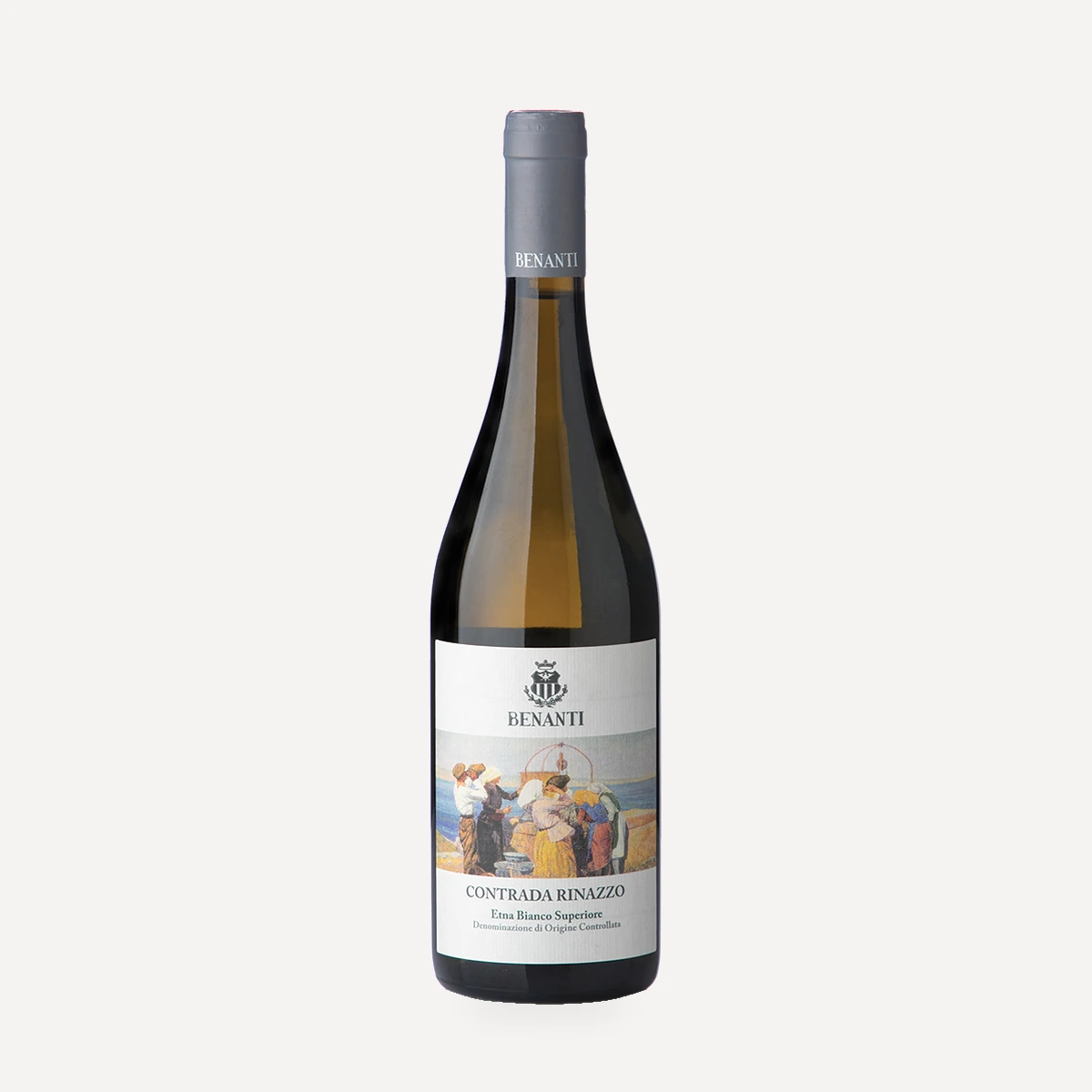
Contrada Rinazzo Etna Bianco Superiore
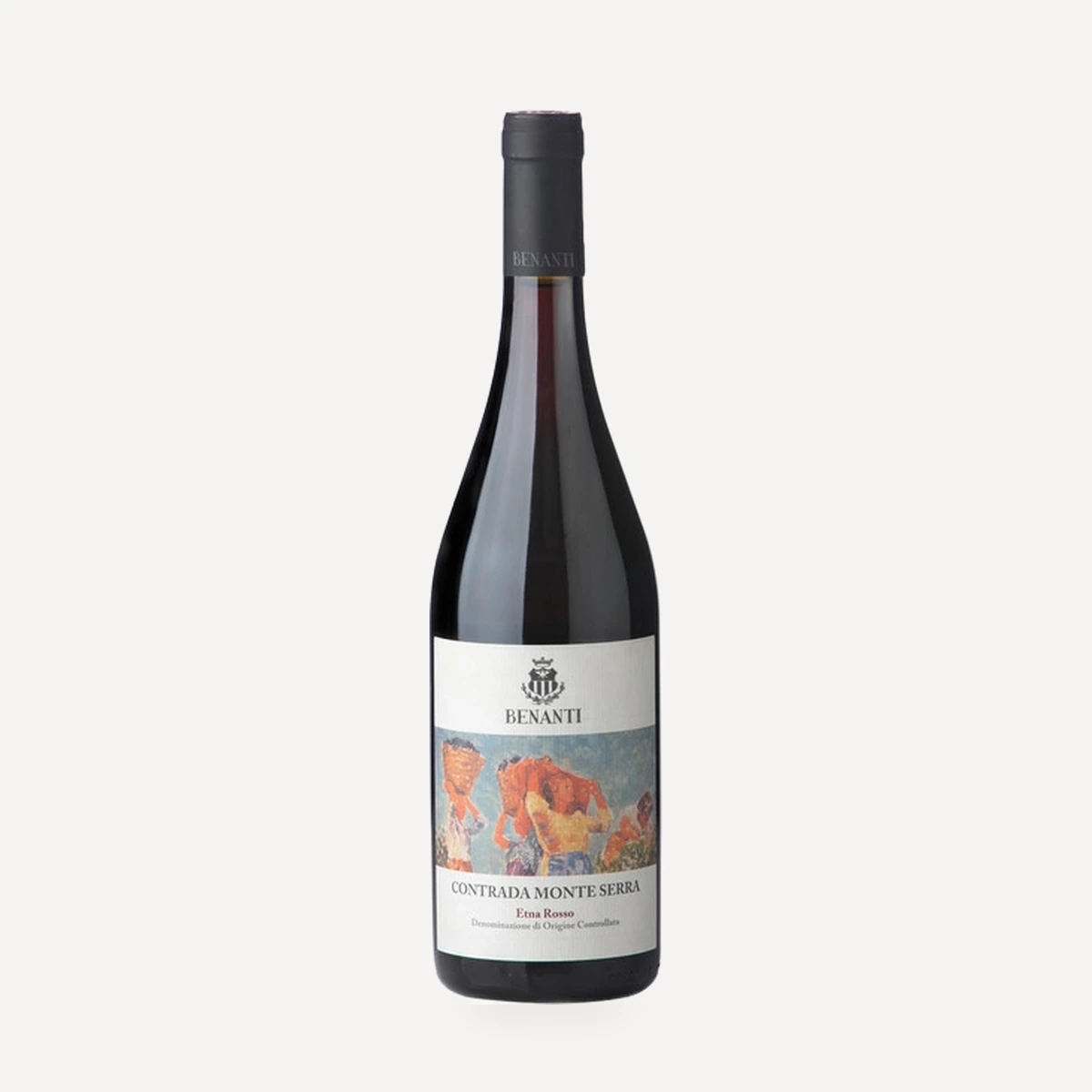
Contrada Monte Serra Etna Rosso
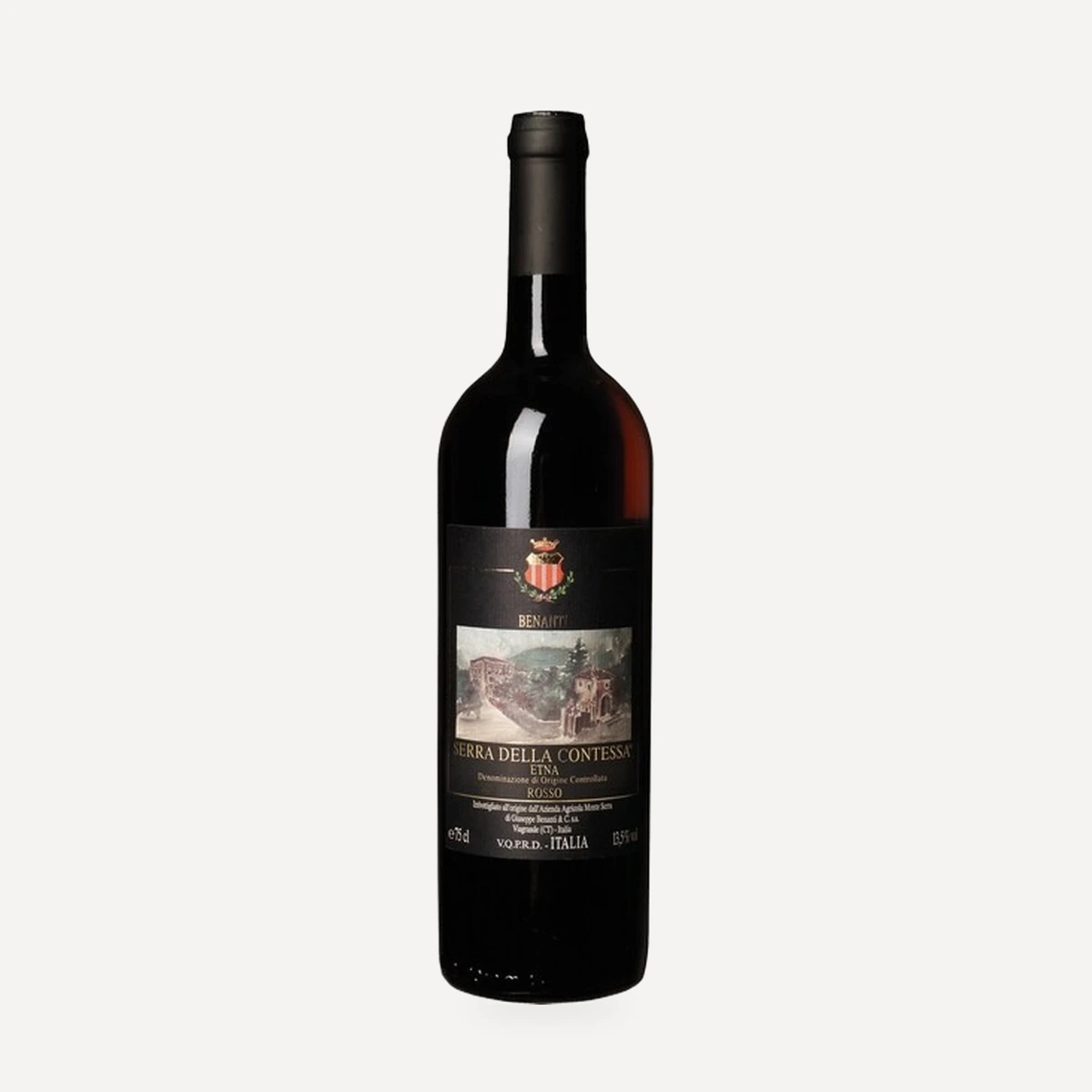
Serra Della Contessa Etna Rosso
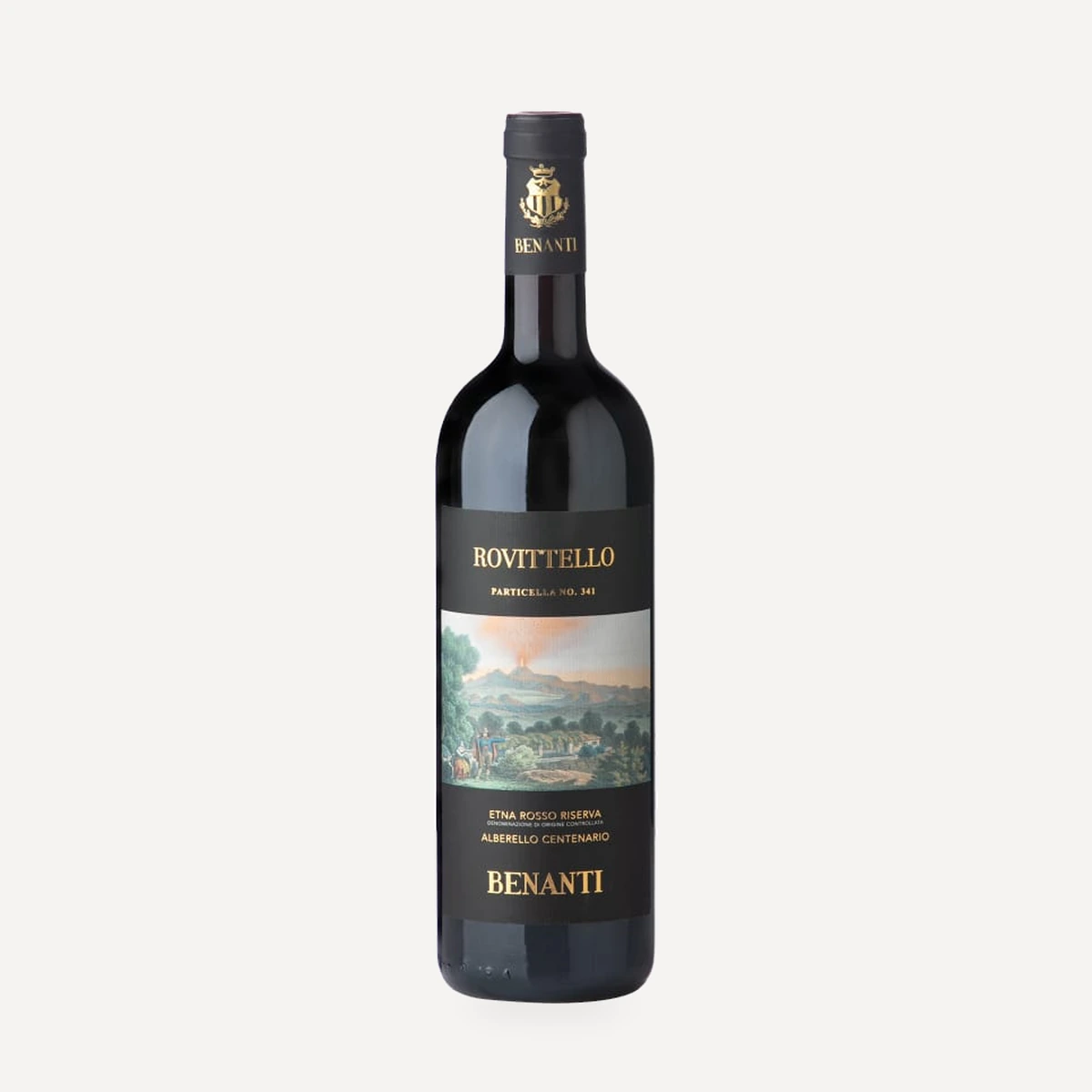
Rovittello Particella No. 341 Etna Rosso Riserva
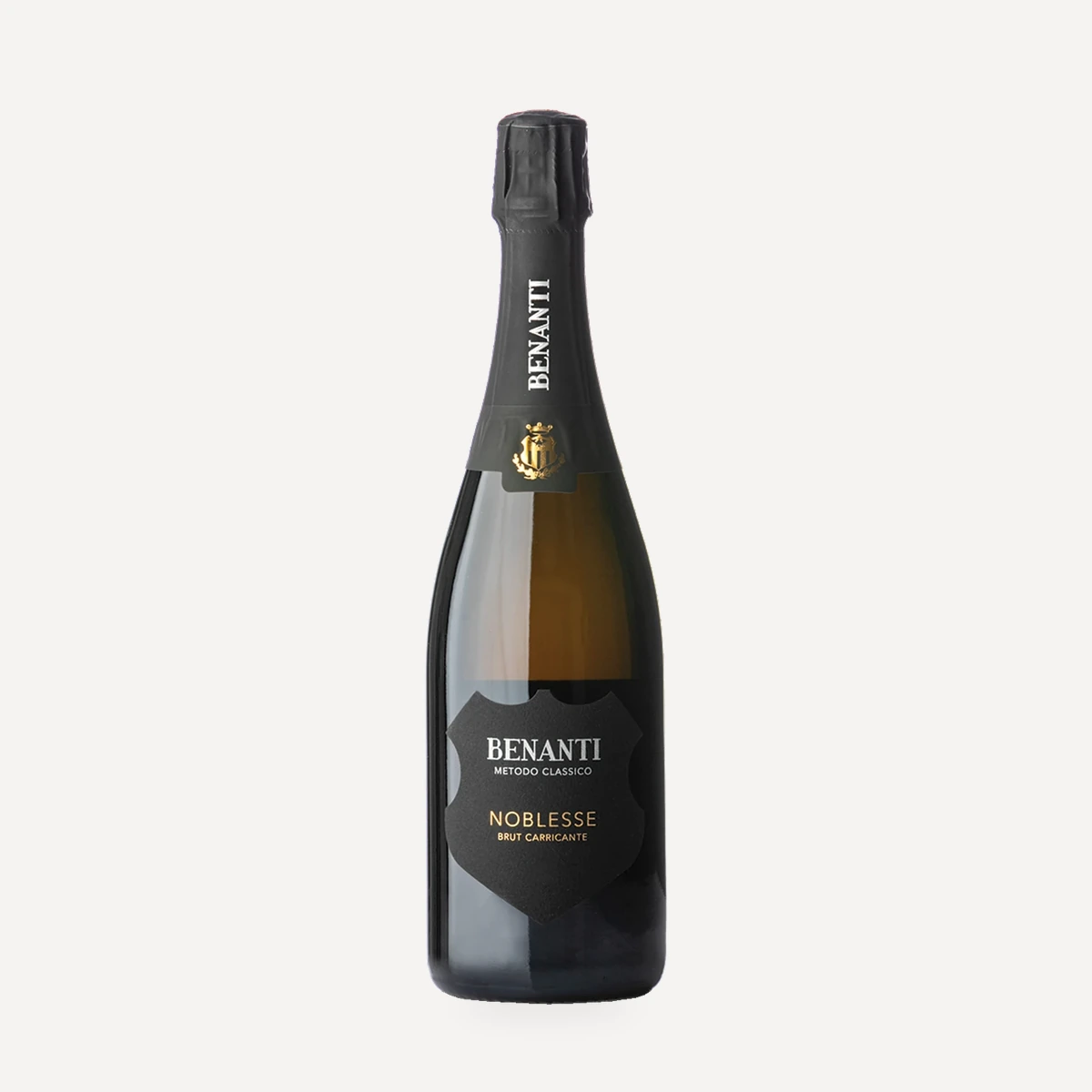
Noblesse Metodo Classico Brut Carricante
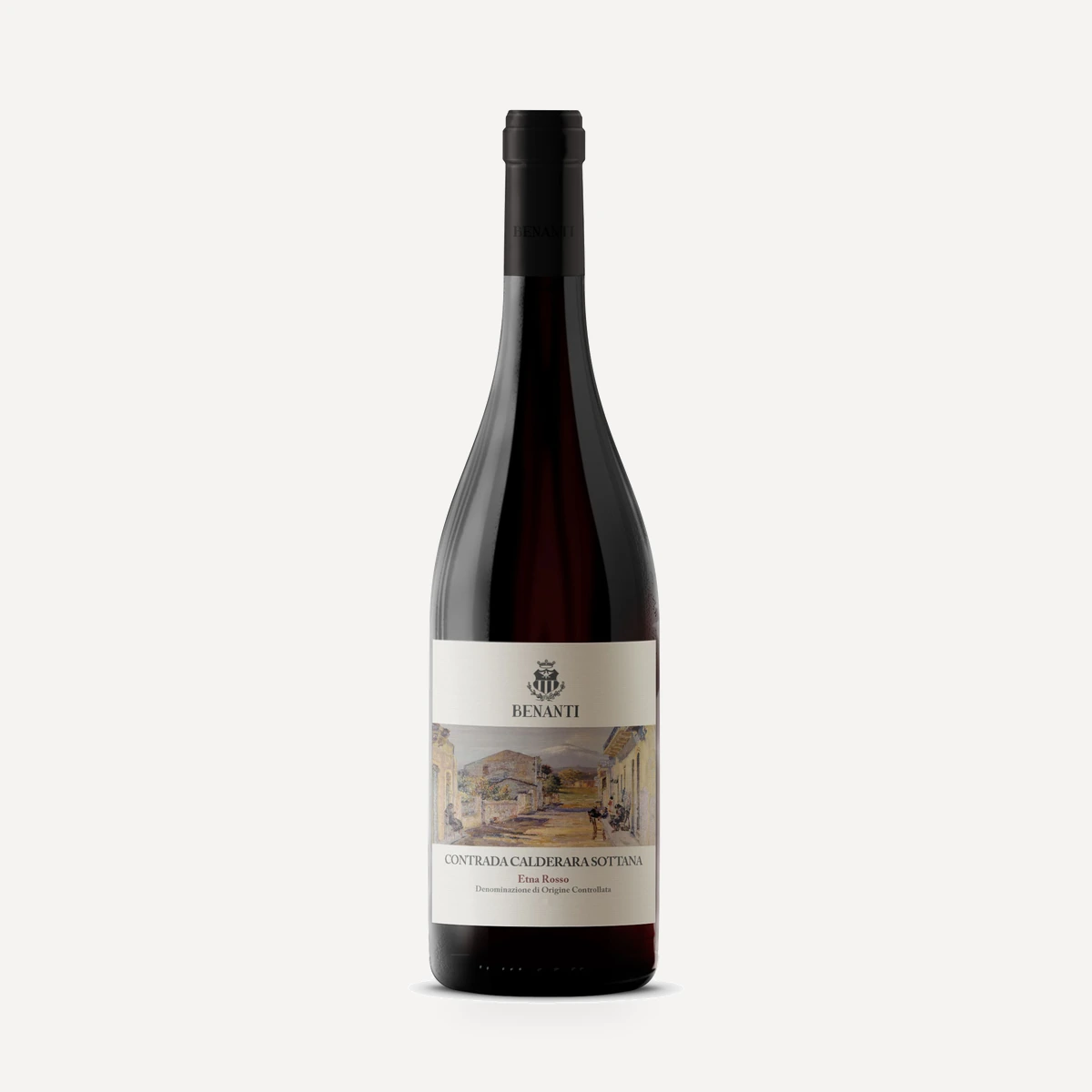
Contrada Calderara Sottana Etna Rosso
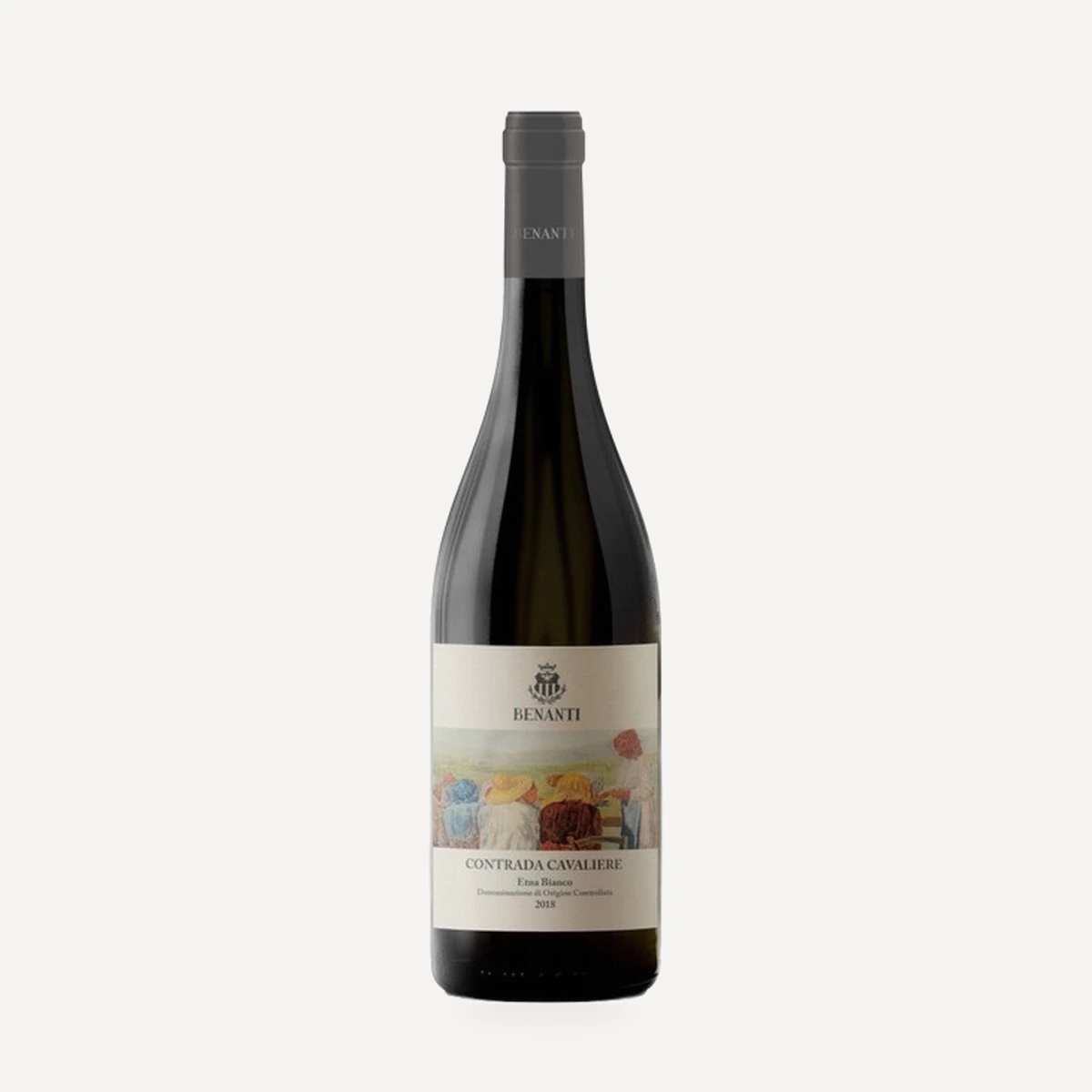
Contrada Cavaliere Etna Bianco
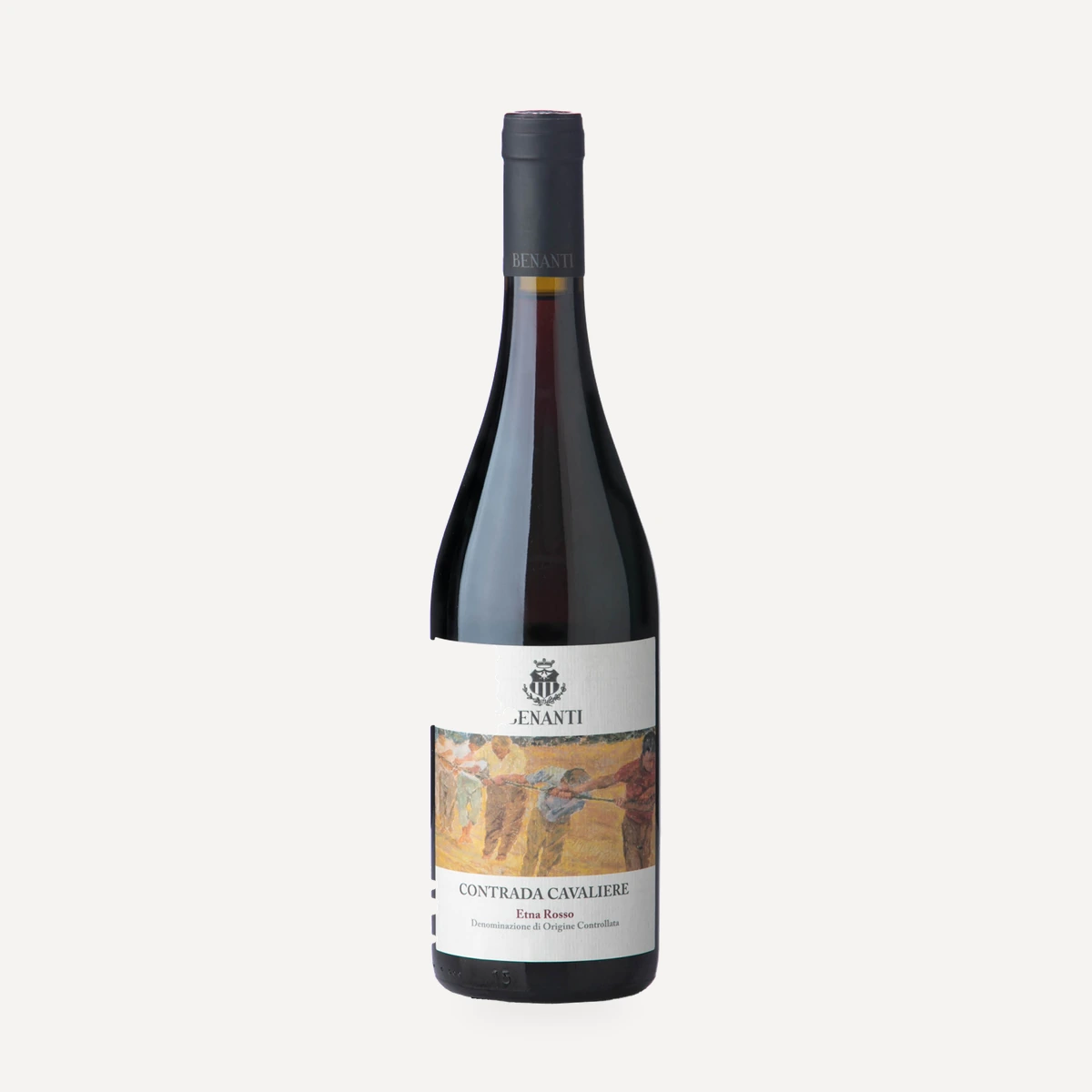
Contrada Cavaliere Etna Rosso
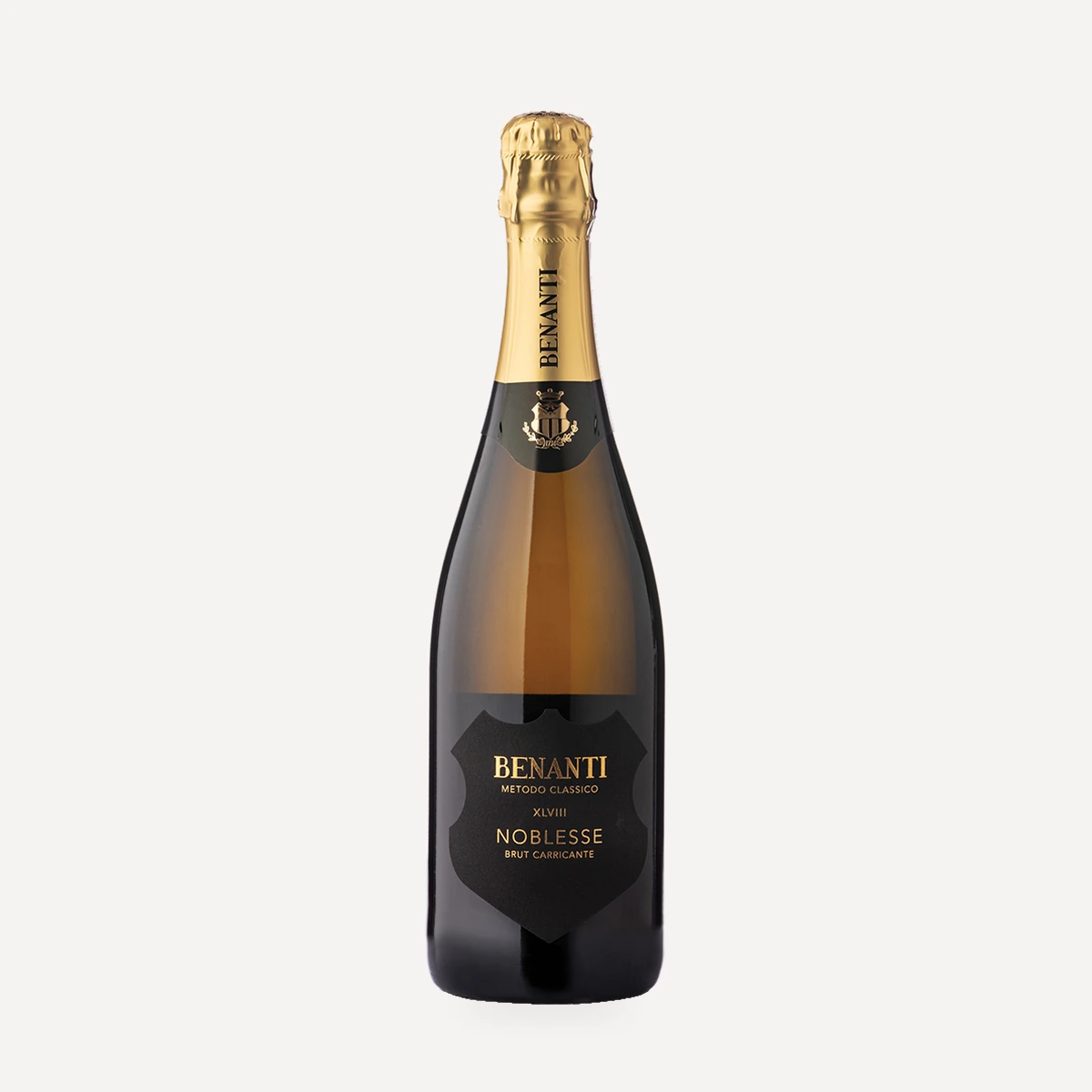
Noblesse 48 Mesi Metodo Classico Brut Carricante
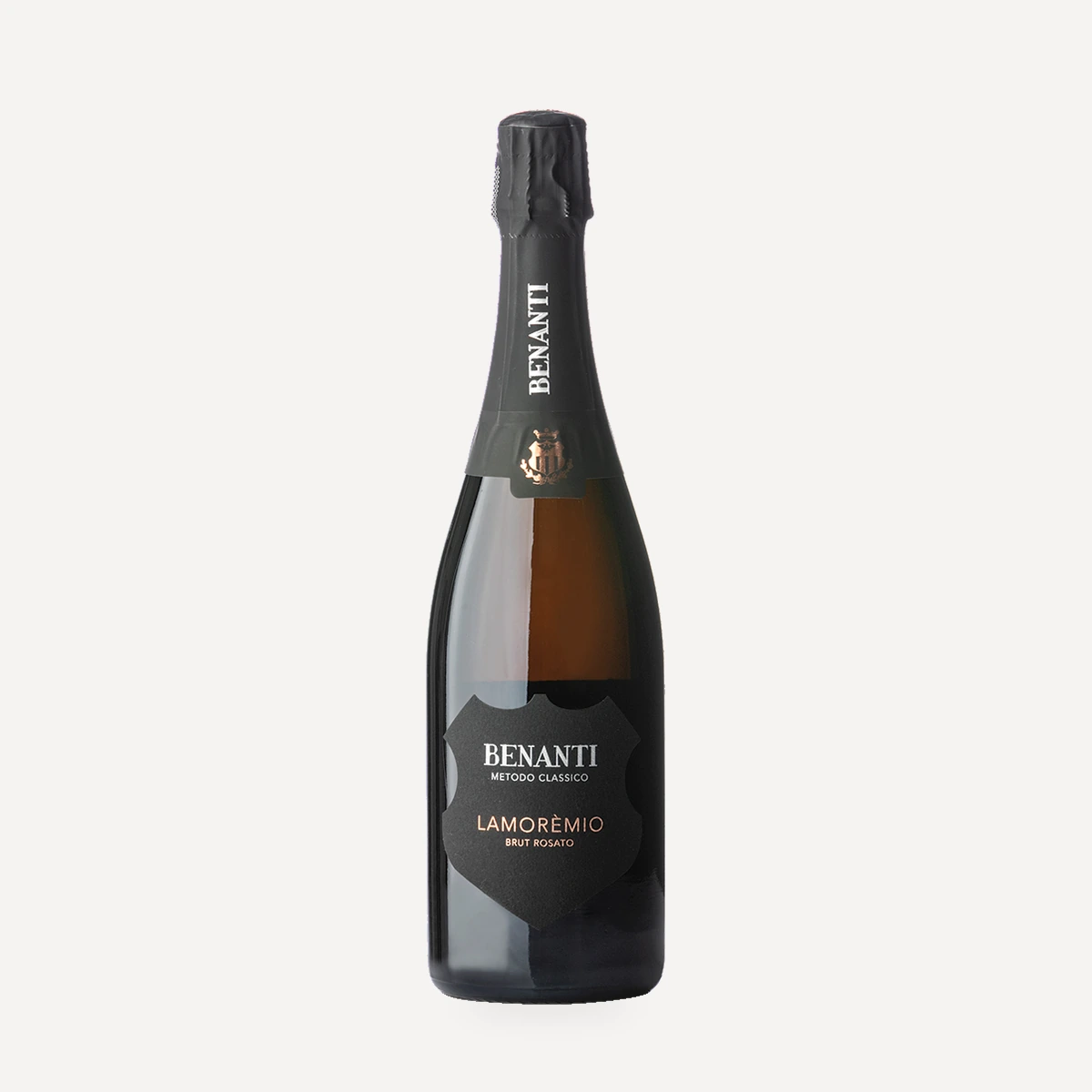
Lamorèmio Metodo Classico Brut Rosato
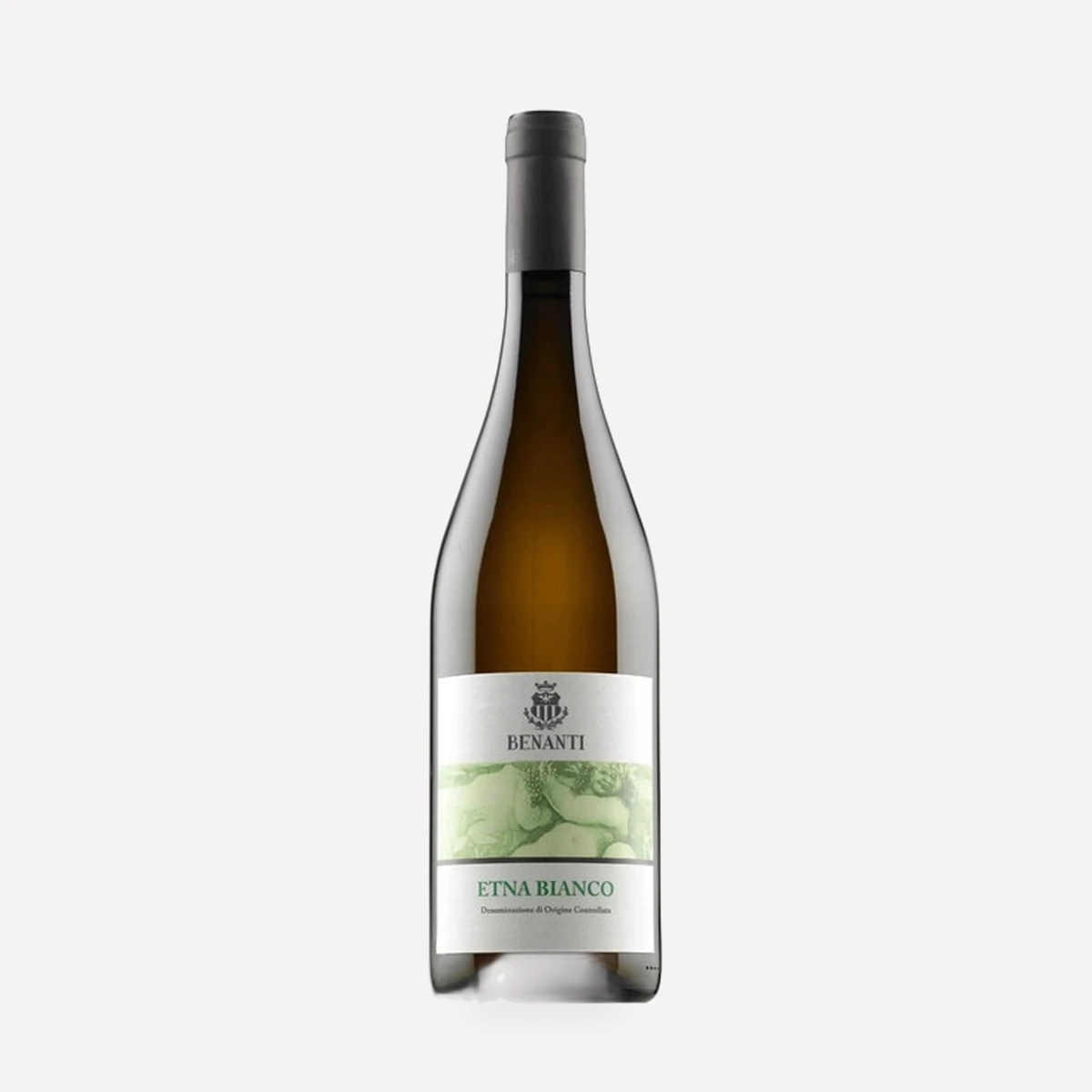
Etna Bianco
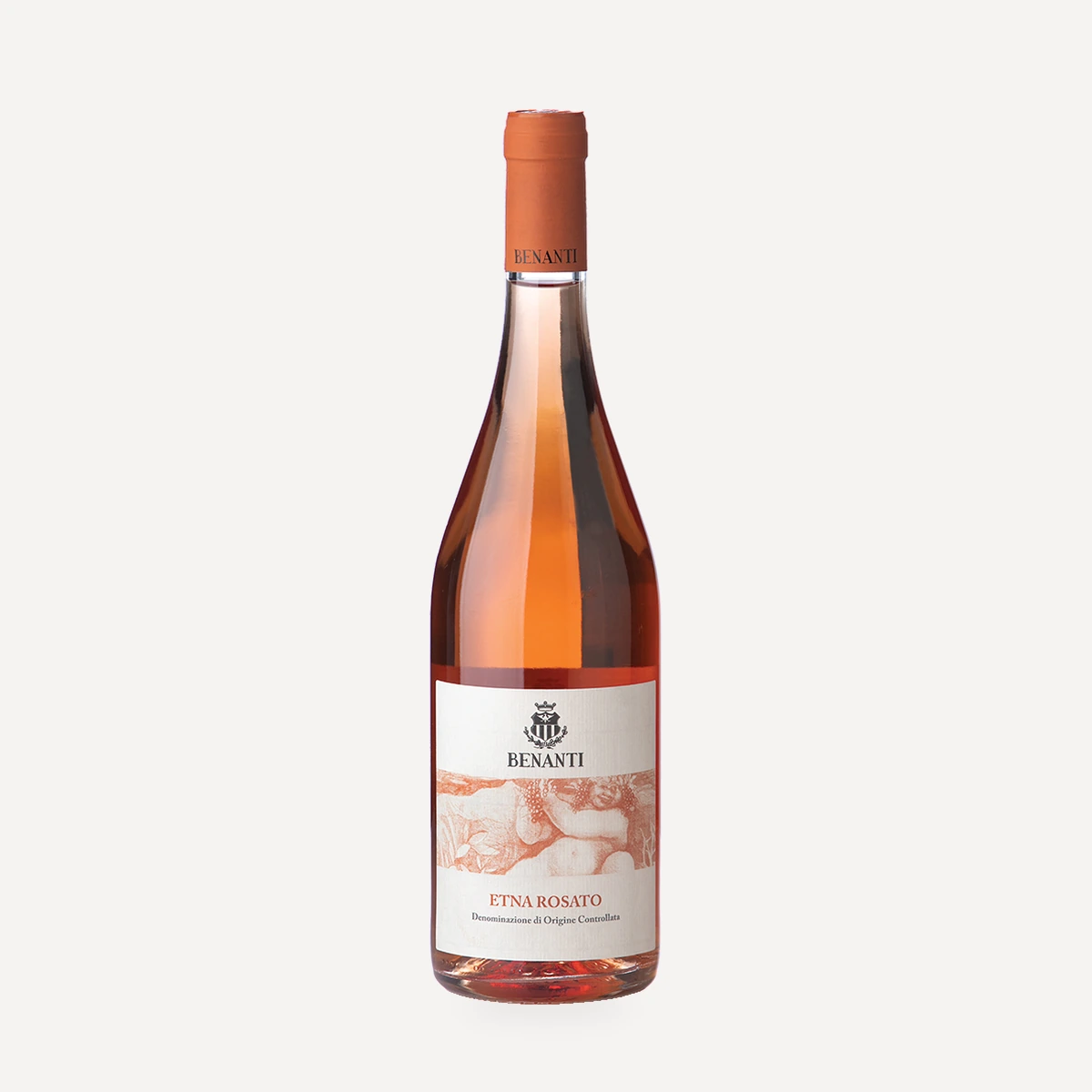
Etna Rosato
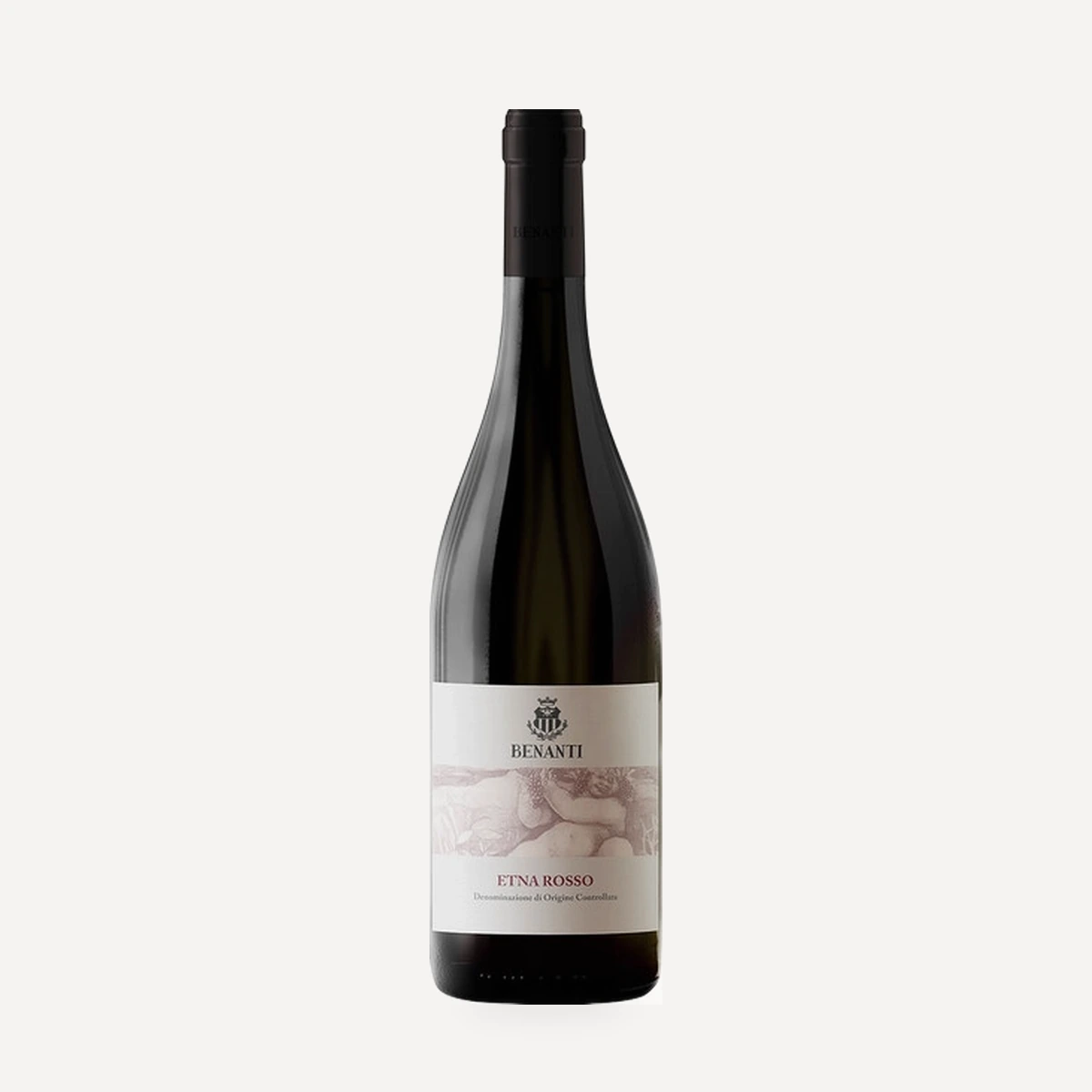
Etna Rosso
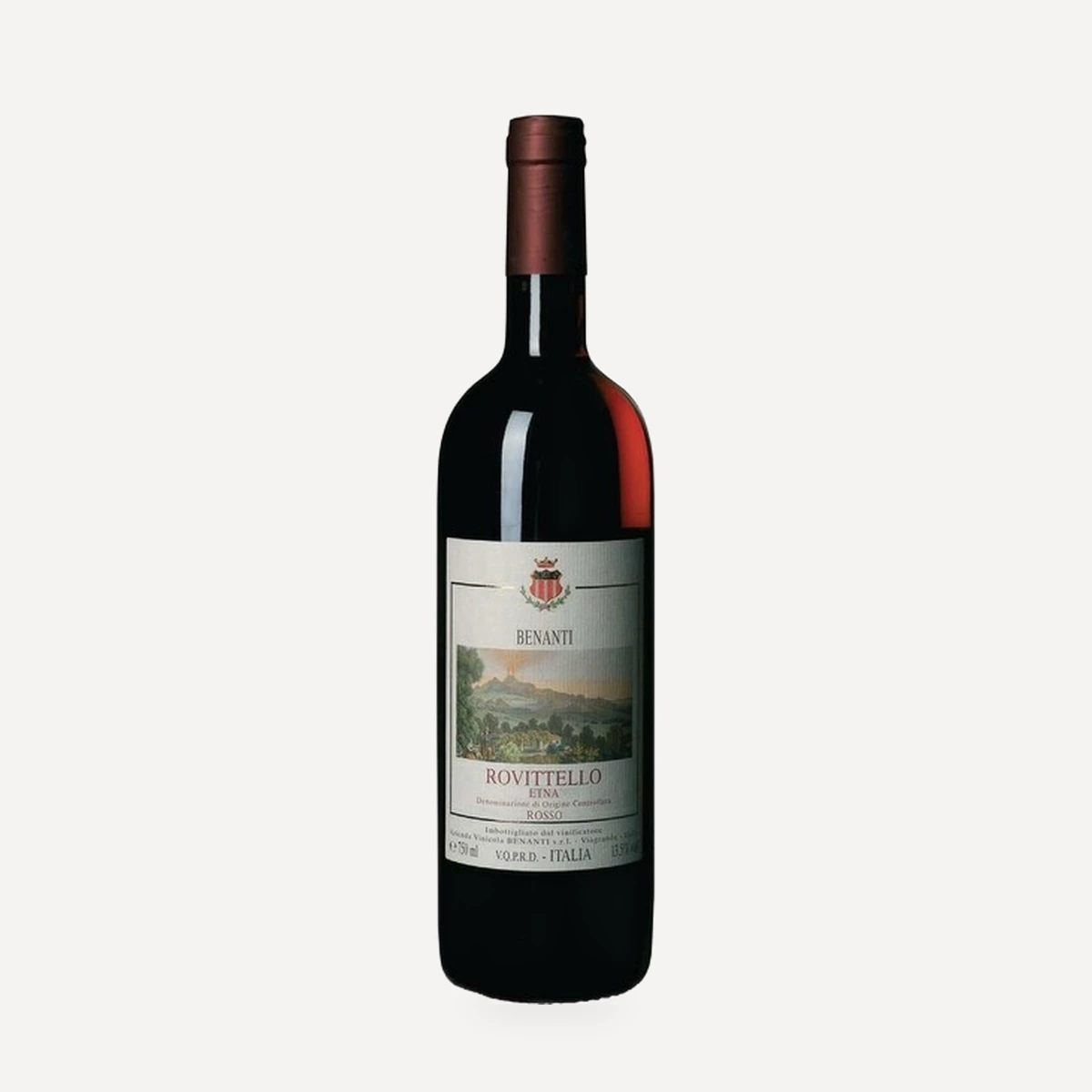
Rovittello Etna Rosso
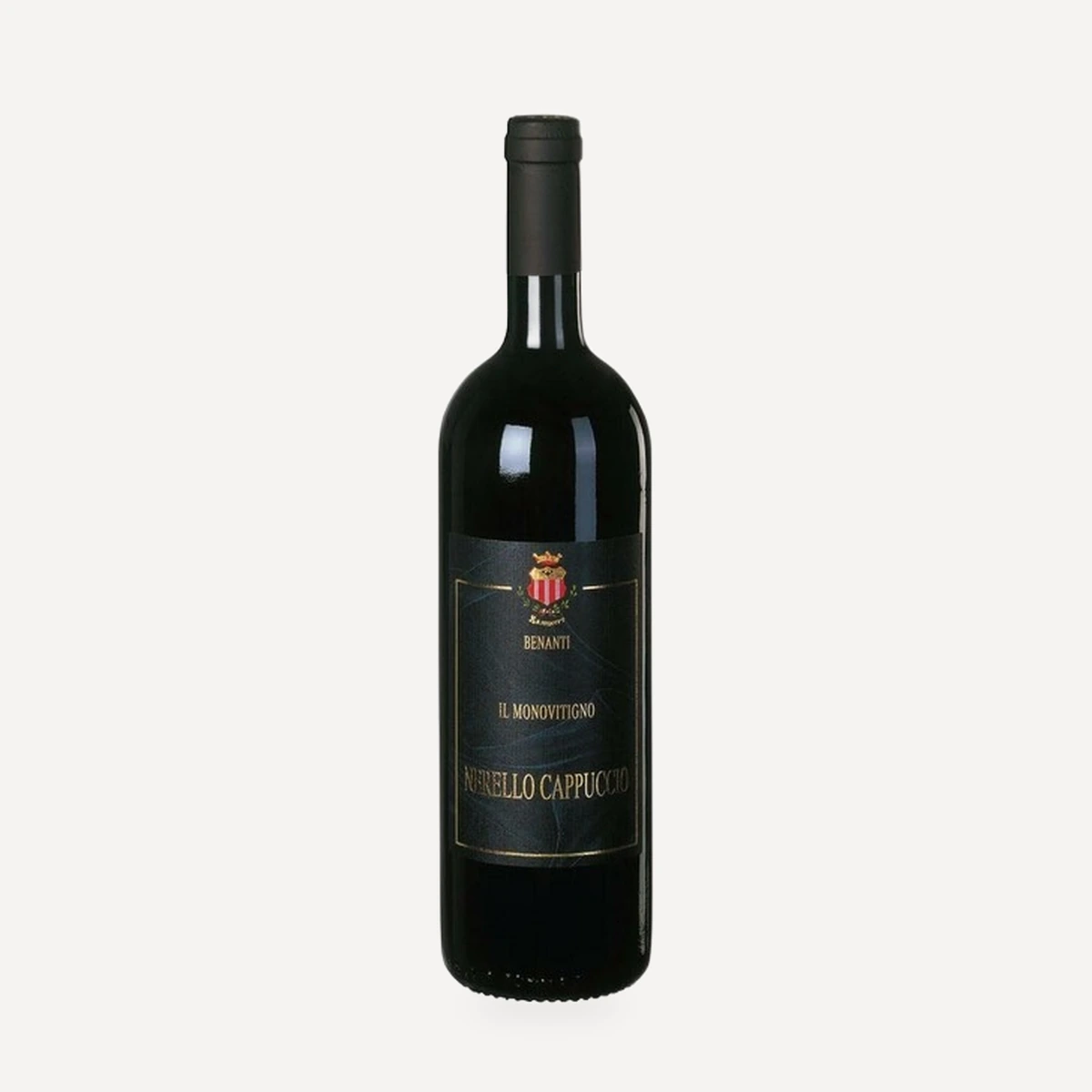
Nerello Cappuccio Terre Siciliane Rosso
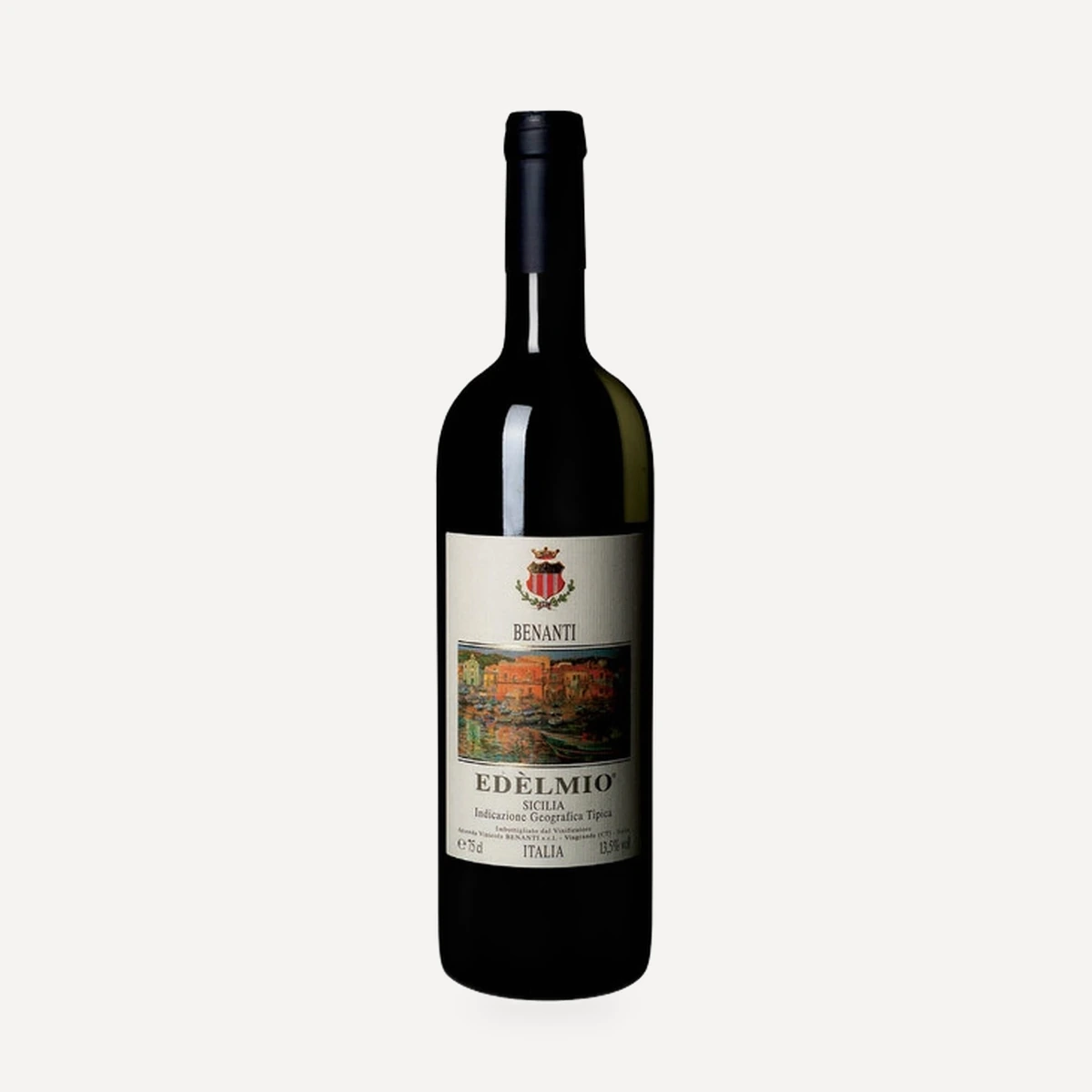
Edelmio Sicilia IGT
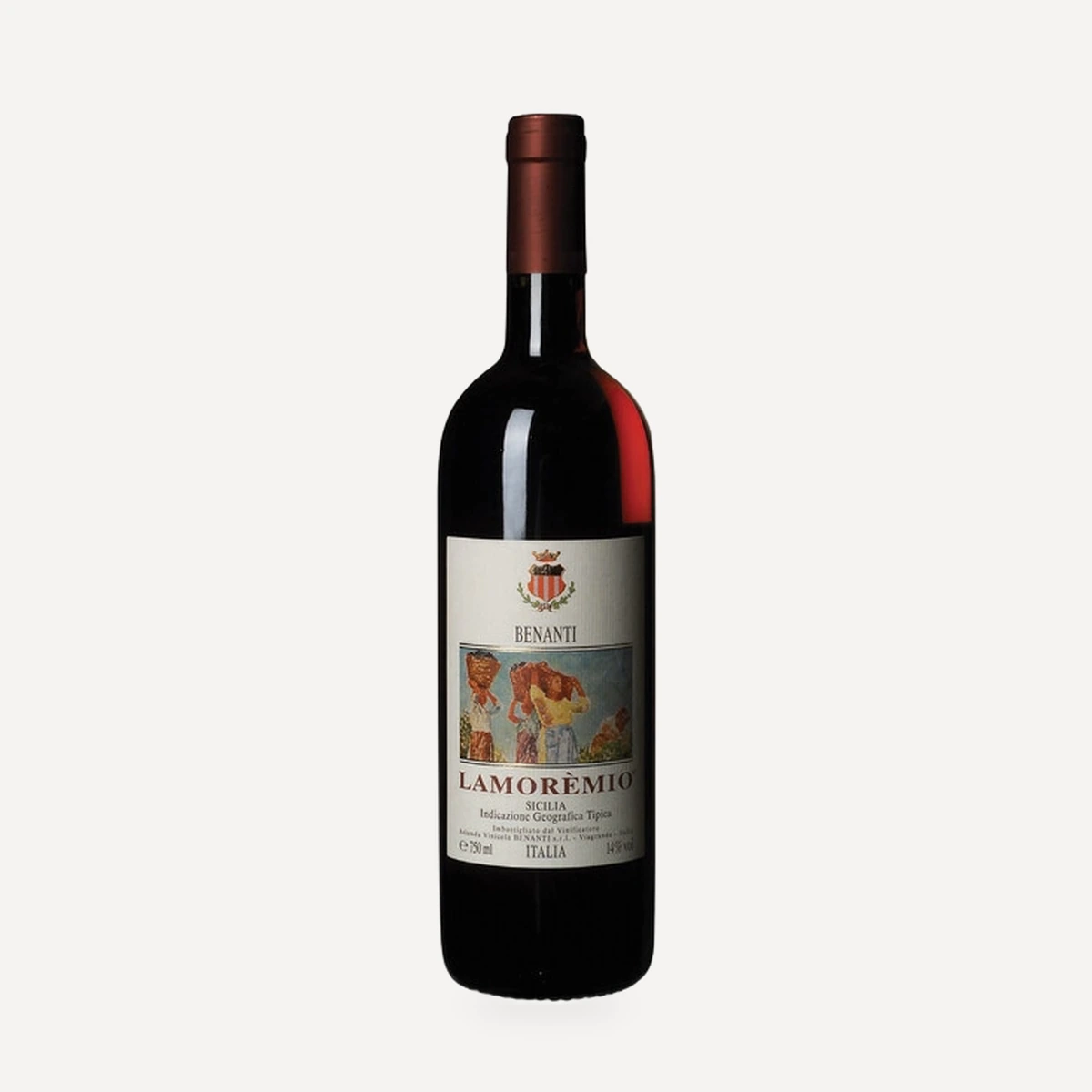
Lamoremio Sicilia IGT
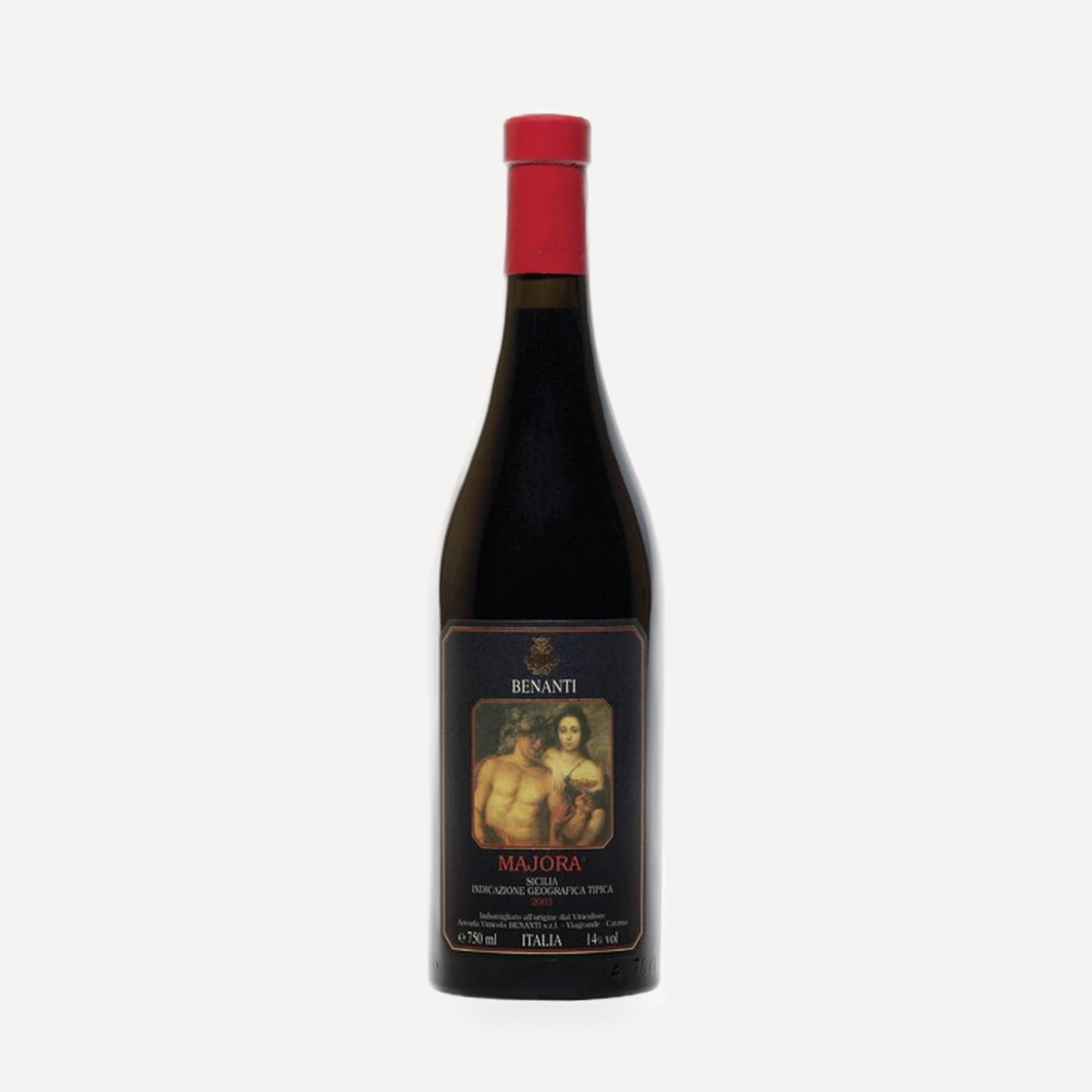
Majora Sicilia IGT
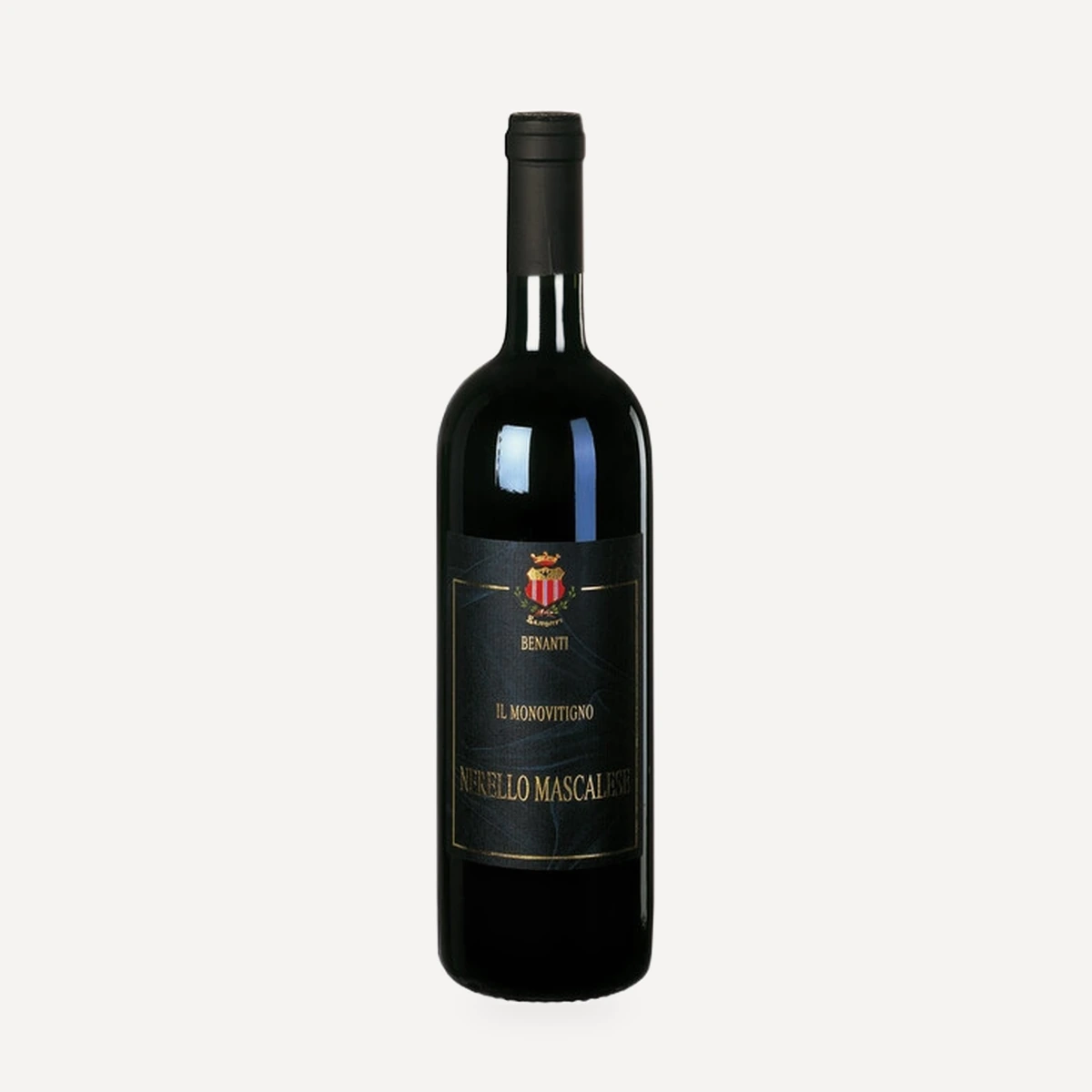
Il Monovitigno Nerello Mascalese Sicilia IGT
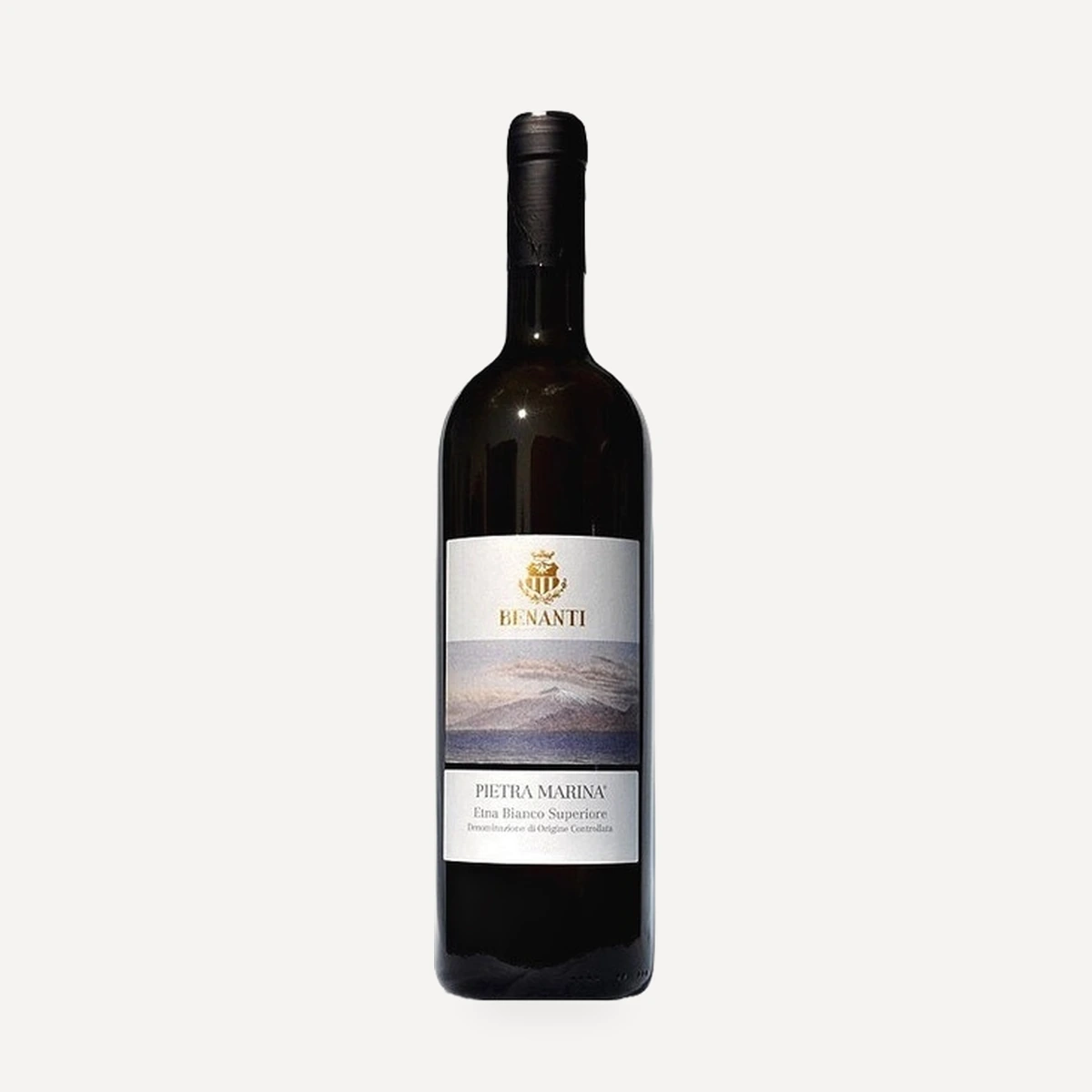
Pietra Marina Etna Bianco Superiore