About this wine
Vineyard and terroir
The grapes grow in the hills of Orvieto’s classic zone at 300 metres above sea level, on thin clay soils. The Orvieto area has a distinctive microclimate and a centuries-old history of vine cultivation dating back to the Etruscans.
Vinification
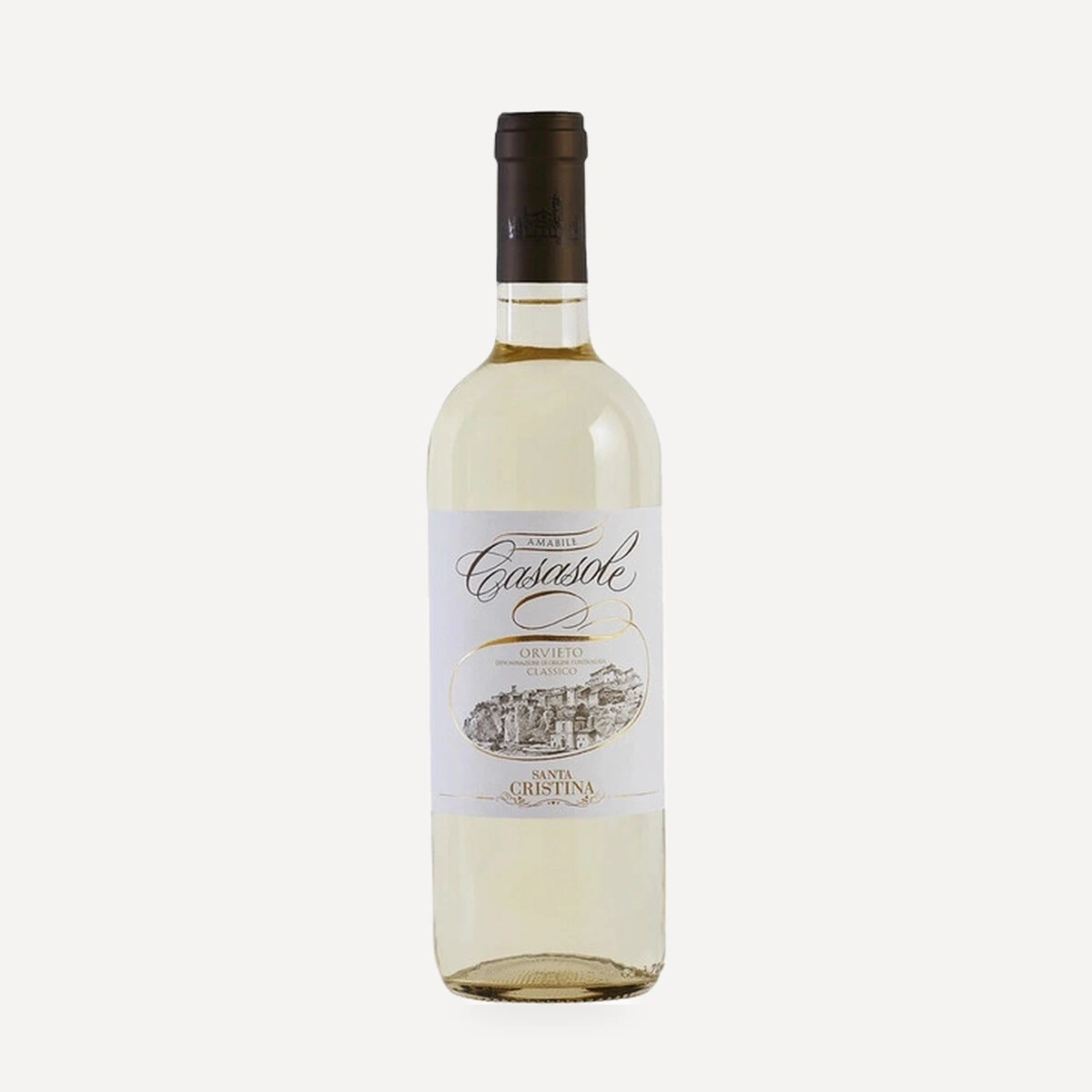
The grapes are handled gently using modern technology. Fermentation takes place in stainless-steel tanks and is stopped while the wine retains a relatively high level of residual sugar.
Ageing
The wine rests in the same stainless-steel tanks used for fermentation.
Label / history
Orvieto was first made by the Etruscans. It later became especially popular among the Vatican elite and Italian aristocracy, acquiring the nickname “the wine of popes”; Gabriele D’Annunzio called it “Italian sunshine in a bottle.”
Bigi has produced Orvieto in Secco and Amabile styles since 1880. The Amabile version is considered the older expression. Historically, its high residual sugar helped preserve the new wine in very cold conditions.
The Bigi family’s winemaking history began in 1880 with Luigi Bigi, who helped bring wider recognition to the Orvieto region in Italy and abroad. The estate, formerly owned by the La Trinita monastery, stands on a hill of volcanic origin.
The first written record of the area’s viticulture dates to 1292. Three years later, an official committee known as the “Guardians of the Vineyards” was established to protect vine quality. Local winemaking developments included a network of underground galleries and the practice of pressing grapes at ground level.
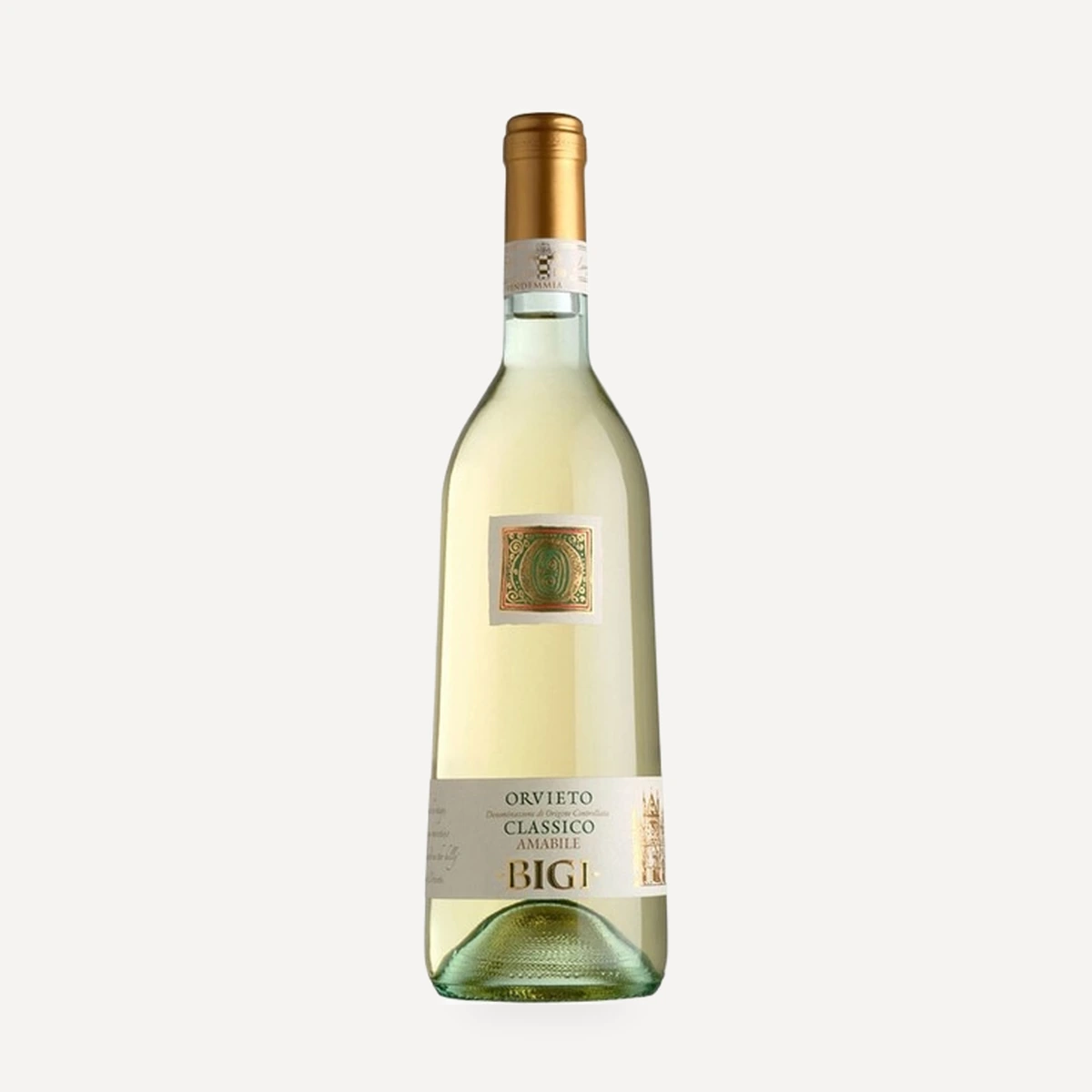
The wine is presented in Bigi’s specially designed “Gaudy” bottle.