History
Etruscan origins and the medieval castle
Viticulture in these hills is traced to the Etruscan period. Between 800 and 500 BC, the Etruscans occupied this part of Tuscany and were also active in mining. Their presence is recalled by an artefact depicting the Etruscan sun, unearthed during vineyard preparation in the 1980s and subsequently adopted in stylised form as the estate emblem.
The estate’s name derives from the Castello di Doglia, also known as the castle of Terriccio. Its ruins stand on the property’s highest and most panoramic hill. During the Middle Ages, the fortified site served as a signalling and defensive tower: inhabitants of the plains sought refuge there when Saracen sails were sighted offshore.
Gaetani and Poniatowski ownership
Between the 13th and 14th centuries, the bishop of Pisa—a nephew of Pope Boniface VIII—granted the estate in emphyteusis to the Gaetani counts on behalf of the Roman Church.
At the end of the 18th century, the relevant Gaetani line died without heirs. The property was purchased by the Poniatowski princes, who had emigrated from Poland and retained it until the first half of the 20th century. They converted the former fortified complex into an organised agricultural estate devoted to wheat, olives and grapes, constructing the farm headquarters, wine cellar, ancillary buildings and farmhouses. The historic cellar dates from the second half of the 19th century, the period in which quality-wine production began at Terriccio.
The Serafini Ferri era
The Serafini Ferri family, ancestors of the present owner, purchased the estate in 1921. Major land-improvement works undertaken during the 1920s gave the property a configuration close to its present form.
For much of the 20th century, Terriccio functioned as a largely self-sufficient rural community. Until the beginning of the 1970s, 63 sharecropping families lived within the village; its facilities included a church, school, bakery, brick kiln, mills and carpentry workshop. The estate became particularly prominent for cereal cultivation and achieved a European record for maize grown as a second crop. Long-standing connections with several employee families preserve part of this sharecropping legacy.
Gian Annibale Rossi di Medelana
Gian Annibale Rossi di Medelana (1942–2019) inherited the property in 1975. Horses were initially his principal passion. He bred thoroughbreds for eventing—the combined disciplines of dressage, show jumping and cross-country—and entered the pool of Olympic candidates. A serious accident at the age of 38 left him using a wheelchair and redirected his life toward wine production.
He recast Castello del Terriccio as a viticultural research project focused on identifying the best sites and producing high-quality wines while protecting the estate’s historic character and landscape. He assembled specialist collaborators, including the then-emerging oenologist Carlo Ferrini, and planted international varieties parcel by parcel according to site suitability rather than relying on Sangiovese and the traditional white varieties previously cultivated.
Con Vento was created in 1985. Chardonnay was introduced in 1988 and Sauvignon Blanc in 1989. Cabernet Franc, Cabernet Sauvignon and Merlot followed, while Syrah and Petit Verdot were introduced in the early 1990s and assessed through microvinifications for their adaptability and expressive potential. Carlo Ferrini joined during this period and helped reduce yields to approximately 900 g of grapes per vine.
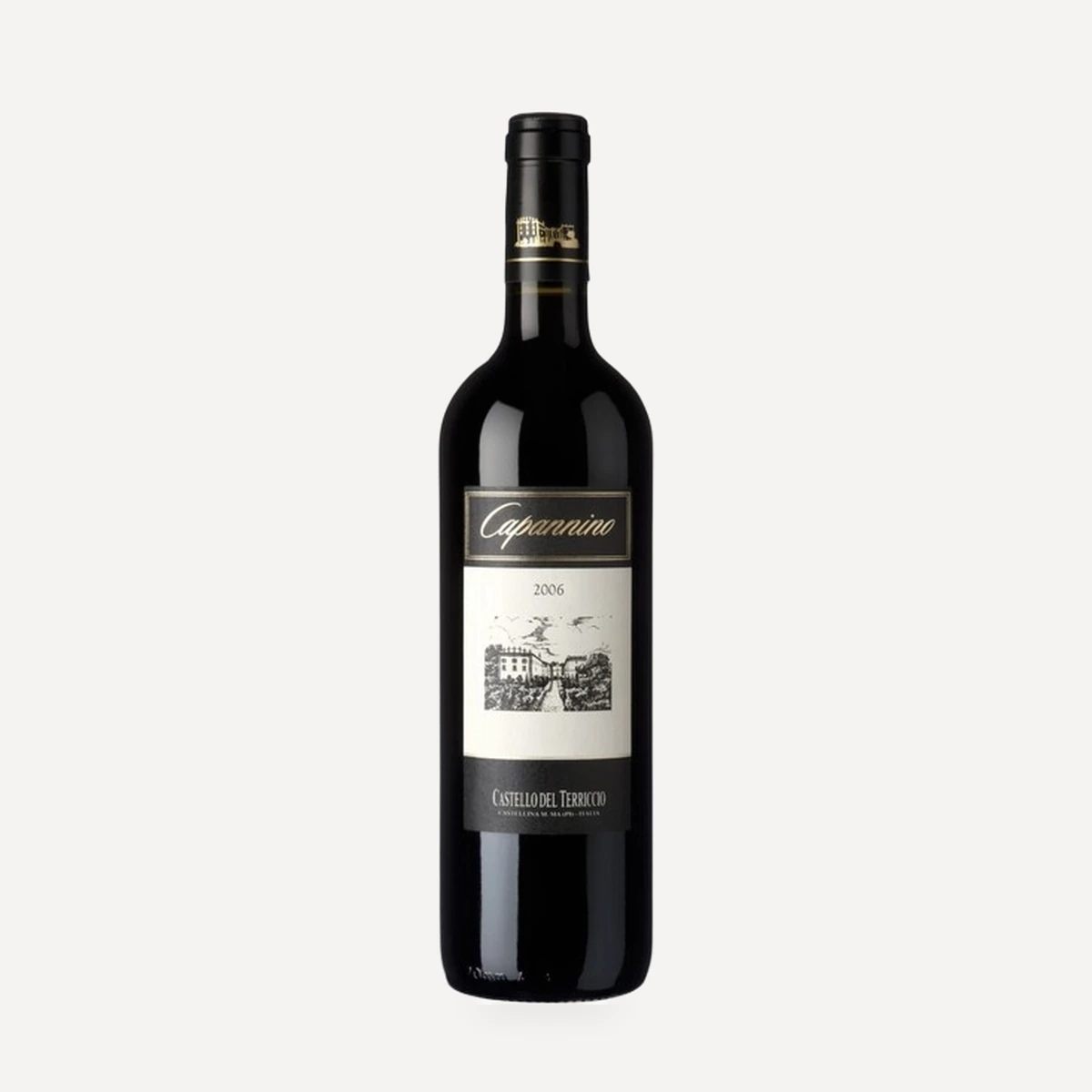
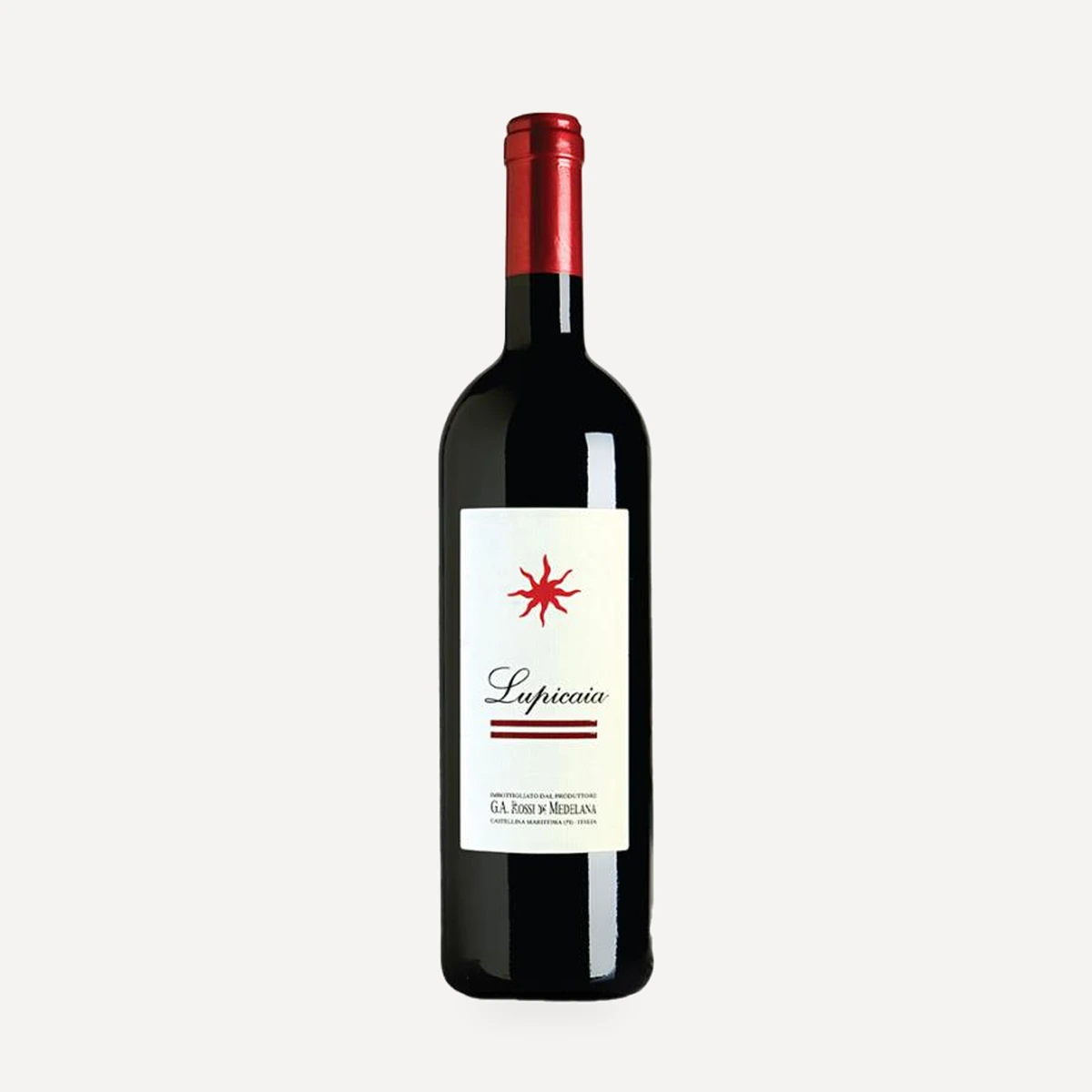
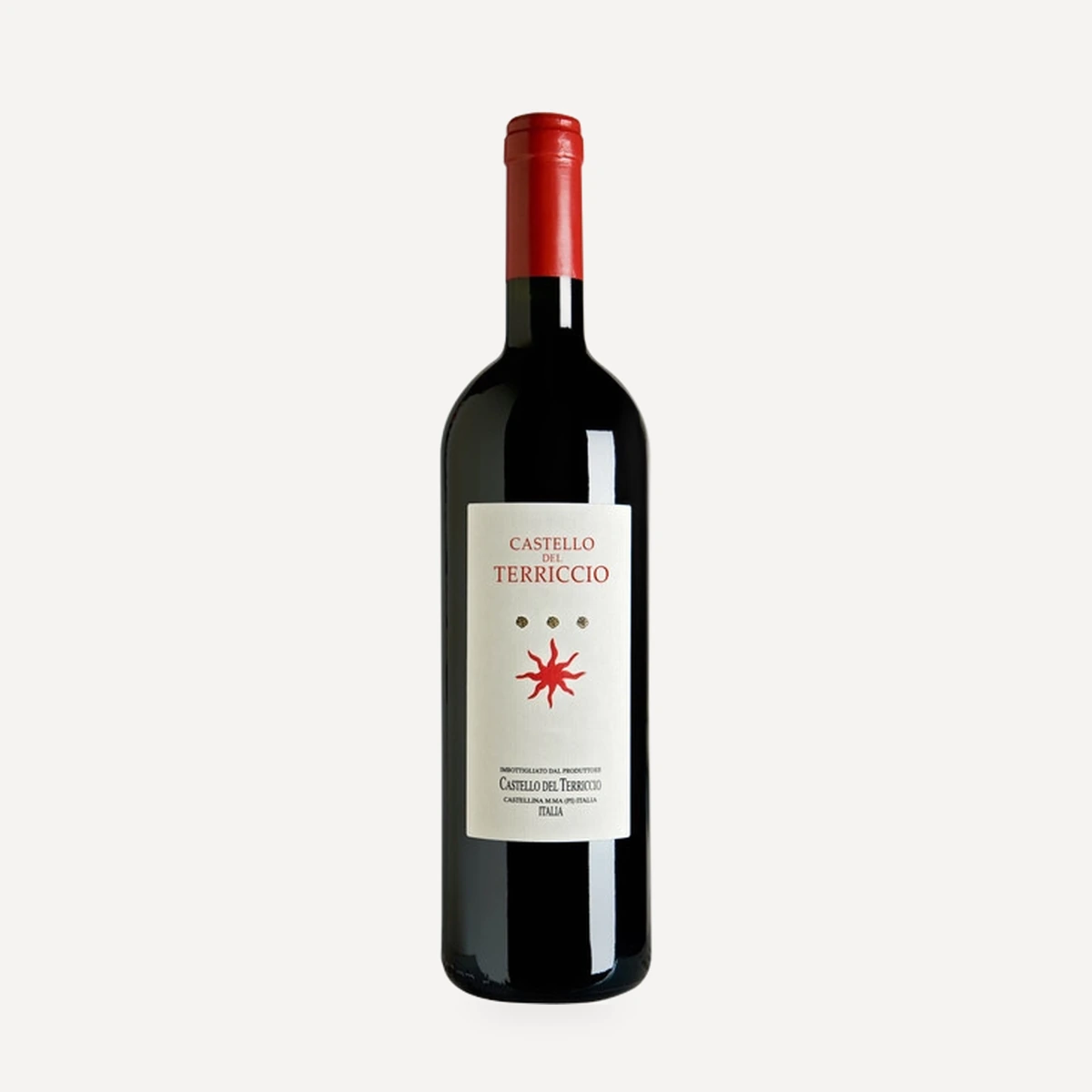
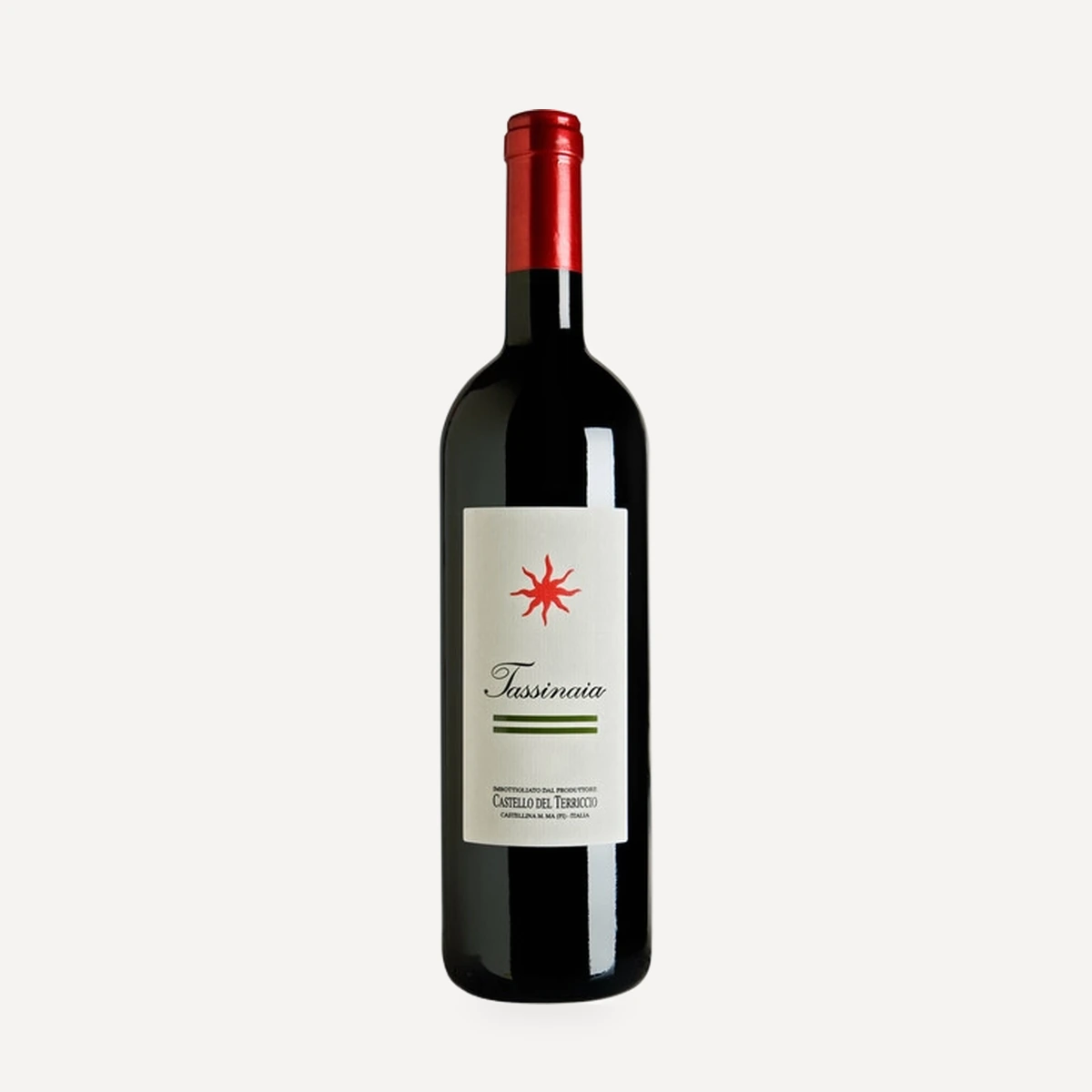
Tassinaia, Gian Annibale’s first wine project, appeared in 1992. Lupicaia followed in 1993, becoming the estate’s emblematic wine. White-wine production was initially entrusted to Graziana Grassini in the early 1990s, then to Hans Terzer from 2001 through 2004. The namesake Castello del Terriccio wine was introduced in 2000.
Cellar development
The historic 19th-century cellar, with brickwork and vaulted ceilings, handled every stage of winemaking until 2005. That year, a new underground cellar was inaugurated. It was designed to maintain temperature and humidity naturally while limiting energy requirements. The historic cellar remains in use for selected maturation stages, and its upper floor serves as the barrel room.
Carlo Ferrini assumed responsibility for Con Vento as well as the red wines in 2005. The cellar programme progressively replaced the former Slavonian oak casks with stainless-steel tanks, cement vessels, wooden vats, French oak tonneaux and Allier barriques.
Succession and the current phase
Gian Annibale laid the foundations for a Petit Verdot-led project later completed by his nephew. Its first vintage, 2018, became Gian Annibale, a limited-production tribute that symbolises continuity between the two generations.
Following Gian Annibale’s death, Vittorio Piozzo di Rosignano Rossi di Medelana assumed leadership in 2019. Vittorio, Gian Annibale’s only nephew, left a career in finance to manage the family’s agricultural activities and direct Castello del Terriccio. His approach centres on selective improvements rather than wholesale reinvention, adapting the vineyards to climate change and evolving consumer preferences while preserving the estate’s inherited character.
Since 2024, Castello del Terriccio has partnered with the University of Pisa on the development of a modular robotic system for vineyard monitoring and treatment.
A €2 million restoration programme initiated by Vittorio is reviving the historic village while respecting the buildings’ original fabric. The bakery has resumed making bread for the local community, the former carpentry workshop houses Terraforte restaurant, and the church continues to celebrate Mass every Sunday. The broader project combines agriculture, culture and hospitality with the conservation of the estate’s landscape and architectural memory.
Terroir
Castello del Terriccio occupies approximately 1,500 contiguous hectares on the hills forming the northern boundary of the Tuscan Maremma, at Castellina Marittima between Pisa and Livorno. The estate overlooks the Tyrrhenian Sea and lies between the countryside of Bolgheri and the Val di Cecina. Its elevations range from approximately 50 to 450 metres above sea level.
Three broad landscape zones structure the property: the plain closest to the sea; the hills around the historic village; and the north-eastern uplands, principally devoted to pasture and cereals. Vineyards and olive groves are concentrated on the plains and hills. Forest, Mediterranean scrub, pasture and arable land surround the cultivated parcels, while streams, natural springs, wells and rain-fed lakes contribute to the estate’s water reserves.
The flatter alluvial sites contain abundant sand and gravel. These conditions are associated with freshness, aromatic expression and restrained alcohol. The hills incorporate more complex substrates, including marine-origin limestone formations associated with structure, mineral character and ageing capacity. Across the older vineyard description, the soils are characterised as medium-textured mixtures of sand, silt and clay containing mineral elements such as iron and copper.
The sea strongly influences the microclimate. Winters are mild and receive most of the annual rainfall; spring is cool; summers are often hot, sunny and marked by extended dry periods. Water stored underground and accessed by the vines’ extensive root systems helps limit severe water stress and preserve grape acidity. Persistent maritime ventilation moderates heat stress and supports gradual, balanced ripening into early autumn. The sea also reflects light into the vineyards, extending their effective illumination beyond direct sunshine.
The surrounding landscape includes oak and eucalyptus woodland, Mediterranean scrub, meadows and grassy slopes descending toward the coast between Castiglioncello and Bibbona. On clear days, four islands of the Tuscan Archipelago are visible from the property.
Winemaking
Viticulture follows the principles of Regione Toscana’s Sistema di Qualità Nazionale di Produzione Integrata. The approach seeks to combine agricultural production with environmental protection, conservation of natural resources and the well-being of surrounding communities.
Red varieties are trained to spurred cordon and white varieties to Guyot. New vineyards are planted at approximately 6,250 vines per hectare. The yield objective introduced with Carlo Ferrini is about 900 g of grapes per vine, intended to build natural concentration, polyphenolic depth, structure, softness and ageing capacity.
Alternate-row grassing and autumn sowing are used to protect water resources, counter erosion and sustain biodiversity. Leguminous cover crops are sown between alternating rows and incorporated into the soil in spring, supplying nitrogen naturally and helping prevent erosion and compaction. Manure comes from the estate’s own cattle, while weeds are controlled mechanically.
Biological controls are used where possible. Anagyrus parasitoids are employed against mealybugs. Bacillus thuringiensis and pheromone traps based on mating disruption are used against grape moths. Weather stations positioned in areas most susceptible to disease monitor rainfall, wind, evapotranspiration, humidity and leaf wetness daily. Forecasting models process these measurements so that plant-protection work can be minimal and timely.
Water resources derive exclusively from natural springs, wells and lakes replenished by rainfall. The preferred philosophy is to avoid artificial vineyard irrigation where climatic conditions permit. Adaptation work with Carlo Ferrini includes studying low-vigour, drought-resistant rootstocks and exposures capable of supporting balanced ripening with minimal physiological stress. Mourvèdre is also under study as part of the response to climate change.
Ripening is monitored frequently from veraison. The harvest date is determined separately for each vineyard section according to the season and analytical maturity. Grapes for Lupicaia and Castello del Terriccio are picked by hand, and the best bunches receive manual selection.
Since 2024, collaboration with the University of Pisa has supported development of a modular robotic system for vineyard monitoring and treatment. Beyond the vineyards, approximately 800 ha of forest and the estate’s mosaic of scrub, pasture, arable fields and olive groves maintain habitat diversity. The woodland is calculated to absorb 7–9 tonnes of CO₂ annually.
Cellars and vessels
The historic cellar occupies the ground floor of one of the old village buildings. Dating from the second half of the 19th century, it retains vaulted ceilings and exposed brickwork. It handled every vinification stage until the inauguration of the new cellar in 2005 and continues to accommodate selected maturation phases. The upper floor contains the barriccaia, where wines rest in French oak tonneaux.
The new cellar was built underground so that appropriate temperature and humidity could be maintained naturally with reduced energy use. Its equipment includes truncated-cone stainless-steel tanks, Tulipe cement tanks and truncated-cone wooden vats. Stainless steel is used for wines requiring short maturation; cement provides natural insulation for medium- to long-term ageing; French oak tonneaux serve structured wines, with porosity and selected toast levels allowing slow, continuous oxygen exchange.
Separate vinification and maturation
Vinification is deliberately straightforward and intended to preserve the original character of the grapes and their individual sites. Varieties and parcels are processed separately, with timing adjusted to grape, vineyard and vintage. Their maturation also proceeds separately, and final blends are assembled only at the end so that each component retains its identity for as long as possible.
The cellar uses stainless steel, cement, wooden vats, French oak tonneaux and Allier barriques in place of the former Slavonian oak casks. Oak use is calibrated to the structure and intended development of each wine. New Allier tonneaux are used for Lupicaia and Castello del Terriccio and subsequently reused for Tassinaia. Lupicaia and Castello del Terriccio mature in wood for an average of approximately 22 months; Tassinaia for approximately 16 months before blending. The red wines receive additional bottle maturation for several months. No clarification is used.
The estate’s sole white wine is fermented and matured in stainless steel. Short macerations form part of the approach used for Tassinaia. Overall production is approximately 200,000–250,000 bottles annually. Carlo Ferrini directs the oenological programme with cellar manager Valerio Corsini.
Philosophy
The estate’s philosophy treats Castello del Terriccio as a complete agricultural ecosystem rather than a property with a single productive purpose. Vineyards coexist with woodland, Mediterranean scrub, olive groves, arable crops, pasture, cattle and wildlife. Human work is expected to remain in balance with this environment, preserving biodiversity and natural resources while allowing the estate to evolve.
Gian Annibale Rossi di Medelana’s modern project was founded on research: identify the most suitable land for each variety, reduce yields, surround the work with skilled specialists and allow the estate’s coastal character to emerge without forcing it. In the cellar, this translates into simple vinification, separate handling of parcels and varieties, restrained oak use and sufficient maturation time.
Vittorio Piozzo di Rosignano describes his role as one of stewardship and measured evolution. The inherited estate is to be improved and given a new framework, rather than reinvented. Wine is understood as a living product that changes with time, taste and climate; long vineyard lead times therefore require the business to anticipate future conditions. Climate adaptation, hospitality and restoration of the village are treated as parts of the same continuing project.
Respect for nature also informs the preference to avoid artificial irrigation whenever seasonal conditions permit. Integrated farming, biological controls, estate manure, mechanical weed management and data-guided treatments are intended to reduce intervention while maintaining balanced vines. The desired wines are deep and long-lived, with freshness, elegance and equilibrium, expressing their territory without distortion.
Wines
Lupicaia
Castello del Terriccio
Tassinaia
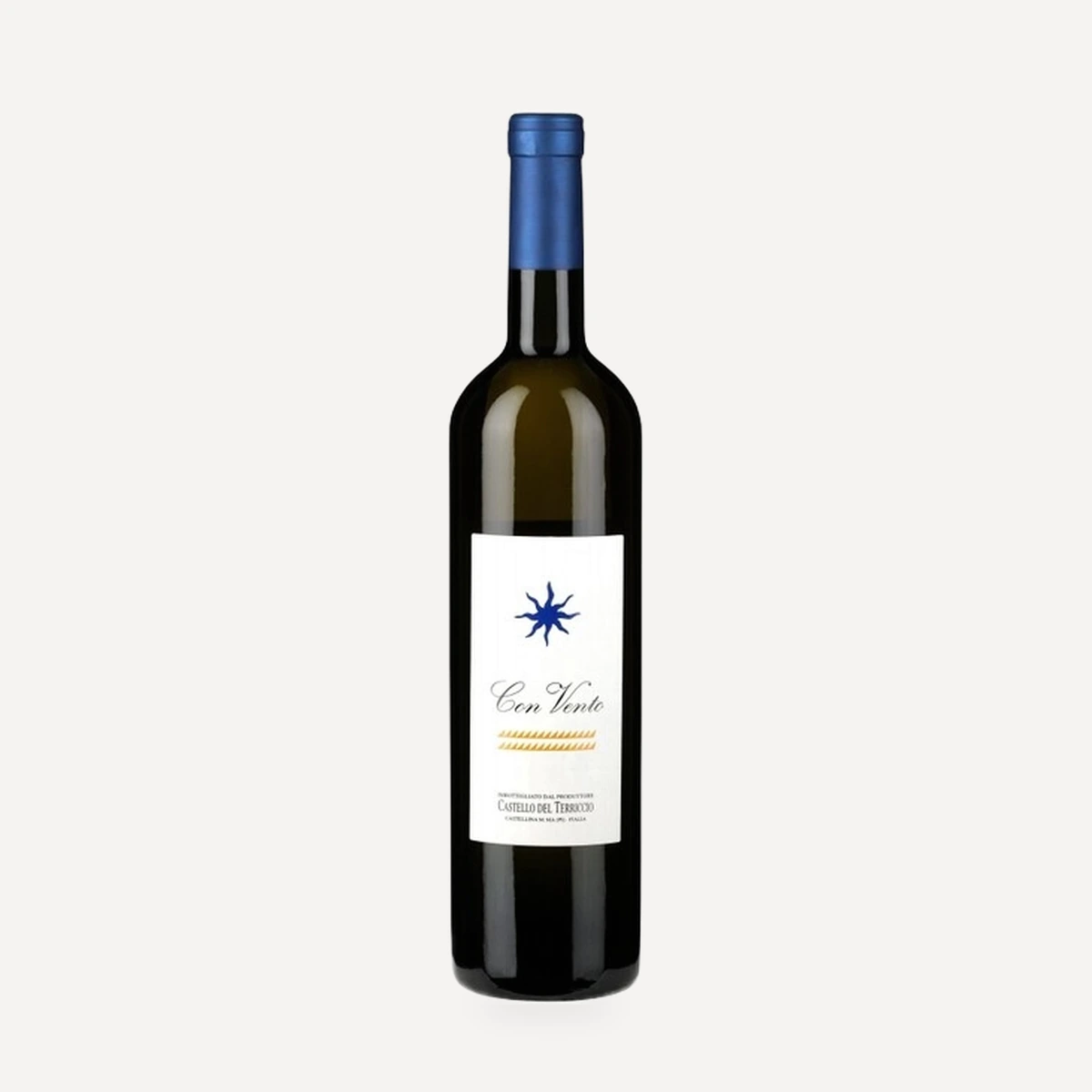
Con Vento
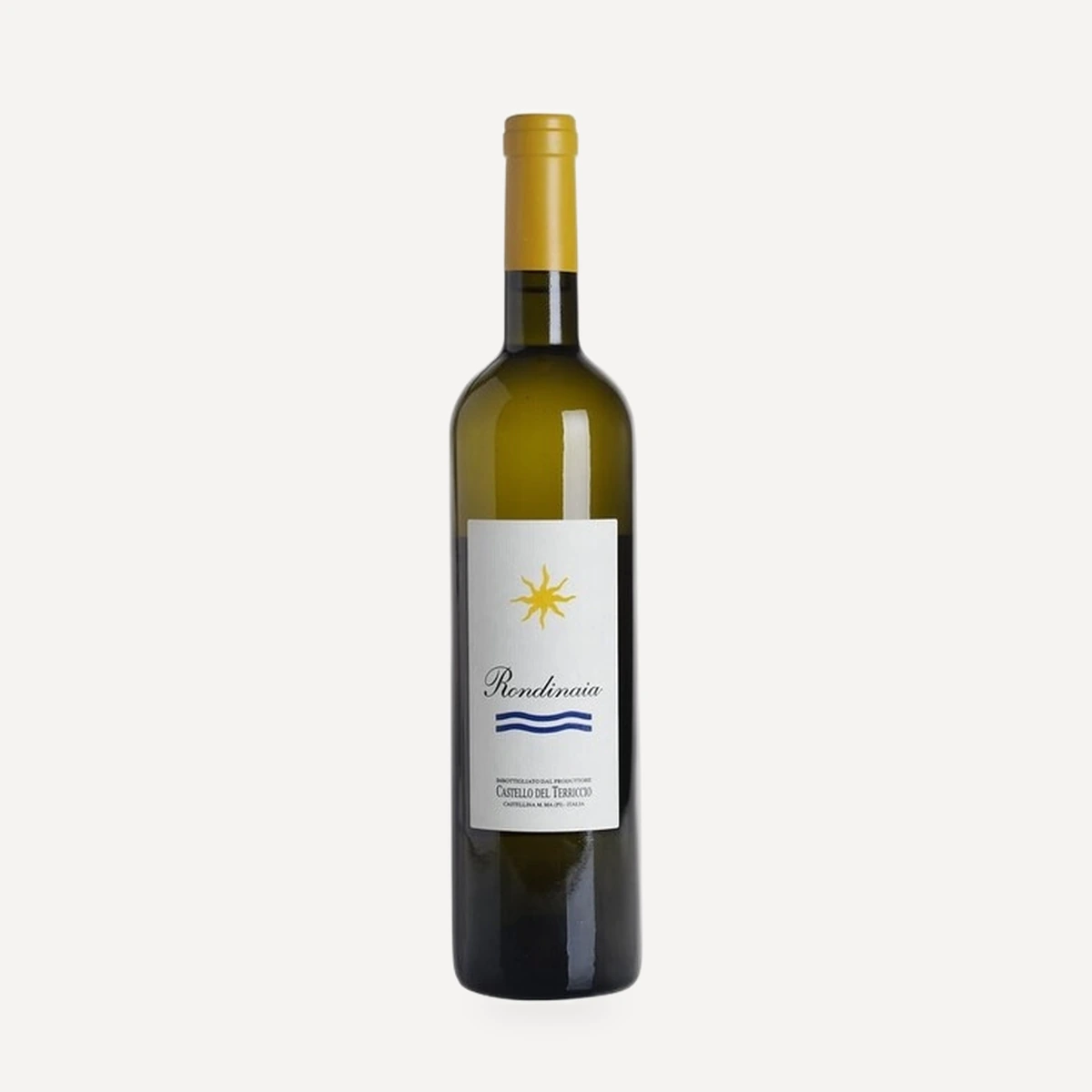
Rondinaia Toscana IGT