History
Seventeenth-century origins
The estate traces its origins to the 17th century. Its historical centre is the Palazzo in Castelnuovo dell’Abate, commissioned in 1672 by Fabivs de’ Vecchis, Bishop of Montalcino, Abbot of Sant’Antimo, Conte Palatino and Imperial Advisor. The building later became known as the Bishop’s Palace.
From ecclesiastical property to the Ciacci family
Following Fabivs de’ Vecchis’s death, the Palazzo and its extensive agricultural holdings were auctioned under Italian legislation governing ecclesiastical property. Countess Eva Bernini Cerretani purchased them on 16 September 1868. On 31 December 1877, she sold the entire property to the Ciacci family of Castelnuovo dell’Abate.
During the first half of the 20th century, Elda Ciacci married Count Alberto Piccolomini d’Aragona, a descendant of the family of Enea Silvio Piccolomini, who became Pope Pius II. Their marriage gave the former Bishop’s Palace—and subsequently the estate—its present name, Ciacci Piccolomini d’Aragona.
Giuseppe Bianchini and the creation of the modern wine estate
Giuseppe Bianchini served for many years as estate manager and wanted to establish commercial wine production. He planted the first vineyards in 1983. When Countess Elda Ciacci died in 1985 without a direct successor, she bequeathed the property to Giuseppe.
Giuseppe and his family established the agricultural estate’s first headquarters in Palazzo Piccolomini in 1985. That same year, the first commercial releases comprised 20,000 bottles of Brunello di Montalcino and 5,000 bottles of Rosso di Montalcino. Giuseppe introduced a new production philosophy, expanded output, pursued higher quality and developed international exports.
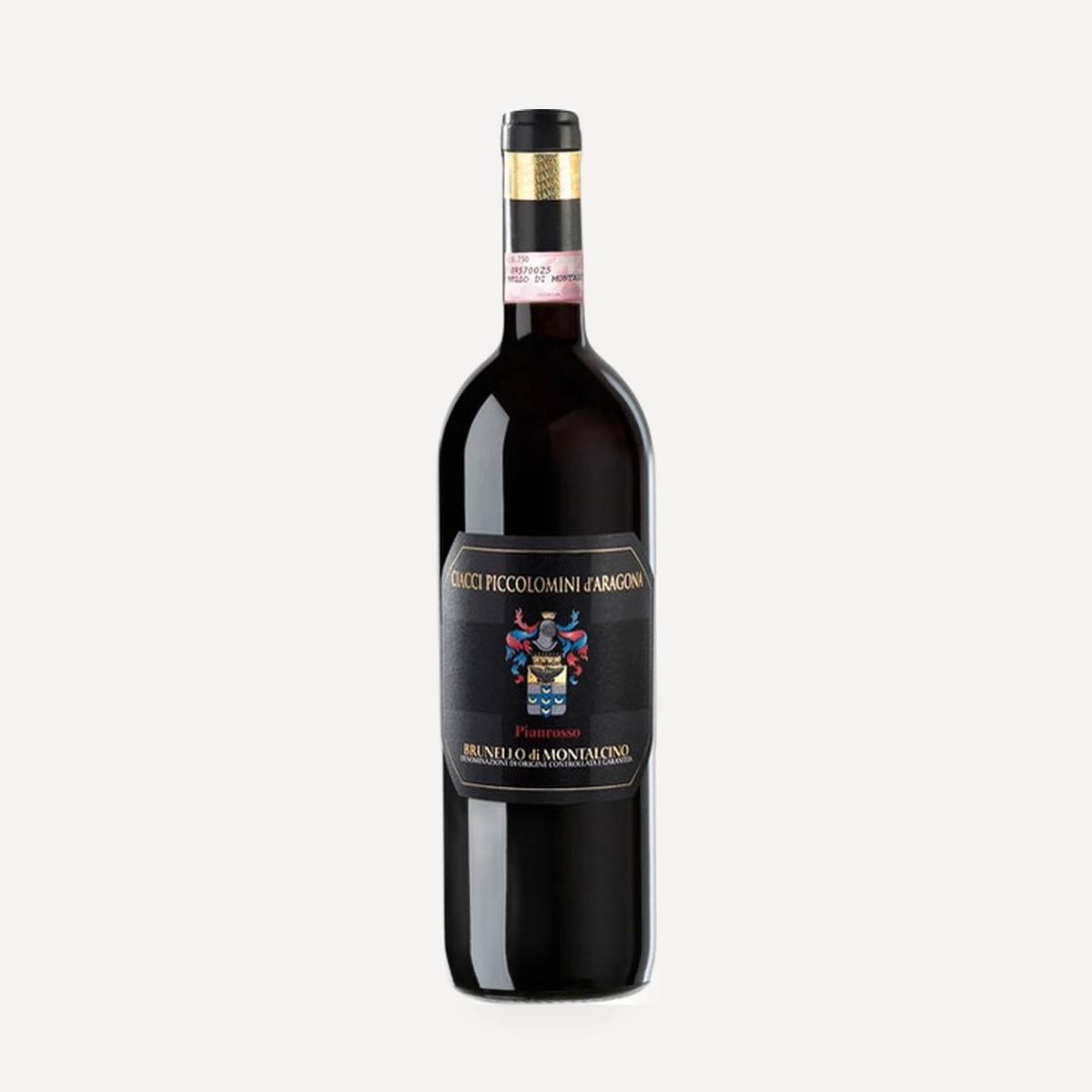
Planting of the Pianrosso vineyard began in 1985. Recognising the character of its fruit, Giuseppe decided in 1990 to vinify and bottle Pianrosso separately, making it an early single-vineyard Brunello within the denomination.
Ateo originated in 1989, coinciding with the first harvest from the estate’s Cabernet Sauvignon and Merlot vineyards. It combined those varieties with native Sangiovese. Fabivs followed in 1998, made from Syrah grown in Vigna del Conte and named for the bishop who commissioned the Palazzo.
Molinello and the transfer to the next generation
Giuseppe conceived and designed the fully underground Molinello cellar. Built at the end of the 1990s, it became the principal production facility and estate headquarters, bringing vinification, maturation, refinement, storage, bottling, labelling and offices together near Castelnuovo dell’Abate.
Giuseppe died in February 2004, shortly before completion of the new winery. Ownership and responsibility passed to his children Paolo and Lucia Bianchini. Paolo continued as producer, winegrower and cellar lead, while Lucia assumed responsibility for administration and accounting.
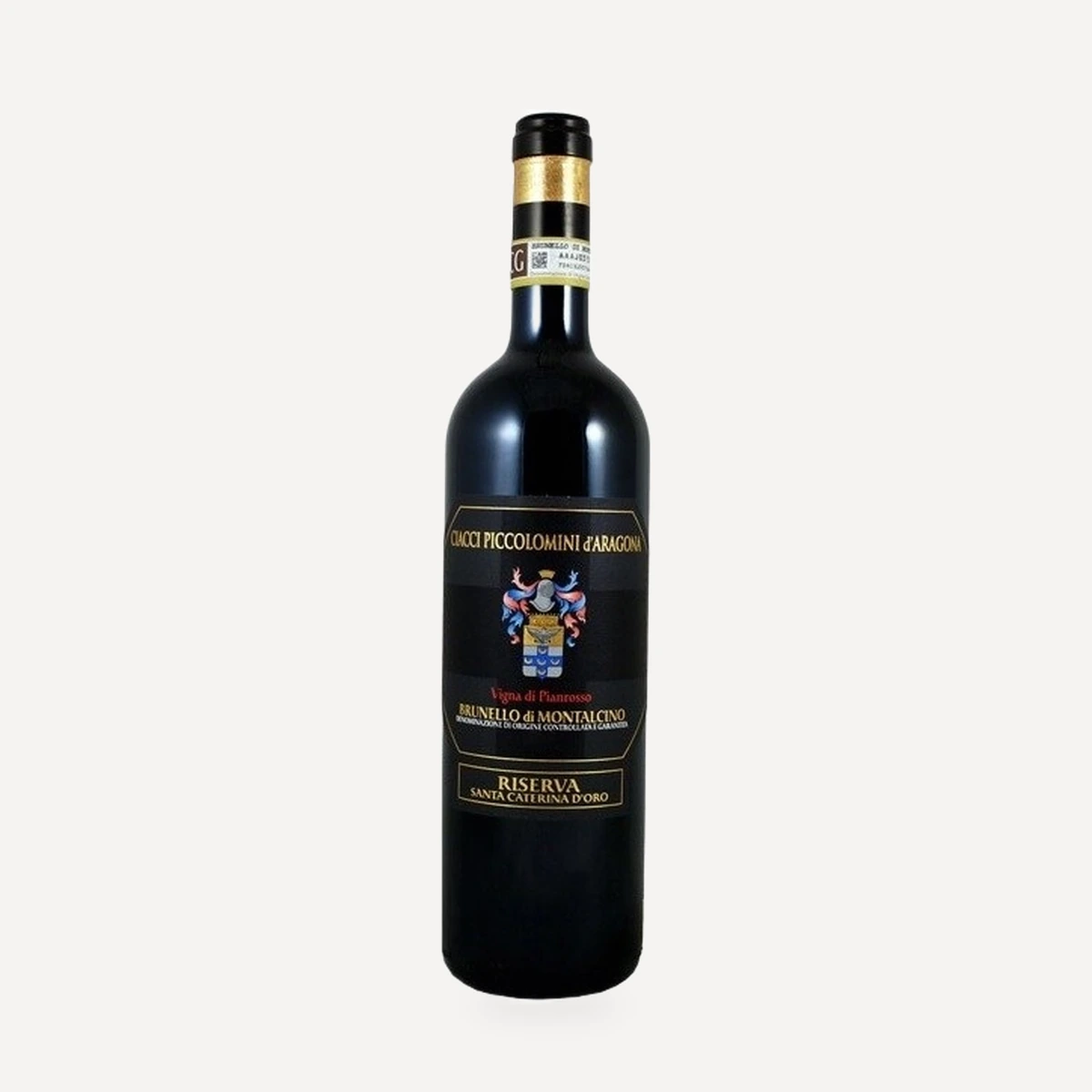
Giuseppe’s name is also commemorated by Brunello di Montalcino Vigna di Pianrosso Riserva Santa Caterina d’Oro. He had received Siena’s Santa Caterina d’Oro winemaker-of-the-year distinction three times.
The family today
Paolo and Lucia remain co-owners. Paolo’s children have joined them: Alex works in winemaking, vineyard production and logistics, while Ester is responsible for public relations, sales and marketing. Annual production has grown from the inaugural 25,000 bottles in 1985 to approximately 300,000 bottles, while Sangiovese remains the principal focus.
The vineyards have been certified organic since 2018. The family continues to combine modern temperature-controlled facilities with large-format Slavonian oak and extended maturation associated with its traditional approach to Brunello.
Terroir
The estate occupies the southeastern sector of the municipality of Montalcino, near Castelnuovo dell’Abate and the 11th-century Romanesque Abbey of Sant’Antimo. Its approximately 195 ha lie between Poggio d’Arna and the Orcia River, with Monte Amiata defining the landscape to the southeast. Rolling hills, pasture, woodland, olive groves and scattered farmhouses surround the vineyards.
The south-facing, spur-cordon-trained Sangiovese Grosso vineyards stand within the Val d’Orcia Park, a UNESCO World Heritage landscape. Their elevations generally range from 240 to 360 m above sea level. Soils are medium-textured Eocene formations with marl and flaky galestro shale. In Pianrosso, iron-rich red material occurs beneath the surface; the name Pianrosso refers to this red soil. Clay at greater depth retains winter and spring rainfall and helps vines endure extended dry periods.
This is the warmest part of Montalcino in the family’s description, but several influences temper the summer heat: elevation, proximity to the sea, protection from Monte Amiata, breezes and the nearby Orcia River. During July and August, daytime temperatures may reach 30–32°C before falling to 15–18°C at night, supporting colour and aromatic development. The river contributes to cooler evenings during dry periods, although it can increase pressure in very wet early summers.
The estate recorded serious drought stress only twice over a 25-year period, in 2003 and 2017, with young vines most affected because their roots had not reached the deeper clay. Conversely, the very wet 2014 season prevented production of both Pianrosso and the Riserva.
The estate selection of Sangiovese Grosso derives from its oldest vines. It produces loose bunches and large berries with thick skins and is valued for maintaining quality in difficult growing seasons.
Winemaking
The vineyards have been certified organic since 2018. Sangiovese Grosso is trained to spur-pruned cordon on south-facing slopes. The estate propagates a selection from its oldest vines, characterised by loose bunches, large berries and thick skins.
Mustard and other cover crops are grown between the rows and then pressed into the soil as green manure. This cover can reduce soil temperature by approximately 2–3°C during peak summer heat while contributing organic matter. Deeper clay layers retain winter and spring rainfall, supporting mature vines through dry spells; young vineyards remain more vulnerable because their roots are shallower.
Yield management is deliberately restrictive. Pianrosso averages about 5,000 kg/ha, while the rest of the estate is closer to 7,000 kg/ha. When conditions justify attempting a Riserva, the harvest team picks fruit for Brunello Pianrosso but leaves one bunch on each vine for roughly one further week of ripening and concentration.
Rossofonte fruit is selected from low-yielding estate vines and harvested by hand. Harvest timing is adjusted to each season. Picking once commonly began in late September or early October, but grape assessment now starts at the end of August, and harvest may commence during the first two weeks of September. The 2024 season departed from that recent pattern: harvest ran from 27 September to 23 October.
Ciacci Piccolomini d’Aragona operates two cellars. The historical underground cellar beneath the 17th-century Palazzo Piccolomini in Castelnuovo dell’Abate is used for the long maturation and storage of older vintages. It remains accessible by appointment.
Molinello, near Castelnuovo dell’Abate, is the working winery and estate headquarters. Conceived and designed by Giuseppe Bianchini and constructed at the end of the 1990s, the building is completely underground so that it benefits from naturally stable, optimal temperatures. It contains the vinification, maturation, refinement, storage, bottling and labelling areas as well as the administrative offices.
Primary fermentation takes place in stainless-steel vats under temperature control. Across the range, the cellar also uses glass-lined concrete vats, with cooling plates and jackets regulating fermentation temperatures. Concrete is used for refinement of the Toscana IGT blend.
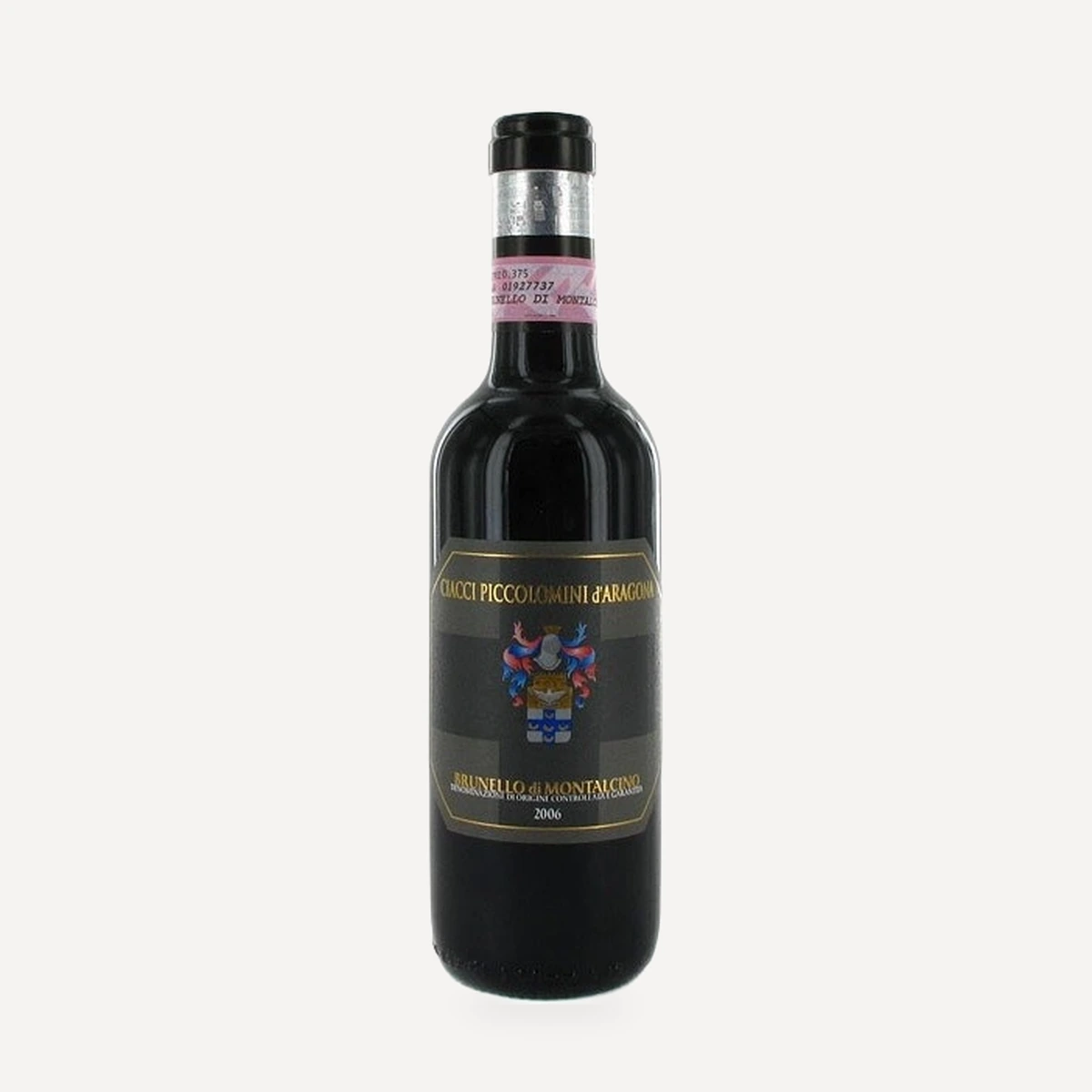
For Sangiovese, the estate favours large-format Slavonian oak and extended maturation. The classic Brunello and Pianrosso traditionally spend approximately three years in large casks; the Riserva receives about three and a half to four years in 20–30 hl Slavonian oak. The classic Brunello then remains in bottle for roughly seven to eight months before release, while the Riserva receives more than 18 months of bottle maturation. Individual technical specifications also describe 20–85 hl Slavonian casks within the Brunello and Rosso programme.
The Riserva begins with a vineyard selection from Pianrosso, followed by long maceration. In prospective Riserva years, one bunch per vine is left for around one additional week after the Pianrosso harvest to achieve further concentration. After maturation, wines are bottled and labelled on the modern line at Molinello.
Syrah, Merlot and Cabernet Sauvignon are vinified in temperature-controlled stainless steel and glass-lined concrete. The everyday Toscana IGT blend ferments in temperature-controlled stainless steel and is refined in concrete. Fresh Pianrosso grape marc is sent to a distillery, where Grappa di Brunello Riserva Pianrosso is produced in discontinuous bain-marie stills and matured in oak.
Philosophy
The family’s approach centres on continuity, restrained yields and the expression of individual vineyard conditions. “Less is more” summarises the preference for producing below maximum permitted yields, particularly in Pianrosso, to concentrate attention on fruit quality.
Tradition is most visible in the maturation of Sangiovese: large Slavonian oak, long cask ageing and bottle refinement beyond minimum requirements. Modern technology serves control rather than stylistic replacement, through the underground Molinello facility, temperature-regulated stainless steel and concrete vessels, and an integrated bottling line.
Vintage differences remain central to decisions in the vineyard and cellar. Harvest dates move with the season, and Pianrosso Riserva is attempted only when conditions warrant leaving selected fruit longer on the vine. The absence of Pianrosso and Riserva in the wet 2014 vintage illustrates that selection.
Organic farming, cover crops and lower soil temperatures form part of the response to the estate’s warm southeastern position and increasingly variable harvest conditions. Family participation spans ownership, vineyards, winemaking, logistics, administration, sales and communications, maintaining direct responsibility across the operation.
Wines
Brunello di Montalcino DOCG
Brunello di Montalcino Pianrosso DOCG
Brunello di Montalcino Vigna di Pianrosso Riserva Santa Caterina d'Oro DOCG
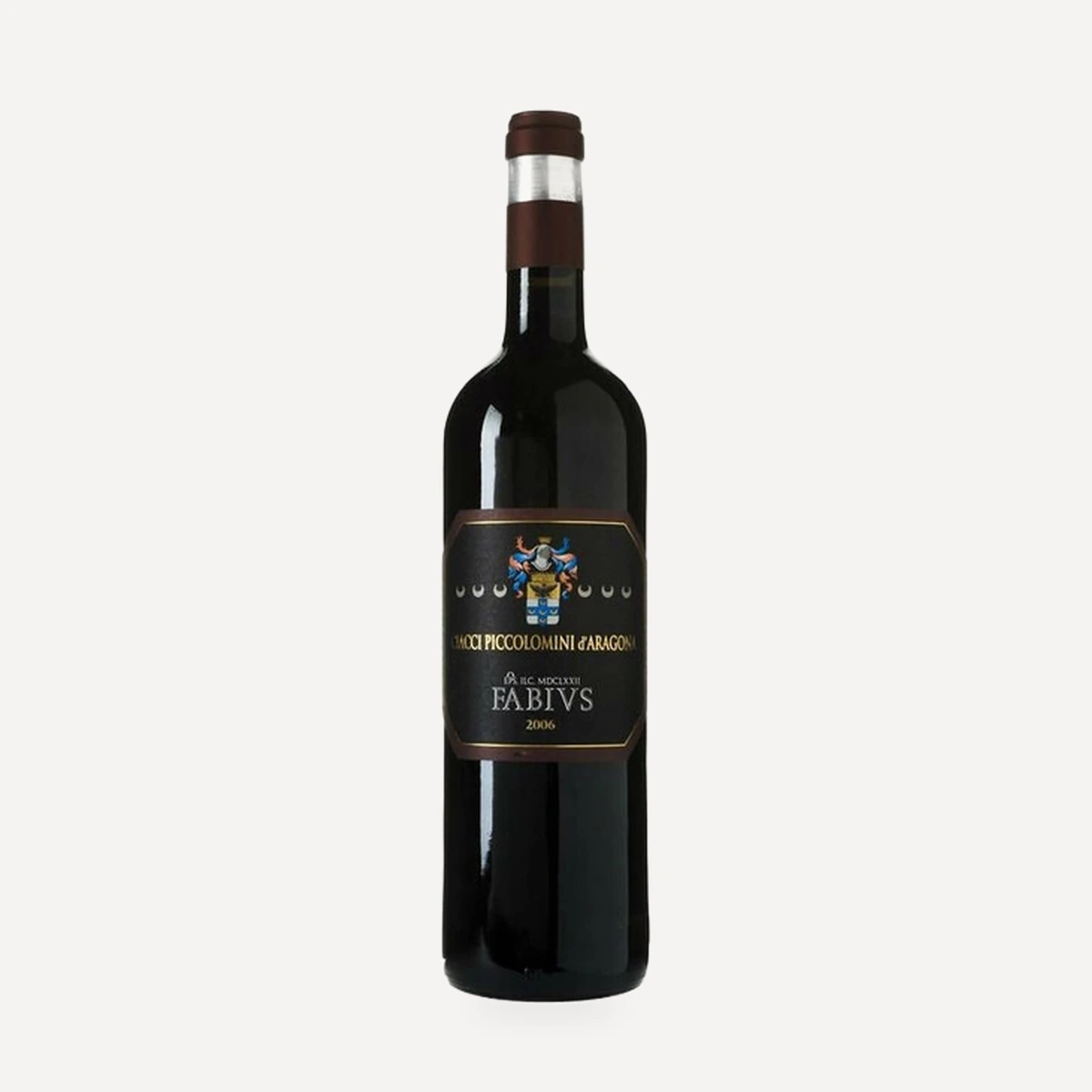
Sant'Antimo Fabivs DOC
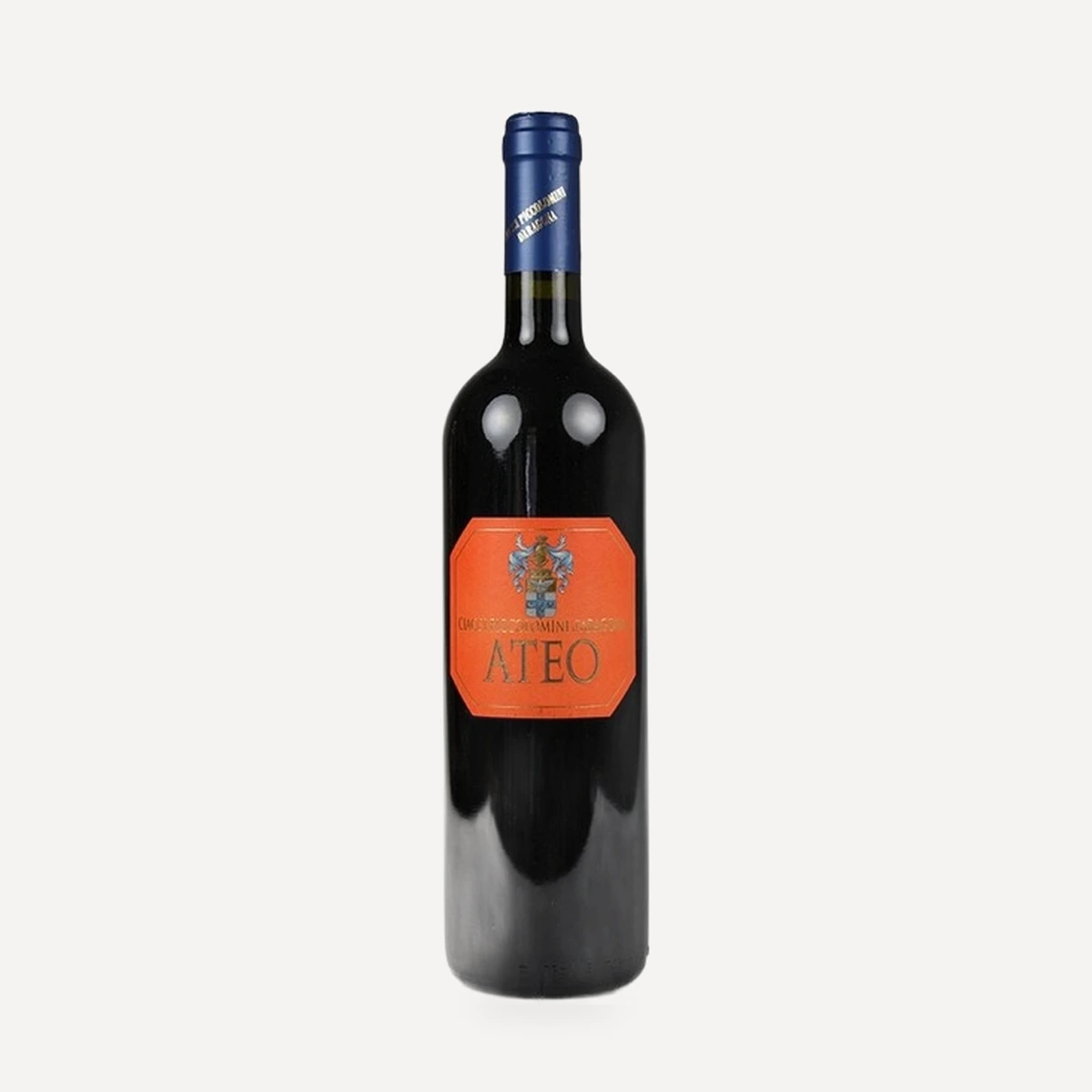
Sant'Antimo Ateo DOC
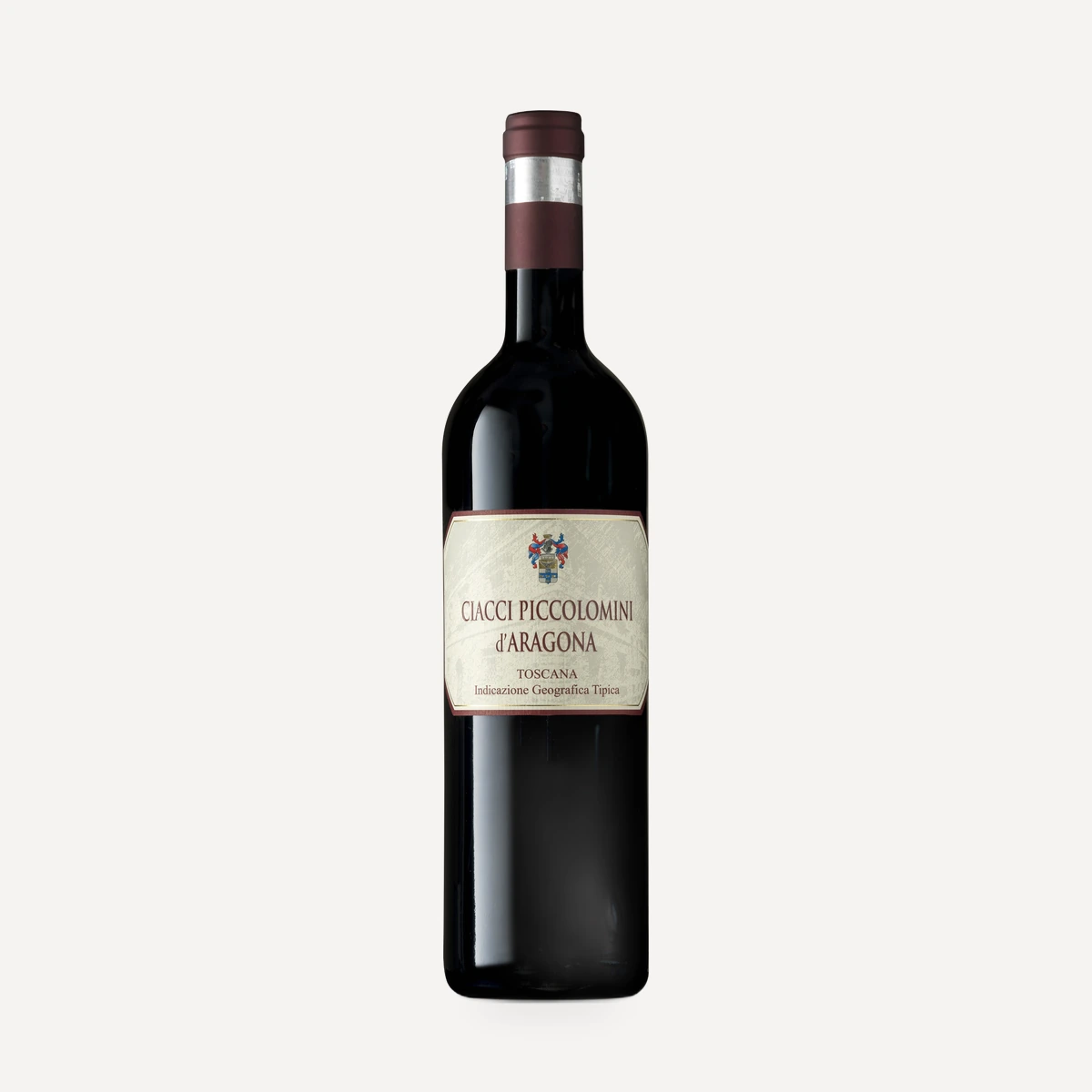
Toscana Rosso IGT