About this wine
Vineyard and terroir
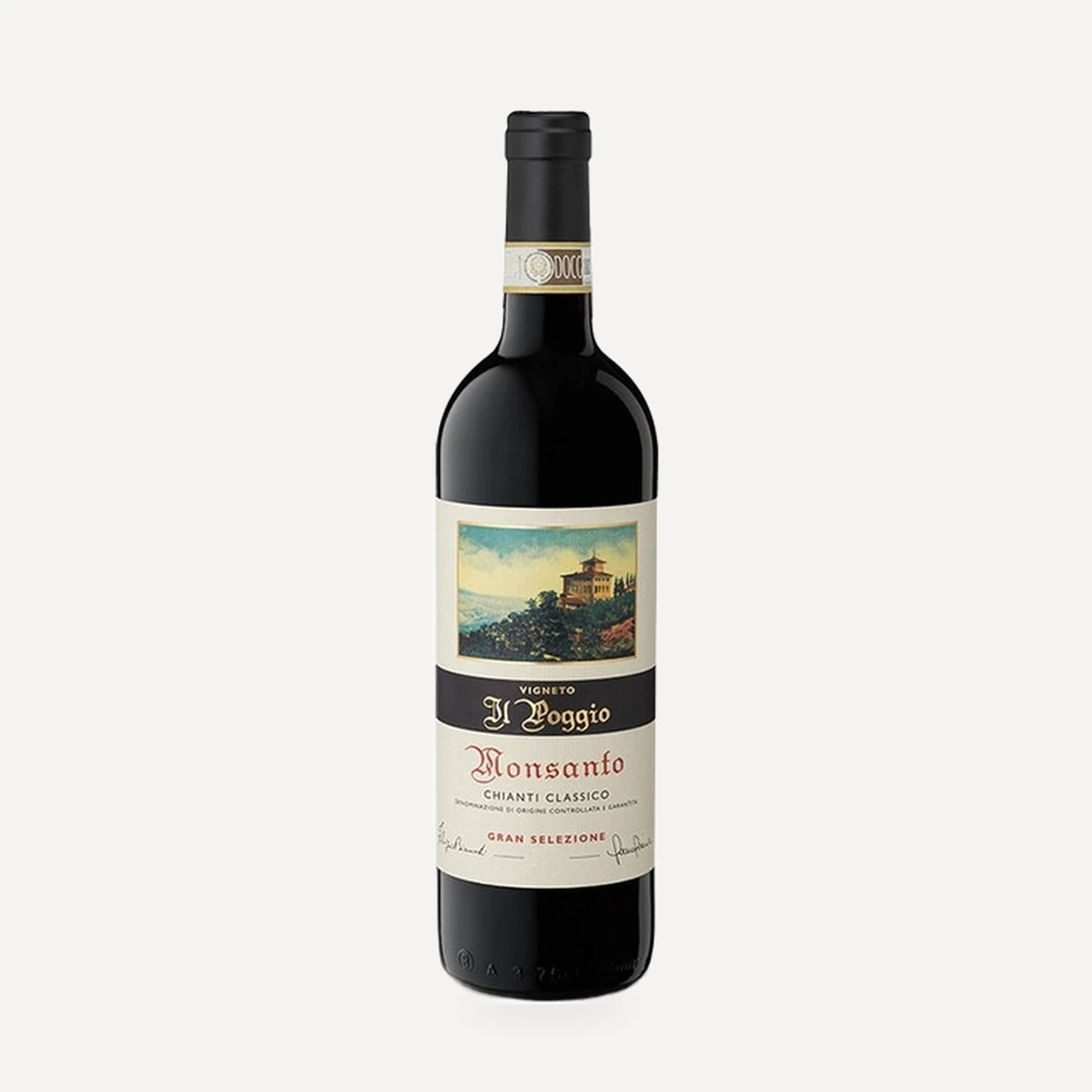
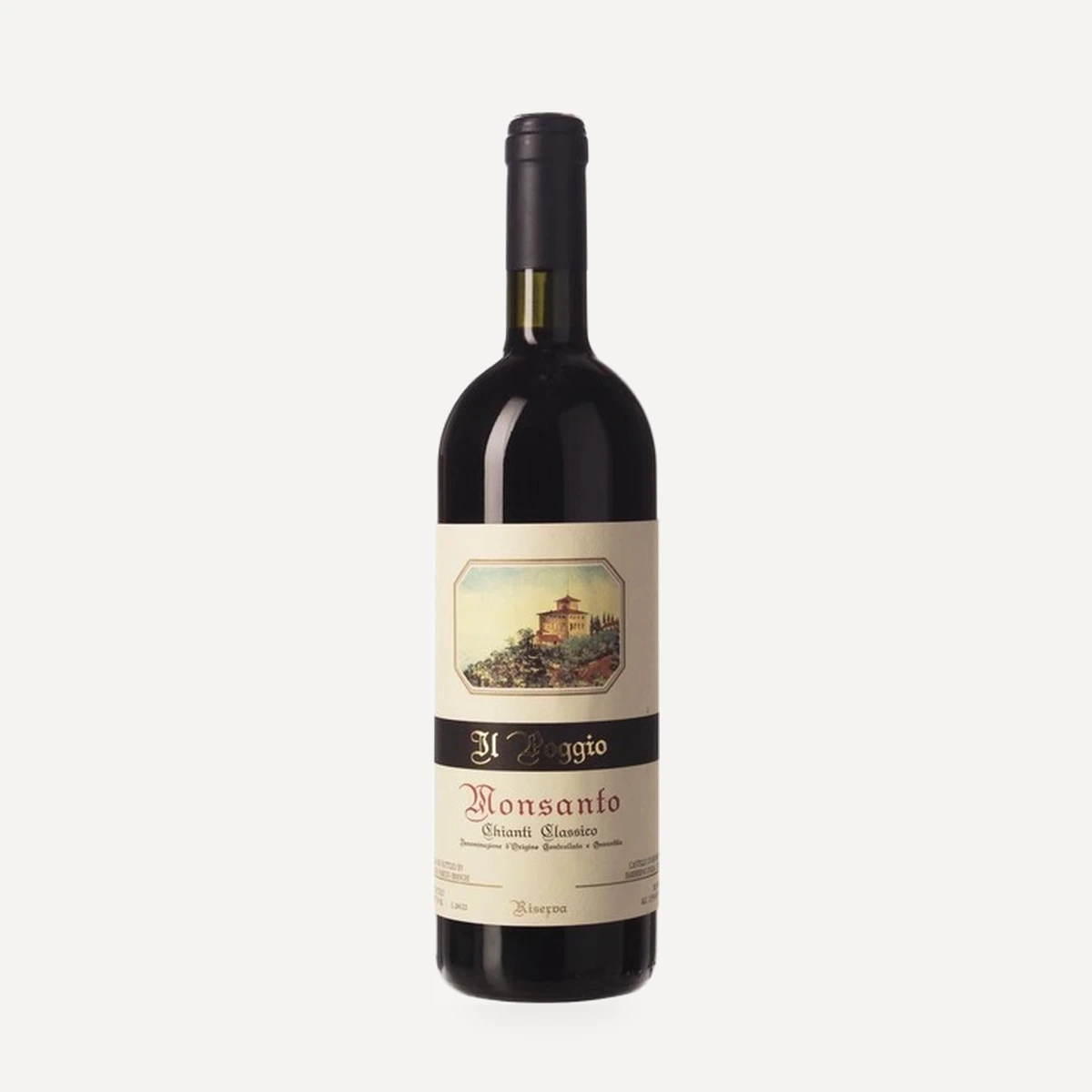
Il Poggio is a single-vineyard wine and the first Chianti Classico to place the name of its vineyard on the label. Through massal selection, this vineyard supplied the Sangiovese, Colorino and Canaiolo plant material used in the estate’s other vineyards. The vines are trained by Guyot and spurred-cordon systems.
Grapes
The 2009 blend comprises 90% Sangiovese and 10% Canaiolo and Colorino. White varieties were removed from the wine’s composition in 1968.
Vinification
Fermentation takes place in temperature-controlled, truncated-conical steel vats. Délestage and pump-overs are performed over approximately 20–22 days.
Ageing
The wine matures for 18–20 months in 500-litre French oak casks, divided between new and second-use vessels. This is followed by two years of bottle ageing.
Vintage notes
Spring 2009 was cool, with average temperatures and abundant rainfall in March and April. From mid-June, temperatures settled slightly above average, while high-pressure conditions continued through July and August. The opening weeks of September were sunny, followed by several rainy days around the middle of the month. Most of the harvest unfolded in clear weather with good temperature differences between day and night.
Label / history
Il Poggio began the estate’s winemaking history in 1962 with a first harvest overseen by founder Fabrizio Bianchi. It became the first Chianti Classico identified by the name of its individual vineyard. More than 100,000 bottles from the successive harvests have been retained in the castle’s historic cellar, illustrating the wine’s capacity for extended ageing.