History
The family’s arrival in Bolgheri
The Chiappini family’s connection with Bolgheri began in the early 1950s, when Giovanni Chiappini’s parents moved from Marche to this part of Tuscany. The possibility of purchasing and cultivating available farmland drew them to the area.
Bolgheri was then a diversified farming landscape rather than a place identified primarily with quality wine. Vegetable plots, orchards, olive groves and vineyards existed side by side, and much of what they produced was intended for domestic consumption. Farming was physically demanding, but rural culture retained its natural principles and a strong sense of community. That communal environment helped integrate the different groups that settled in Bolgheri to work its land.
Giovanni, the son of those Marche farmers, carried the family’s agricultural tradition forward. Naide worked with him in building the enterprise and assumed responsibility for its accounts, a role she has performed for more than forty years.
Formation of the present estate
The first dated step in the formation of the present property was the acquisition of podere Le Grottine in 1978. The estate subsequently developed as four separate holdings. Its operational centre remained on Via Bolgherese, where the winery, agriturismo and mature Cabernet Sauvignon, Merlot and Cabernet Franc vineyards are located.
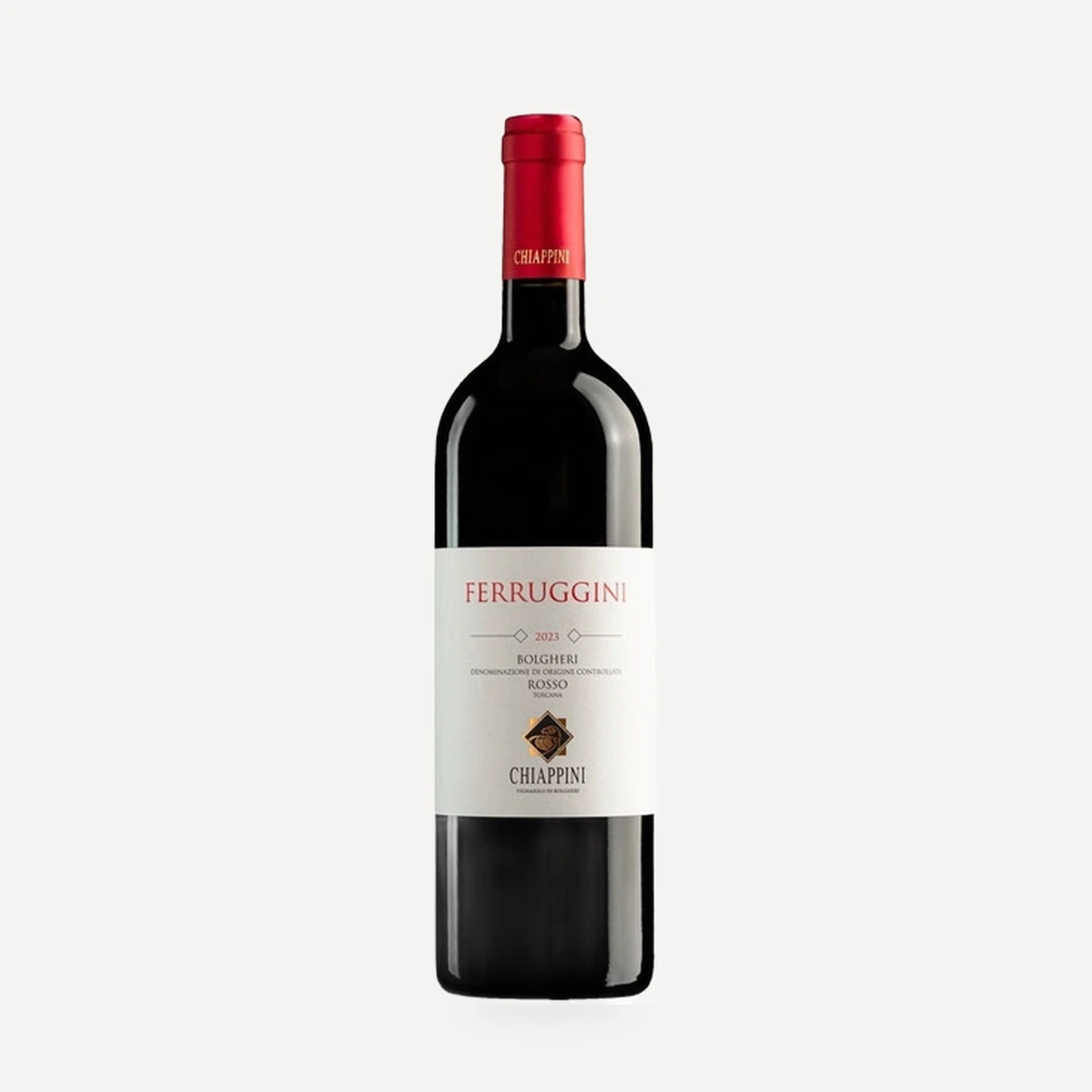
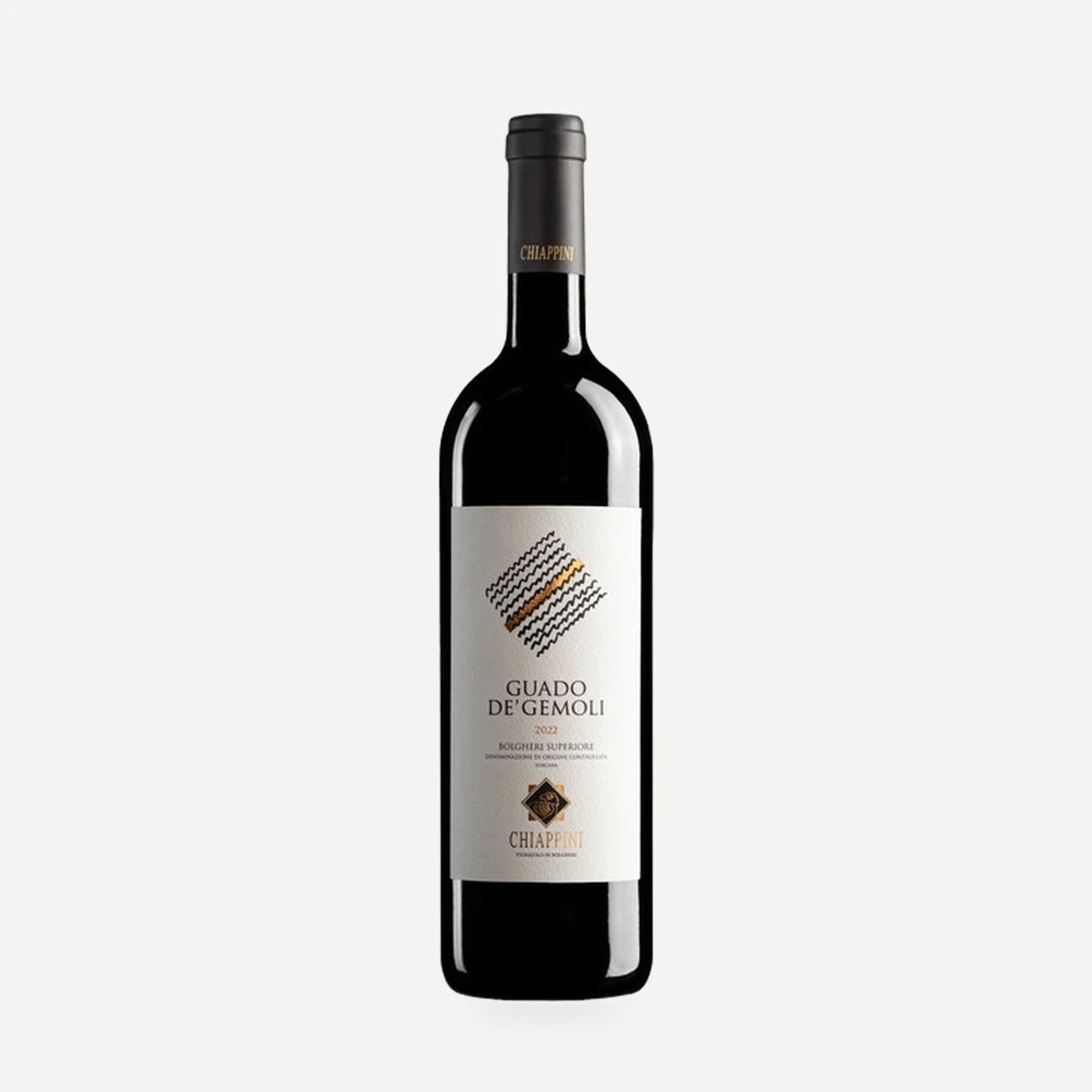
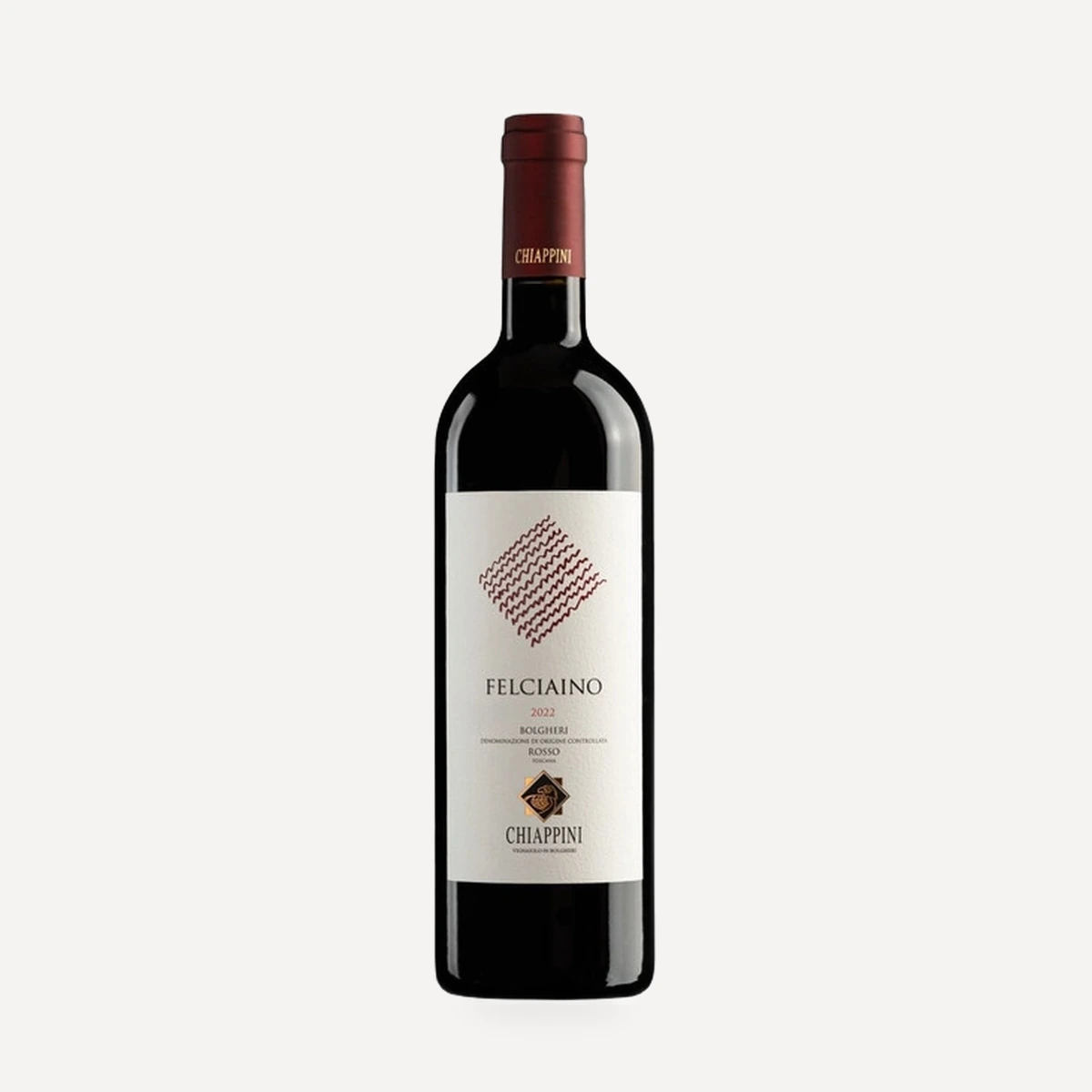
The wine programme began recording first releases at the turn of the century. Guado de’ Gemoli and Felciaino both debuted with the 2000 vintage. The first Lienà monovarietal, Lienà Merlot, followed in 2003. Ferruggini, Lienà Cabernet Sauvignon, Lienà Cabernet Franc and Lienà Petit Verdot first appeared in 2004, while Le Grottine followed in 2006. Giovanni conceived Lienà as an experiment through which the family could observe how individual grape varieties express the Bolgheri territory. These monovarietal wines are made in small quantities and only in selected vintages.
Organic conversion and completion of the holdings
Beginning with the 2010 vintage, the whole farm—including vineyards and olive groves—adopted organic management. The change introduced vineyard and grove protection based on copper and sulfur, together with green manure and organic fertilization.
The acquisition of podere Ferruggini in 2012 completed the estate’s present configuration. The property now covers 27 hectares divided among four holdings, with 15 hectares under vine and average annual production of approximately 80,000 bottles.
The family and team today
The agricultural tradition led by Giovanni has passed to his daughters Martina and Lisa, who work alongside him. Martina chose to remain in Bolgheri, form a young team and develop the business while retaining its original farming character. Lisa brought back architectural experience acquired around Europe and contributes creative ideas and projects. Alessandro is responsible for transforming the estate’s grapes into wine, while Naide continues to oversee accounting.
The wider team includes Sara, whose work combines administration, sales and hospitality, and Ilaria, who joined in 2021 and introduces visitors to the family, territory, denomination and wines. Giuditta, Leonardo and Achille—born in 2007, 2009 and 2021 respectively—are presented as the family’s future, although they do not yet hold defined roles in the farm.
Terroir
Setting
The estate lies in the heart of the Bolgheri DOC, with its operational centre on Via Bolgherese. The four holdings are divided between Via Bolgherese and Via delle Ferruggini. Vineyards and productive old olive rows share the property, preserving the agricultural landscape that preceded Bolgheri’s modern wine development. From the estate, the view extends across the vineyards toward hills dominated by the castle of Castiglioncello di Bolgheri.
Felciaino and the Bolgheri Conglomerates
Felciaino has sandy, silty and clay-rich soils containing limestone, minerals and abundant coarse material. Its alluvial skeleton consists of deposits carried from the nearby metalliferous hills and consolidated into formations known as the Conglomerati di Bolgheri. Gradual rather than rapid ripening is associated here with structured, balanced wines that retain freshness and can develop over time.
Le Grottine and Guado de’ Gemoli
Le Grottine, identified as the historic vineyard, is rooted in mineral-rich silty sands over deep, well-draining clays. Guado de’ Gemoli is also characterized by mineral-rich silty sands and deep draining clay. These profiles are associated with body and structure.
Ferruggini
Ferruggini’s name reflects its naturally iron-rich ground. Marine-origin sands contain conglomerates rich in iron and magnesium, a combination associated with finesse and elegance.
Winemaking
The entire 27-hectare farm has been managed organically since the 2010 vintage, encompassing both vineyards and olive groves. Copper and sulfur are used to protect these crops, while vineyard soils are managed with green manure and organic fertilization.
The estate retained its old, still-productive olive rows as a living connection with Bolgheri’s earlier olive-growing landscape. New vineyards were planted between those rows rather than replacing them, integrating vine cultivation with the inherited agricultural setting. Roses planted by Naide stand at the beginnings of the vine rows.
Two training systems are employed. Felciaino and Le Grottine combine spurred cordon with archetto toscano, while Guado de’ Gemoli and Ferruggini use archetto toscano. Organic vineyard and olive-grove management is framed around respect for the territory, its environment and the people who live and work there.
Average production is approximately 80,000 bottles per year, divided between two programmes. The numerically larger DOC range follows the estate’s interpretation of Bolgheri tradition and comprises Le Grottine, Ferruggini, Felciaino and Guado de’ Gemoli. The Lienà range consists of monovarietal Merlot, Cabernet Franc, Cabernet Sauvignon and Petit Verdot, produced in limited quantities and only in selected vintages. Giovanni created Lienà as an experiment to study the expression of each variety in the territory.
The winery at the Via Bolgherese estate centre includes dedicated spaces for vinification and maturation. The cellar forms part of the working complex alongside the agriturismo and the mature Cabernet Sauvignon, Merlot and Cabernet Franc vineyards.
Philosophy
The Chiappini family places agricultural work at the centre of its identity. Giovanni’s maxim—“The land has the same worth as those who work it”—expresses a relationship in which the earth is treated as a living foundation and cultivated in active partnership with human labour.
Growth is intended to proceed alongside the pursuit of quality and the preservation of values. Martina defines the estate as a farming family enterprise with an open outlook: a young team, travel, new markets and development are welcomed, but the original rural character is to remain intact.
Respect for place is expressed through the organic management adopted in 2010 and through the decision to retain productive old olive rows while planting vines among them. Alessandro’s winemaking objective is to work with respect, care and passion so that the territory’s individual character reaches the glass. Lisa similarly treats land and climate as the estate’s foundations, vineyard and cellar labour as the structure that protects them, and new projects and markets as openings toward the future.
Wines
Guado de' Gemoli
Felciaino