History
The estate name: 1898
The historical name commemorates Olimpia Alliata, Lady of Biserno and wife of Gherardo della Gherardesca. In 1898, Gherardo gave his wife's name to the estate to mark their 25th wedding anniversary. This episode explains the date incorporated into the name Donna Olimpia 1898; it is distinct from the creation of the modern wine project.
The property occupies approximately 60 hectares within the Bolgheri DOC. It begins around kilometre 167.8 of the Aurelia road and extends roughly 1.2 kilometres inland across predominantly flat terrain.
Guido Folonari’s project: 2001
Donna Olimpia 1898 took its modern form through the initiative of Guido Folonari, an heir to a historic Italian wine family. In the first months of 2001, he decided to begin an independent and ambitious wine project. His search was guided by a desire to find places capable of moving him emotionally; he ultimately selected three locations in established wine-producing areas between Piedmont and Tuscany. The resulting estates became collectively known as Guido Folonari’s “three Killer B’s.”
Creation of the vineyards
Forty-five hectares of new vineyards were established within the 60-hectare Bolgheri property. Their planting followed research into suitable clones and rootstocks undertaken with Prof. Scienza of the University of Milan. The red varieties selected were Cabernet Sauvignon, Cabernet Franc, Merlot, Syrah and Petit Verdot; Vermentino, Viognier and Petit Manseng were planted for white wines. Planting density is approximately 7,000 vines per hectare, trained to single spur cordon.
The modern winery
A modern 5,000 m² cellar was created with energy conservation and reduced environmental impact as design priorities. Its equipment includes automated pump-overs, automated temperature control and cold pre-maceration capability. Maturation in wood takes place in French-oak barriques.
The winery was subsequently expanded and completed with particular attention to the barricaia. Its lighting project relies almost entirely on LED sources, with concealed ceiling fixtures and variable illumination suited to different tasks and times of day.
The estate’s equestrian connection
The estate also had stables in which Dubois raised Varenne, born in 1995. The name Campo alla Giostra—“field of the horses”—was later chosen to honour Varenne’s 20th birthday.
Terroir
The estate lies at Bolgheri in northern Maremma, within the Province of Livorno and the municipality of Castagneto Carducci. Its approximately 60 hectares are entirely within the Bolgheri DOC. The property forms a narrow strip beginning around kilometre 167.8 of the Aurelia road and extending approximately 1.2 kilometres inland. The terrain is predominantly flat.
The wider production zone runs parallel to the northern Maremma beaches. To the east, a chain of hills also follows the coastline between Bibbona and Castagneto. These hills shield vineyards and olive groves from cold northerly winds that can bring damaging winter frosts.
During summer, the corridor receives cooling airflow associated with the Cecina river valley to the north and the Cornia river valley to the south, together with breezes arriving from the sea. These cooling influences and the temperature variation experienced in August and September support slow, even ripening of sugars, polyphenols and aromas. They also help preserve the acidity required for balance.
Winemaking
Forty-five hectares of new vineyards were established after a study of clones and rootstocks undertaken with Prof. Scienza of the University of Milan. The plant material was selected for its demonstrated suitability to the area.
Planting density is approximately 7,000 vines per hectare. Vines are trained to single spur cordon. The red plantings consist of Cabernet Sauvignon, Cabernet Franc, Merlot, Syrah and Petit Verdot; the white plantings consist of Vermentino, Viognier and Petit Manseng.
Production is housed in a modern cellar covering 5,000 m². The building was conceived to conserve energy and minimise environmental impact by limiting waste and harmful emissions.
The cellar incorporates automated pump-over equipment, automated temperature control and the capability to perform cold pre-maceration. Wood maturation takes place in French-oak barriques.
The barricaia is treated as the cellar’s principal maturation space. During the winery’s expansion and completion, it received a dedicated lighting design based almost entirely on LED sources. Fixtures are concealed in the ceiling and provide soft light at different intensities according to operational requirements and time of day.
Philosophy
Guido Folonari’s philosophy places excellence and product quality alongside continual improvement and the expression of a clearly identifiable territory. The land is understood to have its own requirements and rhythms, which must be respected.
Folonari also gives service and consumer attention a central role. In his view, technical excellence may be increasingly expected, while meaningful differentiation also comes from the care surrounding the product and the attention offered to consumers wherever they are.
Wines
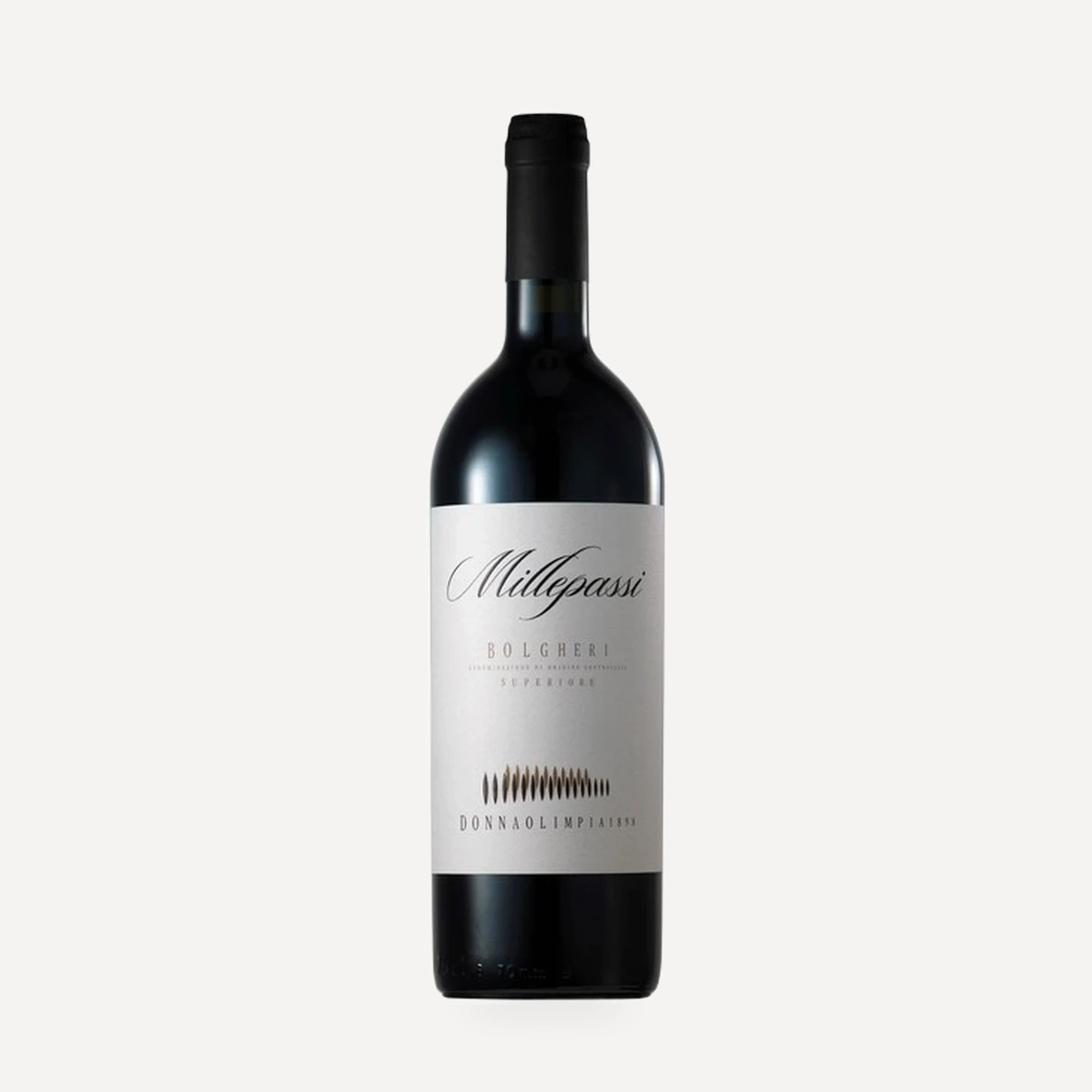
Millepassi - Bolgheri Superiore DOC
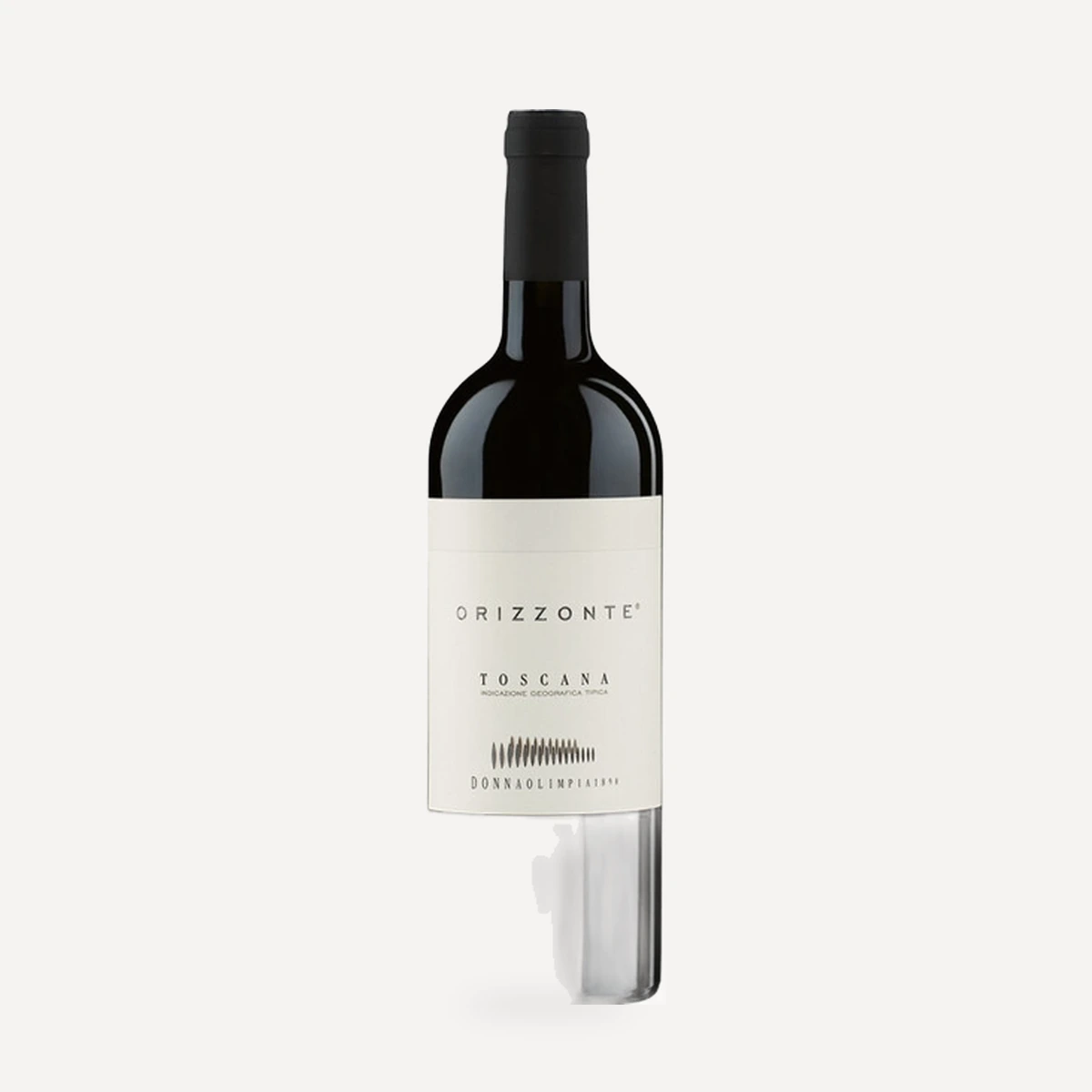
Orizzonte - Supertuscan IGT
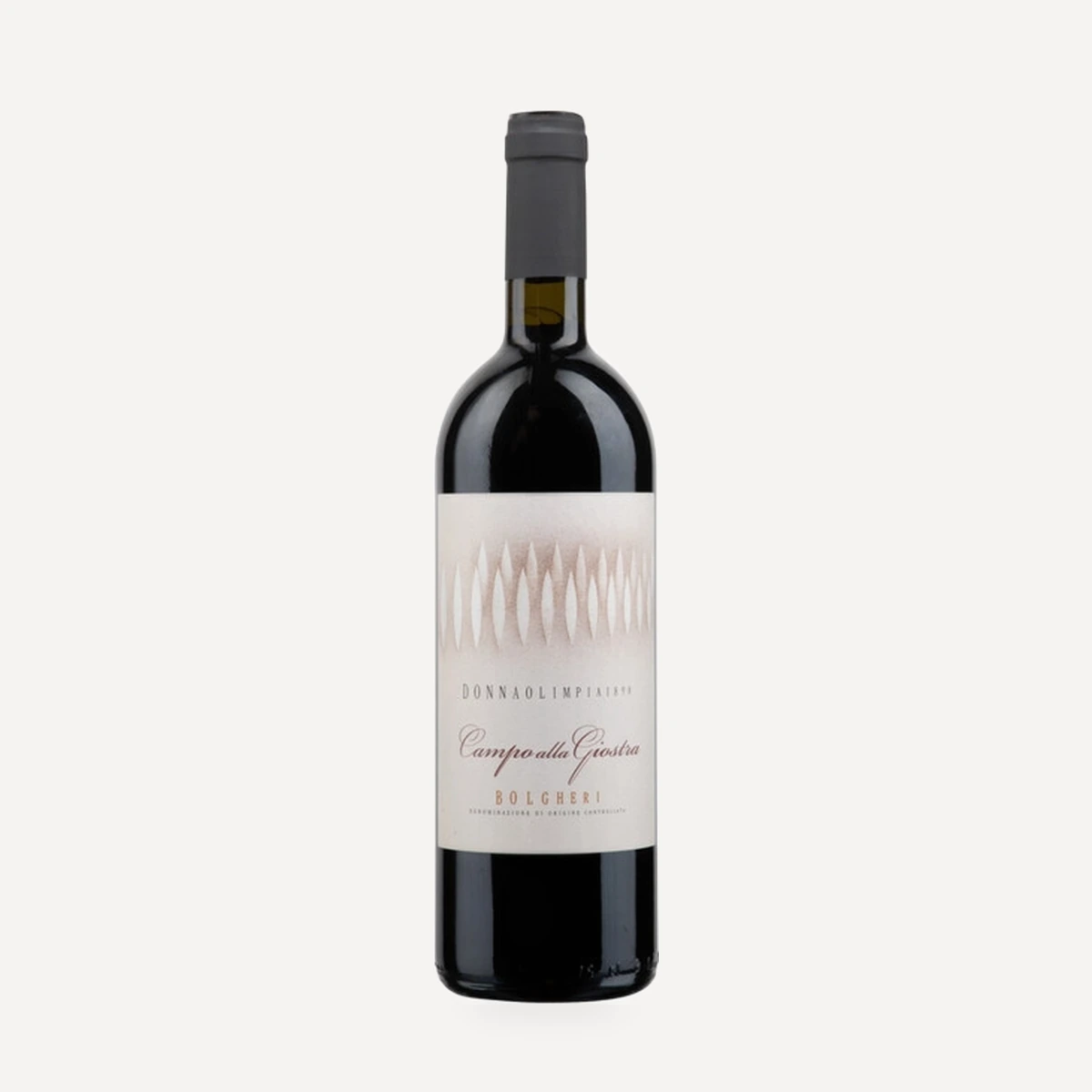
Campo alla Giostra - Bolgheri DOC
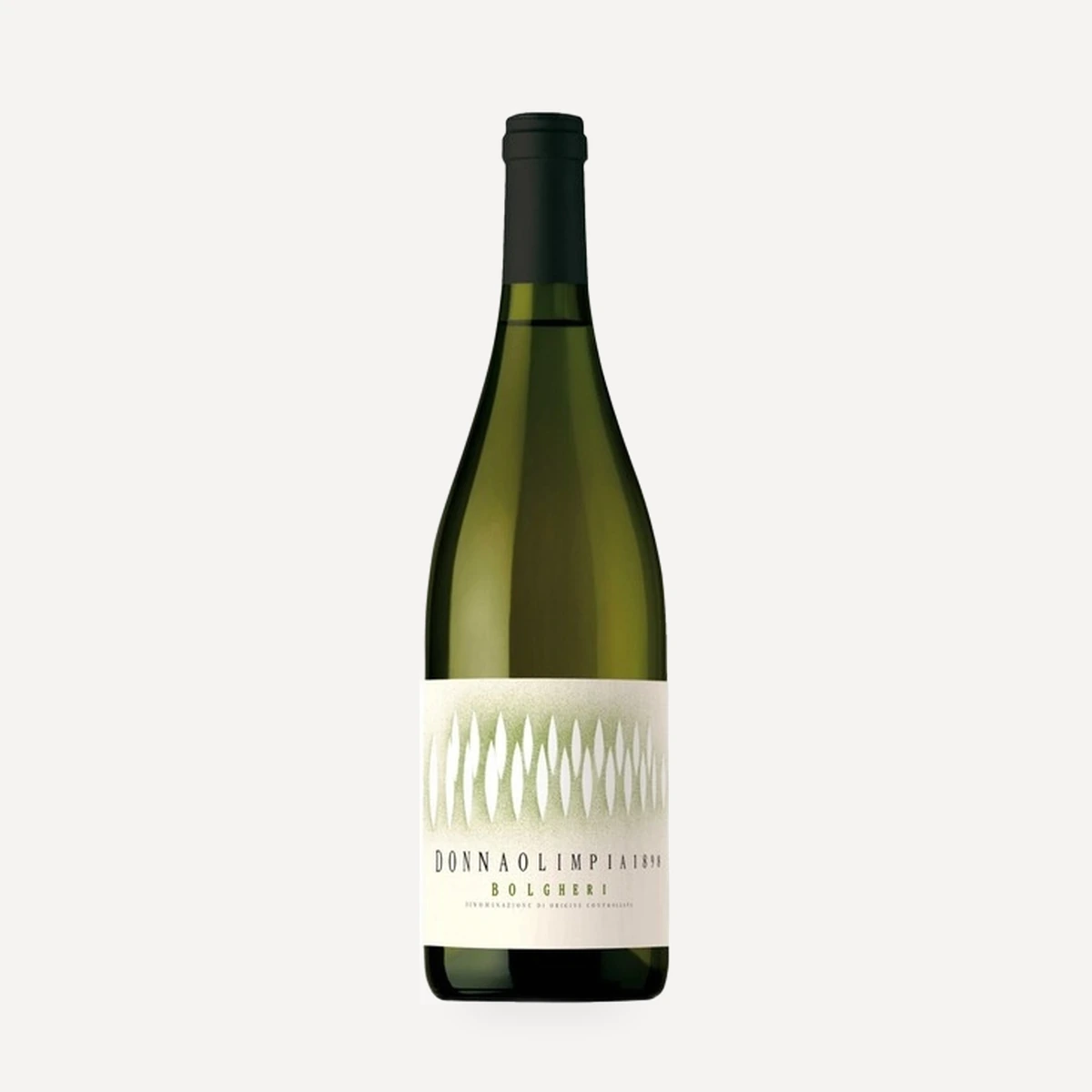
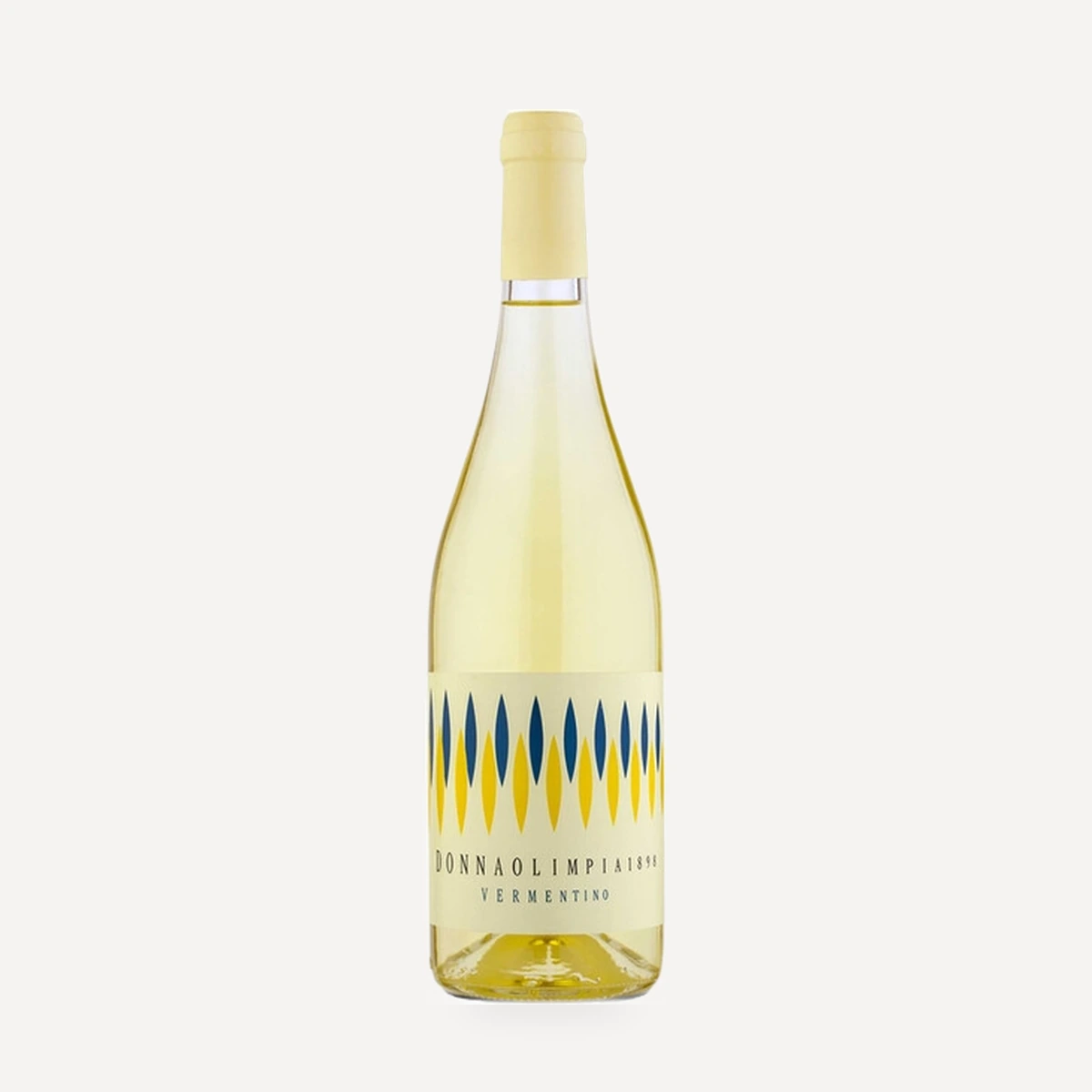
Donna Olimpia 1898 - Bolgheri Bianco DOC