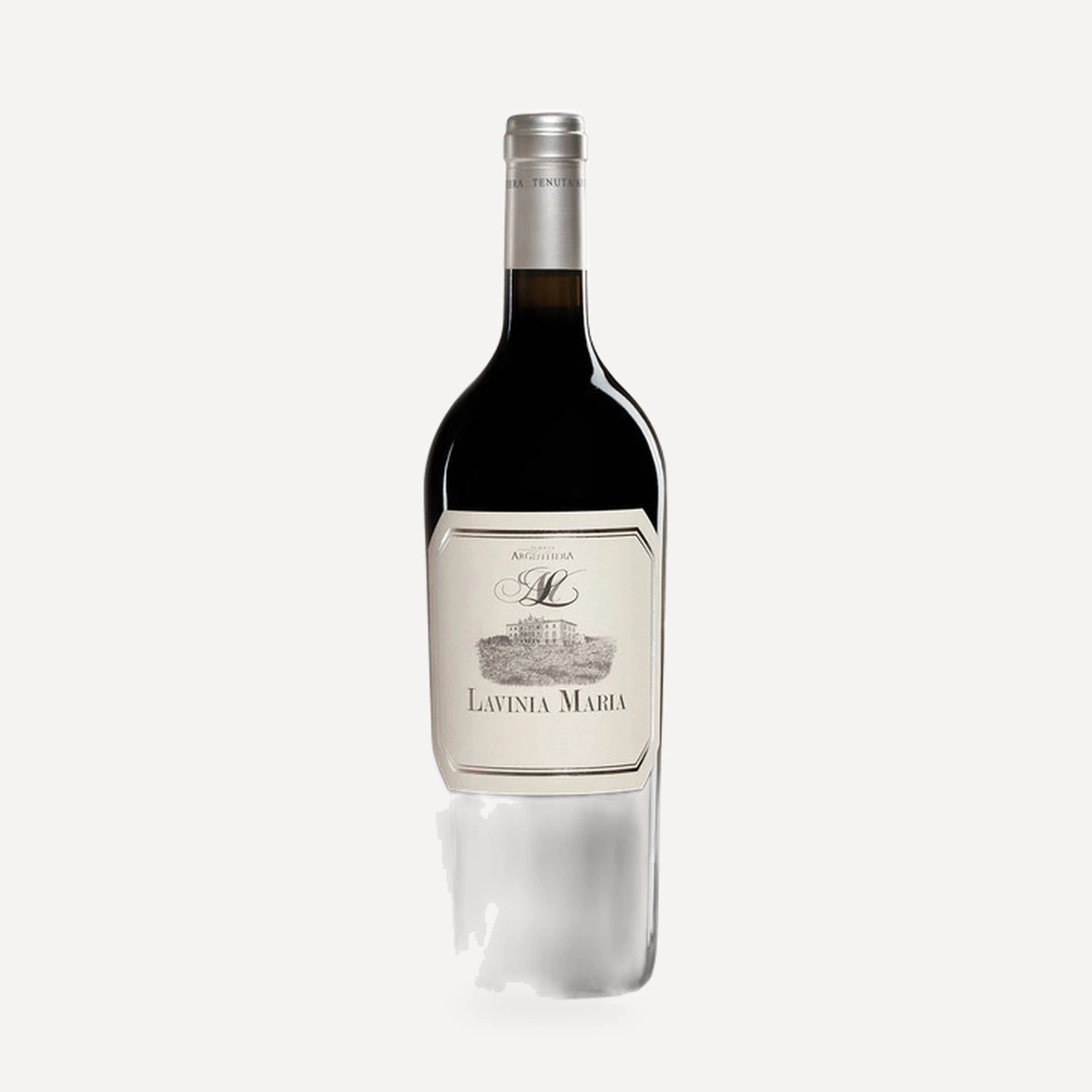
History
The Serristori landscape
The recorded history of the estate’s surroundings predates Tenuta Argentiera. In 1512, the Serristori family acquired Donoratico. The family built the villa there in 1660 and subsequently played an important part in the area’s scientific, agricultural, social and civic life. The historic Viale Serristori, now known as the Viale dei Pini, remains a defining element of the landscape.
Establishment of the vineyards
The first vineyards in the Argentiera production area were planted in 2000. These plantings occupy the estate’s highest and largest viticultural zone, descending from the hilltop towards the coast across rocky, clay-limestone terrain.
Poggio ai Ginepri became the first wine produced by Argentiera in 2002, taking its name from the production area from which it originated.
The first vintage of Argentiera Bolgheri DOC Superiore followed in 2003. Conceived as the project from which the rest of the estate’s development grew, it was intended to express the character of Bolgheri through the estate’s highest vineyards.
Single-vineyard and white-wine research
Ventaglio became the estate’s first single-vineyard label, based on Cabernet Franc grown in a small, fan-shaped vineyard surrounding a mature holm oak. Its first listed vintage is 2015.
Research into Vermentino’s versatility, response to Argentiera’s contrasting soils and capacity for ageing was pursued through the 2020, 2021 and 2022 vintages. This work led to Scenario, sourced from a small north-facing vineyard above Villa Donoratico and vinified through a combination of stoneware vessels and steam-bent, untoasted wooden cigares.
Climate adaptation and traceability
Since the beginning of the twenty-first century, vineyard work has increasingly addressed higher temperatures and irregular rainfall by strengthening the vines’ response to water stress and drawing on their natural capacity to adapt. Soil management, fertilisation, canopy management and micro-irrigation have formed part of this response.
Bottle-authentication seals were introduced beginning with the 2015 vintage of Ventaglio and the 2017 vintage of Argentiera. Each Prooftag™ seal incorporates bottle-specific information, a QR code, a numerical code and a Bubble Tag™ intended to make the bottle traceable and verifiable.
Terroir
Coastal position and relief
Tenuta Argentiera lies at the southern end of the Castagneto Carducci territory, within the Bolgheri DOC area. The vineyards are close to the coast while also reaching some of the denomination’s highest elevations. Across the estate, the documented vineyard sites extend from approximately 20 to 205 metres above sea level.
The land is organised around slopes, plateaux and vineyard rows arranged in an open, amphitheatre-like form facing the sea. This configuration receives light reflected from the water. From the higher sites, the landscape opens towards the Tyrrhenian and Ligurian seas, the islands of the Tuscan Archipelago and, towards the north, the Apuan Alps.
Maritime mesoclimate
Alternating vineyards and Mediterranean scrub form broad corridors through which marine breezes flow throughout the year. These winds contribute to mild, dry conditions and cool the vineyards during hot ripening periods. Their effect combines with marked day-night temperature differences during ripening. Woodland provides additional shelter: forest protects the Argentiera vineyards from the east, while trees surround the ridge occupied by Ventaglio. The Scenario site is set within a particularly cool, wooded environment.
Geological diversity
The estate’s 85 hectares of vineyards are divided among four principal viticultural areas with distinct geomorphological identities. The higher Argentiera and I Pianali sectors contain marl and shale or argillite, interlayered with sandstone and siliceous rock. Ventaglio is characterised by rocky clay and abundant calcareous cobbles of alluvial origin. Villa Donoratico changes with elevation: continental sands occur lower on the slope, transitional soils occupy the middle bands, and Lower Cretaceous flysch becomes more prominent uphill. This flysch incorporates limestone, marl and shale with sandstone and siliceous cobbles. Nearer the coast, Poggio ai Ginepri and the Vermentino vineyards by the Viale dei Pini grow in Donoratico’s red aeolian sands.
Trees and biodiversity
Ancient oaks, maritime pines, olive trees, Mediterranean scrub and surrounding woodland form a continuous ecological framework around the vines. The estate regards this biological mosaic as protection against harmful insects, wildlife pressure and climatic stress. The woodland functions as a green lung, while the historic Viale dei Pini provides shade and habitat alongside the coastal vineyards.
Winemaking
The estate’s viticultural approach is based on detailed observation of the complete ecosystem and its biological cycles. Agronomic decisions combine scientific study and professional training with close, continuous reading of natural conditions.
Biodiversity is treated as a functional part of vineyard resilience. Vineyard blocks alternate with Mediterranean scrub, forest, ancient oaks, olive trees and the maritime pines of the Viale dei Pini. This vegetation provides wind corridors, shade, shelter and habitat while helping to reduce pressure from harmful insects, wildlife and climatic stress.
Rising temperatures and irregular rainfall have been addressed since the beginning of the twenty-first century by working to strengthen the vines’ ability to respond to water stress and by using their natural climatic adaptability. Documented measures include soil management, fertilisation, canopy management and micro-irrigation. During the exceptionally hot 2022 season, these measures, together with 42 mm of rain in mid-August, allowed healthy fruit to be picked without desiccation. In 2024, 550 mm of rain through April encouraged early budbreak; spring rain then slowed the vegetative cycle, while May flowering produced well-aerated clusters and even ripening. A dry period from 13 June to 8 September induced moderate water stress, and 80 mm of early-September rain rehydrated the vines without compromising their health.
Harvesting is manual across the documented estate vineyards. Picking dates are adjusted to site, exposure, variety and ripeness rather than imposed uniformly. The two principal Ventaglio exposures, for example, were harvested one week apart in 2018, while estate harvests may progress from coastal Vermentino and younger vineyards to the higher Cabernet sites.
The winery stands on the heights of I Pianali and contains a fermentation hall, barrel room, cellar vault and panoramic terrace. Its architecture takes inspiration from Tuscan fortresses of the sixteenth century.
The documented cellar equipment reflects a site- and variety-specific approach. Fermentation vessels include temperature-controlled stainless-steel tanks, cement tanks, tapered French-oak vats, spherical 400-litre ceramic-stoneware vessels and elongated steam-bent, untoasted wooden cigares. Depending on the intended expression, red-wine macerations may last approximately 25 days at 28–30°C. Malolactic fermentation may occur in stainless steel, cement, 225-litre barrels or 500-litre tonneaux.
Maturation vessels include stainless steel, cement, French and Austrian 225-litre barrels, 500-litre tonneaux, large oak casks, stoneware and cigares. For the Vermentino research associated with Scenario, a portion fermented and matured for about nine months in 320-litre steam-bent, untoasted cigares, while the remainder used spherical 400-litre Clayver vessels made from compact stoneware resembling natural granite. The elongated wooden vessel increases contact with lees settled along its base; the spherical stoneware vessel keeps the wine in gentle movement, allowing fine lees to contribute texture and structure.
Bottle ageing varies by cuvée, with documented periods ranging from three to 36 months. Historical vintages and special formats are retained in the estate’s cellar vault.
Philosophy
Argentiera’s guiding objective is to translate the estate’s full environmental character into wine: its contrasting soils and mesoclimates, the force of the Mediterranean scrub, reflected coastal light and cooling marine breezes. Stanislaus Turnauer presents integration—not the isolation of any single element—as the prerequisite for expressing the Bolgheri style.
The agronomic and oenological vision gives the natural life of the land room to operate. Science, research and professional training inform decisions, but they are paired with patient observation and the ability to act at the appropriate moment. The estate compares this attentiveness to a sailor reading the sea.
Vineyard differences are treated as distinct identities. Elevation, aspect, soil, woodland and proximity to the coast inform both harvest timing and cellar choices. The research behind Scenario extends this principle to Vermentino, exploring how the variety adapts to different estate soils and how vessel form and material can support ageing, freshness and varietal expression.
Environmental resilience is approached through biodiversity and adaptive vineyard management. Rather than treating the vines separately from their surroundings, the estate works with the interconnected system of vineyards, scrub, trees, forest, soil, wind and water.
Wines
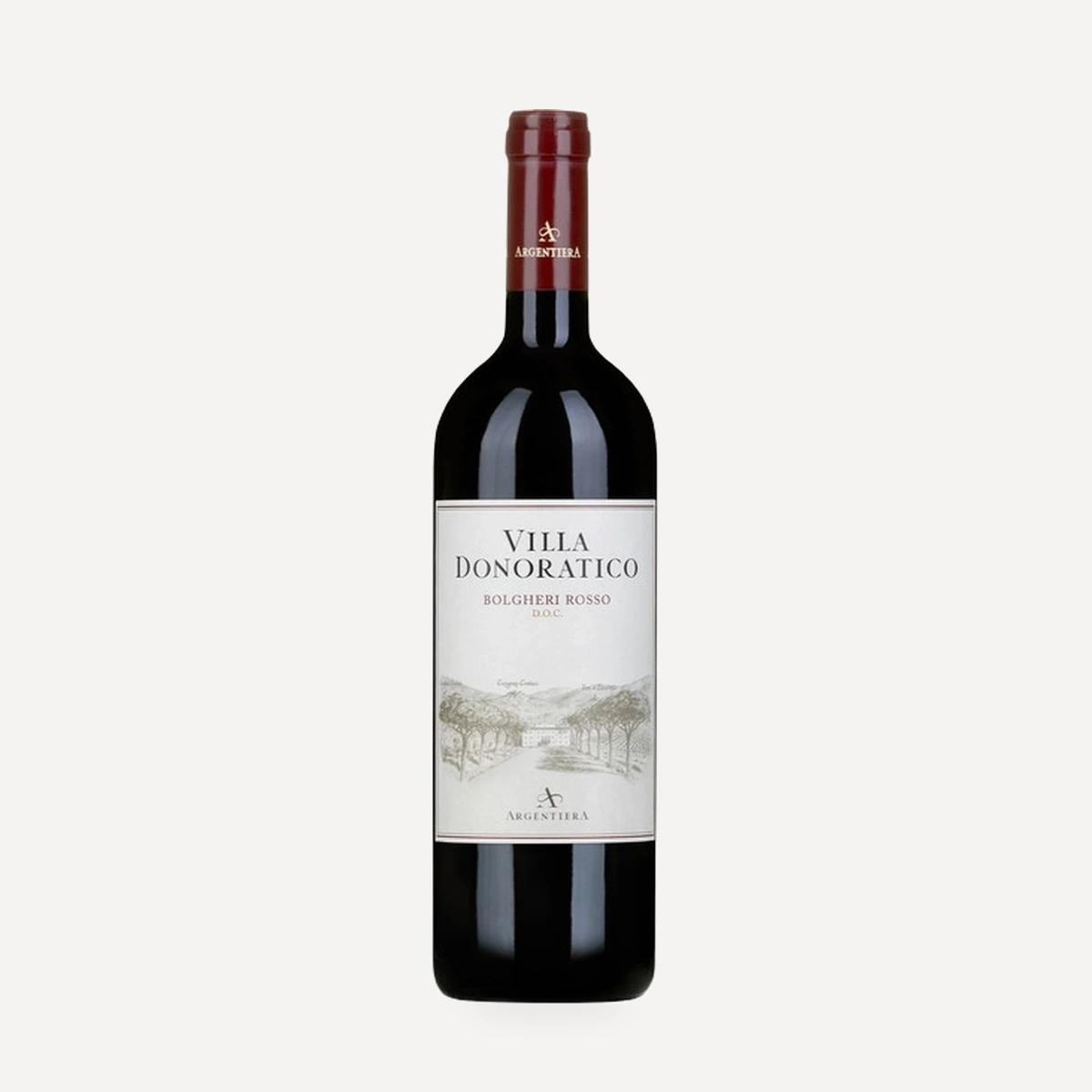
Villa Donoratico Bolgheri Rosso DOC
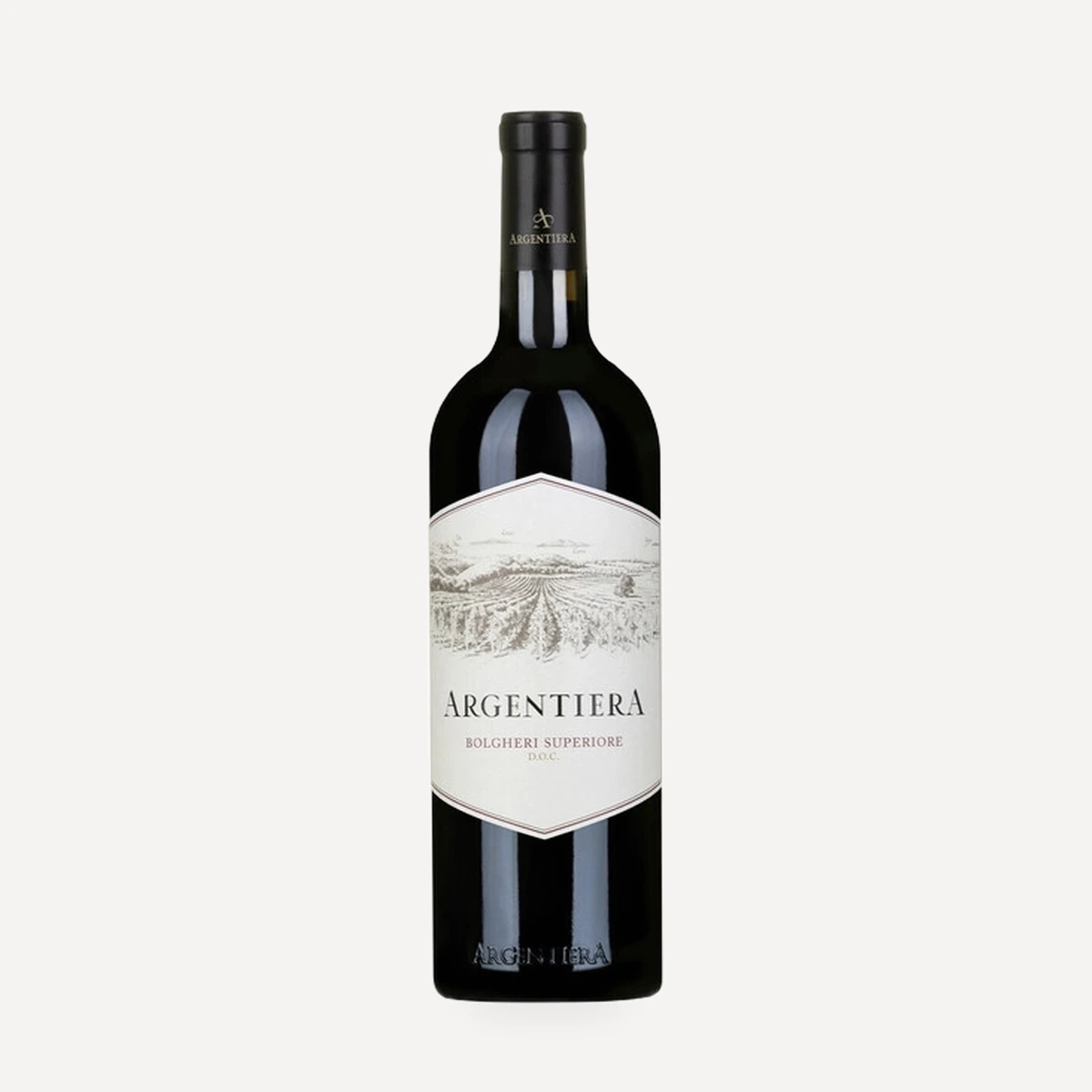
Argentiera Bolgheri Superiore DOC
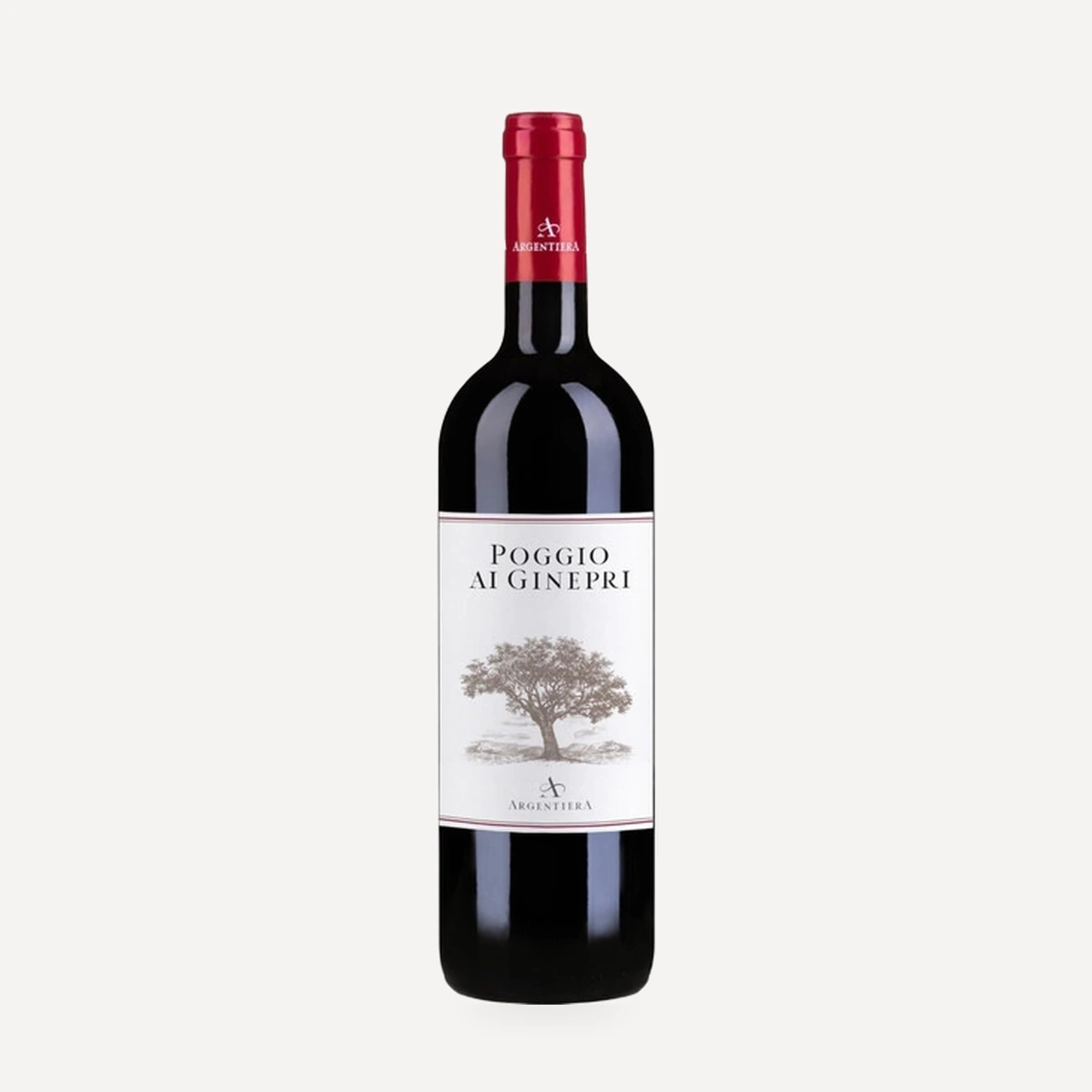
Poggio ai Ginepri Toscana IGT
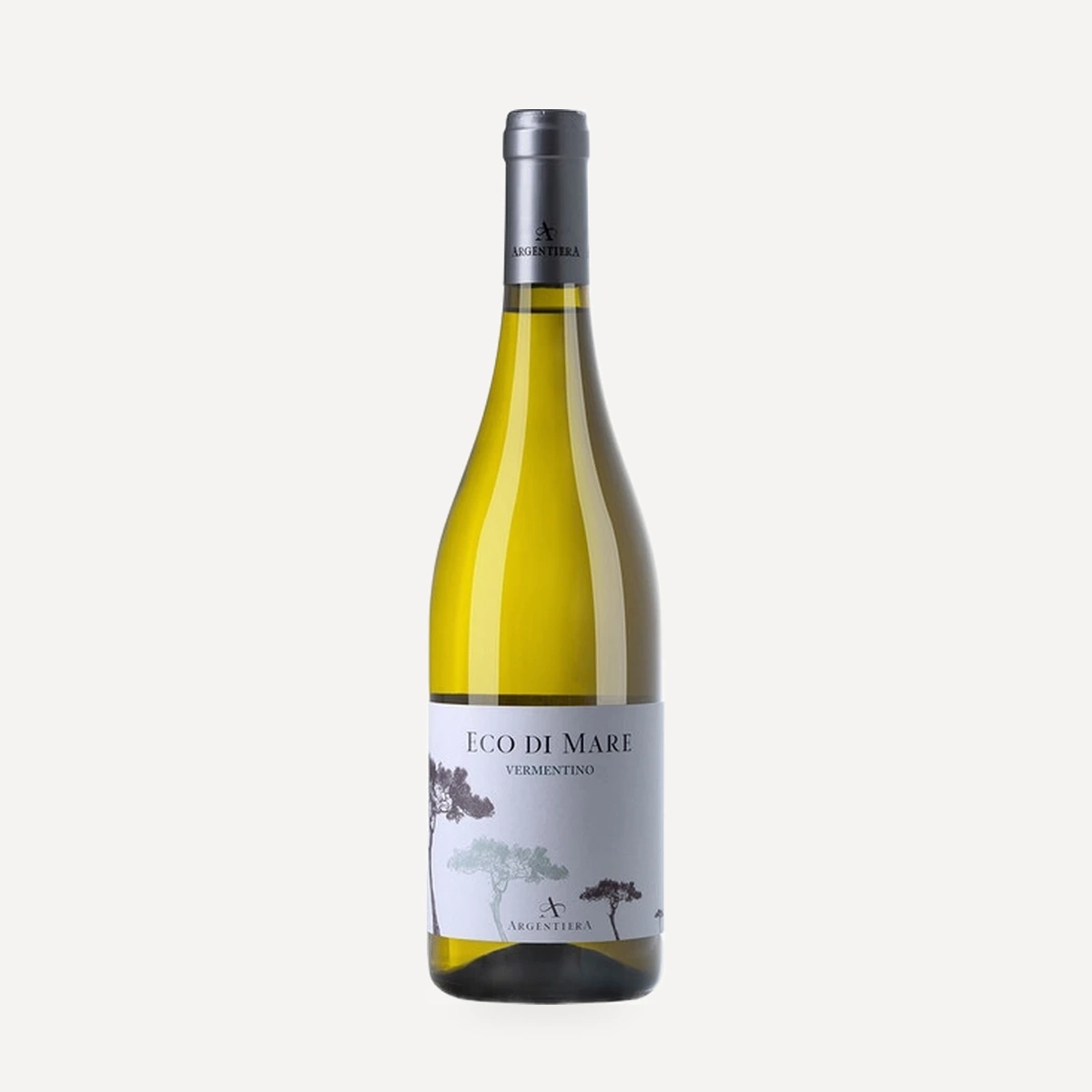
Eco di Mare Toscana Vermentino IGT
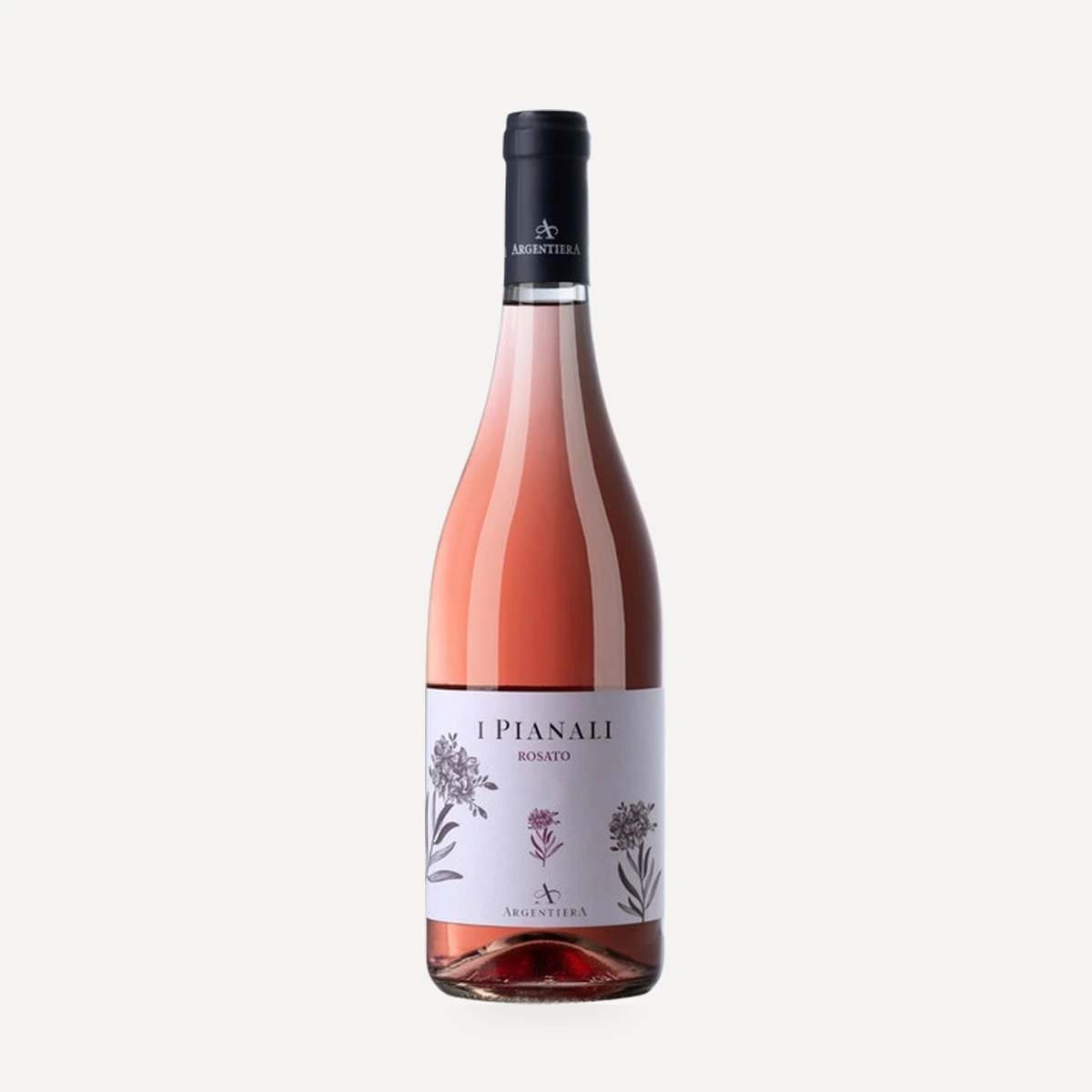
I Pianali Toscana Rosato IGT
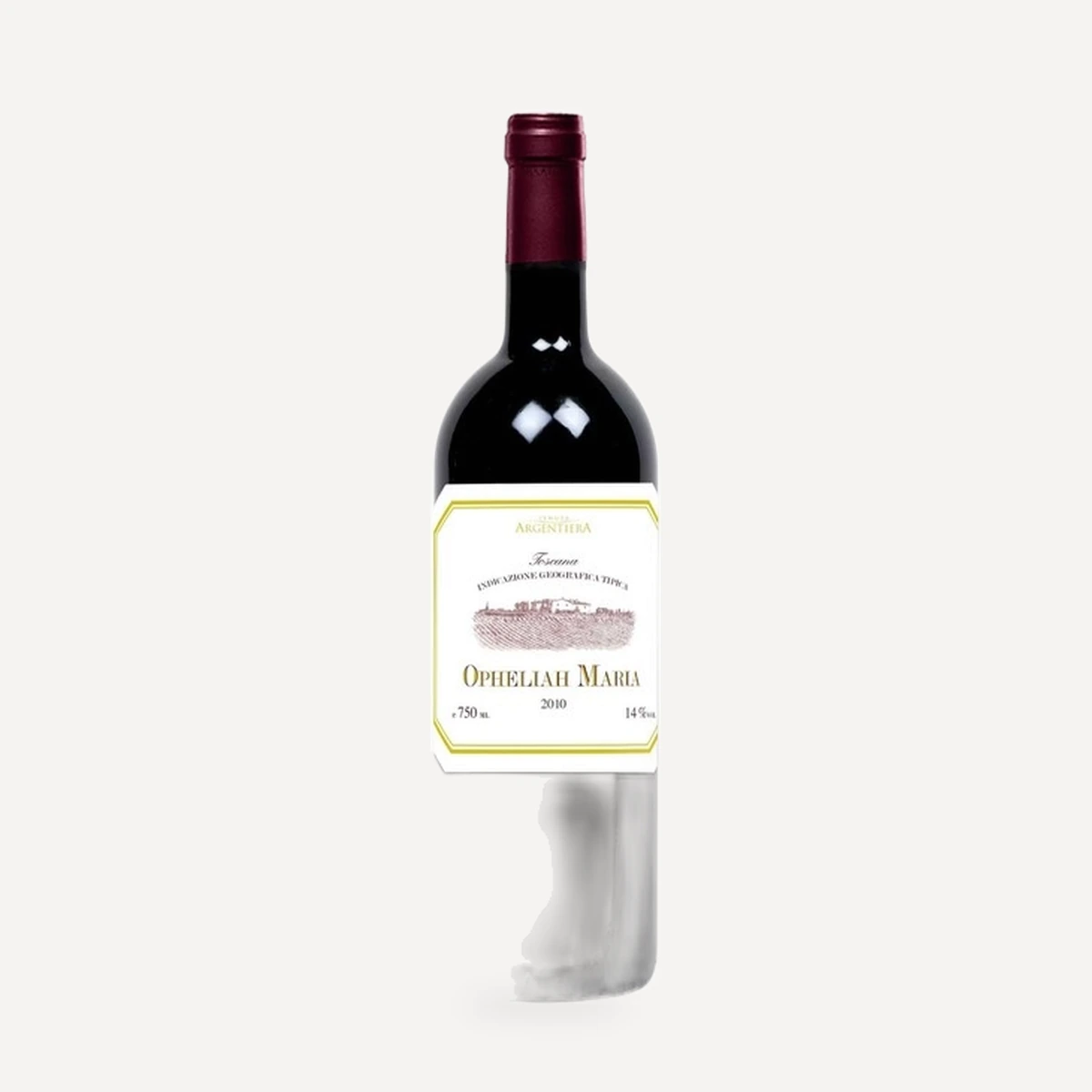
Opheliah Maria Toscana IGT
Ventaglio Toscana IGT
Scenario Bolgheri Bianco DOC
Scenario
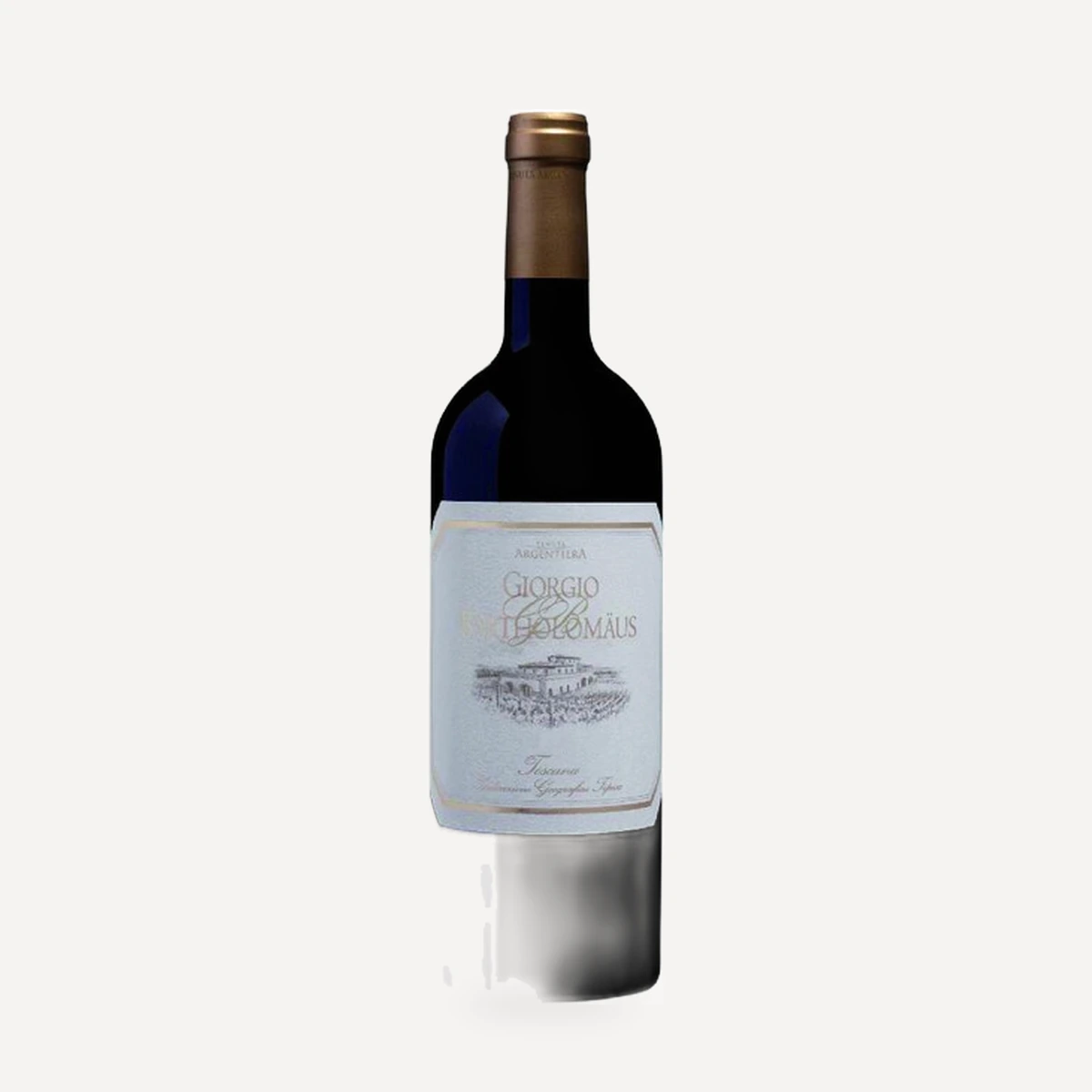
Giorgio Bartholomaus