History
Foundation amid the end of sharecropping
Geografico began in 1961 in the Chianti Classico countryside. Seventeen growers set aside their differences and joined forces beneath the roof of a farmhouse, establishing the Cooperativa degli Agricoltori del Chianti Geografico. Their immediate aims were to give the Tuscan countryside a collective voice, revive the local agricultural economy and move beyond a sharecropping system associated with an increasingly obsolete production culture.
The name “Geografico” expressed the founders’ attachment to the hills of Gaiole in Chianti, Radda in Chianti and Castellina in Chianti. From the beginning, the cooperative combined economic solidarity with the preservation of local winemaking traditions and the promotion of its territory.
Growth and international recognition
After its initial years of consolidation, Geografico began recording commercial successes and attracted further growers. During the 1970s and 1980s, the cooperative carried Chianti Classico beyond the Alps and established the brand in major international markets.
This growth coincided with a profound technical transition. Centuries-old wooden vessels and rudimentary cellar work progressively gave way to concrete tanks, more precise oenological control and machinery that reduced manual labour while supporting higher and more consistent quality.
Contessa di Radda and expansion into San Gimignano
The first harvest of Contessa di Radda took place in 1978. The line became Geografico’s historic Chianti Classico emblem and took its name from Willa of Tuscany, the medieval noblewoman associated with Radda through her donation of Chianti lands to the Badia Fiorentina.
A second production centre was opened in San Gimignano during the 1980s. Dedicated to the surrounding territories of Vernaccia di San Gimignano and Chianti Colli Senesi, it became the birthplace of the Borgo alla Terra line and complemented the historic Gaiole in Chianti cellar.
Acquisition and renewal under the Piccini family
In 2018, the Piccini family acquired the Geografico brand and assumed its management. The operation was intended to preserve the historic marque, its employees and its network of grape suppliers while retaining the production philosophy developed by the growers over the preceding decades.
A new technical phase began with Alessandro Barabesi as Geografico’s technical director and oenologist, working alongside consulting oenologist Riccardo Cotarella. Investments included new vinification tanks. The programme retained the historic Tuscan denominations at its core while extending the portfolio toward Super Tuscan wines. Barabesi initially focused on renewing Contessa di Radda, combining work in the vineyards and cellar with technical changes intended to sharpen grape expression.
The sixtieth anniversary and I Terzieri
Geografico marked its sixtieth anniversary in 2021 with I Terzieri, a three-wine project devoted to the historic communes of Radda, Gaiole and Castellina. Terziere di Tramontano represents Radda, Terziere di Levante represents Gaiole and Terziere di Ponente represents Castellina. The project uses separate vineyard origins, microvinification and non-invasive cellar practices to explore three expressions of Sangiovese under a shared technical philosophy.
The line also reconnects the modern project with the medieval Lega del Chianti. Florence consolidated control over a large part of Chianti in the early thirteenth century and reorganised it as a league divided into the three Terzieri. In 1383, the league adopted a statute and the Black Rooster as its emblem; its historic perimeter remains identified with the original heartland of Chianti Classico.
Terroir
Geografico’s core identity is tied to the Tuscan hills around Gaiole in Chianti, Radda in Chianti and Castellina in Chianti, the three historic communes at the heart of Chianti Classico. The San Gimignano area forms a second centre for Vernaccia di San Gimignano and Chianti Colli Senesi.
Radda in Chianti
The Radda origin used for Terziere di Tramontano lies near the small village of Villa at approximately 450 metres above sea level. The altitude and comparatively rigorous temperatures create a distinctly cool setting. The resulting Sangiovese expression is associated with vertical structure, acidity and a mineral influence.
Gaiole in Chianti
Terziere di Levante originates on the slopes around the medieval hamlet of Vertine, at approximately 490 metres above sea level. Gaiole is treated as a mosaic of Chianti Classico conditions, capable of producing expressions ranging from bright and decisive to deeper and spicier.
Castellina in Chianti
Terziere di Ponente comes from vineyards on the southern side of Castellina in Chianti. Temperatures rise gradually here compared with the Radda and Gaiole origins, producing a warmer, riper expression while retaining the structural character associated with the area.
The broader Geografico Farmers’ Project encompassed approximately 500 hectares in the 2020 reporting period. Sangiovese is the principal grape under study, with particular attention to how it responds to different soils and microclimates.
Winemaking
Grower-suppliers remain the operational backbone of Geografico. The project originated as a collective response to the economic and technical limitations of sharecropping and continues to organise fruit from a broad network of Tuscan vineyards.
Sangiovese is studied across differing soils and microclimates, with the I Terzieri project separating vineyard origins in Radda, Gaiole and Castellina. Vineyard and cellar work is designed to preserve the individual character of these three places under a common technical approach. During the 2021 season, delayed leaf removal helped protect Chianti Classico bunches from sunburn; the harvest was expected between late September and early October after a warm, dry growing season punctuated by timely summer rain and cooler nights from mid-August.
Geografico operates historic production facilities in Gaiole in Chianti and San Gimignano. The Gaiole cellar is associated with steel vats and large maturation barrels and serves as the heart of the Chianti Classico operation. The San Gimignano facility, opened during the 1980s, handles fruit associated with Vernaccia di San Gimignano and Chianti Colli Senesi.
Over the cooperative’s history, the cellars moved from centuries-old wooden vessels and rudimentary techniques to concrete tanks, modern machinery and precise oenological control. Under the Piccini family, the renewal programme added new vinification tanks while preserving the project’s traditional orientation.
For I Terzieri, the three Sangiovese origins are handled through microvinification and non-invasive cellar practices. Separate work on fruit from Radda, Gaiole and Castellina is intended to retain the distinctions among their vineyards rather than impose a uniform style. The broader technical philosophy combines the recovery of traditional flavours with contemporary winemaking control.
Philosophy
Geografico’s identity rests on three connected principles: growers, territory and the recognisable identity of its wines. The original cooperative model treated solidarity and shared technical progress as instruments for strengthening both individual farmers and the local rural economy.
The territory is understood as more than a source of raw material. Gaiole, Radda, Castellina and the wider Tuscan grower network provide the geographical identity encoded in the Geografico name. Protecting that relationship and carrying it into the wines remains central to the project.
Alessandro Barabesi’s approach joins the rediscovery of traditional flavours with contemporary technical methods. In I Terzieri, this means using microvinification and minimally invasive cellar work to allow Sangiovese from three communes to remain recognisably distinct. The Piccini family’s renewal programme follows the same balance: preserving the inherited grower culture and historic denominations while investing in technical modernisation and developing new Tuscan expressions.
Wines
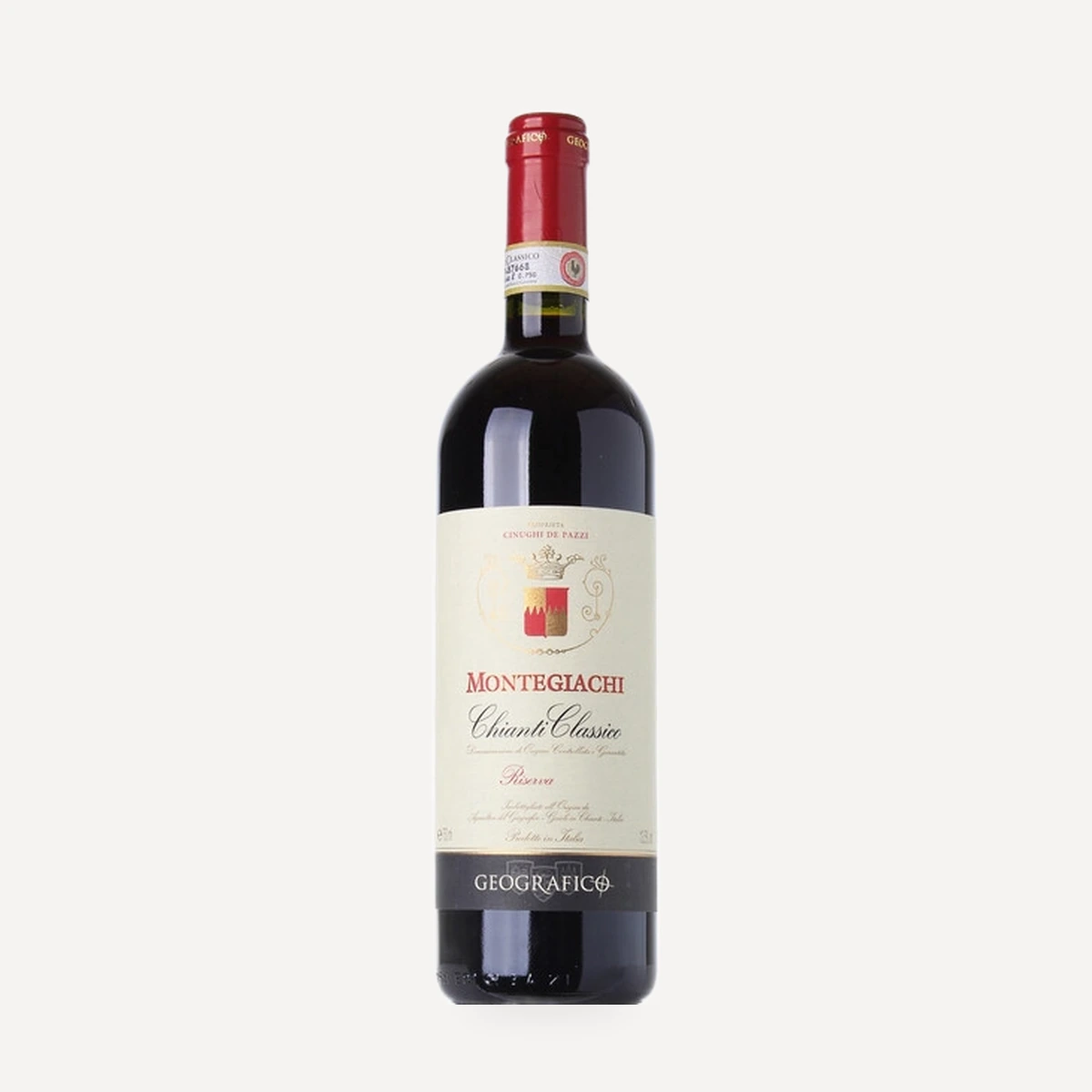
Montegiachi Chianti Classico Riserva DOCG
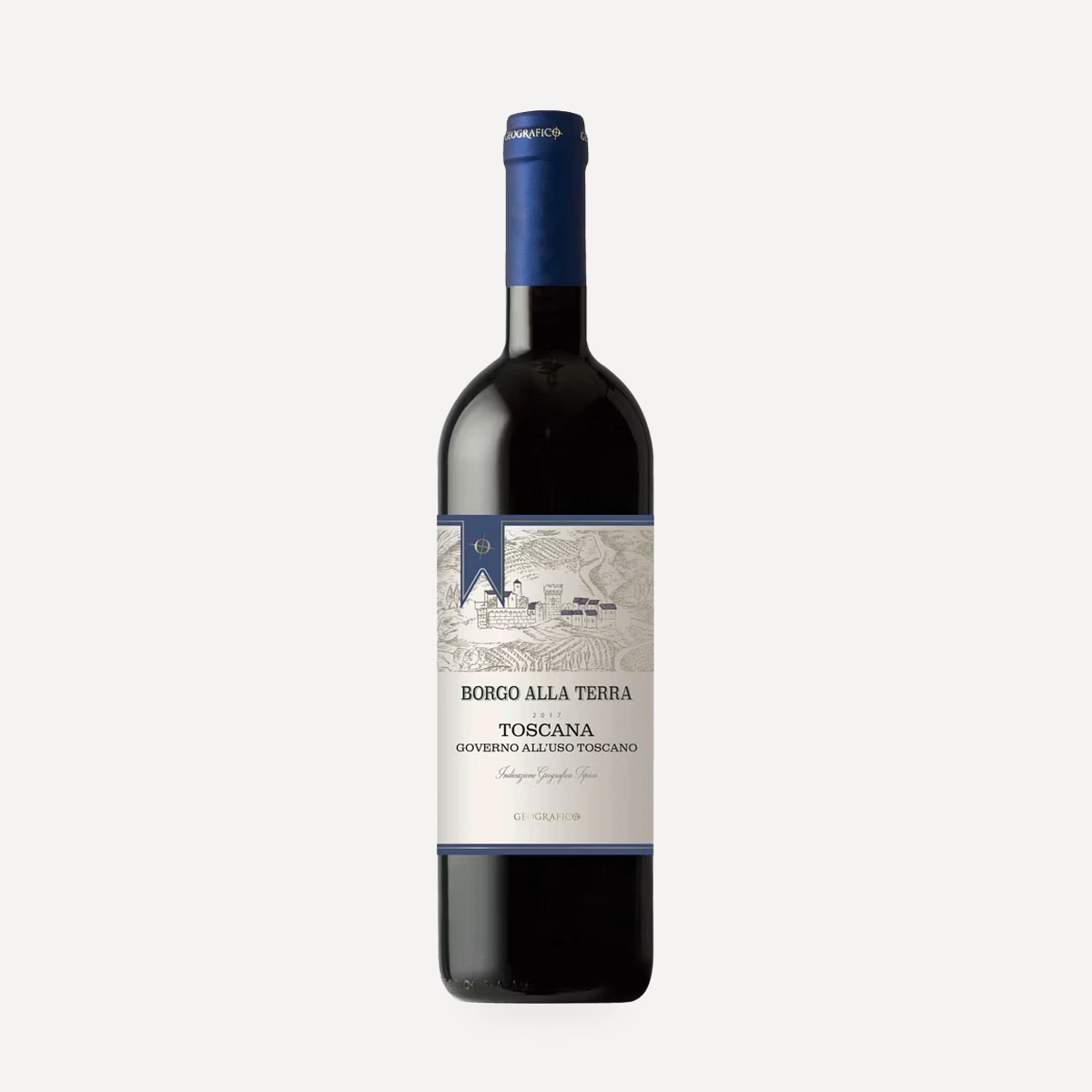
Borgo alla Terra Governo all'Uso Toscano IGT
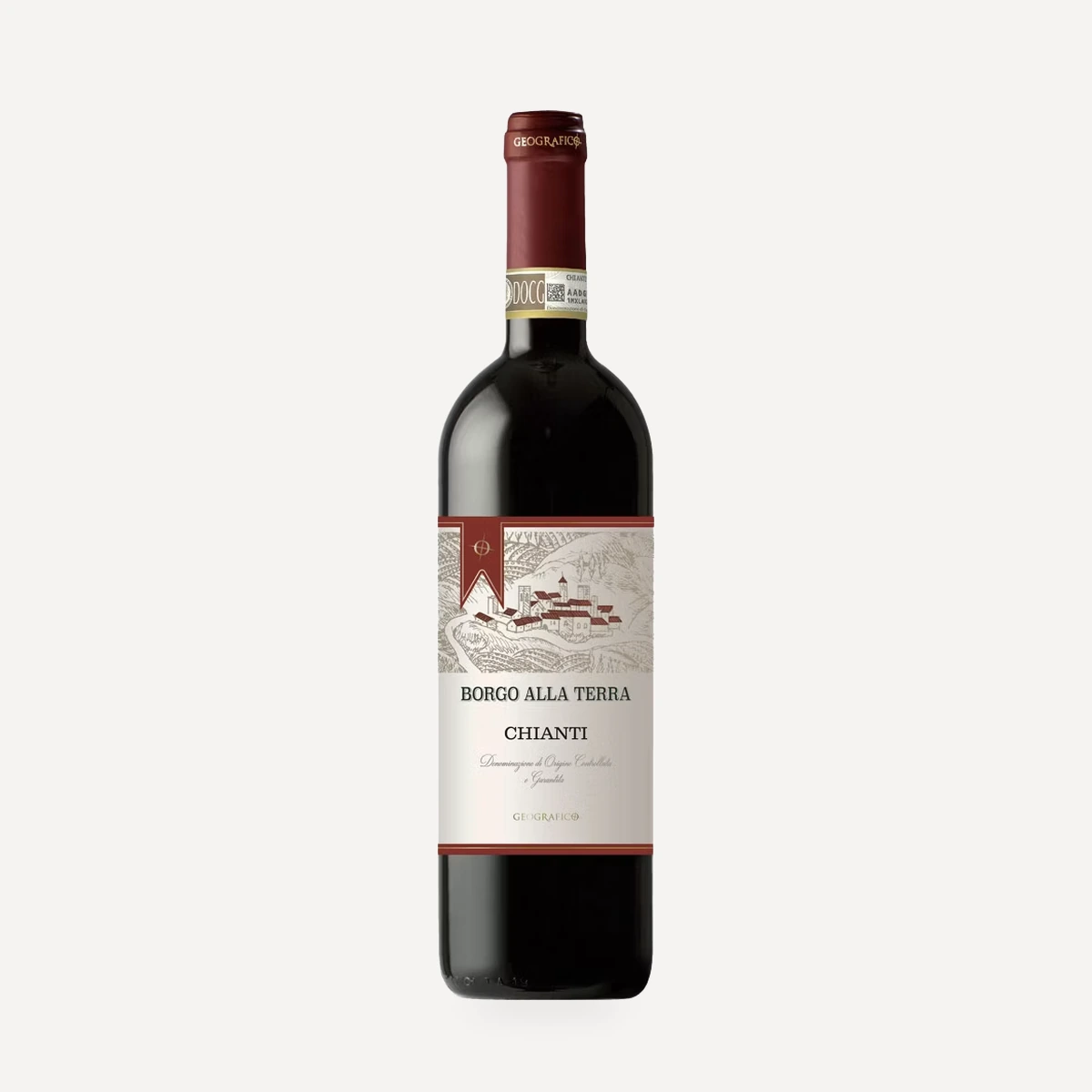
Borgo alla Terra Chianti DOCG
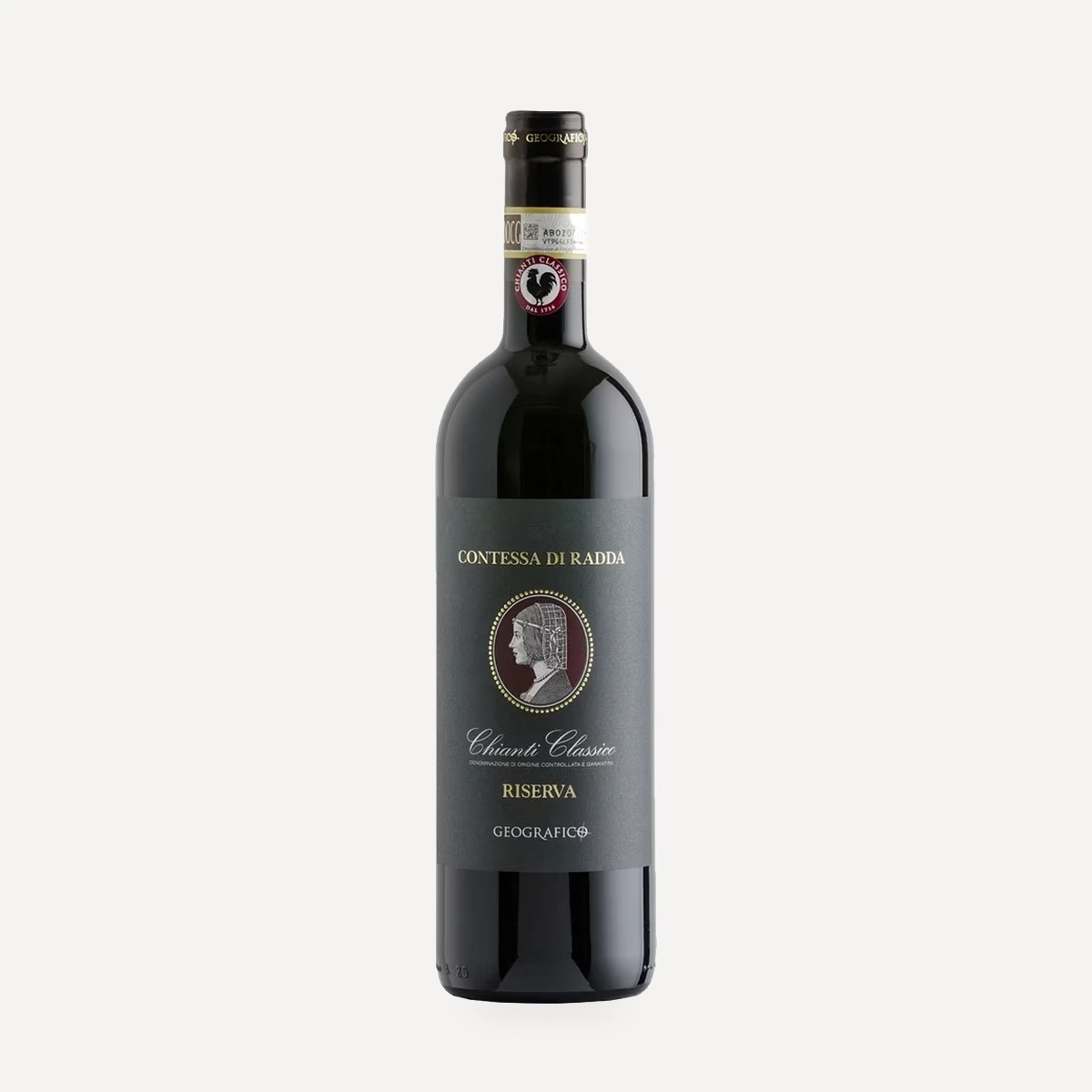
Contessa di Radda Chianti Classico Riserva DOCG
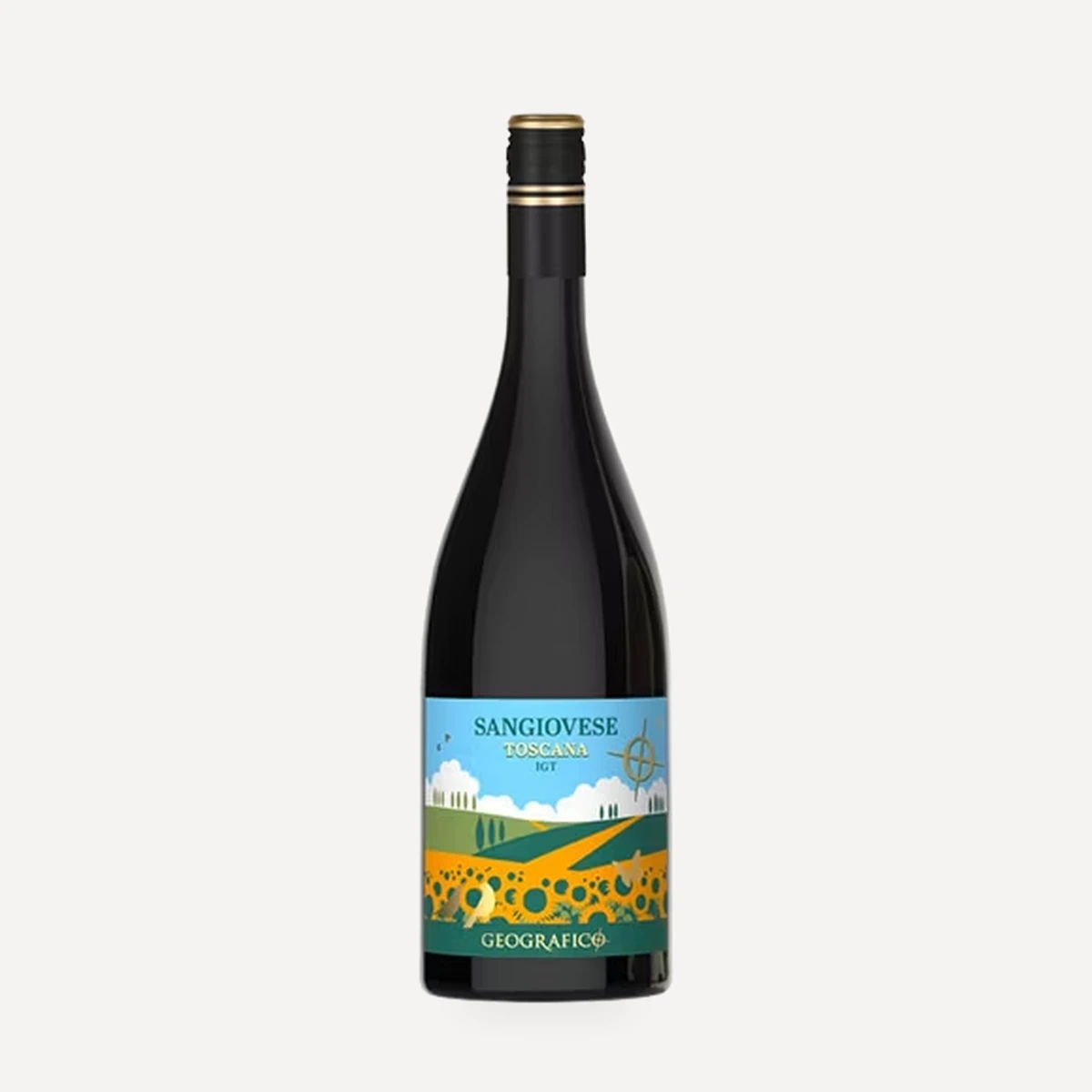
Tuscan Vibes Sangiovese Toscana IGT
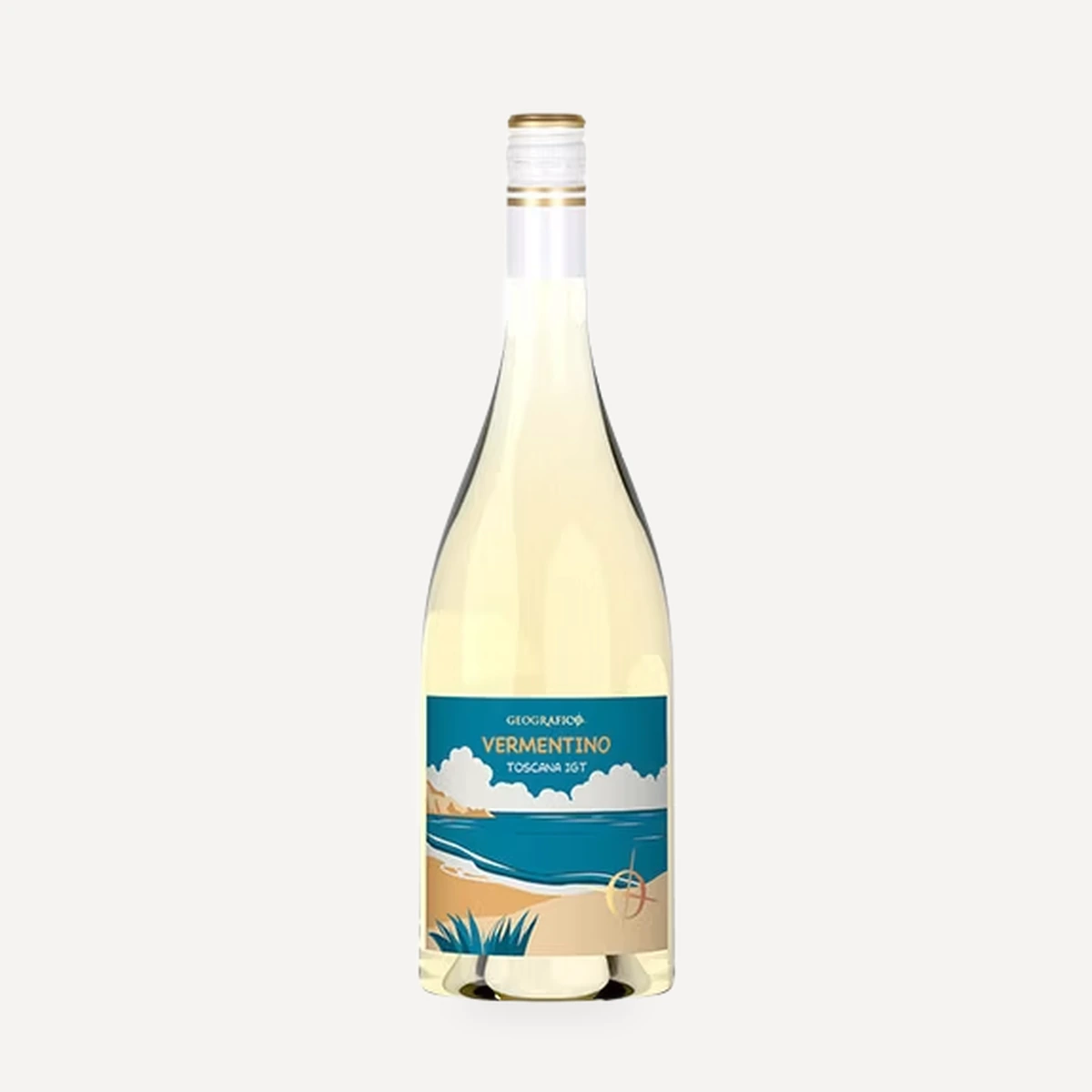
Tuscan Vibes Vermentino Toscana IGT
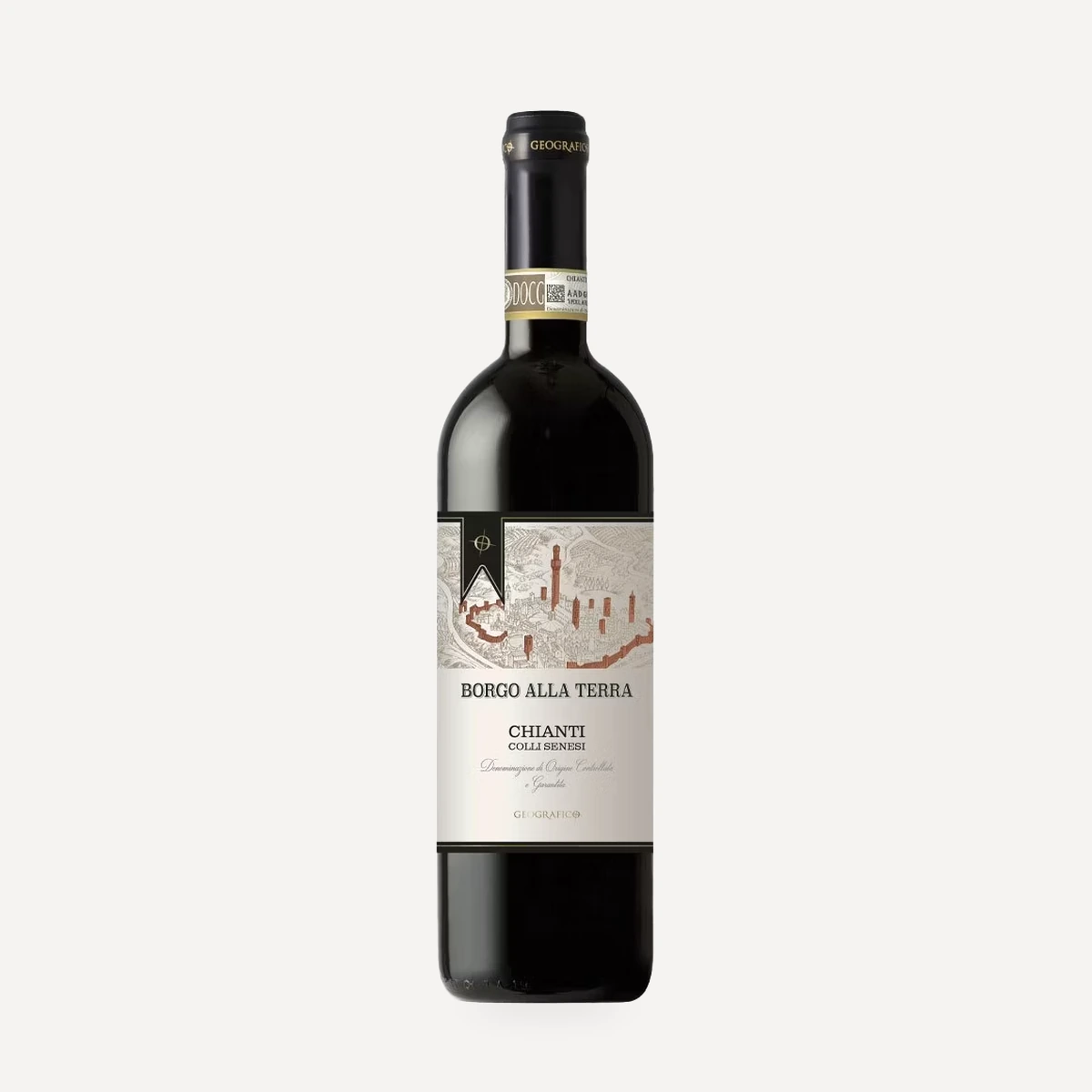
Borgo alla Terra Chianti Colli Senesi DOCG
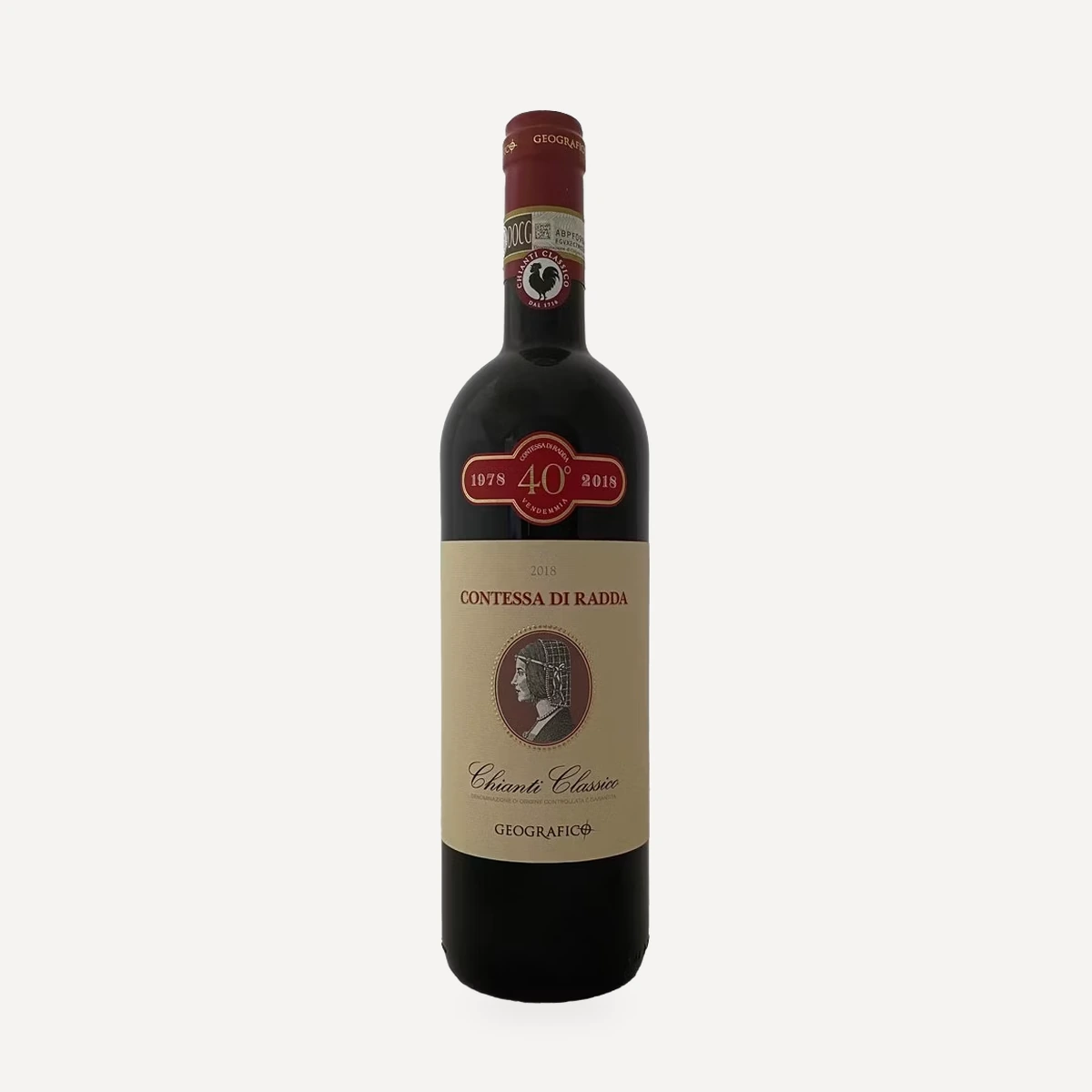
Contessa di Radda Chianti Classico DOCG
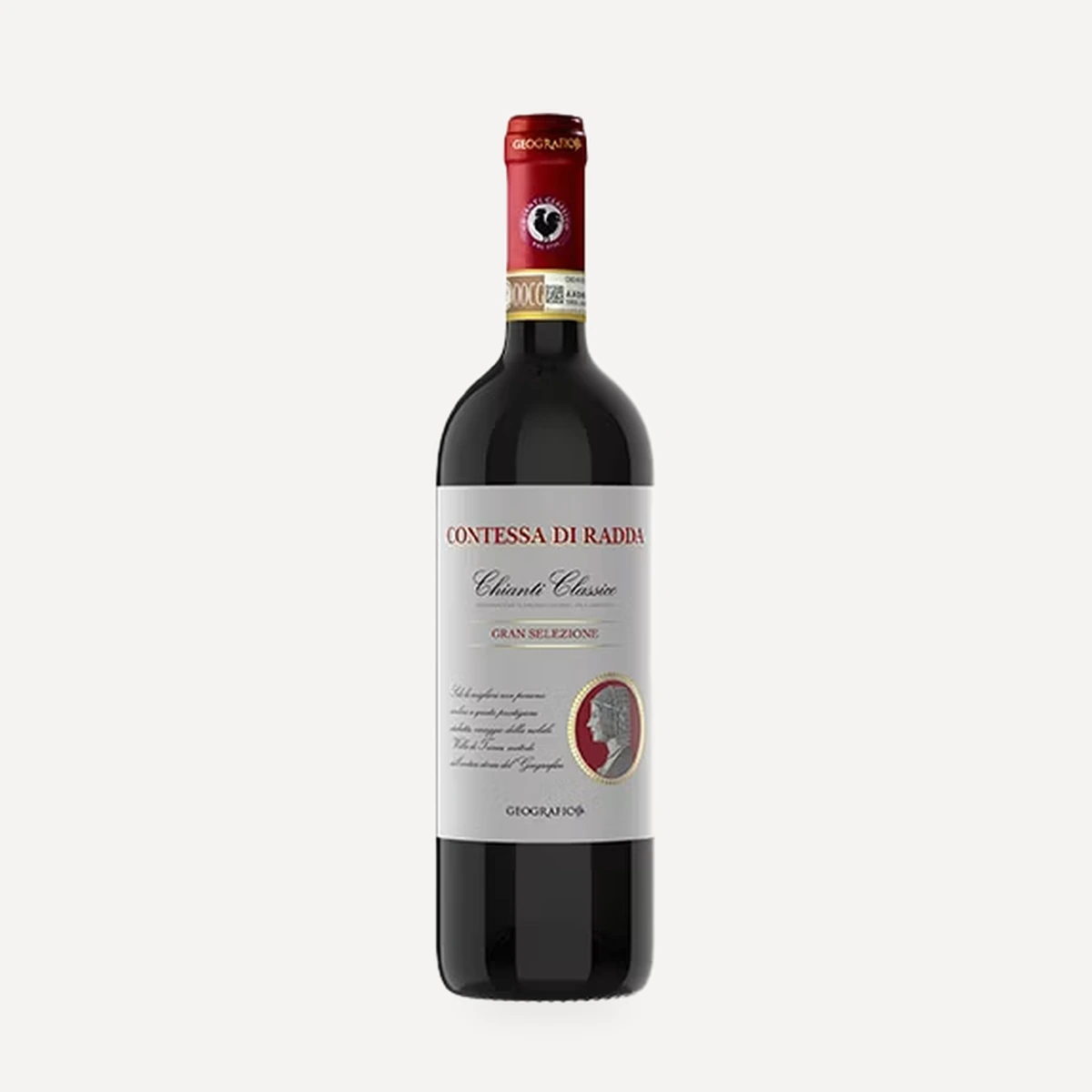
Contessa di Radda Gran Selezione Chianti Classico DOCG
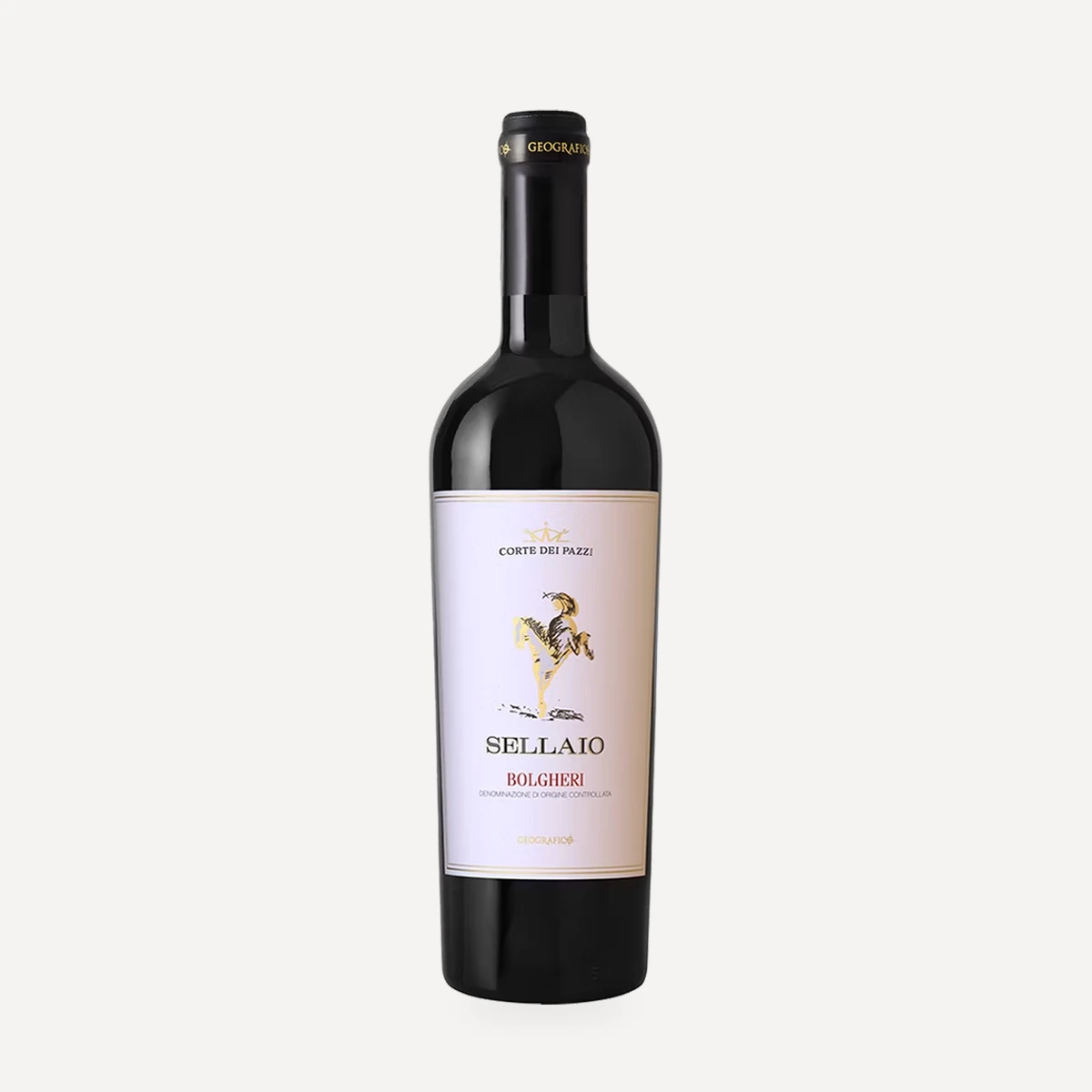
Corte dei Pazzi Sellaio Bolgheri DOC
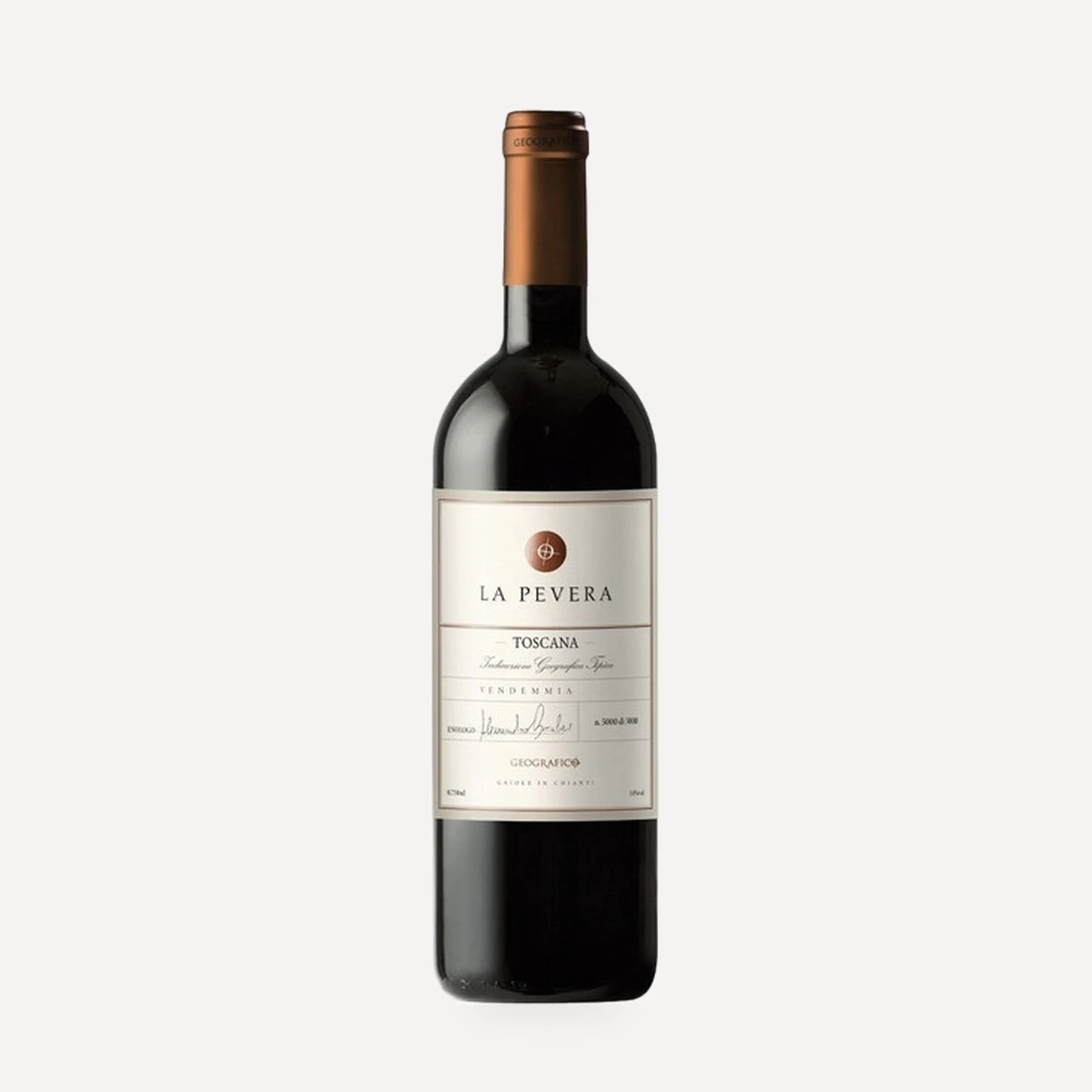
La Pevera Toscana IGT
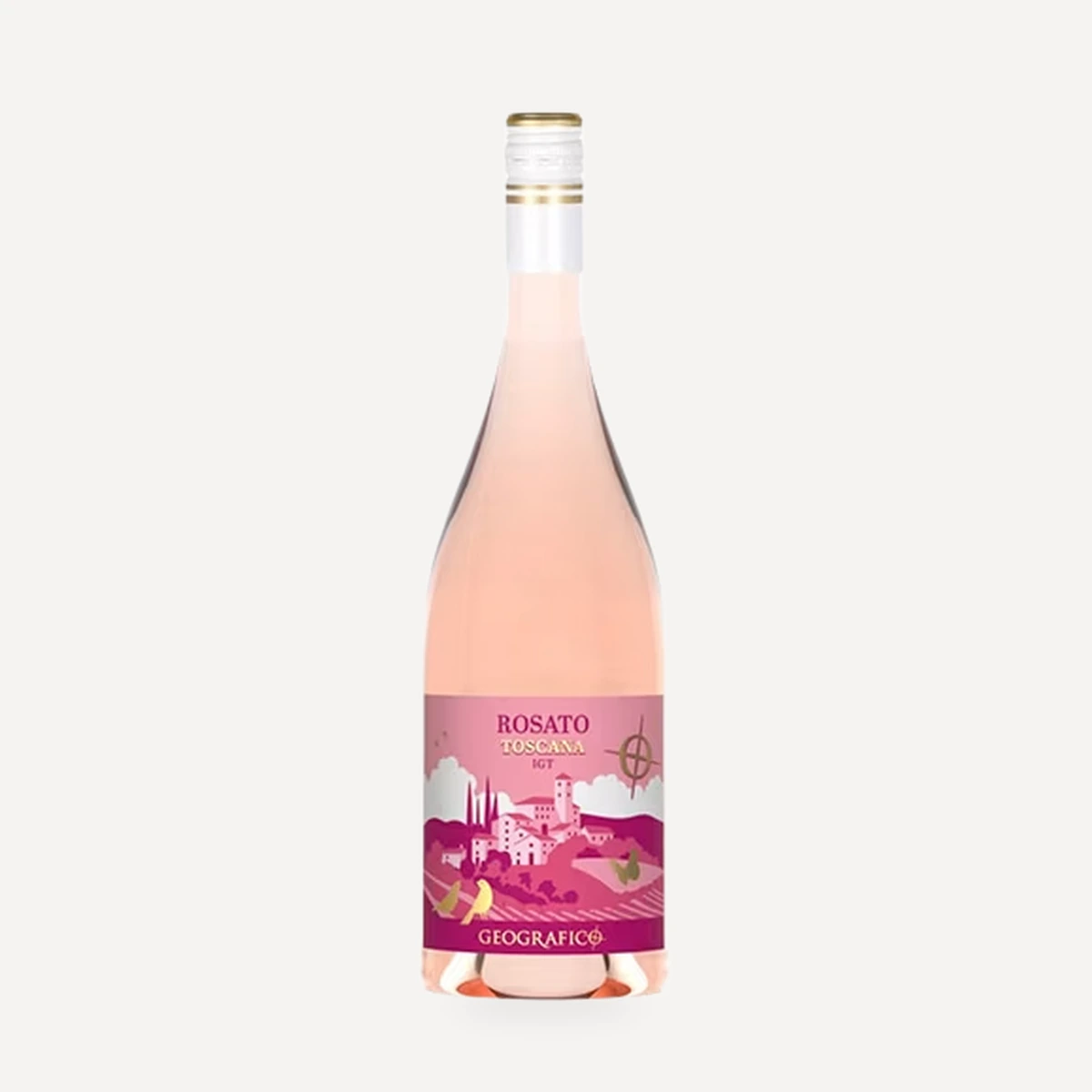
Tuscan Vibes Rosato Toscana IGT
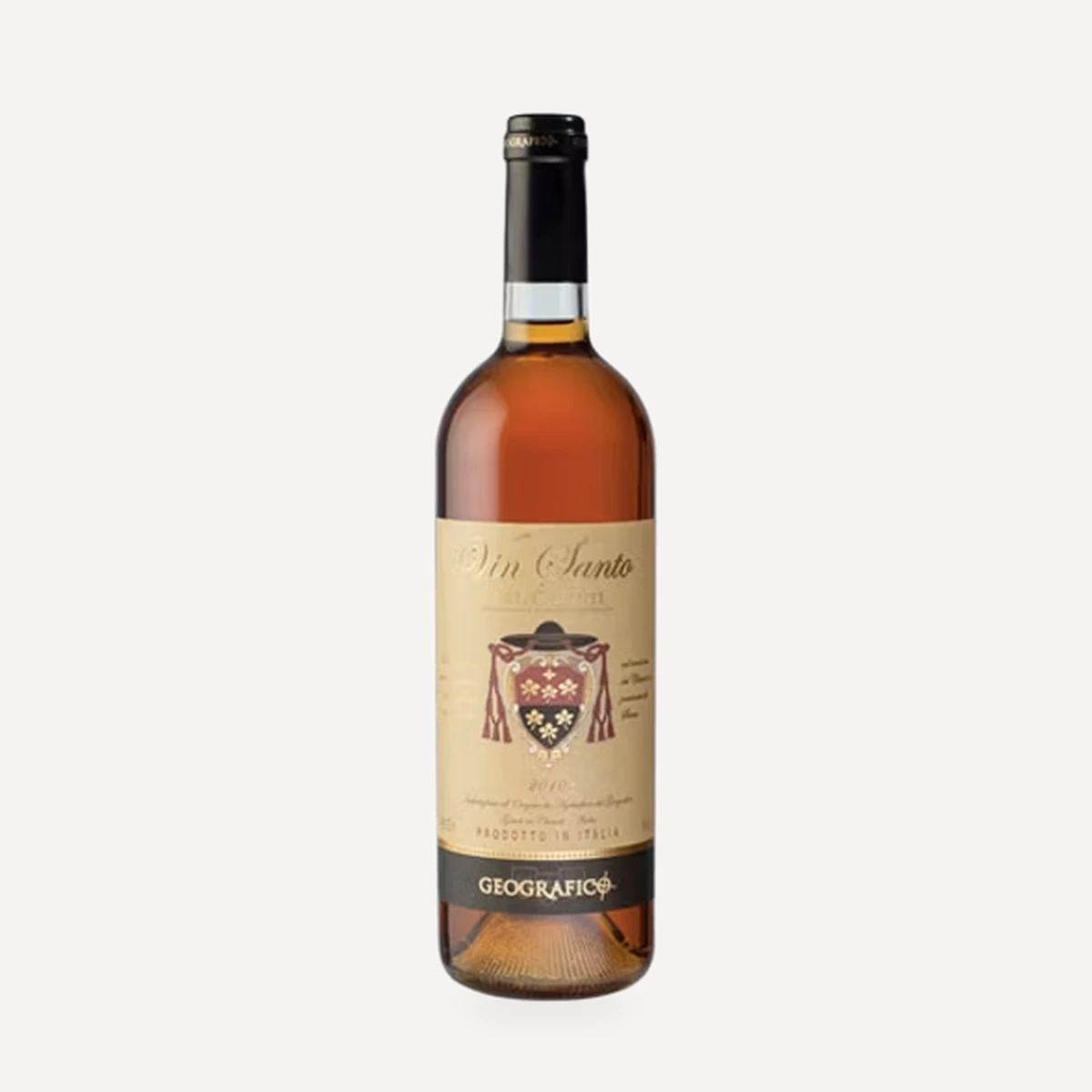
Vin Santo del Chianti DOC
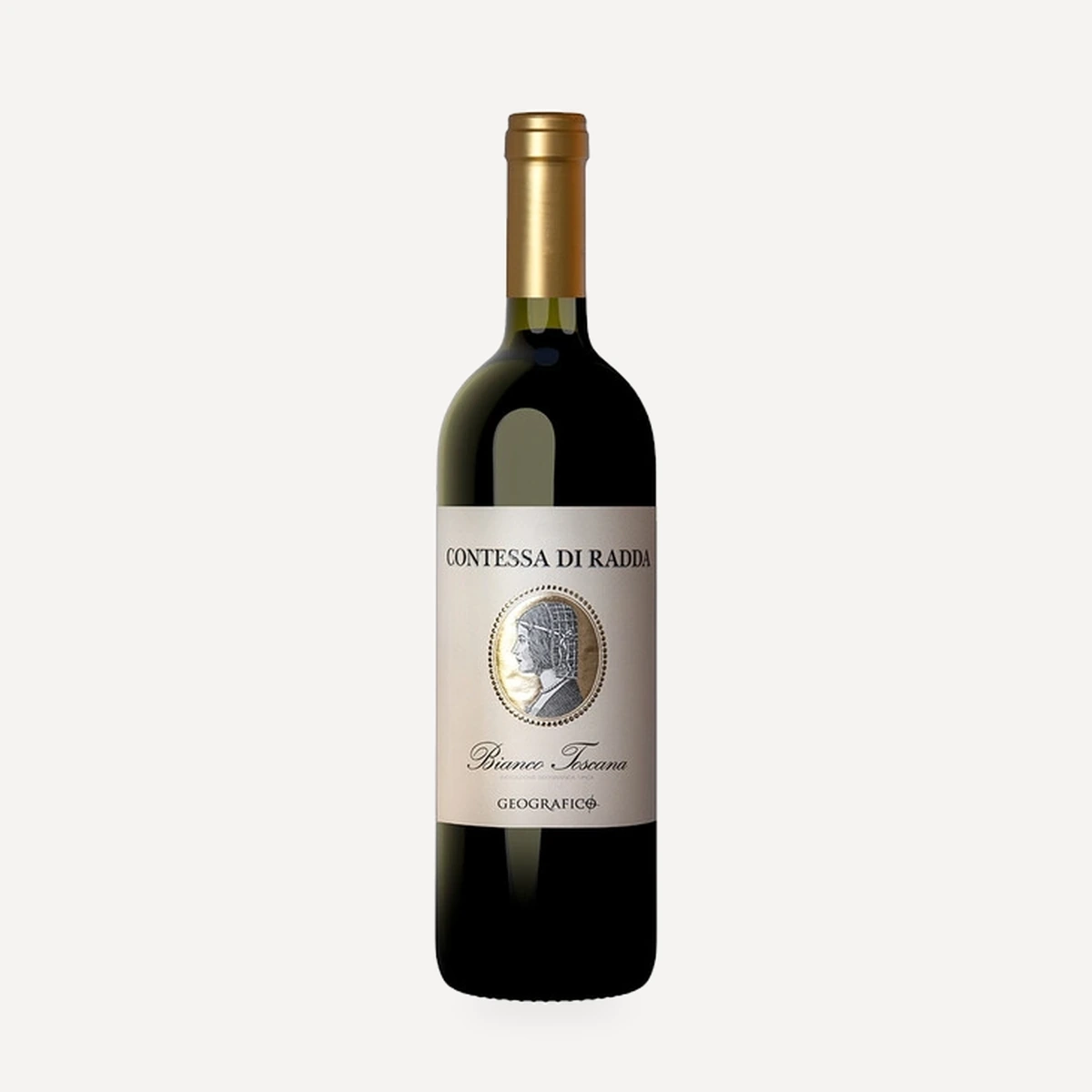
Contessa di Radda Bianco Toscana Chardonnay IGT
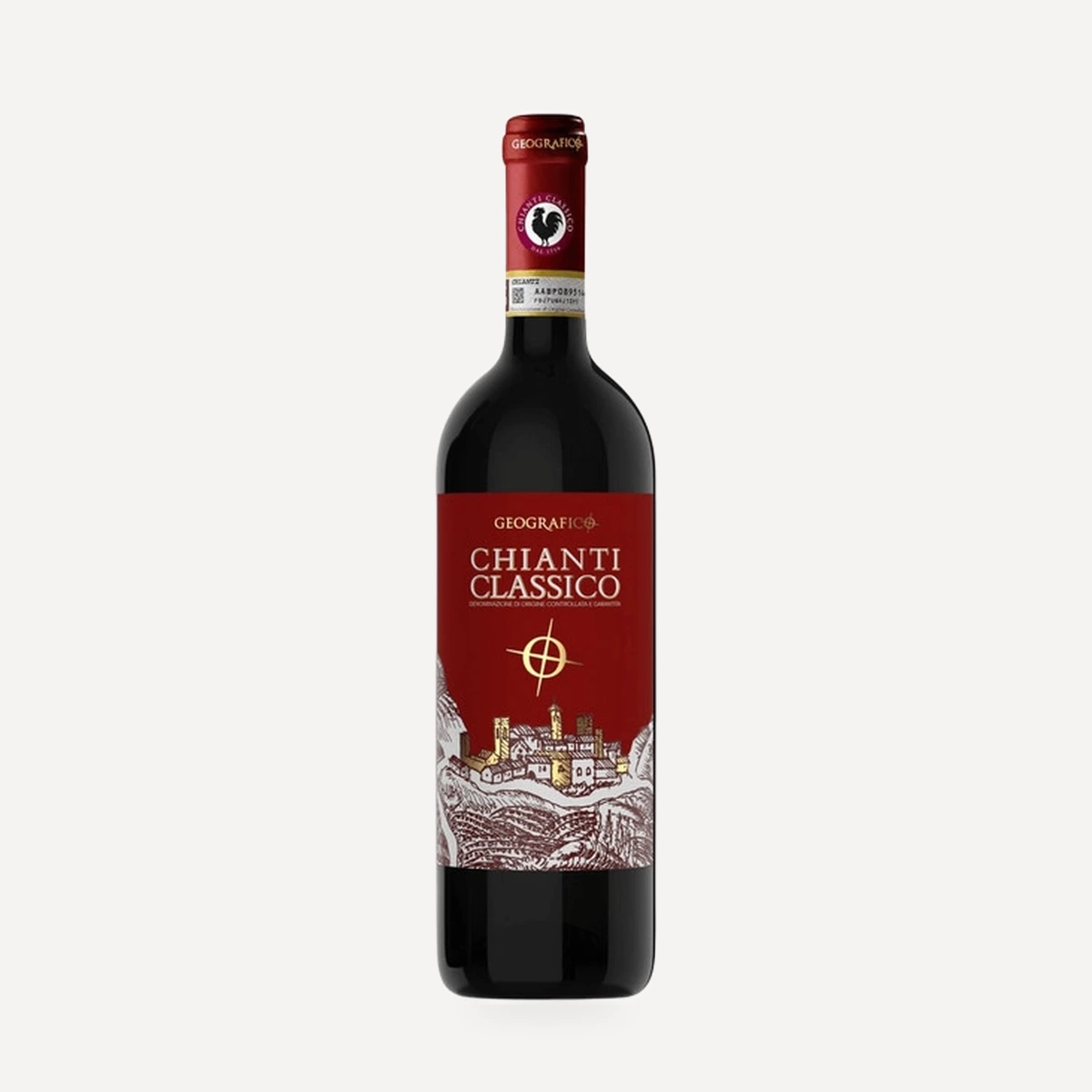
Geografico Chianti Classico DOCG
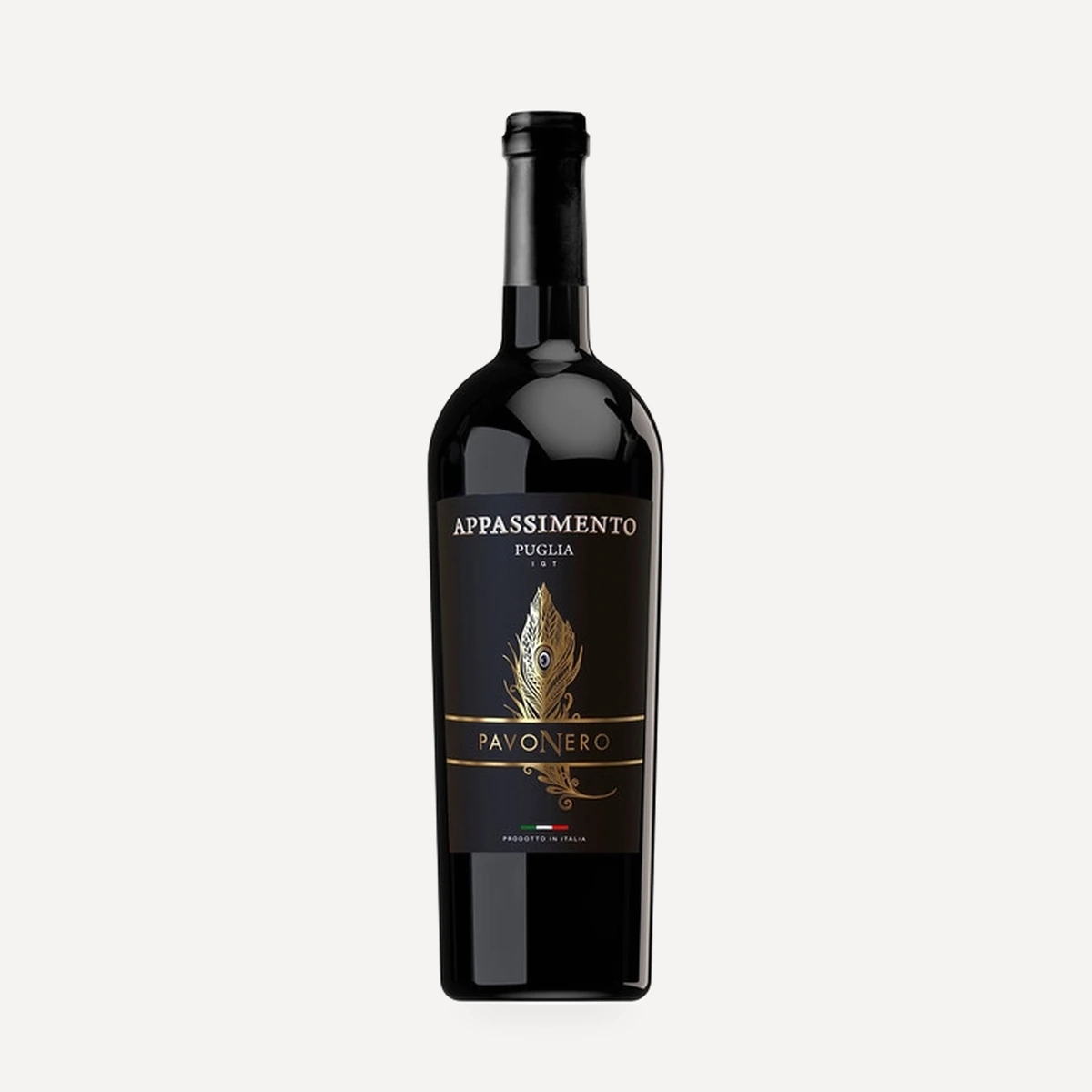
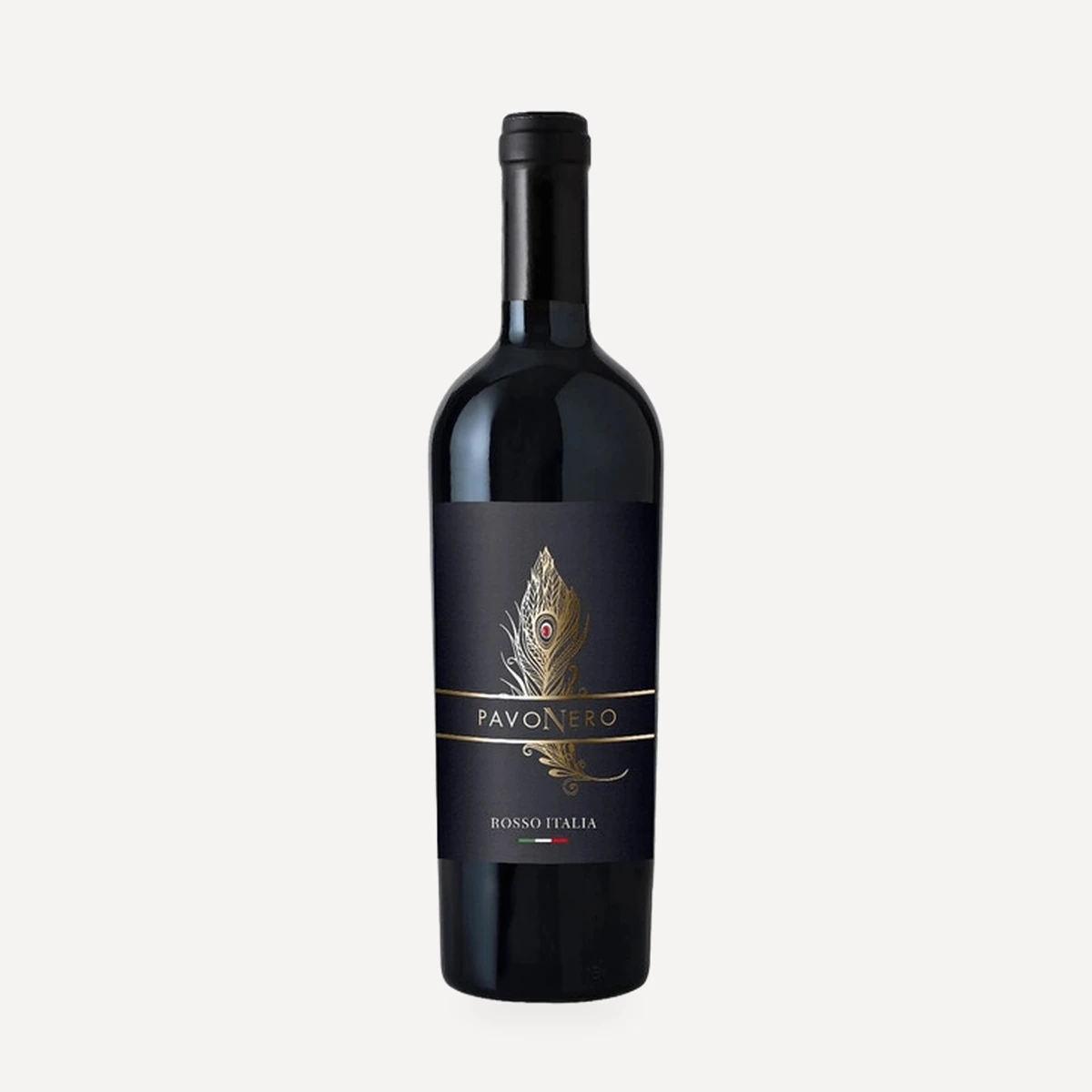
Pavo Nero Appassimento Puglia IGT
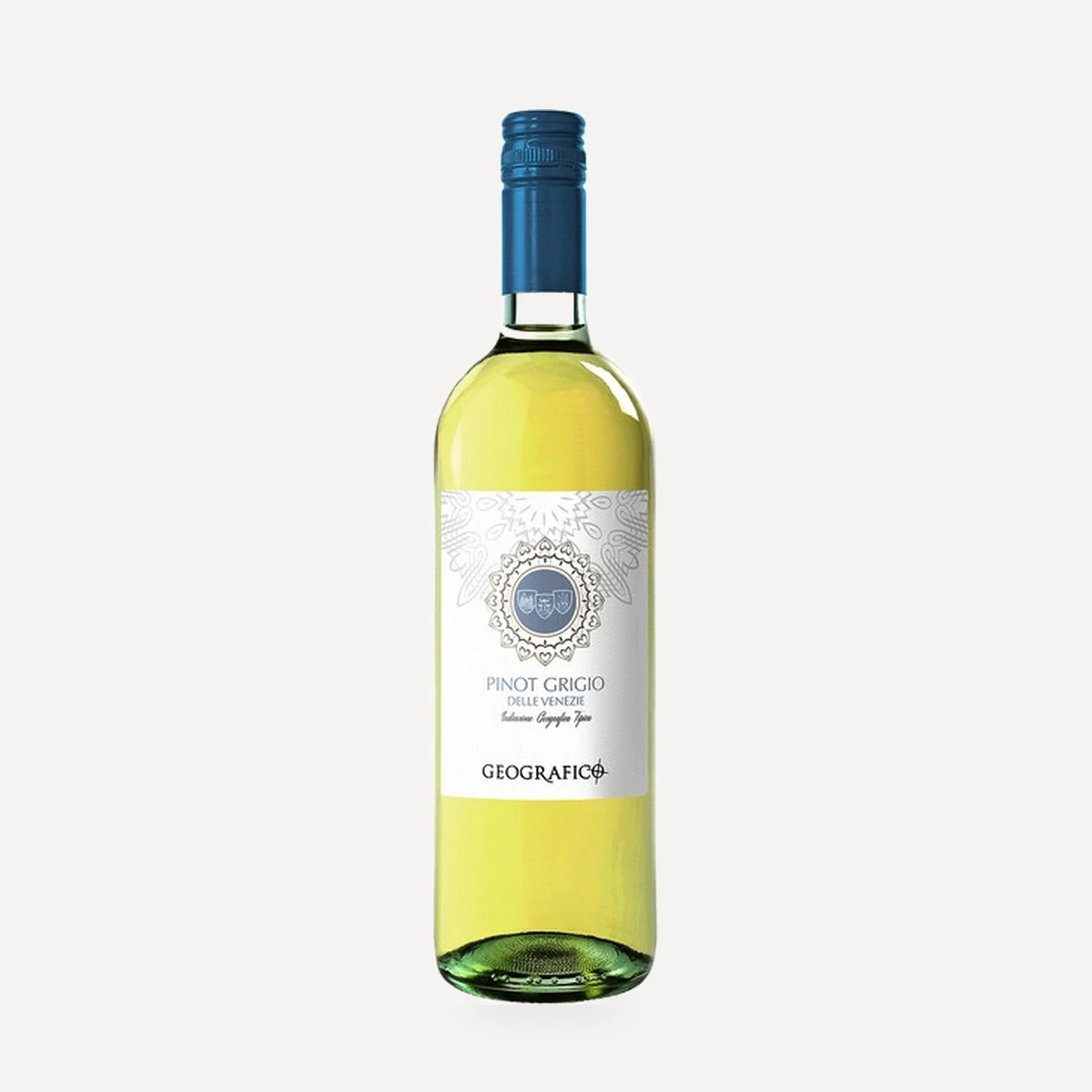
Pinot Grigio delle Venezie DOC
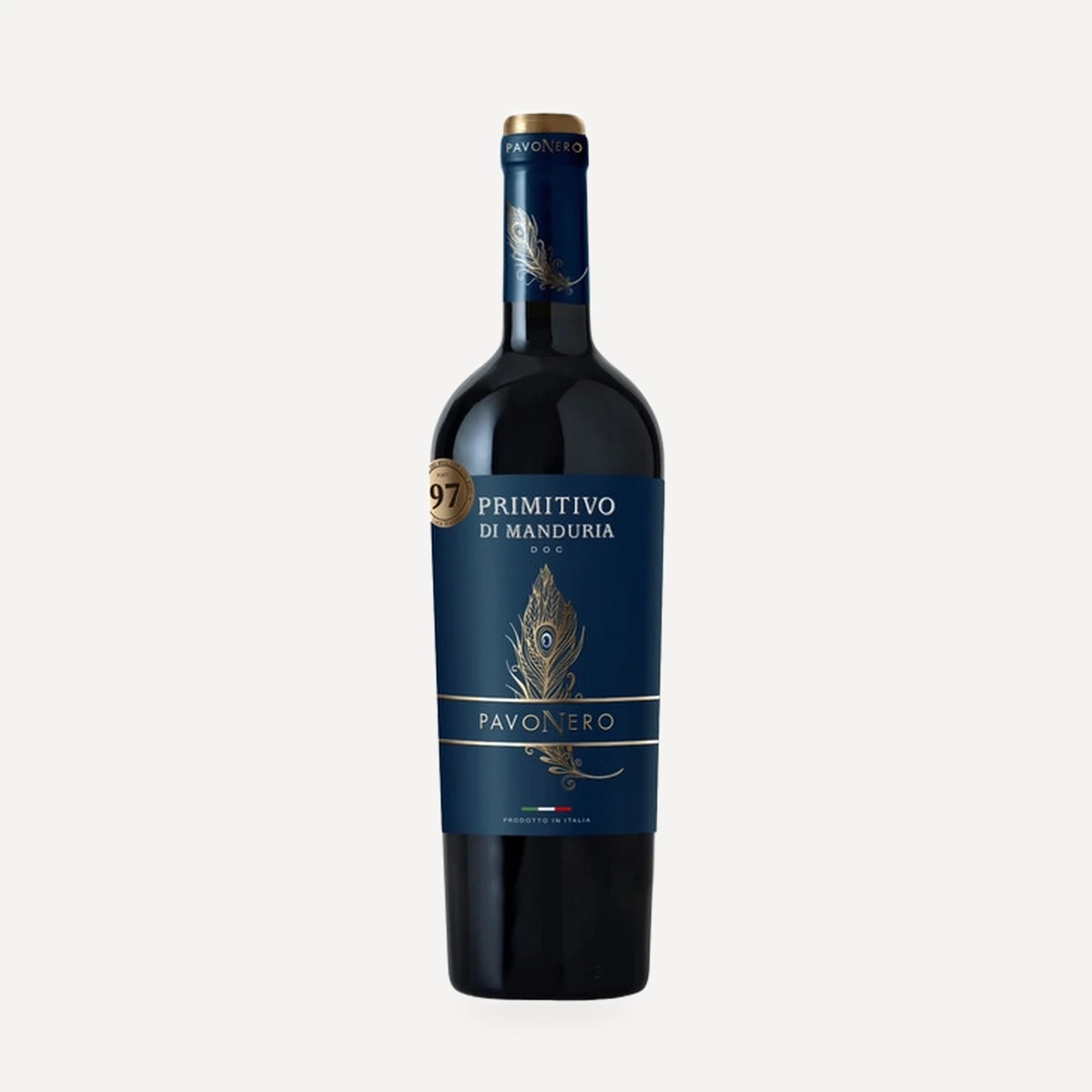
Pavo Nero Primitivo di Manduria DOC
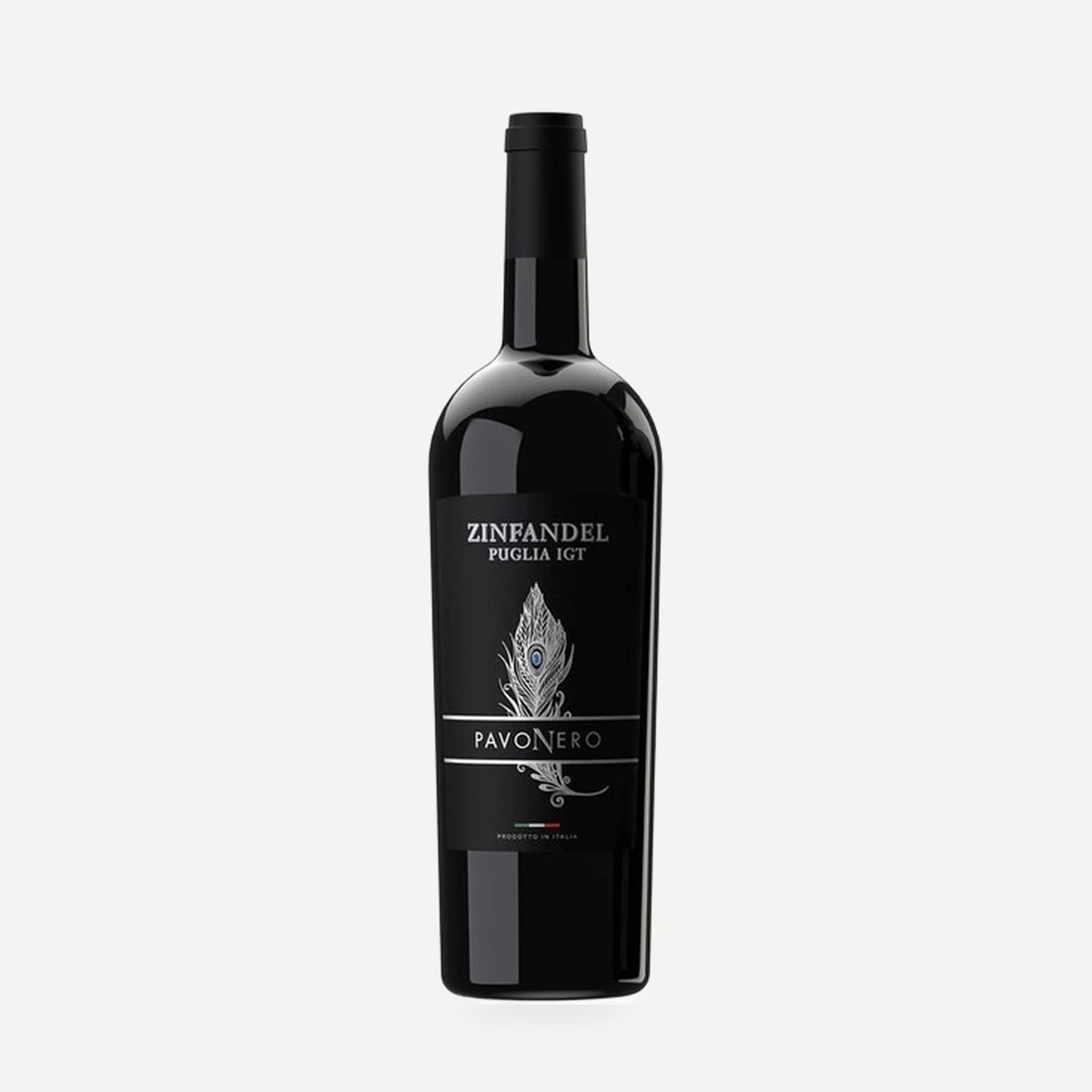
PavoNero Zinfandel Puglia IGT
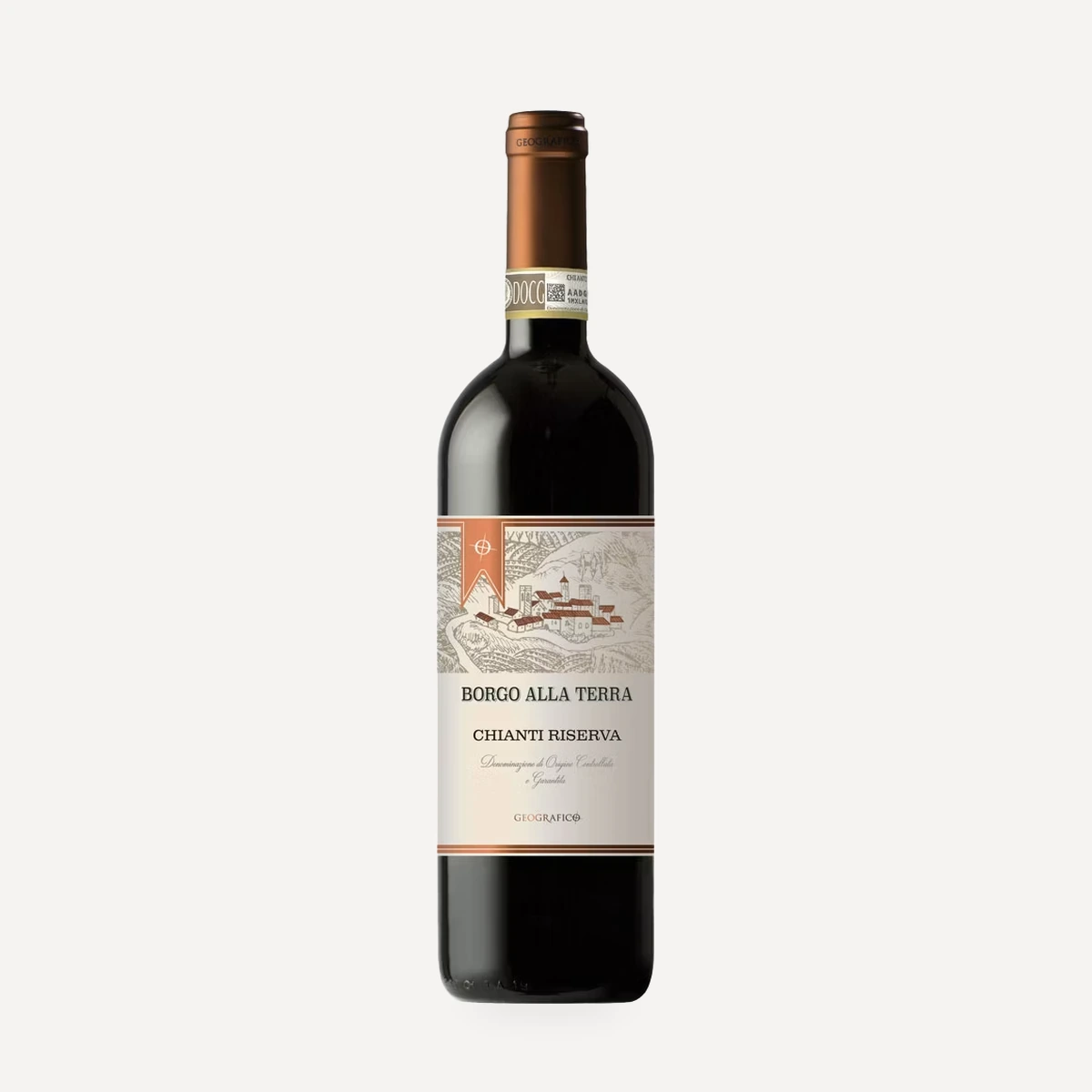
Borgo alla Terra Chianti Riserva DOCG
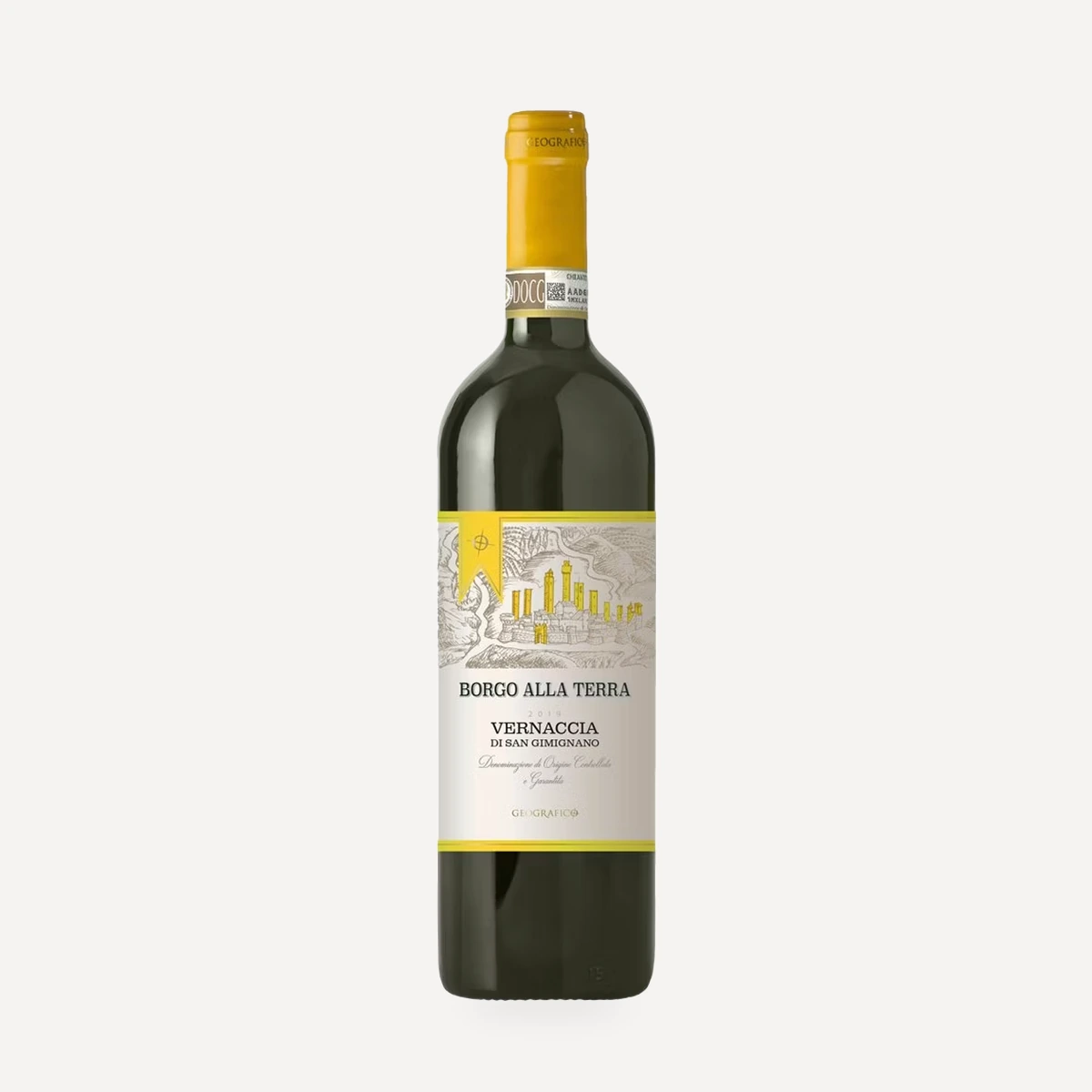
Borgo alla Terra Vernaccia di San Gimignano DOCG
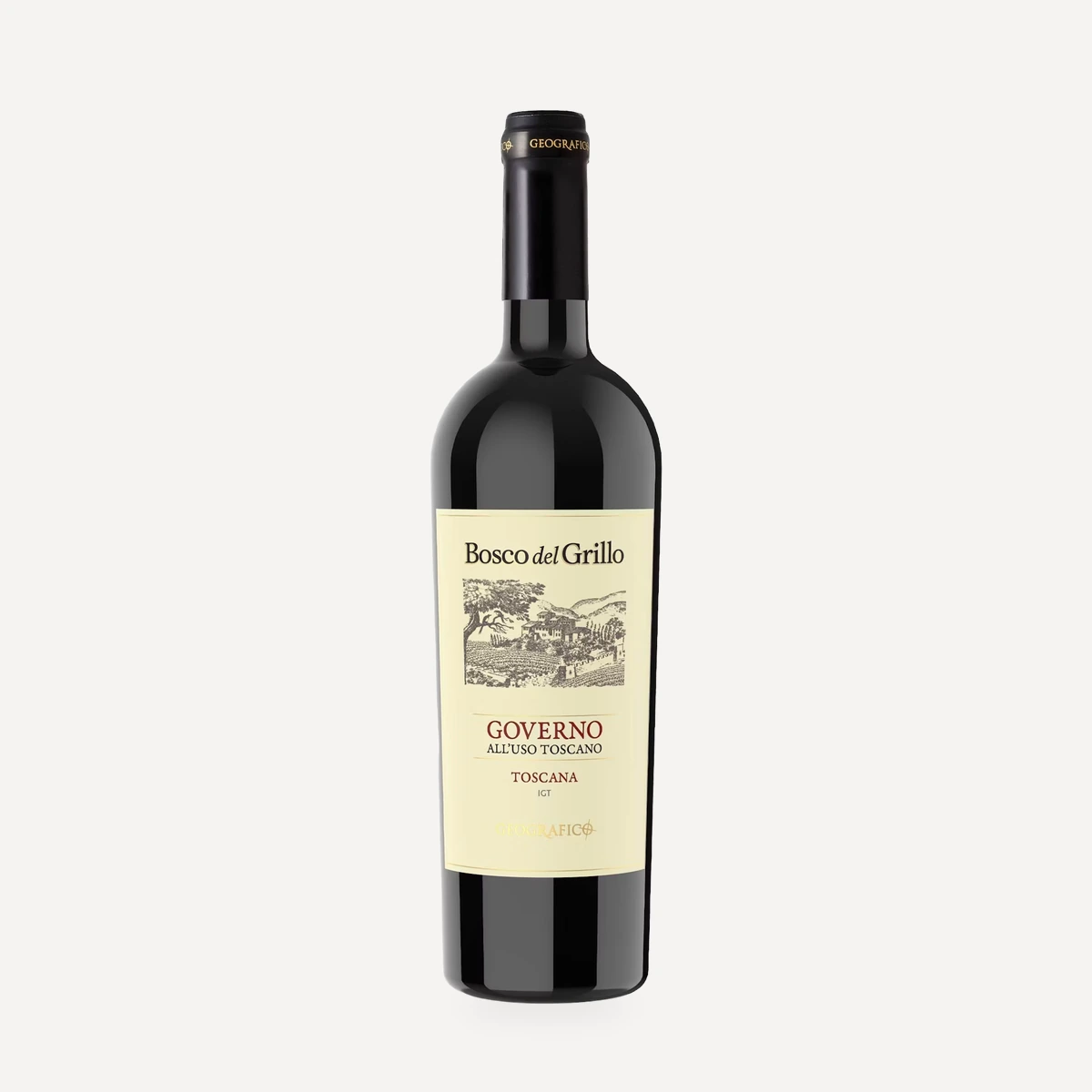
Bosco del Grillo Governo all'Uso Toscano IGT
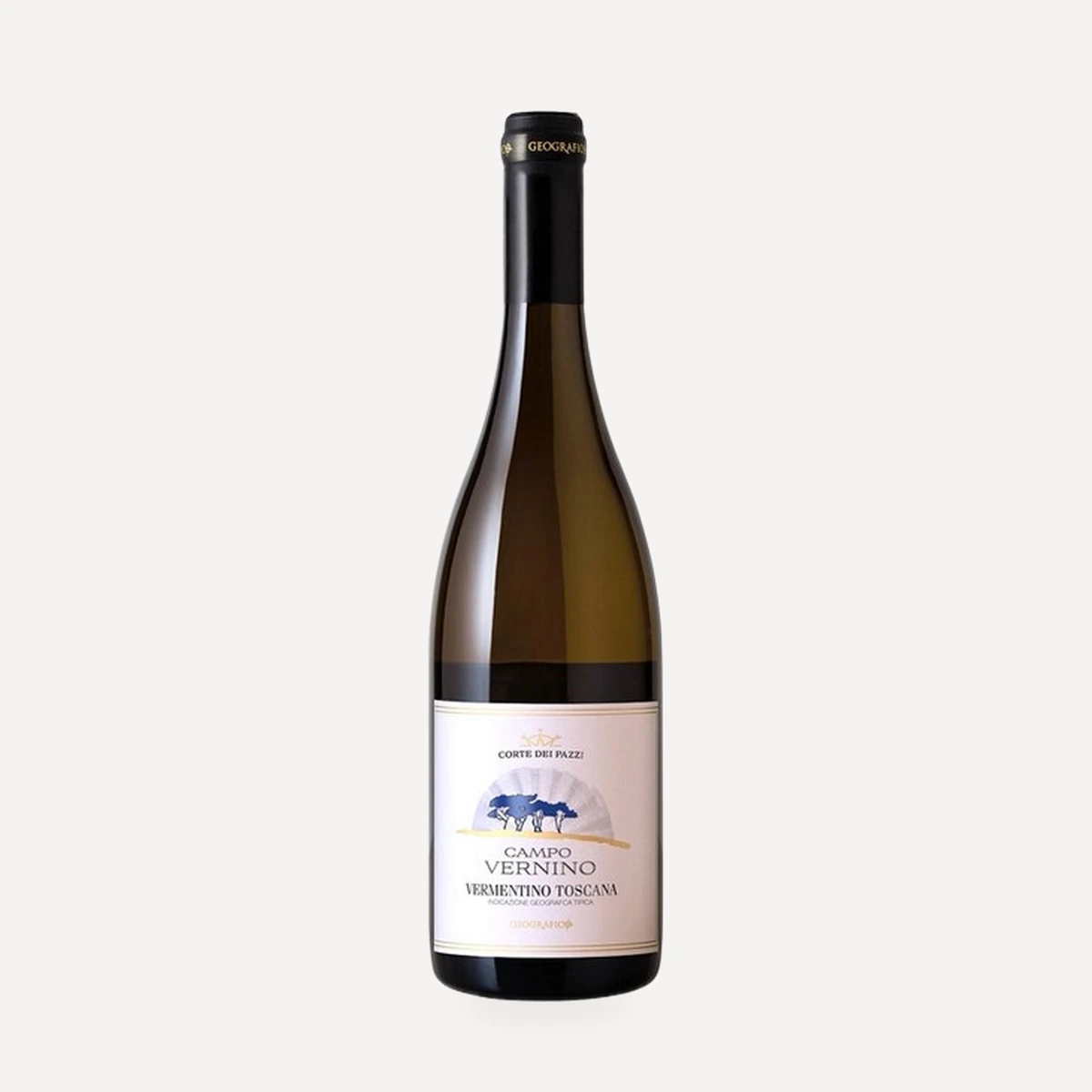
Corte dei Pazzi Campo Vernino Vermentino Toscana IGT
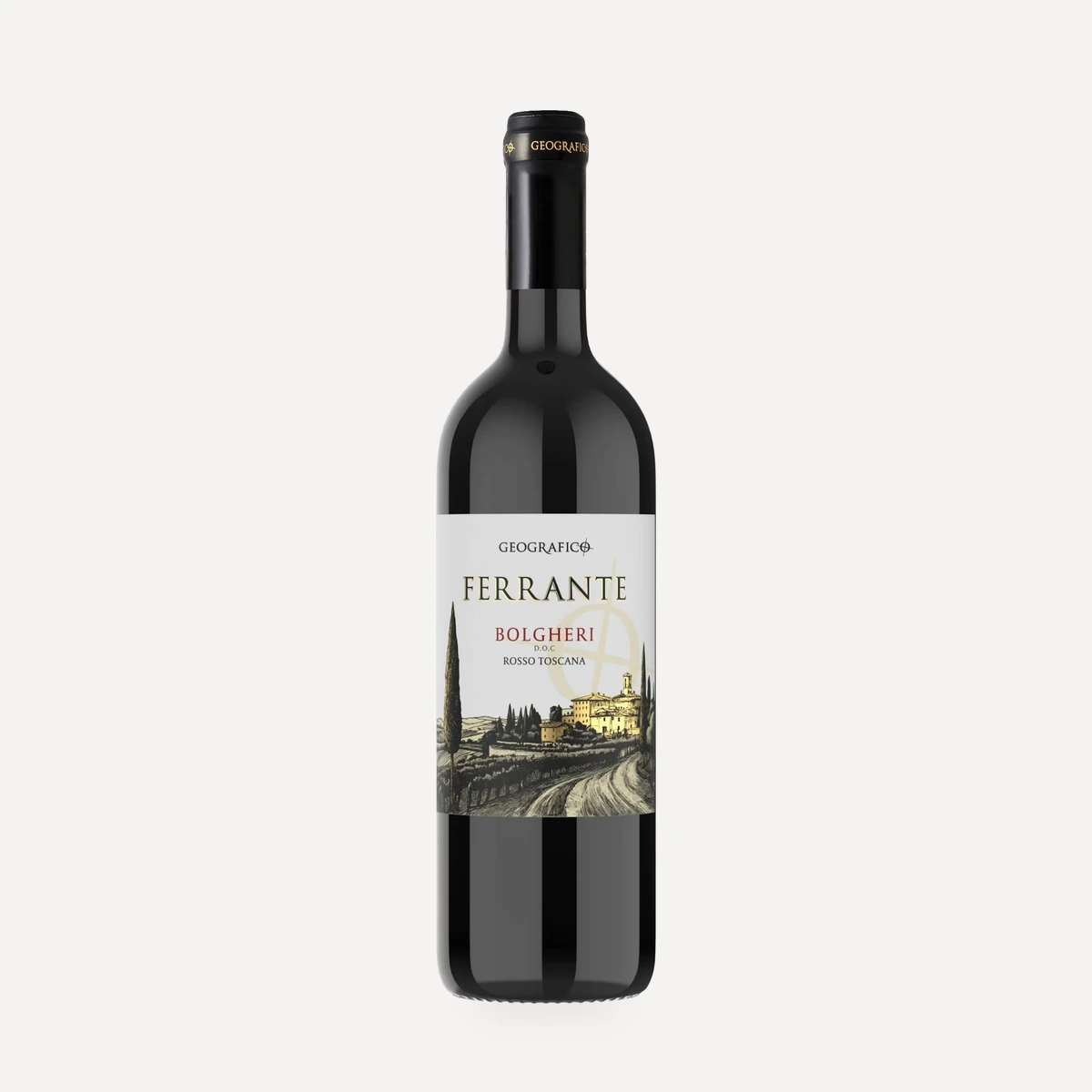
Corte dei Pazzi Ferrante Bolgheri DOC
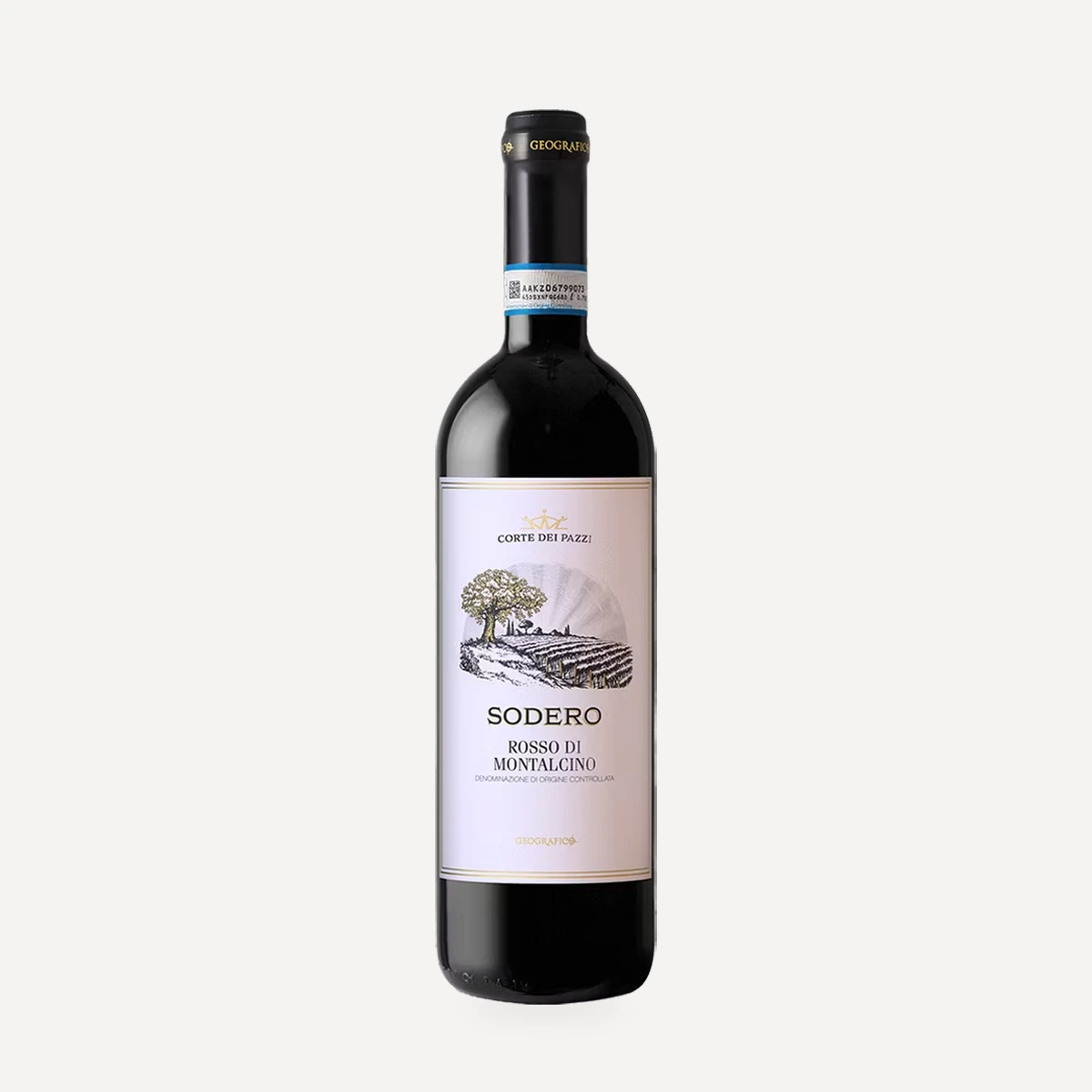
Corte dei Pazzi Rosso di Montalcino DOC
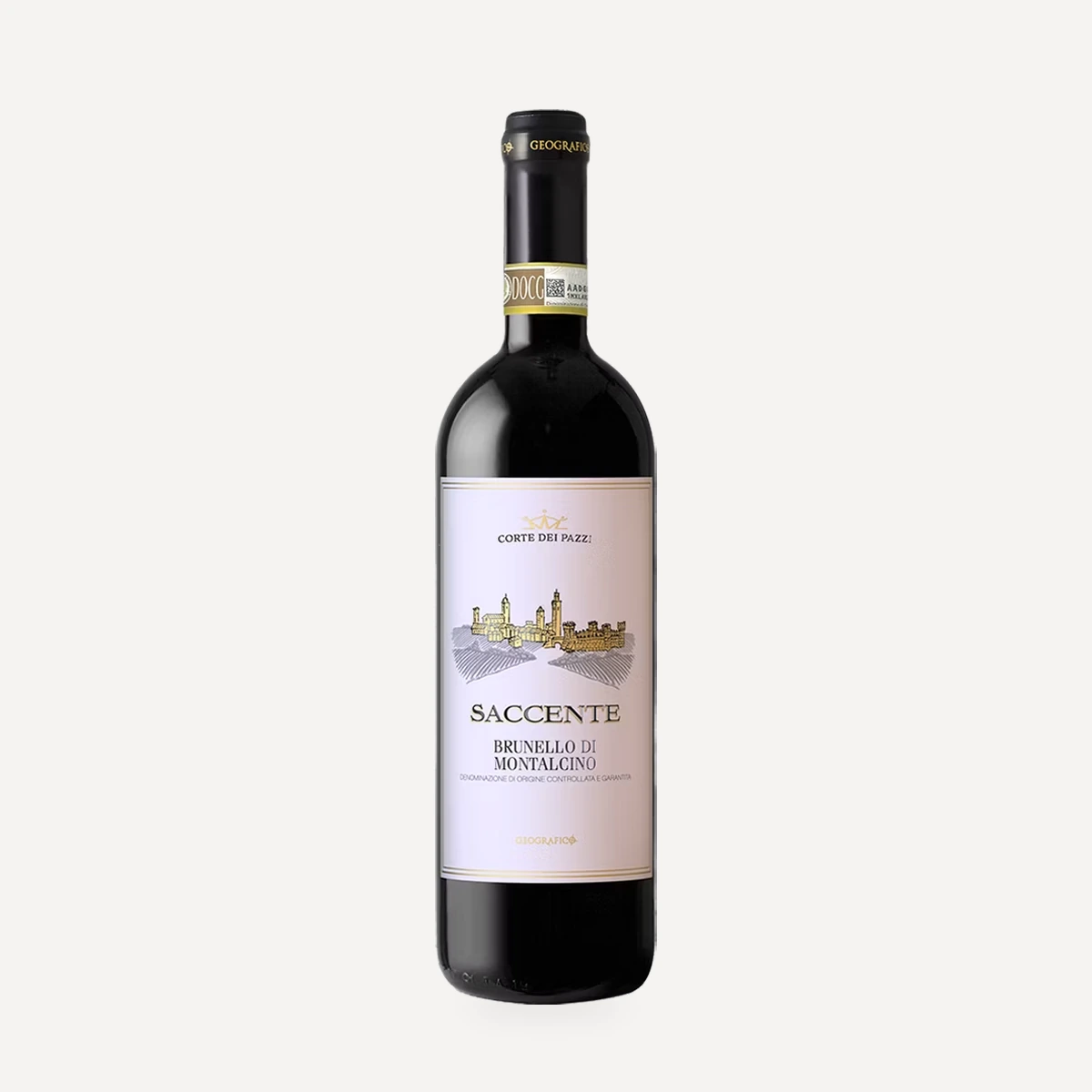
Corte dei Pazzi Saccente Brunello di Montalcino DOCG
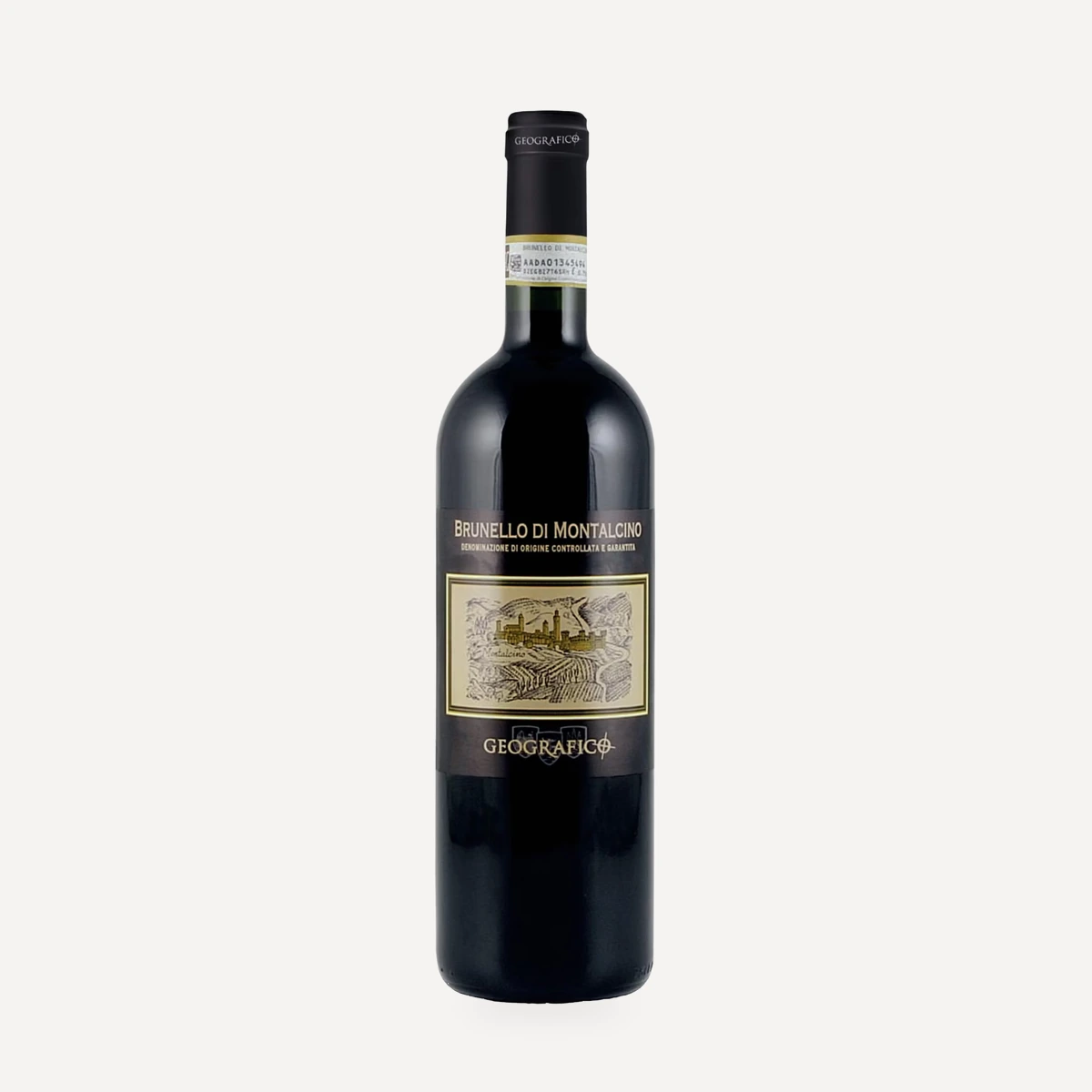
Geografico Brunello di Montalcino DOCG
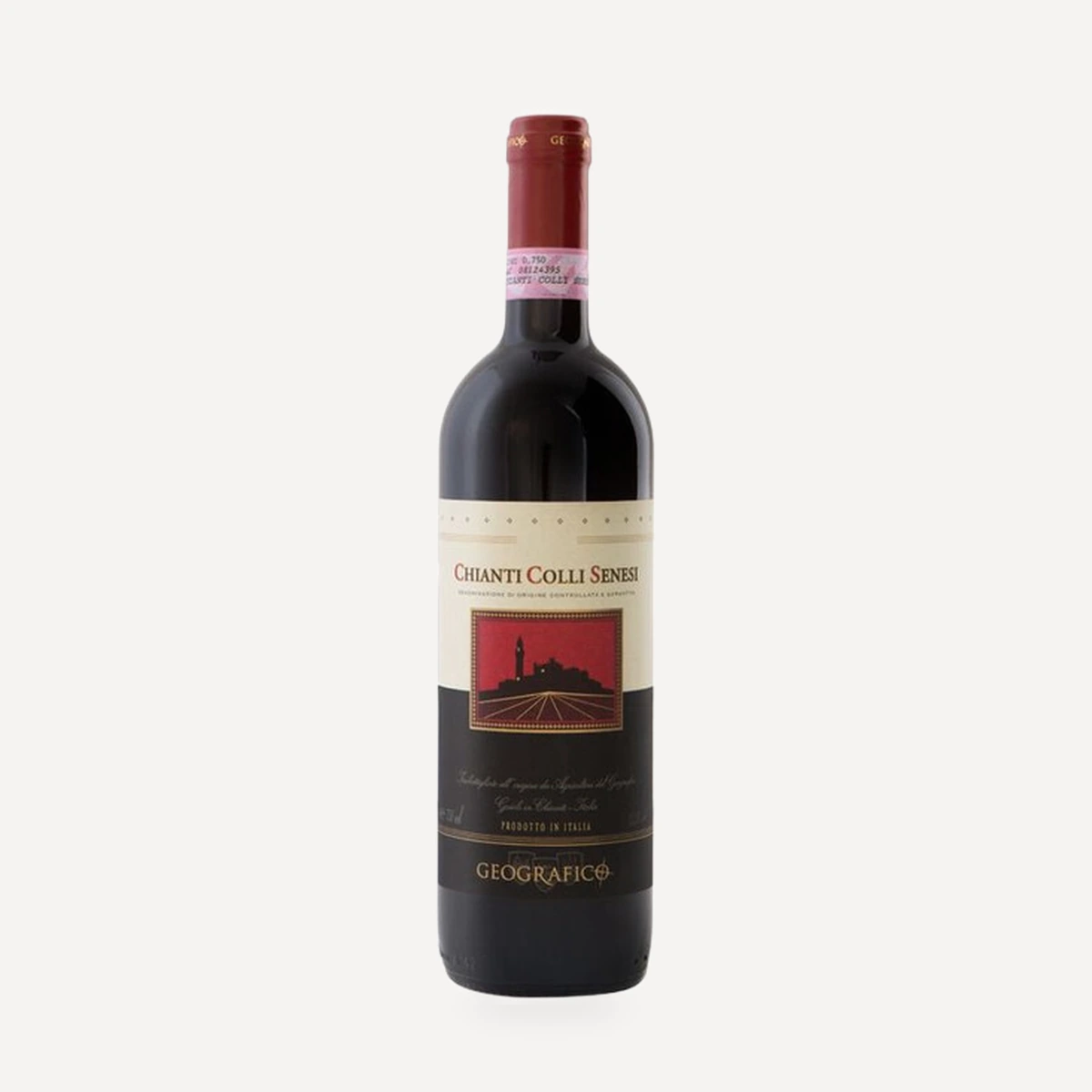
Geografico Chianti Colli Senesi DOCG
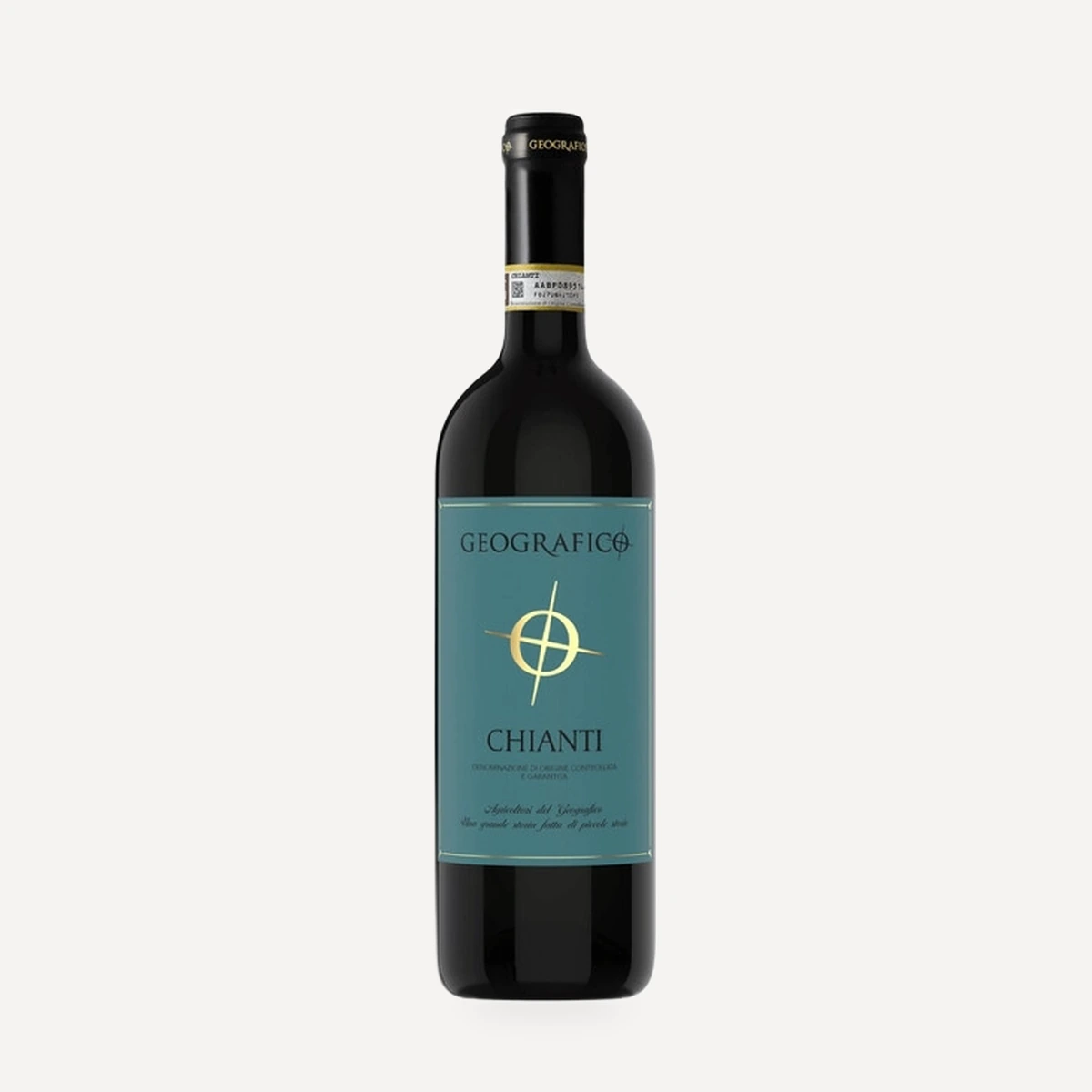
Geografico Chianti DOCG
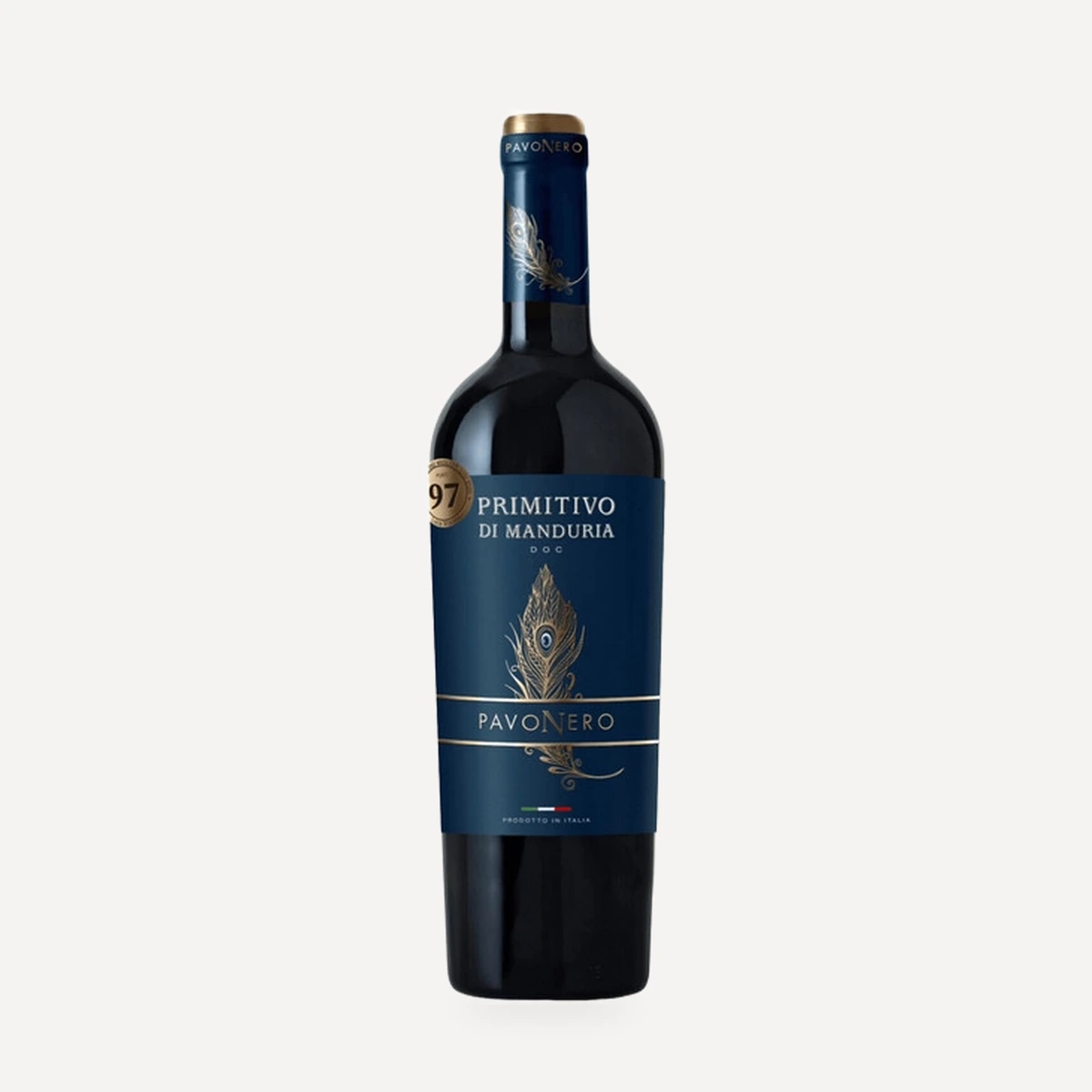
PavoNero Primitivo di Manduria DOC
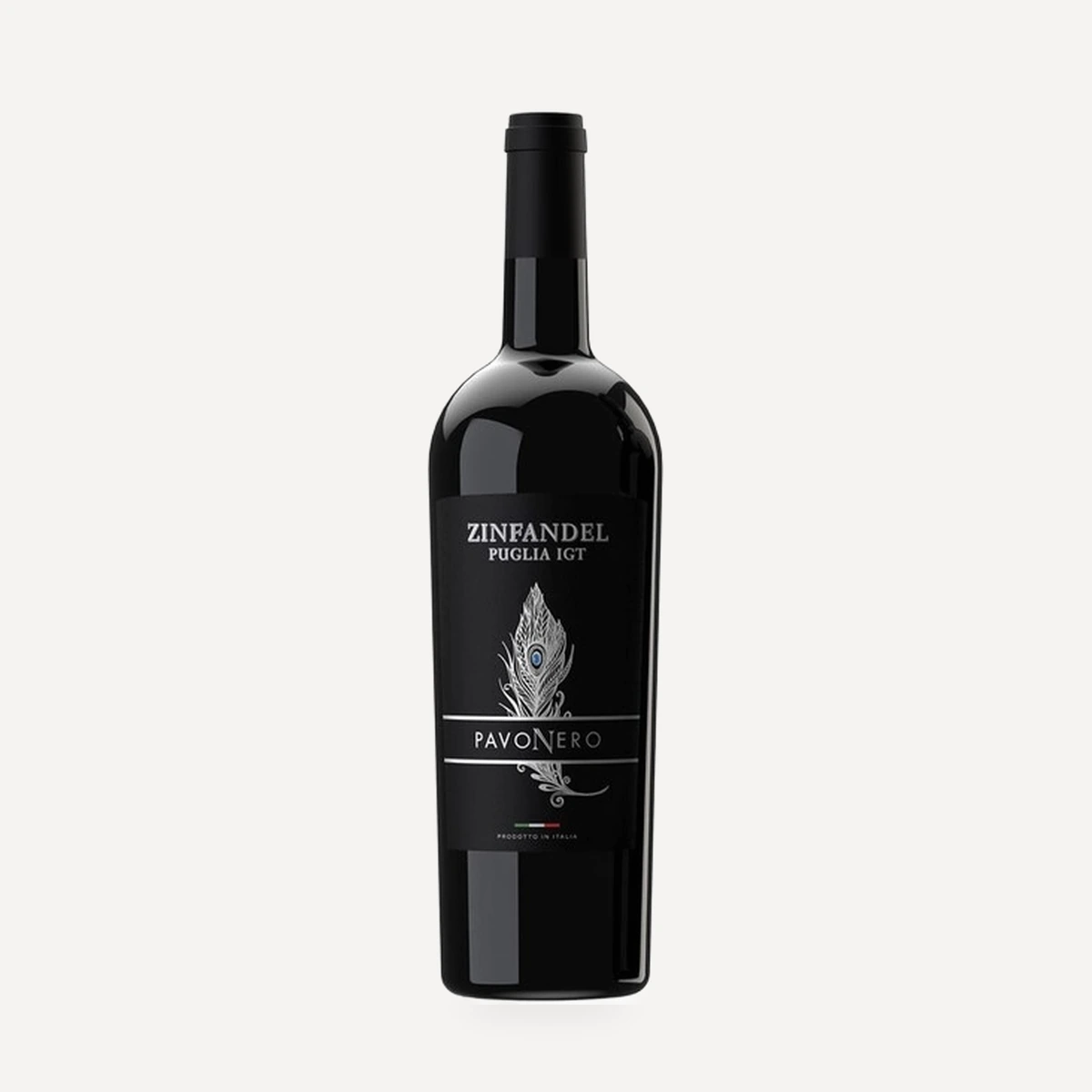
Pavo Nero Zinfandel Puglia IGT