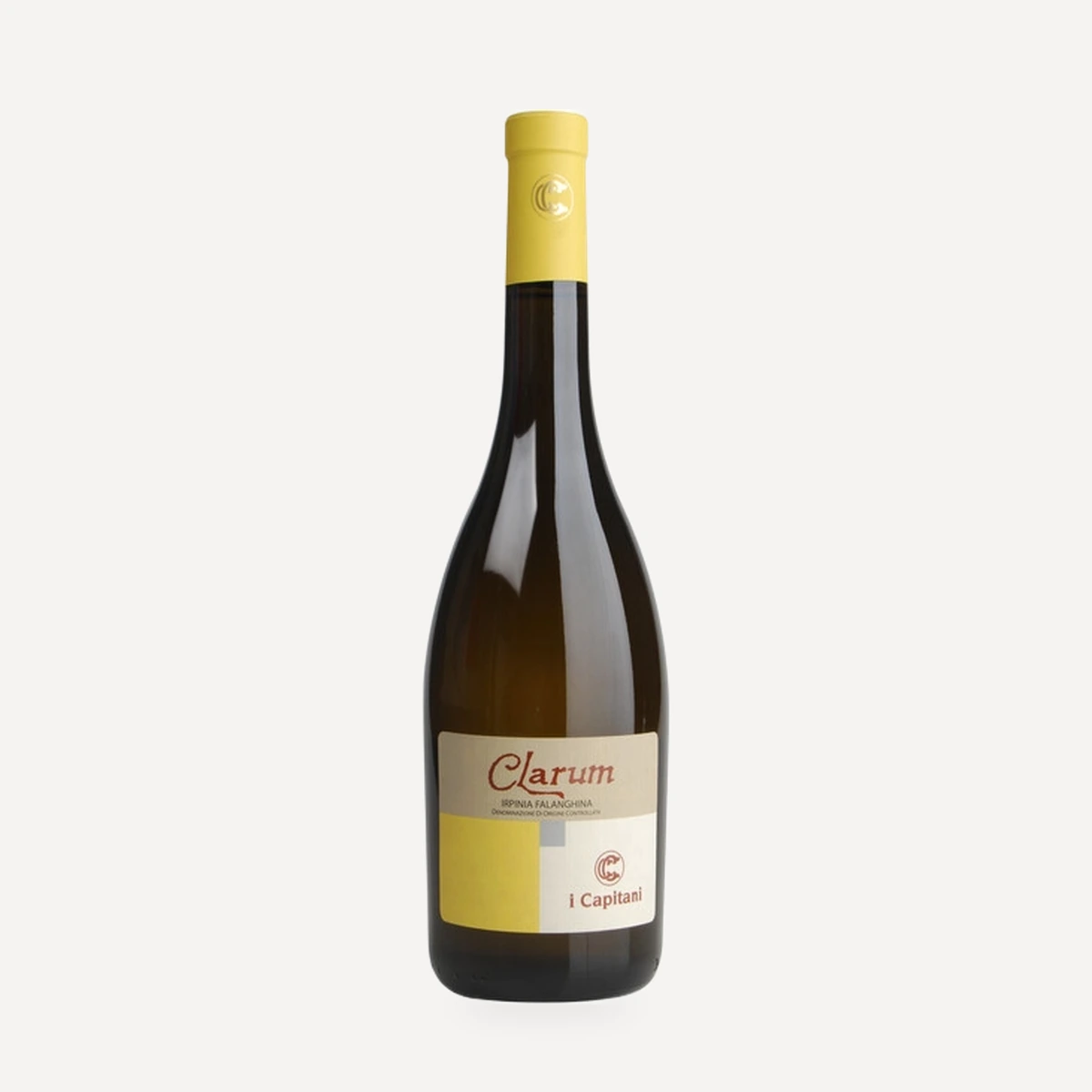
About this wine
Vineyard and terroir
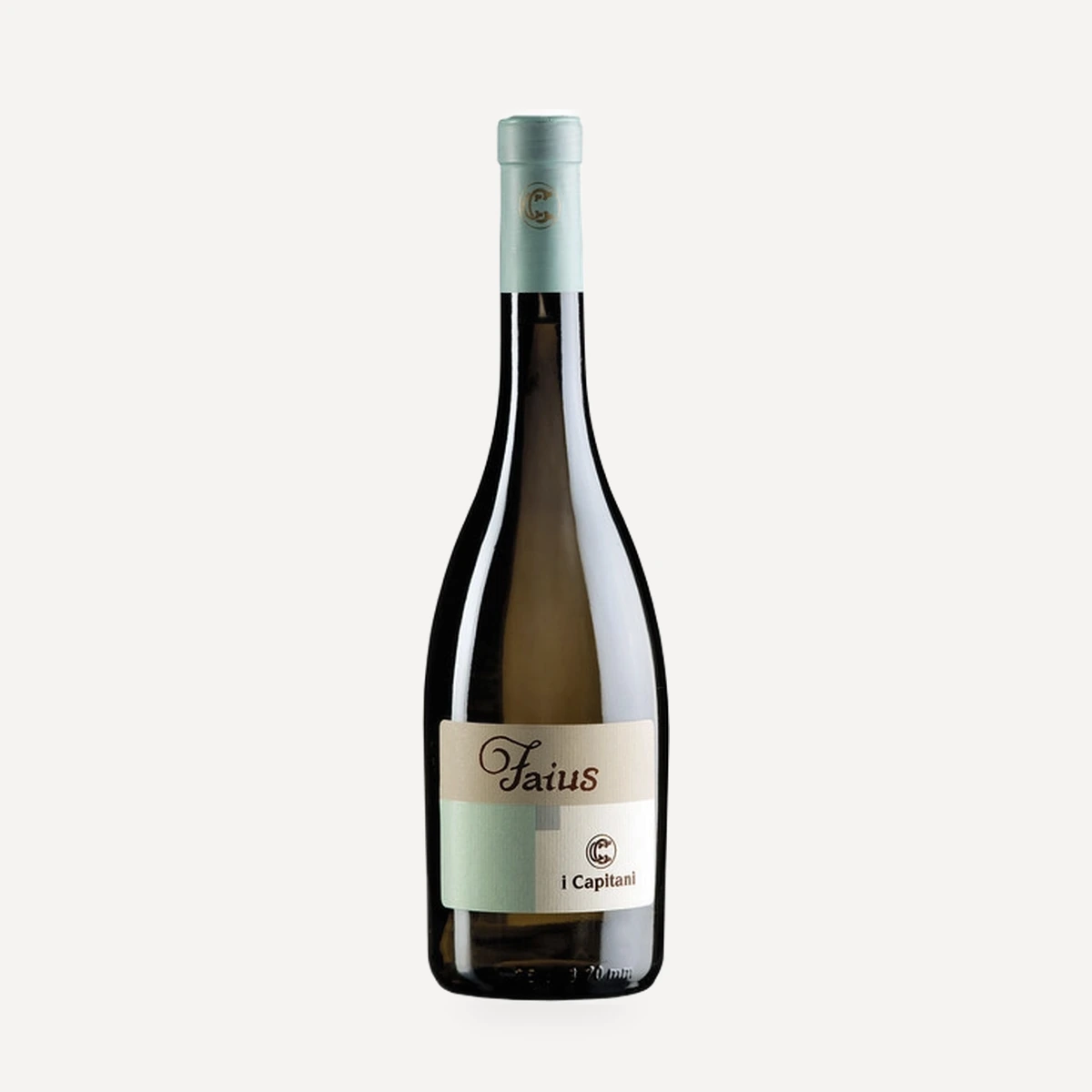
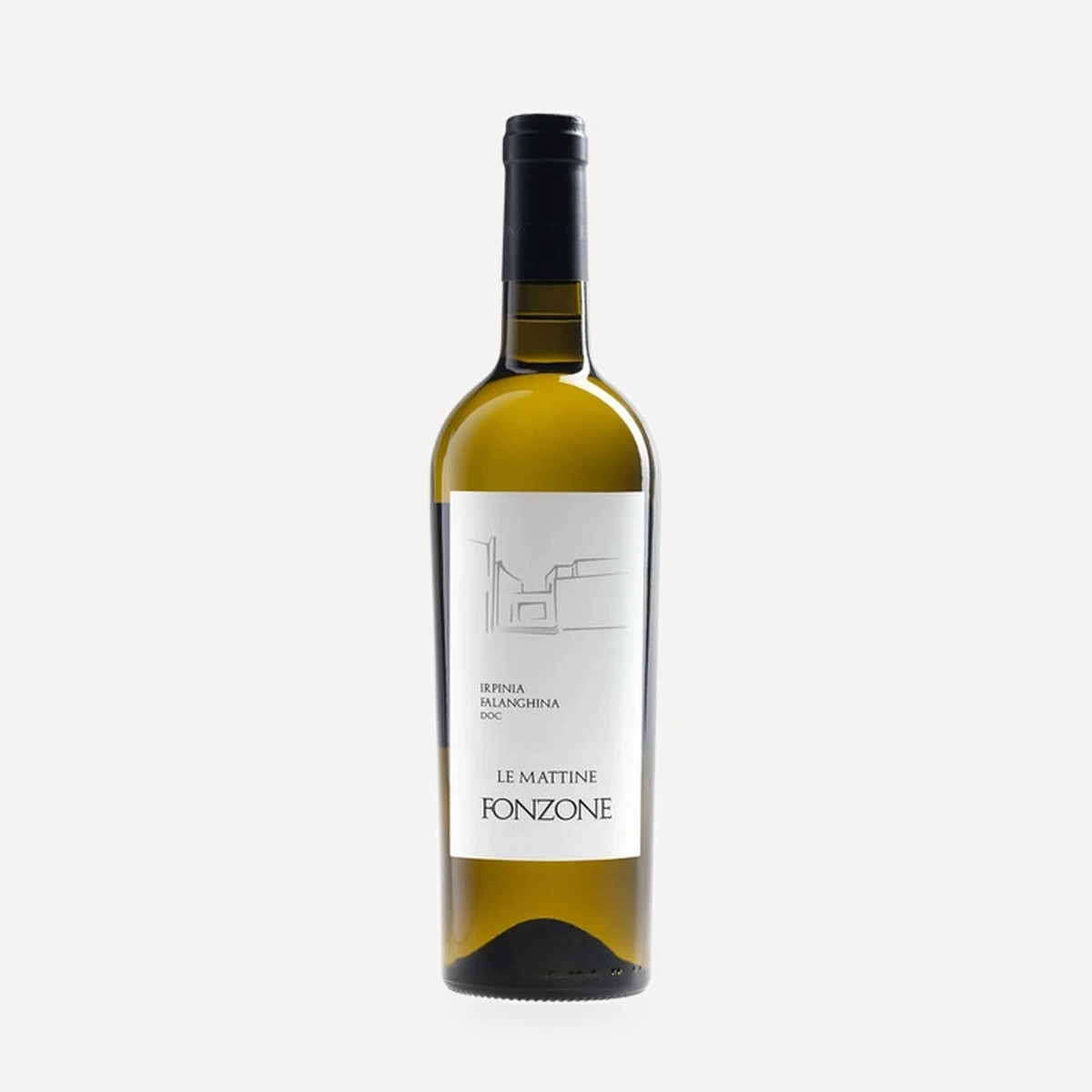
The grapes grow in the municipality of Torre Le Nocelle in Irpinia, whose soils give the wine a more mineral character. Irpinia's wines owe their quality to high-altitude slopes, volcanic and limestone-clay soils, long growing seasons and wide differences between daytime and nighttime temperatures.
Grapes
Falanghina is Irpinia's signature grape. Its name comes from the Latin "phalange", meaning "stretching toward the pole". The first references to the vine date to 1825, and it is grown mainly in Campania. Falanghina wines keep their bright fruit, citrus flavours and pine aroma whatever the terroir.
Vinification
The grapes are harvested in early October, gently crushed and fermented at a controlled temperature.
Tasting profile
Lively in flavour and aroma, with bright fruit, citrus and a pine note. The character is more mineral than is usual for Falanghina.
Label / history
A road that once crossed Irpinia was known as the "wine train". The text presents the area as important to Campania's winemaking heritage.