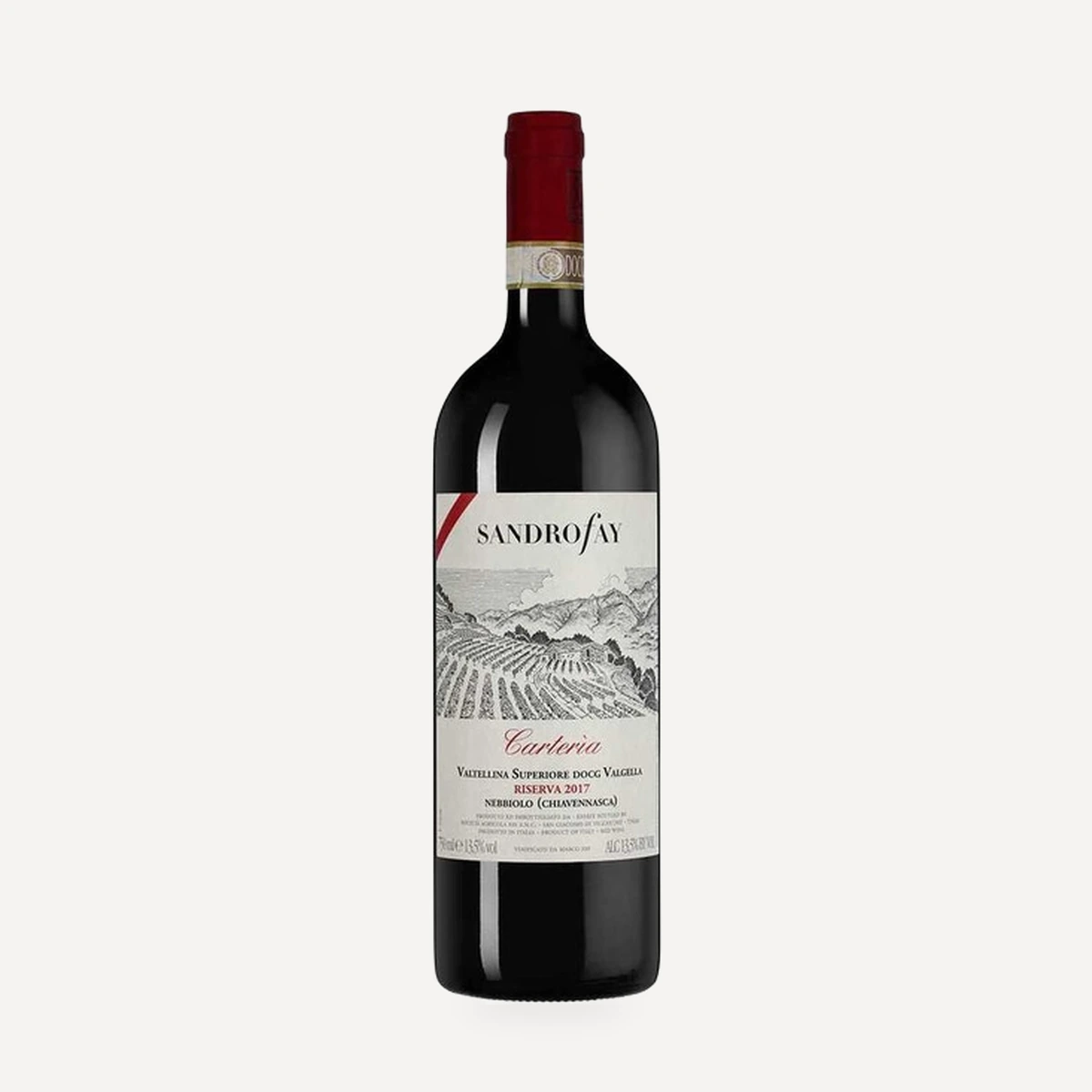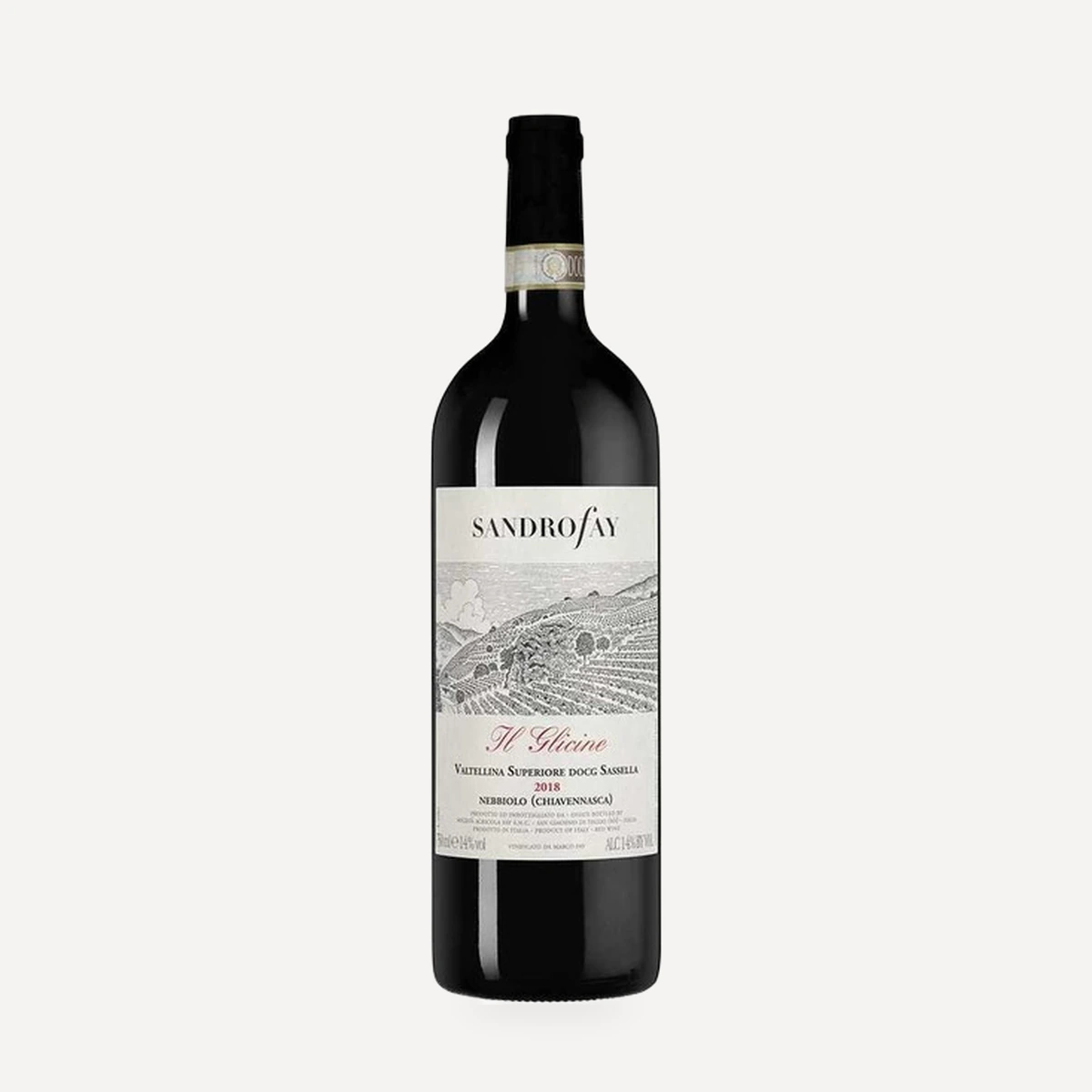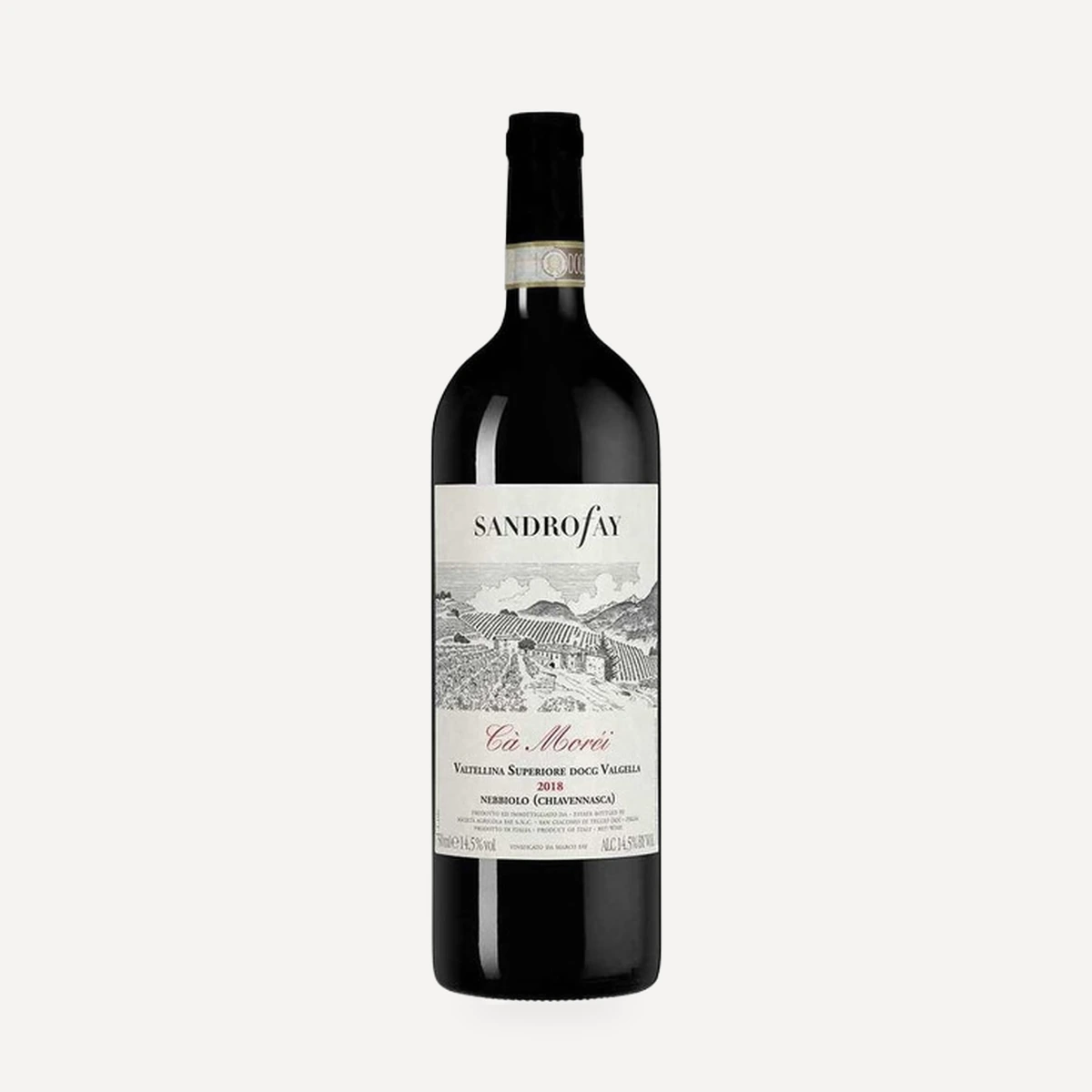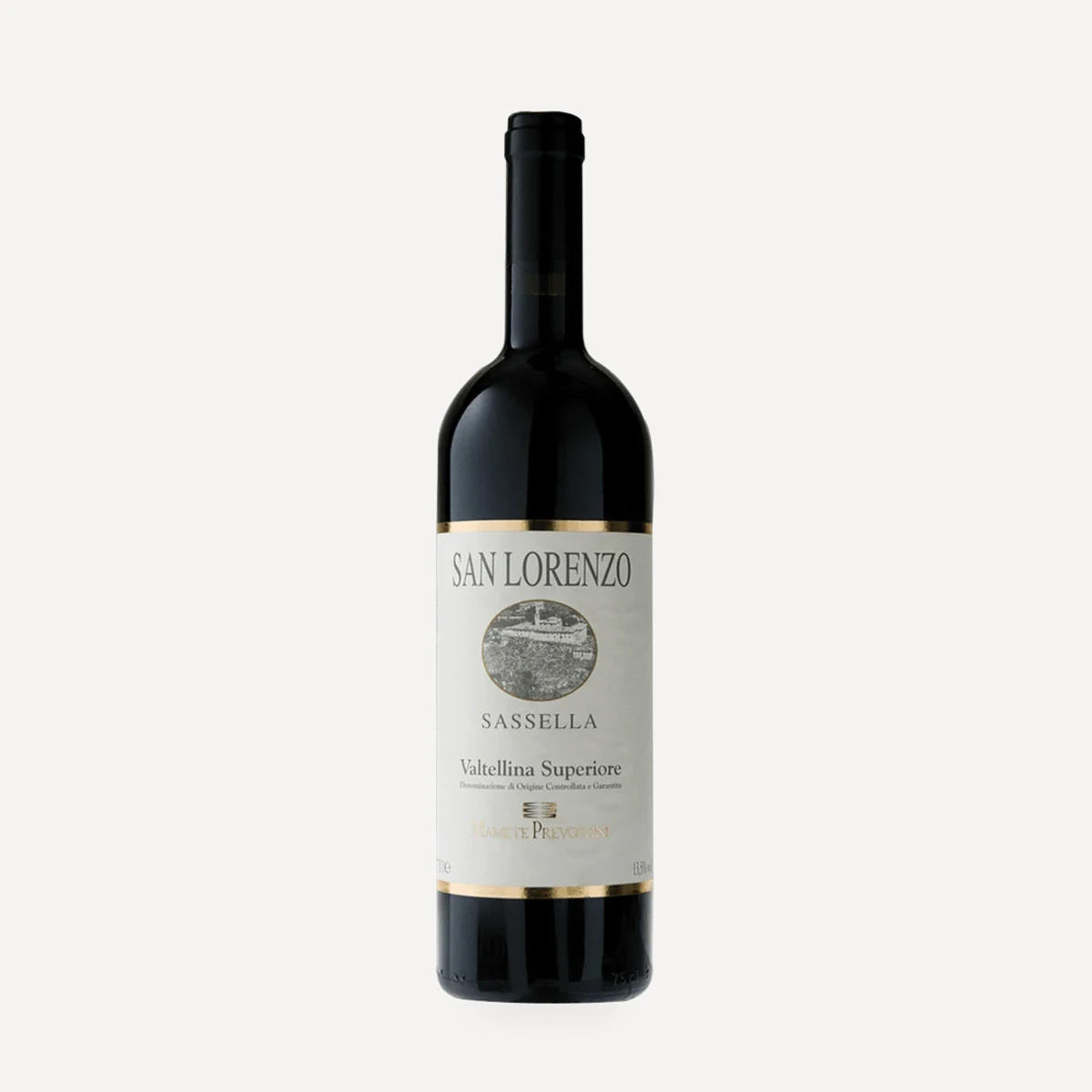
About this wine
Vineyard and terroir
San Lorenzo is a clos enclosed by the walls of the San Lorenzo convent in Sondrio, within the Valtellina Superiore Sassella DOCG area. The south-facing vineyard lies at 450 metres above sea level. Its soil consists of 80% sand and 20% silt, with no limestone; decomposed granite is prominent and clay is scarce. The vines are Guyot-trained at a density of 4,000 plants per hectare.
Grapes
100% Nebbiolo.
Vinification
For the 2017 vintage, the bunches were carefully selected and gently harvested by hand into boxes from 17 October. After delicate destemming, the grapes were moved by gravity into wooden vats for alcoholic fermentation.
Ageing
The wine matured for 16 months in wooden barrels, followed by 12 months of refinement in bottle.
Technical data
The 2017 vintage has 14% alcohol and total acidity of 5.45 g/L. The vineyard yielded 32 hl/ha, and production amounted to 4,200 bottles. Available formats were 0.75 L, 1.5 L, 3 L and 5 L. Recommended serving temperature is 17°C.
Tasting profile
Deep ruby red with garnet highlights. Aromas of small red fruits are balanced by spicy and balsamic notes. The palate is dry and warm, persistent and elegant, with a dried-fruit finish. It is round, composed and extremely fine, with substantial potential for further development.
Vintage notes
The 2017 harvest marked the outcome of a ten-year project involving vineyard replanting and changes to planting density and pruning methods. By this vintage, the vines were considered to have reached peak maturity. Yields were reduced further, bunch selection became more rigorous, and fermentation in wooden vats was introduced to emphasize the vineyard’s elegance, depth and complexity.