History
Establishment in 1987
DIPOLI was established in 1987 as a small family winery in southern Alto Adige. From the beginning, its work was centred on wines intended to express their place of origin. This objective led to a specialised approach to vineyard planting: each variety was assigned to the growing conditions considered most appropriate for it rather than being planted indiscriminately across the available sites.
Peter Dipoli
Founder Peter Dipoli shaped the estate around the conviction that the vineyard should determine a wine’s character. His approach asks the producer to step back, respect the variations created by nature and preserve the identity that each growing season gives the wine instead of imposing a predetermined house style.
The resulting vineyard structure separates varieties by site. Sauvignon Blanc is cultivated higher on the hillsides, where the soils are light and dominated by dolomitic rock. Bordeaux varieties occupy lower, warmer positions with heavier soils.
Felix and the continuation of the family project
Peter’s nephew Felix subsequently took on the continuation of his legacy. Peter and Felix share an emphasis on precision and elegance, but regard faithfulness to origin as the central objective: the wines are intended to convey both their vineyard and the particular growing conditions of their vintage.
DIPOLI now farms 7 ha of vines and produces approximately 50,000 bottles annually.
Terroir
DIPOLI’s vineyards occupy steeply sloping terrain in southern Alto Adige. The slope benefits the estate’s viticultural objectives but makes vineyard work more demanding, with substantial manual labour required throughout the annual cycle from pruning through harvest.
The estate differentiates its plantings according to elevation, temperature and soil character. Higher hillside positions have light soils dominated by dolomitic rock and are planted with Sauvignon Blanc. Lower sites are warmer and have heavier soils; these conditions are reserved for Bordeaux varieties.
This site-specific arrangement underpins the estate’s understanding of terroir. Vineyard location and the growing conditions of the individual vintage are intended to remain legible in the resulting wines.
Winemaking
Viticulture is adapted to steep slopes, where substantial manual work is necessary. The terrain makes every stage of the annual cycle more demanding, including pruning and harvest.
Variety selection is governed by site suitability. Sauvignon Blanc is placed in higher vineyards with light, dolomitic-rock-dominated soils, while Bordeaux varieties are planted in lower, warmer vineyards with heavier soils. This deliberate matching of variety and site is intended to preserve the identity of each vineyard and the growing conditions of each vintage.
Philosophy
The vineyard defines the wine
DIPOLI’s central principle is that the vineyard—not the producer—should define a wine’s character. The producer’s role is therefore deliberately restrained: natural variation and the character contributed by a particular vintage are to be respected rather than subordinated to a predetermined stylistic preference.
Variety and site
The estate holds that a grape variety should be planted only where the vineyard conditions suit it. This principle has produced a specialised division of the estate’s plantings, with Sauvignon Blanc on higher, light, dolomitic sites and Bordeaux varieties in lower, warmer positions with heavier soils.
Precision, elegance and origin
Peter and Felix pursue precision and elegance, but treat these qualities as secondary to a faithful expression of origin. Their objective is for each wine to communicate the vineyard in which its grapes grew and the specific conditions of its vintage.
Wines
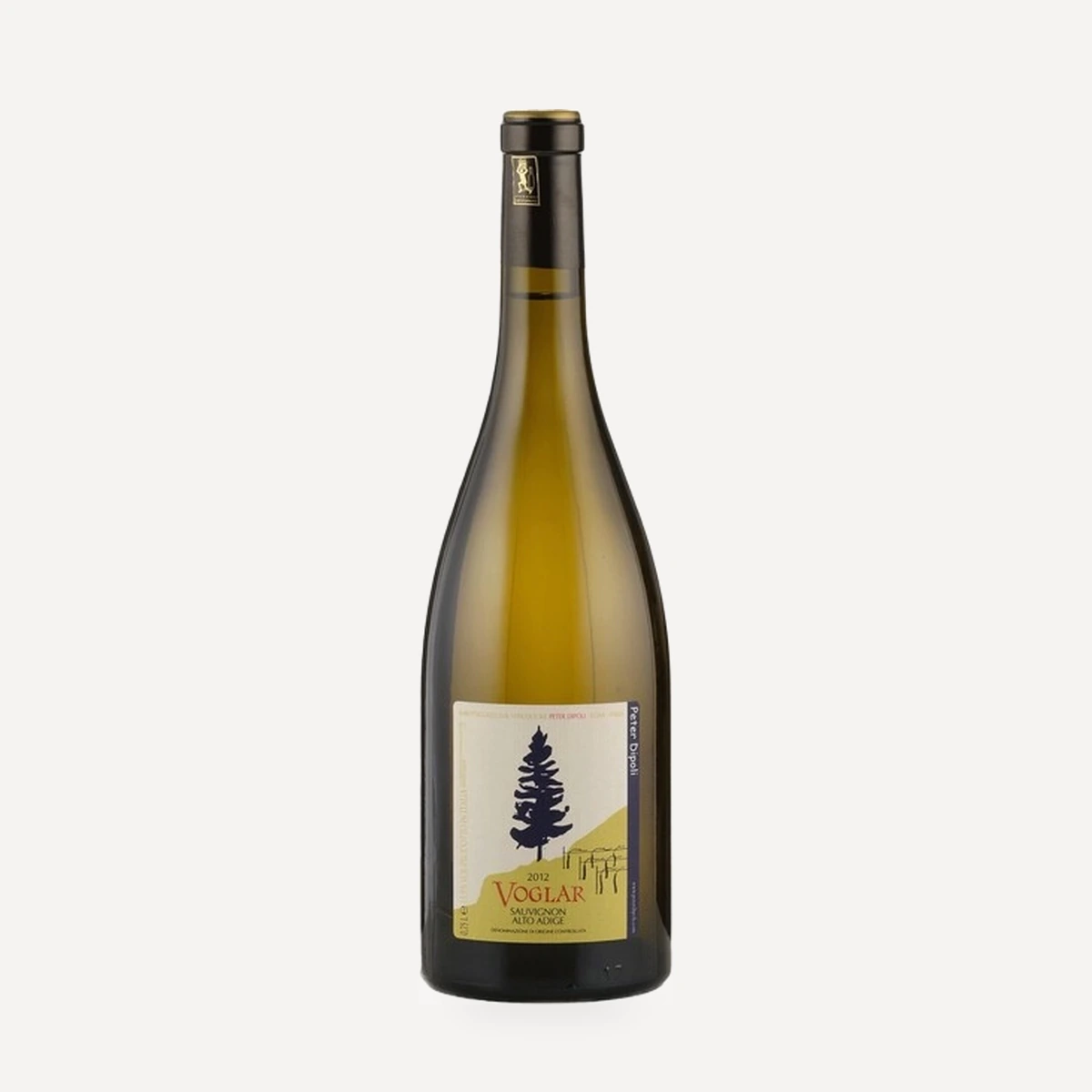
Voglar
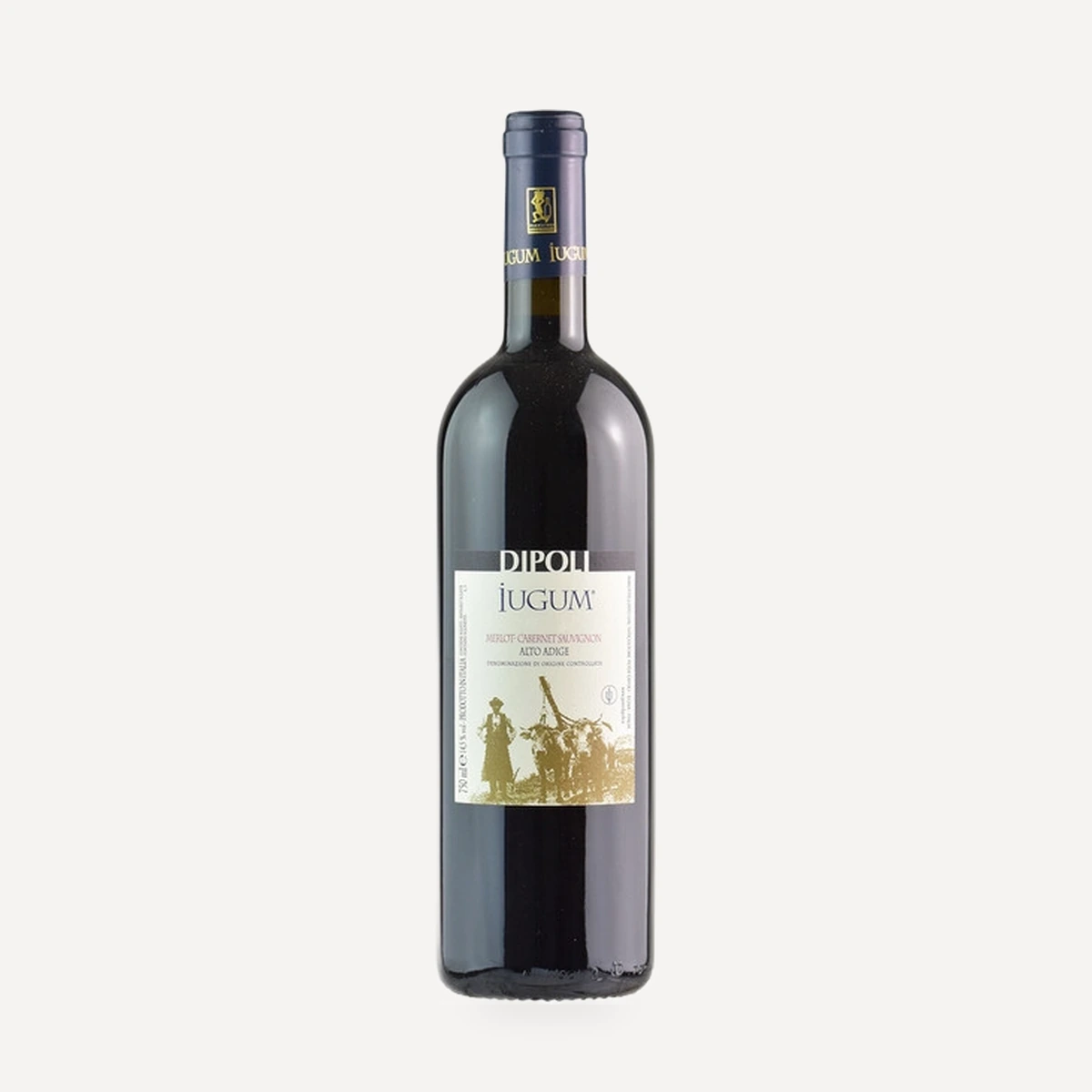
Iugum
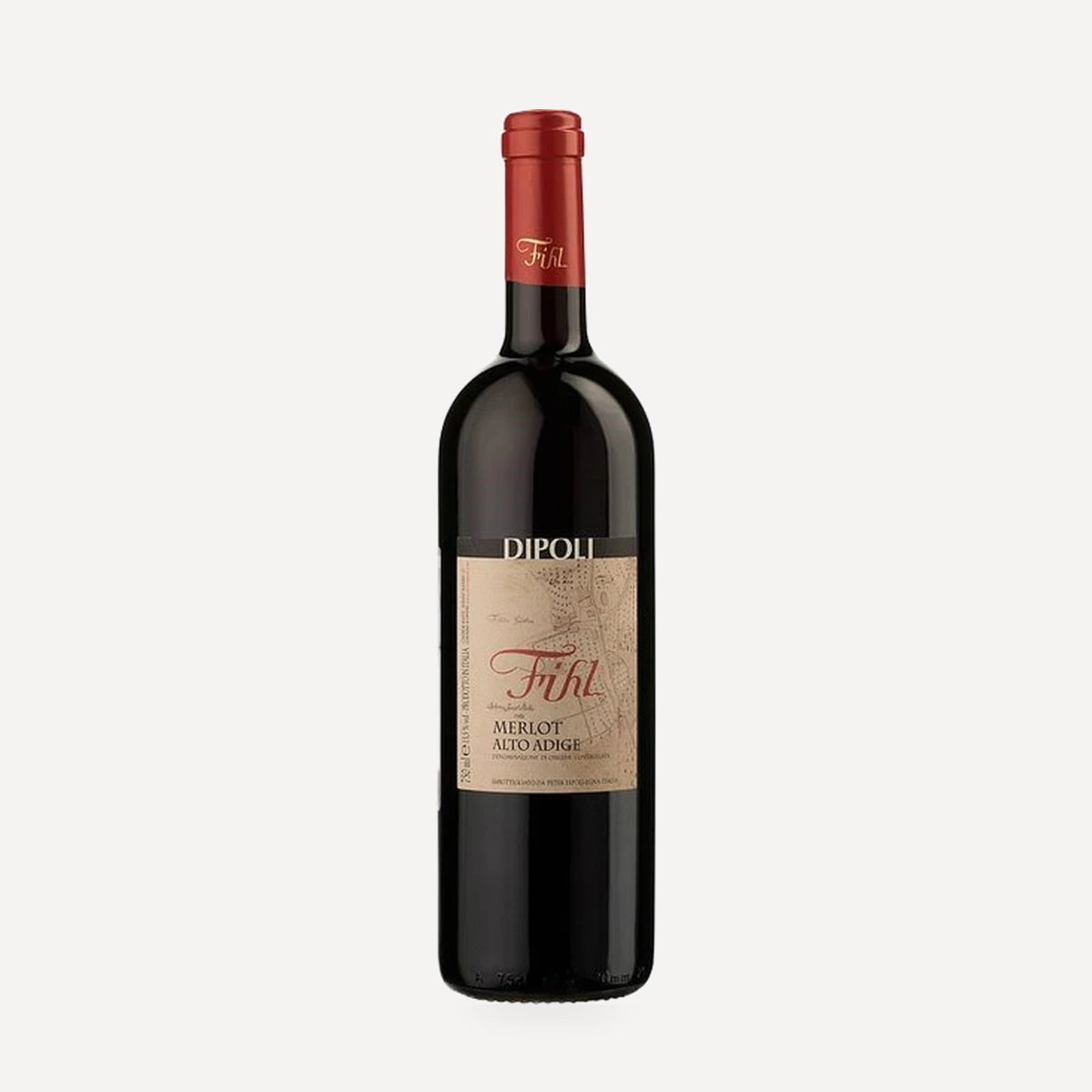
Fihl Merlot Alto Adige DOC