History
Origins: 1142–1530
The wine history of Abbazia di Novacella begins with the foundation of the Augustinian abbey in 1142. Reginbert and Christina, the ministeriales or burgraves of Sabiona, donated farms, land and vineyards that enabled Blessed Hartmann, Bishop of Bressanone, to establish the monastery. Wine was therefore part of the abbey’s economy from its beginning. In 1177 Pope Alexander III confirmed its ownership of vineyards close to the monastic complex. Further donations, endowments, purchases and exchanges gradually created a substantial vineyard holding around the abbey.
A fire destroyed the original monastic complex in 1190. The abbey and its wine economy nevertheless continued to grow: by about 1325 its landed dominion included 37 wine-producing farms and ten vineyards. For centuries, production drew both on abbey-owned vineyards and wine or grapes received as dues from tenant farms. The need was considerable because wine was required for Mass and daily monastic life. Around 1530, annual wine dues amounted to approximately 100,000 litres.
In May 1525, peasants led by Michael Gaismair stormed the abbey. They destroyed land registers and debt instruments and looted both the monastery and its cellar.
Expansion southward: around 1630–1938
The cold conditions of Valle Isarco made dependable red-wine production difficult. Around 1630, Provost Markus Hauser acquired vineyards southwest of Bolzano and established the Mariaheim property. The move gave the abbey access to the warmer Bolzano basin and marked a deliberate step toward better-quality red wine.
Until the nineteenth century, the abbey’s considerable demand for wine was supplied principally by its own vineyards and by dues from dependent farms. The dissolution of the manorial system in 1848 transferred the farms and land to the cultivators; the abbey retained only property already worked by its own employees.
Around 1900, after local farmers had demonstrated their suitability, the abbey began planting white varieties proven in Austria and the Rhineland. Sylvaner and Pinot varieties replaced older grapes such as Blatterle, Ortlieber and Elbling, substantially changing the varietal basis of production.
Urban growth progressively reduced the abbey’s vineyards in Bolzano. In 1938 it acquired the Marklhof estate at Cornaiano, establishing a new southern base for Pinot Nero and Schiava and, subsequently, Moscato Rosa.
Cooperative growth and the modern quality era: 1961–1998
The Weinproduzentengenossenschaft Neustift-Brixen und Umgebung, or WPG, was founded in 1961. From 1962, about 60 members began delivering grapes to the abbey cellar. This enduring relationship joined the abbey’s vineyards to the holdings of specialist growers in Valle Isarco.
During the closing decades of the twentieth century, the cellar adopted a progressively stricter quality policy. Vineyards were assessed and divided according to their potential, yields were reduced, varieties were matched more precisely to individual sites, and production was organized into distinct quality tiers.
In 1992, a woodchip heating plant began supplying the abbey buildings, using predominantly timber from the abbey’s forests. The initiative made renewable heat and lower carbon emissions central elements of the estate’s environmental program.
The Praepositus line was introduced in 1997. Its Latin name means “provost.” Initially associated with the best Pinot Nero and Lagrein, it gradually expanded to include white wines from selected sites with particularly low yields.
In 1998, the cellar moved out of its overcrowded historic premises into a former agricultural building northwest of the monastery. A larger portion of the modern facility was subsequently integrated into the adjoining vineyard hill. Celestino Lucin became cellar master and led a broad quality transformation involving lower yields, rigorous site-and-variety matching, modern equipment and a stronger focus on transparent, varietal wines.
Expansion, experimentation and site wines: 2016–2023
Rising production and more exacting quality requirements led to a major cellar expansion in 2016. To preserve the visual integrity of the monastic ensemble, the new rooms were constructed underground beneath a vineyard.
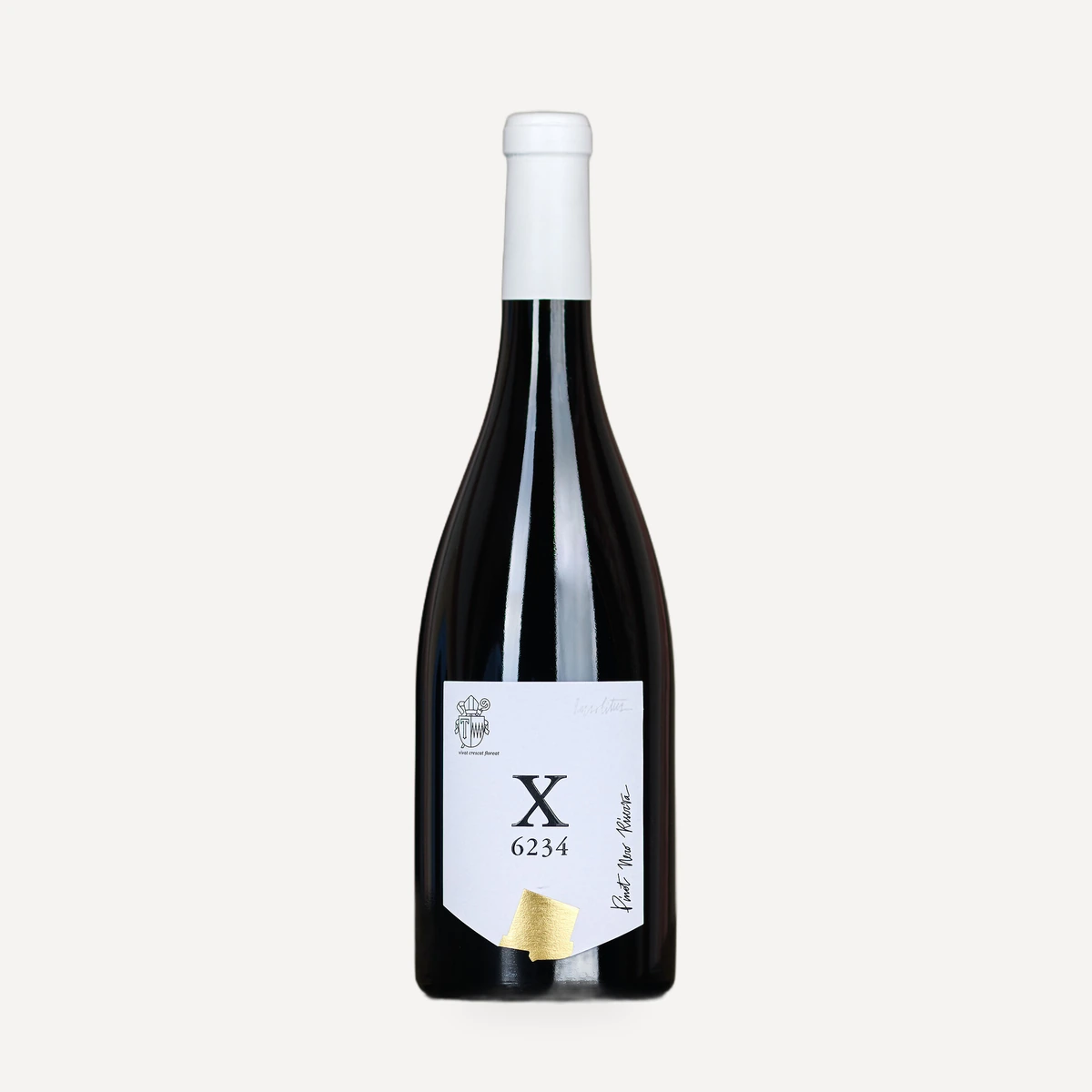
The Insolitus line followed in 2020 as an experimental field for responses to climate change, crop protection and changing consumer preferences. Successful ideas could eventually influence the established ranges, while less convincing trials could be discontinued.
In 2023, the cellar released its first two single-vineyard wines: Stiftsgarten Sylvaner from Novacella and Vigna Oberhof Pinot Nero Riserva from Marklhof in Cornaiano.
New leadership: 2024–2025
Lukas Ploner assumed responsibility as cellar master beginning with the 2024 harvest, succeeding Celestino Lucin after approximately three decades of Lucin’s influence on the estate’s quality development. Lucin remained part of the team as technical consultant, while Federico Bisacco serves as second winemaker.
The transition coincides with faster and more compressed ripening, earlier harvests, increased exposure to heat, drought, frost and violent weather, and the need to reconsider both vineyard altitude and varietal placement. In 2025 the formal historical record identified Ploner as the new oenologist, responsible for two increasingly delicate decisions: harvest timing and the handling of grapes in the cellar.
Terroir
Valle Isarco and the Bressanone basin
The white-wine vineyards occupy the northern limit of wine growing south of the Alps and some of Italy’s most northerly vineyard terrain. Around Novacella, vines rise along steep, protected slopes from approximately 600 to 900 metres. Viticulture at this climatic margin is concentrated on the most favourable sites, principally south- and southwest-facing slopes, with varieties assigned to particular micro-exposures.
The Bressanone basin is cool and windy. Strong day-to-night temperature variation accompanies poor, light, stony and sandy morainic soils formed by Ice Age glaciers. The combination favours white varieties and is associated with freshness, pronounced fruit, lively acidity, minerality and fine salinity. Kerner, Sylvaner, Riesling and Grüner Veltliner are particularly associated with the basin, while the wider Novacella plantings also include Müller Thurgau, Pinot Grigio, Gewürztraminer, Sauvignon and Pinot Bianco.
Bolzano and Mariaheim
Bolzano provides a markedly warmer counterpoint to Valle Isarco. It is described as one of Italy’s warmest cities: temperate southern winds and persistent sunshine rapidly warm the basin. The Mariaheim vineyards lie on light porphyry soils in the airy summer heat of the Bolzano basin. These conditions are used particularly for Lagrein. The morainic hills north of Bolzano, with warm days and cool nights, provide the setting associated with St. Magdalener and Schiava.
Marklhof, Cornaiano
Marklhof lies at Cornaiano, south of Bolzano on the rolling Oltradige plateau. Its sunlit vineyards, some with a slight northerly orientation, lie between approximately 350 and 420 metres. Lean gravelly and clay-rich glacial soils rest on a porphyry base; other descriptions emphasize their sandy-gravelly character. The site is used principally for Pinot Nero, together with Schiava and Moscato Rosa. Its warm but aerated conditions and relatively poor soils support structured wines with firm tannins.
Winemaking
Quality control begins in the vineyard with gentle pruning, strict yield regulation and the assignment of varieties to sites and micro-exposures suited to them. Vines are inspected each year and crop load is adjusted so that the retained bunches can ripen to the desired quality. Pruning, canopy work and harvesting are performed predominantly by hand. Steepness limits mechanisation in many vineyards, while manual picking permits selection directly among the vines so that only suitable fruit reaches the cellar.
The estate does not use herbicides, maintains ground cover and describes its production as sustainable and close to nature. It participates in the Alto Adige Wine Agenda 2030 and is developing gentler plant-protection approaches. A formal environmental or sustainability certification is being pursued but had not yet been obtained in the latest material.
Climate adaptation has become a defining practical concern. Since 2017, extreme heat, heavy rainfall, drought and frost have occurred with greater regularity. A spring night at −6 °C in 2017 destroyed about 70% of young shoots. On the night of 24–25 April in a later frost episode, approximately 2,000 paraffin candles were distributed through the seven hectares surrounding the monastery after the grass had been mown; the candles could raise local temperature by up to 2 °C. Canopy management is adjusted to protect grapes from excessive solar exposure, especially in the warmer Oltradige vineyards.
Higher temperatures have advanced and compressed ripening. In 2022 the harvest was completed during September, an unprecedentedly early finish for the estate. Harvest decisions that once allowed a margin of a week are now made within days. The cellar monitors maturity across all vineyards to avoid excessive sugar accumulation and to retain a lighter, less alcoholic balance. Longer-term adaptations include moving vines to higher elevations, changing varieties in lower sites and introducing grapes such as Gewürztraminer, Pinot Grigio and Pinot Nero in response to warmer conditions.
The modern cellar occupies a former agricultural building northwest of the monastery and a larger underground section built into the adjoining vineyard hill. The relocation began in 1998 when the historic cellar within the abbey walls became too small. A further underground expansion was approved in 2016 as production and quality requirements increased; placing the new rooms beneath vines preserved the historic monastic ensemble.
Grapes are processed gently in a well-equipped modern facility. The production philosophy is to preserve the quality achieved in the vineyard and express the distinctions of variety, site, soil and microclimate. The estate introduced modern machinery as part of its late-twentieth-century quality transformation, alongside lower yields and separation of vineyards by potential.
Wines are given substantial time to mature, first in cask or barrel and, particularly for the Praepositus range, subsequently in bottle. Praepositus fruit comes from especially favourable sites and very low yields, while the Classic line is intended to show freshness and fruit without requiring a long initial maturation. The Insolitus range functions as an experimental platform for cellar and vineyard trials; successful approaches may later inform established lines.
Production in 2024 was approximately one million bottles, of which about 80% were white and 20% red. The cellar works with its own 28.5 ha—7.5 ha in Valle Isarco and 21 ha in Oltradige—and fruit from about 60 local cooperative growers.
Philosophy
The estate defines quality as a continuous discipline extending from vineyard work to the finished wine. Its central principles are respect for terroir, protection of nature and the preservation of varietal and site identity. The objective is not to impose a uniform cellar style, but to bring the combination of location, soil and microclimate into clearer focus: fruit, freshness and minerality in Valle Isarco whites, and a South Tyrolean red-wine character shaped by the warmer sites of Bolzano and Cornaiano.
Tradition is treated as both a privilege and an obligation to remain open to change. The abbey’s long time horizon encourages decisions intended to leave an intact natural environment to future generations. Sustainability therefore combines renewable heat, herbicide-free cultivation, ground cover, near-natural production, reduced crop loads and continuing work on gentler plant protection.
Innovation is pursued without abandoning the established identity of Novacella. Insolitus serves as a controlled experimental space for new varieties, techniques and responses to market change. Trials that earn sustained approval may enter the traditional ranges; others are deliberately set aside. Current strategic priorities include a sharper association with Sylvaner, Kerner and Riesling, with Sylvaner intended to assume an even more central role, and active adaptation to climate change through elevation, canopy management, varietal choice and increasingly precise harvest timing.
Wines
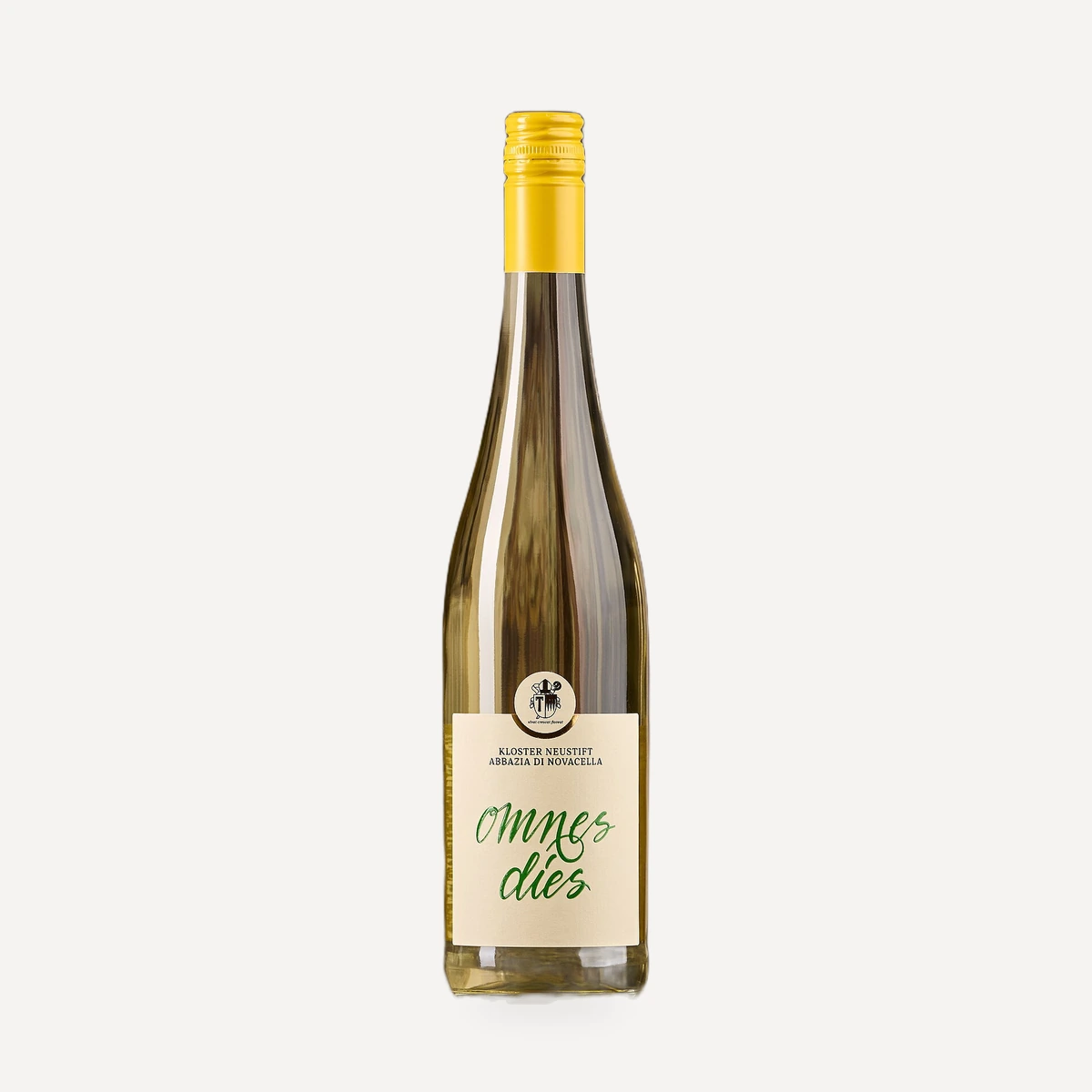
Omnes Dies Mitterberg IGT
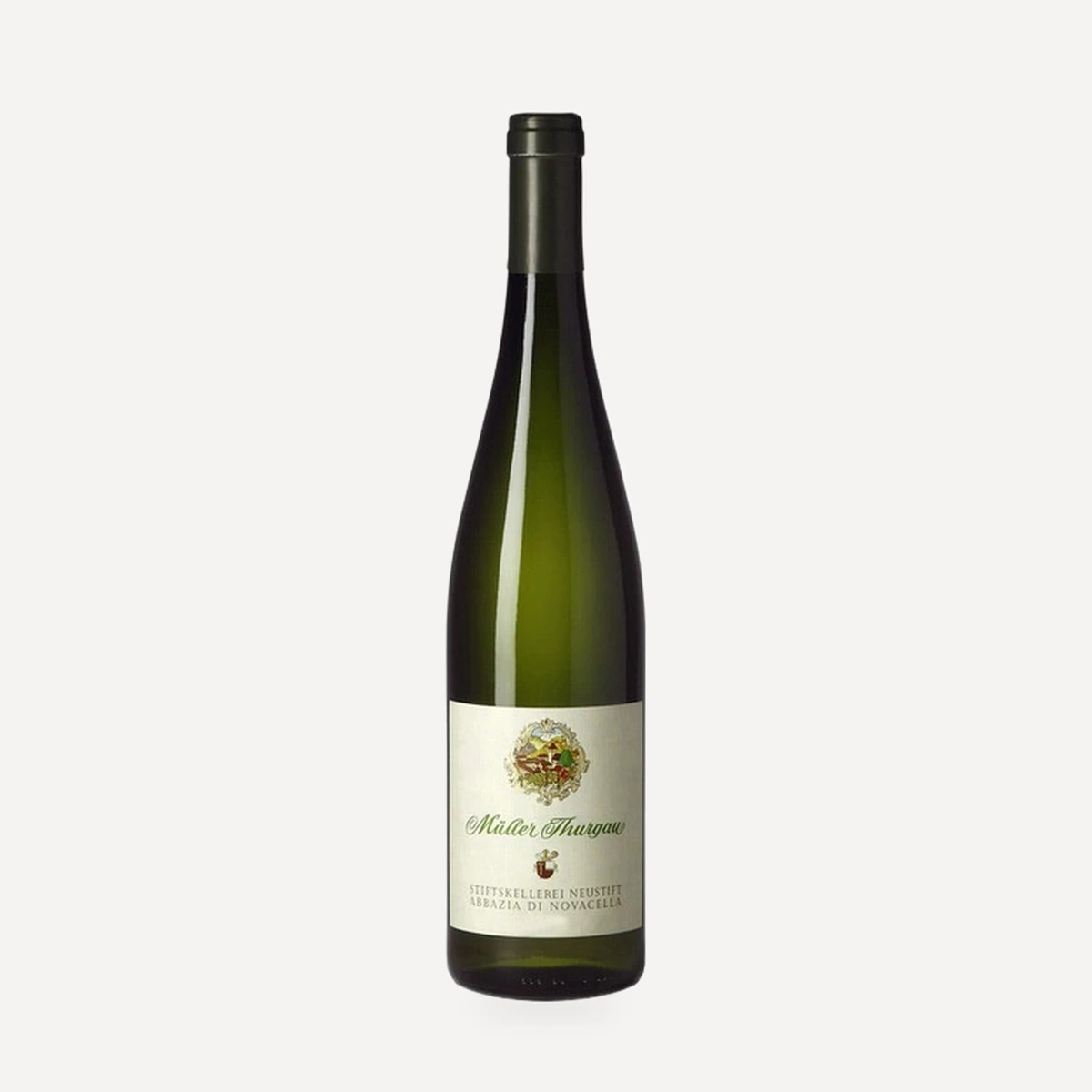
Müller Thurgau Alto Adige Valle Isarco DOC
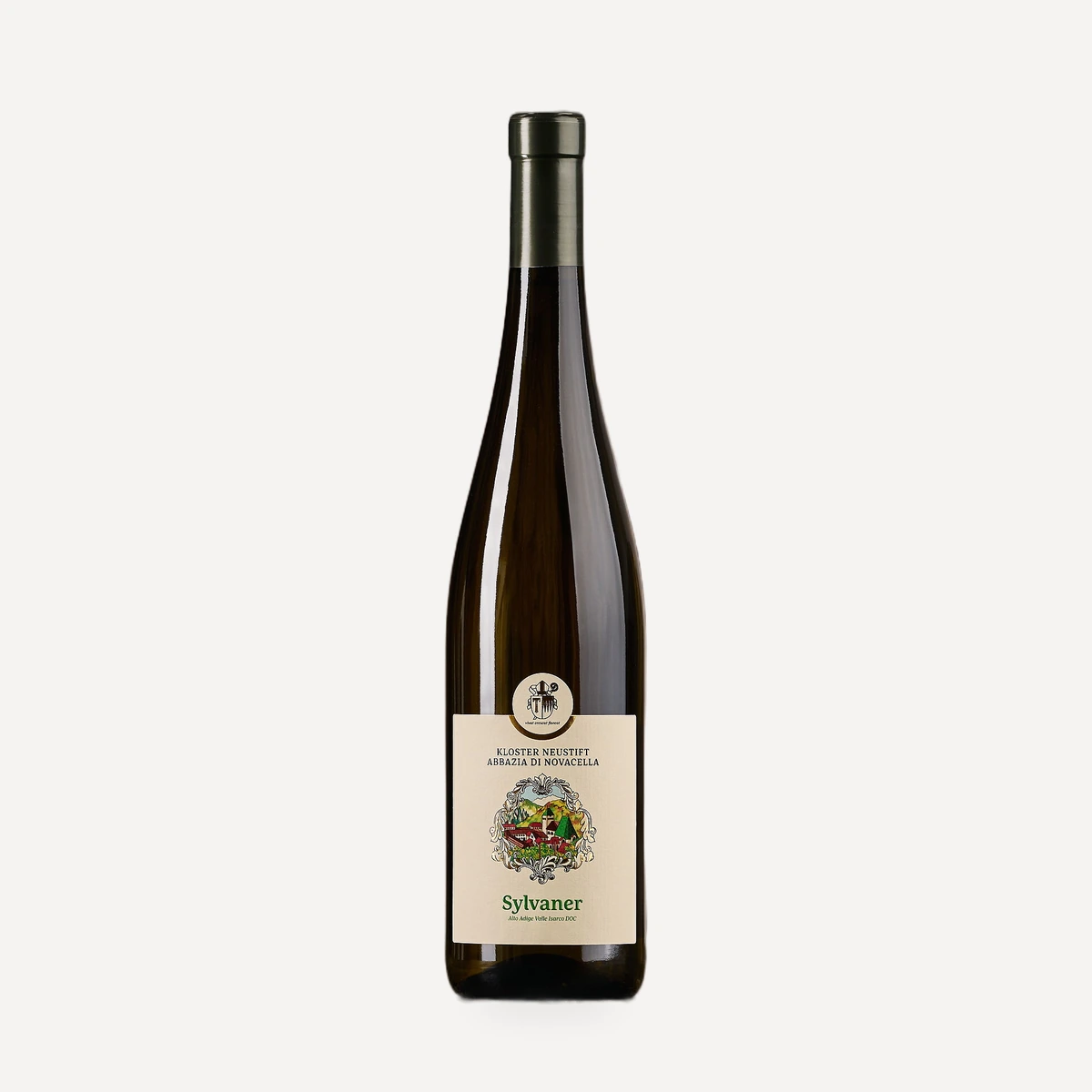
Sylvaner Alto Adige Valle Isarco DOC
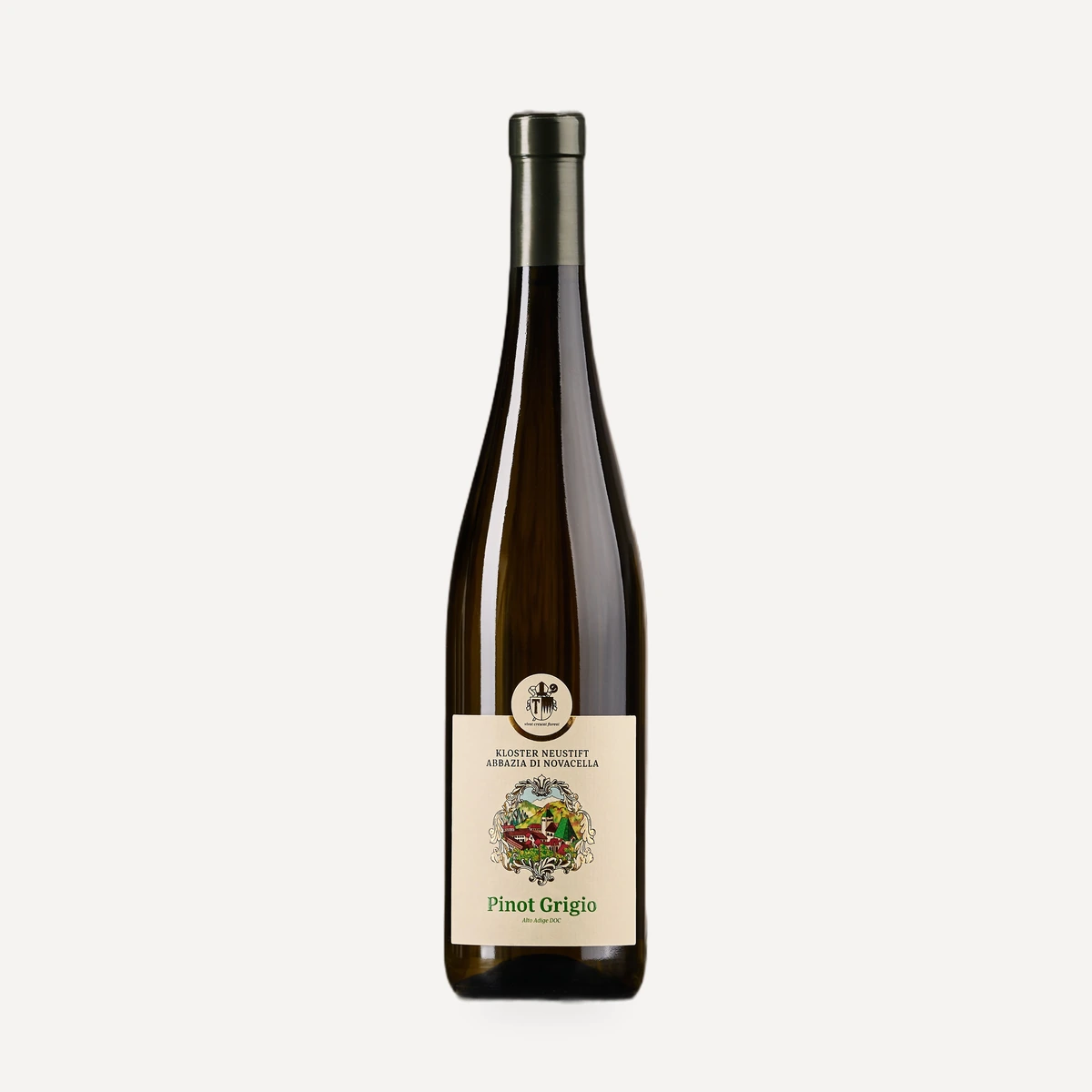
Pinot Grigio Alto Adige DOC
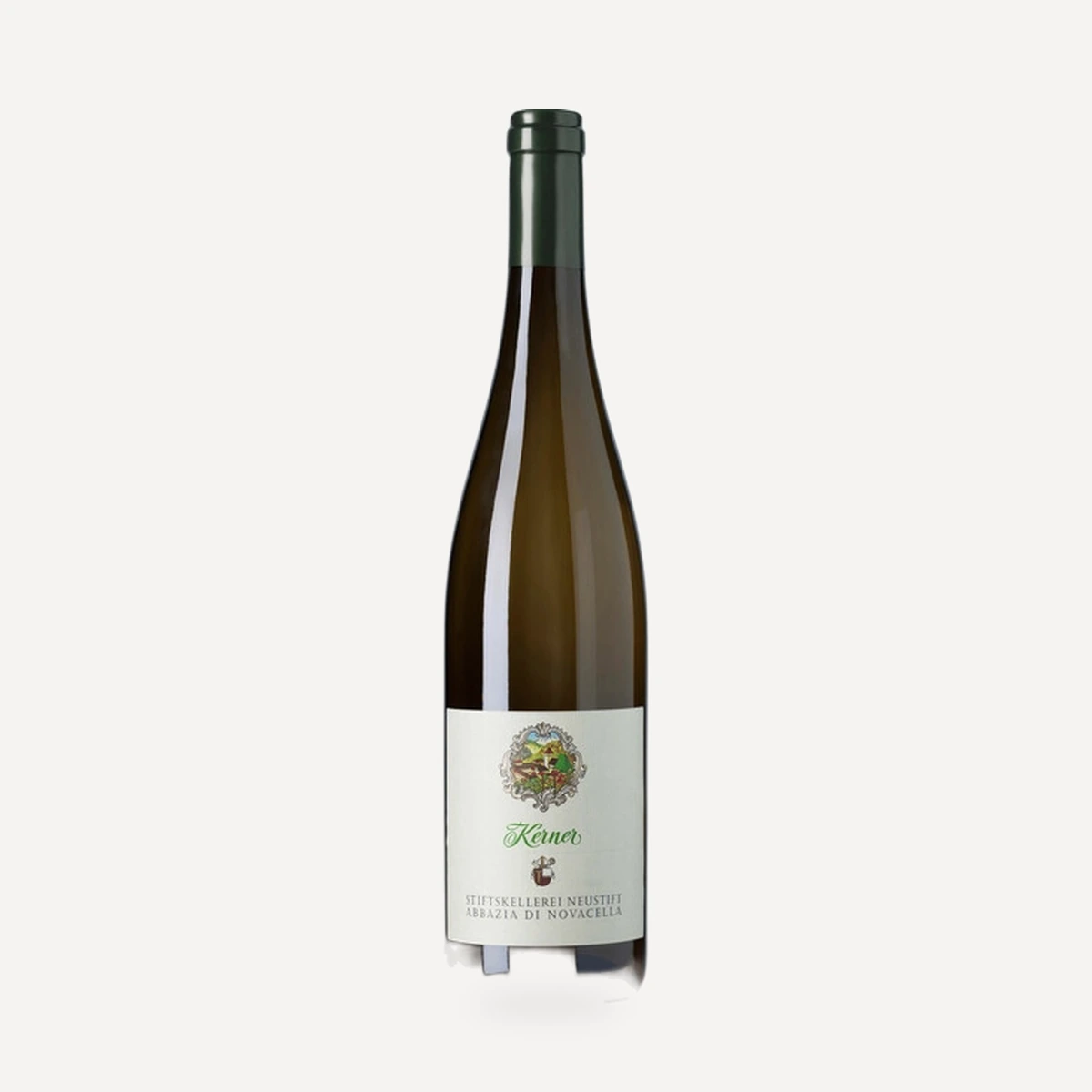
Kerner Alto Adige Valle Isarco DOC
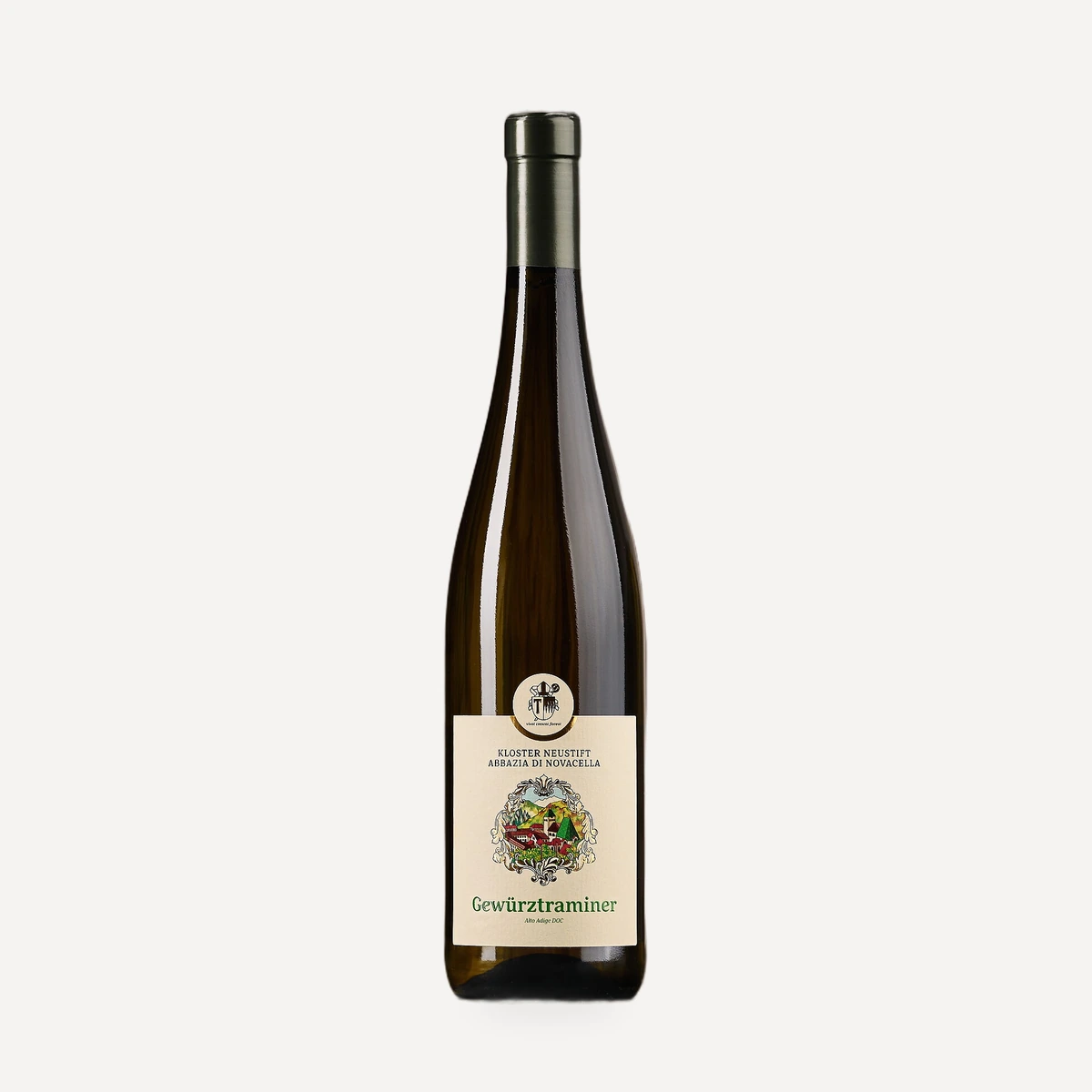
Gewürztraminer Alto Adige Valle Isarco DOC
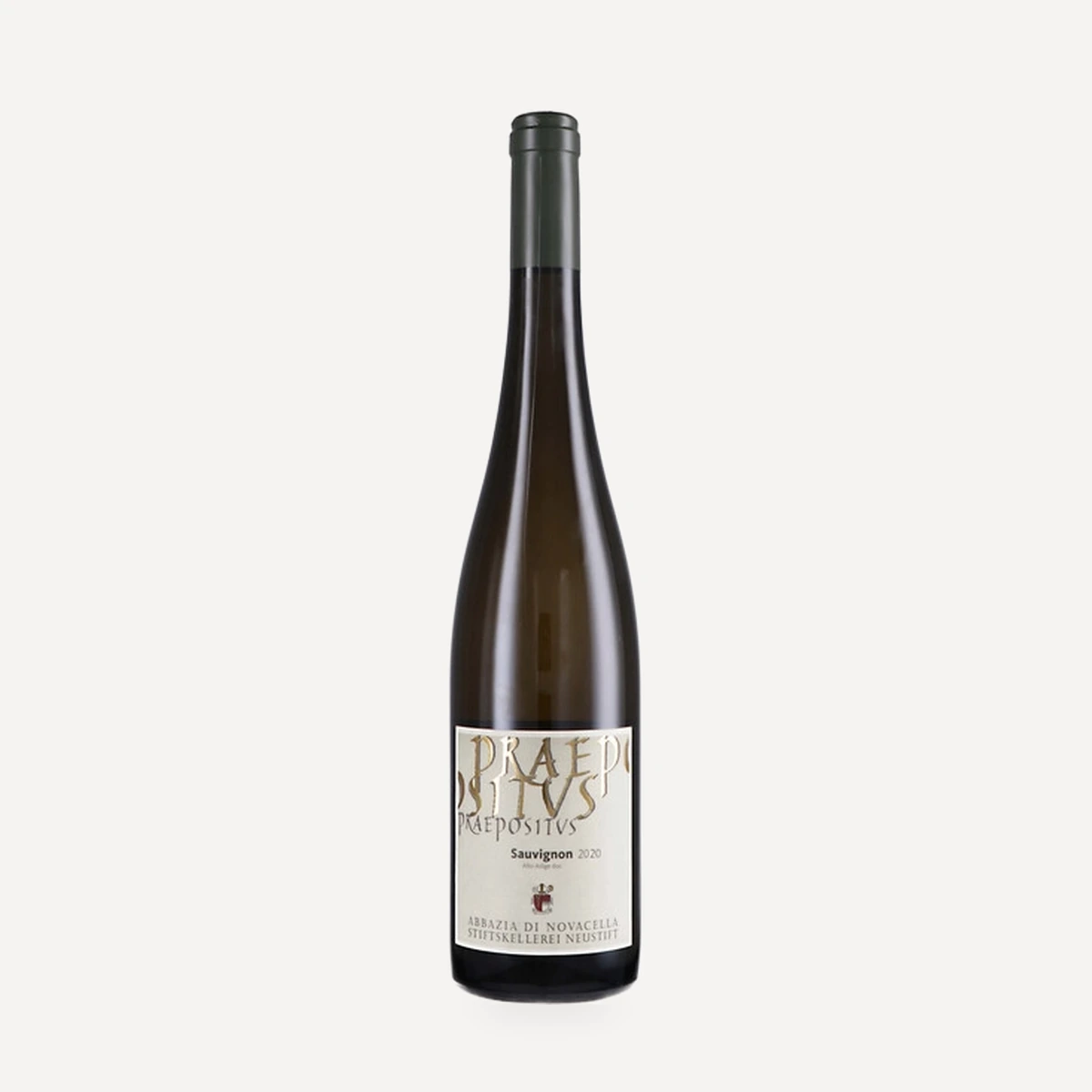
Sauvignon Praepositus Alto Adige DOC
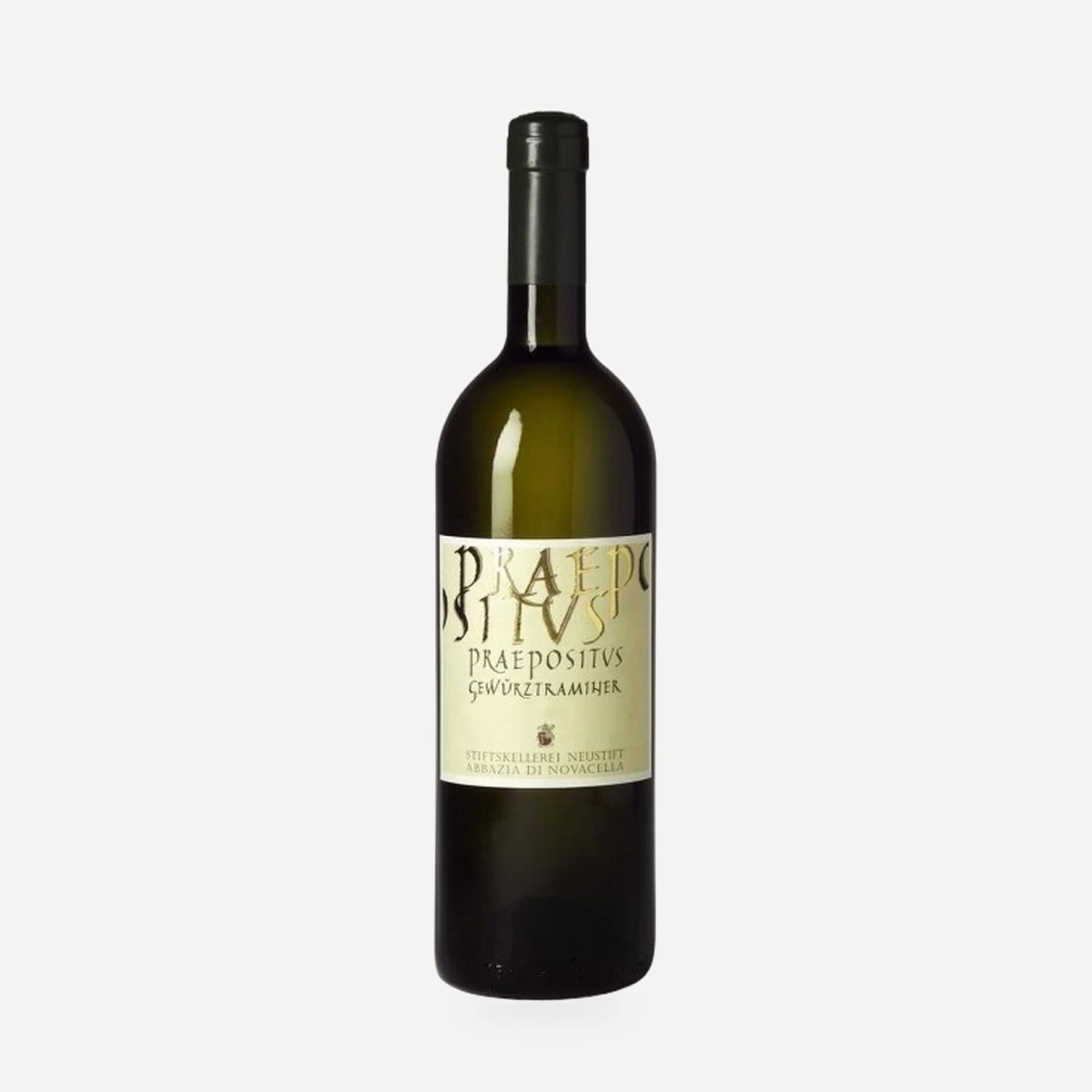
Gewürztraminer Praepositus Alto Adige Valle Isarco DOC
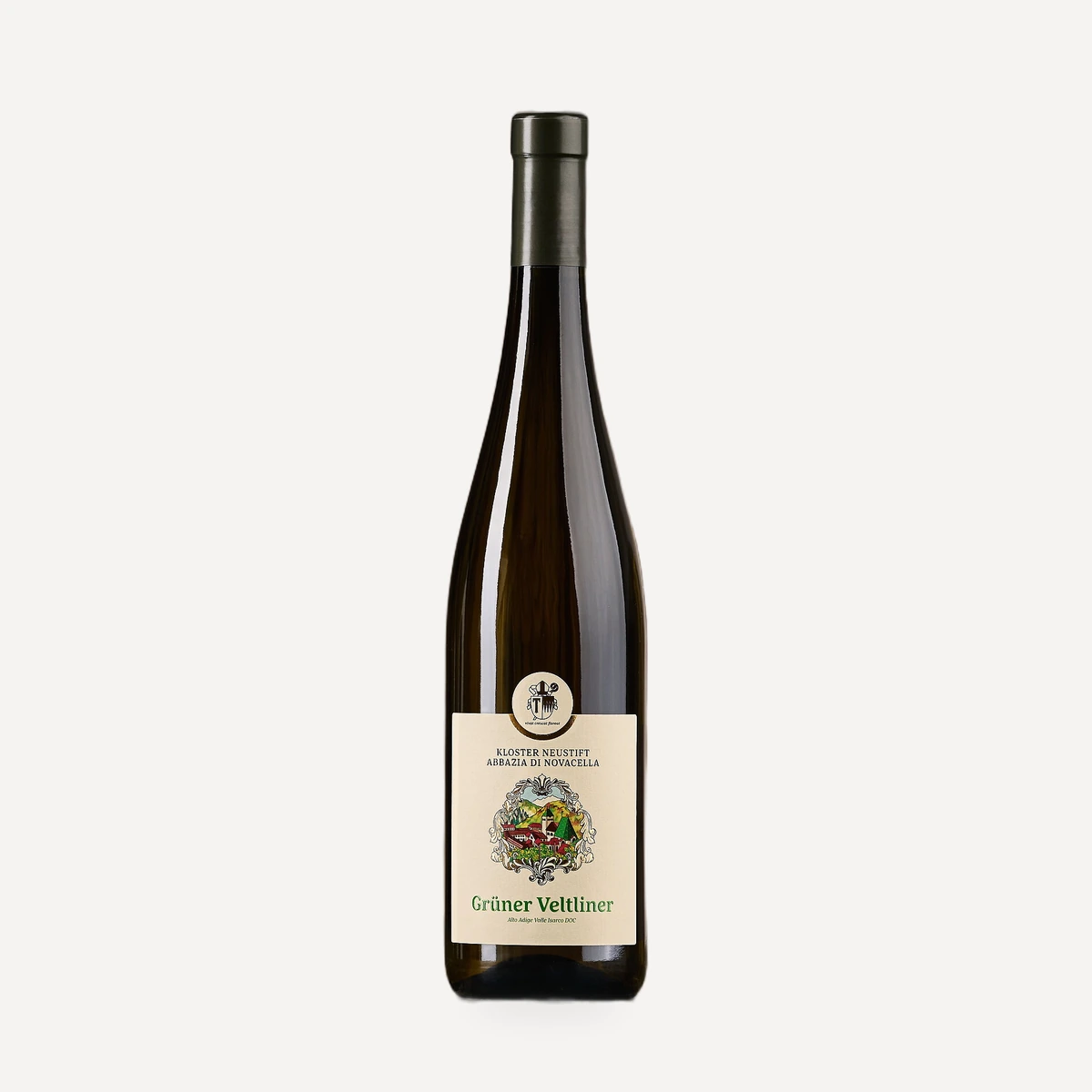
Grüner Veltliner Alto Adige Valle Isarco DOC
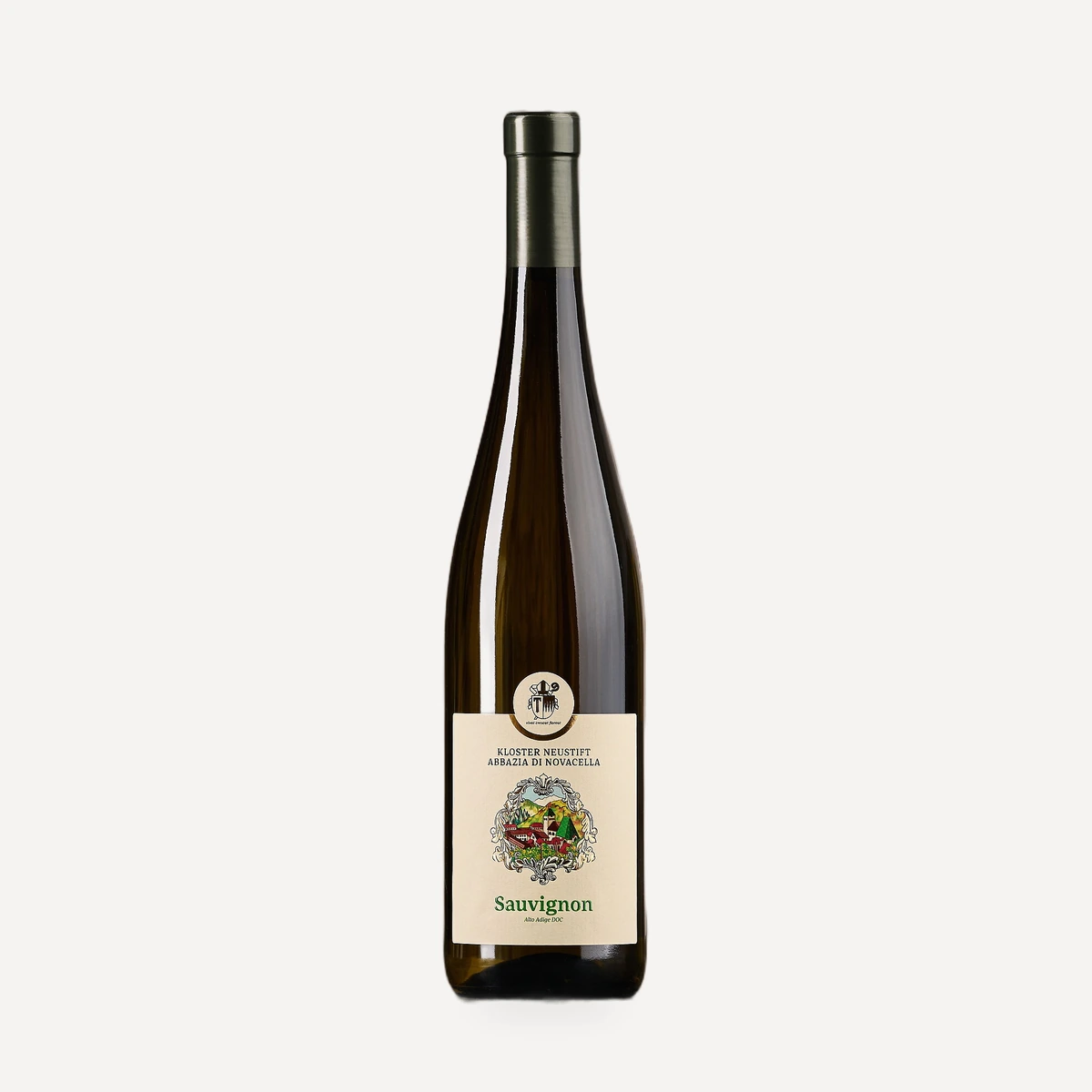
Sauvignon Alto Adige DOC
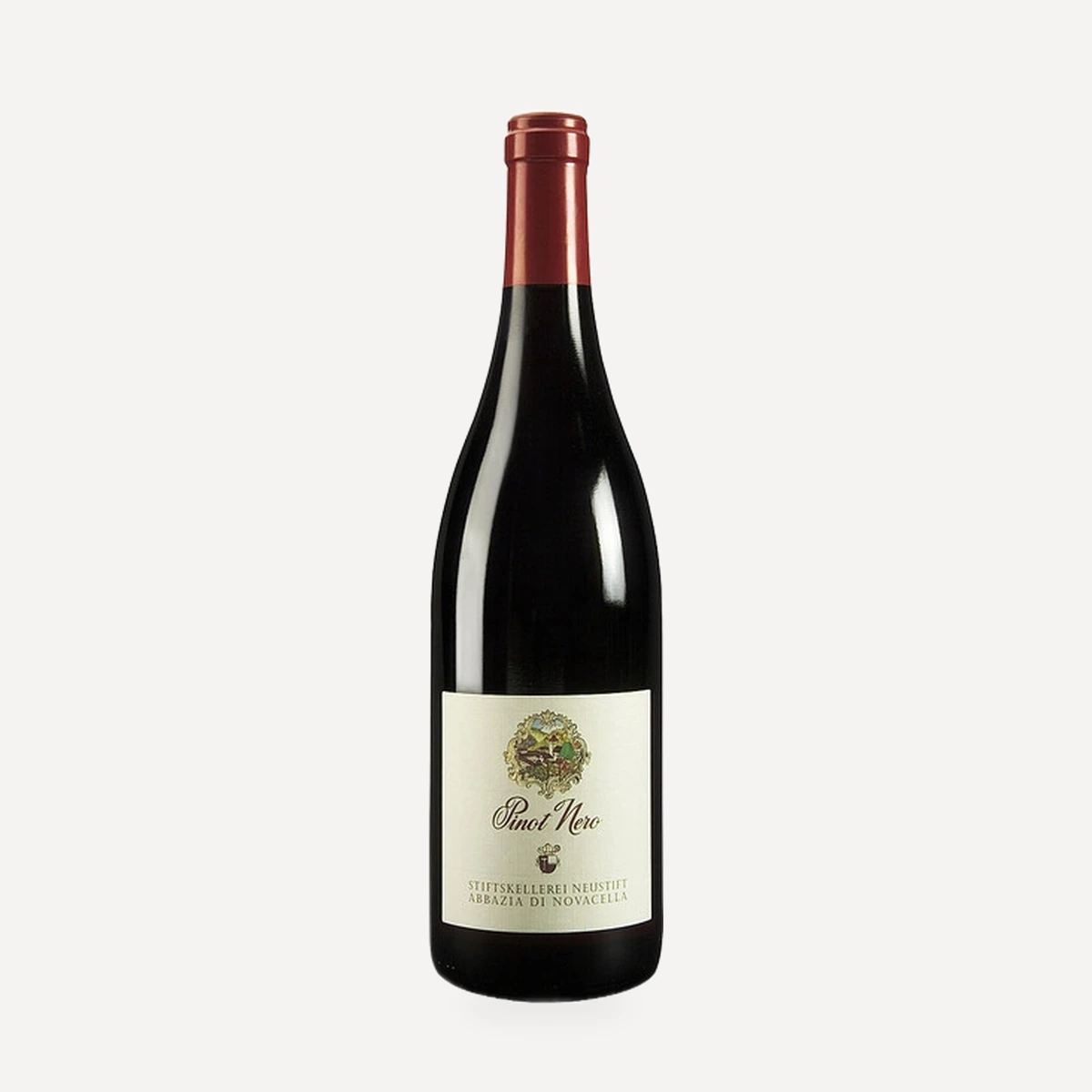
Pinot Nero Alto Adige DOC
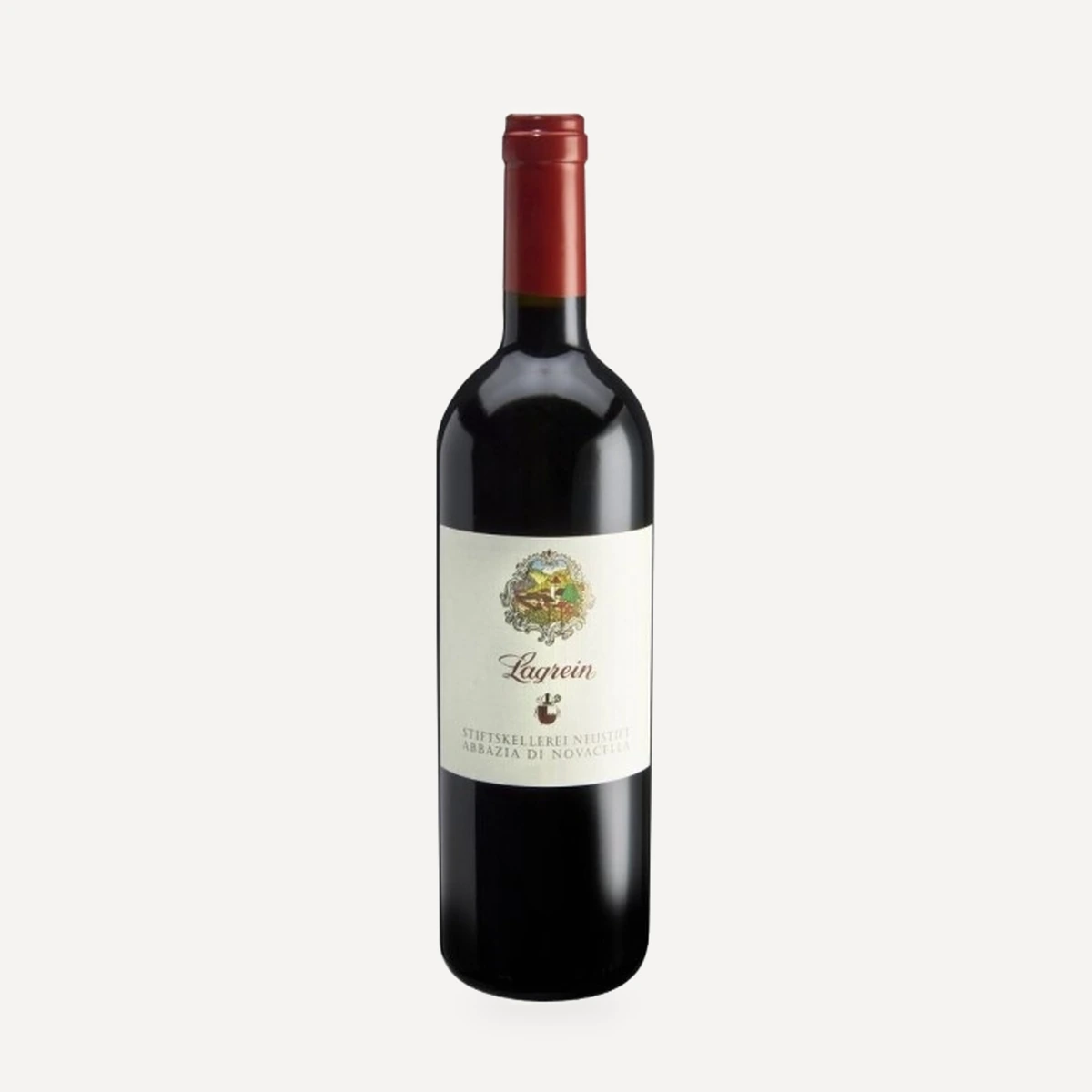
Lagrein Alto Adige DOC
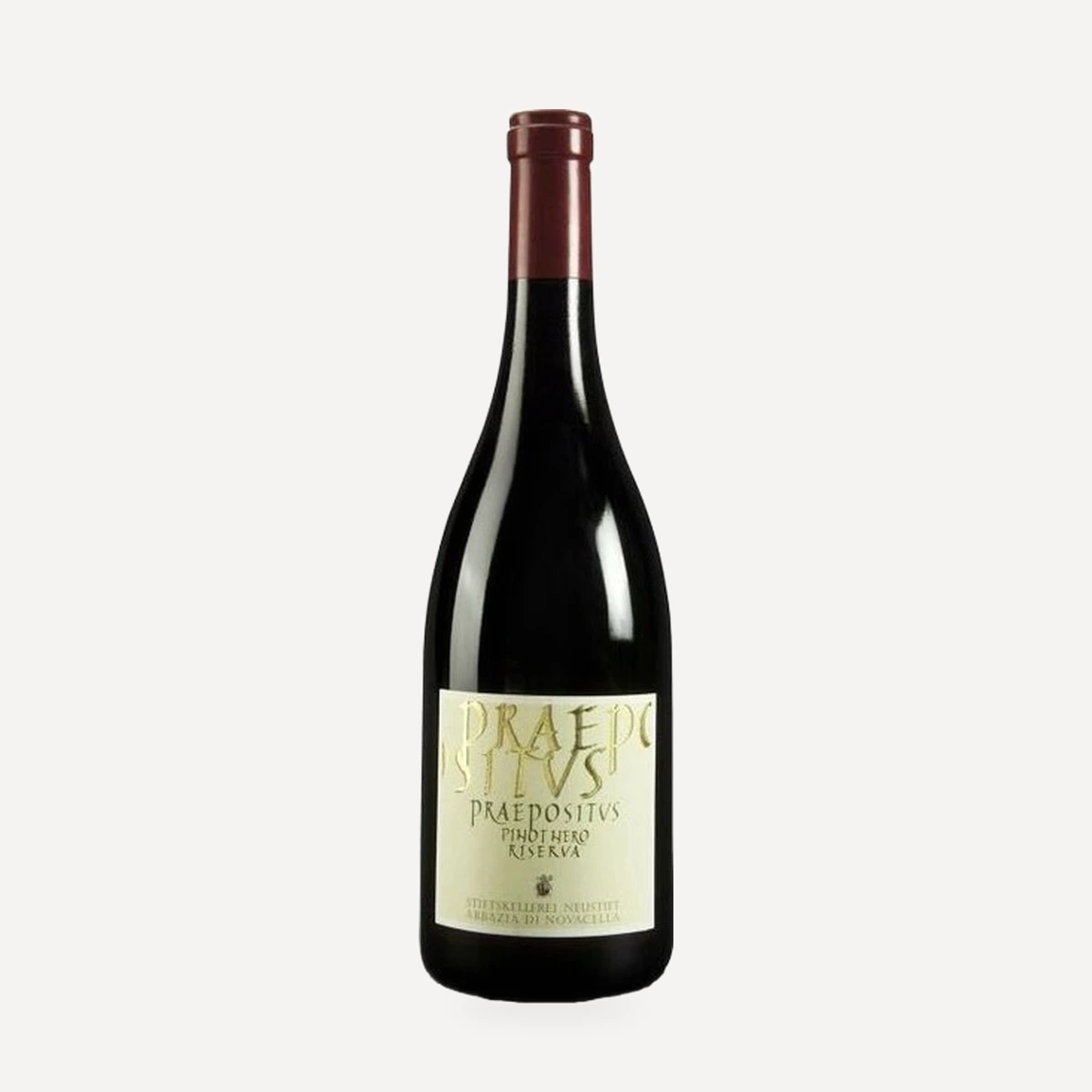
Pinot Nero Riserva Praepositus Alto Adige DOC
Premio Sylvaner Praepositus Alto Adige Valle Isarco DOC
Premio Grüner Veltliner Praepositus Alto Adige Valle Isarco DOC
Premio Riesling Praepositus Alto Adige Valle Isarco DOC
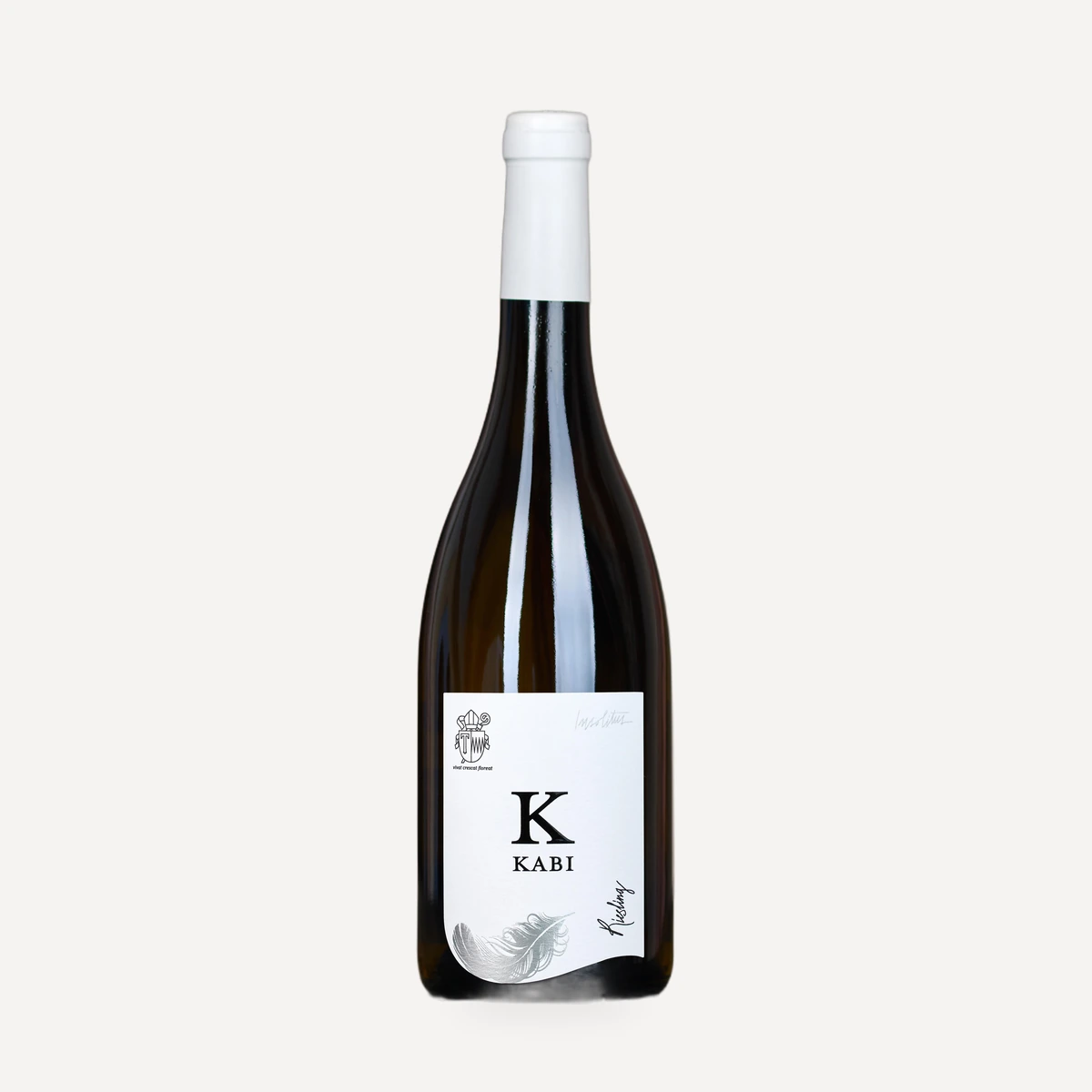
Kabi Riesling Mitterberg IGT
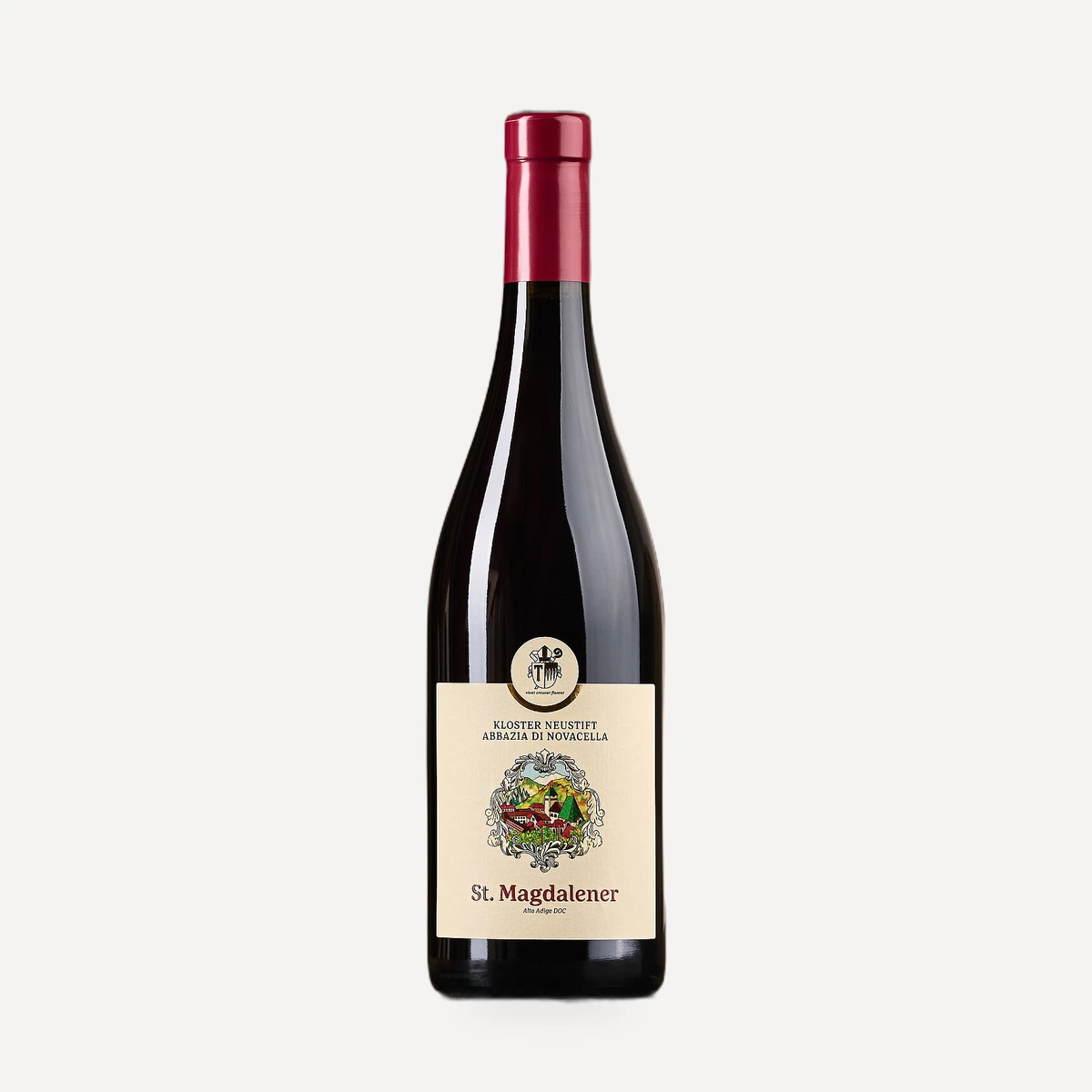
St. Magdalener Alto Adige DOC
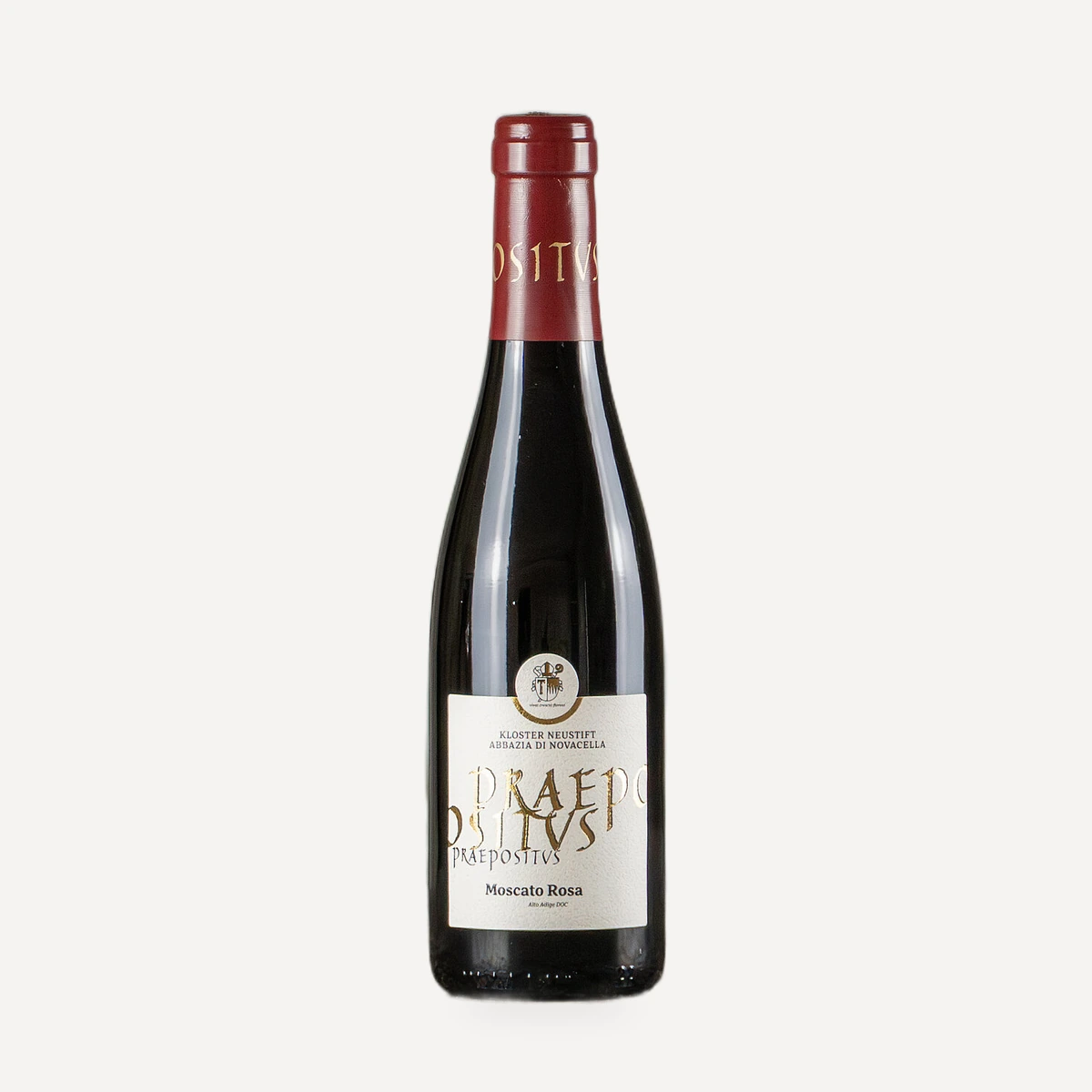
Moscato Rosa Praepositus Alto Adige DOC
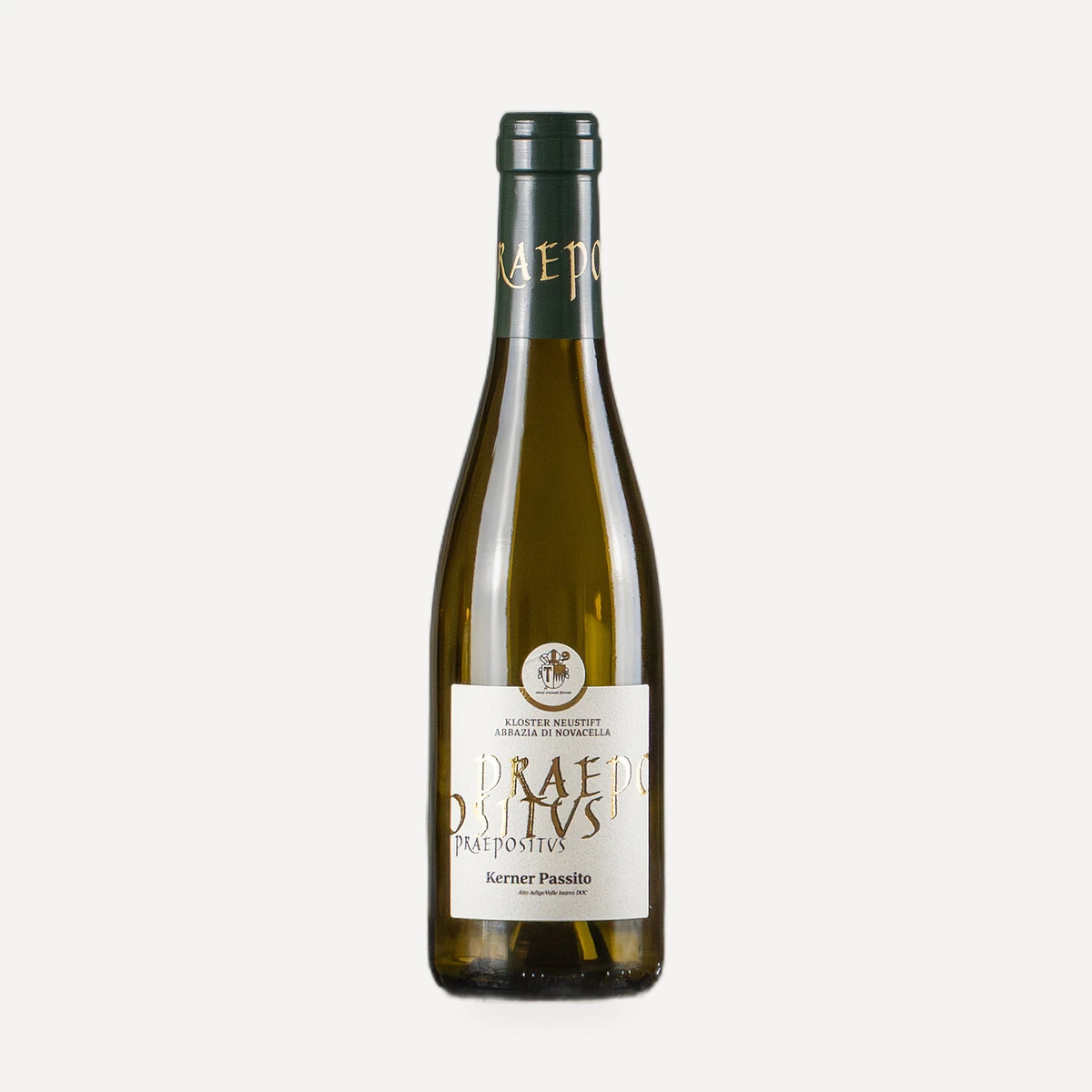
Kerner Passito Praepositus Alto Adige Valle Isarco DOC
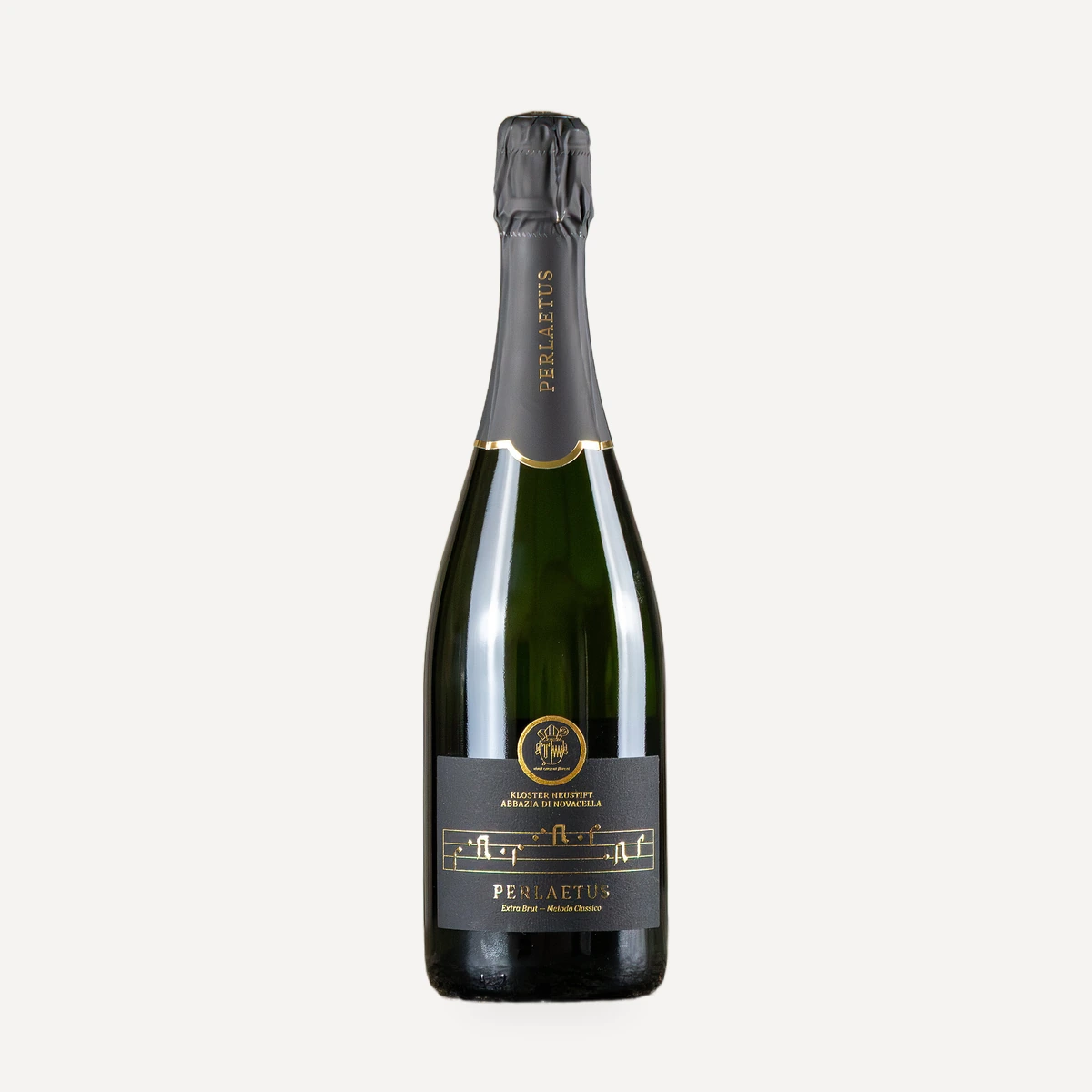
Perlaetus Extra Brut - Metodo Classico
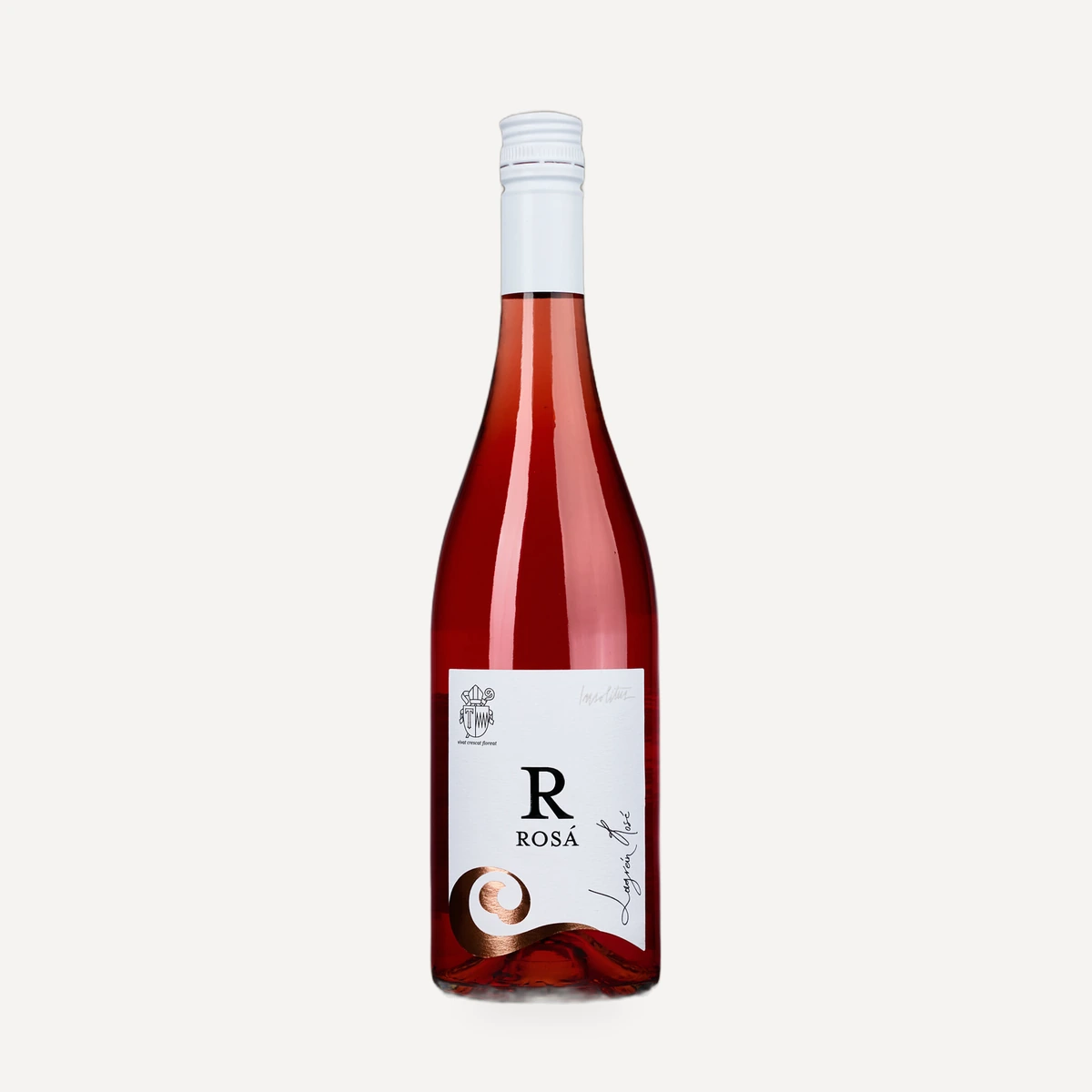
Rosá Lagrein Rosé Alto Adige DOC
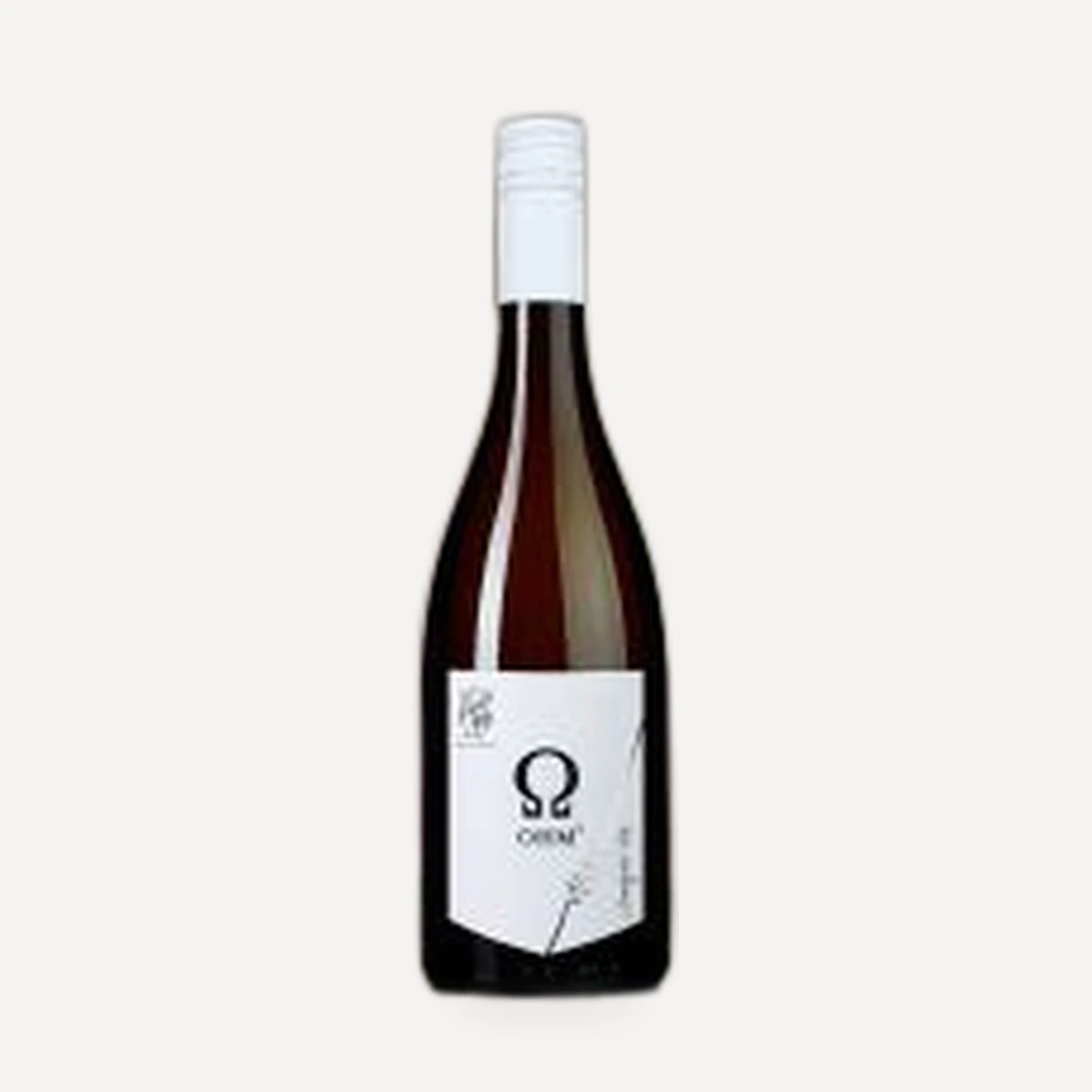
Ohm² Souvignier Gris 2024 Mitterberg IGT
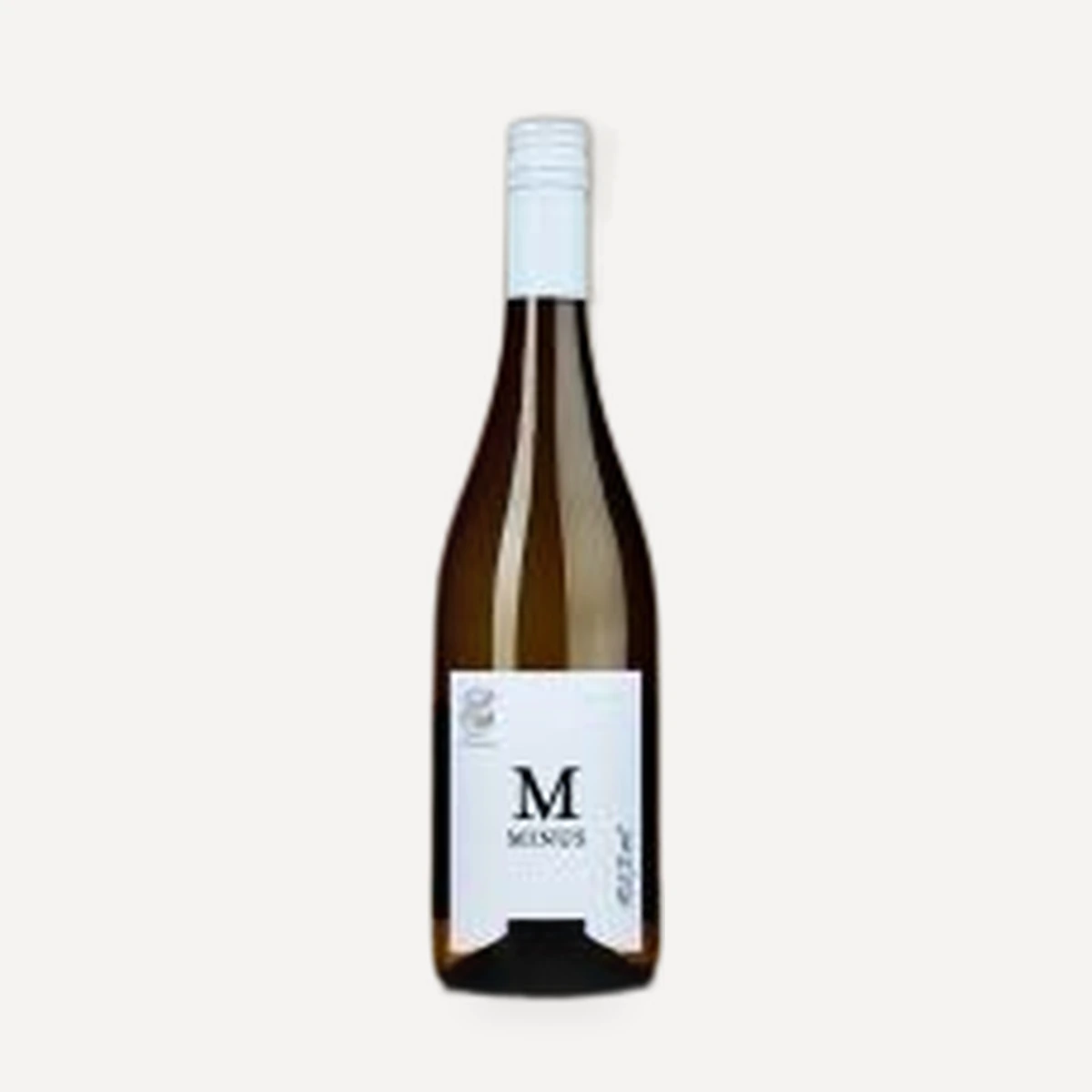
Minus Vino parzialmente dealcolato
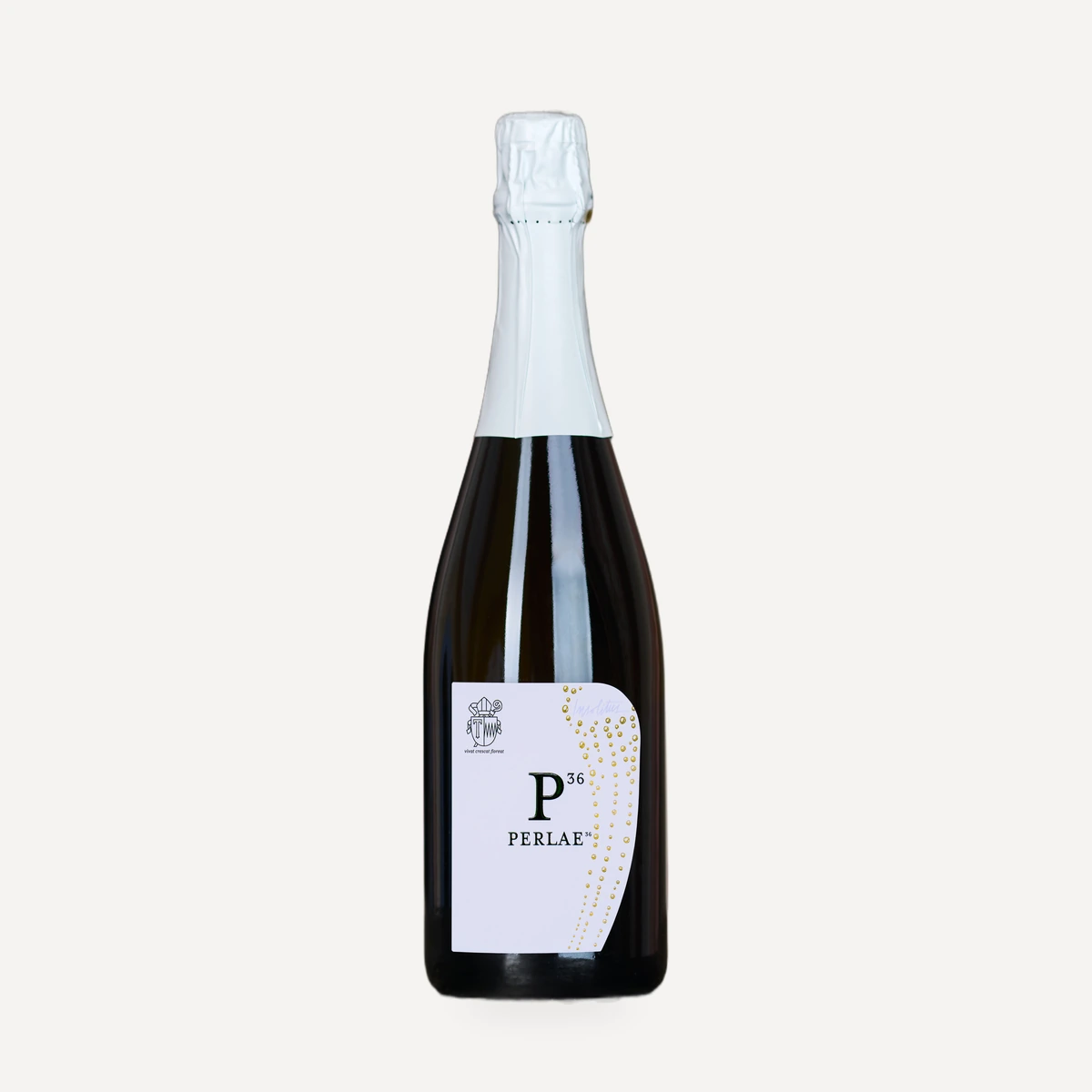
Perlae36 Pas Dosé VSQ - Metodo classico
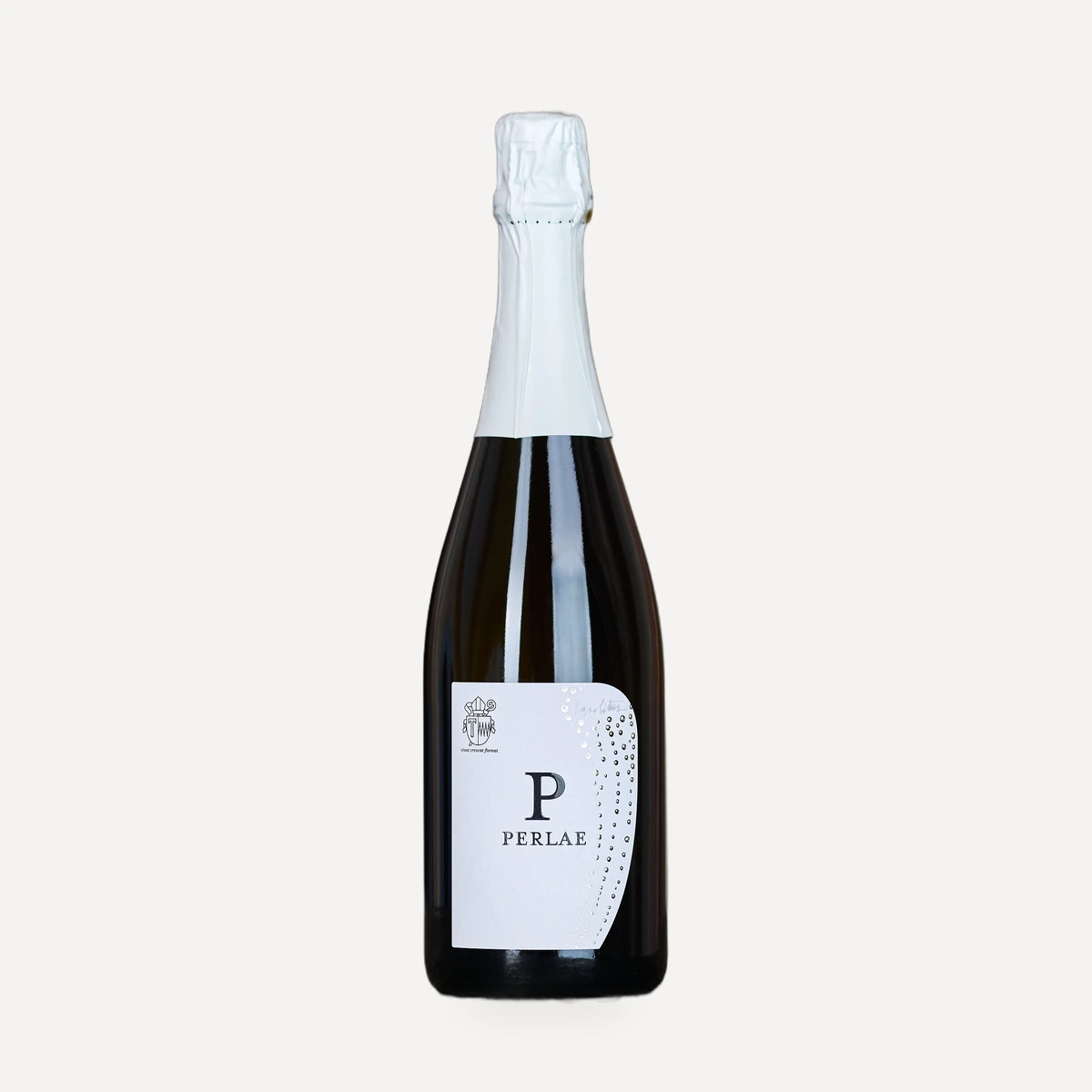
Perlae Extra Brut VSQ - Metodo classico
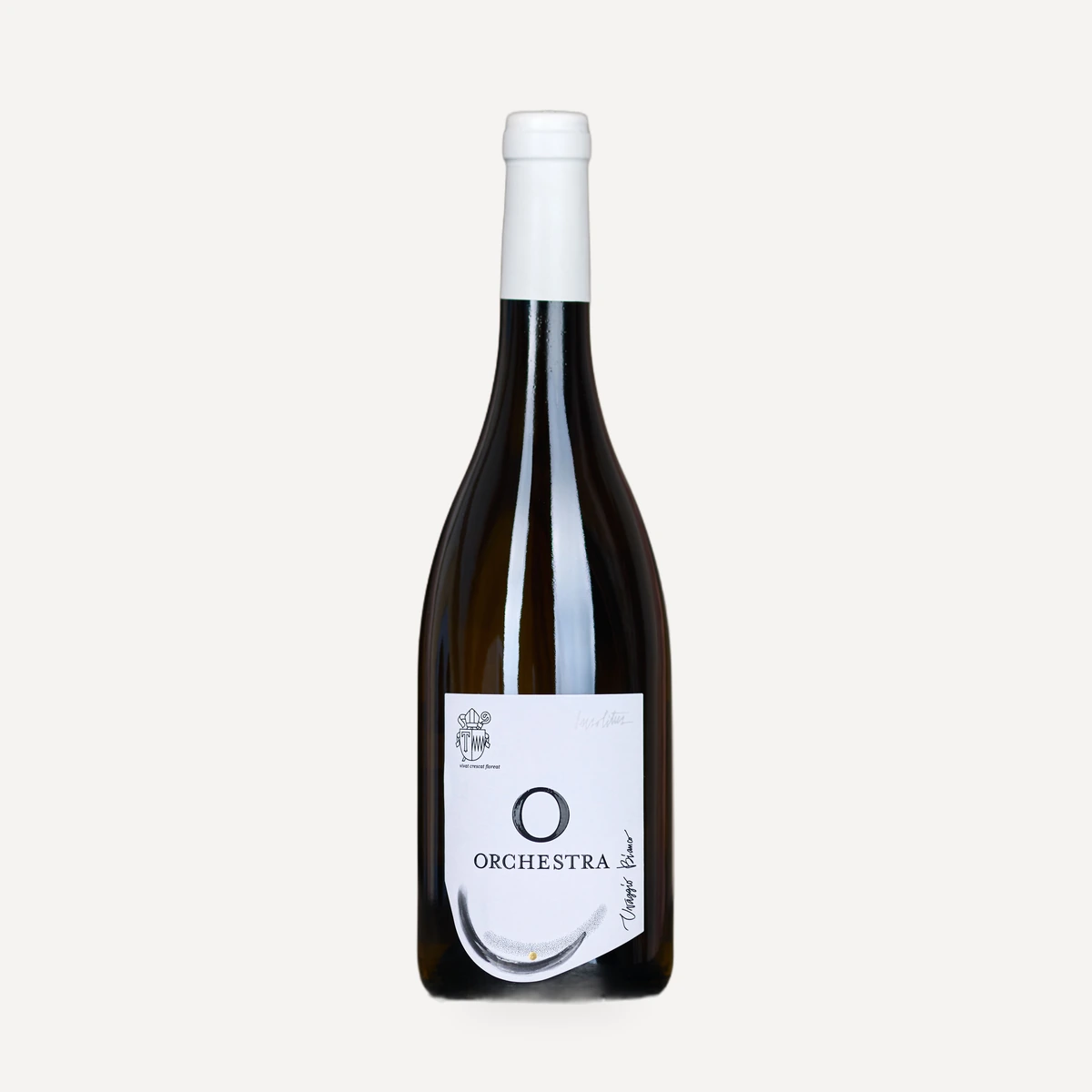
Orchestra Mitterberg Bianco IGT